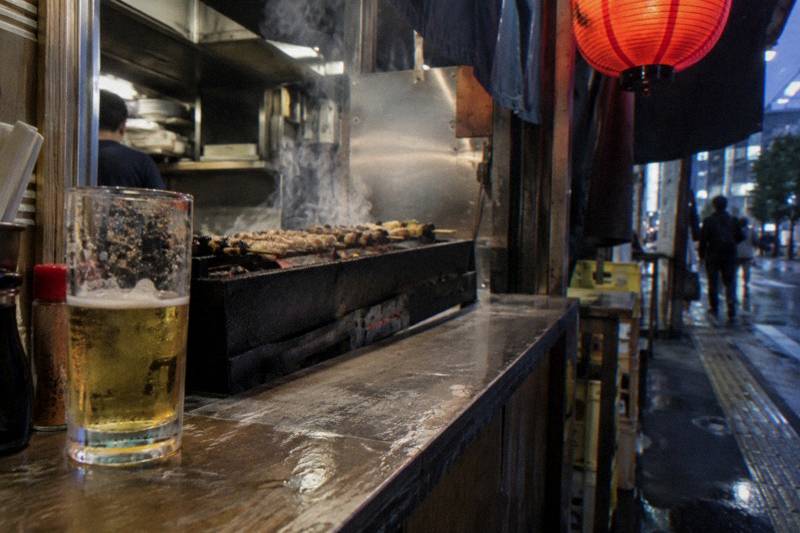
How To Ask For The Bill In Japan?
The exact phrases, hand signals and payment habits that get the bill settled at Tokyo restaurants and izakaya, from okaikei to otoshi charges, tax and tipping.
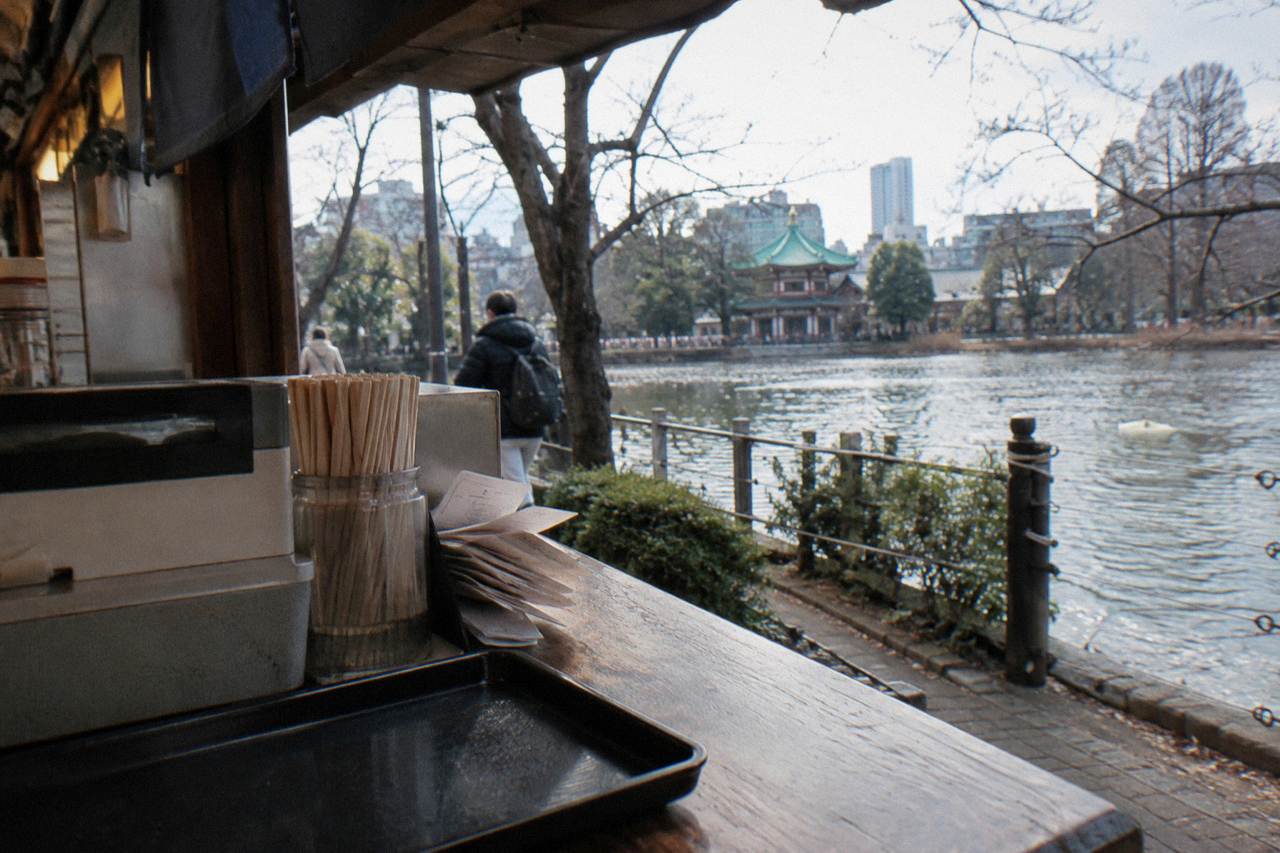
In Japan you ask for the bill with the word okaikei (お会計), either spoken to staff or accompanied by a small crossed-fingers or pencil-scribble hand gesture, and the bill arrives only after you request it. Servers will not bring it unasked, because presenting the check unprompted is considered rushing the guest. At counter spots and chain restaurants you instead carry your tray or receipt to a register near the door and pay there, sometimes by machine.
The single biggest adjustment for visitors is that silence does not mean bad service. In North America and much of Europe the check lands on the table once the plates are cleared, sometimes whether you want it or not. In Tokyo the opposite courtesy applies. The staff assume you will signal when you are finished, and they will keep your water topped up and leave you in peace until you do. Diners who wait to be approached routinely sit for twenty extra minutes wondering whether they have been forgotten. They have not.
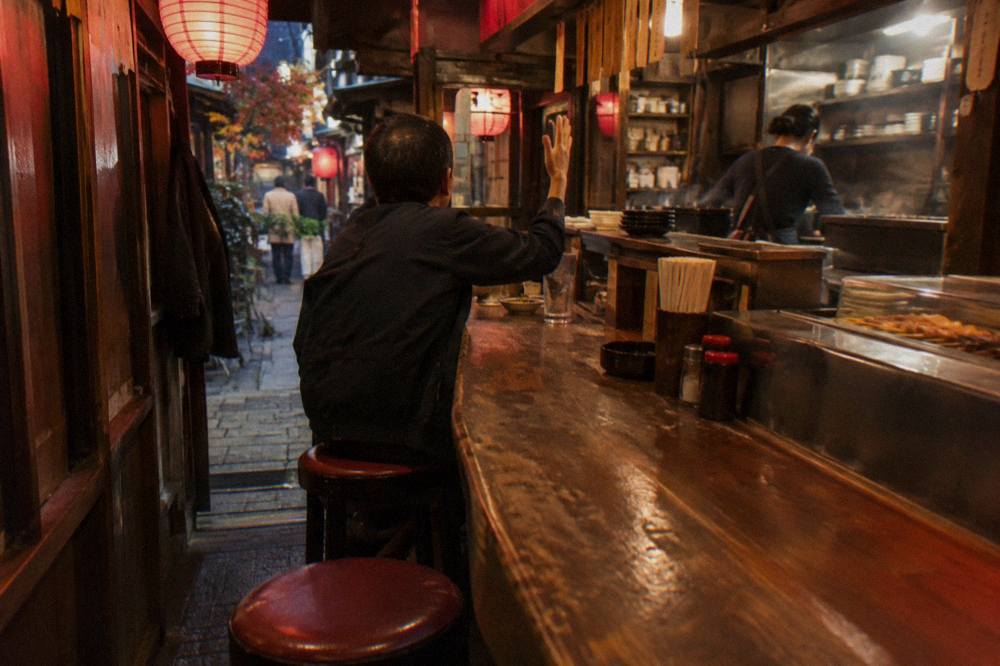
The phrase to remember is short. "Okaikei onegaishimasu" means "the bill, please," and it works everywhere from a two-seat ramen counter to a large izakaya. If pronunciation feels risky, the gesture does the job on its own: hold up one hand and lightly cross your two index fingers into an X, or mime writing in the air with an imaginary pen. Both are universally understood shorthand for the check. In a small shop where the cook is also the cashier, eye contact plus the gesture is often enough.
There is a third path that surprises many first-time visitors. At thousands of casual restaurants, ramen shops, standing bars, food-court stalls and beef-bowl chains, there is no table payment at all. You pay when you order, at a vending-machine ticket counter by the door, or you carry your tray to the register on your way out. Watch what local diners do in the thirty seconds after they stand up; the flow is usually obvious once you look for it.
For travelers who would rather not negotiate any of this at 10 p.m. in a lantern-lit alley, a guided evening removes the payment step entirely. The Budget Crawl, No Meal Included option, formally the Tokyo: Shinjuku Local Bar & Izakaya Crawl Tour, is booked and paid before you ever sit down, and the Shinjuku Local Bar & Izakaya Crawl works the same way. So does the Shibuya Bar Hop. All three appear below if you want to compare the evening styles side by side.
What Phrase Actually Gets The Bill Brought?
Say "okaikei onegaishimasu" (お会計お願いします) to any staff member, or shorten it to "okaikei" at a counter. For splitting, ask "betsu betsu ni onegaishimasu" at the time of payment, though very small shops may ask you to pay as one group. The word works in restaurants, izakaya, cafes and bars across the country, and no tip follows it.
Japanese has several politeness registers, but this is one situation where the casual version works nearly everywhere. "Okaikei" is the noun for the account or the total. Adding "onegaishimasu" makes it a polite request. In a busy izakaya you can catch a server's eye across the room and say it at normal volume; hovering or snapping fingers is what reads as rude, not the request itself. At a small counter restaurant, the person across the counter is usually the owner, and a quiet "okaikei" as you set down your chopsticks is the natural register.
Splitting the bill deserves one sentence of caution. "Betsu betsu" (separately) is understood almost universally, and cash-register systems in mid-size restaurants handle it routinely. Card payment is the sticking point: two cards on one table may be refused simply because the terminal workflow does not support it. If your group wants to split, do it in cash, or nominate one person and settle up outside. Larger guided groups sidestep the arithmetic altogether; on the Bar Hop, Free Flow Full Dinner evening, a fixed per-person booking from $109.35 covers a full dinner with free-flow drinks and a Golden Gai finish, so there is nothing to divide at the end.
| Situation | Phrase or action | Notes |
|---|---|---|
| Table service restaurant | "Okaikei onegaishimasu" | Bill brought to the table |
| Counter or small shop | "Okaikei" | Often paid right at the counter |
| Cannot get words out | Crossed-fingers or pen-scribble gesture | Universally understood |
| Splitting payment | "Betsu betsu ni onegaishimasu" | Cash splits work best; cards may not |
| Ticket-machine shop | Buy a ticket at the door before sitting | Hand the ticket to staff, no bill later |
If you want a guided version of these situations before trying them alone, the Budget Crawl, No Meal Included evening, the full name being the Tokyo: Shinjuku Local Bar & Izakaya Crawl Tour, walks you into exactly these small counters with someone else handling the requests. It runs about 3 hours, is rated 4.9 across 2,911 reviews, and starts from $36.15 per person, which makes it one of the least expensive guided nights on this site.
Do You Pay At The Table Or At The Register?
Both patterns exist in Tokyo, and the deciding factor is the style of restaurant. Full-service restaurants and izakaya with table staff take payment at the table or bring a bill to your seat; ramen counters, chain restaurants, food halls and standing bars use a register by the exit, and a growing number use self-checkout kiosks. The tray you receive with your bill is where you place your cash or card, never a hand-to-hand exchange.
The register pattern trips up visitors most often at ramen shops. The typical flow: order, eat, rise, carry nothing except your dignity to the machine or counter by the door, and pay there. Some shops hand you a paper slip when you order, which you present at the register when leaving. Others use a ticket machine at the entrance that you operate before sitting down, which means the entire bill question is settled before the meal begins. If you see a machine with pictures of ramen bowls beside the door, that is your menu, cashier and bill in one.
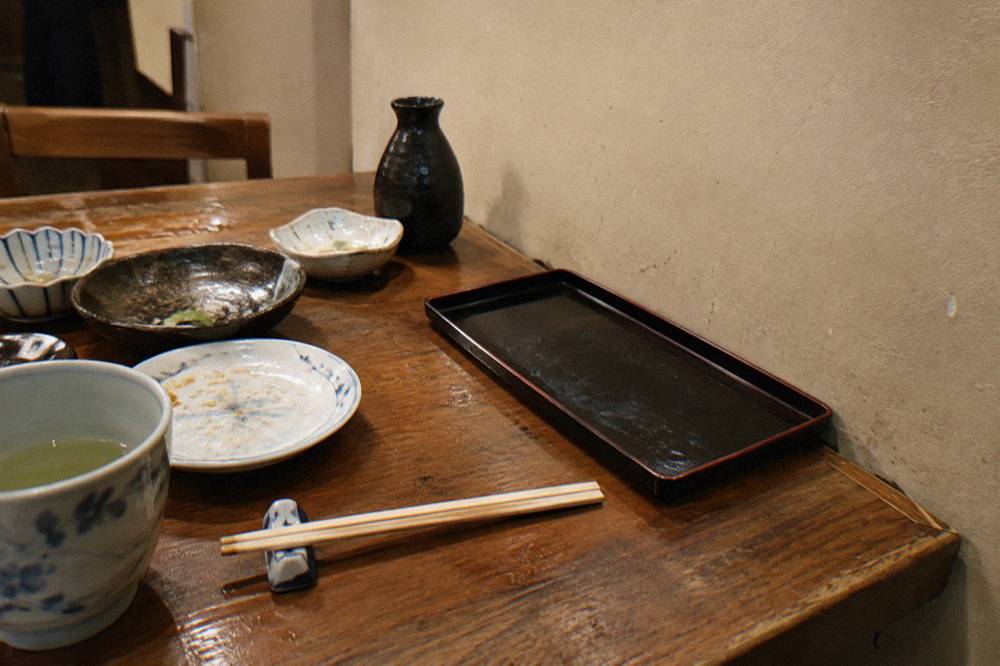
The tray matters more than it sounds. In table-service places, when the server brings the bill on a small black tray, you place your cash or card on that tray rather than into the server's hand. Handing money directly between palms is avoided, partly for hygiene and partly custom. The server returns change on the same tray. Receiving it without inspection is normal; recounting it conspicuously in front of staff can read as distrust, though nobody will say anything.
What Is Otoshi And Why Is It On Your Bill?
Otoshi (お通し), also called tsukidashi, is a small unordered appetizer that functions as a per-person seating charge at many izakaya, typically a few hundred yen per guest, and it appears on the bill as a set item rather than a mistake or a tip. It is not optional and not a scam, though a few tourist-facing bars abuse the custom with inflated charges, so check the amount if it looks high.
First-time visitors often freeze when a small dish lands in front of each person before anyone has ordered. It is usually something modest: a scoop of potato salad, simmered beans, a bite of cured fish, pickles. The dish exists because the seat has a price in an izakaya, and the food is simply how that charge is delivered. In the Omoide Yokocho lanes near Shinjuku Station, the operators' own visiting guide notes that some counters add an otoshi of roughly 300 to 500 yen that includes a small starter. In Golden Gai, cover fees commonly run higher, and that is covered further down.
The abuse case is rare but real. A handful of bars in heavy tourist zones have reportedly charged several thousand yen per head for a token dish, relying on guests not questioning a Japanese-language bill. The defense is simple: otoshi is a line item like any other, and if it seems disproportionate, point at it and ask "kore wa nan desu ka" (what is this?). Legitimate venues answer plainly. If a guided crawl is more appealing than conducting that negotiation, the Award-Winning Shibuya Bar Hop evening, formally An Award-Winning Izakaya Night Out, covers the bar-hop pattern with payment handled in advance; it runs about 3 hours 30 minutes from $38.87 per person and is rated 5 across 1,107 reviews.
Is Tipping Expected In Tokyo?
No. Tipping is not common in Japan at bars, cafes, restaurants, taxis or hotels, and leaving money on the table can cause genuine confusion, with staff sometimes chasing you down to return the "forgotten" cash. Pay the exact bill shown, including any listed service charge, and consider the transaction complete.
The Japan National Tourism Organization states this directly: it is not common to tip for services such as those provided in bars, cafes, restaurants, taxis and hotels. There is a narrow traditional exception, a gratuity called kokorozuke given in special situations such as to a geisha or a private guide, wrapped in an envelope and presented with ceremony. That exception has no bearing on a Tuesday-night bowl of ramen. If you feel the service deserved extra, the culturally fluent responses are to say "gochisosama deshita" (thank you for the meal) on the way out, or simply to return.
One nuance catches diners at upscale venues. At higher-end restaurants and hotels, a fixed service charge, often 10 to 15 percent, may already appear on the bill as part of the stated price. That is not a tip and needs nothing added. The bill you are handed is the bill you pay, which is also why prepaid tours feel frictionless by comparison: the Ueno Walk, 10+ Japanese Classics and the Tsukiji Market, 5 Tastings morning are both paid for when you book, so the only money that changes hands on the street is for anything extra you personally add.
How Does Consumption Tax Work On Restaurant Bills?
Dine-in restaurant meals in Japan carry the standard 10 percent consumption tax, while takeaway food qualifies for the reduced 8 percent rate, so the same item can cost differently depending on where you eat it. From 1 April 2027 to 31 March 2029 the rate on food and drink sales is scheduled to be lowered under a National Tax Agency measure, so treat the current split as temporary.
The National Tax Agency's own guidance is that the reduced 8 percent rate covers food and drink excluding alcohol and dining out. In practice this means the bakery that hands you a pastry over the counter charges 8 percent, but the seat you take at its three-stool corner turns the same pastry into a 10 percent transaction. Menus in Tokyo usually display prices with tax included, so the number you see is the number you owe, but the distinction explains why a receipt sometimes shows two tax lines on a mixed order.
| Charge or tax | Typical amount | How it appears |
|---|---|---|
| Consumption tax, dine-in | 10 percent | Included in menu prices |
| Consumption tax, takeaway food | 8 percent | Included in displayed price |
| Otoshi seating charge | Roughly 300 to 500 yen at izakaya counters | Per-person line item |
| Golden Gai cover charge | Roughly 500 to 1,500 yen per bar | Stated at the door or on the bill |
| Upscale service charge | Often 10 to 15 percent | Part of the stated bill, not a tip |
For budget planning across a whole trip, the piece this site has already worked through in detail is in the guide to what a Tokyo food tour costs, which stacks up the per-person and per-group pricing across the major walking formats.
Cash Or Card At Tokyo Eateries?
Cash remains widely accepted and often preferred at many independent Tokyo restaurants and ramen shops, while mid-to-high-end venues and chains increasingly take cards and cashless payment. In small alleys like Golden Gai and parts of Omoide Yokocho, do not assume cards work at all, so carry paper money on any night out in those districts.
The trajectory is toward cashless, but the trajectory is not the present. A high-end sushi counter in Ginza will take cards without comment. A six-seat yakitori stall with a curtain for a door may not, and in Golden Gai the standard guidance from people who write about the district is blunt: assume cash. Machines and IC-tap terminals fail, staff hesitate with foreign cards, and the backup is always yen. A practical rule for an evening crawl is enough cash to cover the whole night, with a card as the bonus rather than the plan.
Coins matter more than you would expect. Register transactions and vending machines run on exact change culture, so the coin purse earns its keep. And when the bill arrives and you hand over paper money, the change comes back on the tray with the receipt. This is the ordinary machinery of a Tokyo night out; the finer points of eating well across the city, from street counters to market mornings, are laid out in the broader what to expect on a Tokyo food tour guide on Tokyo Food Tours.
How Do Bar Tabs And Cover Charges Work In Golden Gai?
Golden Gai bars commonly open around 8 p.m. with closing times anywhere from 2 to 5 a.m., charge a cover or seat fee of roughly 500 to 1,500 yen per person that often includes a small snack, and generally expect cash, so each bar is effectively a separate bill rather than one running tab for the night.
The six narrow lanes of Golden Gai contain around 200 bars, most seating fewer than a dozen people, and each operates as an independent business with its own pricing, its own door policy and its own register. Some welcome walk-in foreigners with English signs; others are regulars-only, marked as clearly as anything can be marked in a language you may not read. The cover charge is the number to confirm before sitting down, because it is per person, per bar, and stacking three bars in a night means three covers. Many include a small otoshi-style snack or a first drink markup, and the door or a posted card usually states it. The alleys themselves are treated as private roads by the shopping-street association, and photography there requires permission, which is worth knowing before raising a camera.
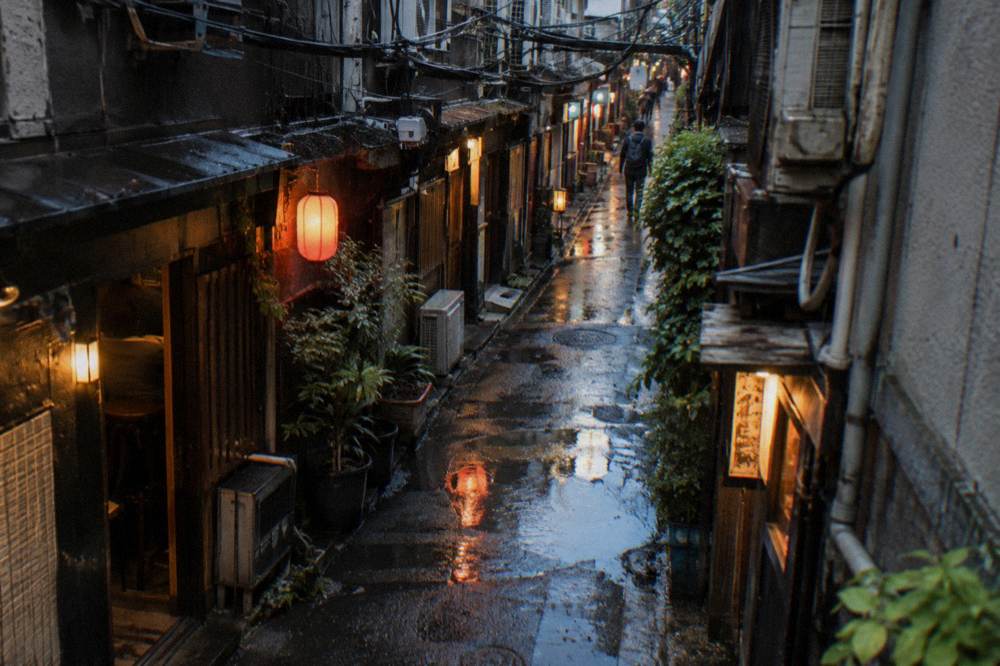
Omoide Yokocho, the post-war eating lane near Shinjuku Station's west exit, runs on the same logic at a lower price point: roughly 80 premises, about 60 of them bars and restaurants, most of them yakitori and motsuyaki counters, and a typical spend per person of around 2,000 to 3,000 yen for skewers and drinks. Its operators note that many counters are cash-only or prefer cash for small tabs. If the prospect of six separate cash settlements in broken Japanese sounds like work rather than fun, that is precisely the gap a prepaid crawl fills. The Golden Gai Crawl, 2 Hours format covers the district in a short evening from $97.17 per person, and the premium Shinjuku Golden Gai Food Tour at from $217 per person includes the food alongside the bars.
Do Prepaid Food Tours Skip All Of This?
Yes. On a prepaid tour the bill question is solved before the evening starts: you pay in full when you reserve, per person or per group as the tour is priced, and nothing is settled at the counter except personal extras. You still encounter otoshi culture and cash-only alleys as an observer, but the guide absorbs the asking, the splitting and the settling.
Consider what a night in Shinjuku actually demands of a visitor paying as they go. A cash withdrawal sized to the evening. A read of each bar's cover policy before sitting. The okaikei request at each stop, the tray, the change, the coin purse, the arithmetic at the end if the group splits. None of it is difficult in isolation, and much of it is part of the charm. But stacked across three counters in a district where some bars decline foreign cards, it becomes a task, and it is the reason prepaid formats dominate the guided market here.
The contrast within the trio above makes the point. The Budget Crawl, No Meal Included evening at from $36.15 per person is the light-touch version: guide, route and bar entry, with your food and drink bought personally, so you still practice okaikei at least once. The Bar Hop, Free Flow Full Dinner at from $109.35 per person removes nearly every transaction. A Shibuya izakaya evening out, from $38.87 per person sits between them. Choose based on how much of the payment ritual you want to keep, not just on price.
Common Questions About Asking For The Bill In Japan
How To Ask For The Bill In Japan?
Say "okaikei onegaishimasu" to any staff member, or simply "okaikei" at a counter. If words fail, the crossed-fingers or pen-scribble hand gesture works everywhere. The bill is only brought when requested, and at counter shops and chains you usually carry your tray or receipt to a register by the door instead.
Do You Tip After Paying The Bill In Tokyo?
No. Tipping is not common at Japanese restaurants, bars, cafes or taxis, and staff may chase you down to return money left on the table. Any service charge at an upscale venue is already part of the stated bill and needs nothing added.
What Is The Small Dish That Appears Before I Order?
That is otoshi, a seating charge delivered as food, typically a few hundred yen per person at izakaya. It is a standard line item, not a tip and not a mistake. If the amount looks disproportionate, ask what it is before paying.
Can I Split The Bill Between Friends?
Ask for "betsu betsu" at payment time. Cash splits are handled easily almost everywhere; splitting across multiple cards may be refused in smaller shops, so nominate one payer or divide cash outside.
Is The Price On The Menu The Final Price?
Usually yes, since Tokyo menus generally display tax-inclusive prices. Dine-in meals carry 10 percent consumption tax and takeaway food 8 percent, and any otoshi or cover charge appears as separate line items on the bill.
Do Golden Gai Bars Take Credit Cards?
Often not. Cash remains the safe assumption in Golden Gai and many Omoide Yokocho counters, and each bar bills separately with its own cover charge, so carry enough yen for the whole night.