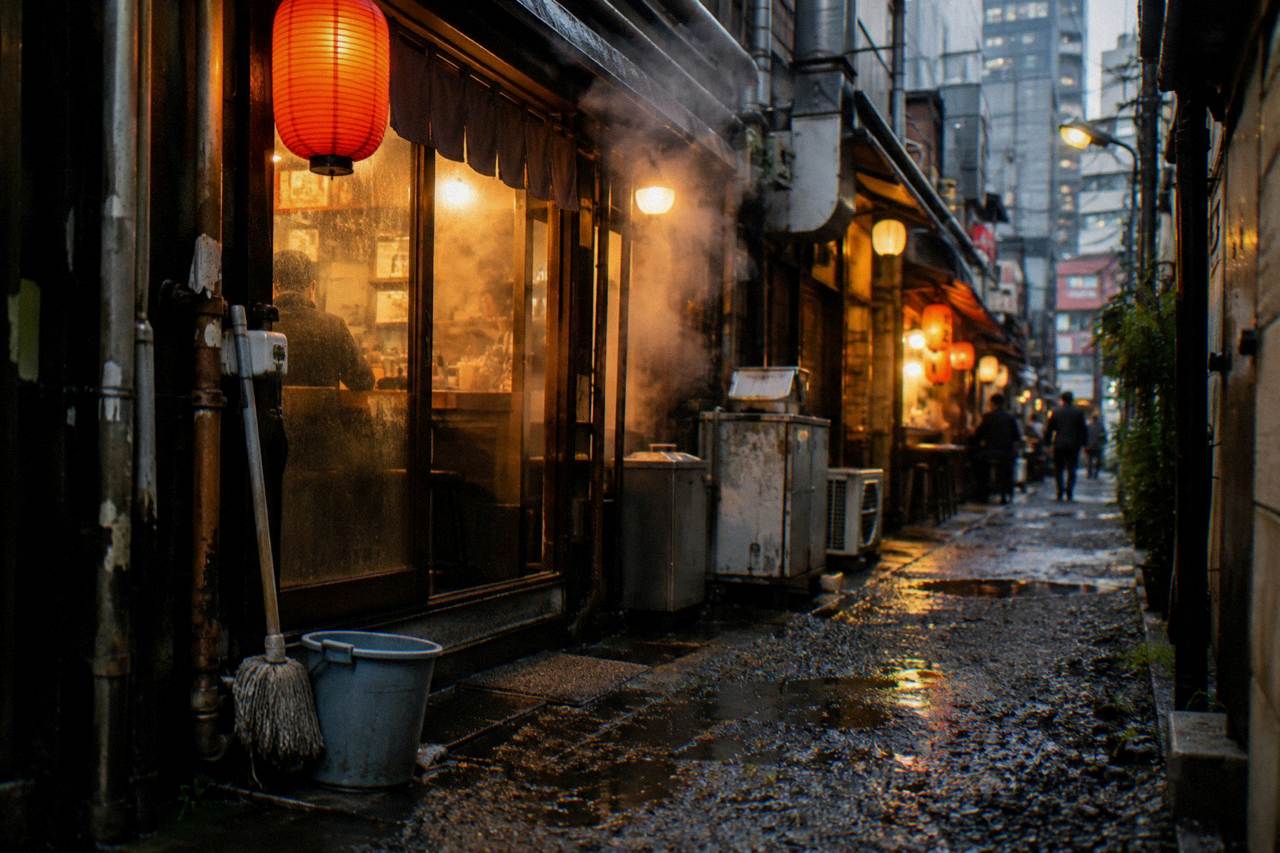
How Much Is A Dinner At Tokyo?
A plain-language breakdown of Tokyo dinner prices, from standing noodle counters to izakaya crawls, with tax, cover charges and tour costs compared.
22 questions about Tokyo food, etiquette, prices and markets, answered in plain terms.
A plain-language breakdown of Tokyo dinner prices, from standing noodle counters to izakaya crawls, with tax, cover charges and tour costs compared.
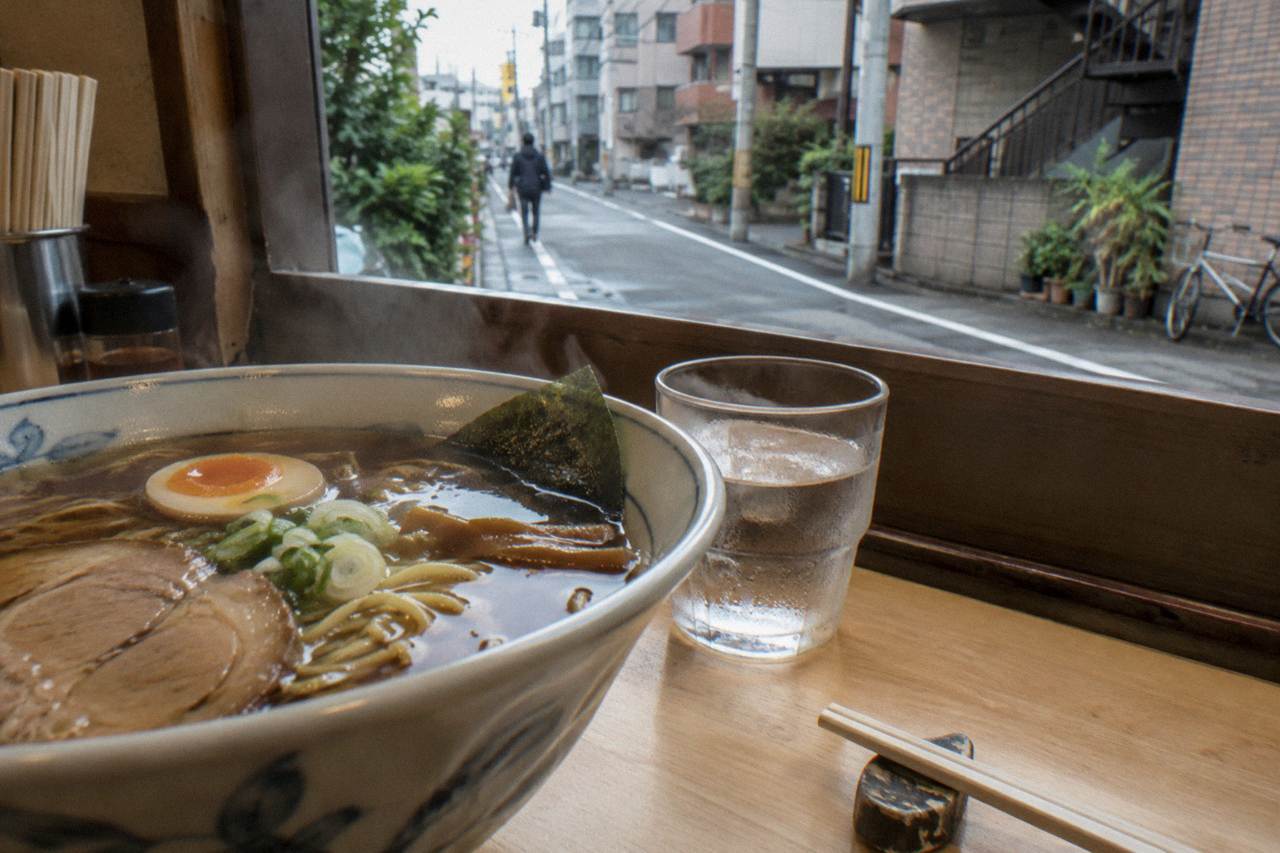
A plain answer to what one bowl of ramen costs in Tokyo, with survey averages, neighbourhood price ranges, tax and tipping rules, and how class prices compare.
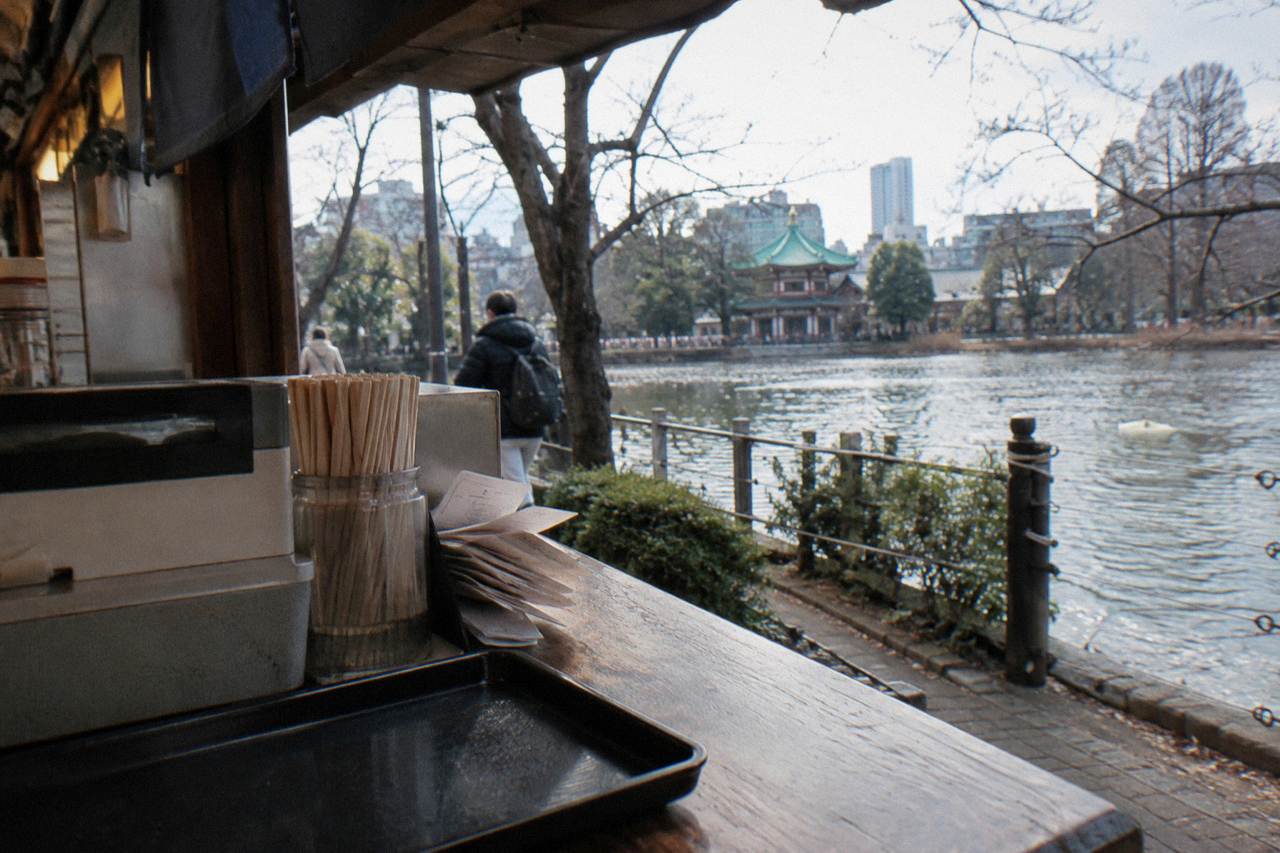
The exact phrases, hand signals and payment habits that get the bill settled at Tokyo restaurants and izakaya, from okaikei to otoshi charges, tax and tipping.
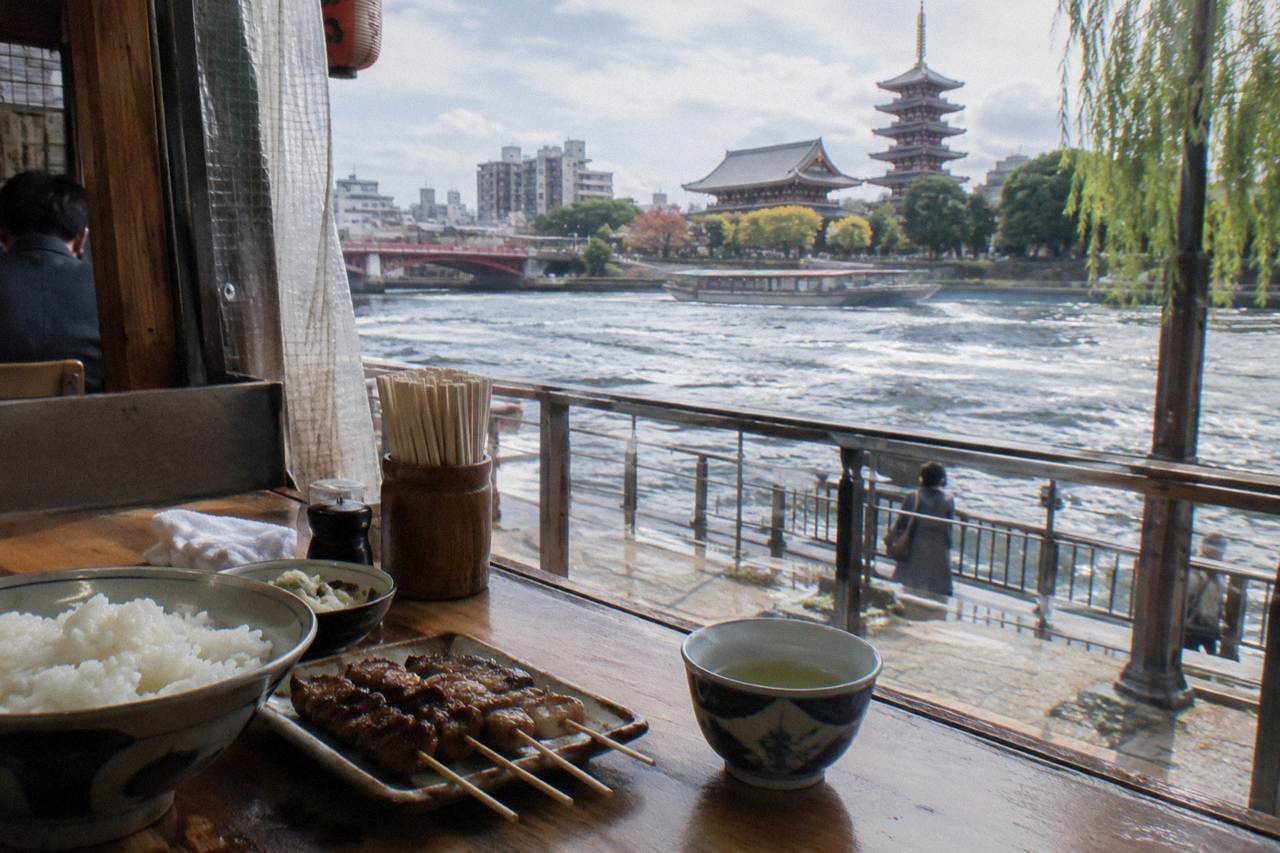
Leftover rice, unfinished ramen and the otoshi you did not order: what Japanese dining etiquette actually expects from visitors, and what to do when a portion beats you.
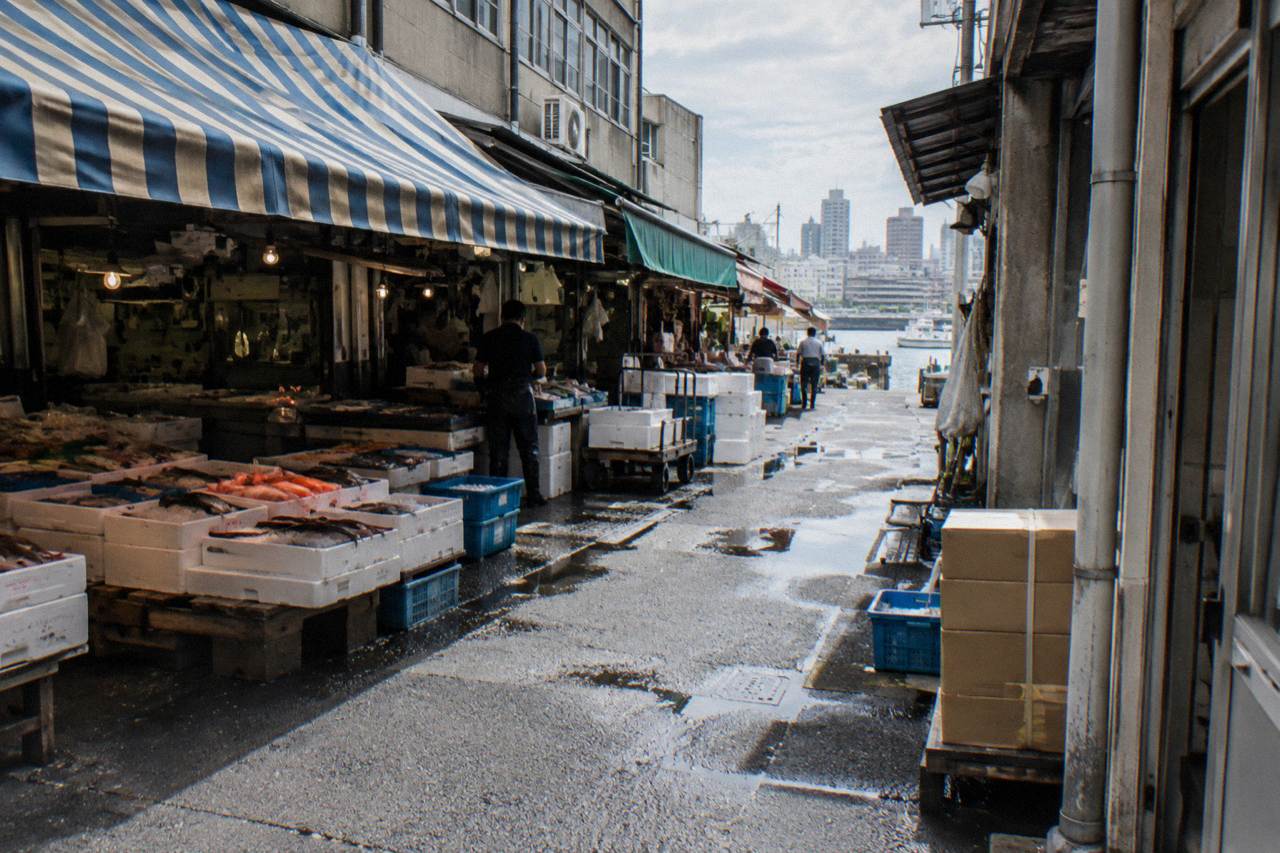
The wholesale auction moved to Toyosu, but the Outer Market stayed. What visitors actually get there now, what it costs, and when to go.
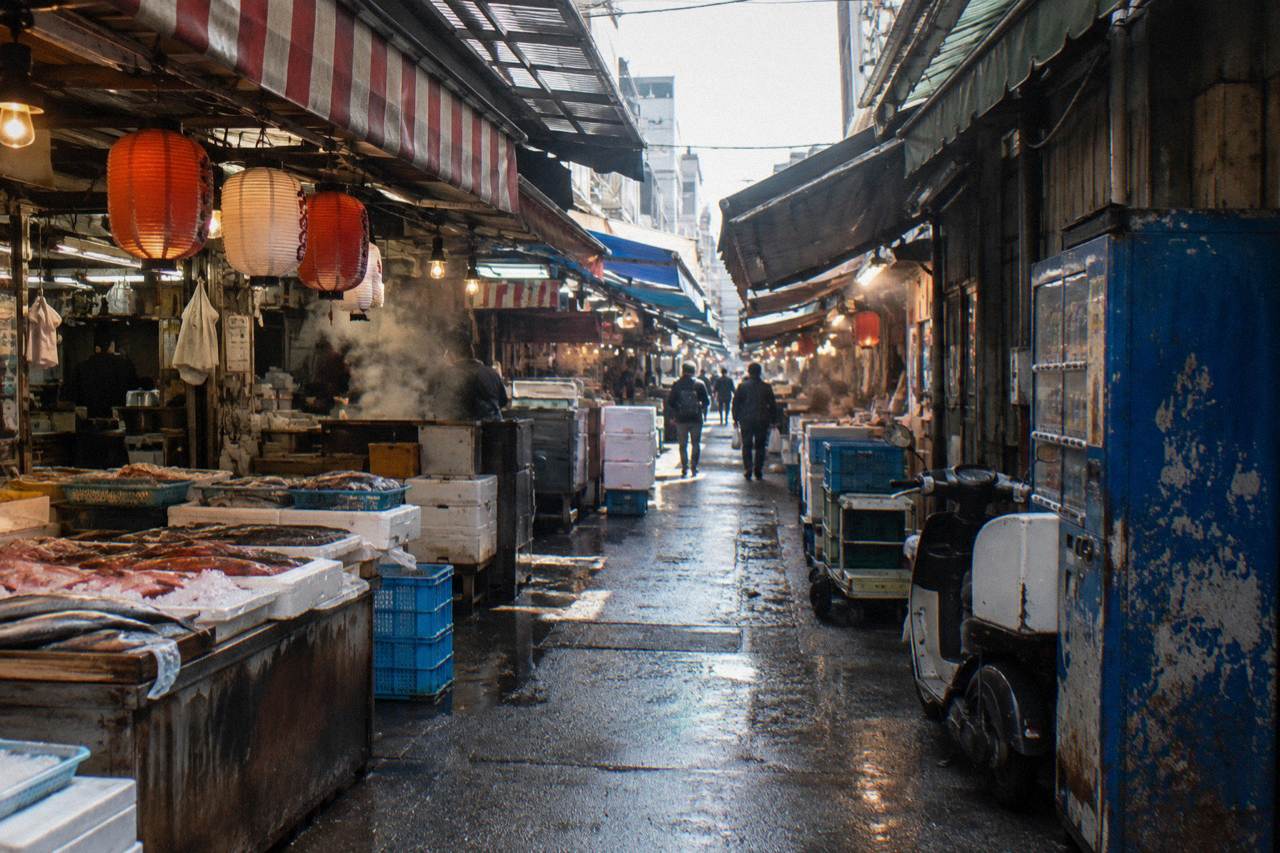
An honest verdict on Tsukiji Outer Market: what is real, what is crowded, when locals shop, and how a guided walk changes the visit.
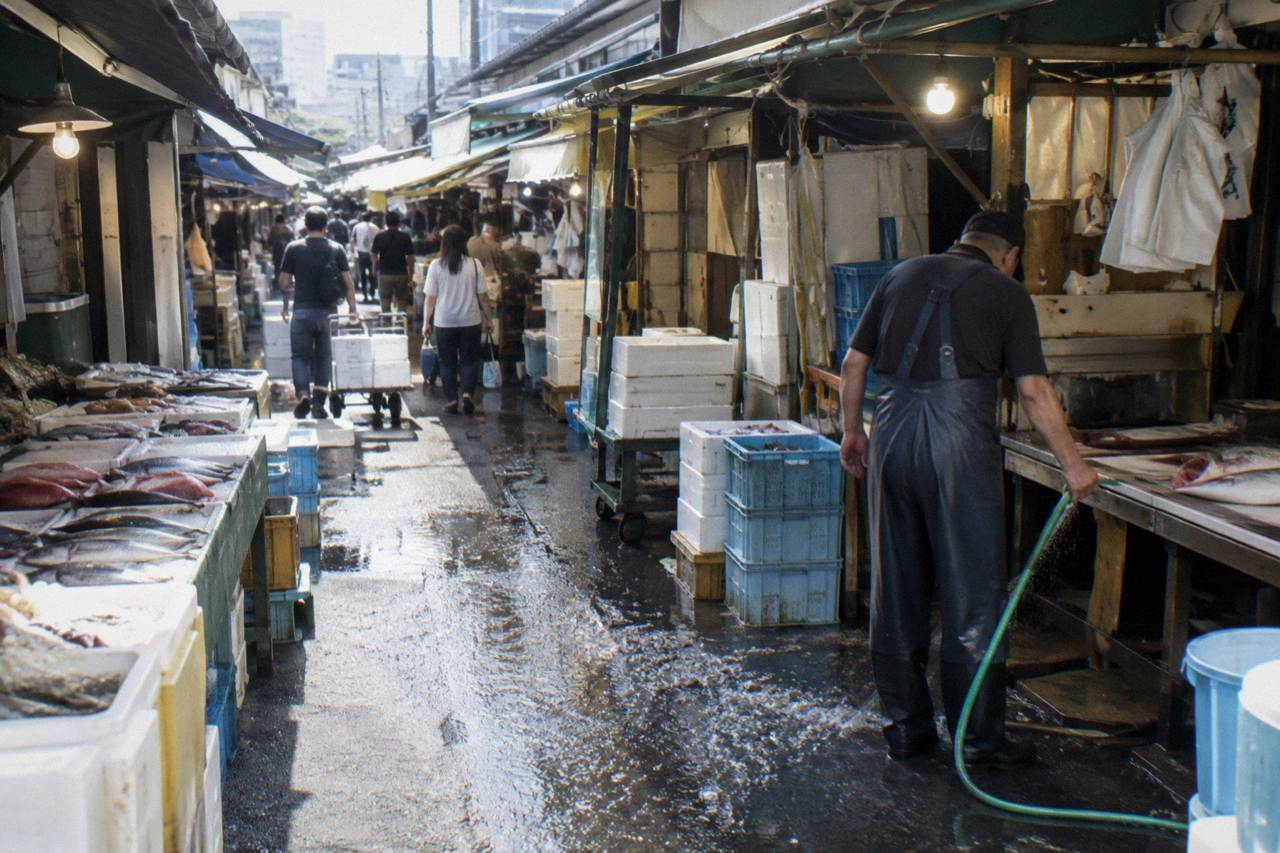
Toyosu hosts the wholesale trade while Tsukiji Outer Market is where visitors eat, shop and take food tours. Here is how the two compare for a Tokyo trip.
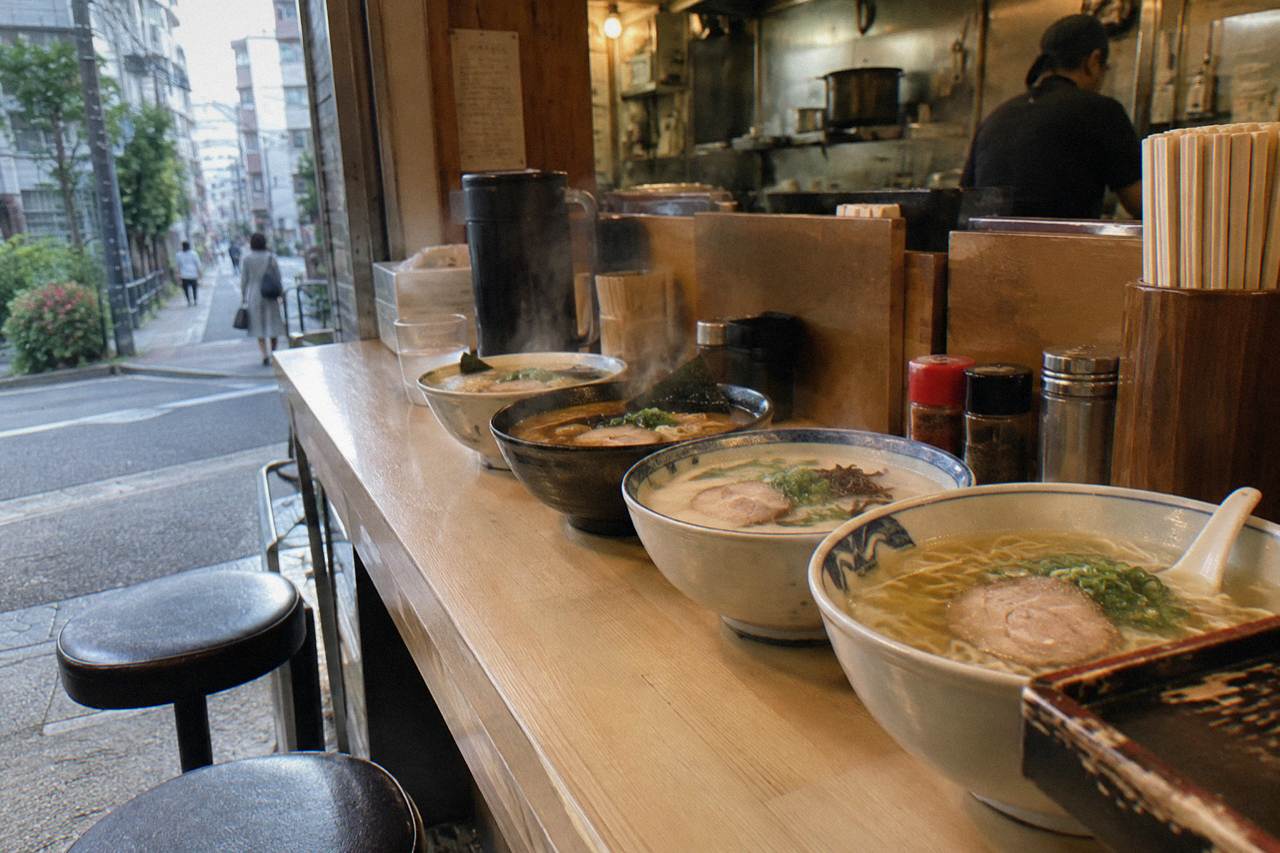
Shoyu, shio, miso and tonkotsu explained clearly, with what sets each broth apart, what each bowl costs in Tokyo, and how to learn to make them yourself.
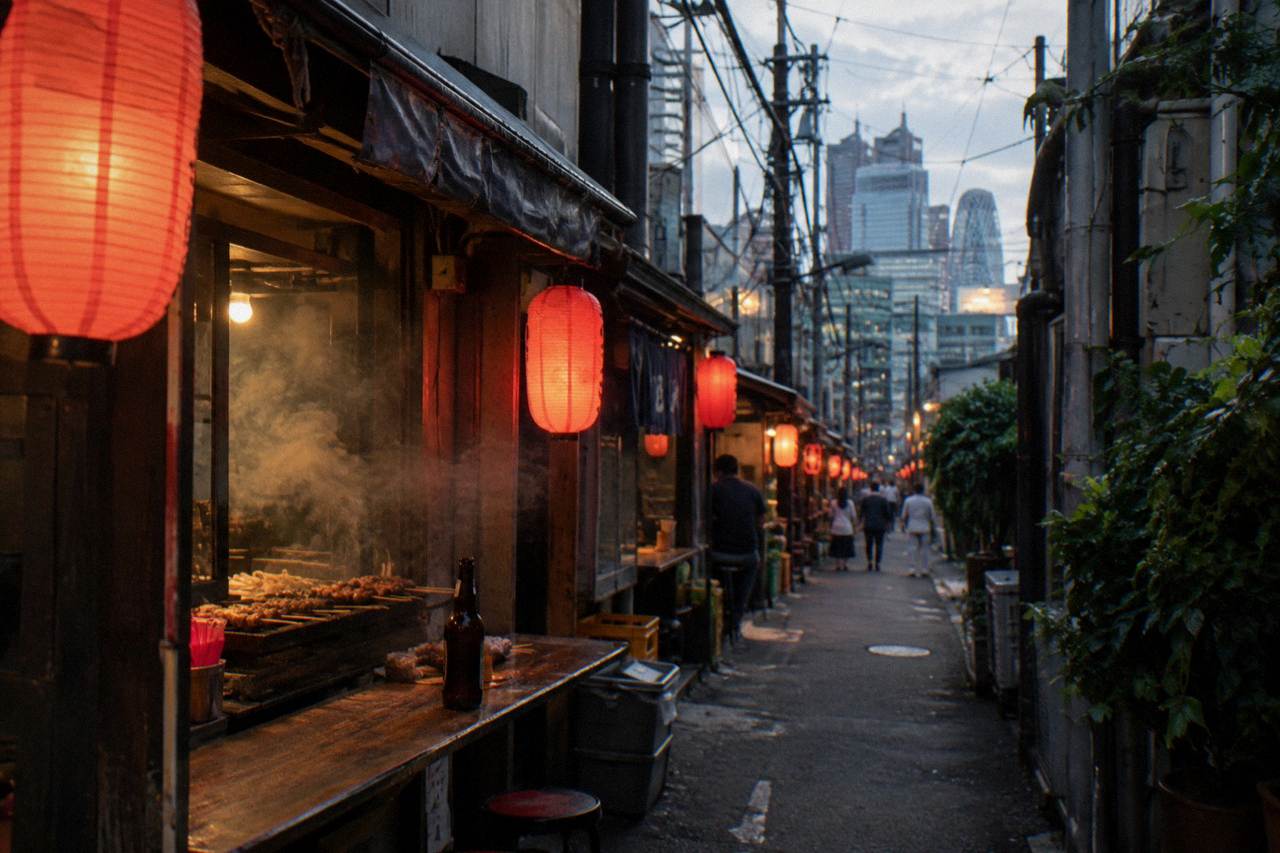
The Japanese words for tiny restaurants: izakaya, yokocho counters, tachinomi standing bars and Golden Gai snack bars, what they cost and how tours get you inside.
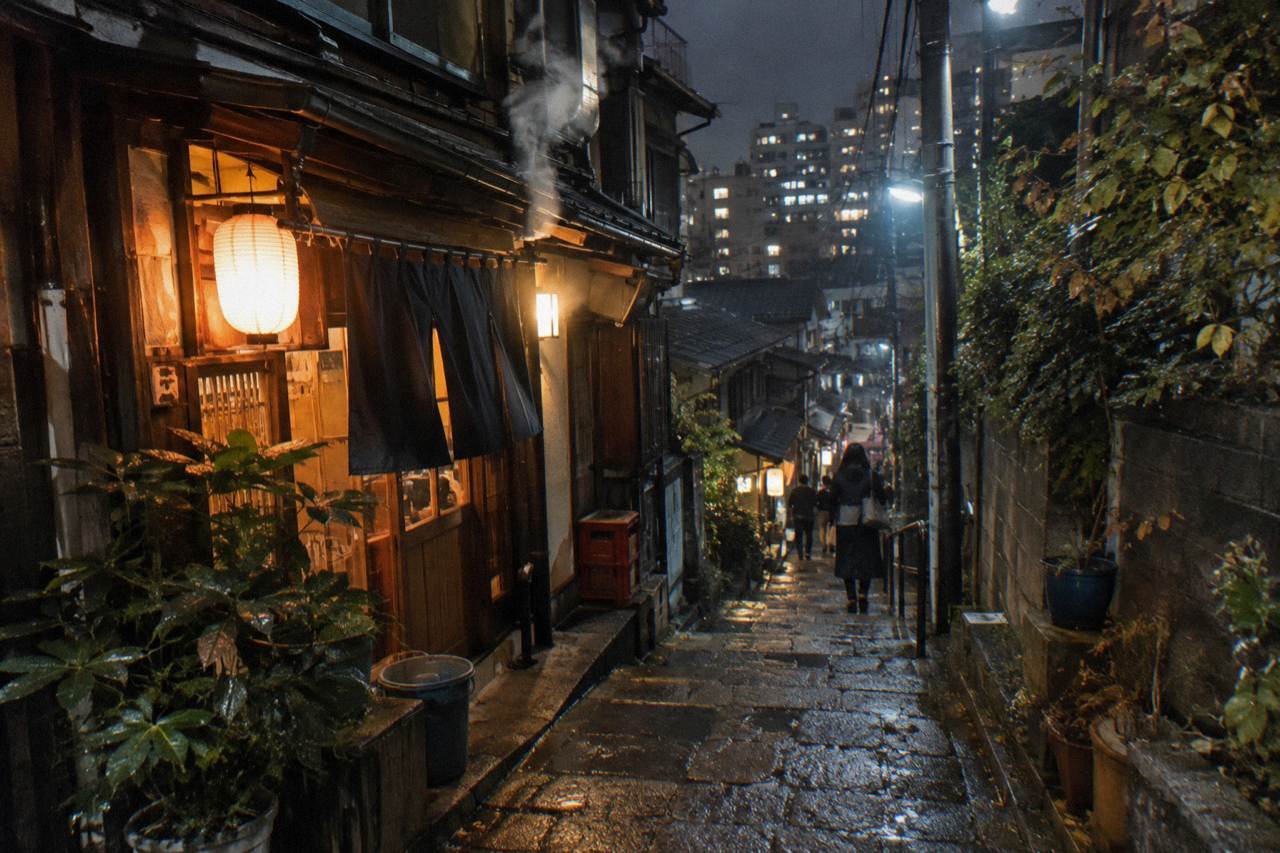
Izakaya defined: what the word means, how the format works, what otoshi is, what an evening costs in Tokyo, and how guided izakaya tours compare.
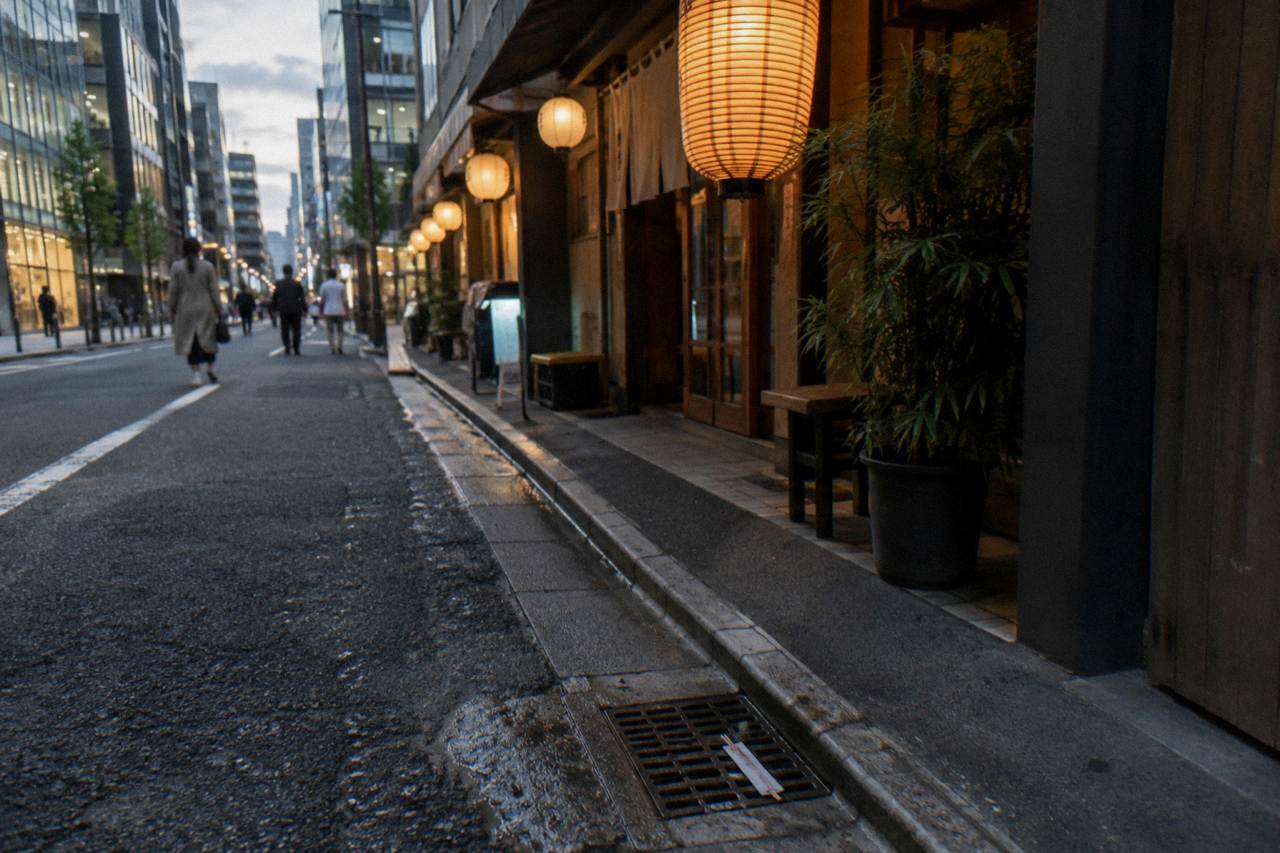
Ginza's food identity explained: standing sushi counters, Bib Gourmand ramen, izakaya alleys and high-end dining, with real prices and how to tour it.
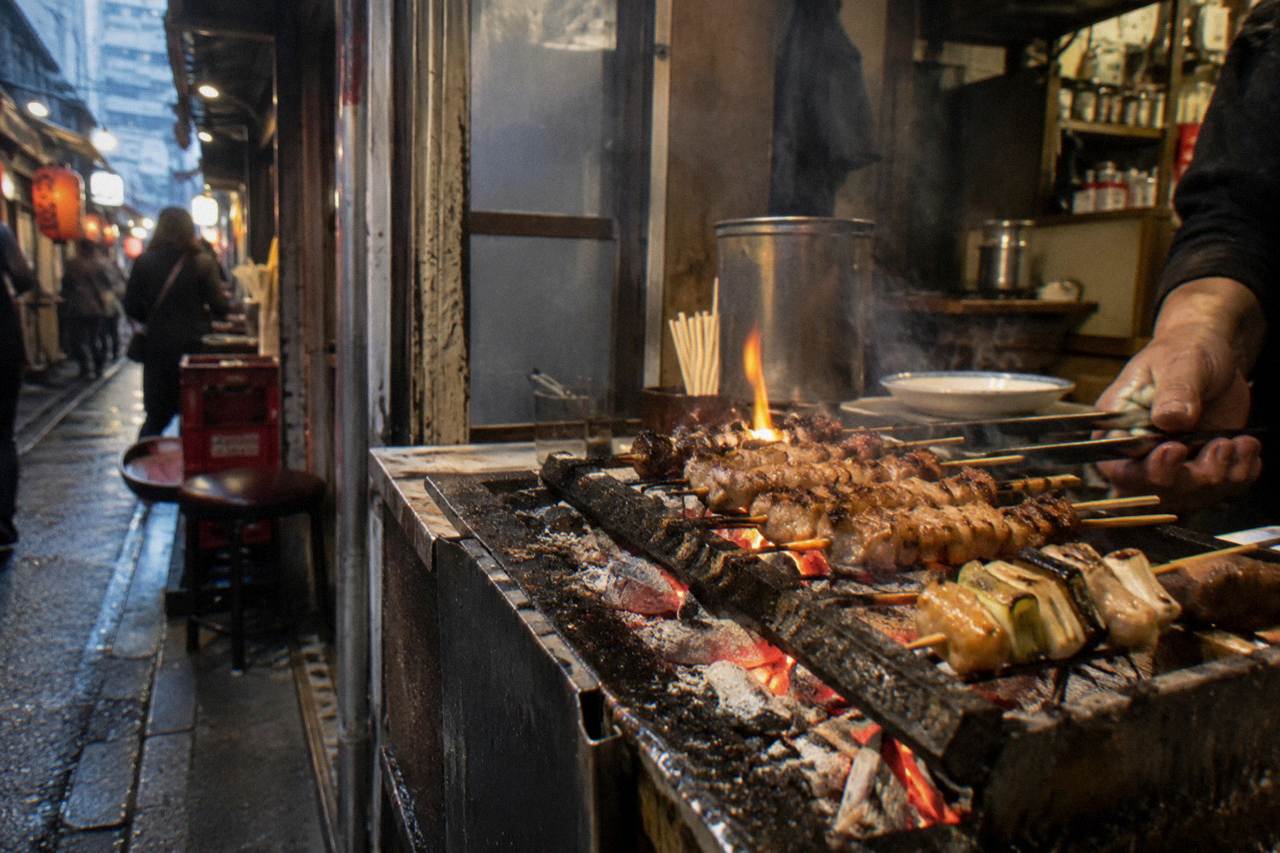
Shinjuku is famous for yakitori, motsuyaki, late-night ramen and izakaya food. Here is where to eat each one, what it costs, and how a guided walk fits in.
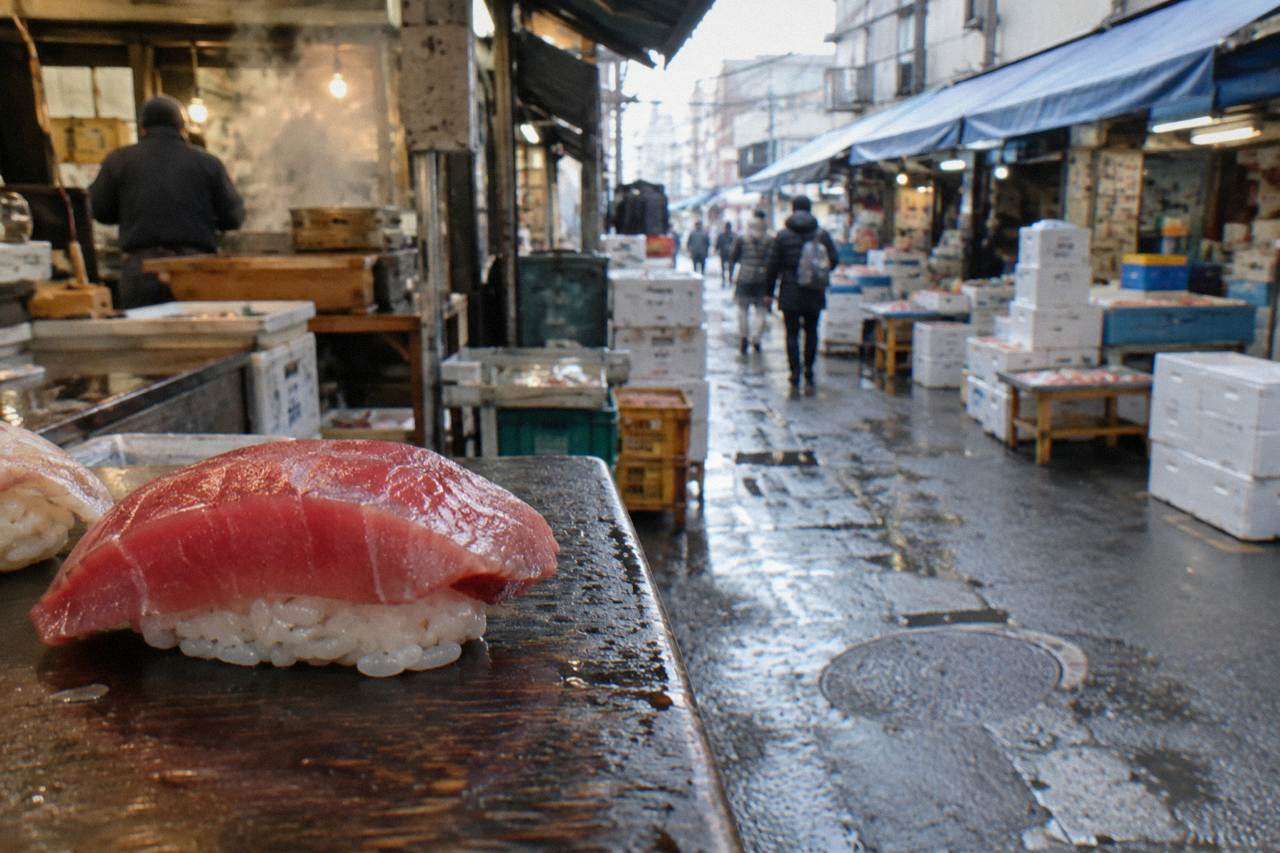
The dishes Tokyo does better than anywhere else, from standing sushi and shoyu ramen to Omoide Yokocho skewers, with realistic prices and where tours cover them.
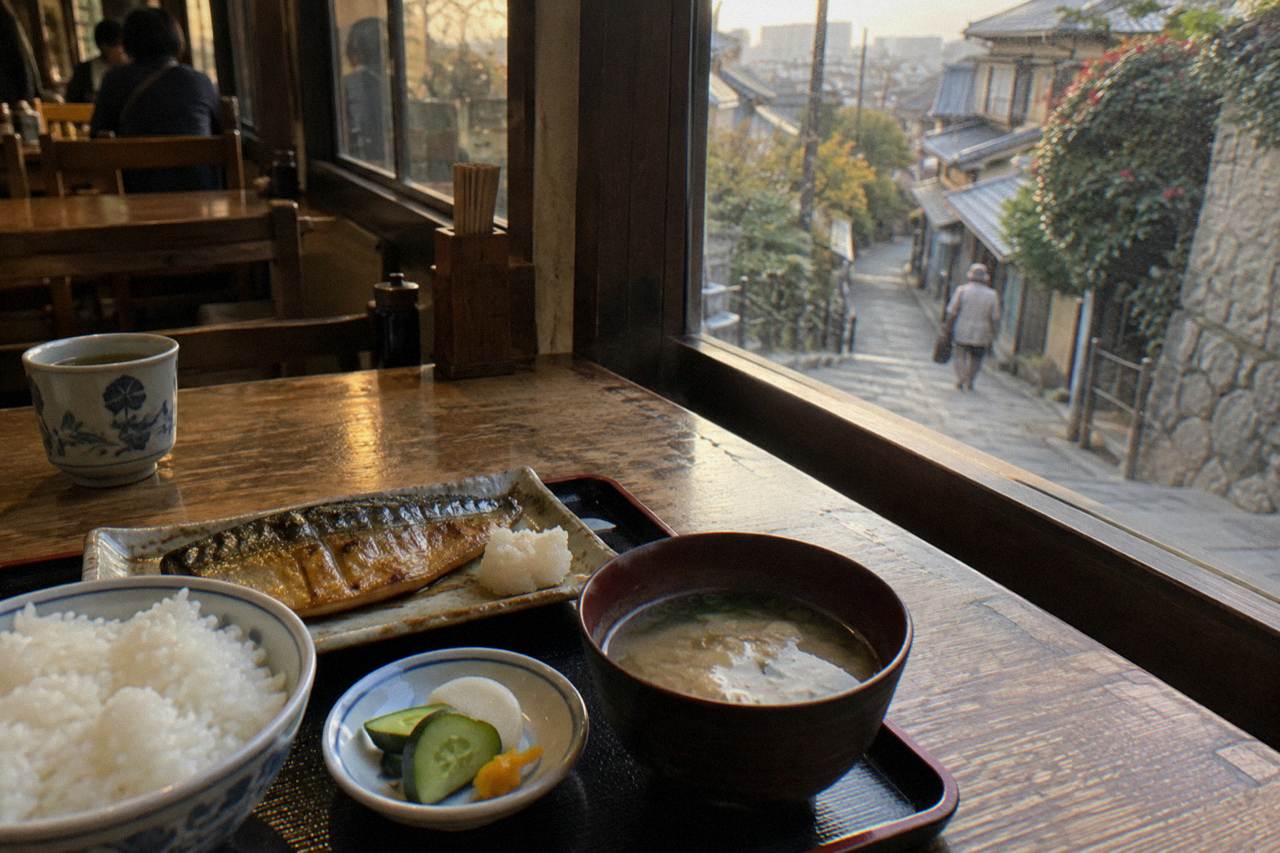
Hara hachi bu, the Japanese habit of stopping at 80 percent full, explained with fresh Tokyo dining facts, portion planning for food tours, and what to expect at izakaya and market counters.
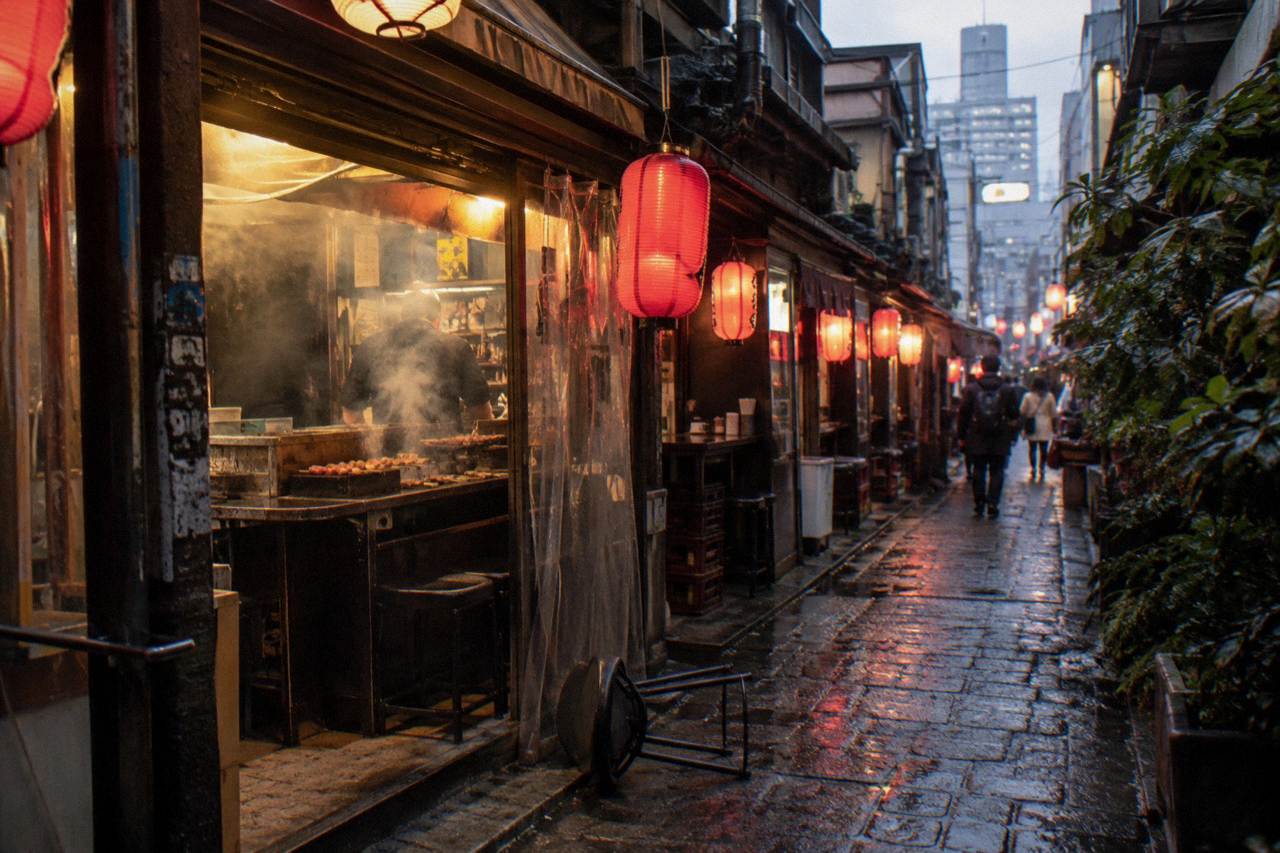
A district-by-district answer for food-minded travellers: Shinjuku, Shibuya, Asakusa, Ueno, Ginza and Tsukiji compared on transit, eating hours and budget.
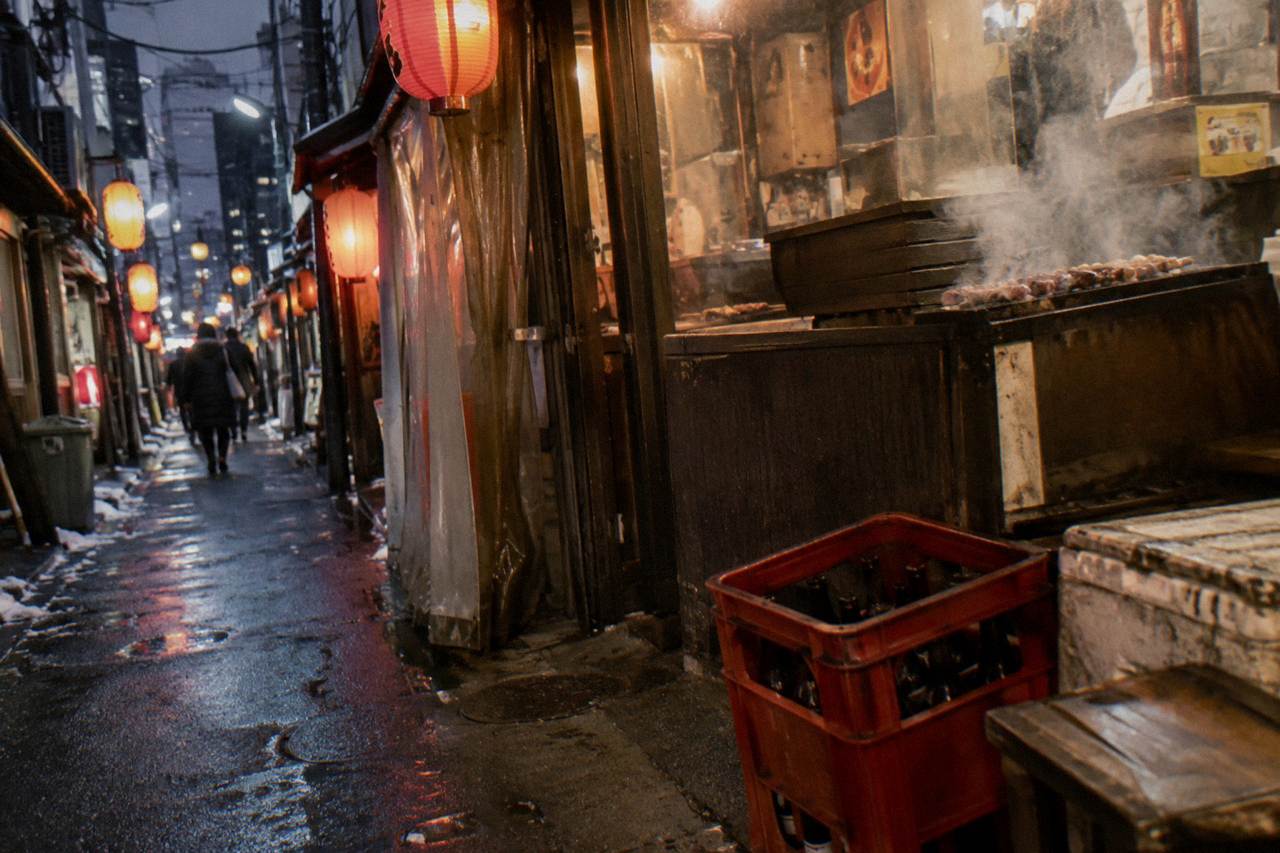
The best street food to eat in Tokyo, from yakitori counters in Omoide Yokocho to tamagoyaki at Tsukiji Outer Market, with real prices, district guides and etiquette rules.
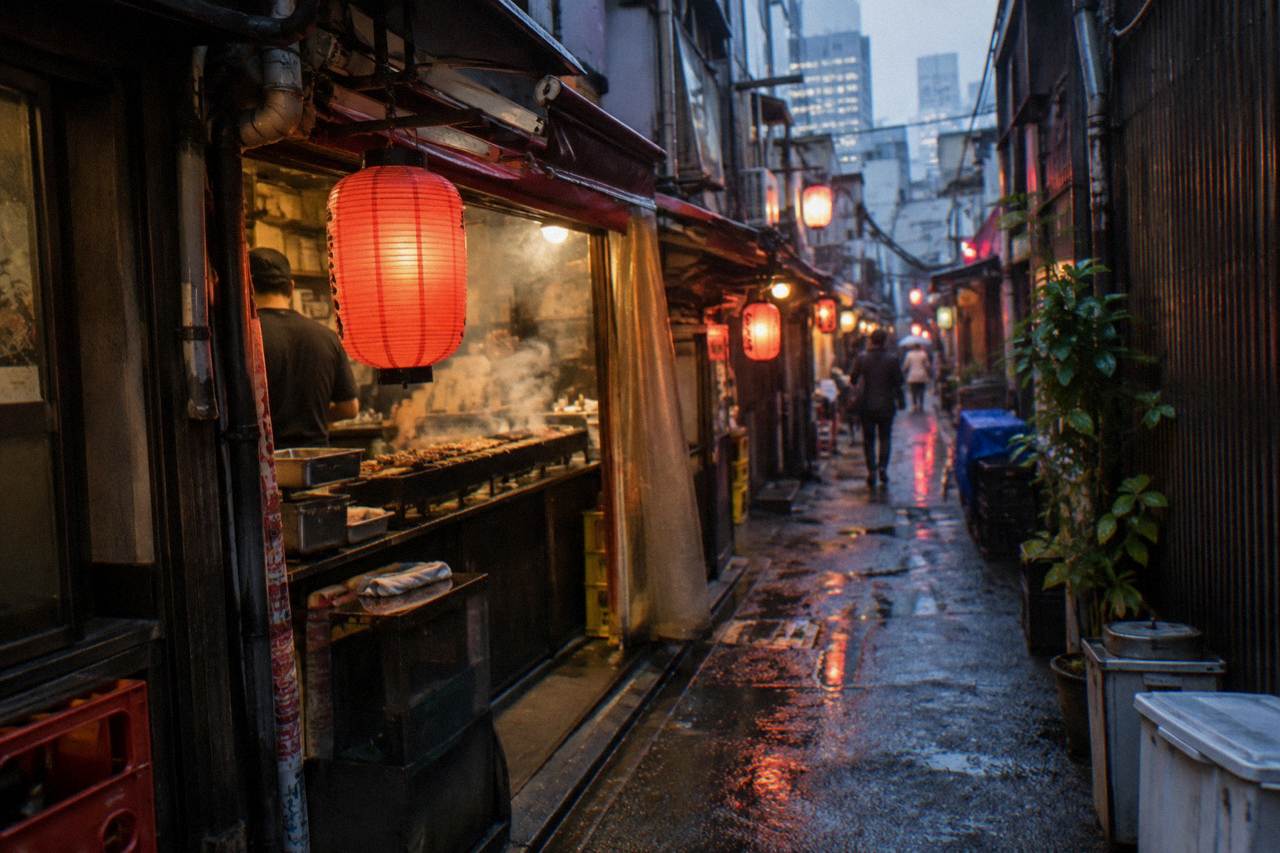
Tokyo and Osaka both claim to be the food capital of Japan. Here is how the argument actually breaks down, and how to eat the winning city well.
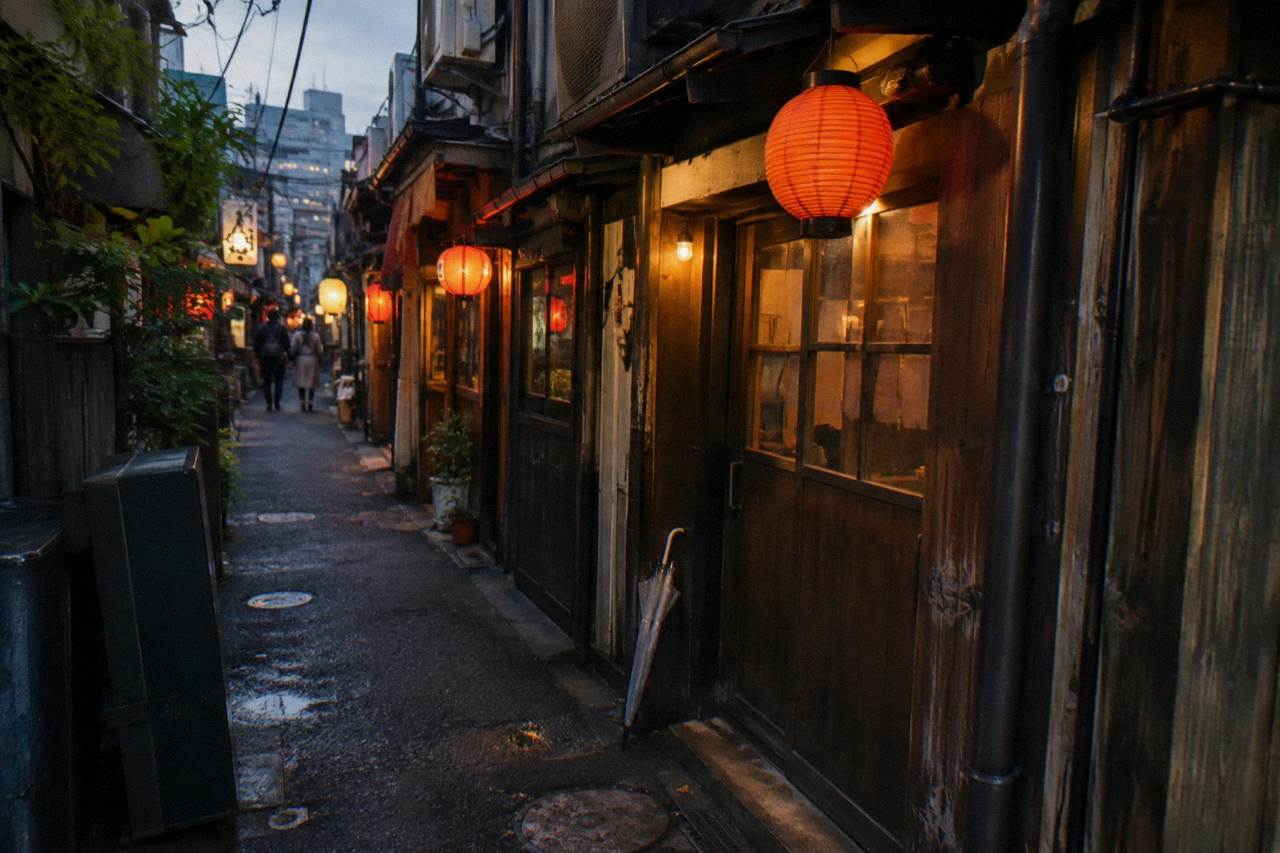
There is no single most famous restaurant in Tokyo, and the honest answer depends on what kind of fame you mean. Here is how to think about it, and how tours sidestep the booking problem.
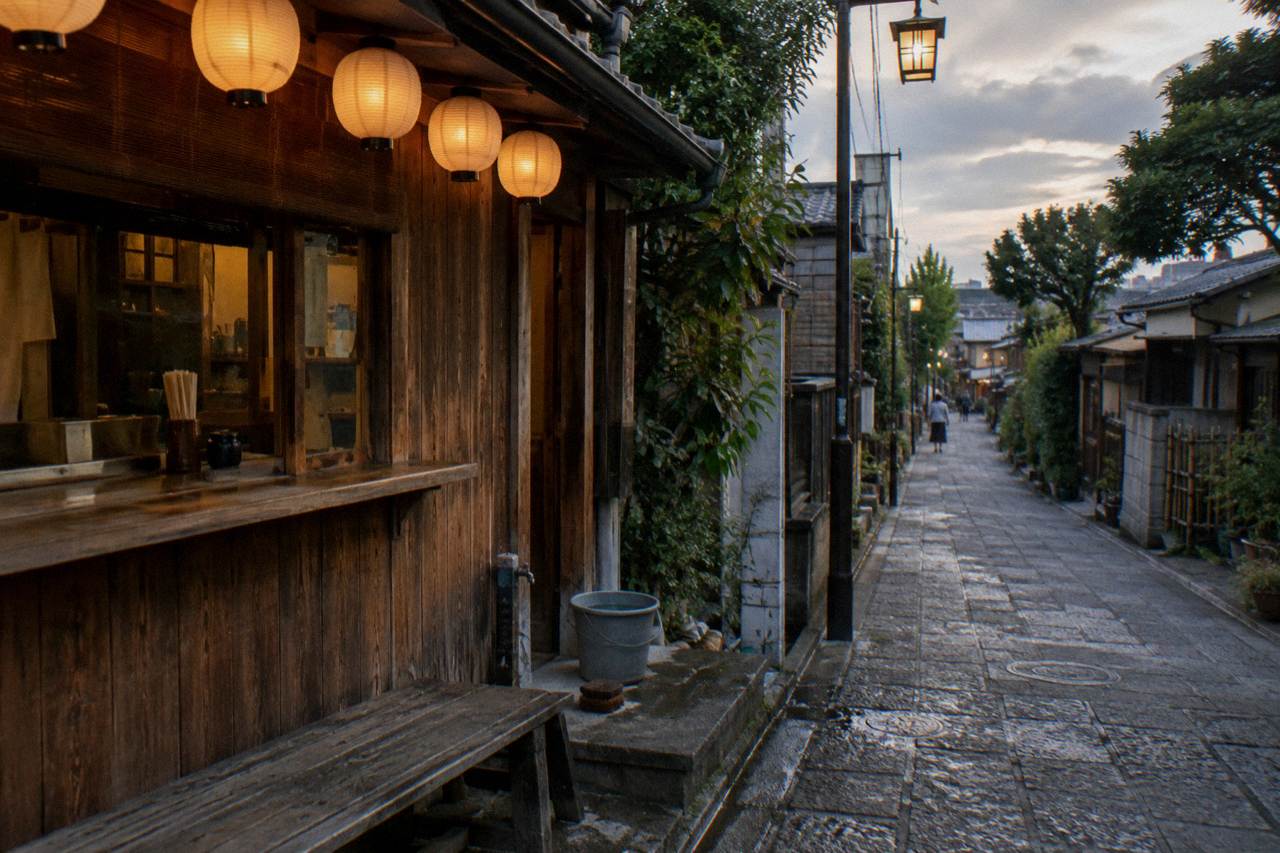
A practical etiquette primer for eating out in Tokyo: tipping, table charges, chopstick manners, tax rates, allergies and reservations, with what a guided food tour takes off your plate.
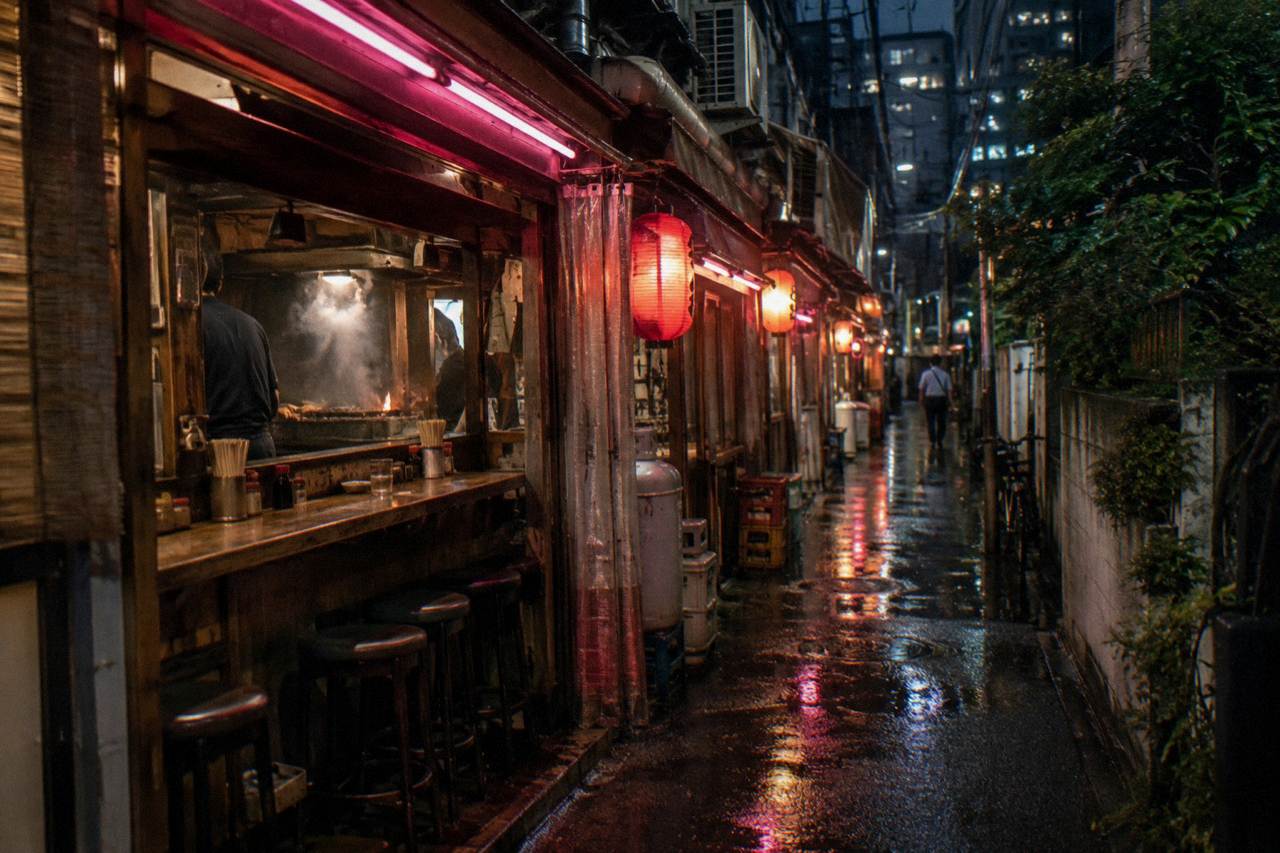
The Tokyo districts, counter seats and late-night lanes Anthony Bourdain made famous, and how to eat the same way today, with current prices for tours that mirror his style.
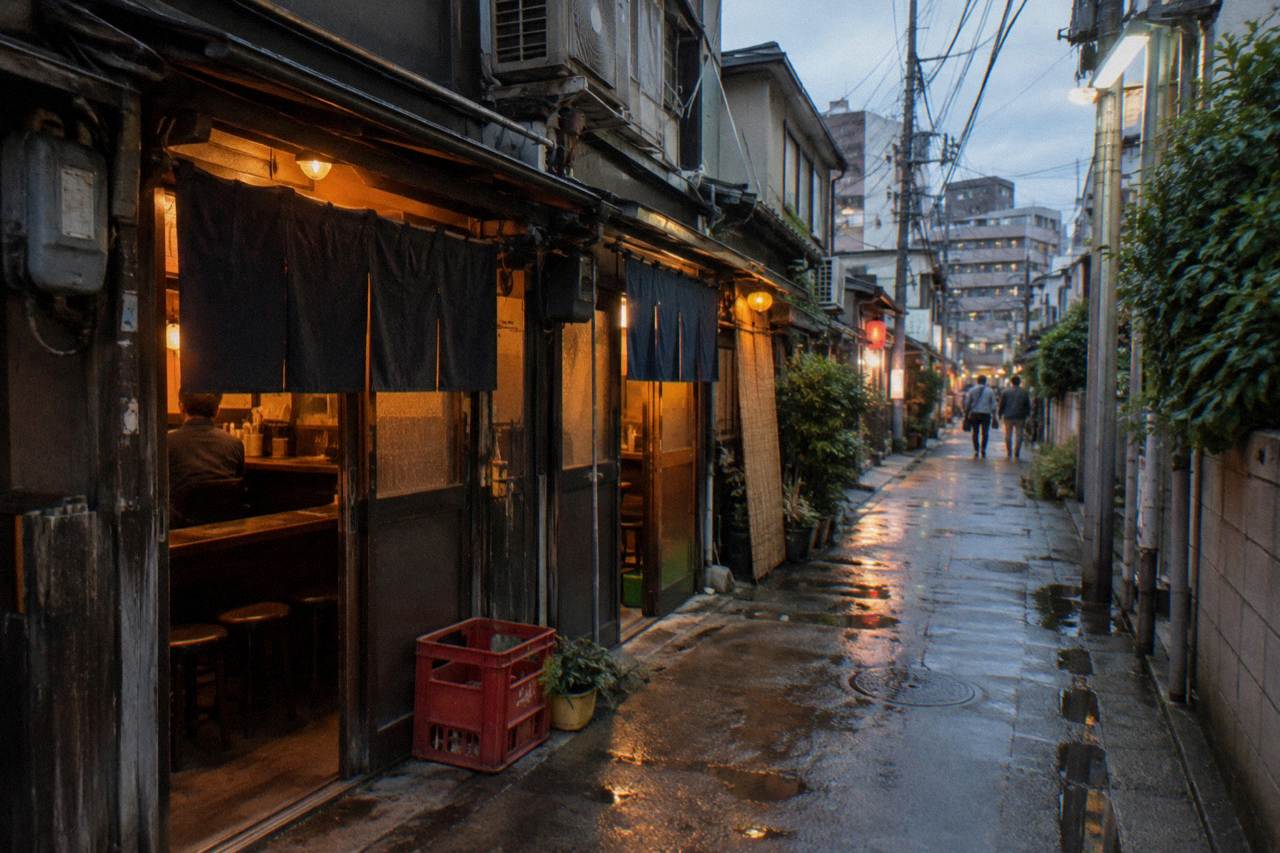
Tokyo residents eat a ten minute walk from the station, in shotengai backstreets, izakaya lanes and station-side noodle counters, not the tourist strips. Here is where to find those streets and what a night on them costs.
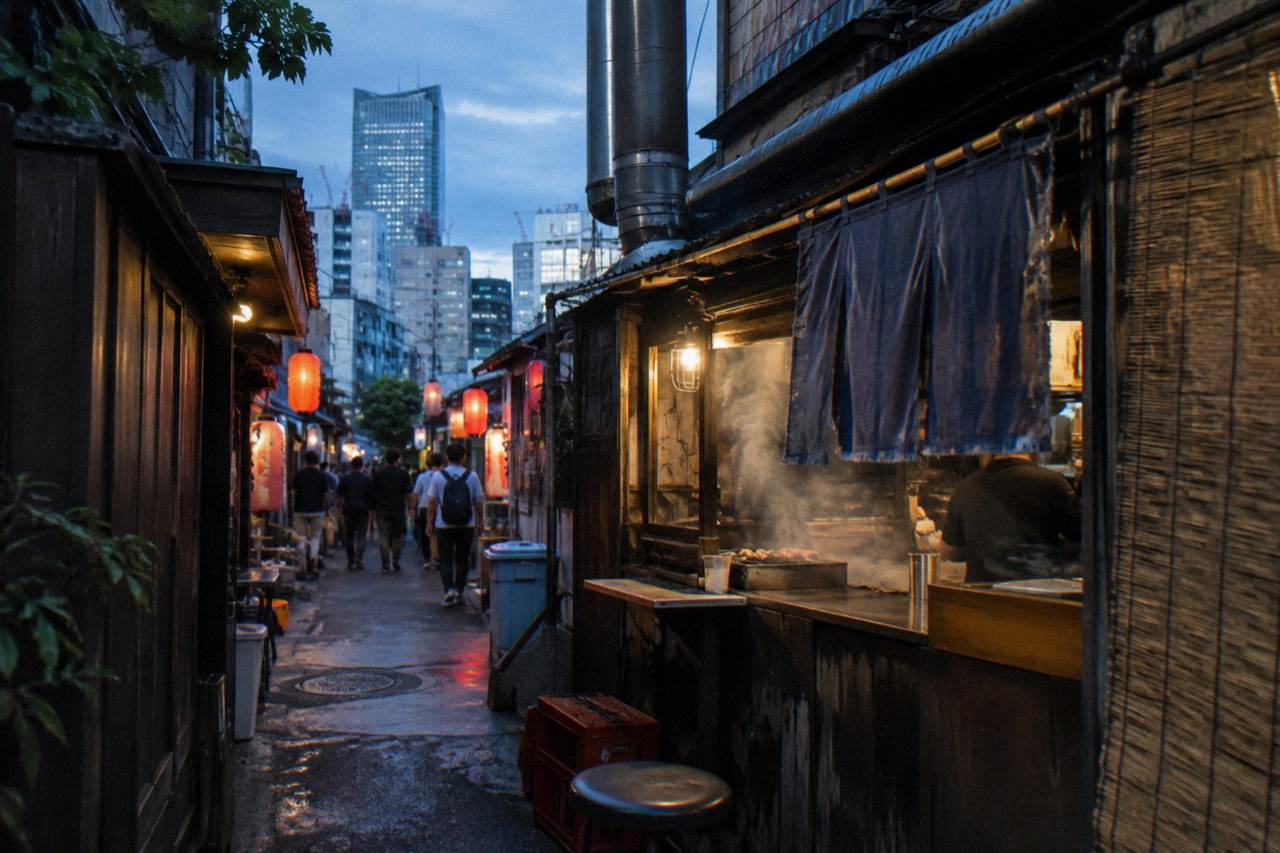
A practical eating plan for American visitors to Tokyo: which neighborhoods to start in, what dishes travel well from US tastes, what things cost, and how tipping, tax and etiquette differ.