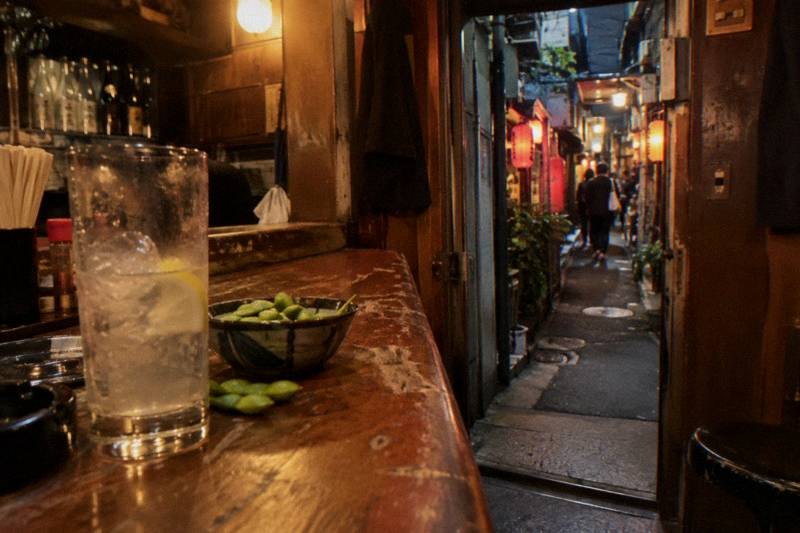
How Much Is A Dinner At Tokyo?
A plain-language breakdown of Tokyo dinner prices, from standing noodle counters to izakaya crawls, with tax, cover charges and tour costs compared.
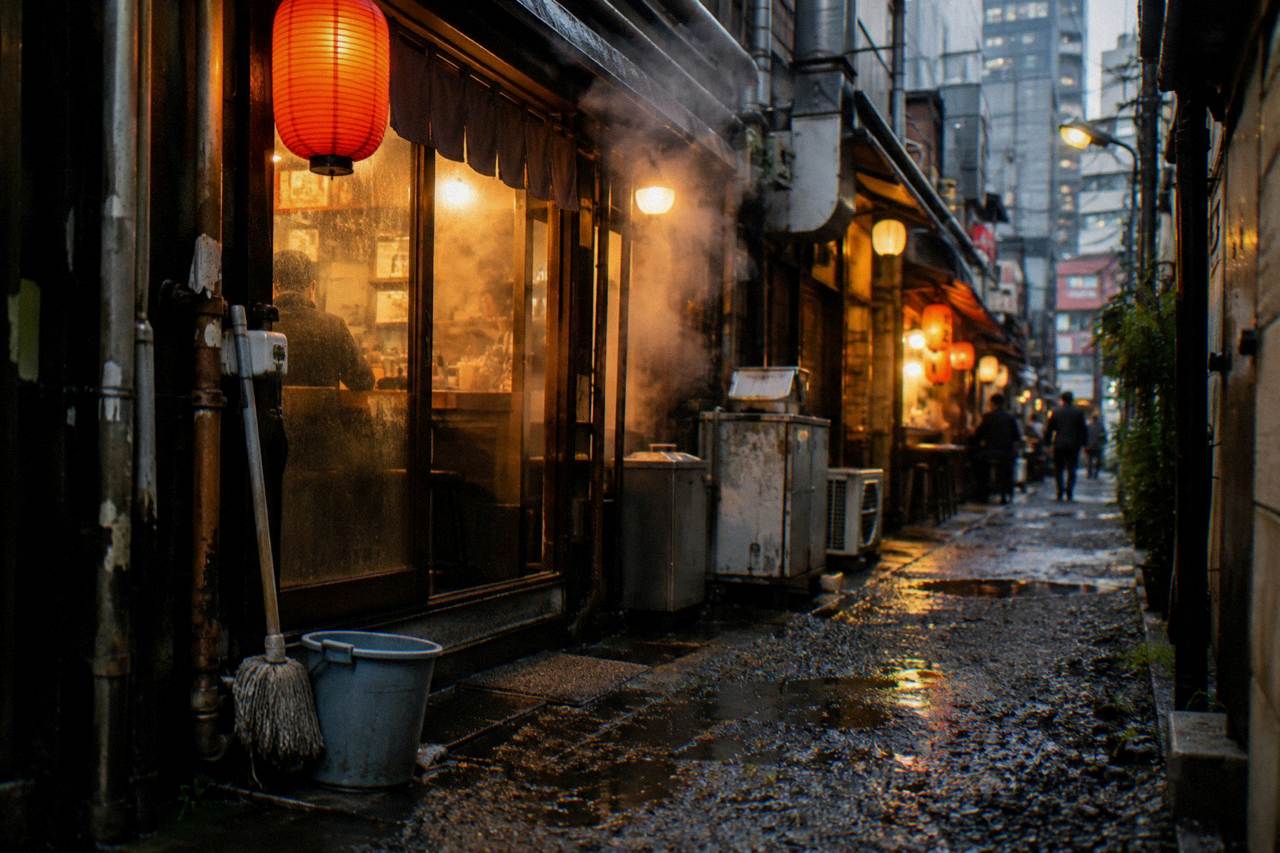
Tokyo covers an extraordinary price range for dinner. The national average bowl of shoyu ramen stood at 750 yen in September 2026 according to the official retail price survey, while a single premium omakase counter in Ginza can charge many multiples of that before drinks even begin. Add the 10 percent dine-in consumption tax, possible seating charges at izakaya and cover charges in bar alleys like Golden Gai, and two visitors eating in the same neighbourhood on the same night can pay wildly different totals for what looks, from the outside, like a similar evening out. If ramen is your baseline, the breakdown of what one bowl costs in Tokyo shows how neighbourhood, tax and tipping rules shift the final total.
The question sounds simple and the answer is genuinely layered. A traveller who eats at a ramen counter, drinks nothing but free tea and walks home can spend less than the price of a cinema ticket in most Western capitals. A traveller who sits down in a small izakaya, orders a few skewers, accepts the otoshi appetizer, moves on to two Golden Gai bars with cover charges and finishes with a nightcap can spend several times that amount without ever feeling like they splurged. Both had dinner in Tokyo. Both would give a completely different answer to this question.
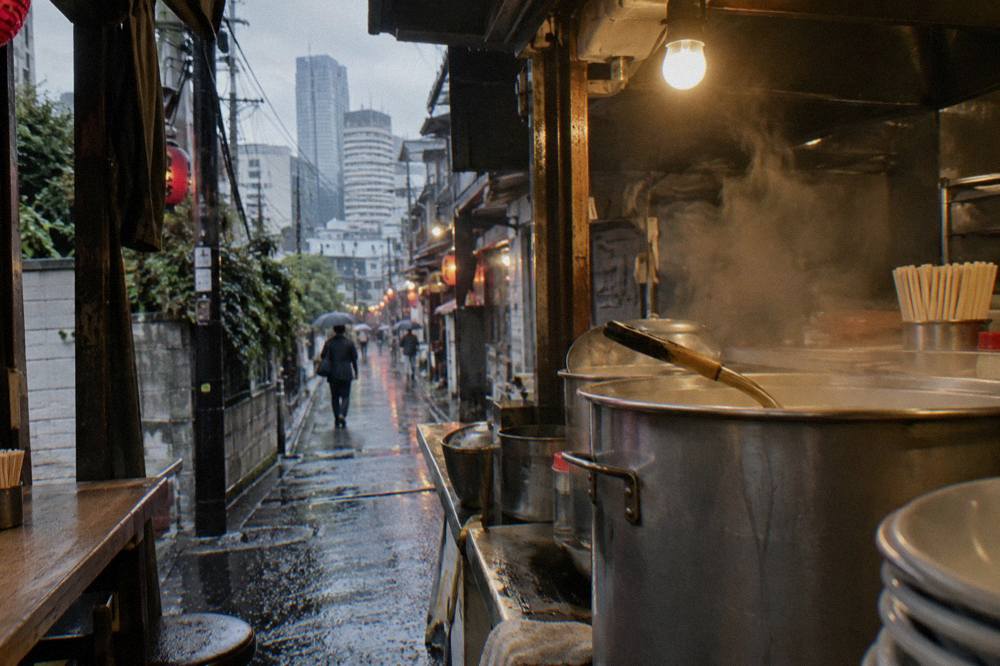
A realistic budget for dinner in Tokyo is roughly 1,000 to 3,000 yen per person at casual counters and chain restaurants, several thousand yen more at a mid-range izakaya or restaurant with drinks, and into five figures for premium dining. Dine-in meals carry 10 percent consumption tax while takeaway food is taxed at 8 percent, so where you eat the same item changes the total. Eating where residents actually do can stretch that budget further, and our guide to the local eating streets of Tokyo shows which backstreets and station-side counters deliver the best value.
Those figures come from a mix of official price data and established street-level pricing. The national average for a bowl of shoyu ramen was 750 yen as of September 2026, and a survey of 81 ramen shops in Tokyo's Takadanobaba-Waseda area put the average basic bowl at 993 yen, with the cheapest at 600 yen. At the sushi end, the national average serving of nigiri sushi ran 1,592 yen in the same survey, while conveyor-belt chains in Tokyo charge plates from 110 to 150 yen, with typical meals totalling 1,500 to 3,000 yen. Those two data points alone bracket most of what casual travellers will spend on an ordinary evening.
What surprises many first-time visitors is not how cheap the floor is but how many small charges stack onto the middle of the range. A casual yakitori counter commonly prices skewers at 150 to 400 yen each, so a skewer-and-beer dinner adds up quickly once you order a round of five or six sticks plus drinks. Then come the extras that rarely appear on any English menu: a per-person seating charge called otoshi at many izakaya, typically 300 to 500 yen at Omoide Yokocho counters, and cover fees of 500 to 1,500 yen per person at many Golden Gai bars, often including a small snack. Individually each is trivial. Together they can add the equivalent of another round of drinks to the bill. If you want to know what to call these little spots before you pay their seating fees, our guide to izakaya, tachinomi bars and Golden Gai counters explains how each type works and what a visit typically runs.
The cheapest route to a full evening is often a guided crawl rather than independent barhopping, because a guide absorbs the friction of cover charges, cash-only counters and language barriers. The Budget Crawl, No Meal Included runs roughly 3 hours through Shinjuku from $36.15 per person and is rated 4.9 across 2,911 reviews. For readers comparing that against paying their own way through the same alleys, this trio covers three common approaches to a night out in Tokyo.
The trade-off between those options is simple. The Budget Crawl, No Meal Included costs least and expects you to buy your own food and drinks as you go, which suits travellers who want the guide's local knowledge more than a prepaid feast. The Bar Hop, Free Flow Full Dinner includes an all-you-can-drink element and a full dinner across Shinjuku and Golden Gai from $109.35 per person, rated 4.9 across 4,086 reviews, which suits groups celebrating something. The After 5 Food and Drink Walk sits between the two, from $72.47 per person, rated 4.5 across 775 reviews, and leans into cultural context alongside the eating.
What Does A Casual Dinner Cost In Tokyo?
At the casual end, a filling Tokyo dinner costs between 600 and 1,500 yen without alcohol at ramen shops, curry chains, conveyor-belt sushi and convenience-store meals, and around 2,000 to 3,000 yen per person at yakitori and motsuyaki counters once drinks are added. Convenience-store onigiri start around 145 yen, which sets the absolute floor for an evening meal anywhere in the city.
Ramen is the anchor of cheap Tokyo dining, and the numbers back that up. The Takadanobaba-Waseda survey's 993 yen average for a basic bowl is a fair planning figure for central Tokyo, and the national 750 yen shoyu average shows how much the capital inflates the price of the same dish. Tonkotsu, shoyu and miso bowls at independent shops cluster in the same band, with richer specialty bowls and topping-heavy orders pushing toward 1,500 yen. Many shops also offer free extra noodles or rice to finish the broth, which stretches the value further. Anyone curious about how the four main broth styles differ in price and character can read the four types of Japanese ramen explainer.
Sushi splits into two very different price tiers, and conflating them causes most of the confusion online. Conveyor-belt chains start plates at 110 to 150 yen and typical meals total 1,500 to 3,000 yen, while standing sushi bars near Tsukiji sell individual nigiri from around 90 to 500 yen a piece. The national average for a restaurant serving of nigiri, 1,592 yen, reflects that lower tier. Mid-range seated sushi dinners run well above these figures, and premium omakase counters sit in a different category altogether, one where the dinner price is quoted as a set course and can reach sums that have nothing in common with counter dining.
| Casual dinner type | Typical Tokyo price | Notes |
|---|---|---|
| Basic ramen bowl | 600 to 1,500 yen | Takadanobaba area average 993 yen, lowest 600 yen |
| Conveyor-belt sushi meal | 1,500 to 3,000 yen | Plates from 110 to 150 yen |
| Standing sushi nigiri | 90 to 500 yen per piece | Common near Tsukiji |
| Yakitori skewer | 150 to 400 yen each | Counters, drinks extra |
| Convenience-store onigiri | 145 to 308 yen | Salt musubi 145 to 149 yen; larger options up to 376 yen |
| Typical Omoide Yokocho evening | 2,000 to 3,000 yen per person | Skewers and drinks, per the district's own visiting guide |
Convenience stores deserve more respect than guidebook clichés give them. October 2026 pricing across the big three chains put salt musubi at 145 to 149 yen, kombu at 184 to 198 yen and salmon onigiri at 211 to 235 yen, with larger multi-filling varieties at Lawson reaching 376 yen. A traveller assembling an evening meal from a convenience store can eat adequately for under 500 yen, though these items are takeaway food at the 8 percent reduced rate rather than a dine-in dinner, and many shops provide a small standing counter where eating is acceptable.
How Do Izakaya And Bar Districts Change The Bill?
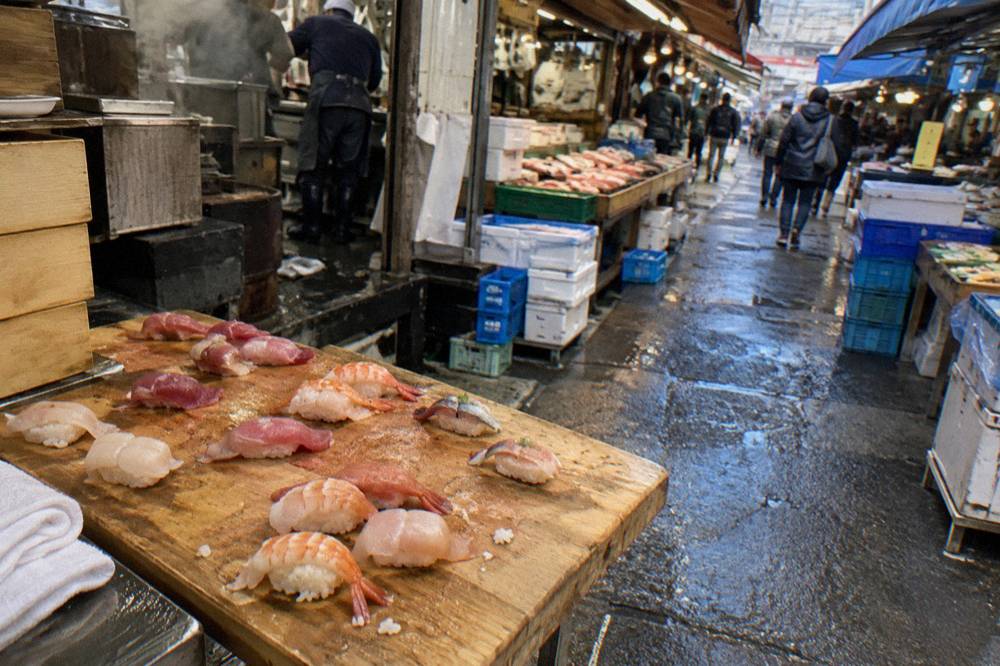
An izakaya dinner in Tokyo typically lands in the low thousands of yen per person including a drink or two, before adding otoshi seating charges of roughly 300 to 500 yen per person. In Golden Gai, bar cover fees run 500 to 1,500 yen per person, and at Omoide Yokocho the typical spend for skewers and drinks is 2,000 to 3,000 yen per person.
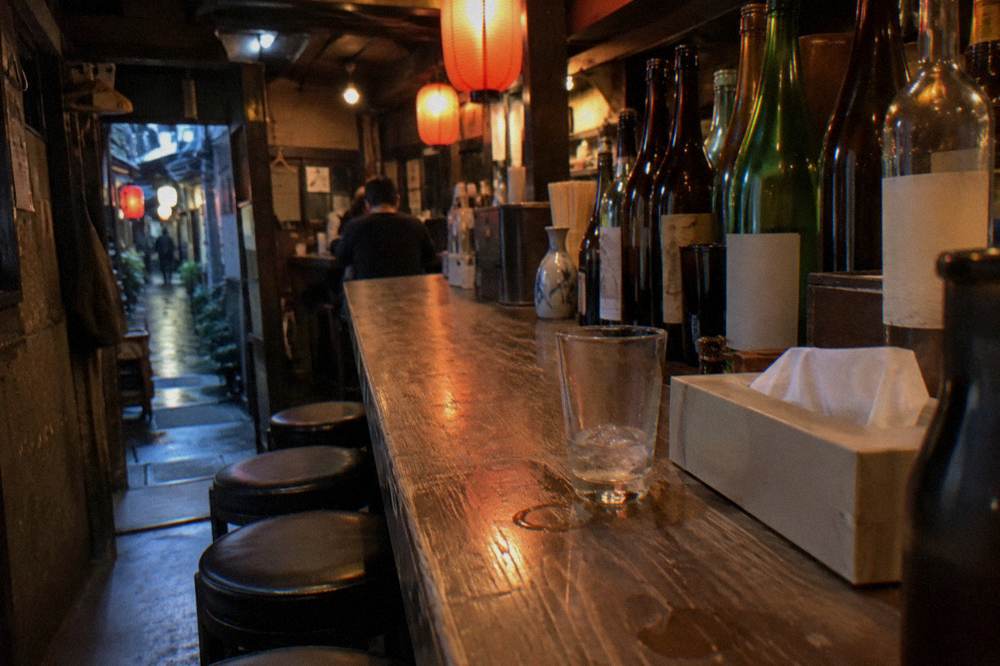
The izakaya pricing model confuses first-time visitors because the bill arrives as a stack of small items rather than one set price. Otoshi, the small unordered appetizer that appears the moment you sit down, functions as a standard per-person seating charge at many izakaya and appears on the bill as a line item, not a tip. At Omoide Yokocho, the post-war bar district near Shinjuku Station's West Exit, some counters add otoshi of 300 to 500 yen, which includes a small starter, and many of the roughly 60 bars and restaurants packed into those 2,000 square metres prefer cash for small tabs. Most of the district's yakitori and motsuyaki counters open from around 5 p.m. until midnight or later, though hours vary by shop and no alley-wide schedule exists.
Golden Gai works differently. Its tiny bars typically open around 8 p.m., with closing times between 2 and 5 a.m., and per-person cover charges of 500 to 1,500 yen are standard, often including a snack. Cash remains common across the alleys, and the shopping-street association treats the lanes as private roads where photography requires permission, a detail that catches out visitors who assume the streets are public. None of this makes the district expensive by premium-dining standards, but a multi-bar crawl with covers, drinks and otoshi at every stop adds up faster than most visitors expect, even without a proper sit-down dinner anywhere in the evening.
That arithmetic is exactly why inclusive crawls exist. The Bar Hop, Free Flow Full Dinner covers roughly 3 hours of Shinjuku and Golden Gai from $109.35 per person, rated 4.9 across 4,086 reviews, and its single up-front price covers the full dinner and the free-flowing drinks, so there is less to settle at the counter. Readers doing the maths independently should budget for those charges even at bars with English signage welcoming visitors, since posted covers vary by establishment and some venues remain regulars-only. A budget for an independent crawl through the district should start from the cover range and build upward with each drink.
For a fuller picture of how these evenings work, the Shinjuku izakaya and bar crawl guide breaks down the formats, and the Omoide Yokocho eating guide covers the yakitori lanes specifically.
How Does Tax And Tipping Affect Your Dinner Total?
Dine-in meals in Tokyo carry 10 percent consumption tax while takeaway food is taxed at 8 percent, and tipping is not customary, so the printed price plus tax is the whole bill. Some upscale restaurants and hotels add a fixed 10 to 15 percent service charge, but that is part of the stated price, not an optional gratuity.
The National Tax Agency's rules are unambiguous on the split: the reduced 8 percent rate covers food and drink excluding alcohol and excluding dining out, so a restaurant dinner is taxed at the full 10 percent while the same items taken away are taxed at 8 percent. Takeout often costs a little less than eating in, since Japan taxes sit-down meals slightly higher., trivial on a small bill but meaningful on a large group dinner. A future change is already legislated: for the two years from 1 April 2027 to 31 March 2029 the rate on food and drink sales is due to be lowered, and the NTA's own pages are the place to confirm the new figure once it applies. For meals without a tour, we put together The Tokyo Food List, with 980+ restaurants sorted by cuisine, Google ratings and price ranges.
Tipping cuts the other way from what many visitors expect, and getting it wrong is more likely to cause a chase down the street than an insult. It is not common to tip for services in bars, cafes, restaurants, taxis and hotels, per the Japan National Tourism Organization, and staff may return money left by mistake. There is a small custom of kokorozuke, a gratuity given from the heart in certain situations, but it plays no part in an ordinary dinner. Anyone wanting a deeper cultural read on the unspoken dinner rules, from chopstick etiquette to finishing your plate, can follow standard Japanese restaurant customs, which sits alongside this piece in the dining etiquette coverage on Tokyo Food Tours.
Allergies deserve one practical note here, because a dinner budget is meaningless if the meal cannot be eaten safely. Japan's specified allergen list for packaged food labelling grew to nine items on 1 April 2026 with the addition of cashew, per the Consumer Affairs Agency, but that duty covers packaged goods, and restaurant allergy information is still being studied by the agency rather than standardised. A tour cannot be assumed to accommodate an allergy automatically. Message the operator before booking and say plainly what must be avoided.
When Does A Guided Night Tour Beat Paying Separately?
A guided evening tour can beat independent barhopping on price when it bundles food, drinks and cover charges into one fee. Options like the Shinjuku Local Bar & Izakaya Crawl run from $36.15 per person, the After 5 Food and Drink Walk from $72.47, and the Bar Hop, Free Flow Full Dinner from $109.35, against an independent crawl through Golden Gai where covers of 500 to 1,500 yen per bar and otoshi stack up quickly.
The comparison is not purely financial, and pretending otherwise would mislead. Independent diners pay separately for each drink, each skewer, each cover and each otoshi, and they carry the risk of cash-only counters, regulars-only bars and signage with no English. A guided crawl converts that variable spend into a fixed price and removes the guesswork about which door to open. For solo travellers and anyone nervous about the etiquette, that certainty is worth real money, and for the inclusive options the food and drink themselves are the headline rather than the guide.
The After 5 Food and Drink Walk illustrates the middle of the market: from $72.47 per person for about 3 hours 30 minutes, rated 4.5 across 775 reviews, blending food, drink and cultural context in a small group. Against a self-guided equivalent of maybe 2,000 to 3,000 yen in food and drink at counter level, the margin buys guidance, a curated route and company. Readers weighing the full cost picture, including how tour prices compare across the whole city from Asakusa to Tsukiji, will find the numbers laid out in the Tokyo food tour cost guide.
Practical Ways To Keep Dinner Under Budget
To keep a Tokyo dinner lean, eat at ramen shops, conveyor-belt sushi chains or convenience stores, take food away where possible to hold the tax at 8 percent, drink beer or highballs rather than cocktails, and skip Golden Gai covers by drinking in ordinary izakaya or joining a low-cost crawl with no meal included.
The cheapest levers are the boring ones. Stand at the counter rather than sitting at a table where seating charges may apply, order the shop's basic bowl rather than the specialty, and pay attention to whether otoshi appears on the bill so it does not surprise you. At casual counters that operate first-come, first-served, arriving before 7 p.m. shortens the wait and keeps the evening simple, since many casual Tokyo eateries take no reservations at all while destination spots require advance booking by phone, website or concierge. Popular and high-end restaurants are a different world entirely, where reservations are sometimes required and no-shows or late cancellations can trigger fees, as the Tokyo restaurant reservations guide explains in detail. When the meal finally winds down, knowing how to ask for the bill in Japan saves you the awkward wait, since servers rarely bring the check uninvited.
Two more habits help stretch the budget. Cash remains widely accepted and often preferred at independent restaurants and ramen shops, so carrying yen avoids card-minimum surprises and keeps the fastest, cheapest counters open to you. And smoking rules, fully in force since the Tokyo ordinance and the amended Health Promotion Act took effect in April 2020, mean restaurants must post their policy at the entrance and indoor smoking is only allowed in designated rooms, which makes choosing a venue for a mixed group straightforward even without reading Japanese.
Seasonality is the final lever, and it costs nothing. Autumn, September through November, is peak season for ingredients like sanma, mushrooms and new rice in Tokyo, so the same casual restaurant is often serving its best food of the year at unchanged prices. Timing a visit to ingredient season rather than tourist season improves the plate in front of you more reliably than any amount of extra spending.
For travellers whose priority is an evening of eating and drinking with a guide handling the logistics, these Shinjuku-based options span the range from an inexpensive crawl to a fuller, more inclusive dinner outing.
Common Questions About Dinner Costs In Tokyo
How Much Is A Dinner At Tokyo?
Expect 1,000 to 3,000 yen per person at casual counters and chains, a few thousand yen more at a mid-range izakaya once drinks and cover charges land, and considerably more for premium dining, with 10 percent dine-in tax on top of printed prices and no tipping.
Is A Cover Charge Normal At Tokyo Bars?
Yes. Izakaya commonly add an otoshi seating charge, around 300 to 500 yen at Omoide Yokocho, and Golden Gai bars typically charge 500 to 1,500 yen per person, often including a small snack. It is part of the bill, not a tip.
How Much Is A Ramen Dinner In Tokyo?
A survey of 81 shops in the Takadanobaba-Waseda area put the average basic bowl at 993 yen with the cheapest at 600 yen, and the national shoyu average was 750 yen in September 2026, so budget roughly 1,000 yen per bowl.
Do I Need To Tip After Dinner In Tokyo?
No. Tipping is not customary in Japanese restaurants, bars and taxis, and staff may chase you to return money left behind. Upscale venues may add a 10 to 15 percent service charge, but that is part of the stated price.
Is A Food And Drink Tour Cheaper Than Paying Separately?
It can be, once covers, otoshi and drinks are bundled. The Budget Crawl, No Meal Included runs from $36.15 per person and the Bar Hop, Free Flow Full Dinner from $109.35, against an independent Golden Gai crawl where per-bar covers of 500 to 1,500 yen stack up quickly across a multi-stop evening.