Tokyo Izakaya Tour: Bar Hopping For First-Timers
An izakaya crawl is the single best way past the language barrier and the unmarked doors, and a guided Tokyo izakaya tour puts a local between you and the menu for about three hours.
Short answer
A Tokyo izakaya tour is a guided, small-group crawl through two to four standing bars and counter eateries, usually in Shinjuku or Shibuya, lasting around 3 hours. Prices run from $36.15 to $289.25 per person depending on inclusions, from a no-meal budget crawl to a premium Golden Gai food tour.
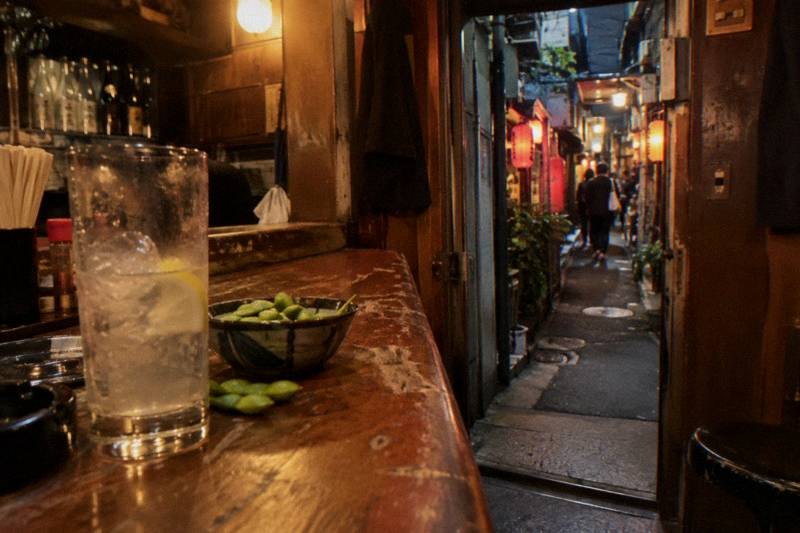
Walking past a Tokyo izakaya for the first time is a specific kind of anxiety. The door is a curtain, the menu is handwritten, the counter seats six, and nobody inside looks up. This is exactly the barrier a guided crawl exists to remove: you follow a local guide through two to four small bars in one evening, drinks and dishes arrive already explained, and the bill is settled up front rather than deciphered at the end. For the nights you wander into a counter bar without a guide, knowing how to actually ask for the bill in Japan turns the scariest part of the meal into a ten-second exchange.
The format rewards first-timers more than almost any other food experience in the city. The Budget Crawl, No Meal Included run in Shinjuku starts from $36.15 per person and is rated 4.9 across 2,911 reviews, which makes it one of the most reviewed nights on this site's shelf. At the other end, the Golden Gai Food Tour, Premium runs from $217 per person and holds a 5.0 rating across 261 reviews. Between those poles sit cultural crawls, free-flow dinner tours and district-hopping walks, all roughly three hours long.
This guide walks through what an izakaya tour actually is, what the realistic price bands are, what you will be handed to eat and drink, the handful of etiquette rules that matter, and which district suits a first crawl. It draws on the operators' own figures, so where a detail like an exact meeting point or a current discount is not printed here, check the booking page before you commit.
What Is An Izakaya And Why Take A Tour?
An izakaya is a Japanese gastropub serving small dishes and drinks, ordered steadily across the evening rather than in one sitting, and a tour helps because the hardest parts, reading the menu, finding the entrance and knowing the unwritten rules, are exactly what a guide does for you. The word breaks down as "stay" and "sakaya", a sake shop, which is how the format began: customers lingered at a liquor counter and snacks grew around the drinking. Today an izakaya is where Tokyo unwinds after work, from salarymen on their second stop to students splitting a grill platter.
The barrier for visitors is real but small. Many counters are cash-preferred, some add an otoshi seating charge without an English explanation, and a fair number of the best rooms seat fewer than ten people with no obvious sign. None of this is hostile; it is just unmarked. A guide converts three hours of guesswork into three hours of eating.
What a tour typically includes:
| Element | What it means in practice |
|---|---|
| Stops | Two to four bars or eateries in one district |
| Duration | About 3 hours on most Shinjuku and Shibuya crawls |
| Guide | A local who orders, translates and explains customs |
| Food | Ranges from none (budget crawls) to a full dinner |
| Drinks | Sometimes one or two included, sometimes free-flow |
| Group | Small groups; check the booking page for the cap |
The value is not only linguistic. Guides know which counters welcome visitors and which are regulars-only, a distinction that is invisible from the street but determines whether your evening goes well. That local filter is the product you are buying, and it is why the format has exploded: the Bar Hop, Free Flow Full Dinner in Shinjuku alone has accumulated a 4.9 rating across 4,086 reviews. Before you book anything, it helps to know exactly what you are signing up for, and the guide to what izakaya really means explains everything from the otoshi cover charge to what a typical evening costs.
Which Izakaya Tours In Tokyo Are Worth Booking?
The strongest first-timer picks are the Budget Crawl, No Meal Included in Shinjuku from $36.15 per person, the Izakaya Crawl with a cultural angle from $129, and the award-winning Shibuya bar hop from $38.87, three formats that cover the price spectrum while sharing small groups and roughly three-hour run times. They differ mainly in what is included, so the right choice depends on whether you want a cheap orientation, a sit-down cultural evening, or something in between.
The Budget Crawl, No Meal Included is the entry drug. At from $36.15 per person it is the cheapest guided izakaya experience on this site, rated 4.9 across 2,911 reviews, and it explicitly excludes a meal, so you pay for your own food as you go. That makes it ideal if you want to learn the layout of Shinjuku's drinking lanes cheaply and eat selectively.
The Izakaya Crawl, Cultural Angle sits at the other end of the value ladder. From $129 per person and rated 4.94 across 256 reviews, it frames the same Shinjuku lanes through history and custom rather than pure consumption. Ratings across these izakaya tours run high, and it suits travellers who want to understand izakaya culture, not just survive it.
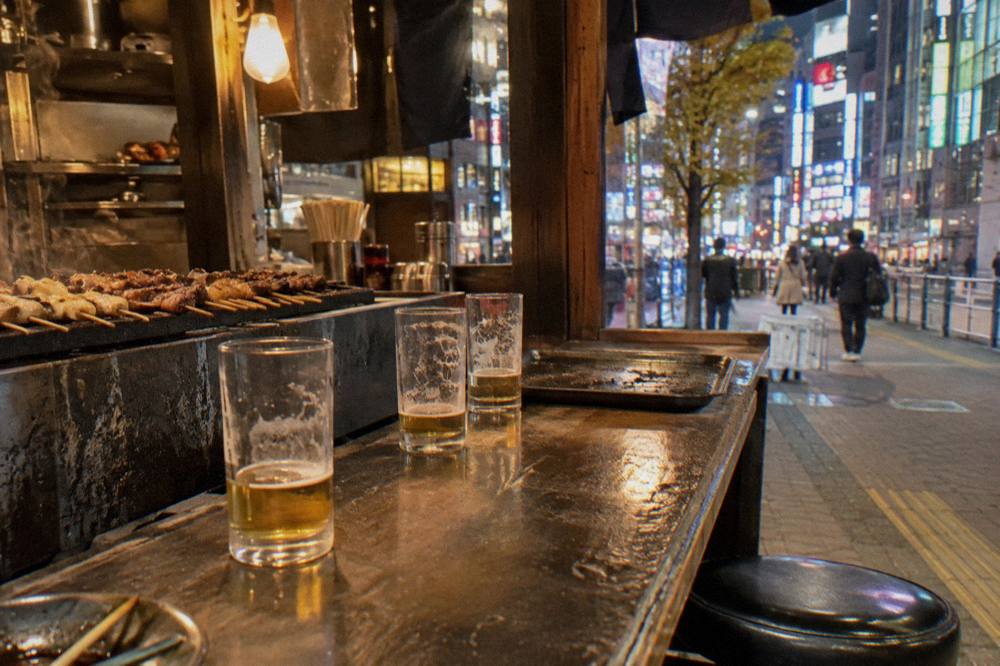
The value surprise of the category is the Award-Winning Shibuya Bar Hop: from $38.87 per person, it carries a 5.0 rating across 1,107 reviews and bar-hops Shibuya's backstreets the way the budget crawl covers Shinjuku. If you read our Shibuya food tour guide and want the evening version of that district, this is it.
Beyond those three, the shelf widens fast. The Bar Hop, Free Flow Full Dinner in Shinjuku, from $109.35 and rated 4.9 across 4,086 reviews, includes a full dinner plus free-flow drinks and finishes in Golden Gai. For a premium sit-down version, the Golden Gai Food Tour, Premium from $217 per person carries a 5.0 rating across 261 reviews, and the Old Town Tokyo Food Tour from $231 spans three and a half hours over three and a half hours.
How Much Does A Tokyo Izakaya Tour Cost?
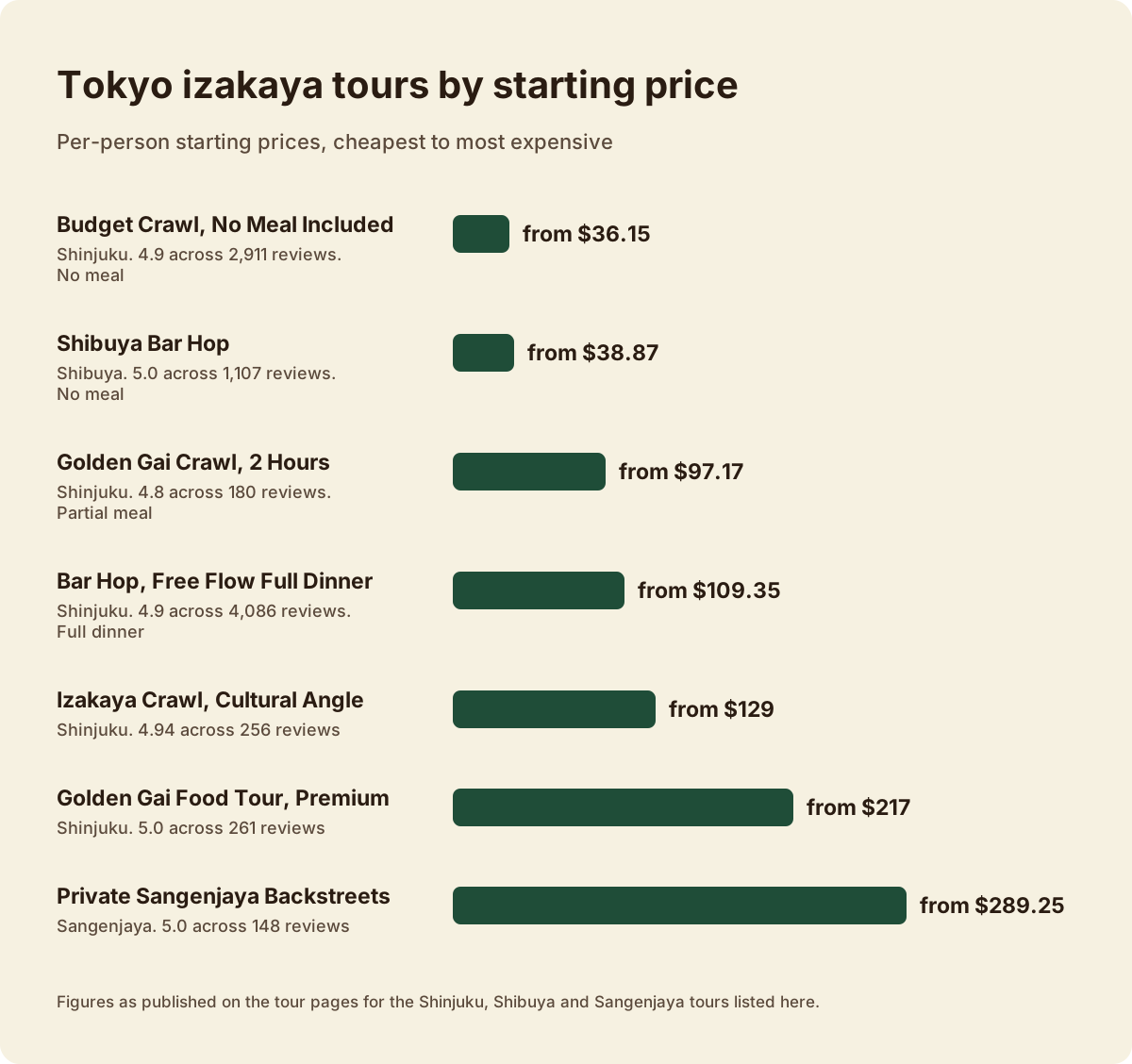
Izakaya tours in Tokyo cluster into three clear price bands: budget crawls at $36.15 to $38.87 per person with no meal, mid-range cultural and dinner tours at $97.17 to $145.85 with food and some drinks included, and premium small-group or private crawls at $167.41 to $289.25. Almost every option runs about three hours, so the price difference is almost entirely about inclusions and group size rather than duration. If you would rather build your own night out, the guide to what a Tokyo dinner typically costs shows what you might pay eating and drinking on your own.
| Tour | District | Price basis | Rating | Meal included |
|---|---|---|---|---|
| Budget Crawl, No Meal Included | Shinjuku | from $36.15 per person | 4.9 across 2,911 reviews | No |
| Award-Winning Shibuya Bar Hop | Shibuya | from $38.87 per person | 5.0 across 1,107 reviews | No |
| Golden Gai Crawl, 2 Hours | Shinjuku | from $97.17 per person | 4.8 across 180 reviews | Partial |
| Izakaya Crawl, Cultural Angle | Shinjuku | from $129 per person | 4.94 across 256 reviews | Yes |
| Bar Hop, Free Flow Full Dinner | Shinjuku | from $109.35 per person | 4.9 across 4,086 reviews | Full dinner |
| Golden Gai Food Tour, Premium | Shinjuku | from $217 per person | 5.0 across 261 reviews | Yes |
| Private Sangenjaya Backstreets | Sangenjaya | from $289.25 per person | 5.0 across 148 reviews | Yes |
Two budget-crawl caveats matter. First, "no meal included" means your food and drinks are bought separately, so a cheap ticket can still total the same as a dinner tour if you eat heartily; the trade is control, not just savings. Second, the from prices on this site move with demand, so never treat a printed figure here as fixed, check the booking page on the day you plan to book.
Add the small on-site costs that no tour price absorbs. Izakaya and Golden Gai bars commonly add a cover or seating charge, at Golden Gai typically 500 to 1,500 yen per person, which often includes a small starter; whether your tour's stops waive it is a booking-page question. Cash remains common at these bars even in 2026, so carry some regardless of what your tour includes.
If you want to think through the full budget picture before committing, our Tokyo food tour cost breakdown compares what different tour categories charge and where hidden extras tend to appear.
What Do You Actually Eat And Drink On An Izakaya Crawl?
Expect a steady stream of small shared dishes, grilled chicken skewers, edamame, karaage fried chicken, tofu, pickles and seasonal items, plus beer, highballs, sake and shochu, ordered continuously across the whole evening rather than arriving as a single ordered meal. The izakaya format is drinking-forward: dishes land a few at a time and the table keeps ordering for as long as the evening runs, which is why portions are small and the menu is long.
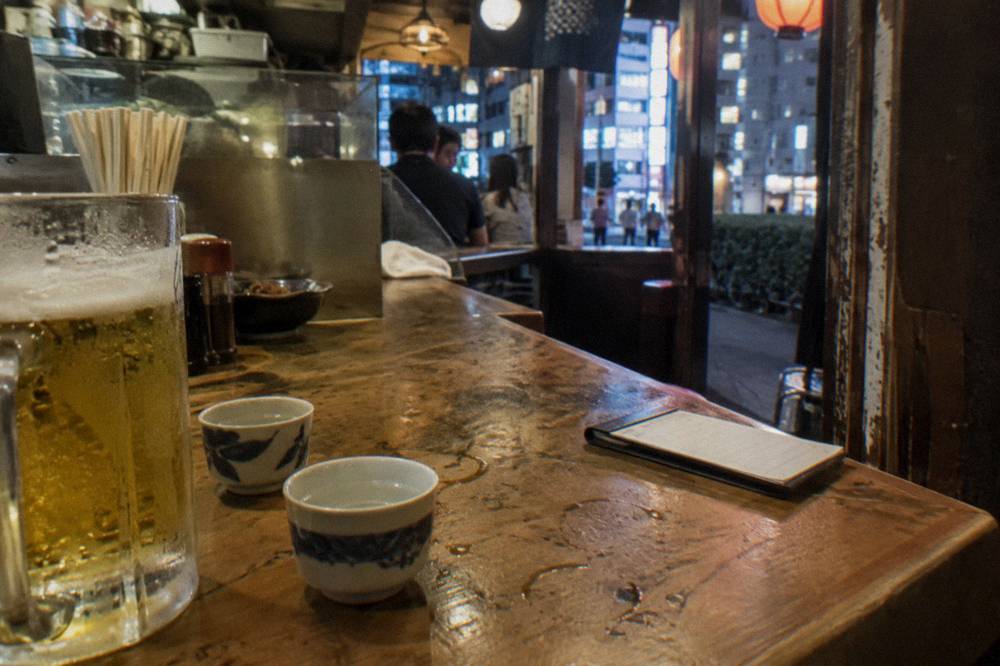
Drinks follow a recognisable script. Draft beer opens most evenings, often with an enthusiastic "kanpai". Highballs, whisky diluted with soda over ice, are the workhorse of Tokyo drinking culture and appear at nearly every counter. Sake and shochu come later, and guides on the cultural crawls usually explain the difference on the spot. If you want to go deeper on rice wine specifically, the Sake Masterclass running 8+ varieties with a professional, from $70.61 and rated 5.0 across 414 reviews, is a dedicated tasting rather than a bar night.
Food varies by district and by tour inclusions. A rough planning picture:
| Item | Typical role on a crawl |
|---|---|
| Yakitori skewers | The core food at Omoide Yokocho counters, grilled to order |
| Edamame and pickles | The default first plate and the usual otoshi starter |
| Karaage | Fried chicken, the reliable crowd-pleaser |
| Motsuyaki | Offal skewers, a Shinjuku lane specialty |
| Tofu and salads | The lighter between-drinks plates |
| Seasonal dishes | Autumn brings sanma, mushrooms and new rice |
Autumn is worth planning around if your dates are flexible: September through November is peak season for Pacific saury, mushrooms and new rice in Tokyo, and menus shift accordingly. Our piece on the best time for a Tokyo food tour covers the seasonal calendar in more detail.
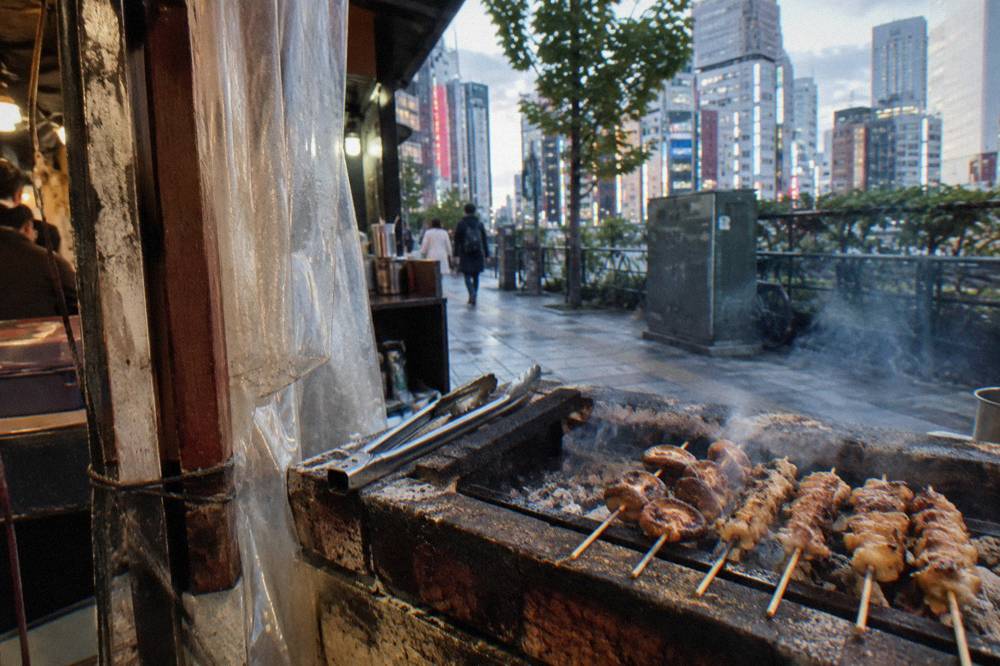
The eating itself has one firm rule worth repeating from the market to the bar: eat where you are served. Snacking while walking is discouraged in Tsukiji's lanes and simply impractical in a crowded izakaya. Otherwise the culture is forgiving, and the two habits to avoid are sticking chopsticks upright in rice and passing food chopstick to chopstick, both of which echo funeral rituals and stand out more than any pronunciation mistake you will make.
What Etiquette Should First-Timers Know Before An Izakaya Crawl?
The essentials are simple: do not tip, expect a small otoshi seating charge at many counters, accept that cash is still common at independent bars, and follow the no-eating-while-walking and designated-smoking rules, with a guide on hand to absorb any remaining awkwardness. None of these is hard, but knowing them in advance changes how relaxed your evening feels.
Tipping is the big one for visitors from the United States. It is not customary in Japan at restaurants, bars, cafes, taxis or hotels; the Japan National Tourism Organization states plainly that tipping is "not common to tip for services such as those provided in bars, cafes, restaurants, taxis, and hotels." Pay the bill as printed. Staff may chase you down to return money left on the table, which is generosity read as a mistake.
The otoshi charge confuses first-timers more than anything else. At many izakaya a small unordered appetizer arrives minutes after you sit; it is not a mistake, a gift or a tip, it functions as a per-person seating charge and will appear on the bill. At Omoide Yokocho counters it runs roughly 300 to 500 yen; in Golden Gai, cover fees of 500 to 1,500 yen are common and often include a snack. Tour inclusions sometimes absorb these charges and sometimes do not, so check the booking page if it matters to your budget.
| Situation | What to do |
|---|---|
| Bill arrives with an unordered dish on it | It is the seating charge, pay it normally |
| You want to tip | Do not; it is not expected anywhere in the format |
| The bar seems cash-only | Many independents still are; carry yen |
| You want to smoke | Only in designated rooms; restaurants must post their policy at the door |
| You cannot finish your food | Ordering less next round is fine; waste draws more notice than leftovers |
Smoking rules are stricter than many visitors expect. Since Tokyo's passive-smoking ordinance and the amended national law took full effect, indoor smoking is only allowed in designated rooms, and every restaurant must display its policy at the entrance, as the Tokyo Metropolitan Government explains. Under-20s cannot enter smoking rooms at all.
A guided crawl smooths every one of these edges, which is a real argument for booking one on a first visit. If you would rather rehearse the wider restaurant customs first, read what to know before eating at a Japanese restaurant, and for the leftover question specifically, our post on whether it is rude not to finish food in Japan goes deeper.
Where Should You Do Your Izakaya Crawl In Tokyo?
Shinjuku is the default answer, because Omoide Yokocho alone counts about 60 bars and restaurants and dozens of counters within a few minutes' walk of the station's west exit, while Shibuya offers younger energy, Sangenjaya offers a locals' backstreet feel, and Kichijoji and Ginza suit travellers already staying there. The options tilt the same way: six of the nine izakaya and bar-hopping tours, from the $36.15 Shinjuku Local Bar & Izakaya Crawl to the $217 Shinjuku Golden Gai Food Tour, run in Shinjuku. If you would rather skip the guided crawls and find your own way, our guide to the backstreets and noodle counters where Tokyo locals actually eat shows you how to spot those streets within a short walk of almost any station.
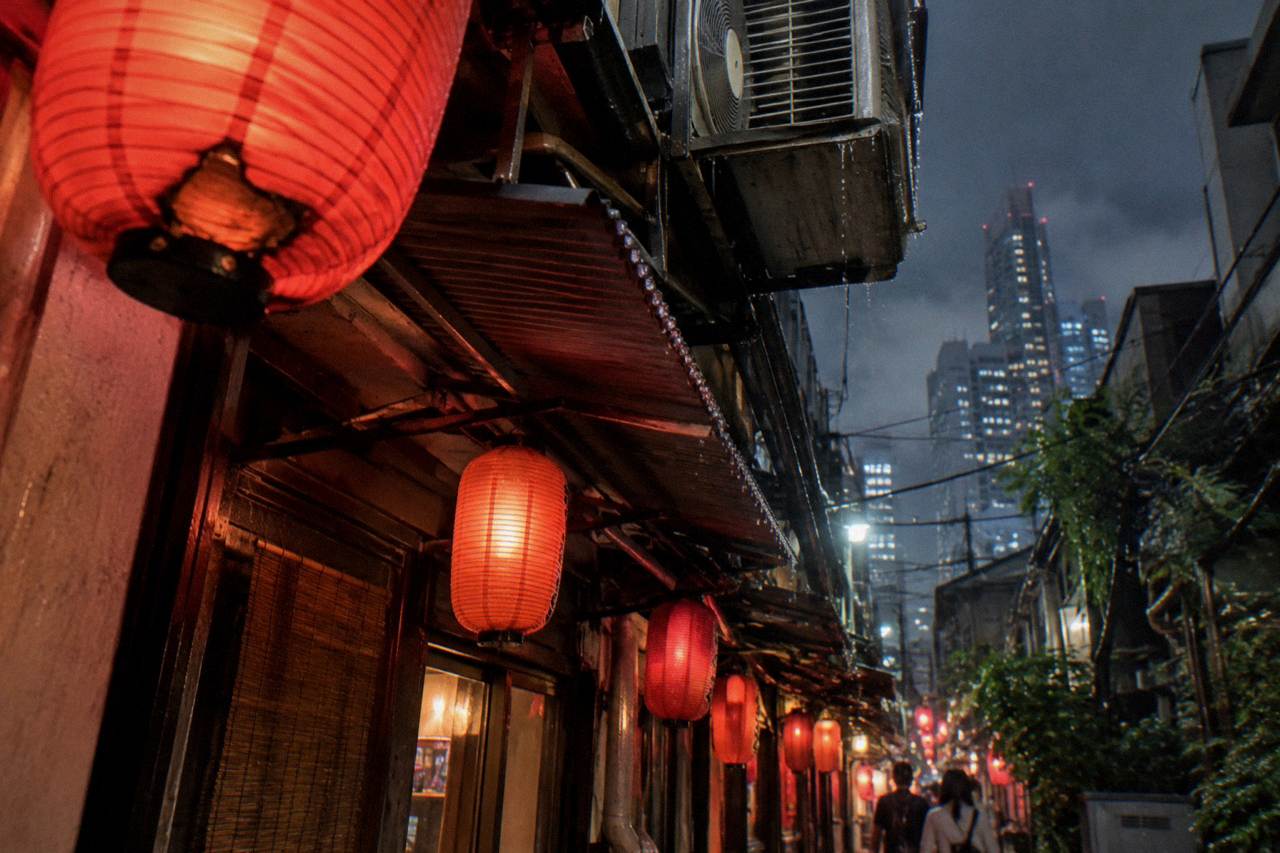
Omoide Yokocho is the classic starting image: a post-war bar district near Shinjuku Station's west exit, about 80 premises packed into roughly 2,000 square metres, mostly motsuyaki and yakitori counters, according to the district's official site. Typical spend for skewers and drinks runs 2,000 to 3,000 yen per person if you go alone. Most counters open around 5 p.m. and run to midnight or later, though each shop sets its own hours and there is no alley-wide schedule. Our Omoide Yokocho food tour guide covers it as a destination in its own right.
Golden Gai is the second Shinjuku pole: a warren of tiny bars, many seating five or six people, typically opening around 8 p.m. and closing between 2 and 5 a.m. Cover fees apply, some bars are regulars-only, and the alleys are treated as private roads by the local association, so photography there requires permission. A guided crawl is genuinely the low-friction way in; the Golden Gai bar hopping guide lays out the options, including the two-hour Golden Gai Crawl from $97.17 per person, rated 4.8 across 180 reviews.
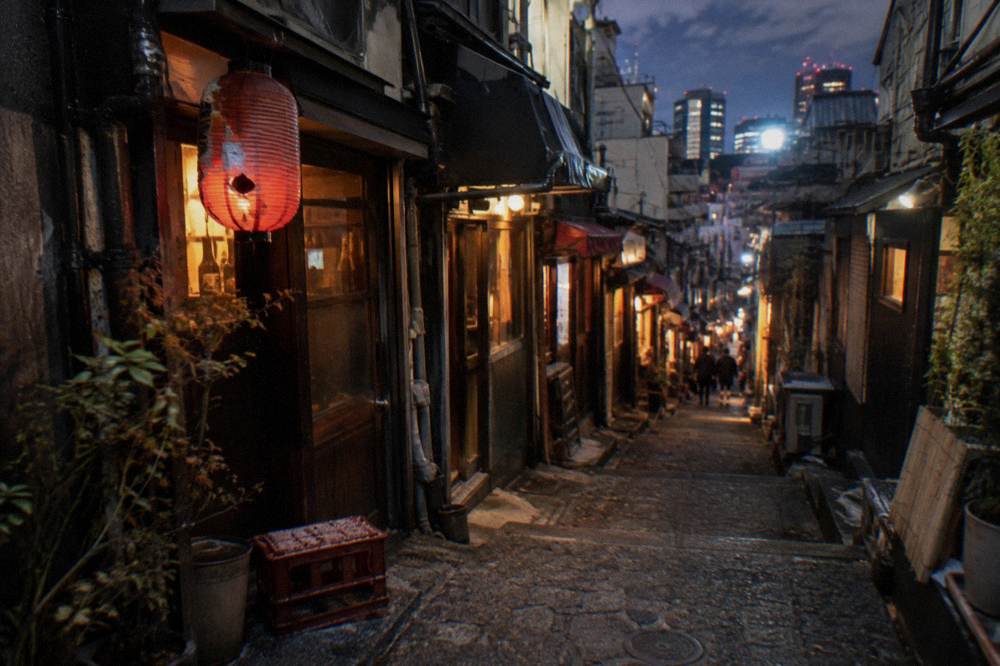
Away from Shinjuku, the Kichijoji Backstreet Crawl from $104.62 per person, rated 5.0 across 38 reviews, works a neighbourhood Tokyo residents actually live in, and the Ginza Hop runs just one hour from $195, a short premium immersion rather than a full night. The Private Sangenjaya Backstreets tour, from $289.25 per person with a 5.0 rating across 148 reviews, is the deepest cut: a private four-hour wander through the izakaya lanes behind Sangenjaya station.
For most first-timers, though, the calculation is simple. Shinjuku has the density, the tour supply and the postcard lanes; Shibuya has the nightlife volume and one of the best-value bar hops on the shelf. Pick whichever district your hotel is closer to, because both deliver the same core experience: small counters, a guide who knows the owners, and an evening that would be difficult to build alone on a first trip.
Is A Guided Izakaya Crawl Better Than Going Alone?
A guided crawl is better for a first visit because it removes the three failure points of solo izakaya hopping, cash-only counters, regulars-only doors and unreadable menus, at a price that often nets out close to an independent night once food, cover charges and drinks are added up. Going alone is not wrong, it is just slower to get good at, and most visitors have two or three nights, not two or three months.
Do the arithmetic on a mid-range option. The Izakaya Crawl, Cultural Angle from $129 per person includes food and cultural context across roughly three hours in Shinjuku. Going alone in the same lanes, a typical Omoide Yokocho evening of 2,000 to 3,000 yen in skewers and drinks, plus a Golden Gai cover of 500 to 1,500 yen at each stop, plus a second bar, lands wherever the night takes it, with more friction and no translation. The Budget Crawl at $36.15 is cheaper than almost any independent night that includes a guide's recommendations, and you can check availability for your dates without committing.
Guides also handle the allergy question, which deserves a sentence of honesty. Japan's mandatory allergen labelling covers packaged foods, nine items including cashew added in April 2026, but restaurant dishes are not required to carry such labels. If you have a serious allergy, message the operator before booking rather than assuming the guide can work it out on the night; our vegetarian and vegan food tours guide covers dietary restrictions in more depth.
The solo-hopping path still has its fans, and fairly so. It rewards repeat visitors, confident eaters and anyone who enjoys the discovery process itself. If that is you, use the crawl once to learn the mechanics, then go back alone on night two. That hybrid is arguably the best of both formats, and it is exactly how many travellers end up using the budget crawls.
How To Choose Your First Izakaya Tour
Choose on three questions only: does the price include food, which district do you want to learn, and how much structure do you want, because duration is nearly constant at about three hours and ratings across the category are uniformly strong. Everything else is preference.
The quick decision table:
| If you want... | Book | Why |
|---|---|---|
| The cheapest possible orientation | Budget Crawl, No Meal Included, from $36.15 | 4.9 across 2,911 reviews, food bought as you go |
| A full dinner with drinks included | Bar Hop, Free Flow Full Dinner, from $109.35 | Full dinner plus free-flow, ends in Golden Gai |
| Culture and storytelling | Izakaya Crawl, Cultural Angle, from $129 | 4.94 across 256 reviews, historical framing |
| Shibuya instead of Shinjuku | Award-Winning Shibuya Bar Hop, from $38.87 | 5.0 across 1,107 reviews, best value in the set |
| Premium, small group | Golden Gai Food Tour, Premium, from $217 | 5.0 across 261 reviews, seated Golden Gai experience |
| A private guide | Private Sangenjaya Backstreets, from $289.25 | Four private hours, 5.0 across 148 reviews |
Book the evening early in your trip, not last. A crawl on night one or two teaches you the customs, the phrases and the geography you will reuse every meal afterward, and the guides' recommendations typically outlast the tour itself. Tokyo Food Tours shows each tour's published from-price, so treat these figures as a starting point and confirm the live rate on the listing rather than stale launch rates.
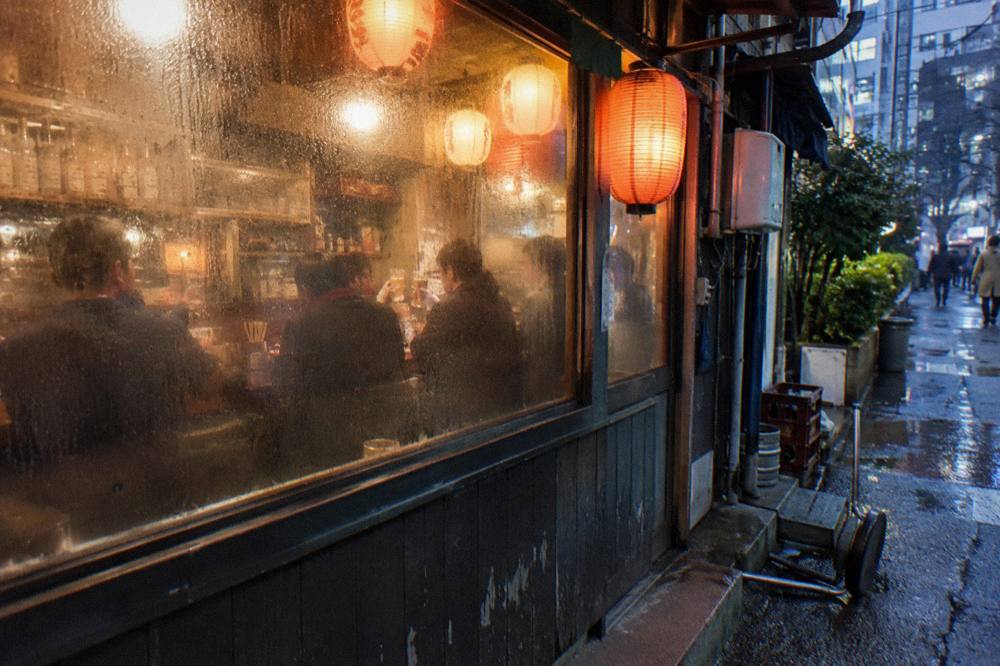
Whichever you pick, read the inclusions list closely on the booking page before paying, because the category's biggest surprise is not price, it is the gap between a $36.15 crawl with no food and the $109.35 dinner tour that looks identical in the photo. Both are good products. They are simply different products, and the first-timer who knows which one they bought is the first-timer who enjoys it.
Common Questions About Tokyo Izakaya Tours
What Happens On A Tokyo Izakaya Tour?
A local guide leads a small group through two to four bars or counter eateries in one district over roughly three hours, ordering and explaining dishes and drinks as the evening goes. Depending on the tour, food and drinks may be included, partially included, or bought separately at each stop.
How Much Does An Izakaya Tour In Tokyo Cost?
Between $36.15 and $289.25 per person. Budget crawls without meals start at $36.15 to $38.87, mid-range cultural and dinner tours run from $97.17 to $145.85, and premium or private crawls from $167.41 to $289.25. Most options last around three hours.
Do I Need To Speak Japanese?
No. Guides handle the ordering and translation, and many of the bars these tours visit post English signs or menus precisely because they welcome visitors. On a solo night, cash, pointing and patience go a long way, but a tour removes the need entirely.
Is Tipping Expected On An Izakaya Tour?
No. Tipping is not customary in Japan at bars, restaurants or taxis. Pay the bill as printed; money left on the table is often returned as if forgotten. If you want to reward a guide, a sincere thank you is the local norm.
Can I Do An Izakaya Crawl If I Do Not Drink Alcohol?
Usually yes, though the format is drinking-centric. Non-alcoholic options like oolong tea and soft drinks are standard at every counter, and guides adapt; check the booking page or message the operator ahead if you want confirmation for your specific tour.
Which District Is Best For A First Izakaya Crawl?
Shinjuku. Omoide Yokocho and Golden Gai concentrate dozens of small bars within a short walk of the station, and the majority of guided crawls run there. Shibuya is the strong alternative if you are staying on that side of the city.