Shibuya Food Tour: Yokocho Alleys And Izakaya
Shibuya is where Tokyo eats late. This guide breaks down what a guided food tour in the district actually covers, from yokocho alley counters to izakaya crawls, with real prices and honest advice on picking one.
Short answer
A guided Shibuya food tour runs about 3 hours and costs from $84.21 per person for the 13-dish, 3-eaterie walk rated 4.9 across 1,437 reviews. Bar-hopping formats start from $38.87 per person. Most tours hit yokocho alleys and izakaya lanes rather than the Crossing itself.
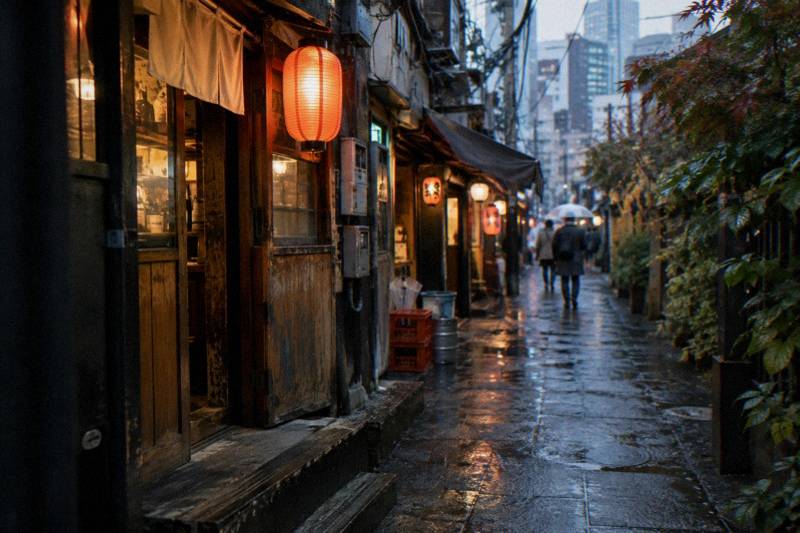
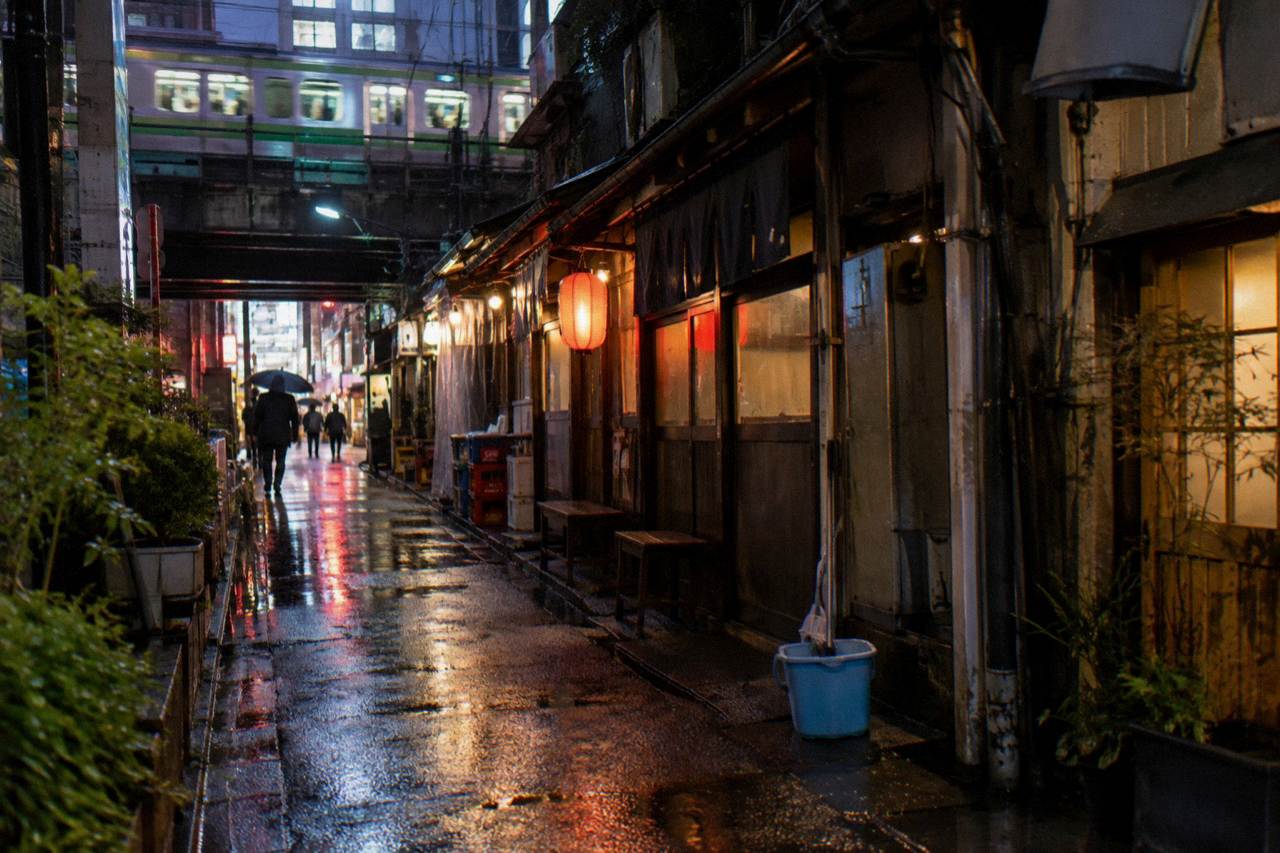
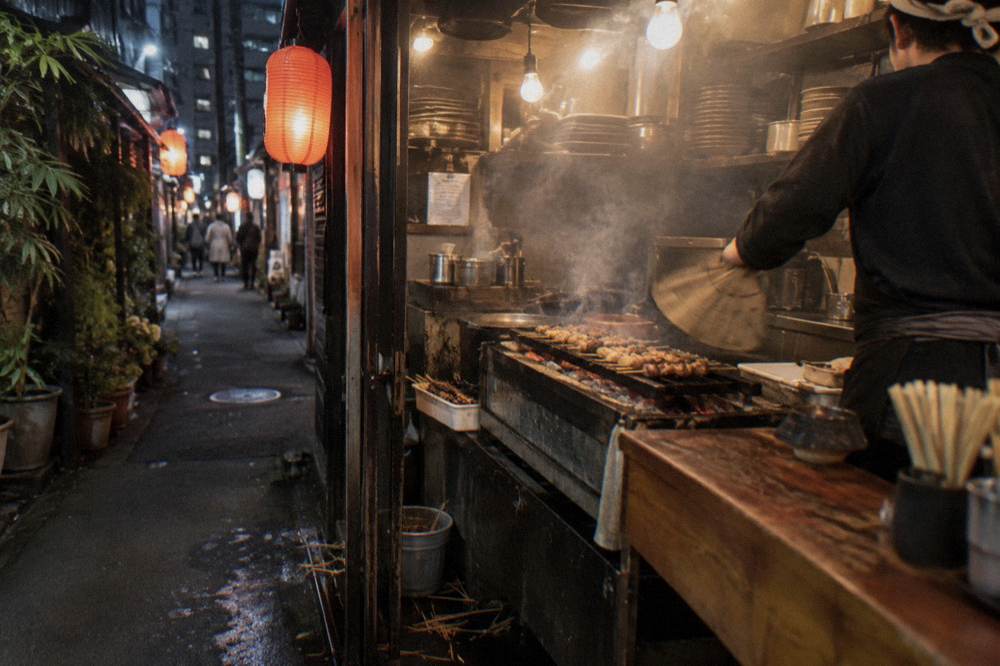
Shibuya's food scene hides in plain sight. Most visitors see the Crossing, the crowd, the big screens, and never find the two narrow yokocho alleys wedged beside the railway tracks, where dozens of six-seat counters grill, pour and ladle until the last trains run. A guided walk exists precisely to bridge that gap, and this page lays out what the options actually include, what they cost, and where they eat. And once those words start mattering, the guide to what Japan's tiniest restaurants are called sorts izakaya, tachinomi standing bars and Golden Gai snack counters into plain English.
The headline pick is the Shibuya Walk, 13 Dishes 3 Eateries, a roughly 3-hour tour rated 4.9 across 1,437 reviews, from $84.21 per person. Around it sit bar-hopping formats, an izakaya night out, and evening culture walks that range well beyond a single district. This site, Tokyo Food Tours, exists to sort exactly this kind of choice.
What Does A Shibuya Food Tour Actually Include?
A typical Shibuya food tour lasts about 3 hours, visits three or more small eateries, and folds a full meal's worth of dishes into the price, from $84.21 per person for the main 13-dish walk. Bar-focused tours cost less and include drinks rather than a full dinner. Guides lead you through yokocho alleys you would struggle to find, let alone book, alone. If you want to keep the guided-eating streak going one neighborhood over, the guide to Ginza food tours explains which izakaya and street food walks fit different budgets and appetites.
The core product in the district is the Shibuya Walk, 13 Dishes 3 Eateries. Over roughly 3 hours it moves through three separate venues and serves thirteen dishes, which is a proper dinner rather than a tasting parade. It is rated 4.9 across 1,437 reviews, from $84.21 per person. That is the format most first-time visitors picture when they imagine a food tour: a guide, a small group, a neighbourhood, and a lot of small plates you did not have to order yourself.
Bar formats work differently. The Award-Winning Shibuya Bar Hop runs 3 hours 30 minutes, is rated 5 across 1,107 reviews, and starts from $38.87 per person. It suits travellers who want the izakaya and standing-bar side of Shibuya, moving between spots the way locals do instead of settling at one counter for the whole night. Many people build a first night in Tokyo around exactly this kind of crawl.
A middle path is the After 5 Food and Drink Walk, roughly 3 hours 30 minutes, rated 4.5 across 775 reviews, from $72.47 per person. It mixes food and drink with cultural context, and it roams beyond a single alley. What all three share is access: yokocho counters often have no English menu, no reservations and no obvious front door, and a guide converts those rooms from intimidating to ordinary.
Which Shibuya Food Tour Should You Book?
Book the Shibuya Walk, 13 Dishes 3 Eateries, from $84.21 per person, if you want a full dinner in a small group; it is rated 4.9 across 1,437 reviews. Pick the Shibuya Bar Hop, from $38.87 per person, for an izakaya night without a meal. The After 5 walk, from $72.47 per person, splits the difference with a culture-heavy route.
The honest answer depends on what kind of evening you want. If you want to be fed, fully, in places you could not have found, the 13-dish walk is the clear default. Three eateries, thirteen dishes, about three hours, and a guide who explains what each plate is while you eat it. If your budget is tight or you have already eaten, the bar hop delivers the izakaya atmosphere for less than half the price, though you should budget for any food you add yourself.
There is another framing worth considering: a night out as the product itself. The award-winning izakaya night out bills itself as bar-hopping Shibuya like a local, and its 5 rating across 1,107 reviews suggests the format lands. Travellers who take it tend to be the ones whose main goal for the evening is drinks and conversation in rooms the size of a parking space, not a curated meal.
One gap no Shibuya walking tour fills is hands-on cooking. If eating is only half the interest, the ramen class a few minutes away in Shibuya covers it: a 1-hour-30-minute session on tonkotsu, shoyu and miso broths, rated 5 across 259 reviews, from $113.36 per person.
For a fuller comparison of the dinner-style walks across Tokyo, the guide to the best food tours in Tokyo breaks the whole category down by budget and district.
How Much Does A Shibuya Food Tour Cost?
Expect to pay $38.87 to $84.21 per person for a guided Shibuya evening: the full-dinner 13-dish walk is from $84.21, the bar hop is from $38.87, and the After 5 culture walk sits between them at from $72.47. Prices move with demand, so treat every figure as a from-price and check the booking page before deciding.
Price in this category tracks what is on the plate. The bar hop's from-price of $38.87 reflects that no meal is included. The 13-dish walk's $84.21 covers a full dinner across three venues plus guiding. That is not far off what the same dinner would cost if you organised it yourself in the same rooms, minus the guesswork, and in Tokyo's mid-range izakaya, a dinner of that scope plus drinks regularly lands in similar territory. Izakaya can be tricky to book, so The Tokyo Food List marks reservation difficulty, adds booking links, and suggests what to order once you sit down.
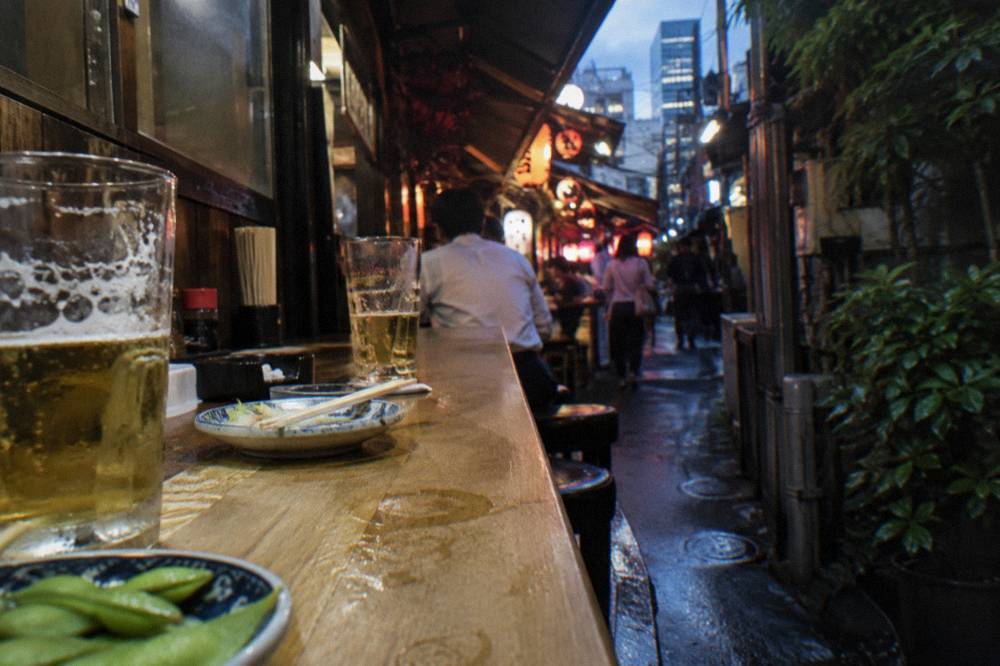
For context on what things cost outside a tour, the national average for a bowl of shoyu ramen was 750 yen as of September 2026, and nigiri sushi per serving averaged 1,592 yen nationally in the same survey. Casual yakitori skewers at Tokyo counters commonly run 150 to 400 yen each. A tour premium buys access and explanation, not cheaper food.
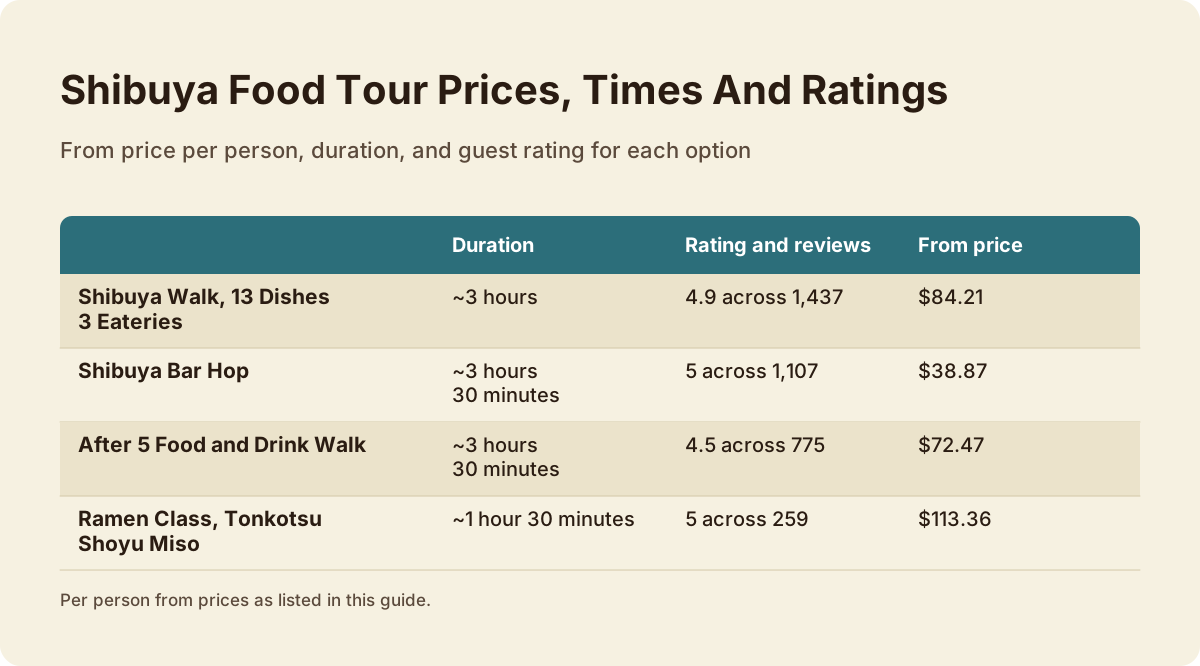
| Tour | Short name | Duration | Rating and reviews | From price (per person) |
|---|---|---|---|---|
| Tokyo: Shibuya Food Tour (13 dishes, 3 eateries) | Shibuya Walk, 13 Dishes 3 Eateries | ~3 hours | 4.9 across 1,437 | $84.21 |
| An Award-Winning Izakaya Night Out, Shibuya | Award-Winning Shibuya Bar Hop | ~3 hours 30 minutes | 5 across 1,107 | $38.87 |
| Tokyo After 5: Small Group Food, Drink & Culture | After 5 Food and Drink Walk | ~3 hours 30 minutes | 4.5 across 775 | $72.47 |
| Tokyo: Shibuya Ramen Cooking Class | Ramen Class, Tonkotsu Shoyu Miso | ~1 hour 30 minutes | 5 across 259 | $113.36 |
One Tokyo-wide money note worth knowing while budgeting: dining in carries a 10% consumption tax while takeaway food is taxed at 8%, per the National Tax Agency, which also states that the food and drink rate is due to be lowered for the two years from 1 April 2027 to 31 March 2029. None of that changes a tour's listed price, but it explains small differences on receipts when you eat independently. For a citywide view of tour pricing, see how much a Tokyo food tour costs.
Where Do Shibuya Food Tours Eat?
Most Shibuya tours eat in yokocho alley counters and izakaya lanes clustered near the station's west side, small rooms with a handful of seats, no reservations and often no English menu. Guides choose venues that welcome groups and tolerate the language gap, which is the single biggest advantage of going with one.
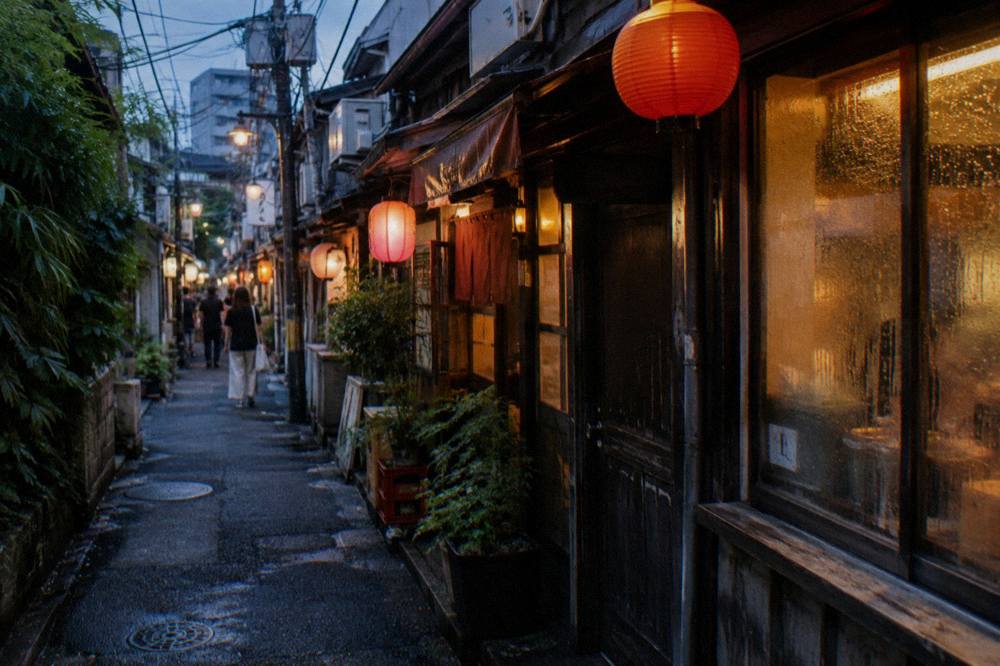
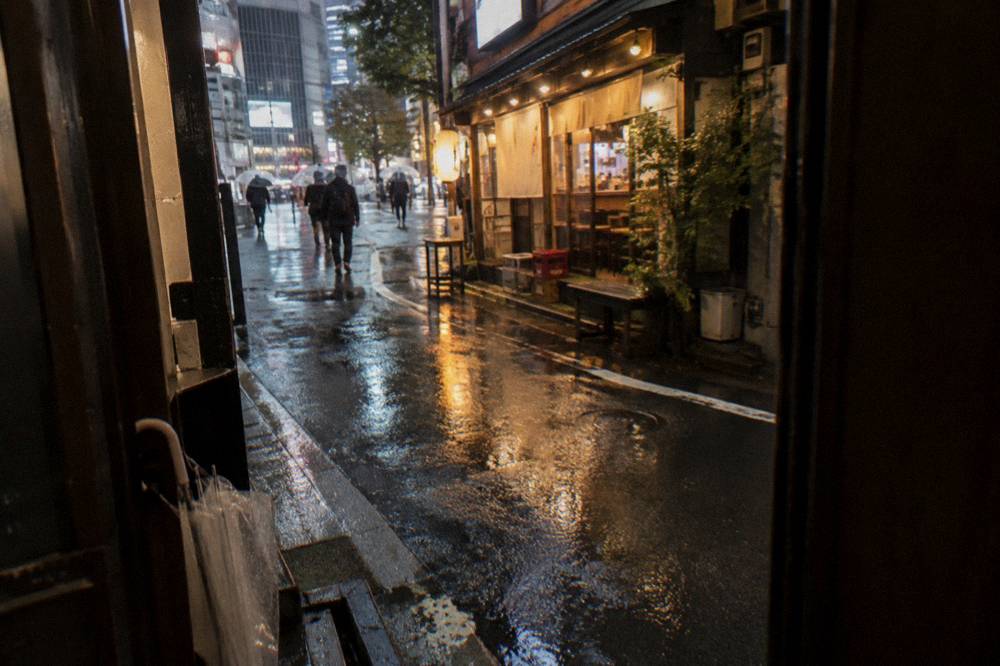
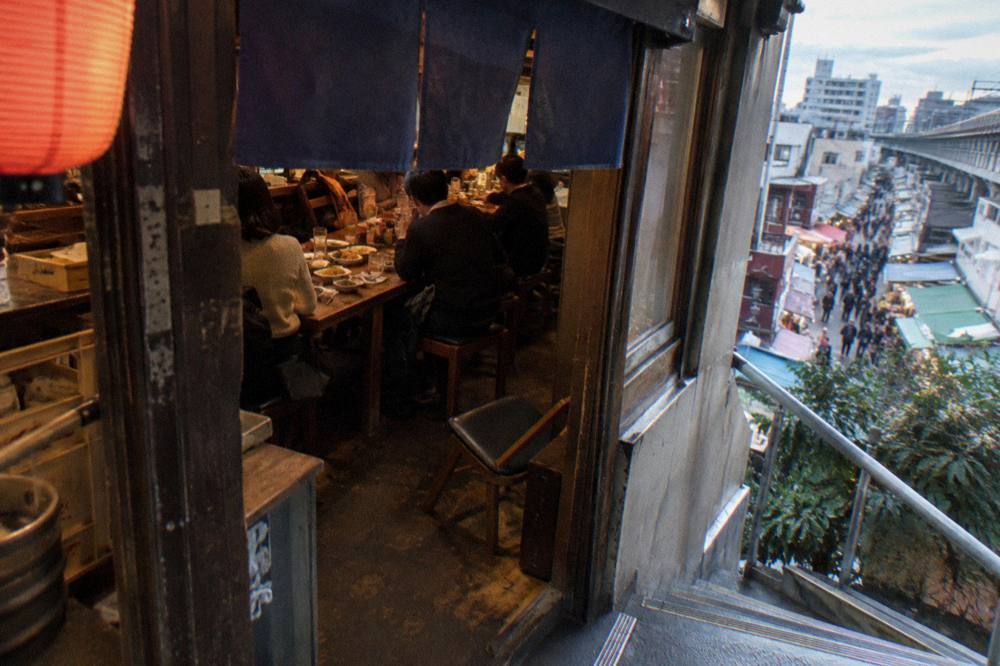
Shibuya's eating geography is vertical and cramped. Above the big retail blocks sit whole floors of restaurants, but the character lives at street level in the narrow lanes where individual bars and counters stack shoulder to shoulder. These rooms are frequently cash-friendly, first-come, first-served, and opaque to outsiders. That opacity is not hostility; it is scale. A counter with six stools cannot absorb a group of wandering tourists, so the regulars-only signage some places carry is a capacity statement as much as anything.
Guided tours solve the capacity problem by booking ahead or using venues accustomed to groups. The 13-dish walk's three eateries are chosen so that a group moves through without blocking a room. Bar-hopping formats rely on standing bars and small izakaya where a guide's relationship with the counter matters. If you go alone instead, the same alleys are walkable, but expect to read doors, accept an otoshi seating charge where one applies, and accept that some rooms will wave you toward a neighbour.
Outside Shibuya proper, the izakaya-crawl format travels well. The Kichijoji backstreet crawl, roughly 3 hours and rated 5 across 38 reviews from $104.62 per person, runs the same playbook in a more residential district west of Shibuya on the Chuo line. It is the version locals' own neighbourhoods get, and it shows what the format looks like without the neon. The wider izakaya tour guide covers the category across the city.
What Should First Timers Know Before Eating In Shibuya?
First timers should know three things: tipping is not customary in Japan, an otoshi seating charge at izakaya is a normal part of the bill and not a scam, and smoking indoors is restricted to designated rooms, with signs required at entrances. Cash is still common at small counters, so carry some.
The Japan National Tourism Organization states plainly that tipping is not common at bars, cafes, restaurants, taxis and hotels. Pay the bill as printed. Staff may chase you down to return money left by mistake, which happens often enough that it has become traveller lore. A related habit catches visitors off guard: many izakaya add a small unordered appetizer called otoshi, which functions as a per-person seating charge and appears on the bill. It is not a hidden fee aimed at foreigners; regulars pay it too.
Smoking rules are stricter than many expect. Since April 2020, Tokyo's ordinance and the amended Health Promotion Act require restaurants to display their smoking policy at the entrance, and indoor smoking is only permitted in designated rooms. You will see the signs on doors across Shibuya. Under-20s may not enter smoking rooms at all, which matters for families choosing a bar stop.
Allergies deserve advance planning. Japan's Consumer Affairs Agency mandates allergen labelling on packaged processed foods for a list of specified raw materials that grew to nine items on 1 April 2026 with the addition of cashew, but the agency's own guidance covers packaged goods, not restaurant dishes. The practical consequence: never assume a tour or a kitchen can accommodate an allergy silently. Message the operator before booking, and say it again to the guide at the meeting point.
| Situation | What happens | What to do |
|---|---|---|
| Otoshi appetizer arrives unordered | Per-person seating charge, on the bill | Eat it, expect it at many izakaya |
| Service charge at upscale venues | Sometimes built into the stated price, sometimes added separately | It is not a tip; pay as printed |
| Tipping attempt | Staff may return the money | Do not tip |
| Smoking sign at a door | Shows whether smoking is allowed indoors | Check it before entering with kids |
| Allergy need | Restaurant labelling is not guaranteed | Tell the operator before booking |
Chopstick habits matter less than visitors fear, but two stand out: never stand chopsticks upright in a bowl of rice, and never pass food directly from one pair of chopsticks to another, as both echo funeral rituals. Beyond that, the district is used to visitors, and the first-timers food tour guide covers the wider rituals if you want them.
Is A Guided Shibuya Tour Better Than Exploring Alone?
A guided tour wins on access and translation, not on food quality: the counters serve the same dishes either way. Go guided if you want three venues in one evening with everything explained, and go alone if you enjoy choosing rooms by instinct and can handle cash-only, no-menu counters.
The food itself is not the variable. Shibuya's alleys serve whoever sits down. What a tour adds is throughput and decoding: three eateries in three hours, dishes named and contextualised, and a guide who knows which counter has room at 8 p.m. on a Saturday. For a visitor with one evening in the district, that compression has real value. The 13-dish walk's review pool, 4.9 across 1,437 reviews, is large enough to trust that the format delivers consistently.
Going alone rewards patience. Pick a lane, look for rooms with pictures or plastic models, check the smoking sign, and accept that two doors will say no before one says yes. Budget roughly what yakitori counters charge, with skewers commonly 150 to 400 yen each, and drinks on top. The failure mode of solo exploring is not danger, it is defaulting to an English-friendly chain because the alternatives look closed.
A useful hybrid: book the evening walk, then return to your favourite alley the next night on your own, now knowing how the rooms work. Travellers who do this tend to report it as the moment Tokyo's food scene stopped feeling like a test. If dinner is already handled, the budget crawl format in neighbouring Shinjuku, from $36.15 per person, rated 4.9 across 2,911 reviews, runs a similar evening without a meal included.
When Is The Best Time To Take A Shibuya Food Tour?
Evening is the natural slot: most tours start between 5 and 7 p.m. and run about 3 hours, which lands you back at the station before the last trains. Autumn, September to November, is a peak season for ingredients like sanma, mushrooms and new rice, so plates are at their seasonal best.
Shibuya after dark is a different district. The alleys fill from early evening, and a tour that starts as the lanterns come on gets the rooms at their liveliest without the late-night crush. Morning food tours in Tokyo do exist, mainly around Tsukiji's Outer Market, but Shibuya's product is almost entirely nocturnal, and booking the earliest slot of the evening gives you the calmest version of rooms that get loud later.
Season matters more than visitors expect. Autumn brings sanma, mushrooms and new rice into Tokyo kitchens, a combination widely treated as the year's eating highlight. Late October through November also works well for a Tokyo food tour compared with spring cherry-blossom weeks and the summer holidays. For a fuller seasonal breakdown, see best time for a Tokyo food tour.
Booking lead time is modest. Small-group formats fill first on weekends and in November; if your dates are fixed around those, book several days ahead and check the booking page's cancellation terms, since free cancellation is common on these products. Nothing about timing is guaranteed, weather included, so keep one backup indoor plan in your pocket.
| Time frame | What to expect | Booking advice |
|---|---|---|
| Weekday evening | Alleys lively but not packed | A day or two ahead is usually enough |
| Weekend evening | Venues at their fullest | Book several days ahead |
| Late autumn | Sanma, mushrooms, new rice on menus | Peak eating season, book early |
| Public holidays | Some small counters close | Check the booking page for schedule notes |
The practical bottom line: pick an early-evening start, prefer a weekday if your schedule allows, and treat autumn as the bonus round.
Common Questions About Shibuya Food Tours
What Does A Shibuya Food Tour Include?
Most include a guide, a set number of dishes and venue visits, and about 3 hours of walking and eating. The main 13-dish walk covers three eateries from $84.21 per person. Bar-focused tours include drinks and bar snacks instead of a full meal, from $38.87 per person.
How Much Does A Shibuya Food Tour Cost?
From $38.87 per person for the no-meal bar hop to from $84.21 per person for the full 13-dish dinner walk. The After 5 culture walk sits between at from $72.47 per person. Treat all figures as from-prices and check the booking page.
Which Shibuya Food Tour Is Best For First Timers?
The 13-dish, 3-eaterie walk. It delivers a full dinner, a small group and a guide who explains every plate, rated 4.9 across 1,437 reviews. First timers who already ate often prefer the bar hop for the izakaya atmosphere alone.
Do Shibuya Food Tours Suit Vegetarians Or People With Allergies?
Only with advance notice. Restaurant dishes are generally not covered by Japan's packaged-food allergen labelling rules, so message the operator before booking and tell the guide at the meeting point. Check the booking page for each tour's dietary policy.
When Should I Book A Shibuya Food Tour?
Take the earliest evening slot you can. Book several days ahead for weekends and for autumn, when sanma, mushrooms and new rice hit Tokyo menus and demand peaks. Free cancellation is common, so booking early costs little.