Tokyo Food Tour For First-Timers
Your first food tour in Tokyo should be a short, small-group walk in one district you can find again on your own. Here is how first-timers pick one, what it costs, and what to know before the first bite.
Short answer
Most first-timers do well with a 2.5 to 3.5 hour guided walk in Shinjuku, Shibuya, Asakusa or Tsukiji. Prices run from $72.47 to $97.17 per person., and the strongest-rated options, like the Shinjuku Local Eateries Walk at 4.9 across 10,498 reviews, book out days ahead.
First-time visitors to Tokyo arrive with the same worry: the city has an enormous number of restaurants, somewhere past anything a guidebook can list, and no obvious way in. A guided walk solves that by handing you a route, a guide who translates menus, and a string of dishes you would never have ordered alone. The trick is choosing the first one well, because a good opener teaches you the city's eating logic while a badly matched one just feeds you.
The most-reviewed opener is a 3 hour walk through Shinjuku's local eateries, and the numbers behind that preference are visible in review counts. The Shinjuku Local Eateries Walk, roughly 3 hours from $84.21 per person, is rated 4.9 across 10,498 reviews, the largest review pool of any food walk in the current selection. First-timers keep choosing it because Shinjuku's lantern-lit alleys compress everything confusing about Tokyo dining, tiny counters, cash habits, unmarked doors, into three walkable blocks.
This guide walks through the questions a first-timer actually asks: which district, which price, how long, morning or evening, and what manners matter. Along the way it names specific tours with their real prices and review counts, so you can book same-day with a clear head. For a broader look at the format itself, see what to expect on a Tokyo food tour, and for the full menu of options start with the best food tours in Tokyo.
Which District Should Your First Tokyo Food Tour Cover?
The honest answer for a first tour is Shinjuku or Asakusa, with Shibuya and Tsukiji as strong alternatives, because each gives you a district you can revisit alone afterwards. Shinjuku delivers the neon alley energy Tokyo is famous for, Asakusa pairs food with temple sights, Shibuya suits travellers staying on the west side, and Tsukiji works best for a morning start. One district per tour, not three.
A first tour has a second job beyond feeding you: teaching you one neighbourhood well enough to return. Shinjuku does this brilliantly because the eating alleys sit within a five minute walk of the station's West Exit. Omoide Yokocho alone packs about 80 premises, roughly 60 of them bars and restaurants, into around 2,000 square metres of post-war lanes, per the district's official site. A guide walks you through that knot once and you own the map forever.
Asakusa is the calmer opener. The Asakusa Walk, 12 Dishes edition runs about 2 hours 30 minutes, costs from $75.30 per person, and is rated 4.85 across 73 reviews. You eat 12 dishes at a series of local eateries in Asakusa, which turns the tour into a half-day of sightseeing for free. The Tokyo Metro Ginza Line drops you at Asakusa station directly, so getting there is uncomplicated.
Shibuya and Tsukiji split by clock. The Shibuya Walk, 13 Dishes 3 Eateries (from $84.21 per person, rated 4.9 across 1,437 reviews) fits travellers based in Shibuya who want dinner within walking distance of their hotel. The Tsukiji Market, 5 Tastings walk (about 3 hours, from $97.17 per person, rated 4.9 across 3,868 reviews) is the morning option, and it doubles as a lesson in how Tokyo's market culture actually works. If you want to go deeper on either, the Shinjuku food tour guide and the Tsukiji outer market food tour guide break both districts down stop by stop.
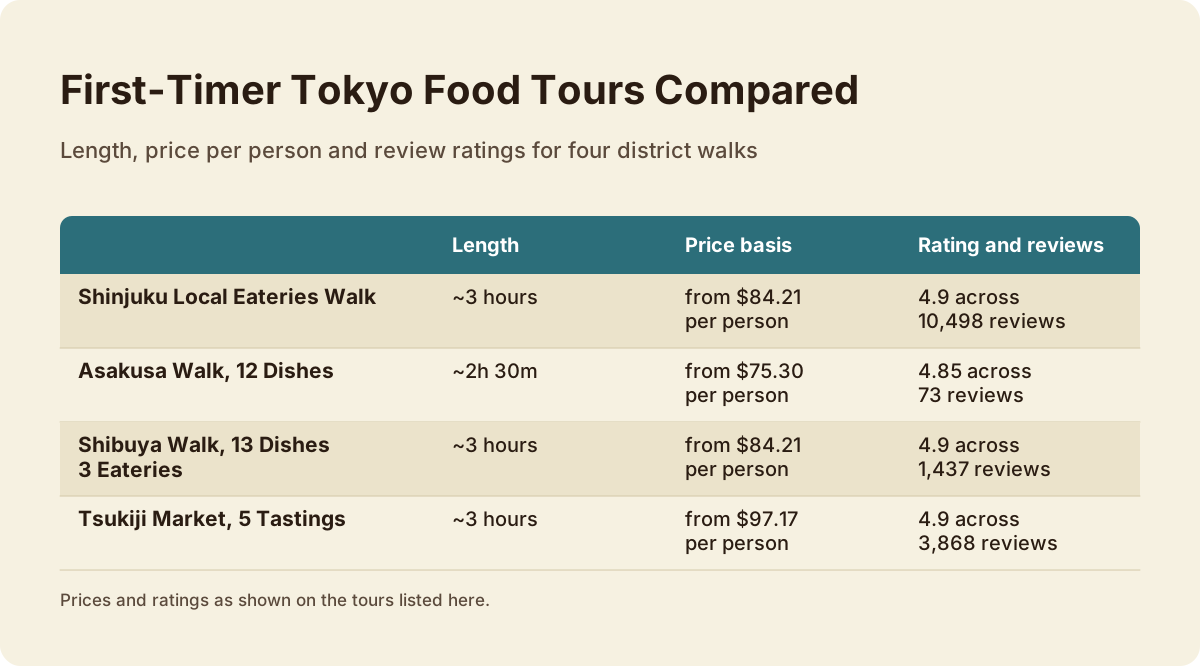
Here is how the four main first-timer districts compare on the tours themselves:
| District | Tour | Length | Price basis | Rating and reviews |
|---|---|---|---|---|
| Shinjuku | Shinjuku Local Eateries Walk | ~3 hours | from $84.21 per person | 4.9 across 10,498 reviews |
| Asakusa | Asakusa Walk, 12 Dishes | ~2h 30m | from $75.30 per person | 4.85 across 73 reviews |
| Shibuya | Shibuya Walk, 13 Dishes 3 Eateries | ~3 hours | from $84.21 per person | 4.9 across 1,437 reviews |
| Tsukiji | Tsukiji Market, 5 Tastings | ~3 hours | from $97.17 per person | 4.9 across 3,868 reviews |
Pick the district you will most want to return to alone, and read the meeting point on the booking page before you commit. All four above are near major stations, but the exact meeting spot, usually a station exit or a landmark, is on each operator's page.
Between them they cover the most common first-tour formats, and every one carries free cancellation before the start time, which matters when you are still jet-lagged and unsure of your schedule.
How Much Should A First Food Tour In Tokyo Cost?
Expect $72.47 to $97.17 per person for a solid first tour with tastings included, based on current prices across the selection. The cheapest well-reviewed opener is the After 5 Food and Drink Walk at from $72.47 per person; the most common price point is $84.21; and market walks run slightly higher at $97.17. Premium walks above $200 exist but are wasted on a first visit.
Prices in this range usually cover several tastings and a guide; what they do not always cover is alcohol, which varies tour by tour, so check the inclusions list on the booking page. A useful benchmark for what you get: a bowl of shoyu ramen averaged 750 yen nationally as of September 2026, and nigiri sushi per serving averaged 1,592 yen in the same survey. A tour at $84.21 is buying you context and access, not cheap calories, and that is the point for a first-timer.
Budget logic is straightforward. If your first tour is also your only tour, the $72.47 to $97.17 band gives you a full evening and a neighbourhood you can reuse. If you plan several tours across a week, start cheap: the Budget Crawl, No Meal Included option in Shinjuku costs from $36.15 per person and is rated 4.9 across 2,911 reviews, but note the name, food is bought separately, so it is a bar-hop primer rather than dinner. From there, upgrade on later nights.
| Price band | What it buys | Examples |
|---|---|---|
| Under $50 | Bar-hopping crawl with guide, food and drinks extra | Budget Crawl, No Meal Included, from $36.15 |
| $72.47 to $97.17 | Small-group walk, 5 to 15 tastings, guide | After 5 Walk $72.47; Shinjuku Local Eateries $84.21; Tsukiji 5 Tastings $97.17 |
| $100 to $150 | Longer walks, cultural angle, premium inclusions | Ueno Walk 10+ Classics $107.99; Izakaya Crawl Cultural Angle $129 |
| Over $200 | Premium or private format | Old Town Premium Walk $231; Private Sangenjaya $289.25 |
One Tokyo-specific cost to fold into your budget: many izakaya add an otoshi, a small unordered appetizer that works as a seating charge, typically a few hundred yen per person. Tours that include sit-down izakaya stops usually fold this into the ticket price, but if you return to the same alleys alone the next night, expect it on the bill. For a fuller breakdown by tour type, see how much does a Tokyo food tour cost.
How Long Should A First-Timer's Food Tour Last?
Two and a half to three and a half hours is the sweet spot for a first food tour, long enough for four or five stops but short enough that fatigue never ruins it. The most popular format runs about 3 hours. Tours under 2 hours exist, like the Golden Gai Crawl at 2 hours, but they trade depth for a quick taste.
The reason 3 hours dominates is pacing. A typical walk strings together four to seven eateries with short strolls between, and that rhythm stops working somewhere past the fourth hour, especially on a first visit when everything is new and your feet are already carrying a full sightseeing day. The Ueno Walk, 10+ Japanese Classics shows the upper bound done well: 3 hours 30 minutes, ten or more tastings, rated 5 across 349 reviews, from $107.99 per person. Even that tour's length is calibrated around Ameyoko's compact shopping streets rather than long distances.
Shorter is fine when the goal is a primer. The 7 Eateries, Shopping Streets Walk covers ten or more tastings in 2 hours 30 minutes and is rated 5 across 42 reviews, priced from $75 per group, an unusual basis worth checking on the booking page since group pricing changes the maths for solo travellers versus pairs. The Ginza Hop at 1 hour only, from $195 per person, sits at the other extreme, and first-timers generally get better value from a longer, cheaper walk.
| Length | Best for | Example tour | Rated |
|---|---|---|---|
| ~2 hours | Quick evening primer | Golden Gai Crawl, 2 Hours, from $97.17 | 4.8 across 180 reviews |
| ~2h 30m | Family pace, market mornings | Asakusa Walk, 12 Dishes, from $75.30 | 4.85 across 73 reviews |
| ~3 hours | The first-timer default | Shinjuku Local Eateries Walk, from $84.21 | 4.9 across 10,498 reviews |
| ~3h 30m | Hungry walkers, full dinner | Ueno Walk, 10+ Classics, from $107.99 | 5 across 349 reviews |
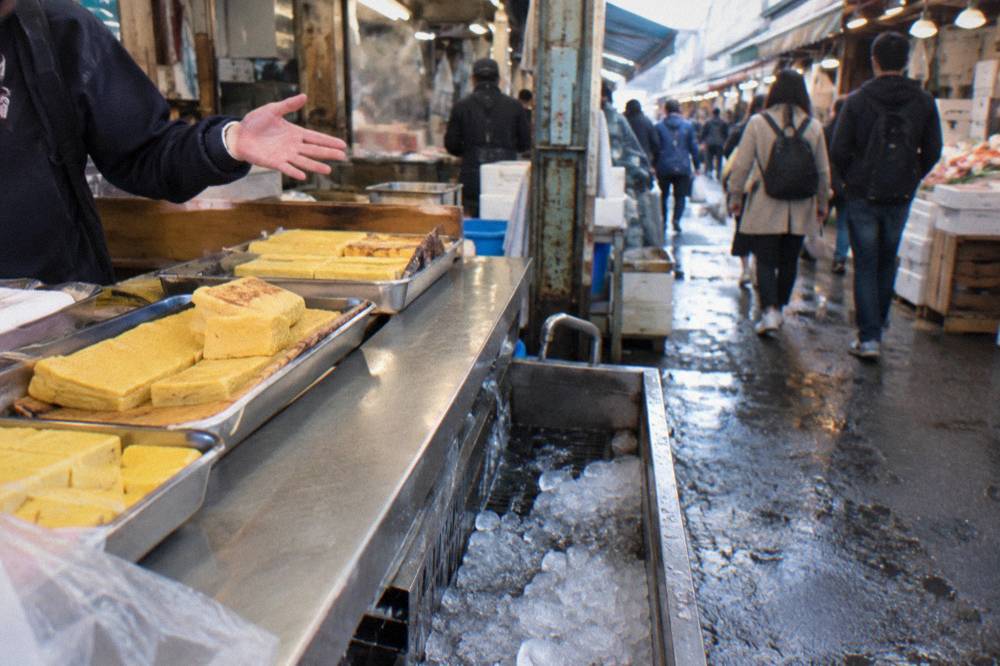
The Ueno option above deserves a special mention for first-timers who want maximum tastings per hour. Ten or more classic Japanese dishes in one walk, rated a perfect 5 across 349 reviews, and Ueno's Ameyoko market streets give you a second neighbourhood to explore alone the next day.
Between the walk above and the Shinjuku default, most first-timers have their decision made. If you are still torn between a market morning and an alley evening, the next section on timing should settle it.
What Table Manners Matter Before Your First Tokyo Food Tour?
Three habits cover almost everything: no tipping, no eating while walking in market lanes, and chopsticks never stood upright in rice. None of these will get you thrown out, but guides notice, and in market alleys like Tsukiji the walking-while-eating rule is an official request posted by the market itself.
Tipping first, because it is the one that costs money. The Japan National Tourism Organization states plainly that tipping is not common for services in bars, cafes, restaurants, taxis and hotels. Staff may chase you down to return change you left on the table. Any service charge at upscale venues appears on the bill as a stated price, not an optional extra, so there is nothing to calculate at the table.
The market rule matters more than visitors expect. At Tsukiji Outer Market the official visitor guide asks that eating happen inside the eatery or in front of the store, not while walking, because crowded lanes and professional buyers take priority in the morning. The same page asks visitors not to touch food with bare hands and to ask before photographing. A guide handles all of this for you, which is a quiet argument for taking a tour rather than going solo on day one.
Chopstick etiquette is about two specific taboos: never stand chopsticks upright in a bowl of rice, and never pass food directly from one pair of chopsticks to another, both associations with funeral rituals. Beyond that, slurping noodles is normal and quietly encouraged, lifting your bowl is fine, and saying itadakimasu before eating is a nice touch guides appreciate.
| Situation | What to do | Why |
|---|---|---|
| Bill arrives | Pay the exact amount, no tip | Tipping is not customary and can cause confusion |
| Izakaya adds a small unordered dish | Accept it, it is the otoshi seating charge | Standard practice, not an error or a scam |
| Street food at a market | Eat at the stall or in front of it | Official request at Tsukiji, keeps lanes clear |
| Smoking urge mid-tour | Wait for a designated area | Indoor smoking is restricted to designated rooms under Tokyo ordinance |
| Leftover food | Ordering modestly beats leaving plates | Leaving food is noticed; small orders are easy to add |
Dietary needs deserve one warning before you book. Japan's mandatory allergen labelling covers packaged processed food, nine specified allergens since cashew nuts were added, but that law governs supermarket shelves, not restaurant plates, as the Consumer Affairs Agency's labelling page makes clear. If you have a serious allergy, message the operator before booking rather than telling the guide on the night. Vegetarian travellers have a dedicated rundown in the vegetarian and vegan food tours guide.
Morning Or Evening: When Should A First-Timer Book?
Book evening for your first tour if you want the atmosphere Tokyo is famous for, and morning only if you specifically want Tsukiji's market rhythm. Evening tours start around 5 or 6 p.m., run through dinner, and fit neatly after a day of sightseeing. Morning tours are market tours, and the market's own calendar decides which days work.
The evening case is simple: lantern districts like Omoide Yokocho and Golden Gai only make sense after dark. Omoide Yokocho's counters mostly open around 5 p.m. and run to midnight or later, so check ahead before visiting, and Golden Gai bars typically open around 8 p.m. with individual closing times between 2 and 5 a.m. A 6 p.m. tour start catches both at their best. The After 5 Food and Drink Walk, 3 hours 30 minutes from $72.47 per person and rated 4.5 across 775 reviews, is built exactly around this window.
Morning belongs to the market. Professional buyers get priority at Tsukiji's Outer Market until 9:00 a.m. After that, no single schedule applies: opening hours and closing days vary shop by shop, since each stall keeps its own hours alongside the wholesale market's closure calendar. That is why market tours cluster early: the Tsukiji Market, 5 Tastings walk wants you there while the stalls are at full throttle. Check the market's official calendar before locking a date.
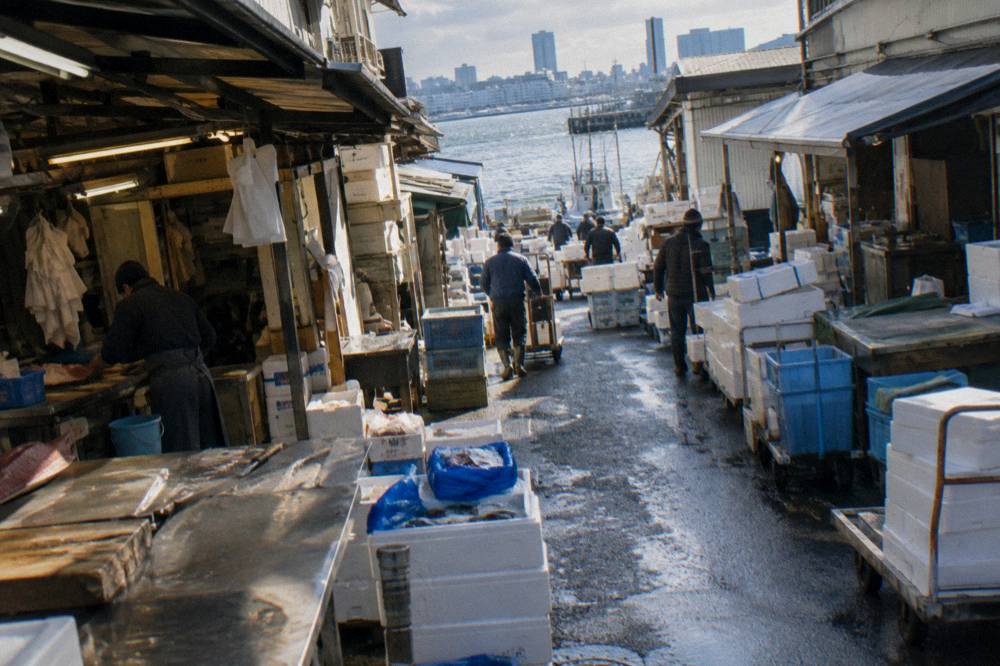
Jet lag is the wildcard that decides many first nights. If you land in the afternoon and wake at 4 a.m., flip the order: do the Tsukiji morning walk on day one while your body clock cooperates, then save the Shinjuku evening for night two. Free cancellation on most of these tours means the plan can flex.
| Time slot | Best tour type | Example | Watch out for |
|---|---|---|---|
| Morning, 9 a.m. start | Market walk | Tsukiji Market, 5 Tastings, from $97.17 | Shops close some Wednesdays, Sundays, holidays |
| Afternoon | Short street-food walk | 7 Eateries, Shopping Streets Walk, from $75 per group | Fewer open kitchens mid-afternoon |
| Evening, 5 to 6 p.m. | Alley dinner walk | Shinjuku Local Eateries Walk, from $84.21 | Book early for peak season dates |
| Night, 8 p.m. onward | Bar crawl | Golden Gai Crawl, 2 Hours, from $97.17 | Cover charges of 500 to 1,500 yen at some bars |
What Do Travellers On Forums Say About First Food Tours?
The consistent thread in traveller discussions is regret about waiting: a food tour works best early in the stay, when it can shape every meal that follows, while the main criticism of the tours themselves is pace, some walks move briskly between stops. Review counts back the enthusiasm, with the top first-timer options rated 4.9 across thousands of reviews.
Forum advice on Tokyo food tours converges on three points. First, book one for night one or two, because the tour teaches you the ordering and payment habits, cash preference at small counters, ticket machines at ramen shops, the otoshi charge, that the rest of your trip depends on. Second, take the tour in the district where you are staying, so the knowledge is reusable. Third, one tour is usually enough to unlock the city; a second in a different district is a bonus, not a necessity.
The criticism worth taking seriously is pace. Larger groups move on the slowest eater's clock, and busy walks can drag between stops. If that worries you, the remedy is choosing the right format: the Togoshi Ginza Street Food Tour, rated 5 across 34 reviews from $93.85 per person, trades a famous district for a calmer one, and premium walks such as the Shinjuku Golden Gai Food Tour, from $217 per person and rated 5 across 261 reviews, cap numbers lower.
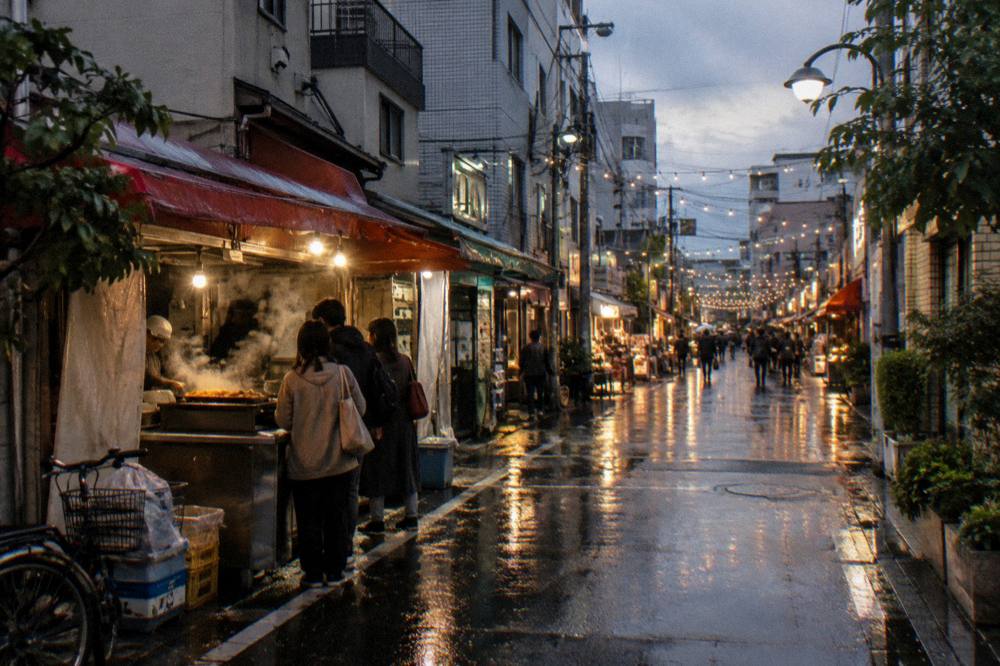
Asakusa deserves the final mention for first-timers who want food and sights in one ticket. The Asakusa Walk, 12 Dishes, from $75.30 per person, rated 4.85 across 73 reviews, threads local eateries through the old town around Senso-ji, and its 2 hour 30 minute length leaves the rest of the day free. For more on the district, see the Asakusa food tour guide.
What Should You Book For Your First Night?
Book the Shinjuku Local Eateries Walk if you want the default answer that thousands of first-timers have already validated: about 3 hours, from $84.21 per person, rated 4.9 across 10,498 reviews. Swap in the Tsukiji morning walk if jet lag wakes you early, or the After 5 walk if you want culture commentary woven through dinner. All three cancel free before the start.
The decision tree is short. Staying west, near Shinjuku or Shibuya: book the Shinjuku evening walk for night one. Staying east, near Asakusa or Ueno: take the Asakusa 12 Dishes walk and let the temple district double as your orientation. Waking at dawn with jet lag: flip to Tsukiji and save the alleys for later in the week. Travelling with a strict budget: start with the $36.15 Budget Crawl to learn the layout, then spend on a full dinner walk later.
Whatever you choose, book two or three days ahead rather than on the day. The most-reviewed walks fill first, particularly in autumn, which is peak season for ingredients like sanma, mushrooms and new rice, and when Tokyo's eating streets are at their most crowded. Same-day availability happens, but it is a gamble with your one first night.
The other pages on this site exist for the second decision onward. Once the first tour has taught you one district, the Tokyo street food tour guide and the Tokyo izakaya tour guide take you deeper, and where to eat in Shinjuku covers the alleys you will walk on night one. This is the mission of Tokyo Food Tours: get a first-timer from overwhelmed to a booked seat in one page.
Common Questions About Your First Tokyo Food Tour
Which Food Tour Should A First-Timer Book In Tokyo?
The Shinjuku Local Eateries Walk is the strongest default: about 3 hours, from $84.21 per person, rated 4.9 across 10,498 reviews. Choose the Tsukiji 5 Tastings walk instead if you want a morning start, or the After 5 walk for a culture-focused dinner.
How Much Does A First Food Tour In Tokyo Cost?
Most well-reviewed first tours run from $72.47 to $97.17 per person with tastings included. Bar crawls start lower, from $36.15, but usually exclude food, while premium and private walks run $200 and above.
How Long Is A Typical First-Timer Food Tour?
Between 2.5 and 3.5 hours. The most common format is about 3 hours with four or more stops, which is long enough for a full evening without exhausting a jet-lagged traveller.
Should I Tip My Food Tour Guide In Tokyo?
No. Tipping is not customary in Japan for restaurants, bars, taxis or hotels, and leaving money can cause confusion. Pay the stated price; any service charge appears on the bill itself.
Can A Food Tour Handle My Allergy Or Vegetarian Diet?
Only if you tell the operator before booking. Japan's allergen labelling law covers packaged food, not restaurant dishes, so message the operator directly about serious allergies. Vegetarian-friendly walks are covered in the site's vegetarian and vegan tours guide.
How Far In Advance Should I Book A First Food Tour?
Two to three days ahead is usually enough, but the most-reviewed walks fill faster in peak season. Free cancellation before the start time is standard on the main first-timer options, so booking early carries little risk.