Shinjuku Food Tour: Omoide Yokocho And Beyond
Shinjuku concentrates more bookable food walks than any other Tokyo district, from 3-stop local eatery routes to free-flow izakaya dinners that end in Golden Gai. Here is what each style delivers, what it costs, and how it compares with eating your way through the alleys on your own.
Short answer
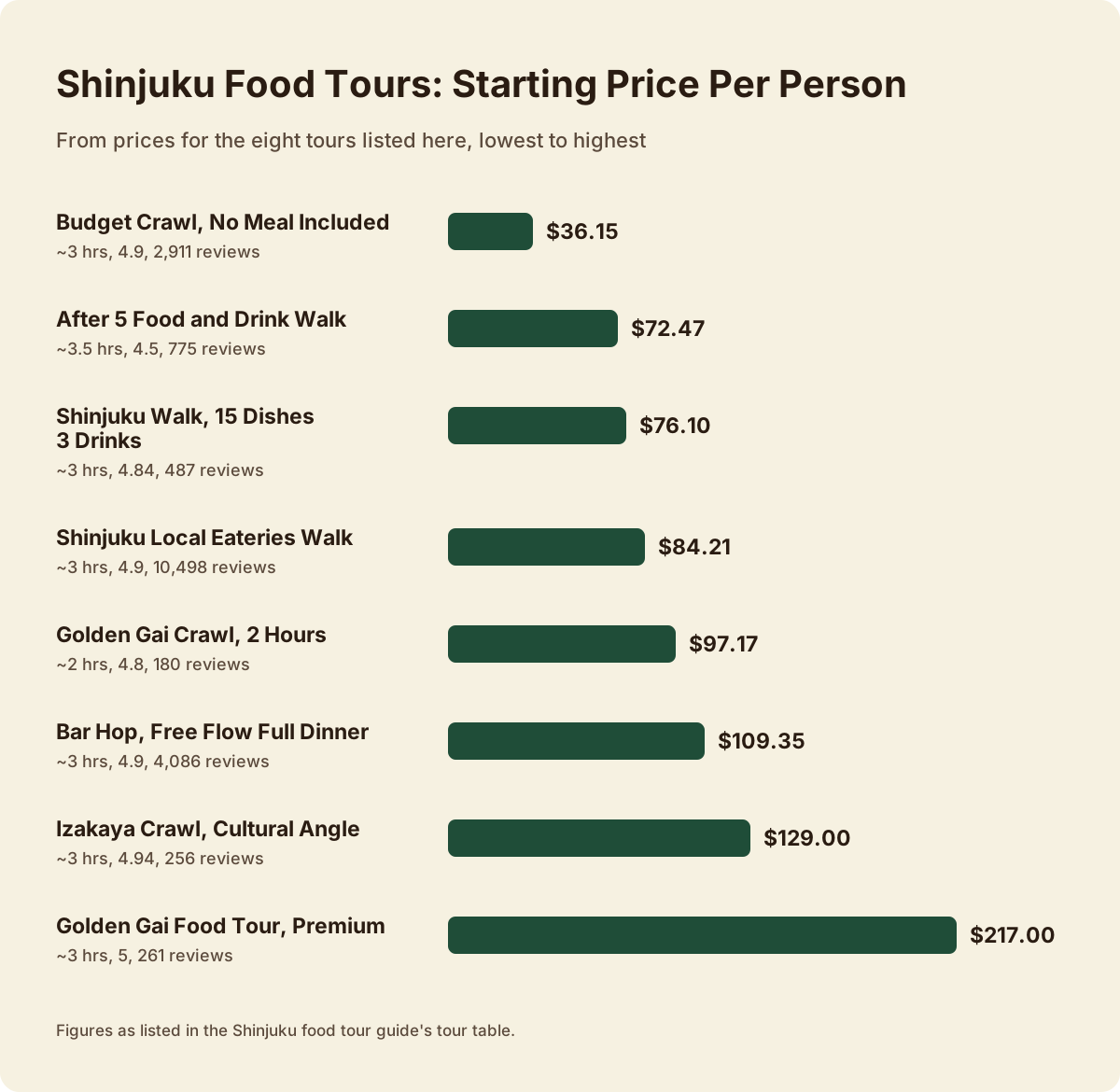
A guided Shinjuku food walk runs roughly 2 to 3.5 hours and starts from $36.15 per person for a bar crawl without a meal, or from $72.47 for an evening food and drink tour. The Local Eateries Walk, rated 4.9 across 10,498 reviews, is the district's most reviewed option at from $84.21 per person.
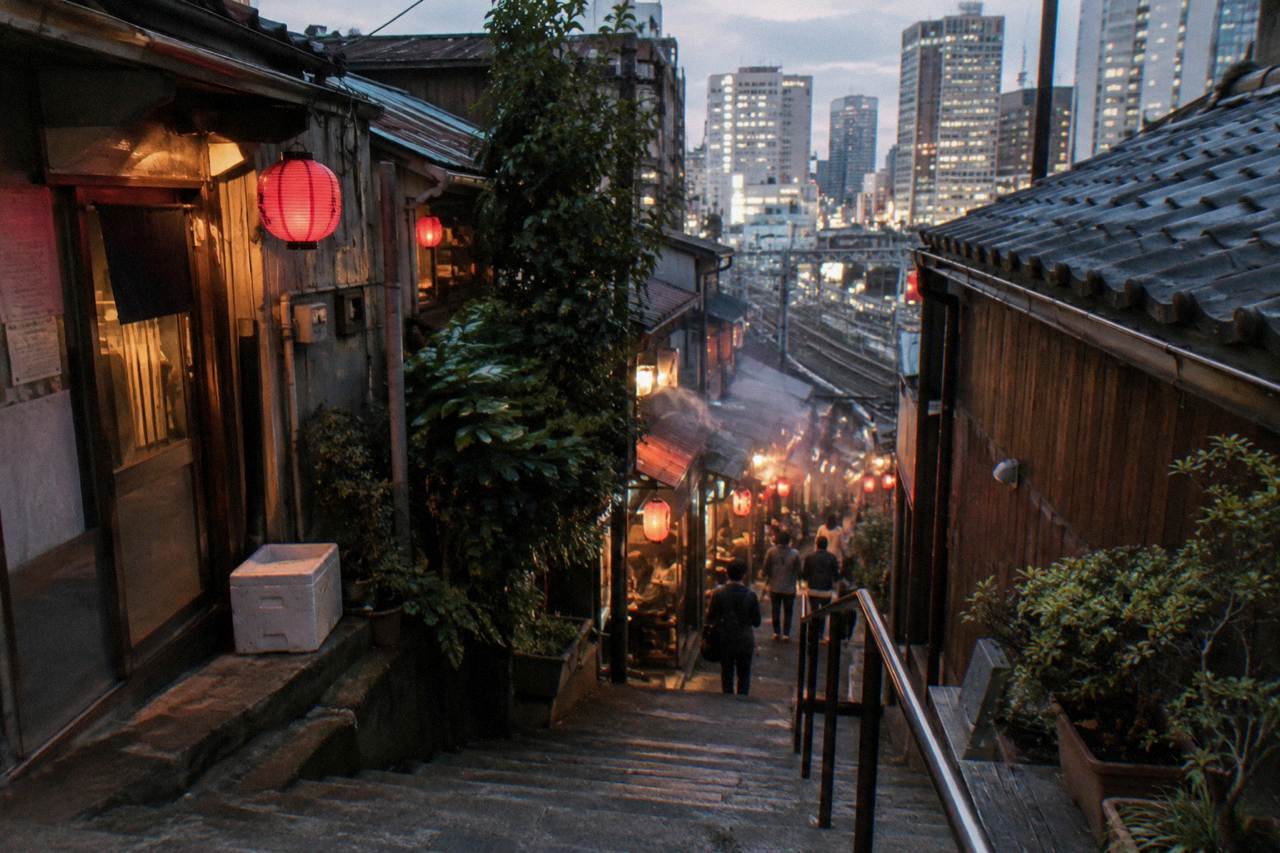
Shinjuku is a heavyweight for Tokyo food tours, from Omoide Yokocho to Golden Gai, and the reason is simple geometry. A single station exit puts you within ten minutes' walk of Omoide Yokocho's yakitori lanes, the Golden Gai bar warren, the memory-lane restaurants of the west side and the chain-free backstreets around the station's north gate. No other district packs that many distinct eating environments into one walkable cluster, which is why so many visitors book their first guided meal here rather than in Asakusa or Tsukiji.
The choice is genuinely wide, and the price spread is wider than most people expect. A bare-bones bar crawl starts from $36.15 per person, while a premium Golden Gai dinner tour runs from $217. In between sit half a dozen routes that differ in dish count, drink inclusions and how much of the evening is food versus atmosphere. This guide lays out what each style actually delivers, what the alleys cost if you skip the guide entirely, and the handful of local rules, cash habits and cover charges that catch first-time visitors out.
The most reviewed walk in the district, and a good default, is the Shinjuku Local Eateries Walk, rated 4.9 across 10,498 reviews, from $84.21 per person over roughly 3 hours. If you want a deeper comparison across all of Tokyo's districts first, the best food tours in Tokyo guide covers the full field.
What Does A Shinjuku Food Tour Include?
A typical guided Shinjuku walk lasts 2 to 3.5 hours, visits 3 to 7 eateries, and check the live booking page for exactly what the ticket price covers, with a local guide ordering, translating and steering you between the district's laneways. The exact shape depends on the product you pick. Some routes are built around a counted number of dishes, others around the bars themselves, and one is essentially a guided night out with unlimited sake. Meeting points cluster near the station's west exit, and the operators describe the ending area on each booking page, usually back within a short walk of where you began.
The dish-counted tours are the easiest to compare. The Shinjuku Local Eateries Walk, roughly 3 hours and from $84.21 per person, moves through a handful of small local spots rather than one flagship restaurant. Its 4.9 rating across 10,498 reviews reflects a formula refined across an enormous number of departures. The Shinjuku Walk, 15 Dishes 4 Eateries, covers four local restaurants in about 3 hours from $76.1 per person, rated 4.84 across 487 reviews, and suits travelers who want the evening to be unambiguously a full dinner. Both styles handle the ordering for you, which matters more than newcomers expect: many Shinjuku counters have no English menu, no pictures and sometimes no written menu at all.
The drink-led products work differently. A cultural izakaya crawl such as the Izakaya Crawl, Cultural Angle, from $129 per person for about 3 hours, rated 4.94 across 256 reviews, pairs food with an explanation of izakaya customs, the otoshi seating charge and how the counter economy works. Shorter bar-focused walks trade food volume for access to bars that are hard to enter alone, particularly in Golden Gai, where some doors are regulars-only. Before booking any of these, it is worth reading what to expect on a Tokyo food tour, which covers pacing, group sizes and dietary limits in detail.
Dietary needs deserve an early message rather than a day-of announcement. Japan's packaged-food allergen labelling rules were expanded on 1 April 2026, when cashew became the ninth required specified allergen, but that law governs supermarket packaging, not restaurant kitchens, and the Consumer Affairs Agency's own materials note that restaurant-level allergy disclosure is still being studied. In practice: tell the operator before you book, not at the first counter.
Which Shinjuku Tour Matches Your Evening?
Pick a dish-counted walk if food is the point, a bar crawl if atmosphere is the point, and a premium small-group route if you want Golden Gai included without negotiating any doors yourself, because the district's options sort cleanly into three price tiers from budget crawl to premium dinner. At the bottom, the Budget Crawl, No Meal Included runs about 3 hours from $36.15 per person, rated 4.9 across 2,911 reviews, and covers guiding and bar access but not your food or drinks. At the top, the Golden Gai Food Tour, Premium runs about 3 hours from $217 per person, rated 5 across 261 reviews, and turns an evening of bar hopping into one guided dinner. If sharing a guide with strangers appeals less than having one to yourself, the guide to private Tokyo food walks weighs Sangenjaya's backstreets against Golden Gai crawls and explains what a dedicated guide actually changes.
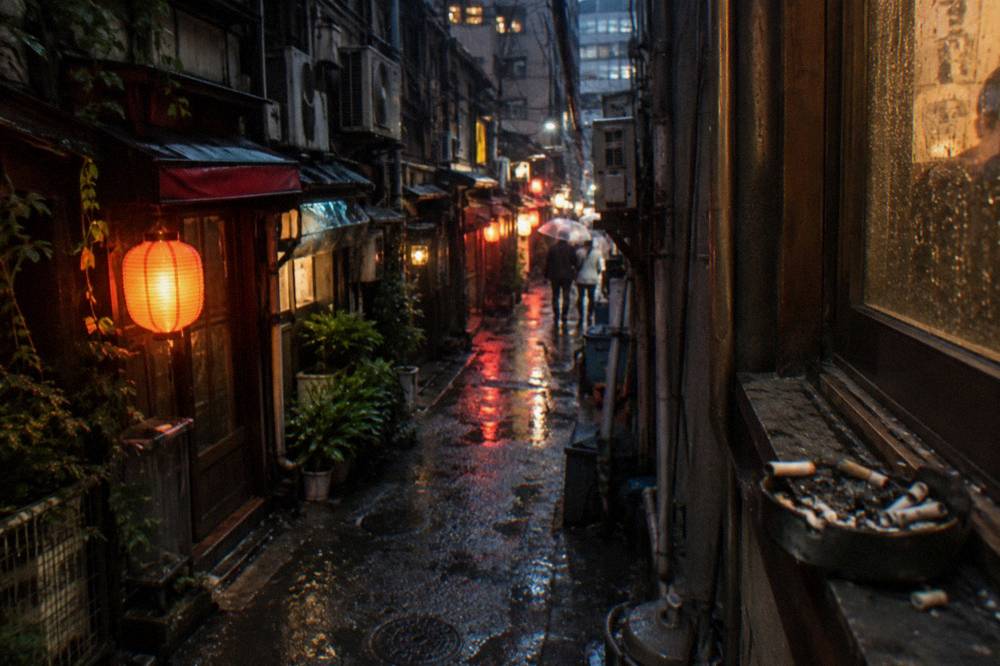
The middle tier is where most travelers land. The Bar Hop, Free Flow Full Dinner, from $109.35 per person over roughly 3 hours, rated 4.9 across 4,086 reviews, is the district's strongest value proposition for drinkers: the free-flow drinks and a full dinner are both in the price, and the route finishes in Golden Gai. The After 5 Food and Drink Walk, from $72.47 per person for about 3.5 hours, rated 4.5 across 775 reviews, is the gentlest introduction, mixing food, drink and district orientation for people who do not want a full crawl. And for a two-hour taste rather than a whole evening, the Golden Gai Crawl, 2 Hours, from $97.17 per person, rated 4.8 across 180 reviews, covers the bar warren at its liveliest hours without committing the entire night.
| Tour | Length | From (per person) | Rating and reviews | Best for |
|---|---|---|---|---|
| Shinjuku Local Eateries Walk | ~3 hrs | $84.21 | 4.9, 10,498 reviews | First-timers wanting the proven route |
| Shinjuku Walk, 15 Dishes 4 Eateries | ~3 hrs | $76.10 | 4.84, 487 reviews | Biggest eaters |
| After 5 Food and Drink Walk | ~3.5 hrs | $72.47 | 4.5, 775 reviews | A soft landing in the district |
| Bar Hop, Free Flow Full Dinner | ~3 hrs | $109.35 | 4.9, 4,086 reviews | Drinkers, Golden Gai finale |
| Budget Crawl, No Meal Included | ~3 hrs | $36.15 | 4.9, 2,911 reviews | Guided access, self-paid tabs |
| Golden Gai Food Tour, Premium | ~3 hrs | $217.00 | 5, 261 reviews | Doors you cannot open alone |
| Izakaya Crawl, Cultural Angle | ~3 hrs | $129.00 | 4.94, 256 reviews | Learning the customs as you go |
| Golden Gai Crawl, 2 Hours | ~2 hrs | $97.17 | 4.8, 180 reviews | A short, bar-first evening |
If your evening is really about the bars rather than dinner, the free-flow bar hop deserves a hard look. It solves the two problems that defeat independent Golden Gai visits, cover charges and door policy, in a single ticket, and its 4,086-review track record at 4.9 is among the strongest in Tokyo for a drinks-led product. The trade is price: at from $109.35 it sits well above the budget crawl, and non-drinkers get less from the free-flow format than everyone else at the table.
For visitors who want the opposite trade, less structure and more depth, the premium Golden Gai route is the district's deep-cut option. Rated 5 across 261 reviews and priced from $217 per person, it buys access and time in a neighbourhood where many bars seat fewer than ten people and prefer not to gamble on strangers. Tokyo Food Tours covers the full evening-tour field, including Shinjuku's, in the Tokyo night food tour guide if you want to weigh this district against Shibuya and Kichijoji after dark.
What Is There To Eat In Omoide Yokocho?
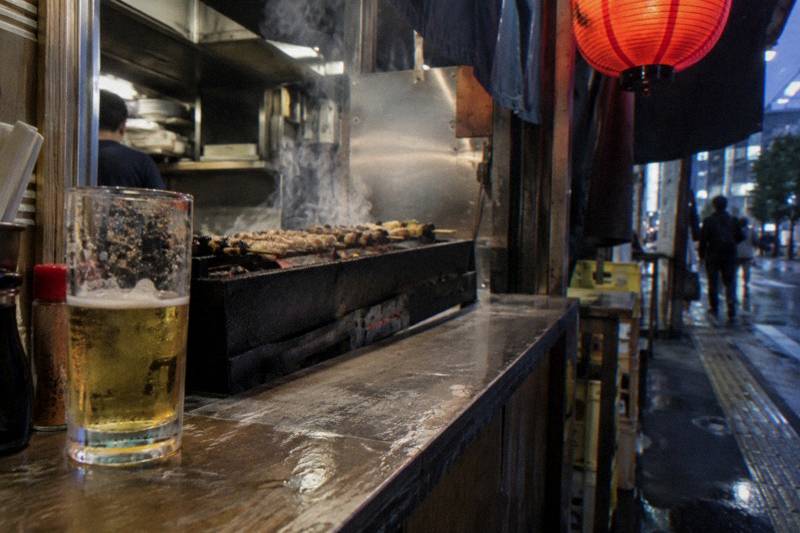
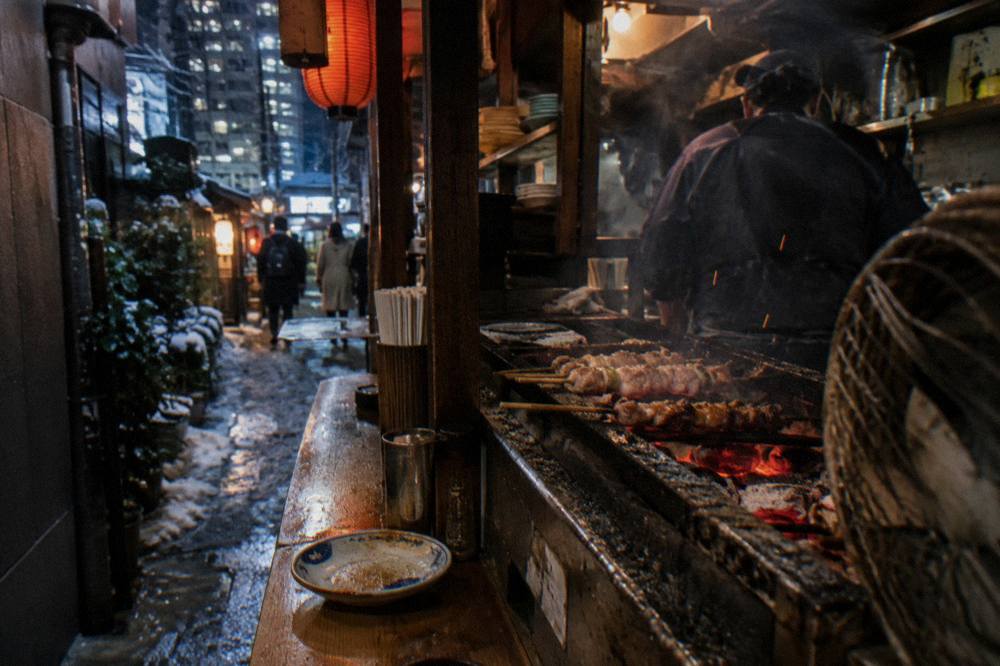
Omoide Yokocho is a compact post-war lane of roughly 80 premises near Shinjuku Station's west exit, dominated by about 60 bars and restaurants, most of them yakitori and motsuyaki counters grilling over charcoal in spaces that seat a handful of guests. The district association's own pages describe it as about 2,000 square metres in total, which is small enough that a tour can walk its full length in minutes but still spend two hours inside three of its counters. Yakitori skewers at casual Tokyo counters commonly run 150 to 400 yen each, and a typical Omoide Yokocho evening of skewers and drinks lands around 2,000 to 3,000 yen per person. If you're curious what these miniature counters are actually called in Japanese, our guide to the names for tiny Japanese restaurants covers izakaya, tachinomi standing bars and Golden Gai snack bars.
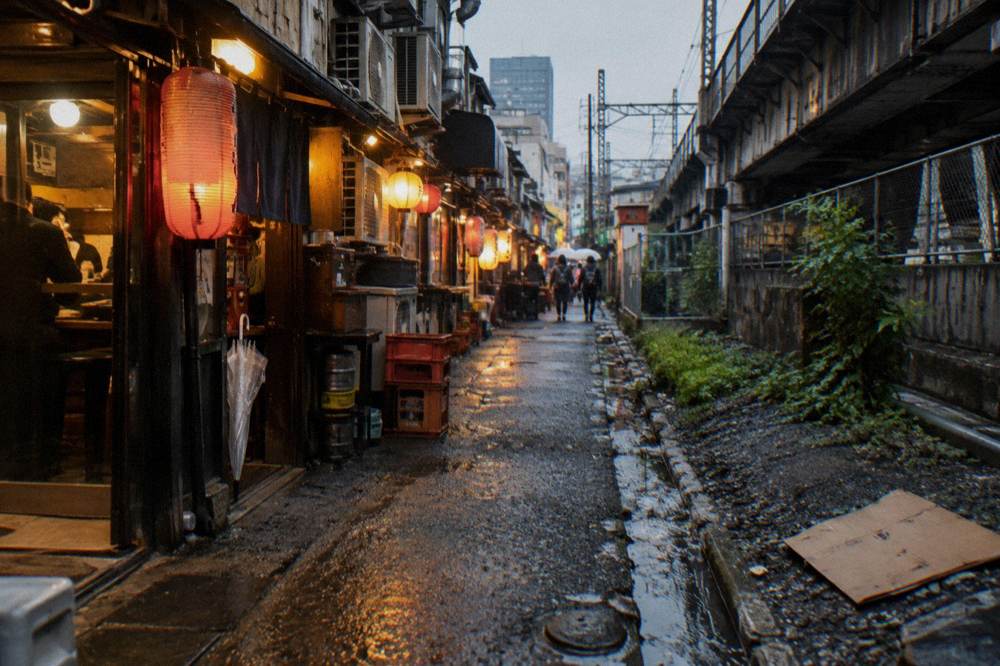
Three practical facts shape any visit, guided or not. First, opening hours: most counters open around 5 p.m. and run to midnight or later, but each shop sets its own schedule and there is no alley-wide rule, so daytime visitors will find many shutters down. Second, payment: many counters are cash-only, and even those that take cards often prefer cash for small tabs. Third, the seating charge: some counters add an otoshi of 300 to 500 yen, a small unordered appetizer that functions as a table charge, listed on the bill and entirely separate from tipping, which is not customary anywhere in Tokyo. The district's official site covers access and background for anyone planning an independent meal. You can open The Tokyo Food List on your phone and pick a place by neighborhood, with a map of what is within a 10-minute walk.
A guided walk earns its fee here more than in most districts precisely because of those frictions. The guide knows which counters take cards, which add otoshi, which will seat a group of eight at 7 p.m. on a Friday, and how to order when the menu is a handwritten wall card. The Local Eateries Walk and the 15-dishes route both route through this ecosystem; if you would rather explore the lanes solo first, the Omoide Yokocho food tour guide maps the district counter by counter, and where to eat in Shinjuku extends the picture beyond the alleys to the station's north side.
Day Or Evening: When Should You Tour Shinjuku?
Evening is when Shinjuku's food districts are themselves: Omoide Yokocho's counters light up from around 5 p.m., and Golden Gai's bars open from roughly 7 to 9 p.m. and run until between 2 and 5 a.m., so nearly every food tour in the district departs in the late afternoon or after dark. Daytime Shinjuku is a shopping and viewing city, with the observation decks and department store food halls, but the alleys that make the district famous are largely a night economy. If your only window is daytime, a food tour in a different district, Tsukiji's market walk in the morning or Asakusa's old-town route, will serve you far better than a daylight Shinjuku crawl past shuttered counters.
The timing logic within the evening matters too. A 5 or 6 p.m. start gets you into counters before the post-work rush fills them, which is one quiet advantage tours hold over independent visits, since guides hold seats. A 7 p.m. or later start trades counter space for atmosphere: the lanes are at their loudest, and in Golden Gai the bar-doors-open window means an 8 p.m. tour sees the warren at full voice. The After 5 walk runs 3 hours 30 minutes, a stretch that suits this same ramp, with time for the evening to deepen as the food and drink stops go on..
Autumn adds one more reason to time a visit well. September through November is peak season for sanma, mushrooms and new rice in Tokyo, and menus across the district shift accordingly; guides on the counted-dish routes tend to point these out when they appear. Whatever the season, the practical rule stands: book the evening slot, eat before you go only if your tour explicitly excludes food, and let the first counter be an appetizer rather than a backup dinner. If you'd rather trade the smoky alleys for a calmer counter scene, our guide to Ginza izakaya and street food walks lays out which routes suit that slower pace.
How Much Does A Tour Cost Compared With Eating Alone?
Guided Shinjuku walks run from $36.15 to $217 per person depending on inclusions, while eating independently in Omoide Yokocho typically costs 2,000 to 3,000 yen per person for skewers and drinks, plus any cover charge, so a mid-priced tour runs well past an independent tab in exchange for help with ordering, translation and local guidance. Neither answer is wrong. The independent route wins on price and spontaneity; the tour wins on access, pacing and the removal of every friction this chapter of Shinjuku specializes in, cash-only counters, unmarked doors and menus that exist only in the counter man's head.
| Cost item | Independent evening | Typical guided walk |
|---|---|---|
| Base price | 0 (pay as you eat) | from $36.15 to $217 per person |
| Typical food spend | 2,000 to 3,000 yen in Omoide Yokocho | Included on dish-counted tours |
| Drinks | Priced per drink | Included or free-flow on most routes |
| Otoshi / cover | 300 to 500 yen at some counters | Handled by the guide |
| Golden Gai cover fees | 500 to 1,500 yen per bar | Included on bar-led tours |
| Language and ordering | Your problem | Handled by the guide |
Two wrinkles sharpen the comparison. Golden Gai bars commonly charge a cover of 500 to 1,500 yen per person, often including a small snack, so a multi-bar independent crawl pays that fee again at each stop before a single drink, which narrows the gap with a from-$97.17 bar-led tour that bundles them. And the budget crawl at from $36.15 per person deliberately sits between the two models: you pay for guiding and access, then settle your own food and drink tabs at local prices, which works out cheapest of all for light eaters and slow drinkers.
One more number belongs in any Shinjuku budget: tax. Restaurant meals in Tokyo carry 10 percent consumption tax, takeaway food 8 percent, and the National Tax Agency has announced the food and drink rate will be lowered for the two years from 1 April 2027 to 31 March 2029, though the new rate is not settled here. Tour tickets are quoted with their pricing basis on each booking page, so the figure you see at checkout is the figure you pay.
What Should You Know Before Your First Shinjuku Crawl?
Bring cash, expect a small otoshi charge at some counters, skip the tipping entirely, and follow the grill-counter rules the district has run on for decades: eat what you are served, keep your voice at counter level, and ask before photographing people or premises. Tipping is not customary in Tokyo restaurants, bars or taxis, and staff may chase you down to return money left by mistake. The otoshi appetizer on your bill is a seating charge, not a gratuity, and arguing it is like arguing a corkage fee. Smoking, if it matters to your planning, is banned outside designated rooms under Tokyo's passive-smoking ordinance, and every restaurant must post its policy at the door.
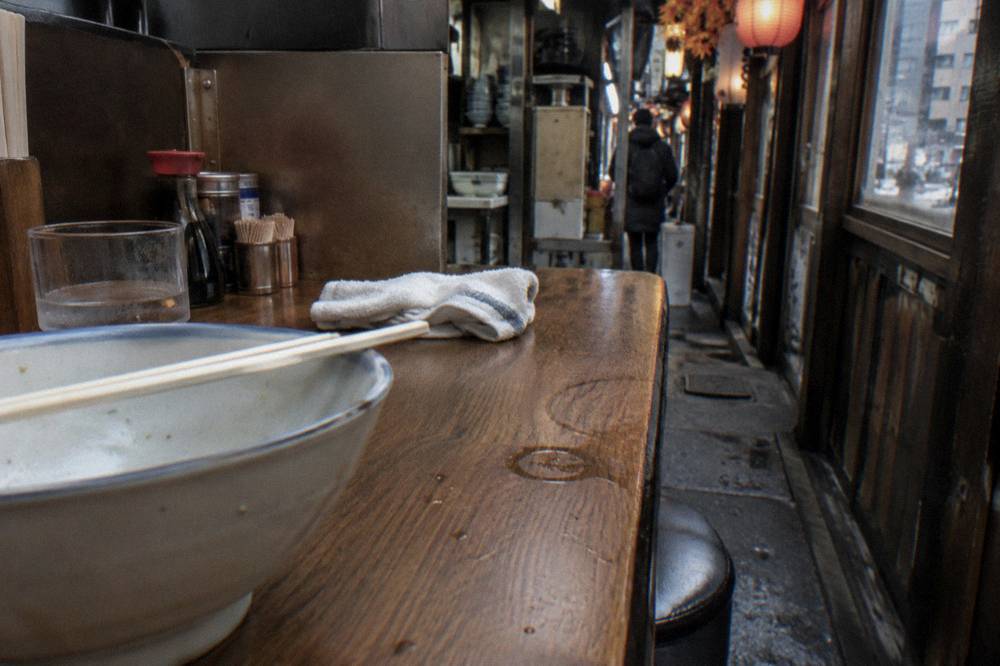
Chopstick etiquette carries more weight than visitors assume. Never stand chopsticks upright in a bowl of rice and never pass food directly from one pair of chopsticks to another; both gestures echo funeral rituals and land badly at a crowded counter. On finishing your food, note that Japanese portion culture treats a cleaned bowl as praise, and the plate waste norm is real; order in rounds at izakaya rather than front-loading the table. If you want the reasoning behind these customs, what should you know before eating at a Japanese restaurant goes deeper than any tour guide has time for.
Getting to the district is the easy part. The JR Yamanote Line serves Shinjuku directly, Suica and PASMO cards are fully interchangeable across JR East and Tokyo Metro lines, and every tour meeting point in the district sits within a few minutes' walk of a station exit. Wear shoes you can slip off if a stop has a raised floor, bring a small bag rather than a suitcase, and if your tour includes Golden Gai, remember the photography rule above before raising a phone in the lanes.
| Situation | What locals do | Why |
|---|---|---|
| Bill arrives with an unordered appetizer | Pay it without comment | Otoshi is a seating charge, listed on the bill |
| Extra cash left on the table | Expect it to be returned | Tipping is not customary in Tokyo |
| Counter man grills without taking an order | Eat what arrives | Trust the counter; it is the menu |
| Photos in Golden Gai's lanes | Ask first | The alleys are private roads; filming needs permission |
| Small tab at a laneway bar | Pay cash | Many counters prefer cash or take nothing else |
With the ground rules in hand, the remaining decision is simply which door to walk through first. Each lists its meeting area, duration and cancellation terms on its booking page, and evening slots in peak season go early.
Common Questions About Shinjuku Food Tours
How Much Does A Shinjuku Food Tour Cost?
Guided walks in the district start from $36.15 per person for a bar crawl without a meal and run to $217 for a premium Golden Gai dinner tour. Full-dinner routes with included food and drinks cluster between $72.47 and $109.35 per person, and the most reviewed option, the Shinjuku Local Eateries Walk, is from $84.21 per person for roughly 3 hours.
Is Omoide Yokocho Worth Visiting On A Tour?
Yes, and a tour removes the district's main frictions. Many counters are cash-only, some add a 300 to 500 yen otoshi seating charge, and menus are often handwritten or unwritten, so a guide's value here is ordering, translation and seats rather than transport. Independent visitors pay around 2,000 to 3,000 yen per person for skewers and drinks.
Can You Enter Golden Gai Bars Without A Tour?
Many bars welcome foreign visitors and post English signs and cover fees at the door, but others are regulars-only, and covers of 500 to 1,500 yen per person are common. Bar-led tours bundle the covers and pick the doors, which is why the free-flow bar hop and premium Golden Gai routes carry some of the district's strongest ratings.
What Time Do Shinjuku Food Tours Start?
Nearly all depart in the late afternoon or evening, because most Omoide Yokocho counters open around 5 p.m. and Golden Gai bars open from roughly 7 to 9 p.m. Typical start times fall between 5 and 7 p.m., and the walks last 2 to 3.5 hours.
Do Shinjuku Tours Include Drinks?
Most do, and one is built around them. The Bar Hop, Free Flow Full Dinner includes unlimited drinks with a full dinner; the 15-dishes walk includes three drinks; the budget crawl at from $36.15 per person includes no food or drink, only guiding and bar access. Each booking page states the inclusions exactly.
Are Shinjuku Food Tours Good For Picky Eaters Or Allergies?
They can be, but only if you tell the operator before booking. Japan's allergen labelling law covers packaged food, not restaurant dishes, so kitchen-level guarantees vary. Message the operator with your restrictions first; the counted-dish routes can usually adapt stops, while the counter-led bar crawls have less flexibility.