Private Food Tour In Tokyo: Backstreet Options
A private guide turns Tokyo's backstreets into a route built around your group, from Sangenjaya's izakaya lanes to Golden Gai's tiny bars. Here is what private actually buys you, what it costs, and when a small-group walk is the smarter pick.
Short answer
A private Tokyo food tour runs from $110.23 per person for a Shinjuku Golden Gai crawl to $289.25 per person for a four-hour private Sangenjaya backstreets walk with food and drink. Private means your group only, a route matched to your pace and diet, and a guide who answers to nobody else that evening.
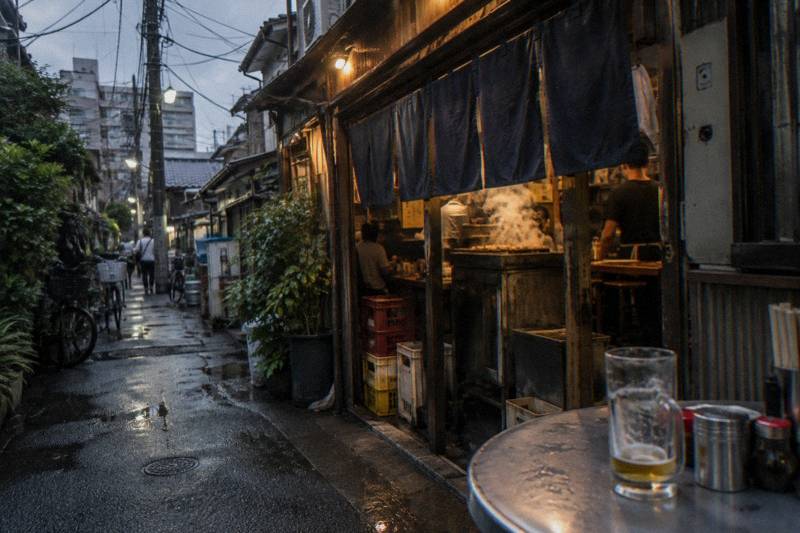
Tokyo rewards people who wander, but it rewards them unevenly. The city holds roughly 60 bars and restaurants inside the two thousand square metres of Omoide Yokocho alone, and entire neighbourhoods of similar lanes sit a ten minute train ride apart, unmarked and unlisted in any language a visitor reads easily. A private food tour exists to solve exactly that problem: one guide, your group only, and an evening spent in the kind of places you would walk past twice without noticing. Private tours in Tokyo change the format in a few real ways, and a well-run small-group walk can still do the same job for less money.
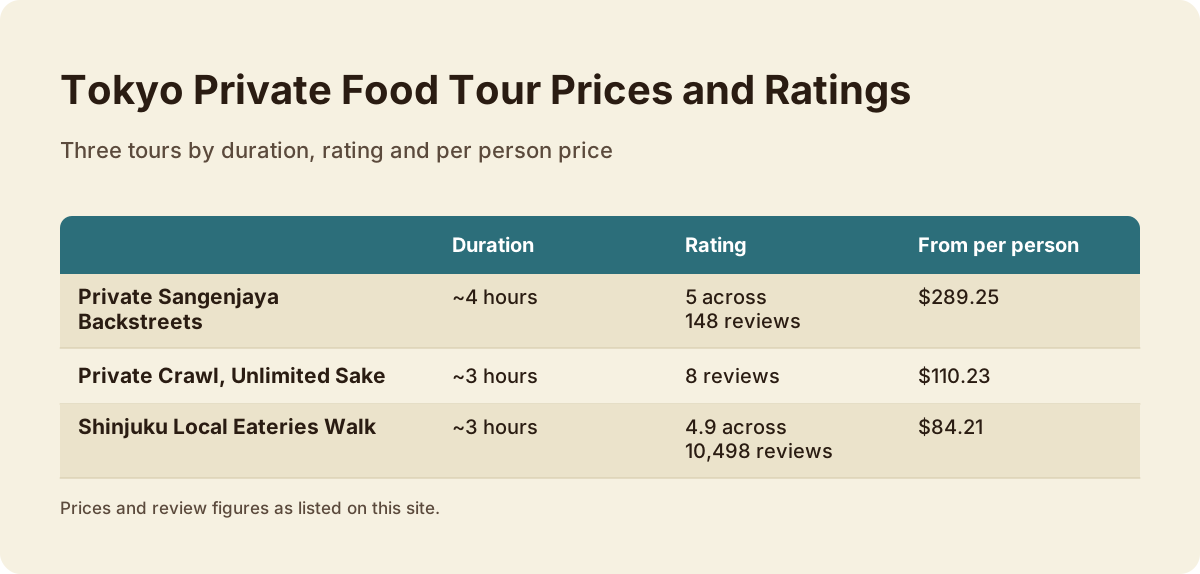
The headline private options are easy to state. The Private Sangenjaya Backstreets tour runs about four hours, is rated 5 across 148 reviews, and costs from $289.25 per person. The Private Crawl, Unlimited Sake option in Shinjuku covers Golden Gai over about three hours from $110.23 per person, with 8 reviews so far, too few to treat as a rating. Everything else in between is a question of what your group actually wants from the word private, which is what the rest of this page works through.
What Does A Private Tokyo Food Tour Actually Include?
A private Tokyo food tour buys exclusive access to one guide for your group only, typically for two to four hours, with the route, stops and pace set around you rather than a fixed schedule. Food and drink inclusions vary by tour: the Sangenjaya private walk includes food and drink, while some bar-crawl formats price the guide and structure only. Prices run from $110.23 to $289.25 per person.
The core difference is attention, not food quantity. On a small-group walk, a guide manages up to a dozen strangers, keeps the group together and moves on a clock. On a private tour the same guide asks what you like, skips the skewer stand you would never order from, lingers where your group is having fun, and answers every question about the neighbourhood rather than the averaged questions of a mixed group. Families with slow eaters, couples who want conversation with the guide, and groups with dietary limits get the most from this.
The second difference is flexibility before the tour even starts. Private operators typically ask about allergies, dislikes and drinking preferences at booking, then shape the evening around the answers. That matters more in Tokyo than in most cities, because so much of what is worth eating sits in small counters with no English menu, no substitutions and, in lanes like Omoide Yokocho, a culture of cash payment and small tabs. A guide who knows your constraints ahead of time can plan stops around them.
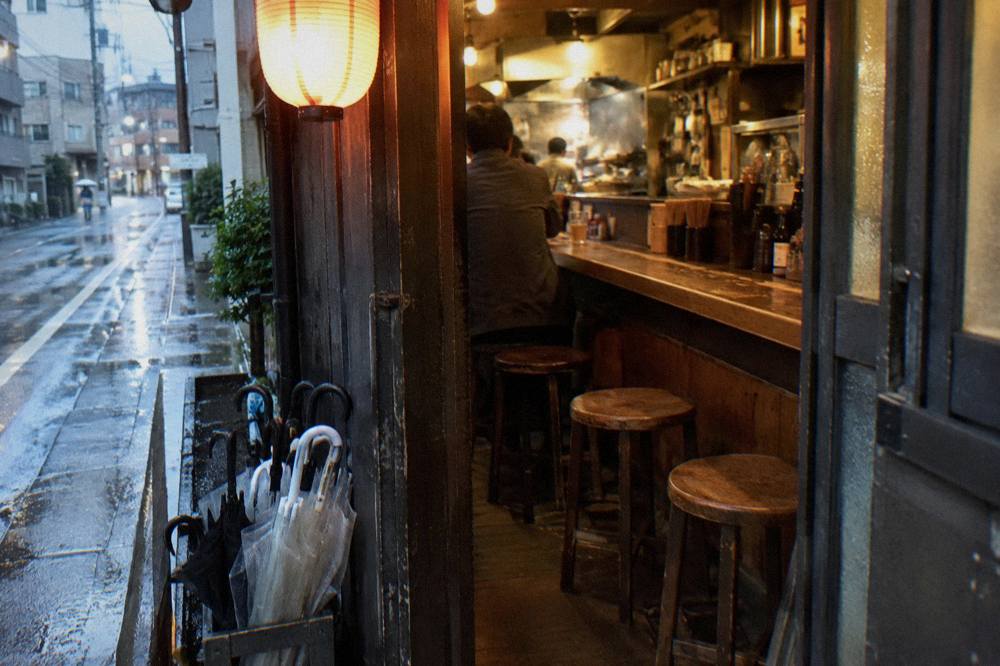
The third difference is the room to ask. Tokyo's izakaya culture runs on unspoken rules, from the otoshi seating charge that arrives unasked to the covers at Golden Gai doors, and a private guide explains each one as it happens rather than managing a queue of twelve people past the same moment. Groups curious about the food itself, how the motsuyaki is cut or what the sake in the glass is made from, get answers tuned to their interest level rather than the shortest version that keeps a crowd moving.
What private does not mean is a private restaurant. The izakaya are public rooms, the counters seat whoever walks in, and the lanes are shared with locals. You are buying the guide's exclusivity, not the venue's. Anyone promising a venue closed to others is overpromising, and Tokyo's best tiny bars could not empty themselves for a tour group if they wanted to.
Which Tokyo Private Food Tours Are Worth Booking?
The strongest private food tour in Tokyo for most groups is the four hour Sangenjaya backstreets walk, rated 5 across 148 reviews, from $289.25 per person. For a nightlife-focused night, the private Shinjuku Golden Gai crawl runs about three hours from $110.23 per person with unlimited sake. For food volume at a lower price, the Shinjuku Local Eateries Walk at from $84.21 per person, rated 4.9 across 10,498 reviews, is the small-group benchmark.
Sangenjaya is the connoisseur's answer. Three train stops from Shibuya, it is a neighbourhood of linked shotengai lanes and tucked-away izakaya that visitors almost never reach on a first trip, which is precisely why a guide matters there. The Private Sangenjaya Backstreets tour spends about four hours in those lanes, includes food and drink, and holds a 5 rating across 148 reviews. It is the most expensive option on this page and the one that most feels like being shown around by a friend who lives there. You can check availability alongside our Sangenjaya private tour detail page.
Golden Gai is the other private-eligible district, for different reasons. The six alleys of Golden Gai hold tiny bars, many seating fewer than ten people, many charging a cover of 500 to 1,500 yen per person, and some closed to outsiders entirely. A private guide gets a group past those thresholds. The Private Crawl, Unlimited Sake tour runs about three hours from $110.23 per person and, as noted, has 8 reviews, so treat it as an inexpensive structure rather than a proven quantity. The unlimited sake framing suits groups whose priority is the drinking culture of the alleys rather than a full dinner.
The honest third option is not private at all. The Shinjuku Local Eateries Walk, from $84.21 per person and rated 4.9 across 10,498 reviews, is the most reviewed food walk in the city and delivers a genuine evening of local eating at a fraction of the private price.
The comparison table puts the three side by side on the numbers that decide most bookings.
| Tour | District | Duration | Rating | Price |
|---|---|---|---|---|
| Private Sangenjaya Backstreets | Sangenjaya | ~4 hours | 5 across 148 reviews | from $289.25 per person |
| Private Crawl, Unlimited Sake | Shinjuku, Golden Gai | ~3 hours | 8 reviews, too few for a rating | from $110.23 per person |
| Shinjuku Local Eateries Walk | Shinjuku | ~3 hours | 4.9 across 10,498 reviews | from $84.21 per person |
How Much Should You Pay For A Private Tokyo Food Tour?
Private Tokyo food tours price per person, not per group, and the two private options run from $110.23 to $289.25 per person depending on length and inclusions. That sits above small-group walks, which on this site's options run from $36.15 to $231 per person. One exception aside, the tour prices are all per person.
The price basis question catches people out, so it is worth being precise. Both private tours above are priced per person per the operator's own listing, meaning a group of four on the Sangenjaya walk is paying four times the headline figure, not one. The one group-priced item among Tokyo street food walks is the 7 Eateries, Shopping Streets Walk at from $75 per group, a street food tour of about two and a half hours, with tastings at seven eateries rated 5 across 42 reviews; that per-group basis is unusual and worth reading carefully on the booking page before assuming it scales.
What the private premium buys, concretely, is hours and scope. The Sangenjaya private tour's four hours is the longest standard evening among the tours compared here, and it includes food and drink within the price. Against a cheap bar crawl, the difference is not just exclusivity, it is that the cheaper structure leaves you buying your own food afterwards, while the premium walk is closer to dinner included.
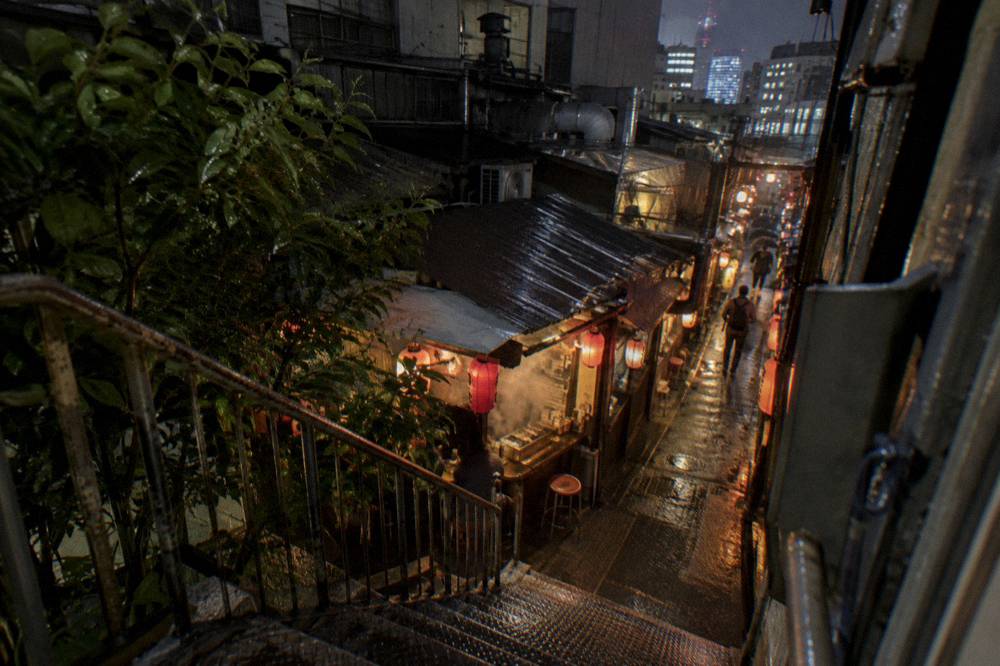
For context on what things cost outside a tour structure, budget a typical Omoide Yokocho evening at 2,000 to 3,000 yen per person in skewers and drinks, with cover charges of 300 to 500 yen at some counters. The tour premium is therefore paying for navigation, translation and company as much as for food. A budget crawl such as the Shinjuku Local Bar and Izakaya Crawl Tour, from $36.15 per person and rated 4.9 across 2,911 reviews, makes the spread explicit: the same district can be walked cheaply with no meal included, or privately with everything arranged.
| Spend level | Example tour | What the price reflects |
|---|---|---|
| Entry crawl | Budget Crawl: the Shinjuku Local Bar & Izakaya Crawl Tour, from $36.15 per person | Guide and route only, no meal included |
| Small-group walk | Shinjuku Local Eateries Walk, from $84.21 per person | Guided eating, shared group, most reviewed format |
| Mid private | Private Crawl, Unlimited Sake, from $110.23 per person | Private guide plus drinks structure in Golden Gai |
| Premium private | Private Sangenjaya Backstreets, from $289.25 per person | Four private hours with food and drink included |
When Is A Private Tour Better Than A Small-Group Tokyo Food Tour?
Private wins for families with children, groups with allergies or dietary limits, slow or fast walkers, and anyone who wants an evening shaped around conversation. Small-group wins for solo travellers, budget-conscious groups and first-time visitors who want a proven, heavily reviewed structure. Review counts make the trade-off visible: 148 reviews for the private Sangenjaya walk against 10,498 for the Shinjuku small-group walk.
Dietary needs are the clearest case for private. Japan's packaged-food allergen labelling now covers nine specified items, with cashew added on 1 April 2026, but that duty covers packaged food, not restaurant plates, and restaurant allergen disclosure is still a work in progress. A private guide who knows your restriction in advance can choose counters that accommodate it or explain it face to face with the chef. On a twelve person mixed walk, the same request becomes a constraint on everyone else's evening. Whichever format you choose, message the operator about allergies before booking rather than raising them on the night. The full index of guides sits on Tokyo Food Tours.
Families are the second clear case. Children do not hold a group pace, and a private walk absorbs that without anyone sighing. The reverse also holds: a solo traveller or an outgoing couple often gets more from a small-group table, because half the value of a shared walk is the shared table. Tokyo's group walks also skew sociable by design, with strangers ordering for each other by the second stop, which is an experience a private booking deliberately removes.
The Ueno Walk, 10+ Japanese Classics, from $107.99 per person and rated 5 across 349 reviews, is a good example of a small-group format with an unusually strong record, spanning about three and a half hours and ten or more tastings in a district of market-street eating. It is not private, but it answers the same underlying want, which is a lot of food in places you would not find alone. Our Ueno Ameyoko food tour guide covers the district in depth for readers weighing the neighbourhood against Sangenjaya.
Where Do Private Food Tours In Tokyo Actually Go?
Private food tours concentrate in two places: Sangenjaya's backstreet izakaya lanes, reached by train from Shibuya, and Shinjuku's Golden Gai and Omoide Yokocho drinking alleys near the station's west side. Both are compact, walkable districts built around tiny independently run bars rather than restaurants.
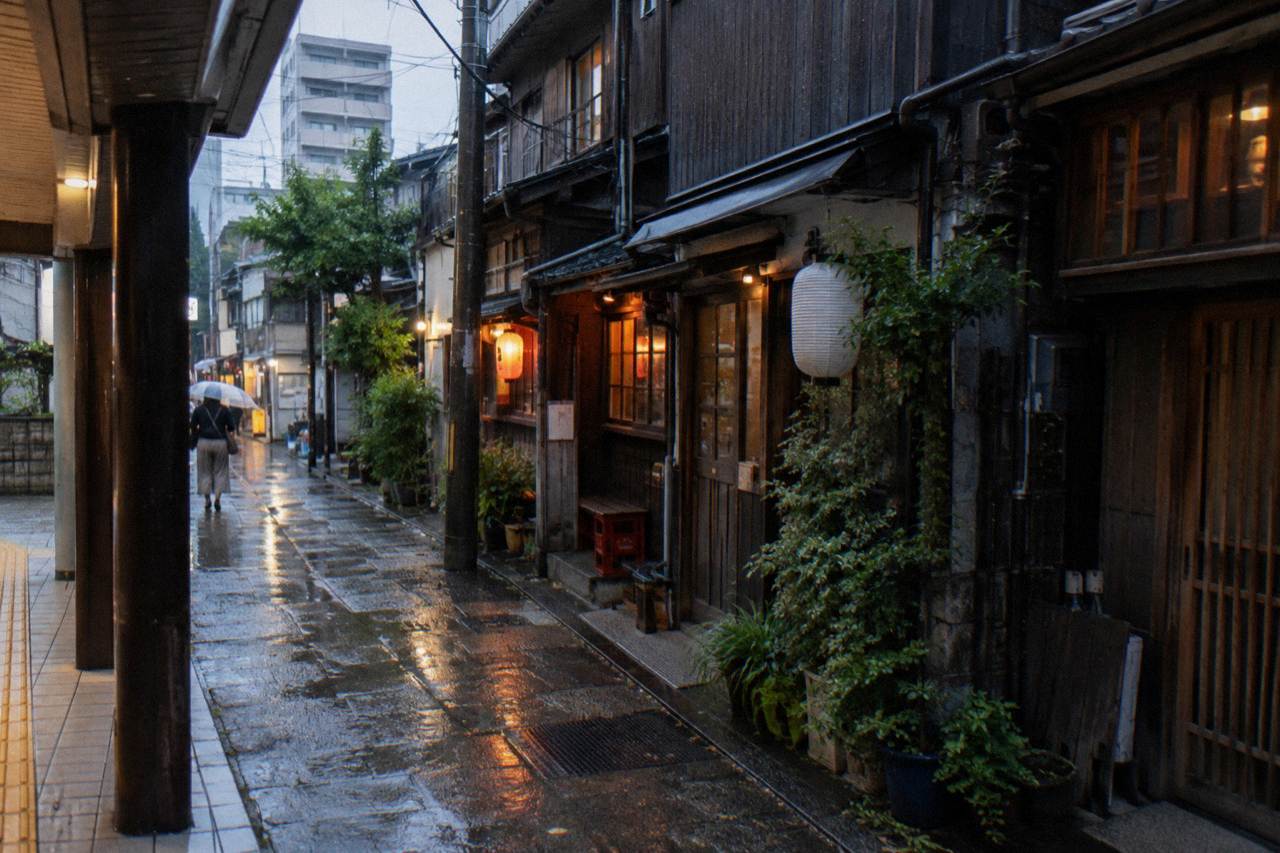
Sangenjaya sits three stops from Shibuya on the Tokyu Setagaya line and consists of linked shopping streets that turn into izakaya lanes after dark. It is residential Tokyo, which is the point: nothing there exists for tourists, and the Private Sangenjaya Backstreets tour is one of the few structured ways in. Four hours in Sangenjaya covers a neighbourhood most visitors never see at all, and the walk between stops is part of the appeal, past narrow lanes, small temples and the tiny bars tucked along the backstreets.
Shinjuku's west exit is the other hub. Omoide Yokocho, a post-war bar district of about 80 premises packed into roughly 2,000 square metres, holds around 60 bars and restaurants, mostly yakitori and motsuyaki counters, many cash-only, most opening toward 5 p.m. and running past midnight. Golden Gai, a short walk away, is a different animal: bars typically open around 8 p.m., charge covers of 500 to 1,500 yen, close between 2 and 5 a.m., and sit on private roads where the shopping-street association expects permission before photography. A private guide handles both the covers and the etiquette.
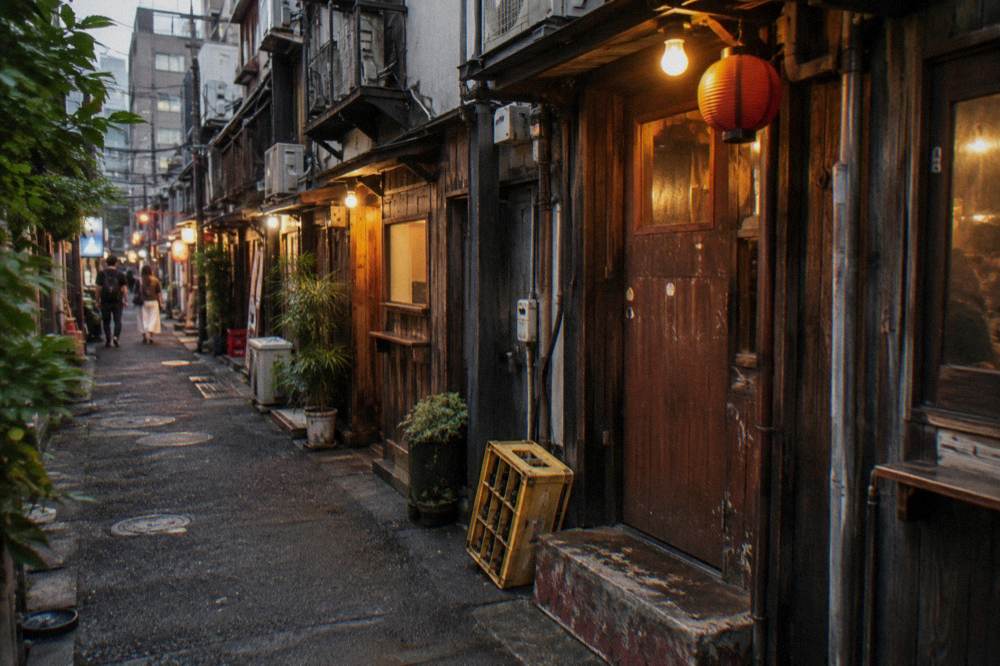
One etiquette note that applies district-wide: the alleys are working neighbourhoods. Photography rules in Golden Gai are set by the association, counters in Omoide Yokocho are tight, with about 60 bars and restaurants packed into roughly 2,000 square metres near Shinjuku Station's West Exit, and many bars are regulars-only by design. Guides earn their fee here as much as at the table. For a deeper look at the district itself, see our Golden Gai bar hopping guide.
| District | Character | Best suited to | Getting there |
|---|---|---|---|
| Sangenjaya | Residential backstreets, linked shotengai, local izakaya | Private groups wanting neighbourhood Tokyo | Three stops from Shibuya on the Tokyu Setagaya line |
| Golden Gai | Six alleys of tiny bars, covers common, opens late | Drinkers, nightlife photographers with permission, couples | Short walk from JR Shinjuku's east side |
| Omoide Yokocho | About 60 yakitori and motsuyaki counters, cash common | Skewer eaters, first-time visitors | West exit of Shinjuku Station |
Which Non-Private Tours Come Close To The Private Experience?
Three small-group formats deliver much of a private tour's intimacy: the Kichijoji Backstreet Crawl, rated 5 across 38 reviews from $104.62 per person; the Asakusa Walk, 12 Dishes, rated 4.85 across 73 reviews from $75.30 per person; and the Old Town Premium Walk, rated 4.9 across 71 reviews from $231 per person. Each trades exclusivity for a lower price or a bigger name district.
Kichijoji, a relaxed Tokyo neighborhood popular for izakaya crawls, is the closest substitute in spirit. The Kichijoji Backstreet Crawl runs about three hours through a grid of tiny bars and lantern-lit lanes in western Tokyo, and is rated 5 across 38 reviews. Groups who like the sound of Sangenjaya but not its price should read that tour first. The district shares the same residential density and the same absence of anything aimed at visitors, with the added draw of Inokashira Park for a pre-tour stroll.
Asakusa covers the daytime and old-town version of the same idea. The Asakusa Walk, 12 Dishes spends about two and a half hours across local eateries near the temple district at from $75.30 per person, rated 4.85 across 73 reviews, and pairs naturally with a morning at Senso-ji before the crowds thicken. Our Asakusa food tour guide covers the district in full.
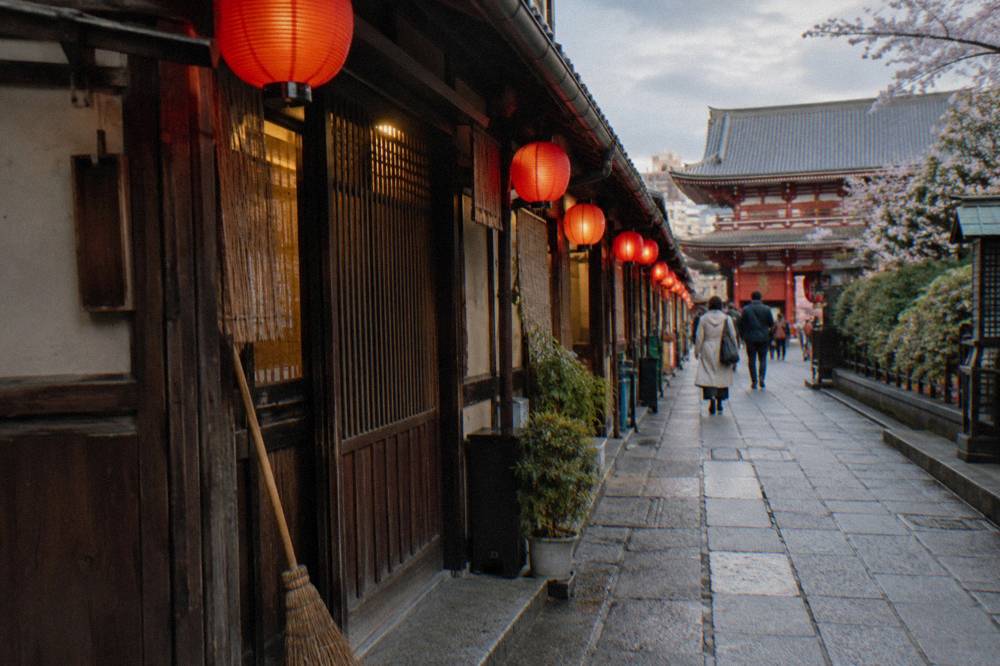
At the top of the small-group range, the Old Town Premium Walk costs from $231 per person, rated 4.9 across 71 reviews, and demonstrates that price and privacy are separate dials: it is a premium group walk, not a private one. Decide which dial you are actually turning before paying. Between the two extremes sit well-reviewed mid-price walks such as the Shibuya Walk, 13 Dishes 3 Eateries at from $84.21 per person, rated 4.9 across 1,437 reviews, which our Shibuya food tour guide unpacks stop by stop.
A quick word on timing, covered in more depth in our best time for a Tokyo food tour guide: autumn is peak season for ingredients like sanma, mushrooms and new rice, which makes an evening backstreet walk in September to November unusually good value regardless of format. An evening start also matches the districts themselves, since Golden Gai bars typically do not open until around 8 p.m. and a private crawl booked too early would find half the alleys dark.
Common Questions About Private Food Tours In Tokyo
How Much Is A Private Food Tour In Tokyo?
Private Tokyo food tours are priced per person. The private Sangenjaya backstreets tour costs from $289.25 per person for about four hours with food and drink included, and the private Shinjuku Golden Gai crawl with unlimited sake costs from $110.23 per person for about three hours.
Is A Private Tokyo Food Tour Worth It?
For families, groups with dietary restrictions, or travellers who want the evening shaped around conversation, yes: the guide's full attention and a custom route justify the premium. For solo travellers and first-time visitors focused on food volume, a small-group walk such as the Shinjuku Local Eateries Walk delivers more food per dollar with a far longer review history.
What Is The Best Private Food Tour In Tokyo?
The Private Sangenjaya Backstreets tour is the strongest option, rated 5 across 148 reviews, about four hours long, from $289.25 per person. It reaches a residential izakaya neighbourhood that almost no other structured tour covers, with food and drink included.
Can A Private Tokyo Food Tour Handle Allergies?
Often better than a group walk, because the guide can select venues around your restriction in advance. Japan's allergen labelling rules cover packaged food, not restaurant dishes, so always message the operator with your allergy before booking rather than raising it on the night.
Do Private Tours Include Food And Drinks?
It depends on the tour. The Sangenjaya private walk includes food and drink in its price. Some bar-crawl formats include the guide, structure and, in the Shinjuku private option's case, unlimited sake, but check the booking page for exactly what is covered before you book.
Where Do Private Tokyo Food Tours Go?
Mostly to Sangenjaya's backstreet izakaya lanes and to Shinjuku's Golden Gai and Omoide Yokocho drinking alleys. These are compact districts of very small independent bars, which is exactly where a guide adds the most value.