Ueno And Ameyoko Food Tour
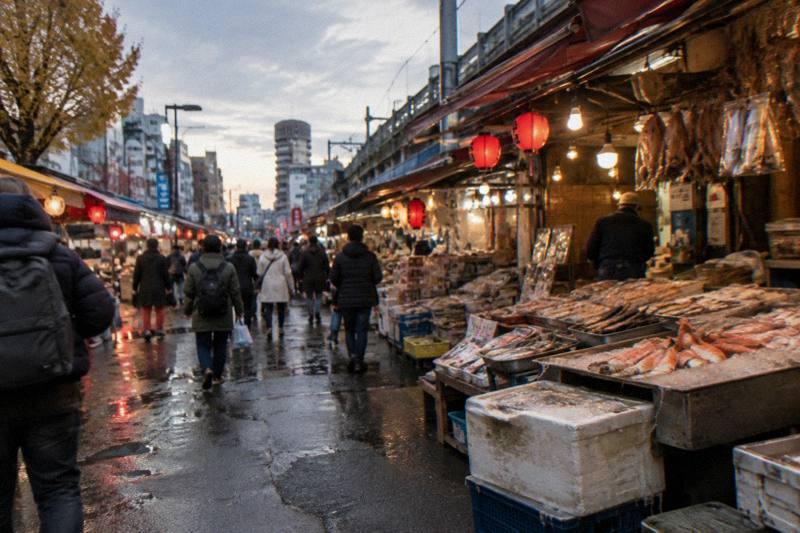
Ueno pairs museum-scale sightseeing with one of Tokyo's most chaotic, rewarding snacking streets, and a guided walk turns the Ameyoko crush into an evening you can actually eat your way through.
Short answer
A Ueno food tour runs roughly 2.5 to 3.5 hours and costs from $75.30 to $231 per person depending on format. The Ueno Walk, 10+ Japanese Classics covers more than ten tastings for from $107.99 per person, rated 5.0 across 349 reviews.
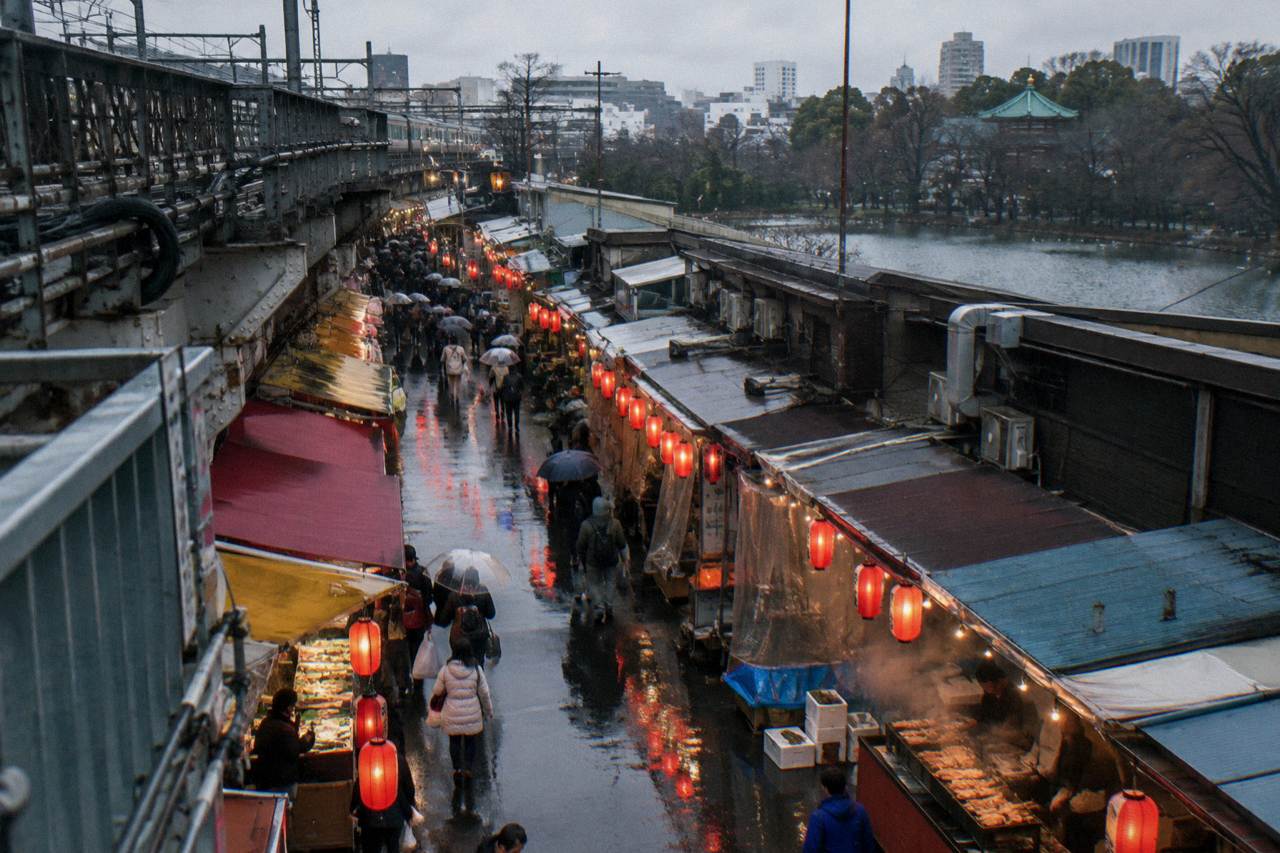
Ueno is where Tokyo goes to eat cheaply on its own terms. The district wraps a park of museums and temples around Ameyoko, a postwar market street lined with stalls and shops running beside the train tracks between Ueno and Okachimachi stations, and the sheer density of the place defeats most first-time visitors within two blocks. A good guide fixes that. This page walks through what a Tokyo Food Tours style guided eating walk in Ueno actually delivers, what the options cost, and how the district compares with its old-town neighbour Asakusa.
The headline pick for the district is straightforward. The Ueno Walk, 10+ Japanese Classics runs about 3 hours 30 minutes, is rated 5.0 across 349 reviews, and costs from $107.99 per person. It is the most reviewed dedicated Ueno eating walk available and the natural first choice for anyone staying anywhere on the Yamanote line. Details on it, and on the cheaper and pricier alternatives, follow below.
What Is A Ueno And Ameyoko Food Tour Like?
A Ueno and Ameyoko food tour is a guided walking evening through the market street and its side lanes, lasting roughly two and a half to three and a half hours, with a local guide choosing the stalls, ordering in Japanese and explaining each dish. Most formats include ten or more tastings, from grilled skewers to sweets, with dietary needs flagged when you book.
The shape of the experience matters more than the stall list. Ameyoko is crowded, loud and partly under the railway arches, and the vendors who tolerate photography and English are not the same as the ones worth eating at. A guide who knows which fish cake stand grills to order and which candy shop has been running since the Shōwa era converts a disorienting street into a narrative. Groups are small by design, typically up to 12 or 15 people on standard listings, so you can hear the guide over the hawkers.
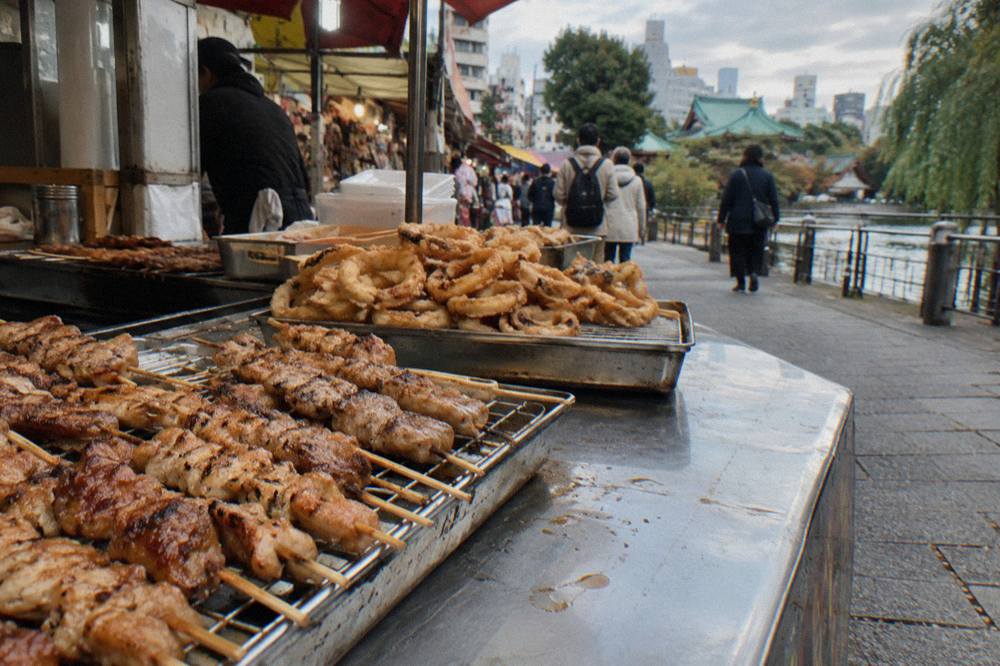
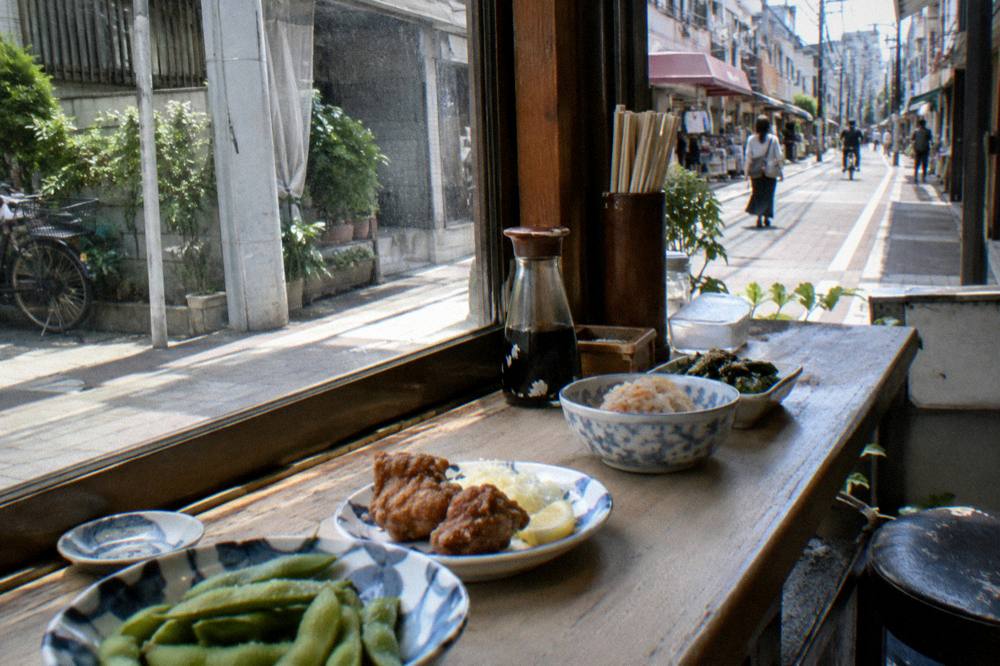
The eating itself is fast and standing-friendly. Expect finger food and counter food in the first half, a seated dish or two in the middle, and something sweet near the end. Tastings on the Ueno walks include Japanese classics rather than novelty items, which suits travellers who want a survey of what the country actually eats day to day. Meeting points sit at Ueno station exits, a hub served directly by the JR Yamanote line, so the tour is easy to reach from Shinjuku, Shibuya or Tokyo Station.
| Stop type | What you eat | How you eat it | Rough share of the walk |
|---|---|---|---|
| Market stalls | Grilled skewers, fried snacks, fish cake | Standing, at the stall | First third |
| Counters | Yakitori-style grills, noodle dishes | Standing or perched at the counter | Middle |
| Seated eateries | A fuller dish, often soupy or rice-based | Seated, small group | Middle to late |
| Sweet shops | Traditional sweets and candy | Walking or standing | Final stops |
One thing a tour removes entirely: the payment and etiquette friction. Many independent Tokyo eateries still prefer cash, and a guide handles the ordering, the otoshi table-charge question when it appears, and the bill arithmetic across six or seven stops. That alone is worth the fee for visitors who have never worked a ticket-machine ramen counter.
Which Food Tours In Ueno Are Worth Booking?
Three Ueno formats stand out. The Ueno Walk, 10+ Japanese Classics, from $107.99 per person, rated 5.0 across 349 reviews, is the benchmark. The Ueno Walk, Exactly 10 Tastings, from $107.98 per person, suits fixed-itinerary eaters. The Local Street Food Tour, 10+ tastings at 7 eateries, starts at $75 per person.
The differences between them are real, not cosmetic. The classics walk runs longest at about 3 hours 30 minutes and promises ten-plus tastings, giving the guide slack to add a stop when the group is moving well. The exactly-ten version is nearly the same price at from $107.98 per person, rated 4.76 across 38 reviews, and pins the count at ten, which some travellers prefer for pacing and budgeting. The street-food walk at from $75 per group, rated 5.0 across 42 reviews, moves faster, about 2 hours 30 minutes, covers seven eateries with ten or more tastings, and prices by the group rather than the person, which makes it the value play for pairs and families doing the maths together.
If your hotel is west of the centre, note that Shinjuku and Shibuya have their own strong walks, covered in the Shinjuku food tour guide and Shibuya food tour guide, so you are not obliged to cross the city for a good evening. Ueno earns its place on itinerary grounds: the street market format exists nowhere else on this scale in central Tokyo.
What Does The Ueno Walk, 10+ Japanese Classics Include?
The Ueno Walk, 10+ Japanese Classics costs from $107.99 per person, runs about 3 hours 30 minutes, and includes more than ten tastings of Japanese classics at local eateries around Ueno and Ameyoko. It is rated 5.0 across 349 reviews, the deepest review pool of any dedicated Ueno eating walk.
That review depth is the practical argument. A perfect score across 349 reviews means the operator has run the route hundreds of times without the quality drift that small operators sometimes show, and the format has survived contact with fussy eaters, rainy nights and peak-season crowds. The walk's selling point is breadth: it samples the classics, the dishes a visitor will meet again in every region of the country, so the evening doubles as an edible primer. You can open The Tokyo Food List on your phone and pick a place by neighborhood, with a map of what is within a 10-minute walk.
The three-and-a-half-hour runtime is longer than most Tokyo walks, and it uses the time. Shorter formats in the district compress the same street into 2 to 2.5 hours; the classics walk adds a seated stop or two and lets the group actually digest between eateries. For anyone who has already done a market morning elsewhere in the city, the pacing is the differentiator. Check the booking page for the current meeting point and the exact dish lineup, since menus rotate with the season, and autumn is noted as a peak season for ingredients like sanma, mushrooms and new rice.
Dietary needs are handled at booking, not on the street. The nine-item Japanese allergen labelling list governs packaged food, not restaurant dishes, so a message to the operator before booking is the dependable route for allergies, and the listing's cancellation terms are shown before payment.
Where Does An Ameyoko Food Tour Actually Take You?
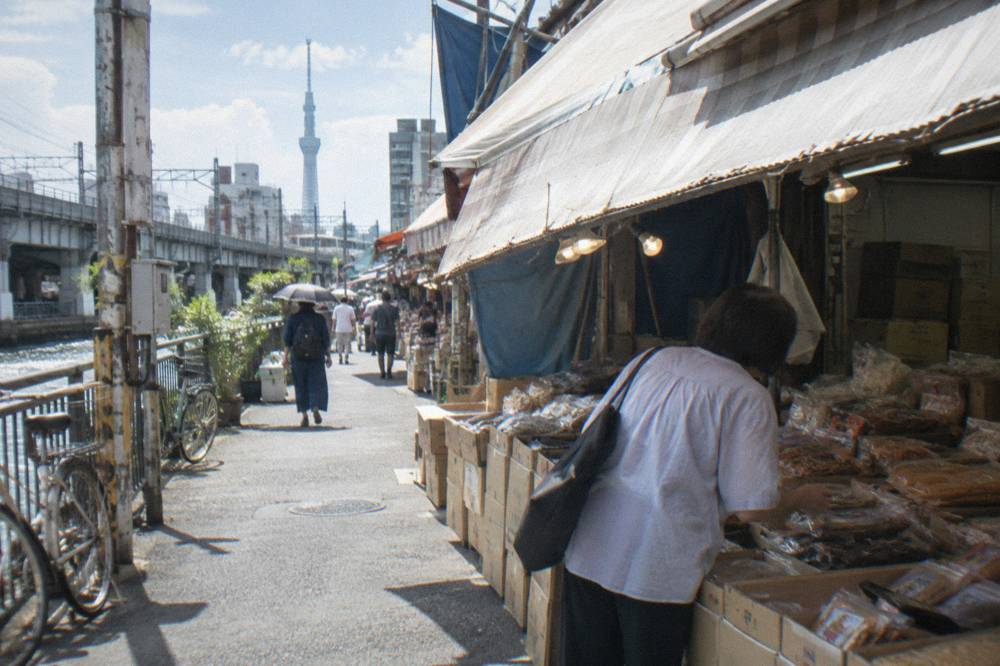
Ameyoko food tours work the roughly 400 metre market street between Ueno and Okachimachi stations plus the lanes behind it, moving through fish cake stalls, yakitori-style counters, kebab stands, candy shops and seated izakaya-style eateries. Most walks stay within a five minute radius of the street, so walking distance is minimal. For a more sit down evening contrast, the Ginza and Shimbashi food tour guide covers what guided walks in that district cost and include.
The street's history explains its food. Ameyoko began as a black market after the Second World War, and its name is popularly tied to candy, ame, sold in the lean years, though the area now sells everything from fresh tuna to sneakers. The food legacy of that era is cheap, fast, standing counter eating: grilled skewers at casual Tokyo counters commonly run 150 to 400 yen each, and the stalls still price for locals, not for tourists. A national retail survey put the average bowl of shoyu ramen at 750 yen as of September 2026, and Ameyoko's ramen counters sit near that honest end of the scale.
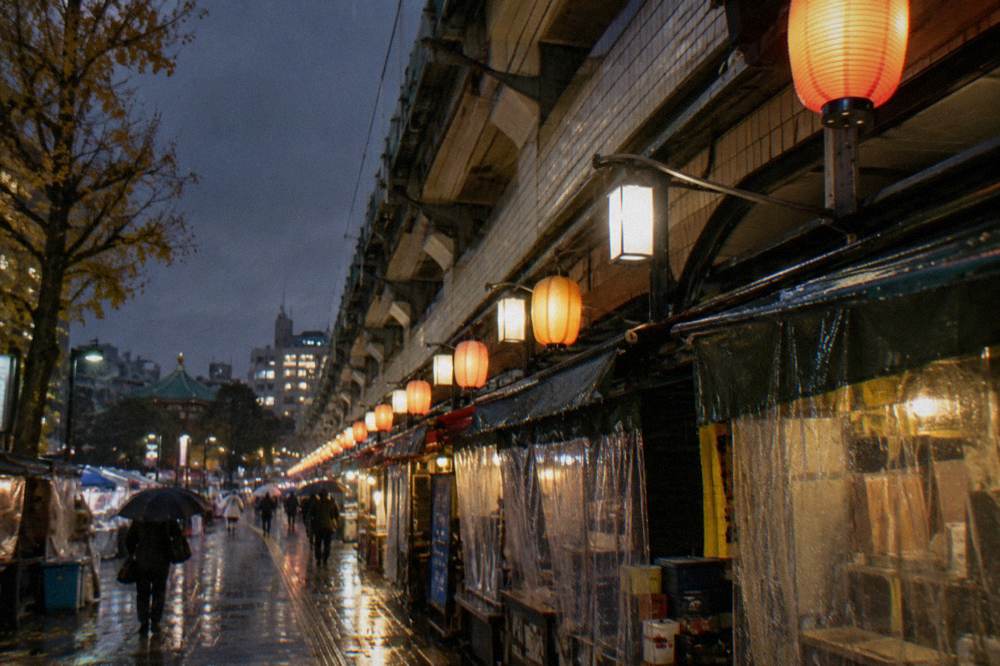
Tours typically mix four kinds of stop. Stalls for immediate eating, counters for grilled and fried items, a standing or seated spot for something soupy, and a sweet shop to finish. What a tour adds is permission: several of the best stalls have no English signage and no patience for hesitation at the counter, and a guide's order lands faster than any pointing and gesturing. Our broader Tokyo street food tour guide covers how the Ueno stall scene compares with Asakusa's Nakamise and the Tsukiji Outer Market.
How Much Does A Ueno Food Tour Cost?
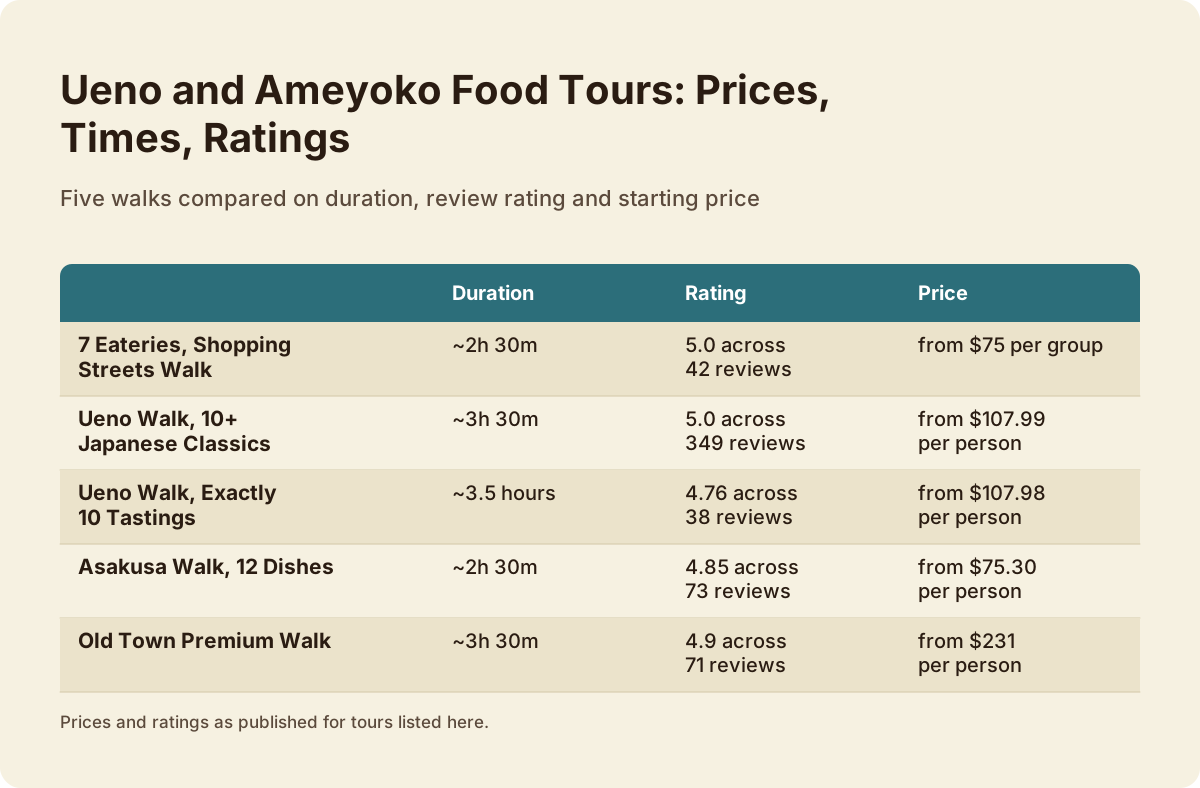
Ueno and Ameyoko food tours cost from $75 per group to $231 per person. The mid-market sits at from $107.98 and from $107.99 per person for the two 10-tasting walks. The premium end, the Old Town Premium Walk at from $231 per person, buys a small-group, deeper-dive format across the wider old-town area.
Here is the full price picture for the district and its nearest alternatives, with the basis printed exactly as the booking pages carry it:
| Tour | Short name | Duration | Rating | Price |
|---|---|---|---|---|
| Local Street Food Tour | 7 Eateries, Shopping Streets Walk | ~2h 30m | 5.0 across 42 reviews | from $75 per group |
| Ueno, 10+ Tastings | Ueno Walk, 10+ Japanese Classics | ~3h 30m | 5.0 across 349 reviews | from $107.99 per person |
| Authentic Japanese Food Walk | Ueno Walk, Exactly 10 Tastings | ~3.5 hours | 4.76 across 38 reviews | from $107.98 per person |
| Asakusa, 12 Dishes | Asakusa Walk, 12 Dishes | ~2h 30m | 4.85 across 73 reviews | from $75.30 per person |
| Old Town Tokyo | Old Town Premium Walk | ~3h 30m | 4.9 across 71 reviews | from $231 per person |
Two budget notes from the district itself. The per-group pricing of the 7 Eateries walk means a couple pays one figure, not two, which is why it lands at the bottom of the table. And whatever the tour price, carry cash for before-and-after snacking: many independent Tokyo eateries still prefer it, and Ameyoko is exactly the kind of place where the best skewer stand takes coins only. Our cheap eats in Tokyo guide has more on eating well in the district without a guide at all.
Ueno Or Asakusa: Which Food Tour Should You Pick?
Pick Ueno for market-street energy and classic dish breadth. Pick Asakusa for temple-city atmosphere and a shorter, cheaper walk: the Asakusa Walk, 12 Dishes runs about 2h 30m from $75.30 per person, rated 4.85 across 73 reviews. The districts are four minutes apart by Metro, so the honest answer is often both.
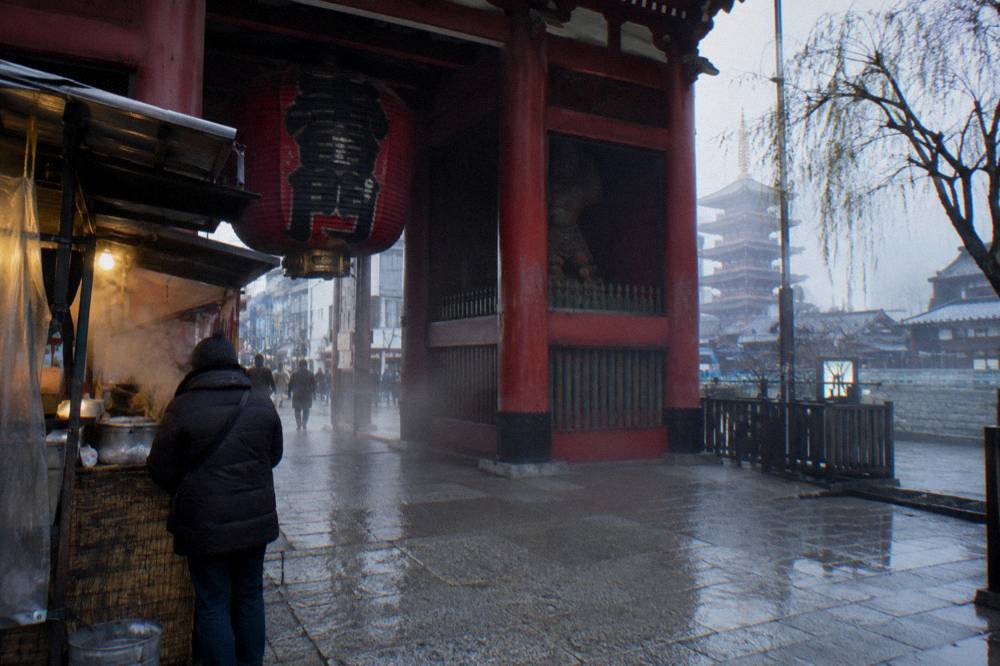
The Asakusa walk is the closest thing to a rival the Ueno classics walk has. It packs twelve dishes into two and a half hours in the old temple district, which means a denser, faster evening against Ueno's longer, more explanatory one. Atmospherically they could not differ more: Asakusa eats under lantern light and temple gates, while Ueno eats under railway arches and market awnings. Visitors who only have one evening and want postcard Tokyo should lean Asakusa; visitors who want to understand what Japan eats on a Tuesday should lean Ueno.
The Tokyo Metro Ginza line connects the two districts directly, and the runs are so short that some travellers book Ueno one night and Asakusa the next. If you are choosing strictly on food, Ueno's stronger suit is savoury street snacks and standing counters, while Asakusa's is traditional sweets and old-shop specialities. Our dedicated Asakusa food tour guide breaks that side down stop by stop.
| Choose Ueno if you want | Choose Asakusa if you want |
|---|---|
| Market-street energy under the railway arches | Temple-district lanterns and gates |
| Ten-plus classic dishes at a relaxed 3.5 hour pace | Twelve dishes compressed into 2.5 hours |
| From $107.99 per person for the classics walk | From $75.30 per person for the 12-dish walk |
| Savoury street snacks and standing counters | Traditional sweets and old-shop specialities |
When Is The Best Time To Tour Ameyoko?
Evening is the best time to tour Ameyoko, roughly from 5 p.m., when the lanterns and grill smoke take over and the after-work crowd thins the tourist share. Mornings suit shoppers wanting produce stalls at their fullest. Most Ueno food tours run afternoon and evening slots, so book the latest one available.
The street changes character by the hour. Daylight Ameyoko is a shopping street: produce, dried fish, cosmetics, sneakers. After dark it becomes a snack corridor, with counters grilling for the commute-home trade and the drinking lanes behind the arcade filling up. A tour that starts as the light goes down catches both moods. Note that stall closing times are individual, not street-wide, and the lanes wind down before the last trains, so a 3.5-hour evening walk in Ueno ends near typical izakaya hours rather than at a fixed market bell.
Season matters less for the tours than for the food. Autumn brings sanma, mushrooms and new rice into the tastings, and guides adjust the stops around what the stalls are actually proud of that week. Weather barely matters: much of the route sits under awnings and arches, which is why Ueno walks run in rain that would sink a park picnic. For the wider picture on timing a Tokyo eating trip, see best time for a Tokyo food tour.
What Should You Know Before Eating Around Ueno?
Three customs cover most situations: no tipping anywhere in Tokyo dining, eating at the stall or counter rather than while walking on crowded lanes, and expecting a small otoshi table charge at izakaya-style stops, typically 300 to 500 yen, which is a seating fee and not a tip. Consumption tax adds 10% when dining in, 8% on takeaway.
Tipping genuinely is not part of the culture; the Japan National Tourism Organization notes it is not common for bars, cafes, restaurants, taxis and hotels, and staff may chase you down to return money left on the table. A fixed service charge of 10 to 15% can appear on bills at upscale venues, but that is part of the stated price. On a guided walk this is all handled for you, which is quietly one of the tour's conveniences.
The tax split catches visitors out at the margarine-thin end of budgeting: a skewer eaten at the counter is 10%, the same skewer walked away with is 8%, per the National Tax Agency's reduced-rate rules for food and drink excluding alcohol and dining out. The agency also states the rate on food and drink sales is due to be lowered for the two years from 1 April 2027 to 31 March 2029, a future change to watch if you are travelling later.
| Situation | What happens | What you do |
|---|---|---|
| The bill at a restaurant | No tip expected, staff may return extra cash | Pay the exact bill shown |
| Izakaya-style stop | Otoshi seating charge, often with a small starter | Accept it as part of the bill, it is not a tip |
| Counter skewer, eaten there | 10% consumption tax | Budget it into the dish price |
| Same skewer, taken away | 8% consumption tax | Takeaway is the cheaper basis |
| Smoking at a stop | Policy sign posted at the entrance | Smoke only in designated rooms |
Smoking rules are strict and posted: since the Tokyo ordinance and amended Health Promotion Act took full effect in 2020, restaurants must display their policy at the entrance, and indoor smoking is only allowed in designated rooms. Allergies deserve a pre-booking message to the operator, because Japan's nine-item allergen labelling list covers packaged food, not restaurant dishes, with cashew nuts added as a specified material on 1 April 2026. More table manners are covered in our piece on what to know before eating at a Japanese restaurant.
Can You Explore Ameyoko Without A Guide?
You can walk Ameyoko solo and eat well, since the street is free, signposted and cash-friendly, but you will likely average three or four stalls instead of seven to twelve, miss the no-English counters, and spend time queueing blind. A guide converts the same two hours into a structured tasting menu.
The honest case for going alone is budget and freedom: with skewers at 150 to 400 yen and convenience-store onigiri at 145 to 235 yen, a determined solo eater can graze the street for a fraction of any tour price. The honest case against is discovery. The stalls that reward regulars do not advertise, the candy and pickle shops with real history look identical to the tourist-facing ones, and nothing on the street tells you which fish cake stand grills to order. Solo exploration also puts the etiquette burden on you: eating while walking on a crowded lane is poor form in Tokyo, so you eat at the stall, which limits pace.
A middle path works well. Book the Ueno Walk, 10+ Japanese Classics, from $107.99 per person and rated 5.0 across 349 reviews, for the structured evening, then return solo the next morning with your own shortlist.
Solo visitors should also budget for the odd friction: some counters are cash-only, some add otoshi, and reservations are sometimes required at the more popular sit-down spots while casual counters stay first-come, first-served. A guide absorbs all of that on the night, which is why a guided walk is an easy way to sample a bit of everything.
Is A Premium Old Town Walk Better Than A Ueno Walk?
The Old Town Premium Walk, from $231 per person, rated 4.9 across 71 reviews, is not a better Ueno tour, it is a different product: a 3.5 hour small-group deep dive across the wider old-town area with fewer guests per guide. Choose it when depth and attention matter more than price.
Premium here buys intimacy and range rather than more food. The walk leaves the market-street register behind and moves through the old districts with more storytelling per stop, which suits travellers on a once-only trip who want the evening to carry context as well as calories. Against the Ueno classics walk at from $107.99, you are paying roughly double for the Old Town Tokyo Food Tour and a broader route; the classic dishes themselves will overlap heavily.
For most first-time visitors the standard walks are the smarter spend, and the premium format earns its price mainly for food-motivated travellers who already know they will be back in Asakusa and Ueno at their own pace. Check each booking page for group-size caps, since those figures shift with season and demand, and the operator states the current maximum on the tour page.
Common Questions About Ueno And Ameyoko Food Tours
What Is A Ueno Food Tour?
A guided walking eating tour of the Ueno district, centered on the Ameyoko market street and its side lanes, lasting about 2.5 to 3.5 hours and including multiple tastings at local stalls and eateries with a guide who orders and explains each dish.
How Much Does A Ueno Food Tour Cost?
From $75 per group for the street-food walk up to $107.99 per person for the 10+ tastings classics walk, and from $231 per person for the premium old-town format. Prices are per person unless shown as per group.
Can You Explore Ameyoko Without A Guide?
Yes, the street is public and free to browse, and skewers commonly cost 150 to 400 yen each. Solo visitors average fewer stops, miss no-English counters and handle ordering, cash payment and etiquette themselves.
Ueno Or Asakusa: Which Food Tour Is Better?
Ueno suits market-street energy and broad classic-dish tastings; Asakusa suits temple-district atmosphere at a lower price, from $75.30 per person for a 12-dish walk. The districts are a few minutes apart by Metro, so many visitors do both.
Do Ueno Food Tours Cater To Dietary Restrictions?
Most operators accommodate restrictions when told at booking. Japan's allergen labelling rules cover packaged food, not restaurant dishes, so message the operator before booking for any allergy rather than relying on labels.