Tokyo Street Food Tour: What You Eat And Where
Street food tours in Tokyo cluster around a handful of neighborhoods, each with its own flavor of evening: yakitori smoke in Shinjuku, temple snacks in Asakusa, and market stalls at Tsukiji. Here is what the walking tours actually include, what they cost, and how to pick one.
Short answer
A Tokyo street food tour is a guided walk of roughly 2 to 3.5 hours through stalls and small counters, with 5 to 15 tastings included. Prices run from $75 per group for a 10-tasting walk to $97.17 per person for a Tsukiji market tour. Shinjuku, Asakusa, Shibuya and Tsukiji are the main neighborhoods.
Street food in Tokyo is less about a single market square and more about dozens of narrow corridors where grills, fryers and steamers work shoulder to shoulder. A guided walk turns that maze into a straight line: someone who knows the lanes picks the stalls, orders in Japanese, explains what lands in front of you, and keeps the group moving between neighborhoods. The Shinjuku Local Eateries Walk, rated 4.9 across 10,498 reviews, is the format at its most popular: about three hours, local counters, from $84.21 per person. When you want to pair those bites with a proper drink, the Tokyo sake and whisky tasting guide lays out what each session covers and how to pick the right one.
The alternative is going alone, which is genuinely fun but slow. Half the stalls have no English menu, some counters are cash only, and a few of the best spots are easy to walk straight past. This guide lays out what the tours include, what the food itself costs when you buy it solo, and how the main neighborhoods differ so you can decide which direction suits your trip.
What Does A Tokyo Street Food Tour Actually Include?
Most Tokyo street food tours run 2 to 3.5 hours, include between 5 and 15 tastings across several stops, and cost from $75.3 to $97.17 per person, with one budget option priced per group. Every tour on the schedule provides a guide who orders, translates and leads the route between stalls and small counters. Drinks and dietary flexibility vary by operator, so confirm both on the booking page. If Ginza is the district you have in mind, our guide to Ginza and Shimbashi food walks explains what each tour includes and which one suits your pace.
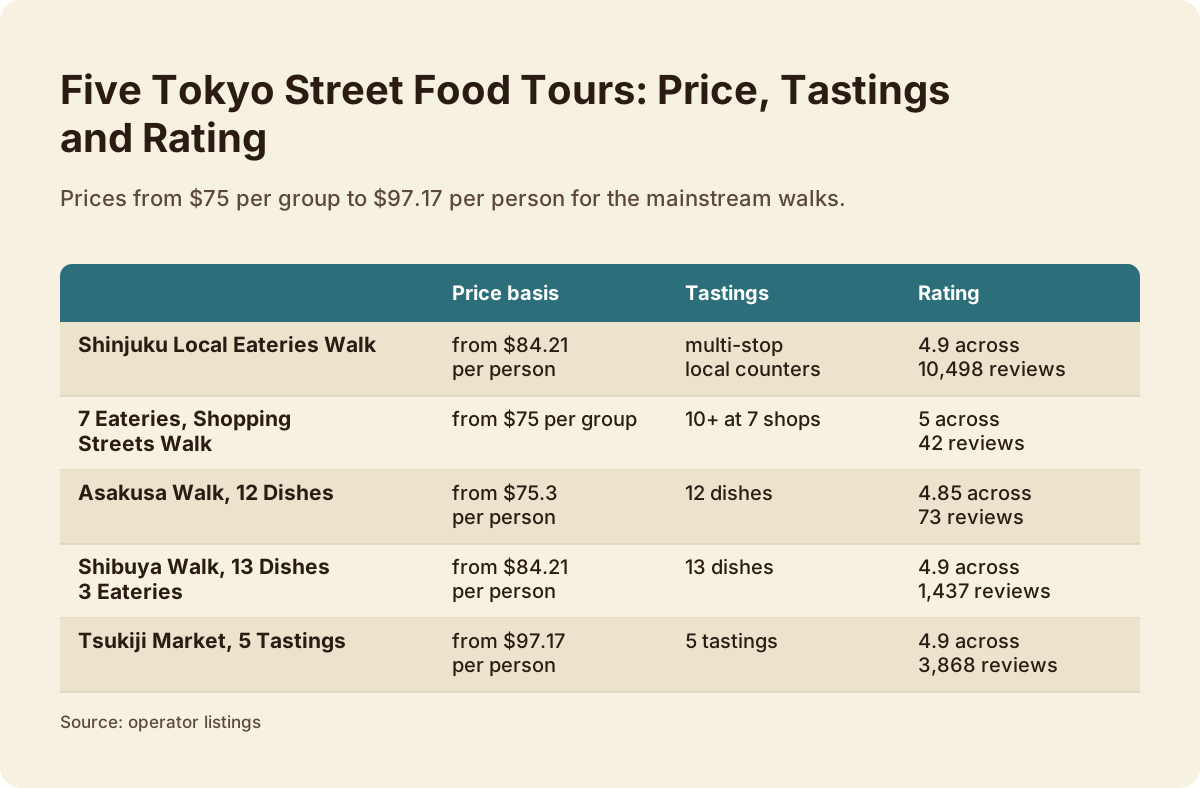
The core product is simple: a walking route with pre-arranged stops. The guide handles payment at most stops, tells you what each dish is and how it is made, and steers the group through lanes that would otherwise take an evening of trial and error to find. Tastings are the unit of value here, and the spread is wide. The 7 Eateries, Shopping Streets Walk covers 10 or more tastings at seven separate shops in about 2.5 hours, priced from $75 per group, a different basis than nearly every other tour on the schedule. The Asakusa Walk, 12 Dishes version builds a full meal from a dozen dishes at local eateries over the same duration, from $75.3 per person.
At the top of the tasting count, the Shibuya Walk, 13 Dishes 3 Eateries fits thirteen dishes into roughly three hours across three venues, from $84.21 per person, rated 4.9 across 1,437 reviews. What you trade for volume is pacing: thirteen dishes in three hours leaves little time to linger anywhere. Smaller-count tours tend to sit longer at each stop, which suits travelers who want conversation with the guide rather than a sprint.
| Tour | Area | Duration | Tastings | Price basis | Rating |
|---|---|---|---|---|---|
| Shinjuku Local Eateries Walk | Shinjuku | ~3 hours | multi-stop local counters | from $84.21 per person | 4.9 across 10,498 reviews |
| 7 Eateries, Shopping Streets Walk | local shopping streets | ~2.5 hours | 10+ at 7 shops | from $75 per group | 5 across 42 reviews |
| Asakusa Walk, 12 Dishes | Asakusa | ~2.5 hours | 12 dishes | from $75.3 per person | 4.85 across 73 reviews |
| Shibuya Walk, 13 Dishes 3 Eateries | Shibuya | ~3 hours | 13 dishes | from $84.21 per person | 4.9 across 1,437 reviews |
| Tsukiji Market, 5 Tastings | Tsukiji Outer Market | ~3 hours | 5 tastings | from $97.17 per person | 4.9 across 3,868 reviews |
Dietary needs are the one thing to settle before booking, not on the night. Japan's allergen labelling rules cover packaged processed foods, and the specified list grew to nine items when cashew nuts were added in April 2026, but restaurant dishes generally carry no such labelling. The labelling duty is a packaged-food rule, so an allergy-sensitive guest should message the operator in advance rather than assume a tour can adapt on the spot, a point the Consumer Affairs Agency's own allergen page makes clear in its scope.
Which Tokyo Neighborhood Should You Pick For Street Food?
Shinjuku is the evening pick for grill smoke and narrow lanes, Asakusa is the daytime temple-and-snack walk, Shibuya pairs food with youth-culture energy, and Tsukiji is the morning market option. Each neighborhood shapes the tour more than the operator does, so choose the district first and the tour second. Durations and prices are broadly similar across areas.
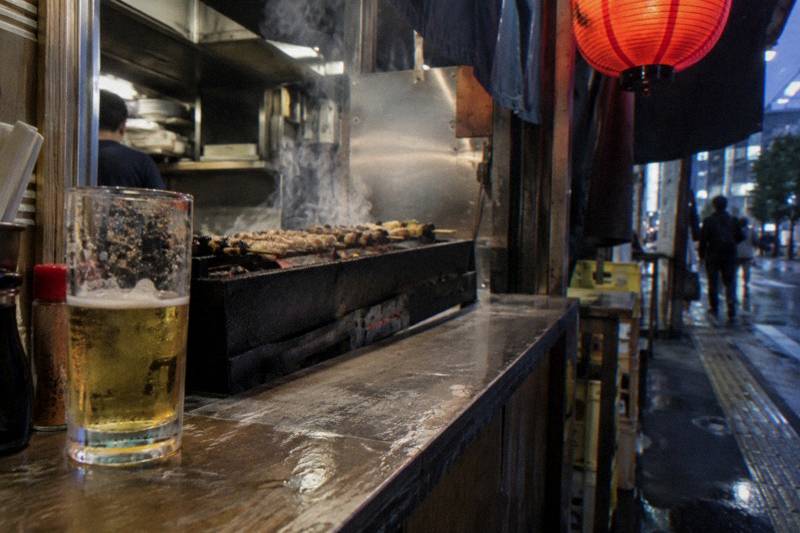
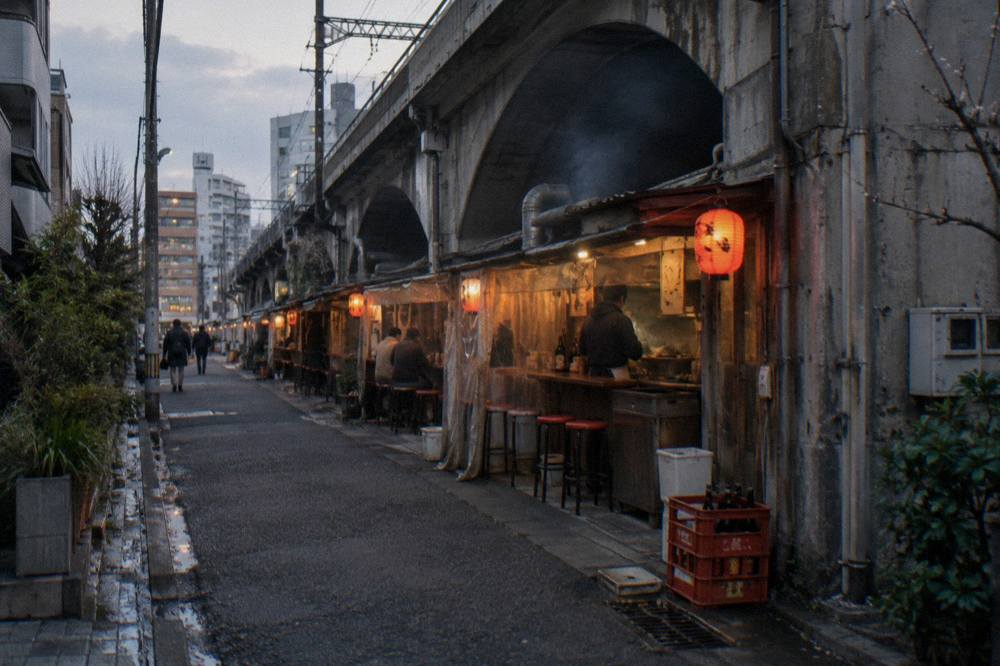
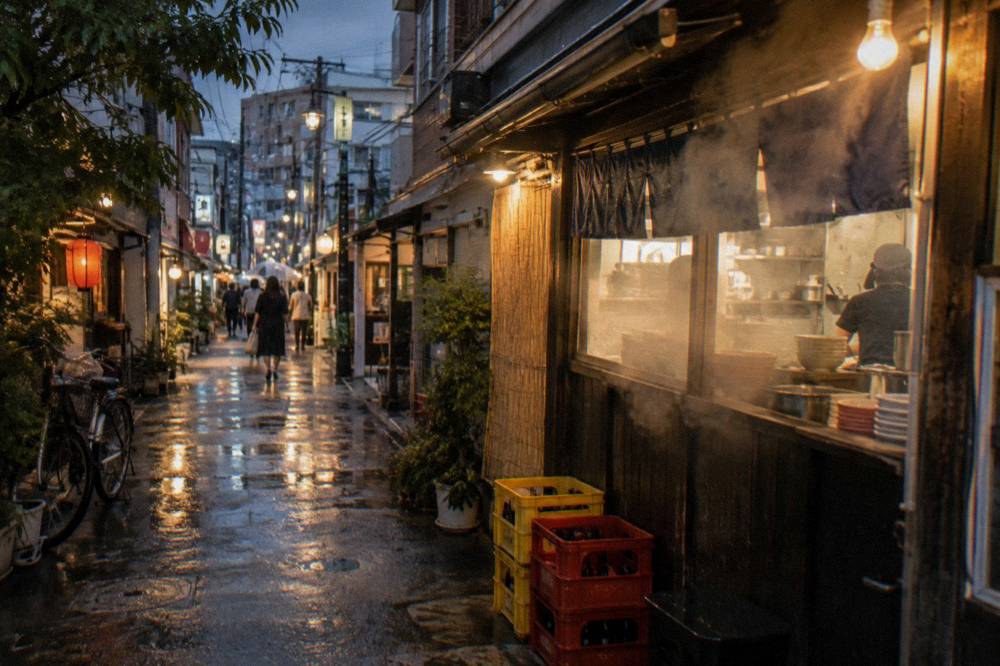
Shinjuku concentrates its street food in a few famous corridors. Omoide Yokocho, a post-war bar district near the West Exit of Shinjuku Station, packs about 80 premises, roughly 60 of them bars and restaurants, mostly specializing in grilled chicken and motsuyaki, into around 2,000 square metres. Counters there typically open around 5 p.m. and run to midnight or later, spend per person lands around ¥2,000 to ¥3,000 for skewers and drinks, and many counters prefer cash. A guide is worth having here because the lanes are dense, some doors look closed when they are not, and a few counters add a small otoshi seating charge of ¥300 to ¥500 that includes a starter.
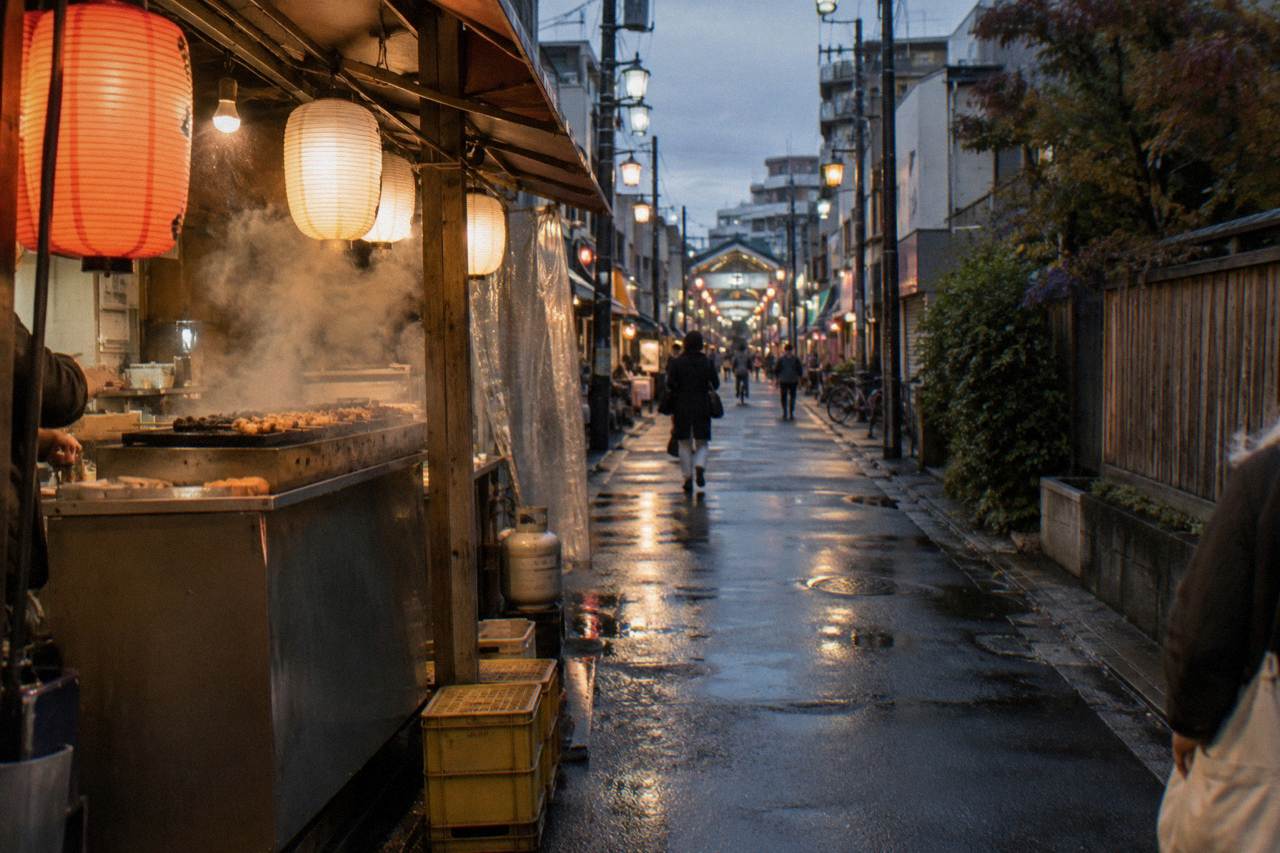
Asakusa runs on a different clock. The walk from Kaminarimon through Nakamise Shopping Street to Senso-ji is a daytime route of snack stalls and old-school sweet shops, and the Asakusa-focused tours slot into that rhythm. The Asakusa Walk, 12 Dishes tour spreads its dozen dishes across local eateries at that gentler pace, which suits families and travelers who want the temple photos and the food in one loop. Our broader Asakusa food tour guide covers the district's stalls in more depth.
Shibuya skews younger and louder, with the 13-dish tour threading three eateries around the crossing and backstreets. Tsukiji isthe morning animal: the Outer Market's shops each set their own hours, and professional buyers get priority until 9:00 a.m.sional buyers given priority until 9:00 a.m., so tours there start early by design. For something quieter still, the Togoshi Ginza Small-Group Walk covers one of Tokyo's longest shopping streets, from $93.85 per person, rated 5 across 34 reviews.
| Neighborhood | Best time | Character | Signature eats |
|---|---|---|---|
| Shinjuku | evening | smoky alleys, tiny counters | yakitori, motsuyaki |
| Asakusa | daytime | temple streets, snack stalls | senbei, ningyo-yaki, classic dishes |
| Shibuya | evening | young, fast, dense | izakaya fare, 13-dish routes |
| Tsukiji Outer Market | morning | wholesale-turned-retail stalls | tamagoyaki, fresh seafood |
| Togoshi Ginza | afternoon | local shopping street | croquettes, sweets, snacks |
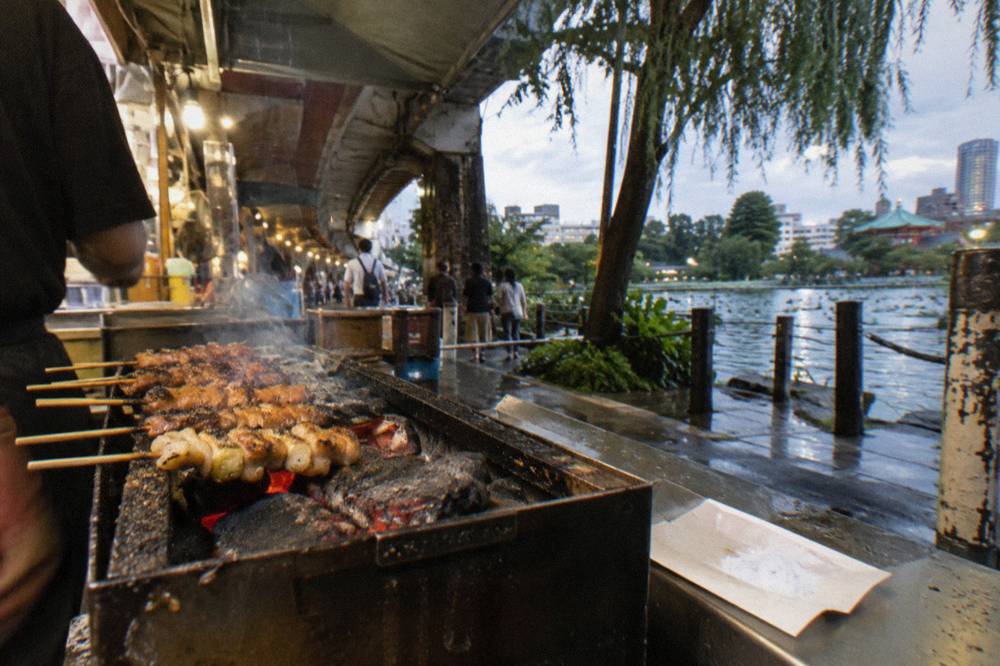
The Ueno Walk, 10+ Japanese Classics rounds out the map for anyone staying on the Yamanote line's north side, pairing Ameyoko market street energy with classic dishes over about 3.5 hours, from $107.99 per person and rated 5 across 349 reviews. If you are torn between two districts, the honest tiebreaker is timing: take Tsukiji or Asakusa in the morning, Shinjuku or Shibuya after dark.
How Much Does A Street Food Tour In Tokyo Cost?
Street food tours in Tokyo cost from $75.3 to $97.17 per person for the mainstream walks, with premium small-group and private options from $145 to $231. The budget entry point is the 7 Eateries walk at $75 per group, while the Tsukiji market tour sits at $97.17 per person. Price generally tracks tastings included and group size, not quality of food.
The mainstream band is tight. Three different tours, the Shinjuku Local Eateries Walk, the Shibuya 13-dish walk and the Asakusa 12-dish walk, all sit between $75.3 and $84.21 per person, and the difference between them is route and dish count rather than luxury. Step up and you reach small-group formats like the Togoshi Ginza walk at $93.85 per person, the Ueno 10-tasting walks from $107.98 to $107.99, and the Ginza and Shimbashi Walk at $145.85 per person, rated 4.64 across 40 reviews, where the neighborhood itself is pricier.
At the top, the Old Town Premium Walk costs from $231 per person for about 3.5 hours, rated 4.9 across 71 reviews, and the fully private Sangenjaya backstreets tour runs from $289.25 per person over four hours, rated 5 across 148 reviews. Those are decision-proof prices for a special night rather than a first taste of the city. Going the other way, the Shinjuku budget crawl at from $36.15 per person covers bars rather than a meal, so read inclusions before assuming it feeds you. When you are picking a restaurant in Tokyo on your own, The Tokyo Food List gives you tourist favorites and local spots with Google Maps pins.
One tax note that surprises visitors: consumption tax on restaurant meals in Japan is 10 percent, while takeaway food is taxed at 8 percent, and the National Tax Agency has stated that the rate on food and drink sales will be lowered for the two years from April 2027, with the new rate to be confirmed on the agency's official page. Tour prices shown are per person and already include what the listing includes; extras like drinks or an otoshi charge at a stop the tour adds on the night are paid separately.
If the Shinjuku format appeals but the evening feels ambitious for a first night, the After 5 Food and Drink Walk is a softer entry at from $72.47 per person, rated 4.5 across 775 reviews, covering about 3.5 hours of food, drink and culture in a small group. It sits in the same price band as the pure street food walks while leaning more toward the drinking side of the evening.
How Many Tastings Do You Get Per Tour?
Tasting counts run from 5 at Tsukiji to 15 on the biggest Shinjuku walk, and the number maps closely to pace rather than portion size. The Shibuya tour serves 13 dishes across 3 eateries in about 3 hours, while the Shinjuku 15-dish walk spreads 15 dishes and 3 drinks over 4 stops. Fewer tastings generally means longer, calmer stops.
Count tastings against duration, not against each other. Five tastings across a three-hour Tsukiji walk means real time at each stall, with room to ask questions and watch knives work. Fifteen dishes across four eateries in three hours on the Shinjuku Walk, 15 Dishes 4 Eateries tour, from $76.1 per person and rated 4.84 across 487 reviews, is closer to a moving banquet: fast, generous, and best for travelers whose priority is breadth. Both are good tours. They are simply different products.
The middle of the range is where most first-time visitors land. Ten tastings is the sweet spot for several tours: the 7 Eateries walk promises 10 or more across seven shops, and the Ueno Walk, Exactly 10 Tastings delivers precisely ten over 3.5 hours, from $107.98 per person, rated 4.76 across 38 reviews. Twelve dishes on the Asakusa walk and thirteen on the Shibuya walk sit just above that band, both comfortably filling an evening without rushing.
| Tasting count | Tour | Duration | Pace you should expect |
|---|---|---|---|
| 5 | Tsukiji Market, 5 Tastings | ~3 hours | relaxed, market stroll |
| 10+ | 7 Eateries, Shopping Streets Walk | ~2.5 hours | brisk, many short stops |
| 10 | Ueno Walk, Exactly 10 Tastings | ~3.5 hours | moderate |
| 12 | Asakusa Walk, 12 Dishes | ~2.5 hours | moderate |
| 13 | Shibuya Walk, 13 Dishes 3 Eateries | ~3 hours | busy, fuller meal |
| 15 | Shinjuku Walk, 15 Dishes 4 Eateries | ~3 hours | fastest, moving feast |
Appetite honestly matters here. A 13-dish or 15-dish tour after a large lunch is a slog, and the guides notice. Book the big-count walks on a day when the tour is dinner, and save the 5-tasting market walks for mornings when you want room to buy extras on your own.
Tsukiji Outer Market Or A Neighborhood Walk?
Tsukiji is the pick for market atmosphere, fresh seafood and a morning start, while neighborhood walks win for evening energy, izakaya culture and bigger tasting counts. The Tsukiji tour costs from $97.17 per person and includes 5 tastings over about 3 hours, rated 4.9 across 3,868 reviews, the most reviewed market walk available.
The Outer Market is a working retail district of hundreds of independent shops in categories from fresh and processed seafood to dried foods, tamagoyaki specialists, kitchenware and eateries. It runs on its own calendar: many shops close on Sundays, national holidays and selected Wednesdays that follow the Tokyo Central Wholesale Market closure schedule, and each shop sets its own hours, so the official market calendar is worth a look before you pick a date. A guided tour here earns its fee by decoding the stalls and the etiquette, since the market asks visitors to eat inside the eatery or directly in front of the store rather than while walking, to give professional buyers priority until 9 a.m., and to skip bargaining entirely, all points the official visitor guide makes.
Neighborhood walks are the opposite tempo. Shinjuku and Shibuya tours run mostly in the evening, sit down more, and pour drinks. Where Tsukiji is about produce and craft, the evening walks are about the social format of Japanese casual dining, counters, shouting orders, small plates appearing without being asked. Travelers who want one tour only should pick by clock: morning people take Tsukiji, night people take Shinjuku. The full index of guides sits on Tokyo Food Tours.
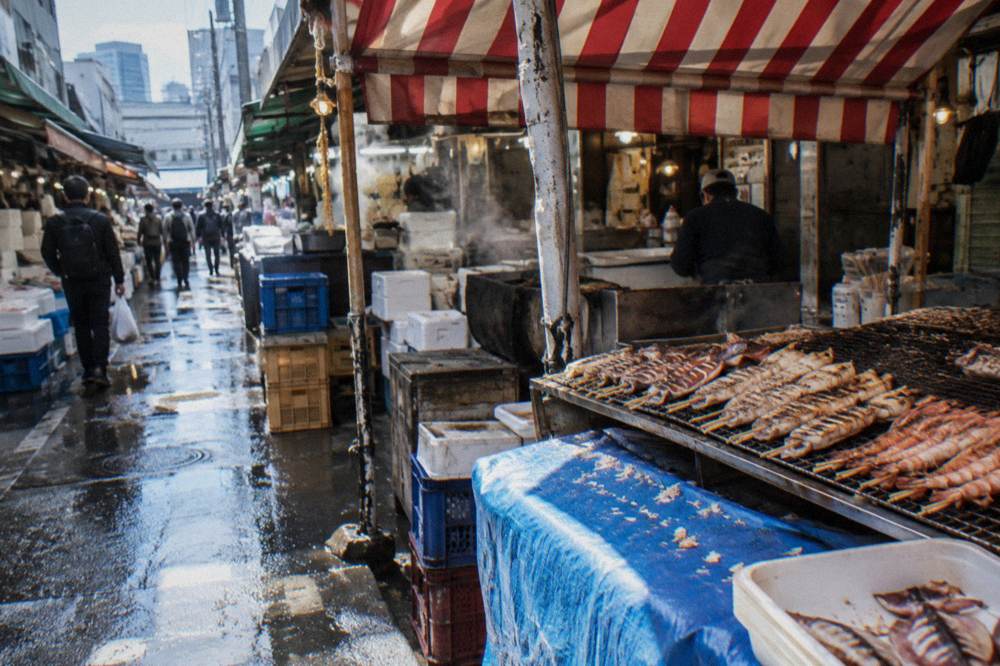
Access is easy either way. The Outer Market sits a one-minute walk from Toei Oedo Line Tsukijishijo Station or Tokyo Metro Hibiya Line Tsukiji Station, and the Plat Tsukiji information centre stores strollers for 500 yen if you arrive with little ones in towh bags. If a deeper dive into the market is the goal, our dedicated Tsukiji Outer Market food tour guide breaks down the stall categories and timing in full.
What Do Street Foods Cost When You Buy Them Yourself?
Solo street food spending in Tokyo is low by tour standards: a bowl of shoyu ramen averaged 750 yen nationally in September 2026, yakitori skewers run 150 to 400 yen each, and conveyor-belt sushi plates start from 110 to 150 yen. A self-guided grazing evening can cost a quarter of a tour price, but you trade the guide's ordering, routing and context. If you decide to graze on your own, the guide to where Americans should eat in Tokyo covers which neighborhoods to start in, how ordering works, and what to expect on the bill.
The raw numbers favor going alone, and it is worth knowing them even on a tour day, since most travelers mix both. Autumn is a strong season for it: September through November brings sanma, mushrooms and new rice into Tokyo's shops, and the seasonal items tend to be both cheap and at their best. A solo crawl through a shopping street, one skewer here, a croquette there, a bowl of ramen to finish, lands comfortably under the per-person price of any guided walk.
| Item | Typical price in Tokyo | Notes |
|---|---|---|
| Shoyu ramen bowl | 750 yen national average | official retail survey, September 2026 |
| Basic ramen, Takadanobaba area | 993 yen average | survey of 81 local shops |
| Yakitori skewer | 150 to 400 yen | casual counters |
| Conveyor-belt sushi plate | 110 to 150 yen | typical meal 1,500 to 3,000 yen |
| Nigiri sushi serving | 1,592 yen national average | dine-out survey, September 2026 |
| Monjayaki dish | around 1,500 yen | Tsukishima association shops |
| Convenience-store onigiri | 145 to 235 yen | salt, kombu and salmon varieties |
What the money on a tour actually buys, then, is not the food at a markup. It is curation, translation, and confidence: knowing which counter in the alley is the good one, ordering without a shared language, and having someone explain what tamagoyaki, motsuyaki or ningyo-yaki actually are at the moment you eat them. For a first evening in the city that value is real; by your third night, most travelers are happy to self-guide with the patterns they learned.
What Should You Know About Etiquette Before A Food Walk?
Three rules cover most of it: do not eat while walking in markets, carry some cash since independent stalls often prefer it, and skip tipping entirely, as gratuities are not customary in Japanese restaurants, bars or taxis. A small otoshi seating charge at izakaya is normal and is not a tip. Pay the bill as shown.
Tipping is the one that catches visitors most. The Japan National Tourism Organization is blunt about it: tipping is not common for services in bars, cafes, restaurants, taxis and hotels, and staff may chase you down to return money left on the table. The otoshi, the small unordered appetizer that appears at many izakaya, functions as a per-person seating charge and is simply part of the bill, and at some Golden Gai and Omoide Yokocho counters a cover charge of a few hundred yen works the same way.
Cash still matters on the street food circuit. Independent ramen shops and market stalls often prefer it or take nothing else, even as mid-range and chain venues go cashless. Smoking rules matter less on a food walk but are worth knowing: indoor smoking in restaurants is prohibited outside designated rooms under Tokyo's ordinance, and every venue must post its policy at the entrance. Chopstick habits round out the list, never stand a pair upright in rice, never pass food chopstick to chopstick, both echo funeral rituals and read badly at a counter.
Dietary needs deserve a final mention because the etiquette of stating them differs too. Tell the guide at the start, or better, message the operator when you book, since a mid-walk substitution is often impossible in a tiny kitchen. The allergen labelling system that now lists nine items applies to packaged foods, so a tour guide's advance knowledge is your safest channel, not a label on the plate.
Which Street Food Tour Fits Your Trip?
Pick by budget and appetite: the 7 Eateries walk at $75 per group is the value pick, the Shinjuku Local Eateries Walk at from $84.21 per person is the proven all-rounder, and the Asakusa 12-dish walk suits families and daytime travelers. Premium options from $145 upward buy small groups and private lanes rather than better food.
For most first-time visitors the decision collapses to one of two evenings. If you want the smoky alley experience with the most-visited format on the schedule, the Shinjuku Local Eateries Walk, about three hours, from $84.21 per person, rated 4.9 across 10,498 reviews, is the one to check first. If your trip is temple-forward and daytime-based, the Asakusa Walk, 12 Dishes does the same job at from $75.3 per person with a calmer rhythm, rated 4.85 across 73 reviews.
Value hunters should look hard at the group pricing on the 10-tasting walk: from $75 per group splits well for a family of three or four and still covers seven shops in 2.5 hours. Repeat visitors and slow travelers get more from the outliers, the Togoshi Ginza Small-Group Walk for a genuinely local street at $93.85 per person, or the private Sangenjaya backstreets tour at from $289.25 per person for four hours rated 5 across 148 reviews, when the point of the night is depth rather than coverage. Whichever way you lean, check the booking page for the current schedule, group cap and cancellation terms before committing, since departure times and availability move with the season.
Common Questions About Tokyo Street Food Tours
What Does A Tokyo Street Food Tour Cost?
Mainstream street food tours cost from $75.3 to $97.17 per person, with the 7 Eateries walk priced from $75 per group instead. Premium small-group and private walks run from $145 to $289.25 per person. Prices are per person unless the tour states a group basis, and the booking page shows the current figure.
How Many Tastings Do You Get On A Tokyo Food Tour?
Between 5 and 15. The Tsukiji market walk includes 5 tastings over about 3 hours, mid-range tours serve 10 to 13 dishes, and the largest Shinjuku walk covers 15 dishes and 3 drinks at 4 stops in roughly 3 hours.
Which Neighborhood Is Best For A Street Food Tour In Tokyo?
Shinjuku for evening grill alleys, Asakusa for daytime temple streets and snacks, Shibuya for a fast 13-dish route, and Tsukiji for a morning market walk. Choose by the time of day you want to eat rather than by operator.
Is Tsukiji Outer Market Worth A Guided Tour?
There are no fixed market-wide hours. Each shop follows its own schedule, and the official Tsukiji calendar lists the closing days. Sundays, holidays and some Wednesdays, so a guide helps with timing and stall choice. The 5-tasting walk costs from $97.17 per person and is rated 4.9 across 3,868 reviews.
Do You Tip The Guide On A Tokyo Food Tour?
Tipping is not customary in Japan for restaurants, bars, taxis or hotels, and a guide will not expect it. Any small otoshi seating charge at a counter stop is part of the bill, not a gratuity.
Can Street Food Tours Handle Allergies Or Vegetarian Diets?
Sometimes, but never assume it. Japan's mandatory allergen labelling covers packaged foods, not restaurant dishes, so message the operator before booking with any allergy or dietary need and confirm the tour can adapt.