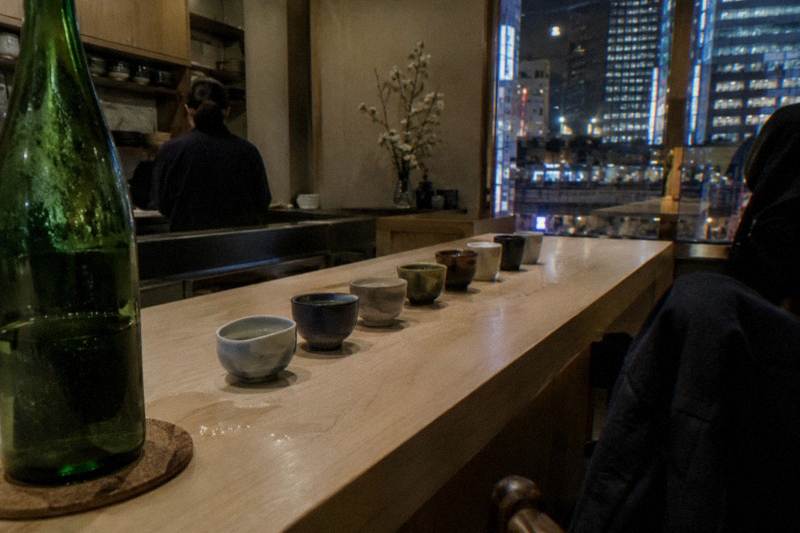
Tokyo Sake Tasting Tour And Whisky Tasting
Sake tastings in Tokyo run from a two-hour guided masterclass in Shinjuku to a sushi class paired with sake at a Michelin-listed venue, with standalone tastings from $66.72, with pricier combined and private options.
Short answer
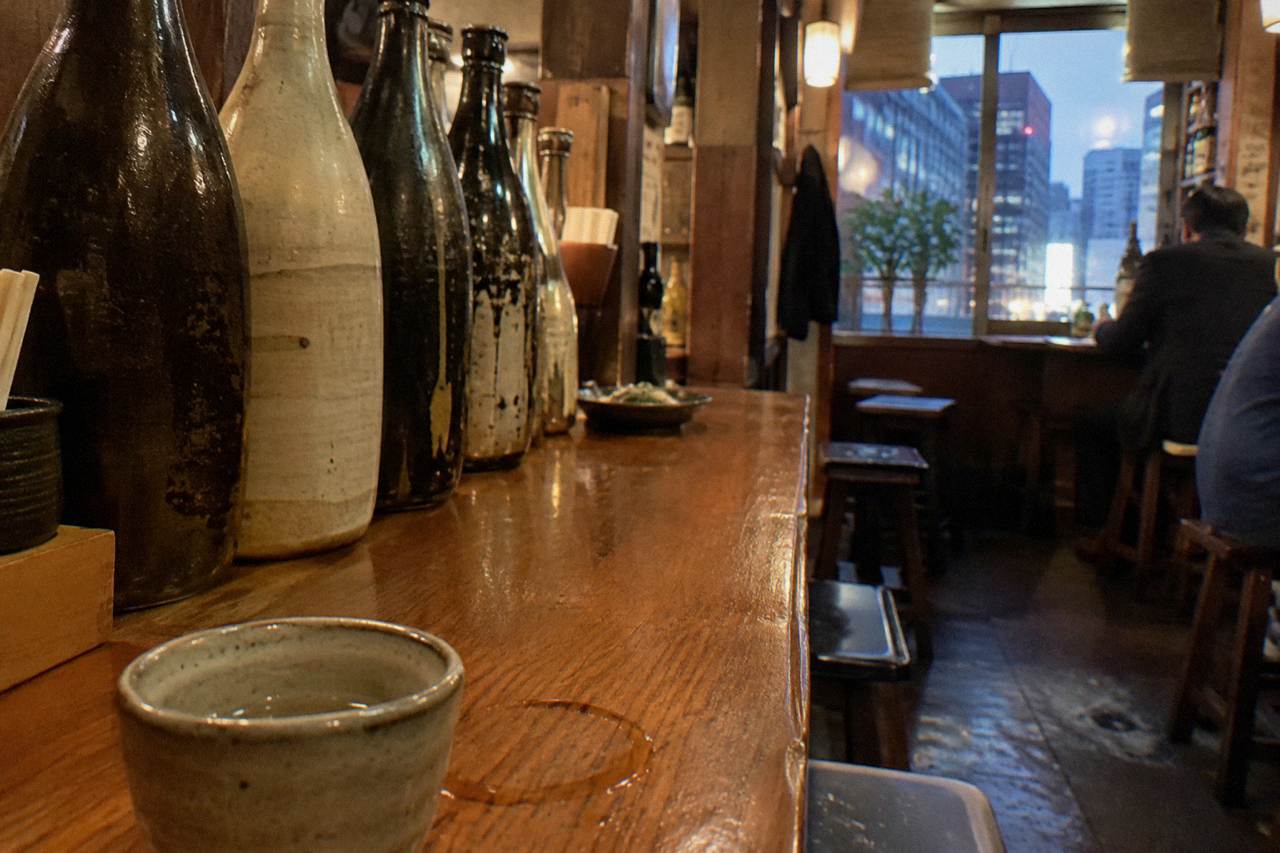
A Tokyo sake tasting costs from $70.61 per person for the Shinjuku masterclass, which runs about two hours and covers eight or more sake varieties, rated 5 across 414 reviews. A Japanese whisky tasting with ten pours and five snacks starts from $66.72 per person. Most drink-focused sessions last one to three hours.
Sake tasting in Tokyo has quietly become one of the most bookable evenings in the city. The Shinjuku Sake Tasting Masterclass alone, an approximately two-hour session covering eight or more sake varieties guided by a professional, is rated 5 across 414 reviews and starts from $70.61 per person. For the same money, a visitor could instead take a Japanese whisky flight of ten pours with five snacks, from $66.72, or fold the drinks into a sushi class at a Michelin-listed venue. This page lays out what each option actually includes, what it costs, and how the pieces fit an evening in Tokyo.
What Is A Sake Tasting In Tokyo?
A Tokyo sake tasting is a short guided session, usually one to three hours, in which a host walks a small group through several sake styles, explaining rice polishing, brewing regions and serving temperature while pouring tasting portions. Sessions run from roughly $66 to $111 per person, and the most booked format is a seated masterclass with a professional rather than a bar crawl.
The word to hold onto is guided. Anyone can order sake at an izakaya, and plenty of visitors do exactly that on a Shinjuku izakaya evening. A tasting is different because someone explains what is in the glass. The Shinjuku masterclass, for example, structures its two hours around eight or more varieties, which lets a newcomer taste the spread from light and floral to rich and aged in one sitting, rather than guessing one bottle at a time across a whole trip.
Most sessions sit somewhere between a classroom and a bar. You get tasting pours rather than full servings, a host who answers questions, and usually some light snacks to reset the palate. The sushi class with sake tasting at a Michelin-listed hidden gem, from $90.69 per person and rated 5 across 80 reviews, pushes the format further by making the food the co-star: you shape your own sushi, roughly an hour and a half, and the sake arrives alongside it.
Temperature is the detail that surprises most first-timers. The same sake can be served chilled, at room temperature or warmed, and the flavour shifts noticeably between the three. A good guided tasting will pour the same or similar sake at different temperatures so the difference lands in the glass rather than in a lecture.
Which Sake Or Whisky Tasting In Tokyo Should You Book?
Pick the Shinjuku sake masterclass, from $70.61, if you want the deepest drinks education in the shortest time; pick the Japanese whisky tasting, from $66.72, if grain spirits appeal more than rice; and pick the sushi-making class with sake at a Michelin-listed venue, from $90.69, if you want the food to carry equal weight. All three are short, seated sessions, each with a guide who walks you through every pour and plate.
The masterclass is the education play: eight or more varieties, a professional host, two hours, and a rating of 5 across 414 reviews, which is the largest review pool of any dedicated tasting on this site. The whisky flight is the contrast play, and it is worth saying plainly that it is new: it has no reviews yet, so there is no rating to report, only the format, ten Japanese whisky pours with five snacks over about two hours from $66.72 per person.
The class that pairs sushi making with sake tasting is the hybrid. At roughly an hour and a half it is the shortest of the three, rated 5 across 80 reviews, and it suits couples or families where one person cares more about the food than the drinks. Because you make the sushi yourself, the sake pairings arrive at your own table, plate by plate.
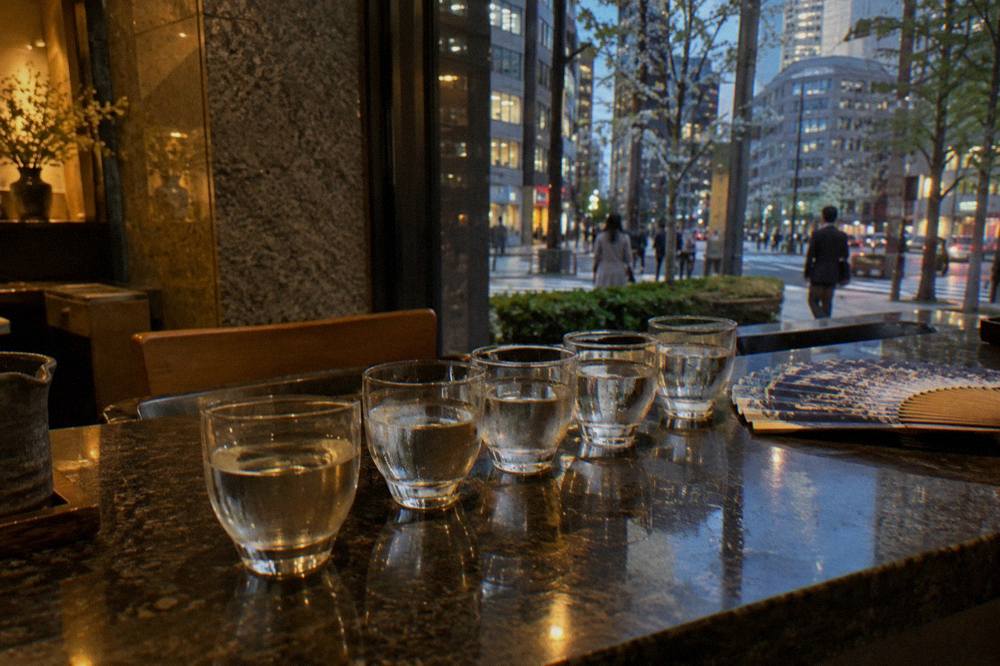
A fourth path deserves a sentence: folding the drinks into a wider food night. The Tokyo night food tour options include drinks, and the After 5 food and drink walk, from $72.47 per person and rated 4.5 across 775 reviews, mixes both. But if the tasting itself is the point, the dedicated sessions above deliver more per hour.
How Much Does A Sake Tasting In Tokyo Cost?
A dedicated sake tasting in Tokyo costs from $44.93 to $70.61 per person for a standalone session, roughly $90 to $110 once you fold the sake into a sushi or premium food experience, and from $110.23 per person for a private drinking tour with unlimited sake in Shinjuku and Golden Gai. Most sessions last between one and two hours.
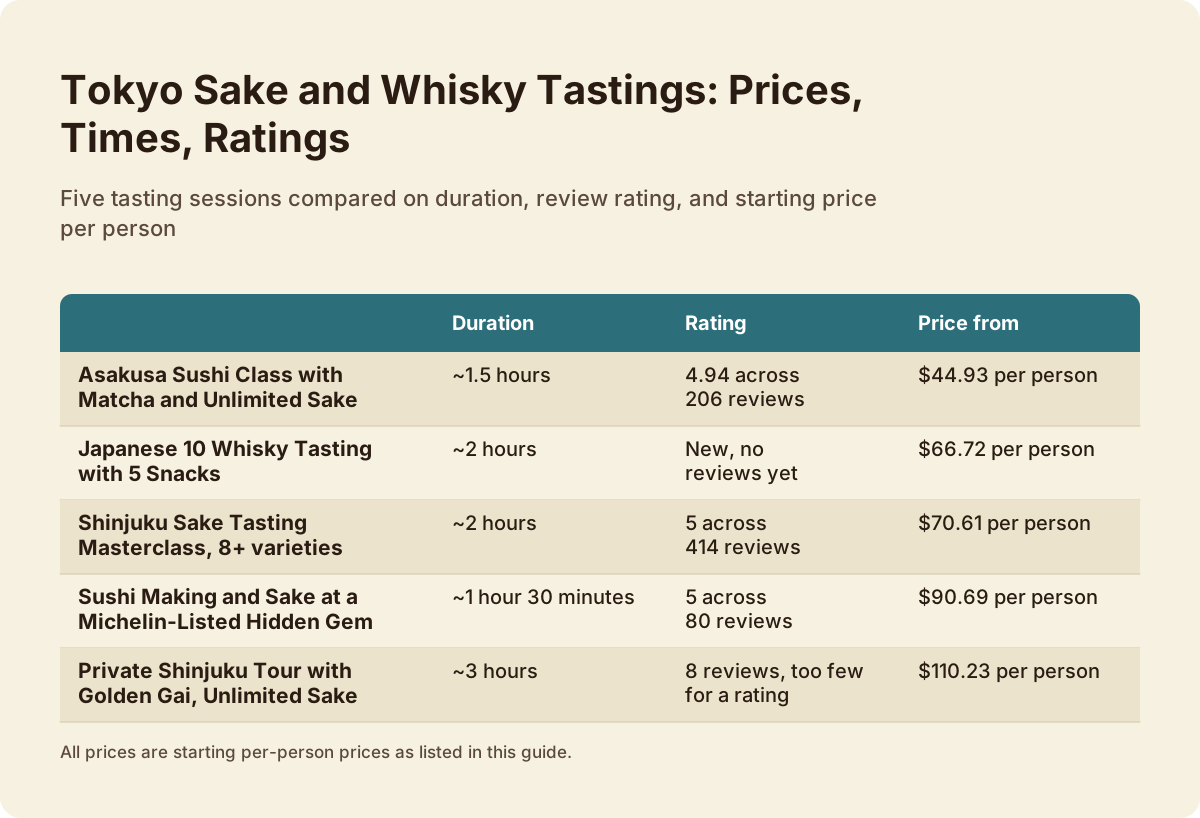
The cheapest genuine sake-tasting ticket on this site is not in Shinjuku at all. The Asakusa sushi-making class with matcha and unlimited sake runs about an hour and a half from $44.93 per person, rated 4.94 across 206 reviews. It is a sushi class first, but the unlimited sake is real, and for a visitor whose budget sits near $50 it is the strongest value in the category.
| Tasting experience | Short name | Duration | Rating | Price from |
|---|---|---|---|---|
| Shinjuku Sake Tasting Masterclass, 8+ varieties | Sake Masterclass, 8+ Varieties | ~2 hours | 5 across 414 reviews | $70.61 per person |
| Japanese 10 Whisky Tasting with 5 Snacks | Japanese Whisky Tasting, 5 Snacks | ~2 hours | New, no reviews yet | $66.72 per person |
| Sushi Making and Sake at a Michelin-Listed Hidden Gem | Sushi Class, Michelin-Listed Venue | ~1 hour 30 minutes | 5 across 80 reviews | $90.69 per person |
| Asakusa Sushi Class with Matcha and Unlimited Sake | Sushi Class, Unlimited Sake | ~1.5 hours | 4.94 across 206 reviews | $44.93 per person |
| Private Shinjuku Tour with Golden Gai and Unlimited Sake | Private Crawl, Unlimited Sake | ~3 hours | 8 reviews, too few for a rating | $110.23 per person |
Two costs sit outside the ticket price. If your evening wanders into bars afterwards, cover charges add up: many bars in the Golden Gai alleys charge a seat fee of roughly 500 to 1,500 yen per person, and Omoide Yokocho counters often add an otoshi seating charge of 300 to 500 yen that arrives with a small starter. And on the tax side, dining in carries 10 percent consumption tax while takeaway food carries 8 percent, a distinction the National Tax Agency spells out on its English page. For the two years from 1 April 2027 the rate on food and drink sales is due to be lowered, so treat the current split as the one that applies to a 2026 trip.
If the masterclass is the one that fits, Check availability on the operator's booking page before locking the rest of your evening, because the two-hour slots fill the same-day window quickly.
What Happens At The Shinjuku Sake Masterclass?
The Shinjuku Sake Tasting Masterclass is an approximately two-hour seated session where a professional guide pours eight or more sake varieties and explains how rice, water, polishing and region shape each glass. It starts from $70.61 per person, is rated 5 across 414 reviews, and runs in Shinjuku, minutes from the station's west-side drinking lanes.
Eight varieties is the number that matters. A single restaurant visit gives you one or two sake choices; a masterclass gives you a controlled comparison across styles, which is the only way most people learn what they actually like. The session format means tasting pours rather than full bottles, so the two hours stay social rather than heavy, and the snacks served alongside reset the palate between flights.
The Shinjuku location is a practical plus. The JR Yamanote Line serves Shinjuku directly, and the district's post-work energy means you can slide from the tasting into the alleyways of Omoide Yokocho or Golden Gai without a train ride. The masterclass suits both complete beginners and visitors who already know they prefer dry junmai., because the host adjusts the commentary to the table.
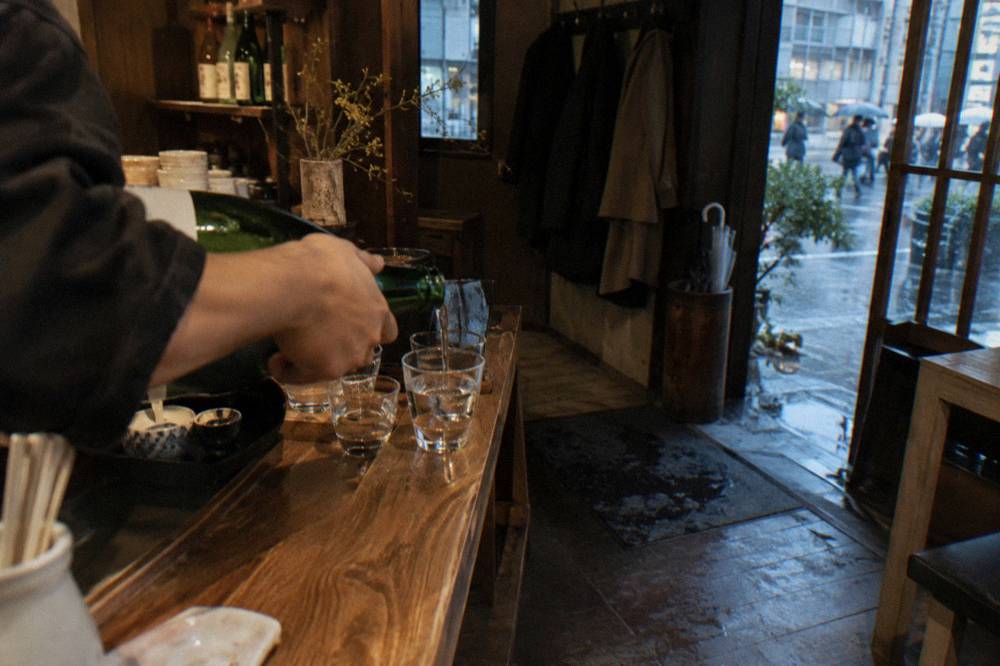
Compared with the alternatives, the masterclass is the education-first choice. The Tokyo Food Tours site lists it as the featured tasting here precisely because it has the review depth, 414 reviews at a perfect 5, that newer drink experiences cannot yet show.
Is The Japanese Whisky Tasting In Tokyo Worth It?
The Tokyo Japanese 10 Whisky Tasting with 5 Snacks pours ten Japanese whisky expressions with five matching snacks over about two hours, from $66.72 per person. It is new to the market with no reviews yet, so there is no rating to judge it by, only its format and price, which sit squarely between the sake masterclass and the hybrid classes.
Japanese whisky has earned its reputation the long way, through distilleries that spent decades on blending before the world noticed. A ten-pour flight is a serious spread: it is enough to move across a distillery's range and across styles, from light and delicate to heavily peated, in one sitting. The five snacks are not decoration either, since whisky changes character alongside food in ways a first-time taster rarely expects.
The honest caveat is the review pool. With no reviews yet, this is a format bet rather than a proven crowd-pleaser, and the price, from $66.72 per person, is close enough to the sake masterclass that the choice comes down purely to whether grain or rice interests you more. If a visitor wants a proven evening with a large review pool behind it, the masterclass or the sushi class are safer picks; if whisky is the reason they travel, no sake session will substitute.
One planning note: sessions of this kind run about two hours, which leaves a full evening afterwards. Pairing a tasting with a slow walk through the neon of Kabukicho or a nightcap in Golden Gai is the natural shape of the night, and the district's late hours, many bars open until 2 a.m. or later, make it easy.
Can You Combine Sushi Making With Sake Tasting In Tokyo?
Yes, and it is often the best pick for mixed groups: the Sushi Making and Sake Tasting at a Michelin-Listed Hidden Gem runs about an hour and a half from $90.69 per person, rated 5 across 80 reviews, while the Asakusa sushi class with matcha and unlimited sake runs from $44.93, rated 4.94 across 206 reviews. Both fold the drinks into a hands-on food session.
The Michelin-listed version is the premium hybrid. You learn to shape sushi in a venue with real culinary standing, and the sake tasting arrives as part of the experience rather than as a separate stop. At roughly 90 minutes it fits neatly before dinner or as the evening's main event, and the 5 rating across 80 reviews suggests the venue and the teaching both land.
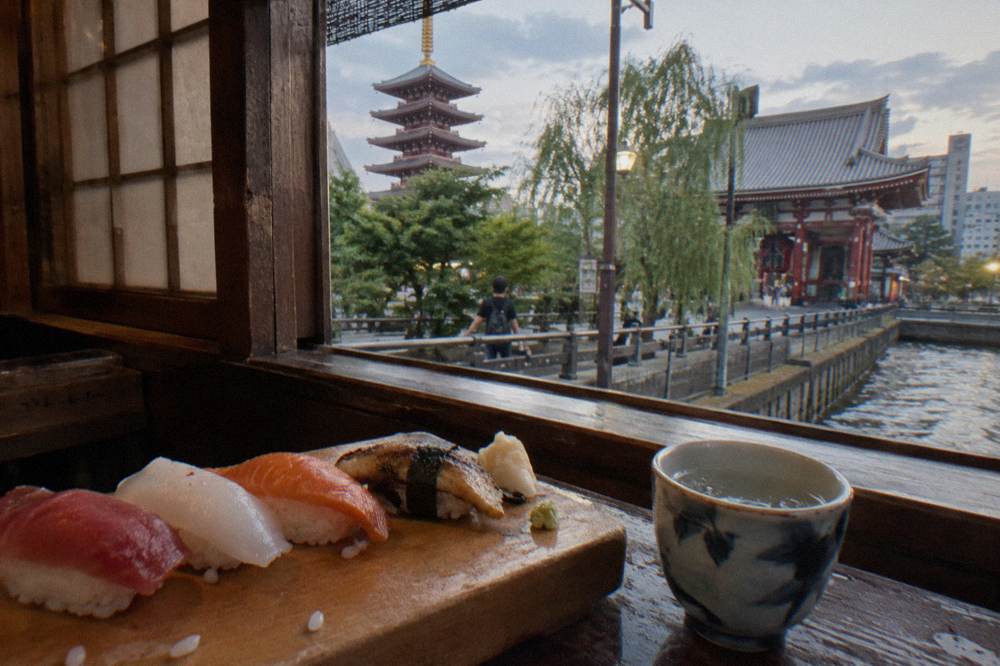
The Asakusa class is the value hybrid. Unlimited sake changes the arithmetic entirely at $44.93 per person, the matcha component gives the session a non-alcoholic thread, and the Asakusa setting means you can walk off the evening past Senso-ji. For families or groups where one person drinks and another does not, this split is easier than a pure tasting.
A useful comparison with the broader cooking-class scene: the Tokyo cooking class options include wagyu and washoku sessions from $71.26 per person, all rated 5 with review pools in the hundreds. Those teach cooking without a drinks focus, which is exactly the gap the two hybrid classes above fill.
Where Do Tokyo Drink Tastings Take Place At Night?
Most dedicated tastings sit in Shinjuku, home to Omoide Yokocho's roughly 60 bars and restaurants by the west exit and to the Golden Gai alleys, while hybrid sushi-with-sake classes run in Asakusa and near Ginza; Shinjuku is on the JR Yamanote Line and Asakusa on the Tokyo Metro Ginza Line, so both slot into a first-time itinerary.
Shinjuku at night is the city's densest drinking district, and the numbers explain why: Omoide Yokocho packs about 80 premises into roughly 2,000 square metres, and Golden Gai's alleys hold bars that typically open around 8 p.m. and run to anywhere between 2 a.m. and 5 a.m. A tasting that ends at 9 p.m. in Shinjuku drops you into the middle of that, which is why the masterclass location works so well for a full evening.
| District | What it offers a drinker | Typical night details |
|---|---|---|
| Shinjuku west exit | Omoide Yokocho with about 60 bars and restaurants, mostly yakitori and motsuyaki counters | Counters open from around 5 p.m. until midnight or later; many are cash-only |
| Golden Gai alleys | Small bars, many welcoming tourists with English signs and menus | Bars open around 8 p.m., closing between 2 a.m. and 5 a.m.; cover fees common |
| Asakusa | Hybrid sushi and sake classes plus temple streets for a walk afterwards | Served by the Tokyo Metro Ginza Line |
| Ginza area | The Michelin-listed sushi and sake venue and upscale standing bars | Served by Tokyo Metro lines through central Tokyo |
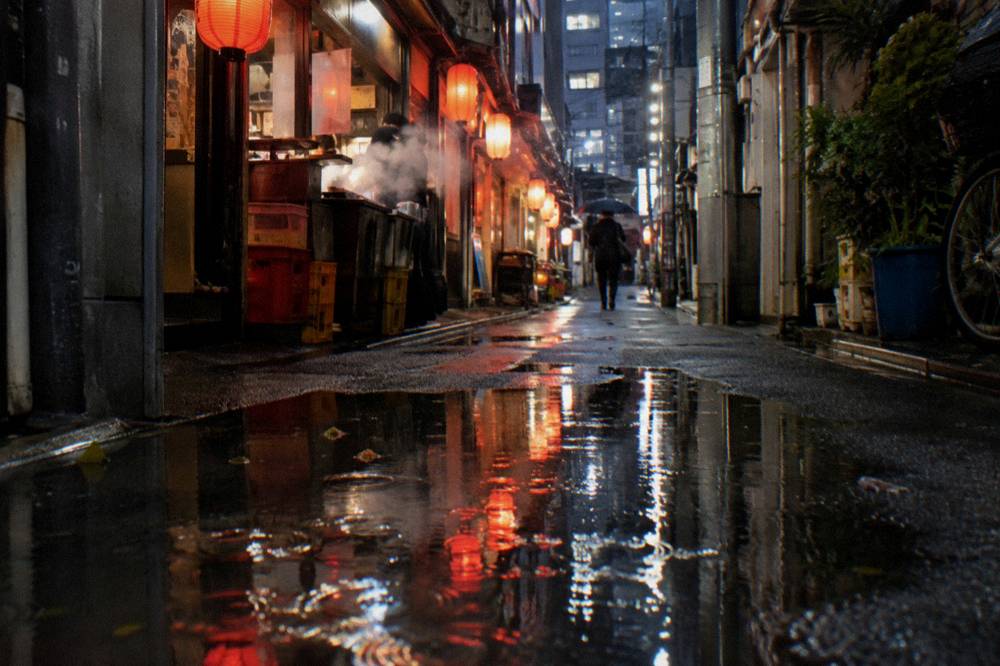
Golden Gai carries its own etiquette worth knowing before you go. The alleys are treated as private roads by the shopping-street association, and photography or filming there requires permission, so keep the camera down unless invited. Many bars post their cover charge at the door, some welcome tourists with English signs and menus, and others are regulars-only, which is normal and not a rebuff. Cash is still common across the district, so do not assume cards work. The Golden Gai bar hopping tour guide covers the district in more depth.
What Should You Know Before Drinking In Tokyo?
Tokyo drinking etiquette is simple once you know it: tipping is not customary, an otoshi seating charge of a few hundred yen at izakaya is a table fee and not a tip, indoor smoking is restricted to designated rooms under Tokyo's ordinance, and cash is still preferred at many independent bars. Knowing these four things prevents almost every awkward first-night moment.
Tipping is the big one for visitors from the United States. The Japan National Tourism Organization states plainly that tipping is not common for services in bars, cafes, restaurants, taxis and hotels, and staff may chase you down to return money left by mistake. The otoshi, that small unordered appetizer, is a per-person seating charge and appears on the bill; it is not a gratuity and not a scam.
| Situation | What happens | What to do |
|---|---|---|
| Otoshi appetizer at an izakaya | A small dish arrives unasked, 300 to 500 yen at many counters | Accept it; it is a seating charge on the bill |
| Golden Gai cover fee | Many bars charge 500 to 1,500 yen per person, sometimes with a snack | Check the sign at the door before sitting down |
| Paying the bill | Cash is still preferred at many independent bars and counters | Carry yen, especially for small tabs |
| Tipping | Not customary; extra cash may be returned | Pay the exact bill shown |
| Smoking | Indoor smoking only in designated rooms; signs required at entrances | Look for the sticker before lighting up |
Two more habits matter. Reservations are recommended, and sometimes required, at popular venues, and no-shows can carry fees, so notify the venue if plans change. And allergies: Japan's specified allergen list grew to nine items with cashew added on 1 April 2026, but that labelling duty covers packaged food, not restaurant dishes, so the Consumer Affairs Agency framework will not protect you at a tasting. Message the operator before booking if allergies matter.
Should You Book A Private Drinking Tour Instead?
A private drinking tour suits groups who want flexibility over instruction: the private Shinjuku tour with Golden Gai and unlimited sake runs about three hours from $110.23 per person, though with 8 reviews it is too new for a rating claim. It trades the masterclass's structured education for a guide who steers the night to your pace.
The private format solves a specific problem: Golden Gai's regulars-only bars and unposted cover charges are exactly where a guide earns their fee. Unlimited sake over three hours also changes the value calculation for a group splitting the evening. What you give up is the comparison tasting, since a crawl pours whatever each bar serves rather than a curated eight-variety flight.
For most solo travellers and couples, the honest ranking is: masterclass for learning, hybrid sushi class for mixed groups, private crawl for parties of four or more. A first-timer weighing the whole food-tour landscape can start from the best food tours in Tokyo overview and work back to the drink-focused picks here.
Common Questions About Tokyo Sake Tastings
How Much Does A Sake Tasting In Tokyo Cost?
Standalone sake sessions start from $70.61 per person for the Shinjuku masterclass, from $44.93 for a sushi class with unlimited sake in Asakusa, and from $90.69 for the sushi and sake class at a Michelin-listed venue. Private drinking tours with unlimited sake start from $110.23 per person.
How Long Is A Sake Tasting In Tokyo?
Most sessions run one to two hours. The Shinjuku masterclass takes about two hours, the Michelin-listed sushi and sake class about an hour and a half, and the private Shinjuku drinking tour about three hours.
Is The Japanese Whisky Tasting In Tokyo Any Good?
It is too new to say from reviews, since it has none yet, so no rating exists. What is known is the format: ten Japanese whisky pours with five snacks over about two hours, from $66.72 per person.
Do Tokyo Sake Tastings Include Food?
Some do. The Michelin-listed sushi class makes the food the co-star, the Asakusa class includes unlimited sake alongside sushi making, and the whisky flight includes five snacks. The pure sake masterclass focuses on tasting pours of eight or more varieties.
Is Tipping Expected At Tokyo Bars And Tastings?
No. Tipping is not customary in Japanese bars, restaurants or taxis, and any seating charge such as otoshi is a table fee on the bill, not a gratuity. Pay the exact amount shown.
Can Beginners Join A Sake Masterclass In Tokyo?
Yes. The Shinjuku masterclass is built for first-timers, with a professional host who explains rice polishing, regions and serving temperature across eight or more varieties, adjusting the commentary to the table's experience level.