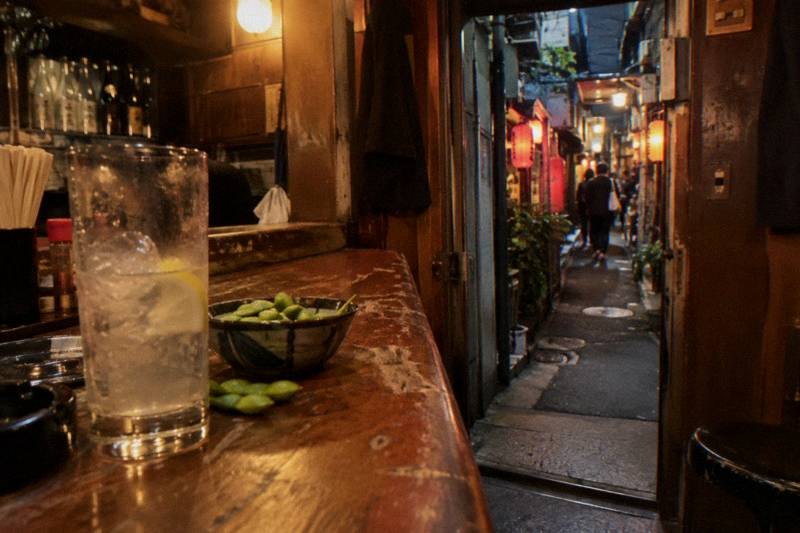
Golden Gai Bar Hopping Tour: How It Works
Golden Gai is a block of six alleys behind Kabukicho where roughly 200 bars sit in spaces the size of a garden shed, and many of them turn away walk-in foreigners. A guided bar hopping tour buys you entry, a guide who knows which doors open, and a route through the night.
Short answer
A Golden Gai bar hopping tour pairs you with a local guide who walks you into small bars that otherwise refuse strangers. Options run from about 2 hours at from $97.17 per person to premium 3 hour walks at from $217 per person, with the most reviewed option rated 4.9 across 4,086 reviews at from $109.35 per person.
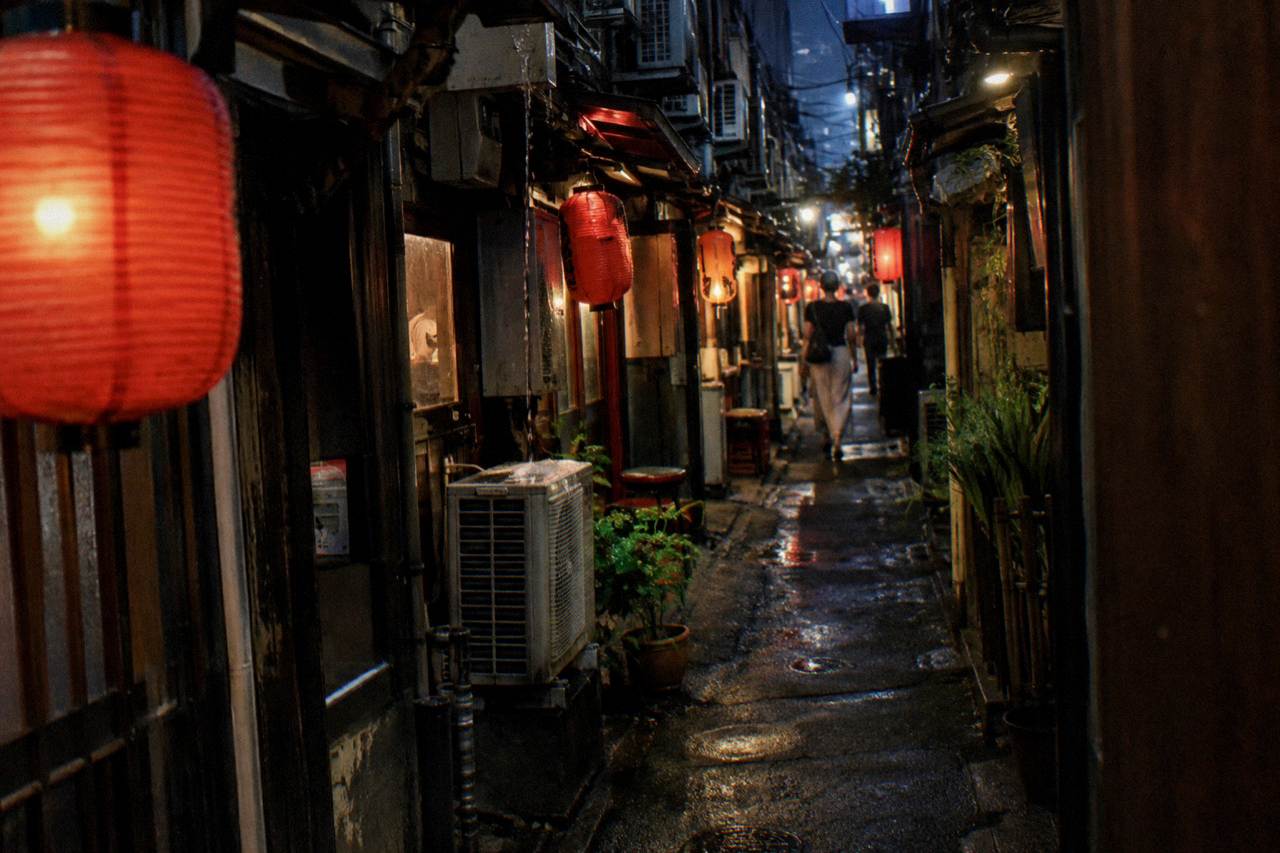
Golden Gai sits a few minutes east of Shinjuku Station's east side, a dense block of six connected alleys holding around 200 bars, many seating five to eight guests and no more. The district survived the post-war decades and the redevelopment that erased its neighbours, and it now runs on an unwritten contract between bar owners and regulars. Some bars hang English signs and welcome tourists, others are regulars-only, and the only reliable way into the second kind is to arrive with someone the owner already knows.
That is the whole reason a guided night exists here. A Golden Gai bar hopping tour removes the guesswork: the guide picks bars that admit your group, explains the cover charge culture before you sit down, and moves you through two or three venues before the district hits its late-night stride. This guide covers what the tours cost, what is included, the cash and cover-charge rules that catch visitors out, and which of the options fits which kind of night.
What Is Golden Gai And Why Is It Hard To Enter Alone?
Golden Gai is a Shinjuku district of roughly 200 micro-bars in six alleys, many seating fewer than ten guests, where a large share of doors are closed to walk-in foreigners because owners protect a regulars-only atmosphere. Bars typically open around 7 to 9 p.m. and run until between 2 and 5 a.m., and each venue sets its own hours and door policy.
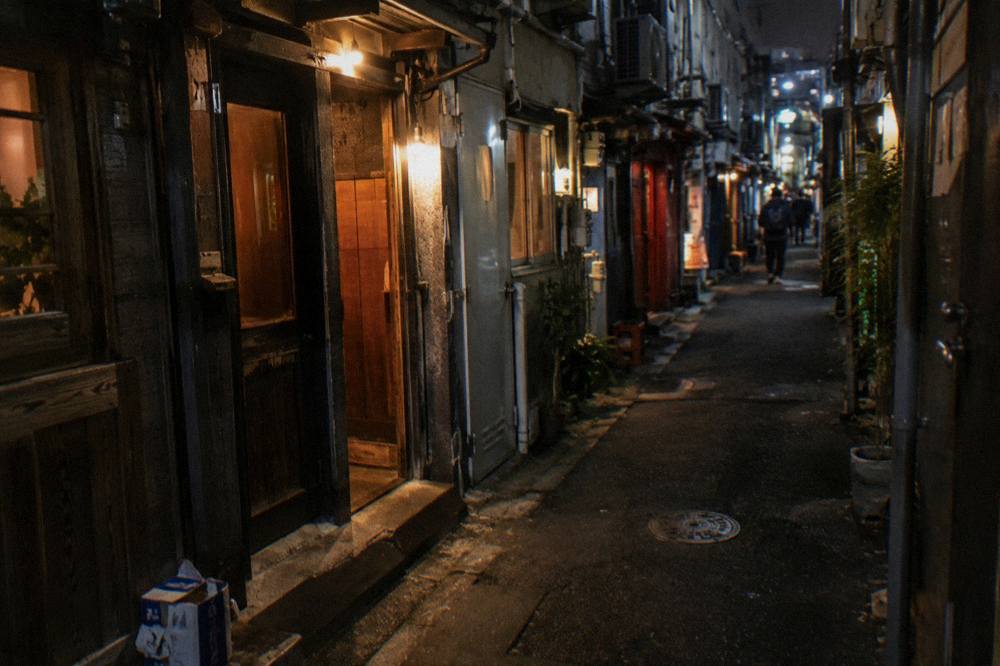
The alleys are narrow enough that two people passing have to turn sideways. Bars stack two storeys high, and the whole quarter covers a footprint you can cross in two minutes at a normal pace. What makes it hard is not finding it but getting in: bars that welcome strangers post English menus or a stated cover charge at the door, while regulars-only venues signal the opposite with nothing at all. A refusal is rarely rude, it is policy, and the bar owner simply shakes a head through the doorway.
Money is the second barrier. Cash remains common at Golden Gai bars, and assuming a card will work is a mistake that ends nights early. Cover and seat fees commonly run 500 to 1,500 yen per person, often including a small snack or otoshi starter, and you should always check the door or ask before settling in. A guide handles both frictions at once, which is why the guided format dominates here more than in almost any other Tokyo nightlife district.
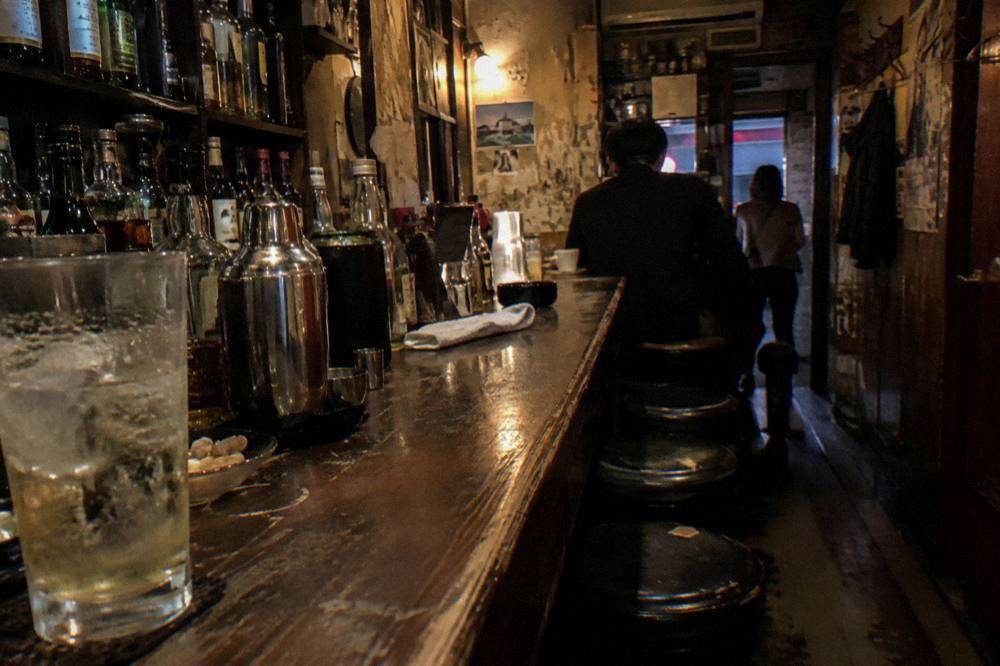
The bars themselves span everything from jazz rooms and punk shrines to whisky counters and quiet cocktail dens. Part of the appeal is that no two nights route the same way. What stays constant is the intimacy: with five to eight seats, conversation with the bartender is the entertainment, and a guide who knows the owners turns that conversation on.
How Does A Golden Gai Bar Hopping Tour Work?
Most tours meet near Shinjuku Station or the Kabukicho edge in the early evening, walk the alleys with a guide, and visit two to four bars over roughly two to three hours, with drinks, snacks or a full dinner included depending on the ticket. The guide pays the cover charges, orders with you, and explains the etiquette as you go, so your group moves through Golden Gai bars with a local guide.
The format splits into three rough families. A pub-crawl style ticket keeps the group moving and the drinks flowing, such as the free-flow option that pairs a full dinner with Golden Gai entry and rates 4.9 across 4,086 reviews at from $109.35 per person. A shorter crawl ticket covers two hours and leans on speed, like the Shinjuku Izakaya and Golden Gai Bar Hopping Tour, about 2 hours, rated 4.8 across 180 reviews at from $97.17 per person. A premium walking ticket slows everything down, such as the Golden Gai Food Tour at 5 across 261 reviews from $217 per person, where food and story take equal billing with drink.
What the guide actually does changes the economics of the night. Cover charges, which solo visitors pay at each door, are typically bundled into the ticket. Ordering is handled in Japanese where needed, and dietary requests can be flagged in advance rather than negotiated at a five-seat counter mid-service. Group sizes on Tokyo food and drink tours vary by operator, though many Golden Gai tickets run smaller because the venues physically cap the group.
The tour also solves the pacing problem. Golden Gai bars fill from around 9 p.m., and the best seats at the best counters go to whoever arrived with a plan. A guide times the route so you hit each venue in its good window instead of standing in an alley deciding. If you want a broader izakaya orientation before narrowing to Golden Gai, the Tokyo izakaya tour guide lays out how the format works across the city.
What Do Golden Gai Tours Cost And What Is Included?
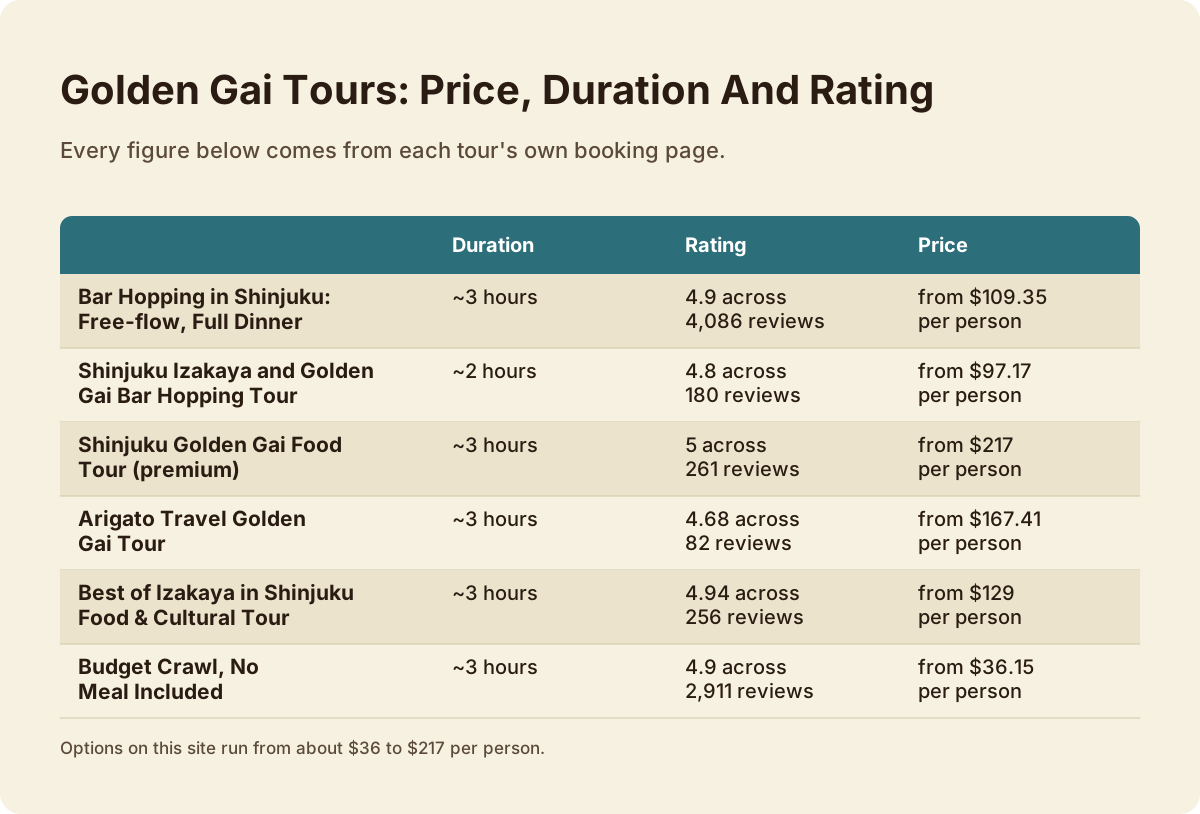
Prices on this site's options run from about $36 to $217 per person, with the spread reflecting inclusion more than quality: the cheapest tickets include no meal, mid-range tickets include drinks and snacks, and premium tickets include a full guided food-and-drink arc. Durations run from 2 hours to 3 hours 30 minutes, and every figure below comes from each tour's own booking page.
The table below compares the Golden Gai-relevant options directly.
| Tour | Duration | Rating | Price |
|---|---|---|---|
| Bar Hopping in Shinjuku: Free-flow, Full Dinner, Golden Gai | ~3 hours | 4.9 across 4,086 reviews | from $109.35 per person |
| Shinjuku Izakaya and Golden Gai Bar Hopping Tour | ~2 hours | 4.8 across 180 reviews | from $97.17 per person |
| Shinjuku Golden Gai Food Tour (premium) | ~3 hours | 5 across 261 reviews | from $217 per person |
| Arigato Travel Golden Gai Tour | ~3 hours | 4.68 across 82 reviews | from $167.41 per person |
| Best of Izakaya in Shinjuku Food & Cultural Tour | ~3 hours | 4.94 across 256 reviews | from $129 per person |
| Budget Crawl, No Meal Included | ~3 hours | 4.9 across 2,911 reviews | from $36.15 per person |
Read the inclusions before the price. The budget crawl at from $36.15 per person rates 4.9 across 2,911 reviews but includes no meal, so dinner happens on your own yen afterwards. The free-flow ticket at from $109.35 per person includes a full dinner plus flowing drinks and Golden Gai entry, which often makes it cheaper than an unguided night once you add covers, food and drinks separately. The premium walks price in small groups, multiple courses and a deeper historical narrative.
One planning note that has nothing to do with the tours: Japan's consumption tax runs 10% on restaurant meals and 8% on takeaway food, and the National Tax Agency has stated that the rate on food and drink sales will be lowered for the two years from 1 April 2027 to 31 March 2029, though prices can change, so check the live booking page for the current rate. Tour tickets are quoted as all-in from-prices, so this mostly matters for the spending you do after the tour ends.
What Are Golden Gai Cover Charges And How Do You Pay?
Golden Gai bars commonly charge a cover or seat fee of 500 to 1,500 yen per person, often including a small snack, and cash remains the reliable payment method across the district. Guided tours run on one upfront price, with what's included shown on the listing., which is one of the quieter reasons the guided format wins on value.
The cover charge, often called otoshi or tsukidashi elsewhere in Tokyo, is not a scam aimed at tourists. It functions as a per-person seating charge at many izakaya and small bars citywide, and it usually arrives with a small dish you did not order. In Golden Gai the amounts sit in that 500 to 1,500 yen band, and the honest bars post them at the door. Ask, or read the sign, before sitting down at an unguided bar.
Payment is the second trap. Cash is still common at Golden Gai bars and some venues do not take cards at all, so a night of three bars on your own can mean carrying enough yen to cover three tabs plus three cover fees. On a tour the guide settles with each venue and you settle once, on the booking page, in advance. For anyone who wants to understand the etiquette layer around izakaya generally, including tipping, which is not customary in Japan for bars, restaurants, taxis or hotels, the Tokyo night food tour guide covers the full evening arc.
The comparison below shows the cost of a do-it-yourself three-bar night against the two most popular ticket formats, using the district's own reported spending figures.
| Night Format | What You Pay | Typical Total | Cash Needed On The Night |
|---|---|---|---|
| DIY: three bars, drinks only | Three cover fees at 500 to 1,500 yen each, plus your drinks | Varies by bar and appetite | Yes, at every venue |
| Guided: free-flow dinner tour | One ticket from $109.35 per person, covers and dinner included | Fixed in advance | Minimal |
| Guided: 2 hour crawl | One ticket from $97.17 per person | Fixed in advance | Minimal |
Which Golden Gai Tour Fits Your Night?
Pick by what you want the night to be: the free-flow dinner ticket at from $109.35 per person suits a big celebratory night, the 2 hour crawl at from $97.17 suits a tight schedule, and the premium walks from $167.41 to $217 suit small groups who want story and food over volume. All four core options are reviewed well enough that the choice is fit, not quality.
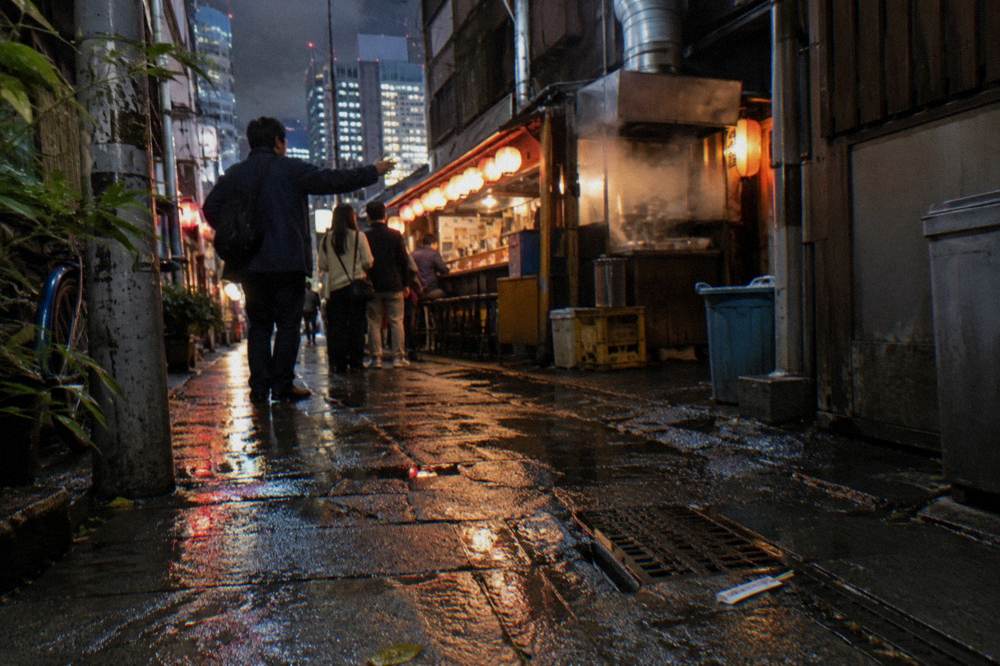
The free-flow bar hopping tour is the strongest all-rounder for first-timers: a full dinner, flowing drinks, and a Golden Gai finale, rated 4.9 across 4,086 reviews, which is the largest review pool of any Golden Gai-relevant option on this site. It runs about 3 hours and the booking page carries a free cancellation option, so a tentative itinerary can hold a seat without commitment.
The premium Golden Gai Food Tour, 5 across 261 reviews at from $217 per person, flips the ratio: a three-hour guided food walk with Arigato Japan. It suits couples and small groups who would rather finish three bars deeply than six bars quickly.
The Arigato Travel Golden Gai Tour sits between those poles at from $167.41 per person, 4.68 across 82 reviews, and leans on the district's post-war story as much as its drinks. For travellers stacking Golden Gai onto a bigger Shinjuku evening, the cultural izakaya walk at 4.94 across 256 reviews from $129 per person covers izakaya dining culture first and can pair naturally with a later Golden Gai stop on your own.
The budget crawl at from $36.15 per person is the outlier worth naming honestly: no meal included, but a 4.9 rating across 2,911 reviews and a low per-person price that leaves room in the budget for your own food afterward.
When Should You Visit Golden Gai In Tokyo?
Bars in Golden Gai typically open from around 7 to 9 p.m. and close between 2 and 5 a.m., so the strongest guided window is an early-evening start between 6 and 8 p.m. that lands your group inside before the counters fill. Tours meet near Shinjuku Station, which the JR Yamanote Line serves directly, making the district reachable from Shibuya or Tokyo Station in one train ride.
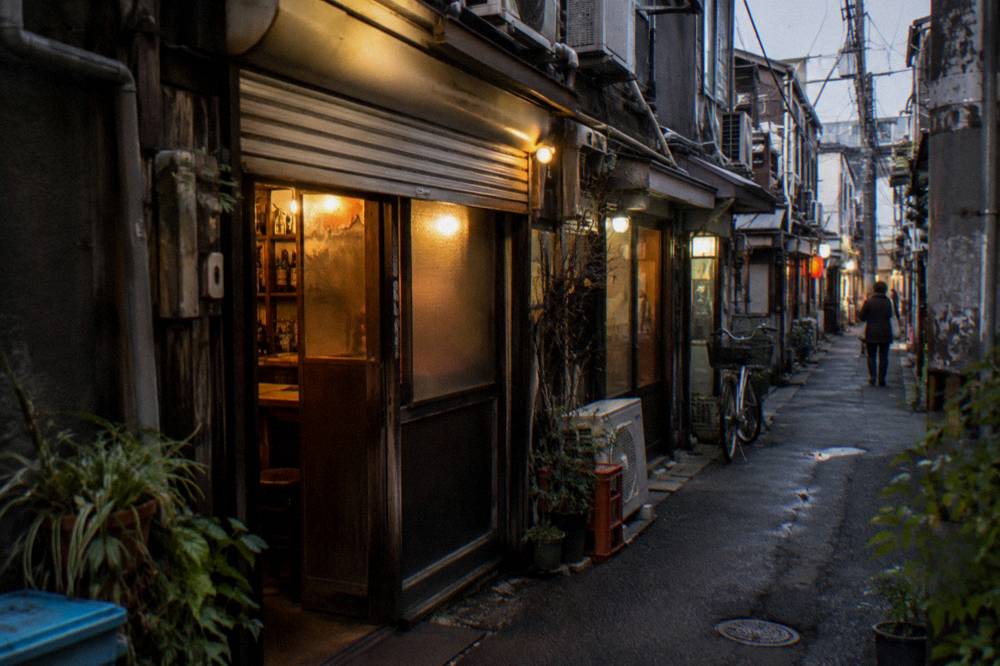
Weeknights are calmer and bar owners have more time to talk. Friday and Saturday bring the district to its full volume, which is atmospheric but makes a guide more valuable, since queues form at the most welcoming bars. Seasonally, autumn is widely noted as a peak for Japanese ingredients like sanma, mushrooms and new rice, and izakaya menus reflect it, though any specific pairing depends on the venue and the night.
Weather matters less than you would expect: the alleys are covered in places and the walking between bars is minimal. What actually derails plans is timing around the last trains, since the district is busiest in the evening and Tokyo's rail network thins out late. A tour that ends by 10 or 11 p.m. keeps your return simple, and Shinjuku's position on the Yamanote Line means most central hotels are a direct ride away.
The window below lines up the district's rhythm against the tour formats so you can pick a start time that fits both.
| Time Of Night | What Golden Gai Is Doing | Best Fit |
|---|---|---|
| 5 to 7 p.m. | Alleys quiet, a few bars opening | Omoide Yokocho dinner first |
| 7 to 9 p.m. | Bars opening through the district | Free-flow dinner tour or 2 hour crawl |
| 9 to 11 p.m. | Peak occupancy at the best counters | Premium food tour mid-route |
| After midnight | Full stride until 2 to 5 a.m. closings | Unguided, if you know the doors |
What Are The Rules Inside Golden Gai Bars?
Golden Gai's alleys are treated as private roads by the shopping-street association, so photography and filming in the lanes require permission, and inside each bar you ask the establishment first. Other standing rules: pay the cover without argument, avoid loud groups in the alleys, and plan on cash, since cards are not universally accepted.
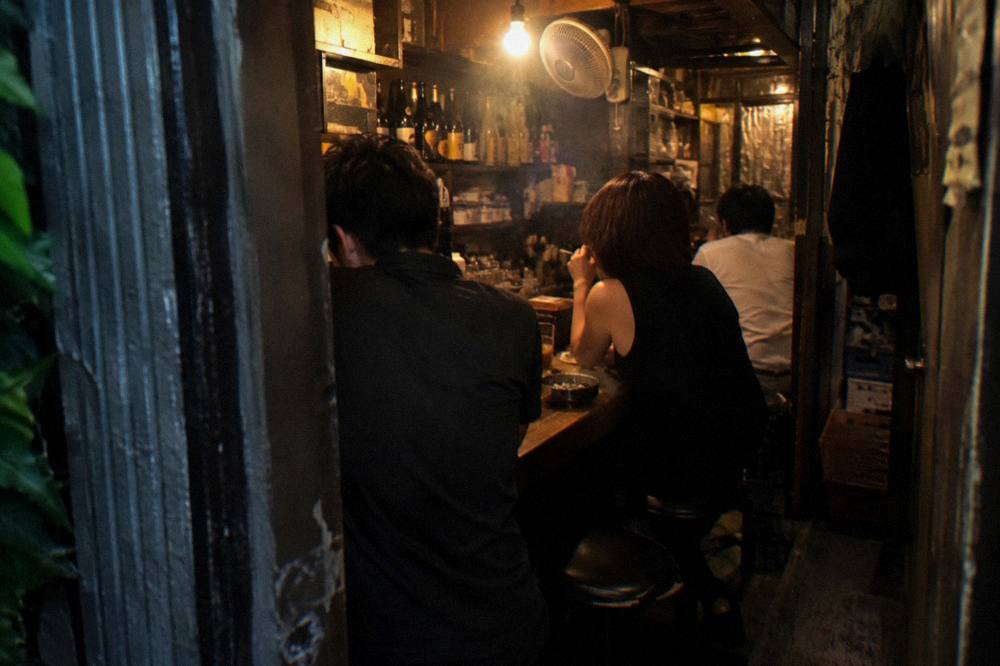
The photography rule surprises the most visitors. The lanes look like public streets, and they photograph like them, but the association treats them as private roads, and unpermitted filming draws complaints. Inside, a quick ask before a photo is both normal and respected. The general etiquette of a Japanese restaurant or bar applies at the counter too, as covered in detail in what to know before eating at a Japanese restaurant.
Smoking rules are set by law rather than by the district. Under the Tokyo ordinance and the amended Health Promotion Act in full effect since 2020, indoor smoking is only allowed in designated rooms, restaurants must display their smoking policy at the entrance, and under-20s may not enter smoking rooms, per the Tokyo Metropolitan Government's official notice. Some Golden Gai bars run smoking-permitted rooms within those rules, and the door sign tells you which.
Allergies deserve a note too. Japan's mandatory allergen labelling covers packaged processed foods, nine specified items including cashew since 1 April 2026, per the Consumer Affairs Agency, but restaurant dishes generally carry no such label, so tell the tour operator about allergies before booking rather than the bartender on the night.
Can You Combine Golden Gai With Omoide Yokocho?
Yes, and many tours do, because Omoide Yokocho sits near Shinjuku Station's west exit while Golden Gai sits to the east, and together they cover both halves of a classic Shinjuku night. Omoide Yokocho is a post-war bar district of about 80 premises, roughly 60 of them bars and restaurants, most of them yakitori and motsuyaki counters packed into about 2,000 square metres.
The district's own official site confirms those figures, and it is the best source for current shop information: the Omoide Yokocho district site.
The two districts are different experiences. Omoide Yokocho is smoke, skewers and standing energy: counters open from around 5 p.m., many run to midnight or later, a typical spend for skewers and drinks runs about 2,000 to 3,000 yen per person, and some counters add an otoshi of 300 to 500 yen. Golden Gai is the after-dinner act: tiny themed bars, conversation, and the cover-charge culture described above. The free-flow dinner tour essentially scripts this combination for you, since its full dinner feeds the first half of the night and Golden Gai delivers the second.
Walking between the two takes about 15 minutes through the station, or you can eat first and crawl second on separate tickets. The Omoide Yokocho food tour guide covers the eating half in detail, and the Shinjuku food tour guide covers the neighbourhood's broader range. Cash discipline applies in both districts, and the district reporting on Golden Gai confirms what the bars themselves will tell you: do not assume a card is accepted anywhere in the alleys.
For travellers who want one decision instead of three, the free-flow bar hopping ticket is the single tour that folds dinner, drinks and Golden Gai into one booking, and it remains the most reviewed way to see the district without knocking on closed doors yourself. Tokyo Food Tours keeps the full set of Shinjuku night options in one place for comparison.
Common Questions About Golden Gai Bar Hopping Tours
Can Foreigners Enter Golden Gai Bars Without A Tour?
Some bars, yes. Venues that welcome tourists post English signs, menus or a stated cover charge at the door, while regulars-only bars decline politely. A tour exists precisely because a large share of doors stay closed to unaccompanied walk-ins, and the guide's relationships open them.
How Much Does A Golden Gai Bar Hopping Tour Cost?
Options on this site run from about $36 to $217 per person. The budget crawl starts at from $36.15 per person with no meal included, mid-range tickets run from $97.17 to $129 per person, and premium walks run from $167.41 to $217 per person with fuller inclusions.
What Is The Cover Charge In Golden Gai?
Cover and seat fees commonly run 500 to 1,500 yen per person, often including a small snack or otoshi. On guided tours the covers are typically bundled into the ticket, so you do not pay them at each door.
Do Golden Gai Bars Accept Credit Cards?
Not reliably. Cash remains common across the district and some bars take nothing else, so carry yen for any unguided portion of the night. Tour tickets are paid in advance on the booking page.
What Time Should A Golden Gai Tour Start?
Early evening, roughly 6 to 8 p.m., is the strongest window. Bars open from around 7 to 9 p.m., so an early tour start lands your group inside before the counters fill and keeps your last-train plans simple.
Can You Photograph Golden Gai?
Only with care. The alleys are treated as private roads by the shopping-street association, so filming in the lanes requires permission, and inside each bar you ask the establishment first. A quick ask is normal and respected.