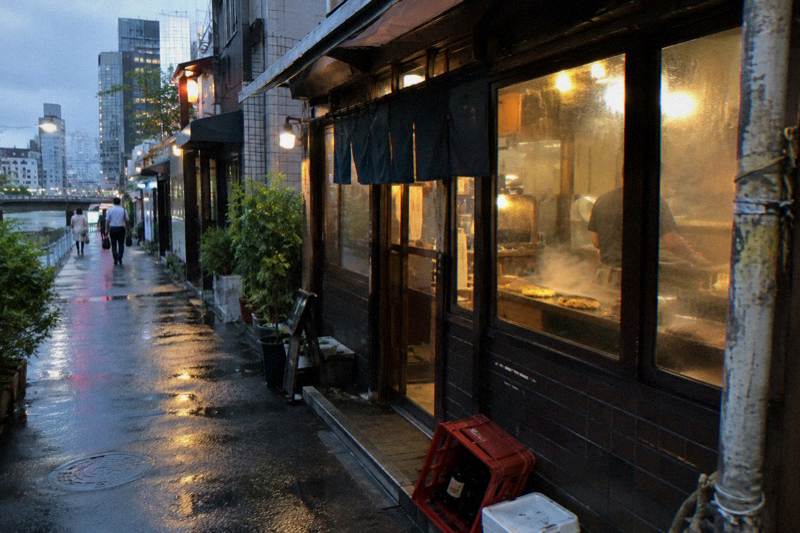
Tokyo Night Food Tour: Evening Eating Options
Tokyo after dark is a different restaurant city: lantern alleys, standing counters, and izakaya crawls. Here is how the evening tour options compare on price, duration, and district.
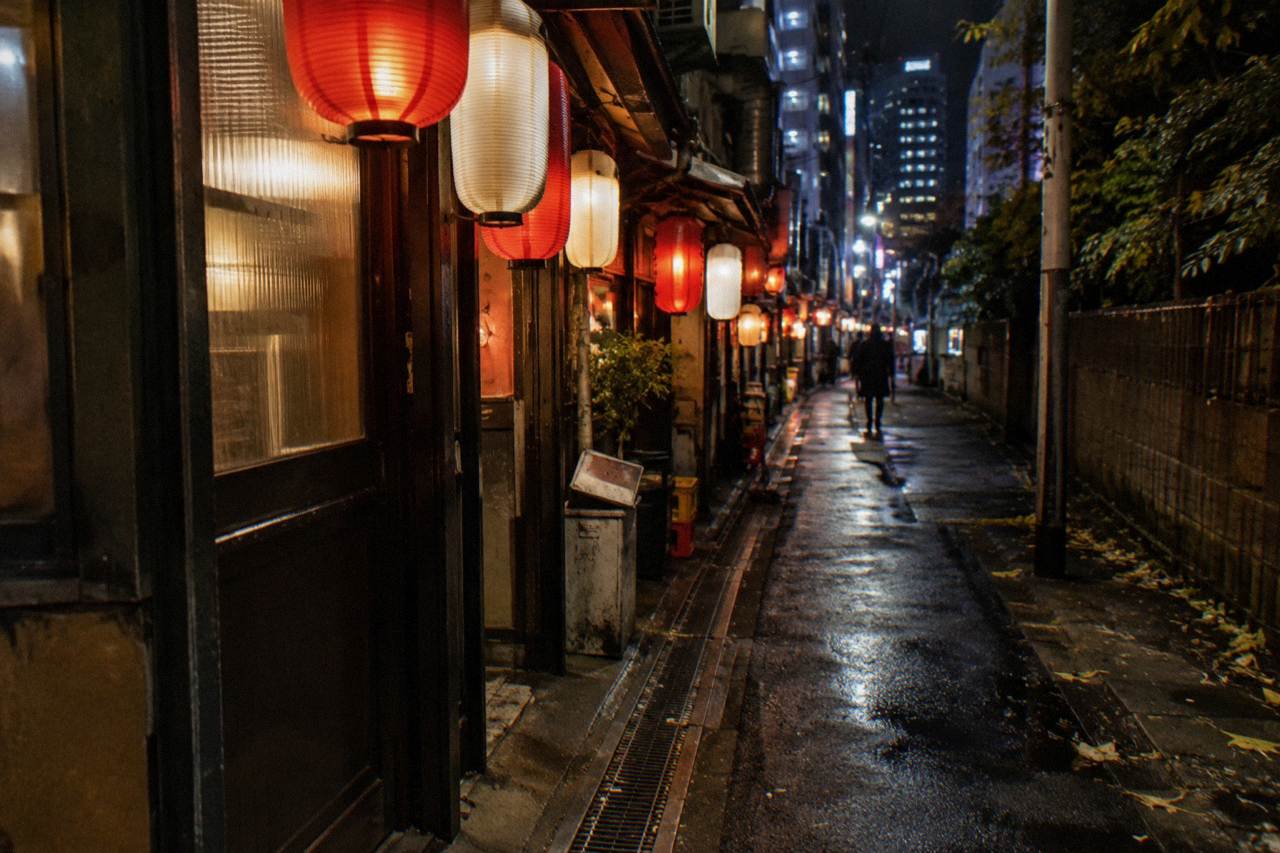
Short answer
A Tokyo night food tour typically runs about 3 hours, costs from $36.15 to $289.25 per person, and centers on Shinjuku or Shibuya izakaya crawls. The most reviewed evening options, like the After 5 tour with 775 reviews and the Shinjuku bar hop with 4,086, both start from under $110.
What Does A Tokyo Evening Food Tour Actually Include?
Most evening tours in Tokyo bundle three to four food stops with at least one drink stop over roughly three hours, led by a guide who orders, translates, and steers you through backstreets you would not find alone. What varies is how much food: some walks are full dinners, others are bar crawls where the meal is light and the drinking is the point. Prices run from $36.15 to $289.25 per person. If you would rather skip the group format entirely, the guide to private food tours in Tokyo compares backstreet walks with bar crawls and explains what a private guide actually changes.
The evening options split cleanly into two kinds. Dinner-format tours, such as the Shinjuku bar hop with free-flow drinks and a full dinner, feed you properly and cost more per head. Crawl-format tours, like the budget Shinjuku local bar and izakaya crawl from $36.15, include the guiding and the bar access but expect you to buy food and extra drinks as you go. Reading the inclusions line on the booking page matters more here than in almost any other category, because two tours at a similar price can differ by an entire dinner. Grazing across several bars also rewards some pacing, so it helps to know how the Japanese habit of stopping before you feel full works before your first stop.
A third format is rarer but worth knowing about: the cultural evening walk. The After 5 small-group food, drink and culture tour from $72.47 spends its 3 hours 30 minutes on a mix of eating, drinking, and neighbourhood storytelling rather than maximizing tastings. Guests who want the deepest context, not just the most skewers, tend to prefer it. It is rated 4.5 across 775 reviews, a pool large enough to take seriously.
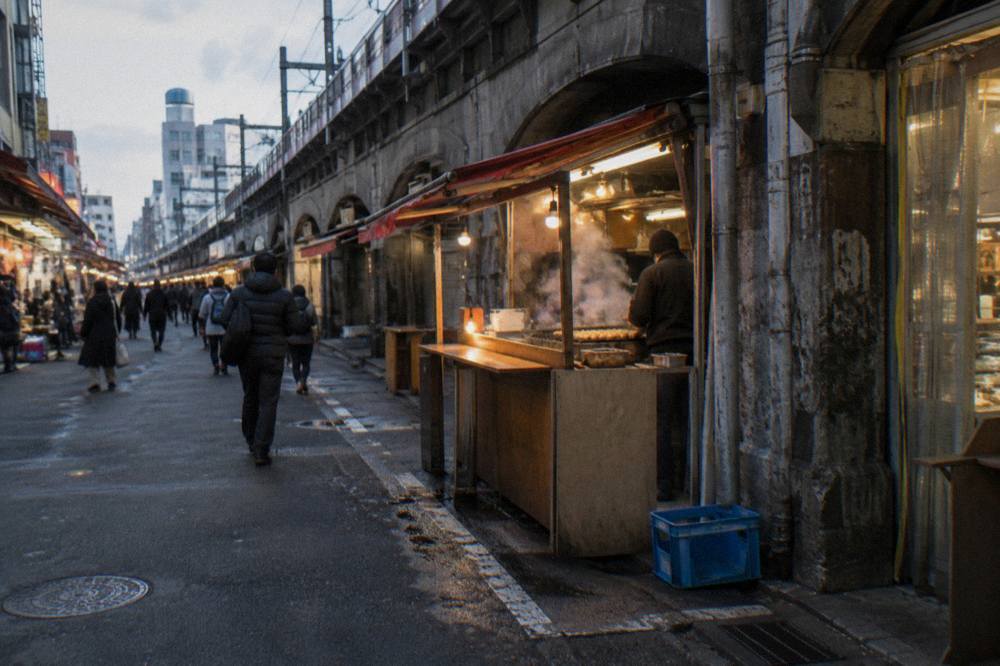
One practical note that surprises first-time visitors: many evening stops are small. Independent Tokyo restaurants often run eight seats and one cook, which is why operators keep groups small and why the same alley can absorb five different tours in one night without feeling crowded. If a tiny counter with a regular crowd is what you are after, our guide to Tokyo izakaya tours breaks that format down separately.
| Format | What is included | Typical duration | Example from this site | Price basis |
|---|---|---|---|---|
| Full dinner bar hop | Full dinner, free-flow drinks, multiple bars | ~3 hours | Shinjuku bar hop with Golden Gai finish | from $109.35 per person |
| Cultural evening walk | Food stops, drink stops, neighbourhood history | ~3 hours 30 minutes | After 5 small-group tour | from $72.47 per person |
| Budget crawl | Guided izakaya hopping, no meal | ~3 hours | Shinjuku local bar and izakaya crawl | from $36.15 per person |
| Premium food walk | Multi-course stops, small group | ~3 hours 30 minutes | Old Town premium walk | from $231 per person |
Which Tokyo District Is Best For A Night Food Tour?
Shinjuku is the default answer: it has the densest concentration of night-eating districts in the city, including Omoide Yokocho's roughly 60 bars and restaurants packed into about 2,000 square metres, plus Golden Gai's bar alleys. Shibuya suits visitors who want an award-winning izakaya crawl in a younger, louder district, while Sangenjaya and Kichijoji reward travellers who want local backstreets. And if you want to sleep within walking distance of these late-night eating streets, our guide to the best Tokyo neighborhoods for tourists who love food compares each district on transit, eating hours and budget.
Shinjuku wins on sheer density. Within a fifteen minute walk of the West Exit you move from the yakitori smoke of Omoide Yokocho to the cover-charge bars of Golden Gai to the standing bars of the station basements. The Shinjuku bar hopping tour with free-flow drinks and full dinner from $109.35, rated 4.9 across 4,086 reviews, is the most reviewed evening product on this site precisely because that density lets an operator build a complete night in one district. If you want to read up before choosing, our piece on what food Shinjuku is famous for covers the district's specialities.
Shibuya takes second place by a short margin. The award-winning izakaya night out from $38.87, rated 5 across 1,107 reviews, bar-hops Shibuya like a local over 3 hours 30 minutes, and the neighbourhood's under-the-tracks standing bars give it a rawer energy than Shinjuku's more curated lanes. Families and visitors who want a sit-down dinner before the crawl should pair it with our Shibuya food tour guide instead.
Beyond the big two, the evening options get quieter and more local. The Kichijoji izakaya crawl from $104.62, rated 5 across 38 reviews, works a residential west-side neighbourhood with a small review pool but a devoted one. The private Sangenjaya backstreets tour from $289.25, rated 5 across 148 reviews, spends four hours on the kind of tangled lanes around Sangenjaya that even many Tokyo residents only know partially. Neither is a first-timer's pick, and both are excellent second-trip picks.
| District | Night character | Featured evening tour | Rating and reviews |
|---|---|---|---|
| Shinjuku | Smoke, lanterns, dense bar alleys | Bar hop with full dinner, from $109.35 | 4.9 across 4,086 reviews |
| Shibuya | Young, loud, under-the-tracks bars | Award-winning izakaya night out, from $38.87 | 5 across 1,107 reviews |
| Kichijoji | Local, residential, backstreet izakaya | Kichijoji crawl, from $104.62 | 5 across 38 reviews |
| Sangenjaya | Twisting lanes, private-guide pace | Private backstreets tour, from $289.25 | 5 across 148 reviews |
| Ginza and Shimbashi | Salaryman izakaya, sleeker stops | Ginza and Shimbashi walk, from $145.85 | 4.64 across 40 reviews |
How Much Does A Tokyo Night Food Tour Cost?
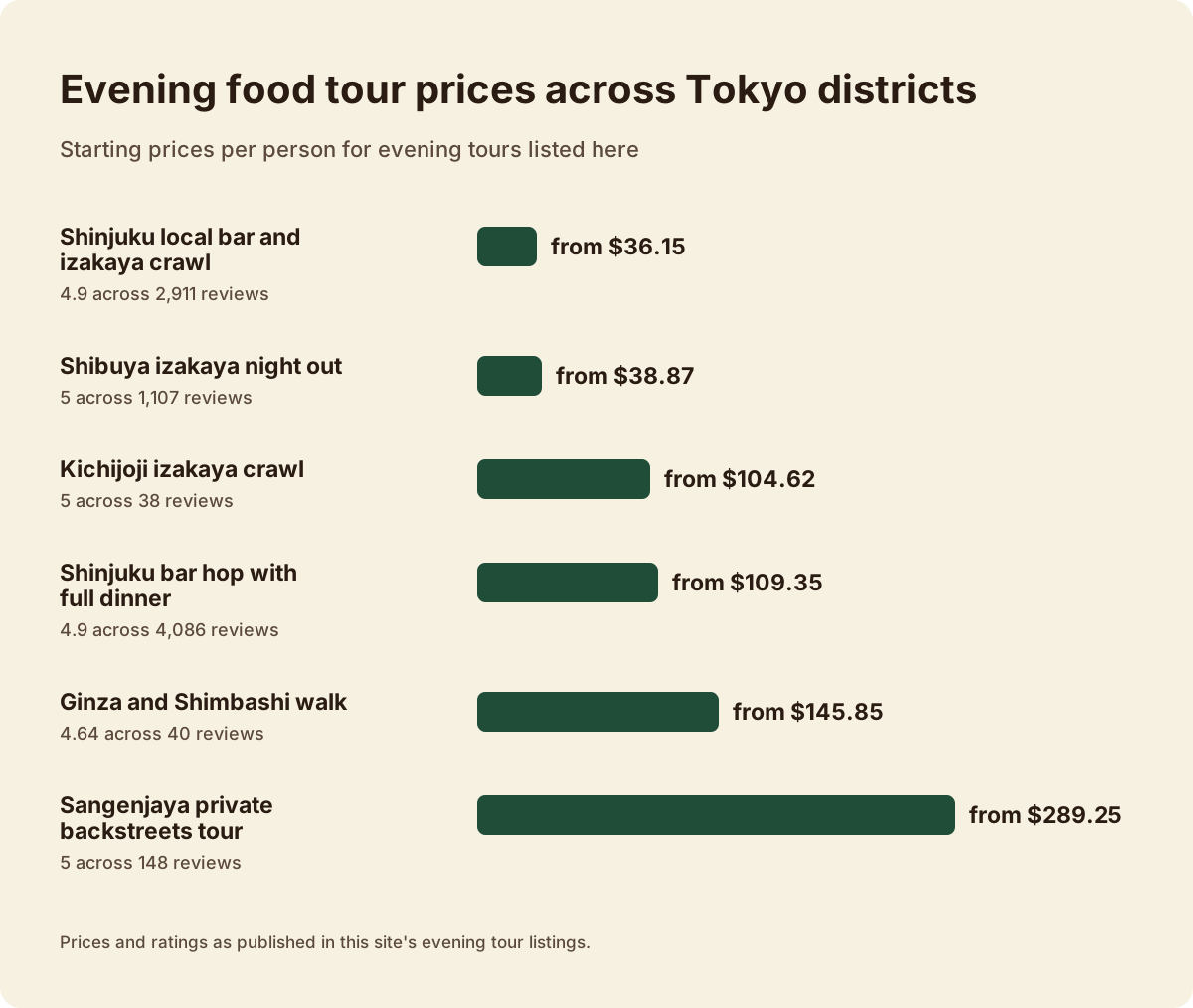
Evening tours span from $36.15 for a guided crawl with no meal to $289.25 for a private four-hour backstreets tour, but the middle of the market sits between the After 5 walk at $72.47 and the izakaya cultural tour at $129 per person, where most small-group walks with food and some drinks land. The price usually tracks three things: whether dinner is included, group size, and how premium the drinking is.
The budget end is real but narrow. The Shinjuku local bar and izakaya crawl at from $36.15 per person, rated 4.9 across 2,911 reviews, is the cheapest evening product on this site and includes no meal, so budget extra for food at the stops. Below the After 5 tour's $72.47 price you should expect to feed yourself during the tour, which is honest and workable if you know it going in. Our broader Tokyo food tour cost guide breaks down what drives the spread across all categories.
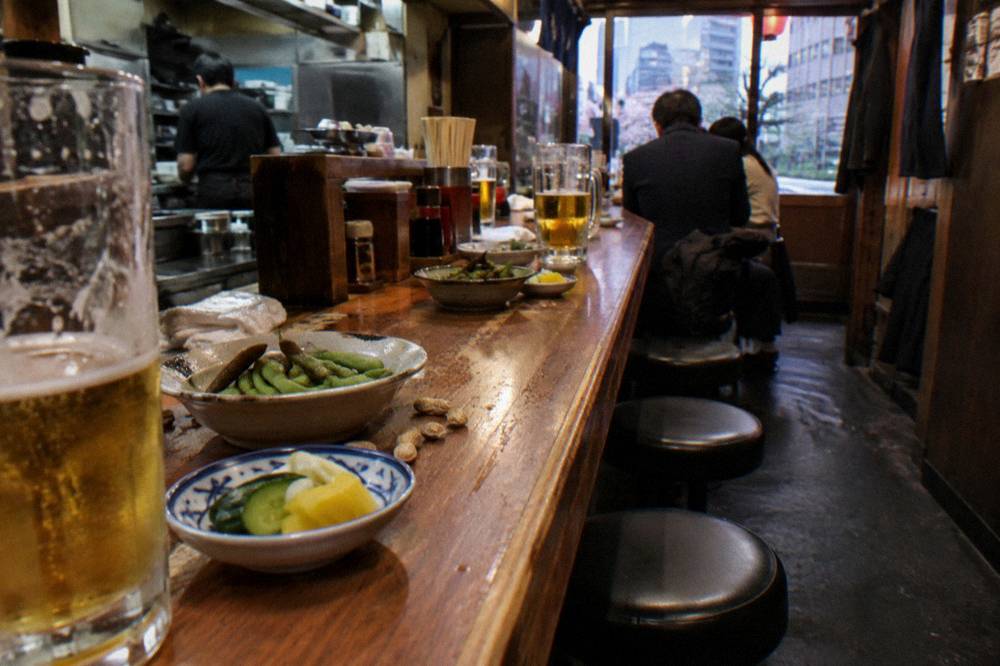
The mid-range is where value concentrates. The After 5 small-group walk at from $72.47, the Shinjuku 15-dishes tour at from $76.10, and the izakaya cultural tour at from $129 all include real food, and the difference between them is style rather than quality. At the top end, the premium Golden Gai food tour at from $217 and the private Shinjuku tour with unlimited sake, from $110.23 per person and pace, not for more calories.
| Tour | Format | Duration | Price basis | Reviews |
|---|---|---|---|---|
| Shinjuku local bar and izakaya crawl | Crawl, no meal | ~3 hours | from $36.15 per person | 4.9 across 2,911 |
| After 5 small-group food, drink and culture | Cultural walk | ~3 hours 30 minutes | from $72.47 per person | 4.5 across 775 |
| Shinjuku 15 dishes at 4 eateries | Dinner walk | ~3 hours | from $76.10 per person | 4.84 across 487 |
| Shinjuku bar hop, free-flow full dinner | Dinner bar hop | ~3 hours | from $109.35 per person | 4.9 across 4,086 |
| Old Town premium walk | Premium walk | ~3 hours 30 minutes | from $231 per person | 4.9 across 71 |
A useful budgeting habit: add a cash buffer of a few thousand yen for extra drinks at crawl-style stops, since cover charges and additional rounds are paid on the spot. Many independent counters still prefer cash, and some bars in the older alleys take nothing else.
What Time Do Tokyo Night Food Tours Start?
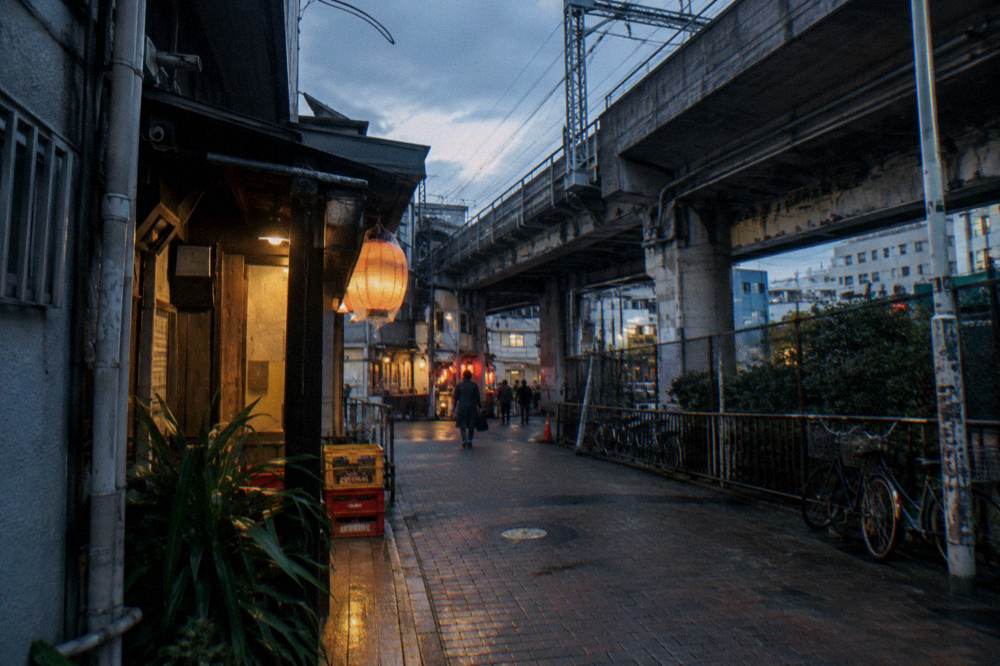
Check each listing for its exact start time., because that is when Omoide Yokocho's counters open, around 5 p.m., and when izakaya kitchens switch to the dinner rush. Golden Gai bars typically open later, around 8 p.m., which is why tours that finish there meet earlier and build up to the bar alleys at the end.
The sequencing logic is worth understanding because it explains almost every start time on the booking pages. A tour that begins at 5:30 p.m. in Omoide Yokocho catches the yakitori counters at their freshest and the lanes at their most walkable, then arrives in Golden Gai two to three hours later exactly as its bars hit their stride. The Shinjuku bar hopping tour with the Golden Gai finish follows this arc across its three hours. The timing is deliberate, not incidental. If you would rather build that same arc yourself, the neighborhood guide to Tokyo's best restaurants shows which counters to hit early and which to save for the late hours.
Later starts exist for late eaters. The 2-hour Golden Gai-focused crawl from $97.17, rated 4.8 across 180 reviews, skews later in the evening because its whole route lives inside bars that open around 8 p.m. Conversely, the evening options all begin in late afternoon or later, so travellers jet-lagged into an early waking pattern should plan a daytime tour from the Tsukiji Outer Market food tour guide for the morning and save the evening walk for night two or three.
| Time of evening | What is happening | Best-fit tour style |
|---|---|---|
| 5 to 6:30 p.m. | Yakitori counters open, dinner rush builds | Full-dinner walks meeting in Omoide Yokocho |
| 6:30 to 8 p.m. | Izakaya at peak, queues at famous counters | Cultural walks with mixed stops |
| 8 to 10 p.m. | Golden Gai bars open, alleys fill | Crawl-format tours ending in bar alleys |
| After 10 p.m. | Regulars' hour, many kitchens closing | Self-guided, or late bar-focused crawls |
Can You Do A Night Food Tour In Golden Gai Or Omoide Yokocho?
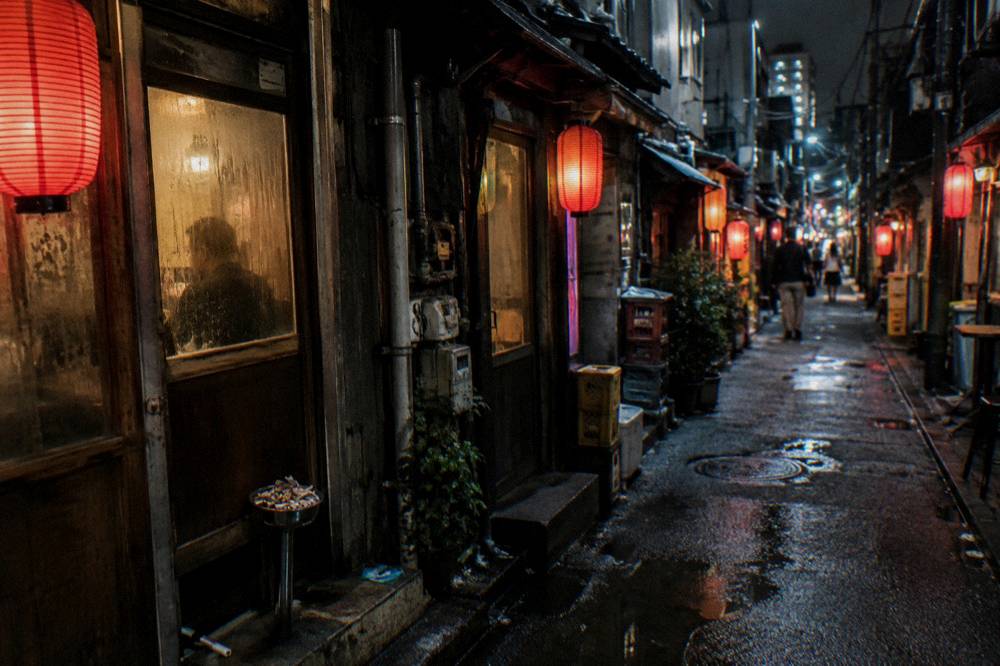
Yes, and several tours on this site are built entirely around one or both alleys. Omoide Yokocho, about 80 premises near Shinjuku Station's West Exit, is a food-first district of yakitori and motsuyaki counters, while Golden Gai is a drinking district of tiny bars, many seating fewer than ten people, where cover charges of 500 to 1,500 yen per person are standard.
The two alleys demand different behaviour, and good tours brief you on both. In Omoide Yokocho, the typical spend per person for skewers and drinks runs 2,000 to 3,000 yen, some counters are cash-only, and some add an otoshi seating charge of 300 to 500 yen that includes a small starter. In Golden Gai, the alleys are treated as private roads by the shopping-street association, photography and filming require permission, and inside each bar you ask before taking pictures. A guide handles all of this invisibly, which is half of what you are paying for. The official Omoide Yokocho site posts a visitor guide covering hours, payment customs, and charges.
Tour coverage differs by alley. The premium Shinjuku Golden Gai food tour from $217, rated 5 across 261 reviews, spends its three hours inside Golden Gai itself, while the Arigato Travel Golden Gai version from $167.41, rated 4.68 across 82 reviews, covers the same district at a lower price point. Omoide Yokocho is usually one stop on a longer Shinjuku walk rather than the whole route. Our dedicated Golden Gai bar hopping guide compares those options in detail.
One etiquette point that matters in both alleys: the standing rule. Eating while walking is discouraged in dense food lanes generally, and Tsukiji's official manners page asks visitors to eat inside the eatery or directly in front of the store. Tokyo's food lanes share this logic, and a guide who moves you from counter to counter keeps you on the right side of it.
| Alley | Character | Typical costs | Tour coverage |
|---|---|---|---|
| Omoide Yokocho | Yakitori and motsuyaki counters, ~60 bars and restaurants | 2,000 to 3,000 yen per person, some counters cash-only | Usually one stop on a Shinjuku walk |
| Golden Gai | Tiny bars, many under ten seats | Cover charge 500 to 1,500 yen, cash common | Dedicated tours from $167.41 |
What Should You Know About Izakaya Customs On An Evening Tour?
Three customs cover most situations: tipping is not expected anywhere in Tokyo restaurants, many izakaya add an otoshi seating charge that brings a small unordered appetizer and is not a tip, and indoor smoking is only permitted in designated rooms under Tokyo's ordinance. Chopstick etiquette matters too, mainly avoiding standing them upright in rice or passing food between pairs.
Tipping first, because it generates the most anxiety. The Japan National Tourism Organization states plainly that tipping is not common for services in bars, cafes, restaurants, taxis and hotels. Staff may chase you down to return money left by mistake. Any extra charge on your izakaya bill is either the otoshi seating charge or, at upscale venues, a fixed service charge that is part of the stated price, never an optional gratuity.
The otoshi deserves a sentence of explanation because it looks like a scam to visitors who have never met it. It is a per-person table charge, typically a few hundred yen in a casual izakaya, that arrives with a small dish you did not order. It is on the menu of customs as standard practice, not an upsell, and tour guides usually flag it before the first stop so the bill holds no surprises.
Allergies are the one item to handle before the evening, not during it. Restaurant dishes in Japan generally do not carry allergen labels, the government's nine-item labelling list covering egg, milk, wheat, shrimp, crab, walnut, peanut, buckwheat and cashew applies to packaged food, so the reliable move is messaging the operator through the booking page before you reserve. Our what to expect on a Tokyo food tour guide walks through the rest of the on-the-night mechanics.
Do You Need To Book A Night Food Tour In Advance?
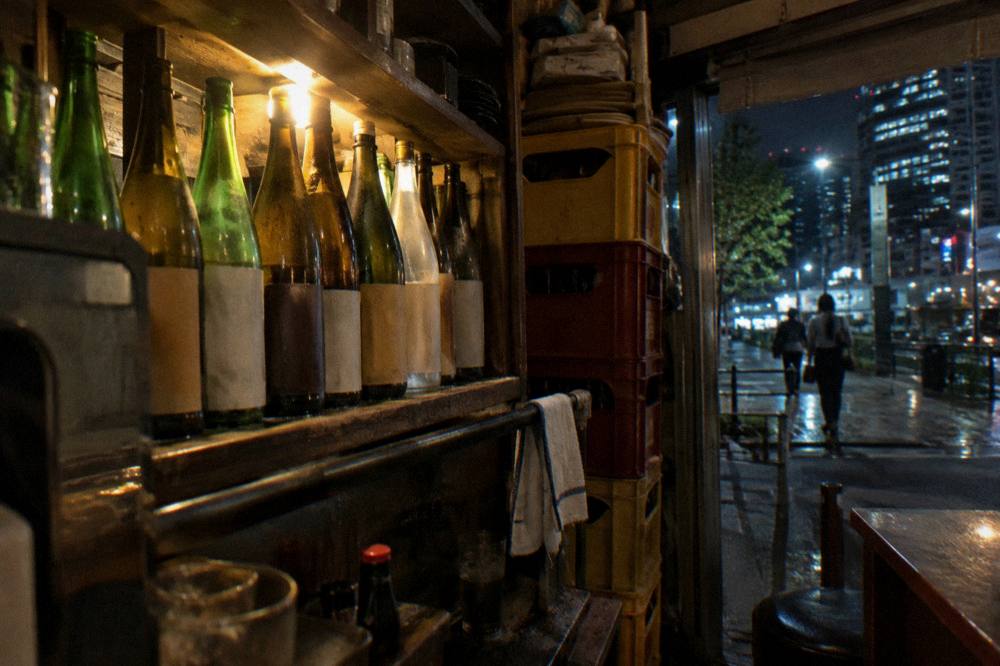
For the most reviewed evening tours, yes, booking a few days ahead is the safe play, because small-group formats cap numbers and popular departures fill first. Smaller-review-pool tours can sometimes take a same-day booking, but evening capacity in eight-seat izakaya is physically limited in a way daytime street walks are not.
The capacity math is unforgiving at night. A daytime street food walk can flex a group through open-air lanes, but an izakaya crawl books counters, and a counter that seats ten cannot seat fifteen. Evening izakaya tours commonly cap groups at six to ten travellers., and the premium evening walks run smaller still. The Shinjuku bar hop with 4,086 reviews and the Shibuya award-winner with 1,107 are the two most likely to be full on a Friday or Saturday. If those snug counters appeal to you, the guide to eating where Anthony Bourdain did in Tokyo maps the late-night lanes and counter stools he made famous, and how to eat the same way now.
Same-day booking is not hopeless, though. The private options, like the private Shinjuku tour with unlimited sake from $110.23, depend on one guide's calendar rather than a fixed group, so a same-day message through the booking page occasionally lands. And if every evening tour is full, the self-guided fallback is genuinely good: our where to eat in Shinjuku and cheap eats in Tokyo guides let you build your own crawl, though you will manage cover charges, cash-only counters, and ordering yourself.
Cancellation terms are the other reason to book early rather than late. Most small-group walks on this site offer free cancellation up to a stated cutoff, which lets you lock a weekend slot and adjust when your plans firm up. Check the exact cutoff on the booking page before you reserve, since it varies by operator, and never assume it transfers from one tour to another.
Cancellation policy is not the only timing detail worth a minute. Meeting points cluster at station exits, the After 5 tour and most Shinjuku walks gather within a short walk of the station, and trains in Tokyo run late but not all night on every line. Confirm your last train or plan a taxi before the final bar, a detail guides mention but which is easier to arrange while sober.
The Kichijoji crawl from $104.62, rated 5 across 38 reviews, is a good example of a mid-pool tour that books up on weekends but can absorb a Tuesday booking closer to the date. It runs about three hours through a neighbourhood that most visitors never reach, which is exactly the point: evening tours are the category where the road less toured still exists, one alley west of the crowds.
Which Evening Tour Should You Pick?
Pick the After 5 small-group walk at from $72.47 if you want context and variety in one evening, the Shinjuku bar hop at from $109.35 if you want a full dinner with free-flow drinks and a Golden Gai finish, and the Shibuya award-winner at from $38.87 if you want a well-reviewed guided night out and are happy to buy your own food.
The premium tier earns its price for specific travellers, not everyone. The premium Golden Gai food tour at from $217, rated 5 across 261 reviews, buys you small-group access inside bars that turn individuals away, and the private Sangenjaya tour at from $289.25, rated 5 across 148 reviews, buys four hours and a guide to yourself. If none of that sounds like your evening, the mid-range walks will serve you just as well for less money.
One format worth flagging for the drink-curious: the Shinjuku sake masterclass, rated 5 across 414 reviews, is not a crawl at all but a seated tasting of eight or more sake varieties with a professional over two hours. Some travellers pair it with a light dinner beforehand and treat it as their evening, which works well in a district where a full crawl starts to feel repetitive on a longer trip. There is more on that world in our Tokyo sake tasting guide.
However you book, the same evening logic applies: reserve ahead for weekends, carry some cash for cover charges, tell the operator about allergies in advance, and meet your guide near the station exit they name. The city handles the rest, one lantern at a time.
Common Questions About Tokyo Night Food Tours
What Does A Tokyo Night Food Tour Include?
Most include three to four food stops with at least one drink stop over roughly three hours with a guide. Dinner-format tours include a full meal, while crawl formats include guiding and bar access only, with food bought at the stops. Check the inclusions line on the booking page before reserving.
How Much Does A Night Food Tour In Tokyo Cost?
Between $36.15 per person for a no-meal crawl and $289.25 for a private four-hour backstreets tour. The mid-market sits between the After 5 walk at $72.47 and the izakaya cultural tour at $129, where most small-group walks with food and some drinks are found.
Which District Is Best For An Evening Food Tour In Tokyo?
Shinjuku, for the density of Omoide Yokocho and Golden Gai in one walkable area. Shibuya is the livelier alternative, and Kichijoji or Sangenjaya suit repeat visitors who want local backstreets.
What Time Do Evening Food Tours In Tokyo Start?
Most meet between 5 p.m. and 6:30 p.m., when the yakitori counters open around 5 p.m. and the dinner rush builds. Tours finishing in Golden Gai meet earlier because those bars typically open around 8 p.m.
Do You Tip On A Tokyo Night Food Tour?
No. Tipping is not customary in Tokyo restaurants, bars and taxis, and staff may return money left by mistake. Charges on your bill are either the otoshi seating charge or a stated service charge, not an optional gratuity.
Should You Book A Tokyo Evening Tour In Advance?
Yes, a few days ahead for the most reviewed tours, especially on weekends. Evening capacity is limited by the size of the counters themselves, and small groups fill first. Check the free-cancellation cutoff on the booking page when you reserve.