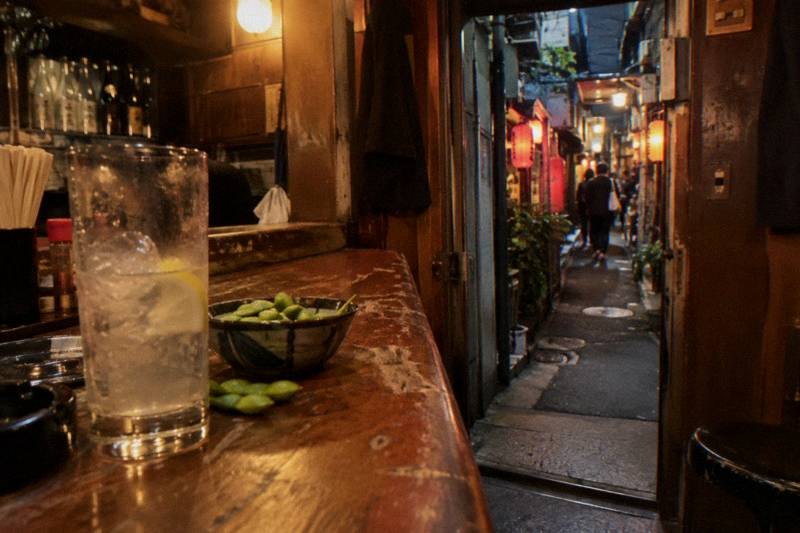
Where Did Anthony Bourdain Eat In Tokyo?
The Tokyo districts, counter seats and late-night lanes Anthony Bourdain made famous, and how to eat the same way today, with current prices for tours that mirror his style.
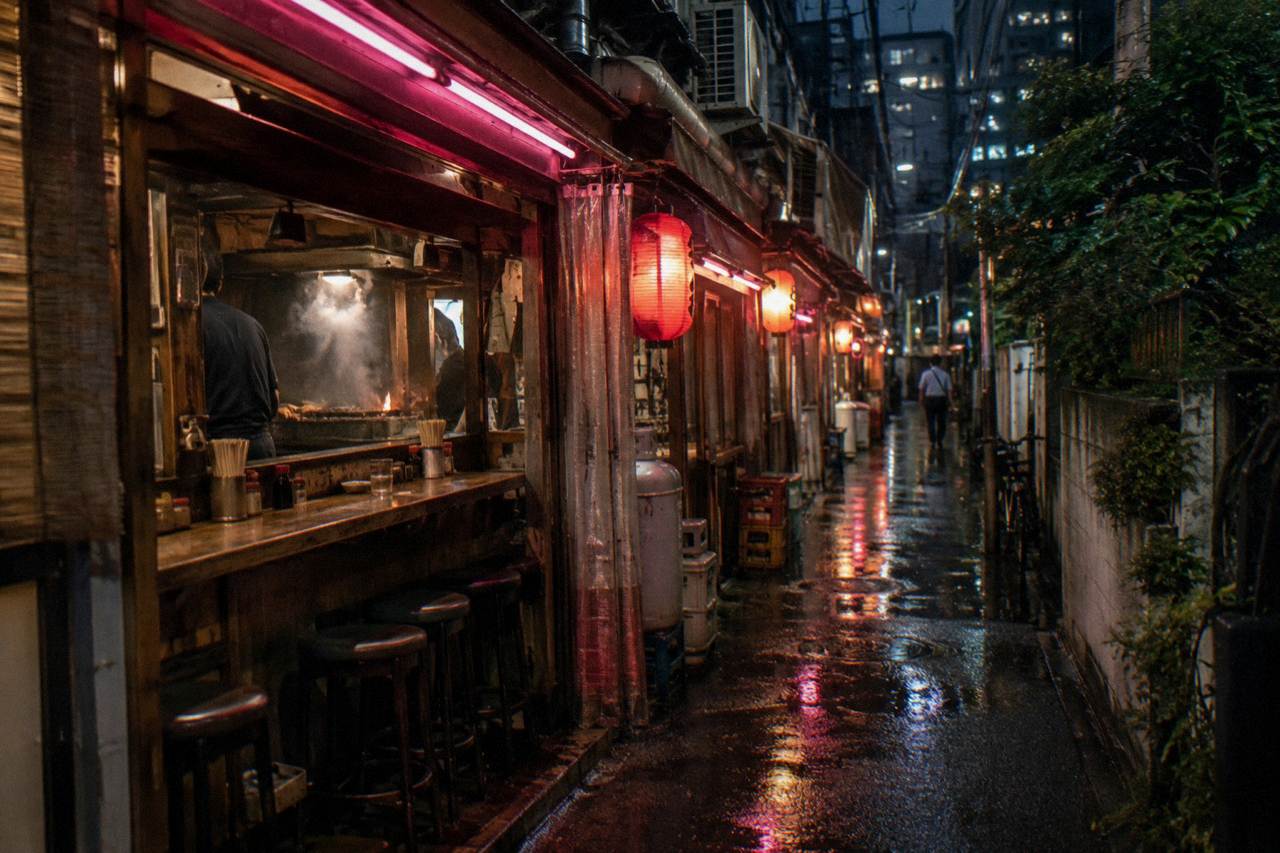
Anthony Bourdain ate across a handful of Tokyo districts: yakitori and motsuyaki counters near Shinjuku's west exit at Omoide Yokocho, standing bars in Golden Gai, depachika food halls beneath department stores, old-school sushi counters, and smoky izakaya in Ebisu and Shinjuku. He favored cramped counter seats over formal dining rooms and late-night drinking streets over Michelin stars, and many of those same spots can still be visited today, some on a guided evening.
Bourdain visited Tokyo across multiple television series over roughly fifteen years, and the city functioned as his recurring reset button, the place he returned to when a season needed to remember what eating well actually looked like. His on-screen Tokyo was never the tourist version. It was noodle counters at midnight, a bowl of ramen eaten standing up, a sushi master working in near silence, and an izakaya crammed with salarymen pouring beer for each other.
No confirmed public list of his exact Tokyo restaurant stops exists, so treat any 'Bourdain route' you find online as guesswork., so this article does not pretend to print one. What can be stated with confidence is the shape of his taste, because he described it on camera repeatedly: he wanted the version of Tokyo where working people eat after the last train stops being an option.
That shape is remarkably easy to reconstruct today, and the districts that produced it are more accessible to visitors now than they were when he first filmed there. If your instinct after watching those episodes is to find "the Bourdain places", the honest answer is that the places matter less than the format. Sit at a counter. Order what the person beside you ordered. Stay for one more drink than planned.
The cheapest of the Shinjuku bar crawls, the Local Bar & Izakaya Crawl from $36.15 per person., costs from $36.15 per person and runs about three hours, rated 4.9 across 2,911 reviews, with no meal included so you eat as you go. It is the closest structural match to a Bourdain night out: multiple tiny venues, a guide who knows the regulars, and the freedom to keep eating afterward.
Which Tokyo Districts Did Bourdain Keep Returning To?
Four districts dominated his Tokyo segments: Shinjuku's west-exit drinking lanes, especially Omoide Yokocho and Golden Gai; the old market culture around Tsukiji; the sushi counters of quieter neighborhoods rather than showpiece Ginza; and the izakaya strips of districts like Ebisu and Shinjuku's back blocks. He also ate at far more Tokyo spots than any list can capture., the basement food halls of department stores, which he treated as a legitimate culinary institution rather than a convenience.
Omoide Yokocho is the most literal starting point. This post-war bar district sits a few minutes from Shinjuku Station's west exit, about 80 premises including roughly 60 bars and restaurants packed into around 2,000 square metres, most of them yakitori and motsuyaki counters, according to the district's official site. That density is exactly the texture Bourdain's cameras kept finding: smoke, charcoal, six seats, and a grill that has been running for generations.
Practical details matter here. Many Omoide Yokocho counters open from around 5 p.m. until midnight or later, though each shop sets its own hours and the lane itself is always walkable. Many counters are cash-only, or prefer cash for small tabs. Some add an otoshi seat charge of roughly 300 to 500 yen, which arrives as a small unordered starter; it is a table charge, not a tip, and it appears on the bill. A typical evening of skewers and drinks runs about 2,000 to 3,000 yen per person.
Golden Gai sits a short walk away, and it is the other half of the Bourdain Shinjuku evening. Its bars typically open around 8 p.m., with individual closing times ranging between 2 a.m. and 5 a.m., and cover charges of roughly 500 to 1,500 yen per person are common, often including a snack. One caution for visitors heading into the market lanes: the alleys are treated as private roads, and photography and filming require permission, as current reporting on the district notes. Bourdain's crew negotiated that access; a solo visitor should not assume it.
Tsukiji belongs on this list even though the wholesale market moved to Toyosu, because the Outer Market's eat-in-front-of-the-shop culture is what his market segments were actually about. The official site is explicit that eating must happen inside the eatery or in front of the store, never while walking, and that professional buyers have priority until 9 a.m. Those rules are not bureaucracy; they are the etiquette of a working market, the exact thing Bourdain spent segments explaining.
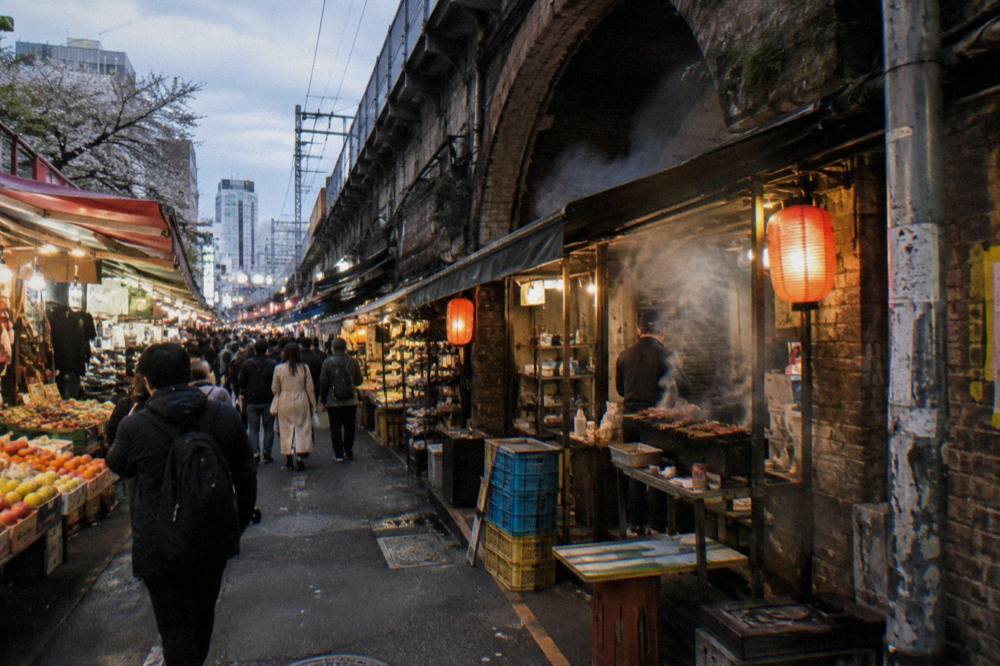
If a Bourdain-style evening appeals but the planning does not, the Shibuya bar hopping tour below handles it. the door charges, the cash-only counters and the language in one booking.
What Did A Bourdain Tokyo Night Actually Look Like?
A typical Bourdain night in Tokyo ran three or four moves: a first izakaya for beer and small plates, a counter spot for yakitori or grilled skewers, a standing bar in Golden Gai for whisky or highballs, and a final bowl of ramen before the first train. He treated the crawl itself, not any single venue, as the meal. Replicating that structure matters more than replicating any address, and the format survives intact across Shinjuku today.
The izakaya is the spine of that night. The word describes a casual drinking establishment that also serves food, and understanding it unlocks most of Bourdain's Tokyo. If the concept is new to you, the companion piece what izakaya means in Japanese breaks down the term and the customs, from otoshi charges to pouring beer for your neighbour rather than yourself.
The economics have shifted since his first visits but not beyond recognition. Yakitori skewers at casual Tokyo counters commonly run 150 to 400 yen each, per the live booking pages, so a serious skewer dinner with drinks still lands in a modest range. Ramen at the end of the night is cheaper still: the national average price of a basic shoyu bowl was 750 yen as of September 2026 in the official retail survey, and a survey of 81 shops in Tokyo's Takadanobaba-Waseda area found an average of 993 yen for a basic bowl, with the cheapest at 600 yen.
Two practical rules from the Bourdain playbook still pay off. First, cash: many independent bars and ramen shops prefer it or require it, particularly in Golden Gai, so do not assume cards work everywhere. Second, no tipping: it is not customary in Japanese restaurants, bars or taxis, and staff may chase you down to return money left on the table. Pay the bill exactly as printed. At upscale venues a fixed service charge of 10 to 15 percent may appear on the bill, but that is part of the stated price, not a gratuity.
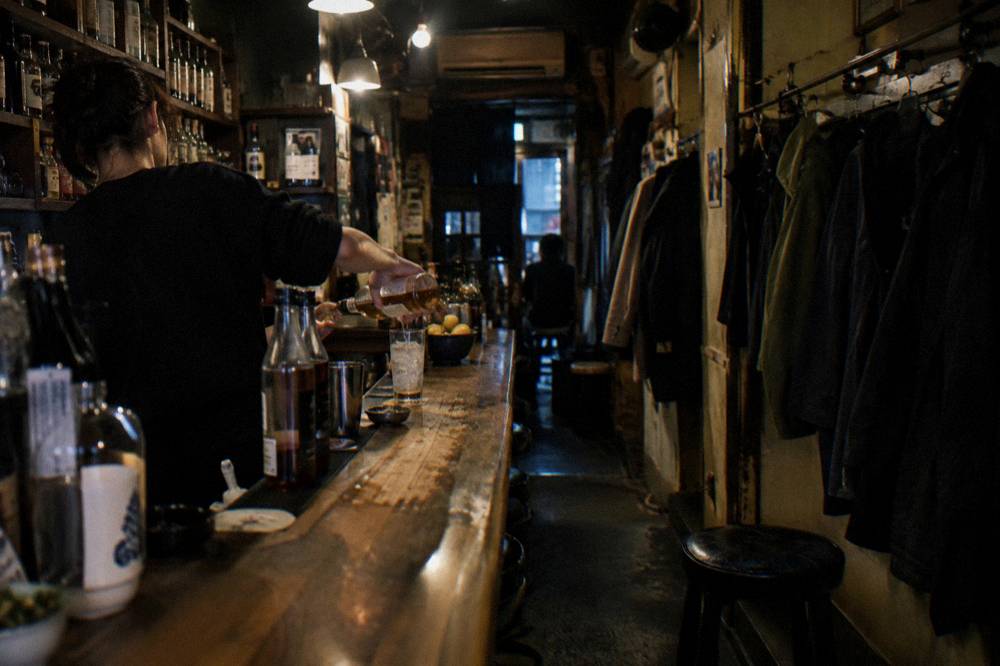
A structured way to run this exact format is a bar-hopping tour. The Shinjuku Local Bar and Izakaya Crawl, from $36.15 per person and about three hours, rated 4.9 across 2,911 reviews, deliberately leaves dinner out so the evening becomes a sequence of small stops, which is the Bourdain structure by design.
Can You Still Eat Sushi And Ramen The Way Bourdain Showed Them?
Yes, and often more cheaply than he suggested. Standing sushi bars near Tsukiji still sell individual nigiri from around 90 to 500 yen a piece, conveyor-belt chains run plates from 110 to 150 yen with typical meals totaling 1,500 to 3,000 yen, and the national average for a restaurant serving of nigiri was 1,592 yen as of September 2026. The counter-sushi experience he filmed was never reserved for big spenders.
Bourdain's sushi segments in Tokyo made two quiet points that price data now supports. One, the best-value sushi in the city is often eaten standing, at a counter, in minutes. Two, the reverence is in the craft, not the bill. Standing bars near the old market district embody both, and current checks put individual pieces in the 90 to 500 yen band, a range wide enough that a few pieces of tuna and uni can cost less than an airport sandwich back home.
Ramen has moved the other direction, toward prestige. The Michelin Guide's Tokyo 2026 edition awarded Bib Gourmand status to 16 new restaurants, including multiple ramen shops, a signal that the bowl Bourdain ate standing at midnight is now also an internationally decorated category. None of that has pushed the basic price past what a salaryman pays after the last train: the Takadanobaba-Waseda survey average of 993 yen is a fair planning figure for central Tokyo.
What this means practically is that the two foods most associated with his Tokyo episodes remain the cheapest substantial meals in the city. The table below sets out current planning figures.
| Food | Typical current price | Where the figure comes from |
|---|---|---|
| Basic shoyu ramen bowl | 750 yen national average; 993 yen Tokyo-area survey average | Official retail price survey, September 2026; 81-shop Tokyo survey |
| Nigiri sushi, per serving | 1,592 yen national average | Official retail price survey, September 2026 |
| Standing sushi, per piece | 90 to 500 yen | Standing bars near Tsukiji, current checks |
| Conveyor-belt sushi meal | 1,500 to 3,000 yen total; plates from 110 to 150 yen | Tokyo chain pricing, current checks |
| Yakitori skewer | 150 to 400 yen each | Casual Tokyo counters, current checks |
One habit worth importing from his sushi segments: eat immediately, in the order the chef serves, and skip the extra soy sauce. In nearly every shot of him at a Tokyo counter, the chef's seasoning was the final one.
For visitors who want the market side of this world rather than the midnight side, a guided walk through Tsukiji's Outer Market includes five tastings over about three hours from $97.17 per person, rated 4.9 across 3,868 reviews, and covers five tastings among the seafood stalls and snack stands of the famous outer market.
How Close Can A Guided Tour Get To That Kind Of Night?
Reasonably close, because the best Tokyo food tours are built on the same logic Bourdain followed: a local guide who knows which unmarked door to open, a route of several small stops, and the social permission a first-time visitor lacks on their own. No tour can promise the spontaneity of a night that runs past 2 a.m., and honest operators do not claim to, but structure is what a newcomer actually needs on night one in Shinjuku.
Consider what a good crawl solves. In Golden Gai some bars are regulars-only and posted cover charges vary from door to door, so a guide removes the guesswork. In Omoide Yokocho the cash-only counters and otoshi charges can surprise anyone used to card payments and itemized bills. And across both districts, an English-speaking guide turns a series of transactions into an actual evening, which is precisely the gap between watching the episode and living something like it.
The current options that fit this brief span a wide price range, and the differences are mostly about what is included.
| Tour | Format | Duration | Price | Rating |
|---|---|---|---|---|
| Shinjuku Local Bar and Izakaya Crawl | Bar crawl, no meal included | ~3 hours | From $36.15 per person | 4.9 across 2,911 reviews |
| Shinjuku Local Eateries Walk | Guided eatery walk | ~3 hours | From $84.21 per person | 4.9 across 10,498 reviews |
| Tsukiji Market, 5 Tastings | Market walk with tastings | ~3 hours | From $97.17 per person | 4.9 across 3,868 reviews |
| Golden Gai Crawl, 2 Hours | Short bar crawl | ~2 hours | From $97.17 per person | 4.8 across 180 reviews |
The Shinjuku Local Eateries Walk, from $84.21 per person for about three hours and rated 4.9 across 10,498 reviews, is the most-reviewed food experience in this comparison, and its format, multiple small local eateries in one guided route, mirrors the crawl structure Bourdain preferred. More depth on that district is in the Shinjuku food tour guide, which breaks down the neighbourhood stop by stop.
A second option pushes further off the obvious route. The Kichijoji backstreet crawl runs about three hours from $104.62 per person, rated a perfect 5 across 38 reviews, and takes the izakaya format into a residential west-side neighbourhood that most first-time visitors never reach. That is arguably the most Bourdain choice on the board, because his Tokyo episodes consistently valued the neighborhood where people live over the district built for visitors.
For an evening that adds a full meal to the crawl format, the Shinjuku walk with 15 dishes at four local eateries runs about three hours from $76.10 per person, rated 4.84 across 487 reviews, and includes three drinks alongside the dishes.
What Etiquette Did Bourdain Keep Getting Right?
He followed the local rules without announcing them: no tipping anywhere, cash ready at small counters, shoes and chopsticks handled correctly, and dishes eaten as served rather than customized. Modern Tokyo has added formal versions of some of these rules, including a nine-item allergen labelling list on packaged foods and strict indoor smoking restrictions, so a visitor copying his manner today would still be operating inside current law and custom.
The small customs matter more than visitors expect. Never leave chopsticks standing upright in a bowl of rice, and never pass food directly from one pair of chopsticks to another, because both practices are associated with funeral rituals. Reservations are recommended and sometimes required at popular venues, and no-shows can carry fees, so notify the house if plans change. Many casual spots operate first-come, first-served, which is why the counter crawl works so well in Tokyo.
Two regulatory points are worth knowing before you go. Japan's allergen labelling for packaged processed foods now covers nine specified items, with cashew nuts added to the list on 1 April 2026, but restaurant dishes generally carry no such labelling, so allergy-sensitive visitors should tell the tour operator before booking rather than relying on menus. And dining in attracts 10 percent consumption tax while takeaway food is taxed at 8 percent, a distinction the National Tax Agency spells out; from April 2027 the food and drink rate is due to be lowered for two years, though no new figure should be assumed until it is official.
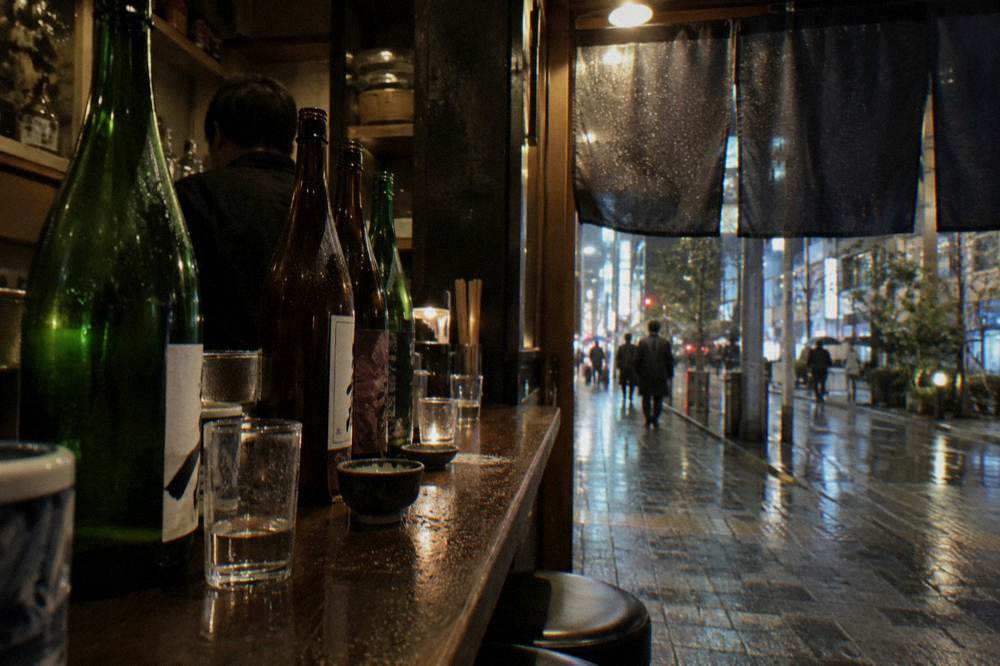
Bourdain's deeper lesson was attitudinal, not logistical. He ate what he was given, at the pace of the room, with visible interest in whoever was cooking. Tokyo rewards that posture more than almost any city on earth, and no tour booking is required to practice it, though a guide does accelerate the part where a stranger finds the right door.
The question of where locals, rather than film crews, actually eat has its own answer, and it overlaps heavily with this one: the places locals go to eat in Tokyo run through the same counter culture and back lanes. For a broader primer on this site's approach to the city, Tokyo Food Tours covers every district and format in depth.
Whatever you book, book it for the format rather than the promise. A crawl of small counters, cash in your pocket, one more stop than you planned: that is the Bourdain method, and it still works.
Common Questions About Anthony Bourdain In Tokyo
Where Did Anthony Bourdain Eat In Tokyo?
His Tokyo filming concentrated on Shinjuku's drinking districts, Omoide Yokocho and Golden Gai, along with old market culture at Tsukiji, neighborhood sushi counters and smoky izakaya in districts like Ebisu. He favored cramped counter seats and late-night formats over formal dining rooms, so the district and the format, rather than any single address, define the answer.
Is Omoide Yokocho Still Worth Visiting?
Yes. About 60 bars and restaurants still operate in the lane near Shinjuku's west exit, most opening from around 5 p.m. until midnight or later. Bring cash, expect a small otoshi seat charge at some counters, and budget roughly 2,000 to 3,000 yen per person for skewers and drinks.
Can Tourists Get Into Golden Gai Bars?
Many bars welcome tourists, with English signs, menus and posted cover charges of roughly 500 to 1,500 yen, though some remain regulars-only. Bars typically open around 8 p.m. and cash is still common, so do not assume cards are accepted.
Did Bourdain Eat At Michelin-Starred Restaurants In Tokyo?
His Tokyo segments overwhelmingly favored cheap counters, standing sushi bars, ramen shops and izakaya over starred venues. The current price data supports that instinct: standing sushi near Tsukiji runs from about 90 to 500 yen a piece, and a basic ramen bowl averaged 993 yen in a recent 81-shop Tokyo survey.
What Tour Is Closest To A Bourdain-Style Night?
The Shinjuku Local Bar and Izakaya Crawl, from $36.15 per person for about three hours and rated 4.9 across 2,911 reviews, matches his format best: several small bars, no formal dinner, and a guide who knows the doors. For a full meal on the same structure, the Shinjuku walk with 15 dishes at four eateries runs from $76.10 per person.