What Does Izakaya Mean In Japanese?
Izakaya defined: what the word means, how the format works, what otoshi is, what an evening costs in Tokyo, and how guided izakaya tours compare.
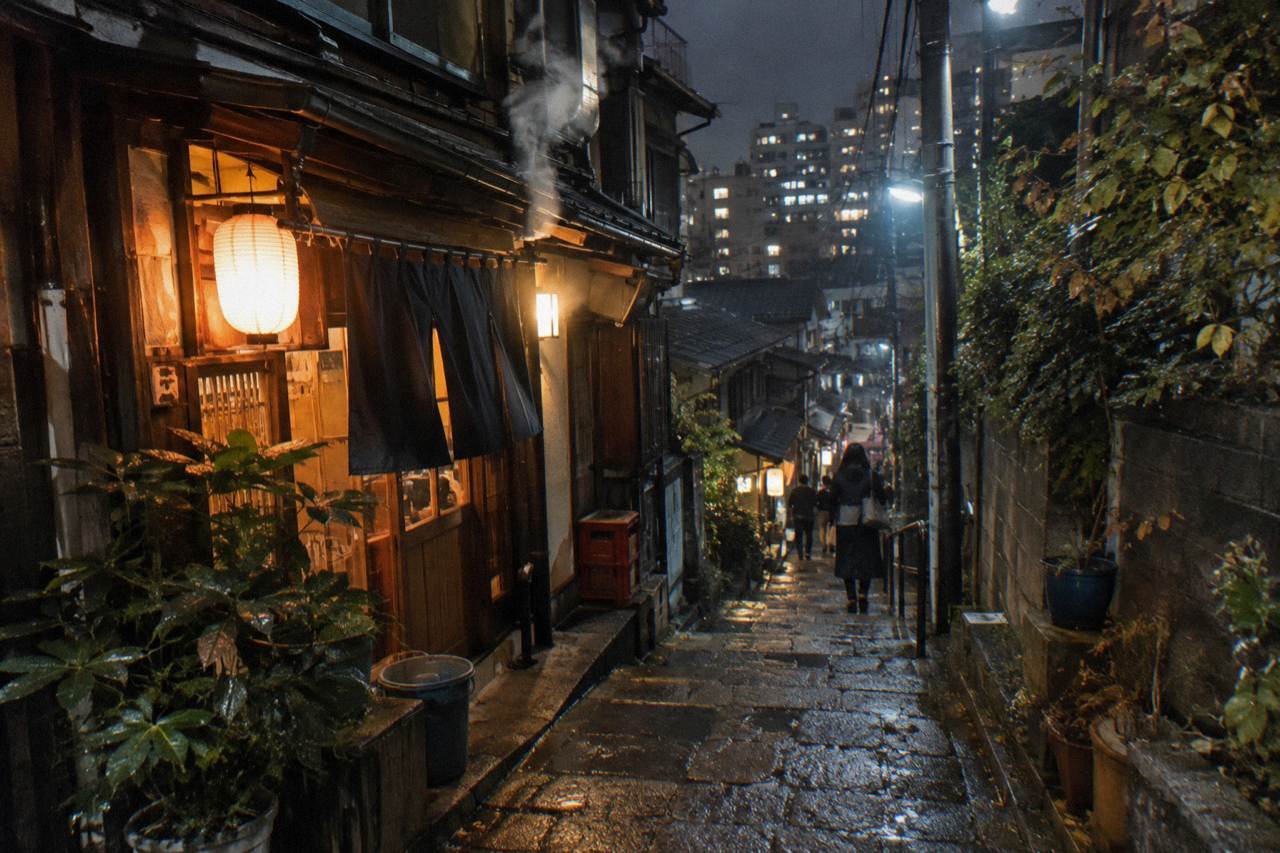
The word izakaya is written with three characters that mean, roughly, "stay, drink, shop." It names a Japanese gastropub: a place where you settle onto a stool or a tatami floor cushion, order drinks, and let small plates arrive over the course of an evening. That is the short answer. The longer answer touches sake history, seating charges, a cover dish called otoshi, and a set of unwritten rules that a first-time visitor can learn in one night. And when the evening winds down, this guide to asking for the check at a Japanese restaurant walks you through the phrases and hand signals that settle the bill without a hitch.
Izakaya (居酒屋) combines the character for "to stay" with the characters for "sake" and "shop," so the literal sense is a sake shop where you remained to drink on the premises. From that origin comes the modern format: a casual drinking-focused eatery where food arrives as small, shareable plates ordered across the whole evening rather than one set meal, and where lingering is the entire point of going.
The origin story matters for understanding why the format feels the way it does. In the Edo period, sake shops began setting out stools and casks so customers who bought a drink could consume it on the spot instead of carrying it home. The verb for staying, iru, fused with sake and ya, the shop suffix, and a new category of venue was born. That heritage survives in everything from the barrel motifs on shop curtains to the habit of ordering one dish at a time as the evening unfolds.
The nearest Western analogue is the tapas bar or the gastropub, though both comparisons eventually break down. An izakaya is not primarily a restaurant that happens to serve alcohol, and it is not a bar that happens to serve snacks. It sits deliberately between the two, and Japanese has other words for the venues on either side of it: a nomiya is a drinking spot with little food, while a shokudo is an eatery with little drinking. The izakaya is the venue where the drinks and the dishes are meant to carry equal weight.
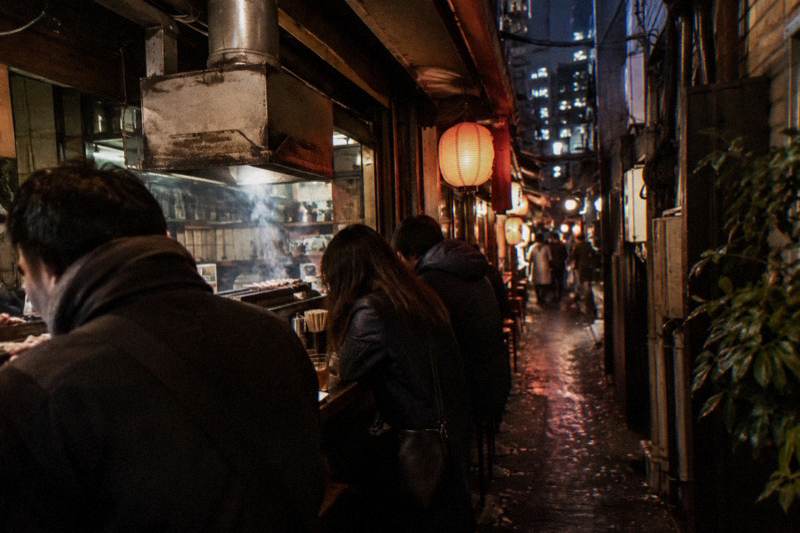
The format also scales across an enormous range. A counter with six seats wedged under railway arches is an izakaya, and so is a multi-floor chain with a picture menu and tablet ordering. The word tells you what to expect structurally, an evening of drinks and grazing plates, but almost nothing about price or formality. That range is one reason guided introductions are popular, and this site's pages on Tokyo izakaya tour options and Tokyo night food tour picks break the choice down district by district.
For a first evening, three options bracket the field well.
Each of those takes a different angle on the same question: how much structure do you want around your first izakaya night? The Budget Crawl, No Meal Included is the cheapest of the three, the free-flow tour includes a full dinner, and the Shibuya bar hop is the purest introduction to hopping between counters.
How Does An Izakaya Actually Work When You Sit Down?
You are usually seated, handed a wet towel called an oshibori, and asked for a drink order first; food comes after, ordered gradually, with dishes arriving as they are ready rather than as courses. Many izakaya also bring an unordered small appetizer at the start, which is not a mistake or a free gift but a seating charge, and the bill arrives at the end of the evening with that item already on it.
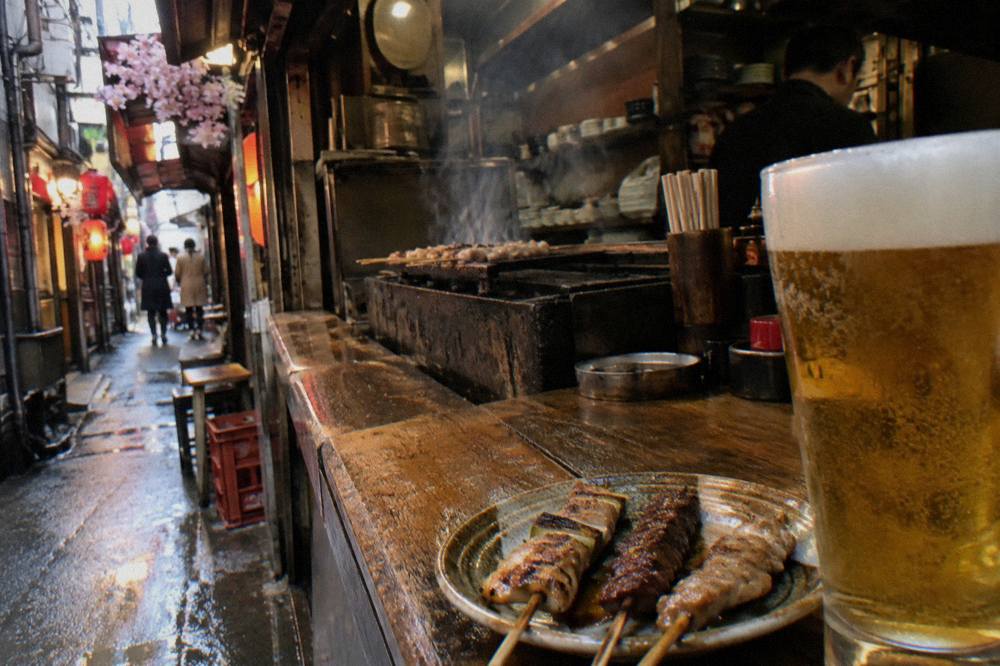
The drink-first rhythm is the single biggest adjustment for visitors used to ordering a full meal at the outset. Beer is the common opener, and draft beer in particular, because an izakaya evening conventionally starts with a toast. From there the order of the evening is deliberately loose: a few skewers, then a salad, then something grilled, then maybe a rice or noodle dish to finish if the night runs long. Nothing arrives together, and nothing is expected to.
Menus divide into familiar patterns once you know the vocabulary. Sashimi, yakitori and other kushiyaki skewers, agemono fried dishes, sunomono vinegared salads, and the closing starch dish, often onigiri, ramen or ochazuke, form the skeleton of most menus. Chains add pictures and English; independent counters sometimes have nothing on paper at all, and the day's dishes are written on a board or recited. In those rooms the phrases "osusume" and "omakase" carry you further than any menu.
Payment has its own local texture. Cash remains widely accepted and often preferred at many independent Tokyo eateries, and assuming a card will work at a small counter is a mistake worth avoiding. Upscale venues and hotels may add a fixed service charge of 10 to 15 percent, which is part of the stated price rather than a tip. Tipping itself is not customary in Japan; the Japan National Tourism Organization notes it is not common to tip in bars, cafes, restaurants, taxis and hotels, so the exact bill is the right amount to pay.
If the mechanics of ordering, cover charges and counter etiquette feel like a lot to absorb on night one in Tokyo, a guided crawl handles the translation side entirely. One option makes that introduction easy on the wallet:
The Budget Crawl, No Meal Included runs about 3 hours at from $36.15 per person and is rated 4.9 across 2,911 reviews, making it one of the most reviewed bar crawls listed here and a low-commitment way to see the inside of several Shinjuku counters with a guide handling the doors.
What Is Otoshi, The Dish You Did Not Order?
Otoshi, also called tsukidashi, is a small unordered appetizer that functions as a per-person seating or table charge at many izakaya, typically a few hundred yen and listed as a line on the bill. It is not a tip, not an error, and not optional: it is the standard cover system by which the house charges for the seat you occupy while drinking slowly.
The dish itself varies with the kitchen. It might be a small bowl of stewed vegetables, a bite of tofu, pickles, or a slice of tamagoyaki, and it usually appears within a minute or two of your drink order without anyone asking. Regulars treat it as the first snack of the evening, which is exactly the right instinct: eat it, expect it on the bill, and do not send it back. In famous drinking districts the charge is explicit and consistent. At Omoide Yokocho in Shinjuku, some counters add an otoshi of 300 to 500 yen that includes a small starter, and in Golden Gai a cover of 500 to 1,500 yen per person is common, often including a snack.
The system exists because an izakaya seat is a slowly monetizing asset. A counter with eight seats can only earn from those seats for the hours they are occupied, so the cover guarantees a floor on each guest's spend. Understanding this before you sit down removes the most common bad surprise of a first izakaya night, a bill line nobody explained, and it reframes the charge as the price of settling in rather than a tourist tax. The etiquette around it is simple: accept it, eat it, and fold it into your mental budget for the evening.
Izakaya Etiquette: What Should You Know Before Going?
The core rules are short: pour drinks for others rather than yourself, use the provided oshibori only for hands, never stick chopsticks upright in rice or pass food chopstick to chopstick, both associations with funeral rites, and keep voices low by Japanese standards. Beyond that, remove shoes where the floor is tatami, follow the shop's posted smoking policy, and let the evening run at its own pace.
A few of these deserve expansion because they are the ones visitors actually trip over. Chopstick etiquette carries real weight: the upright-in-rice gesture and the direct chopstick-to-chopstick pass both echo funeral practice, and they read far more alarmingly to staff than a misplaced "thank you" or a bow at the wrong depth. The pouring custom is warmer than it sounds. It is considered slightly awkward to fill your own glass first, so topping up a companion's drink and letting them return the favor is the ordinary rhythm of a shared table, and it works in your favor as a visitor because someone will keep your glass full all night.
Smoking is regulated rather than left to custom. Since April 2020 the amended Health Promotion Act and Tokyo's own ordinance have been in full effect: indoor smoking is allowed only in designated rooms, restaurants must display a sign at the entrance showing whether smoking is allowed, and under-20s may not enter smoking rooms, as the Tokyo Metropolitan Government's ordinance announcement sets out. In practice you will see the signage at the door, and rooms where eating is allowed include heated-tobacco-only setups and qualifying restaurants, so cigarette smoke is far less present than a decade ago.
Allergies and dietary limits need advance work rather than in-the-moment translation. Japan's mandatory allergen labelling covers packaged processed foods and nine specified items, with cashew nuts added to the list in April 2026 according to the Consumer Affairs Agency's allergen page, but restaurant dishes generally carry no such labels. That means an allergy is something to raise before you sit down, and on a guided evening, with the guide as your intermediary, it is something to message the operator about at booking rather than explain at the counter.
How Much Does An Izakaya Evening Cost?
At Omoide Yokocho in Shinjuku, typical spending runs 2,000 to 3,000 yen per person for skewers and drinks, plus a 300 to 500 yen otoshi at counters that charge one; at casual Tokyo counters yakitori skewers commonly run 150 to 400 yen each. A guided izakaya tour in Tokyo spans from $36.15 to $217 per person depending on inclusions, with the cheapest options covering guiding and entrances rather than a full meal.
The unguided floor is low. A solo evening in a mid-range izakaya, two drinks, four or five small plates and a finisher, lands close to the Omoide Yokocho range, and sit-down dining carries a 10 percent consumption tax while takeaway food is taxed at 8 percent, a split the National Tax Agency explains on its consumption tax page. The agency also flags a future change: for the two years from 1 April 2027 to 31 March 2029 the rate on food and drink sales is due to be lowered. No new rate needs booking decisions today, but it is the direction of travel.
| Cost item | Typical range | Notes |
|---|---|---|
| Omoide Yokocho evening, food and drinks | 2,000 to 3,000 yen per person | Official district guidance figure |
| Otoshi cover at Omoide Yokocho counters | 300 to 500 yen per person | Includes a small starter |
| Golden Gai bar cover | 500 to 1,500 yen per person | Often includes a snack; check the door |
| Yakitori skewer at a casual counter | 150 to 400 yen each | Prices vary by cut and shop |
| Consumption tax, dine-in vs takeaway | 10 percent vs 8 percent | Alcohol excluded from the reduced rate |
Guided evenings overlay a different structure on the same spend, because what you are buying is access plus translation plus a route through doors that are hard to open alone. Prices for izakaya nights run from $36.15 per person on the Shinjuku Local Bar & Izakaya Crawl, which deliberately excludes a meal, through mid-price cultural crawls, up to premium small-group evenings in the $129 to $217 range. The honest way to compare them is by what the price includes: drinks only, drinks plus snacks, or a full progressive dinner. Izakaya can be tricky to book, so The Tokyo Food List marks reservation difficulty, adds booking links, and suggests what to order once you sit down.
Omoide Yokocho And Golden Gai: Why Are These The Famous Izakaya Districts?
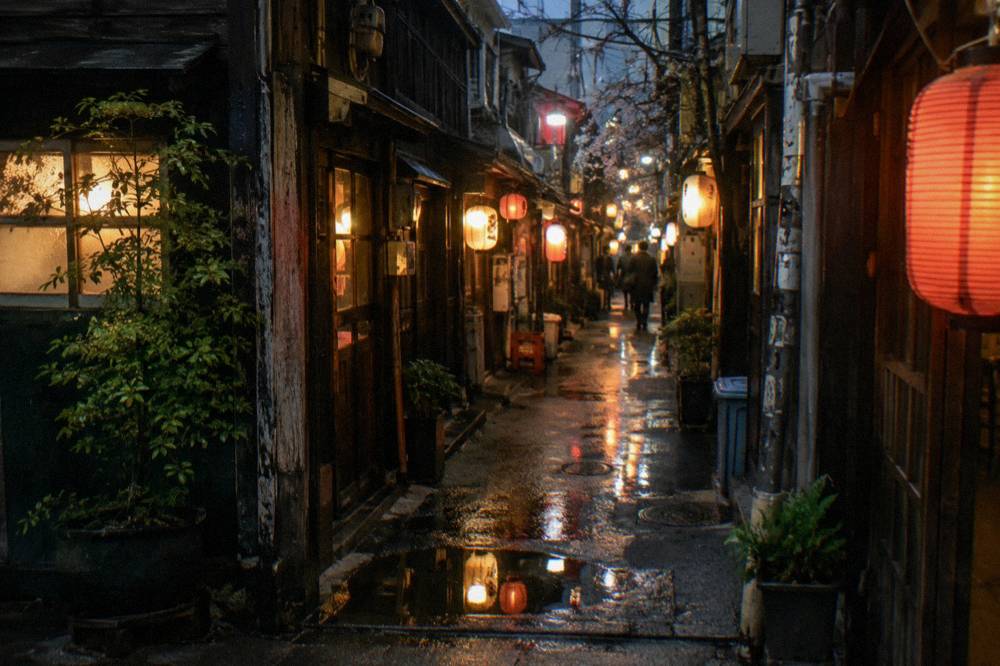
Omoide Yokocho is a post-war bar district near the west exit of Shinjuku Station packing about 80 premises, some 60 of them bars and restaurants, mostly yakitori and motsuyaki counters, into roughly 2,000 square metres, while Golden Gai is a nearby network of tiny bars known for themed rooms and cover charges. Both trade on intimacy: the rooms are small, the lanes are narrow, and the atmosphere depends on that closeness.
Omoide Yokocho's own official site describes the district's scale precisely, and the numbers explain the experience: dozens of counters, most seating a handful of guests, in a footprint smaller than a supermarket. Most yakitori and motsuyaki counters there open from around 5 p.m. until midnight or later, though hours vary by shop and no single schedule governs the lane. Many counters are cash-only or prefer cash for small tabs, which is worth knowing before the first round. Typical spend, as above, sits at 2,000 to 3,000 yen per person.
Golden Gai runs later and smaller. Its bars typically open around 8 p.m., with many starting between 7 and 9, and closing times spread between 2 a.m. and 5 a.m. with no alley-wide last call. The cover charges described earlier are standard practice there, and one further rule matters: the alleys are treated as private roads by the shopping-street association, so photography and filming in the lanes require permission, and inside a bar you ask the establishment first. Many bars welcome visitors, with English signs and posted covers at the door, while some remain regulars-only, a distinction you can usually read from the entrance itself.
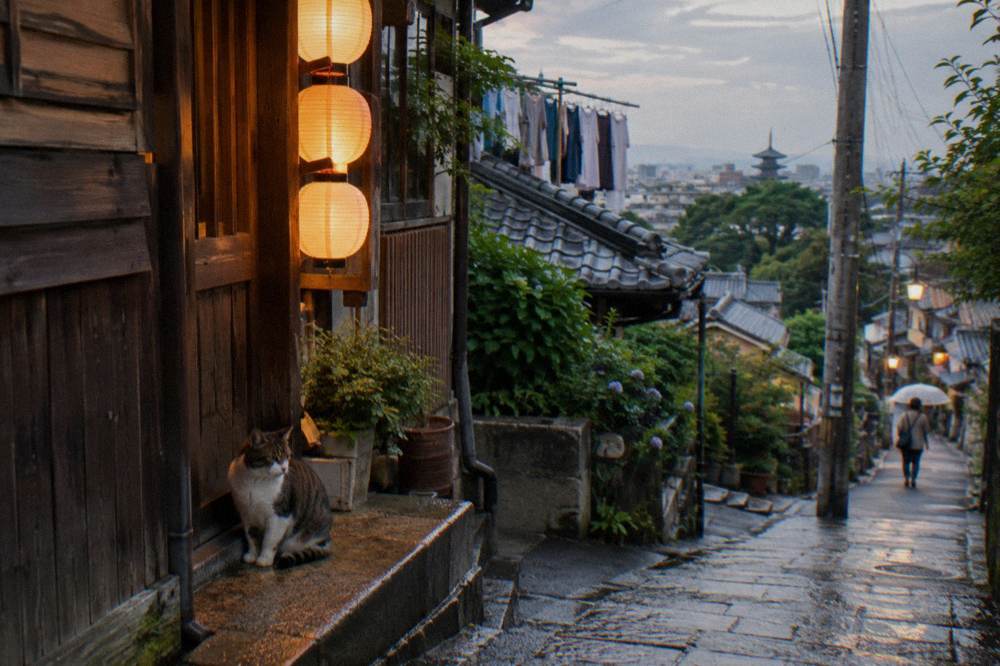
These districts are exactly where the meaning of izakaya is easiest to see. A counter seat in Omoide Yokocho, a cover dish in Golden Gai, a bill settled in cash: every piece of the word's history is still operating. For visitors, the barrier is rarely the food, it is finding the doors. That is the gap a crawl fills, and this site's publisher Tokyo Food Tours maintains a set of district pages covering where to eat on both sides of Shinjuku.
How Do Guided Izakaya Tours Compare?
Guided izakaya tours in Tokyo split into three clear tiers: budget crawls covering guiding and entrances from $36.15 to $38.87 per person, mid-price cultural walks with drinks and context from $109.35 to $129, and premium small-group evenings with more food from $167.41 to $289.25. Most run 2 to 3.5 hours, and price swings mainly reflect neighborhood, group size, and how much eating is included.
The tours make the comparison concrete. The Budget Crawl, No Meal Included is from $36.15 per person for roughly 3 hours, rated 4.9 across 2,911 reviews. The Izakaya Crawl with a cultural angle runs about 3 hours at from $129 per person, rated 4.94 across 256 reviews. Then comes the Award-Winning Shibuya Bar Hop: from $38.87 per person for about 3 hours 30 minutes, rated 5 across 1,107 reviews. Above them sit the premium tiers: a Golden Gai food tour at from $217 per person rated 5 across 261 reviews, a private Sangenjaya backstreets evening at from $289.25 per person rated 5 across 148 reviews, and a free-flow full dinner bar hop at from $109.35 per person rated 4.9 across 4,086 reviews.
| Short name | Duration | Rating and reviews | From price |
|---|---|---|---|
| Budget Crawl, No Meal Included | ~3 hours | 4.9 across 2,911 reviews | $36.15 per person |
| Izakaya Crawl, Cultural Angle | ~3 hours | 4.94 across 256 reviews | $129 per person |
| Award-Winning Shibuya Bar Hop | 3 hours 30 minutes | 5 across 1,107 reviews | from $38.87 per person |
| Bar Hop, Free Flow Full Dinner | ~3 hours | 4.9 across 4,086 reviews | $109.35 per person |
| Golden Gai Food Tour, Premium | ~3 hours | 5 across 261 reviews | $217 per person |
The cultural-angle option earns its price for a particular kind of traveler: someone who wants the word izakaya explained at the counter, not just the dishes ordered there. On an izakaya crawl, context is what a good guide adds: why a dish exists, how the district grew, what the menu categories mean. If you have already read this far, you may want that layer of detail on the ground as well, and the tour is worth a look through the operator's booking page.
The Shibuya alternative answers a different question. It moves the evening out of Shinjuku's lanes and into the bars around Shibuya, keeps the price near the budget tier at from $38.87 per person, and carries a 5 rating across 1,107 reviews. For a first night in Tokyo it is arguably the easiest entry point in the set: no meal pressure, a small group, and a route someone else has already negotiated.
Whichever shape suits, book with the evening in mind rather than the price alone. A 3 hour crawl starting at 6 p.m. ends mid-evening with the districts at their liveliest, which is either a perfect handoff to an unguided second half or a good reason to pick the longer premium walks. Check the booking page for each option's start times, meeting point and what the price includes before committing.
If the meaning of the word is now clear, the practical summary is this: an izakaya is a place built for staying, the otoshi on your bill is the price of the seat, and the districts famous for them are best entered with either a little vocabulary or a guide.
Common Questions About Izakaya
What Does Izakaya Mean In Japanese?
Izakaya combines the verbs for staying and drinking with the character for shop, so it literally means a sake shop where you remain to drink on the premises. Today it names a casual gastropub where drinks and small ordered-one-at-a-time plates carry equal weight across an evening.
What Is The Difference Between An Izakaya And A Restaurant?
A restaurant centers the meal; an izakaya centers the drinking, with food arriving as grazing plates over hours. You order drinks first, food gradually, and often a starchy finisher like rice or noodles late in the evening. The bill comes at the end, usually with a seating charge called otoshi included.
Do You Tip At An Izakaya?
No. Tipping is not customary in Japan for restaurants, bars, taxis or hotels, and staff may chase you to return money left behind. Pay the exact bill; where a service charge or cover appears, it is already part of the stated price rather than something you add.
Why Did I Get Food I Did Not Order?
That dish is otoshi or tsukidashi, the per-person seating charge common at many izakaya. It typically costs a few hundred yen, appears with your first drink, and shows as a line on the bill. Eat it and budget for it; it is standard practice, not a mistake.
Is An Izakaya Good For A First-Time Visitor To Tokyo?
Yes, and a guided crawl lowers the barrier further by handling door selection, ordering and translation. Budget options run from $36.15 to $38.87 per person and cover guiding without a meal, while cultural and premium walks include more food and context. Check the booking page for what each price includes.