What Is The Best Area To Stay In Tokyo For Tourists?
A district-by-district answer for food-minded travellers: Shinjuku, Shibuya, Asakusa, Ueno, Ginza and Tsukiji compared on transit, eating hours and budget.
The best area to stay in Tokyo for most tourists is Shinjuku: it sits on the JR Yamanote Line at station JY17, has the city's densest concentration of late-night eating lanes, and lets you reach Shibuya, Asakusa and Tsukiji each in well under half an hour. Travellers who prioritise old-town atmosphere over nightlife should base themselves in Asakusa instead, while those who want trend-driven dining and bar culture should choose Shibuya.
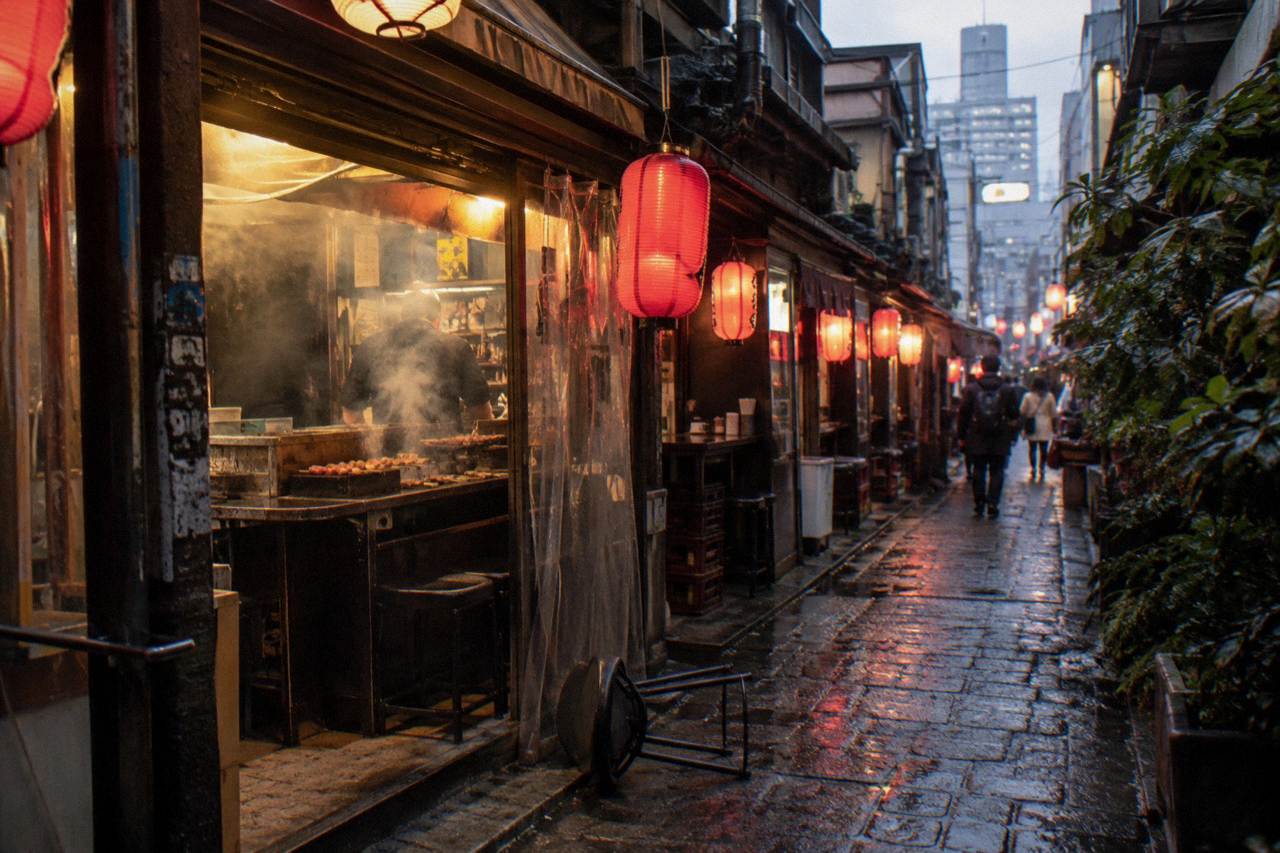
Tokyo is not one city centre but a ring of competing ones, and the district you sleep in shapes what you eat more than almost any other decision you make. Shinjuku, Shibuya and Asakusa each have their own food identity: Shinjuku is lantern alleys and izakaya rows, Shibuya is youthful, loud and dense with both budget bites and award-winning bars, and Asakusa is temple-adjacent old-town snacking that shuts down earlier than the other two. Ueno, Ginza and Tsukiji round out the picture for travellers with specific appetites, whether that means market-street bargains, polished dining or early-morning seafood. For a closer look at what to order once you've picked your base, the Tokyo street food guide covers prices, etiquette and where to eat in each district.
The practical good news is that Tokyo's transit makes a "wrong" choice recoverable. Suica and PASMO IC cards are mutually usable across JR East lines including the Yamanote loop and the Tokyo Metro network, so a hotel in one district never locks you out of another. The Yamanote Line serves Shinjuku and Shibuya directly, the Ginza Line reaches Asakusa, and the Hibiya Line stops at Tsukiji near the Outer Market. Tokyo Metro alone operates nine lines serving central areas, with connections into all of the major food districts, so the network under your feet is dense whichever way you choose. Once you've settled on a district, the guide to free walking tours in Tokyo with food stops shows how to explore Tsukiji and Asakusa on foot with a local guide on a pay-what-you-want basis.
If eating well is the point of the trip, the smart move is to stay beside the food you cannot easily reach late. A first night is best spent close to base, walking to dinner rather than riding two trains hungry, and every subsequent night gets easier once you know one neighbourhood deeply instead of four superficially. That logic is why this site leans Shinjuku for first-timers: the neighbourhood's eating lanes, including the roughly 80 premises of Omoide Yokocho near the station's West Exit, sit minutes from most hotels in the district, as the official district site describes in its visitors guide.
One evening shortcut is worth naming early. A guided walk such as the Shinjuku Local Eateries Walk, about three hours, rated 4.9 across 10,498 reviews, from $84.21 per person, introduces the district's back-alley counters on your first night, after which you navigate them yourself for the rest of the stay. The same logic applies in the other candidate districts, and this article names the equivalent walk for each one so you can pair a base with an orientation dinner wherever you land.
Why Shinjuku Works For First-Time Visitors
Shinjuku is the strongest all-round base because it combines direct Yamanote Line access, an unmatched volume of small eateries within walking distance of most hotels, and eating hours that run late, with most Omoide Yokocho yakitori and motsuyaki counters opening from around 5 p.m. until midnight or later. You can dinner-hop on foot here without a train after dark, which no other district matches at this scale.
The numbers behind the atmosphere are worth knowing. Omoide Yokocho packs about 60 bars and restaurants into roughly 2,000 square metres beside Shinjuku Station's West Exit, mostly grilling yakitori and motsuyaki over charcoal in spaces that seat a handful of people at a time. Typical spend per person for skewers and drinks there runs 2,000 to 3,000 yen, some counters add an otoshi seating charge of 300 to 500 yen that includes a small starter, and cash remains common, so do not assume cards work everywhere in the lane. The lane itself is always walkable even when individual shops are shut, which makes it a good orientation stroll on a jet-lagged first afternoon.
Shinjuku also anchors the Golden Gai bar district, where bars typically open from around 7 to 9 p.m., close between 2 and 5 a.m., and commonly charge a cover fee of 500 to 1,500 yen per person, often including a snack. Some bars are regulars-only, but many welcome visitors and post English signs, menus and cover charges where you can read them before committing. The alleys are treated as private roads by the shopping-street association, and photography there requires permission, so keep the camera down until you are inside a bar that allows it.
For a food-focused traveller, basing in Shinjuku means the evening is already solved. Beyond the alleys, the district carries the deepest bench of guided eating in Tokyo, from the Shinjuku Local Eateries Walk through the Shinjuku Food Tour with 15 dishes at 4 local eateries, three hours, rated 4.84 across 487 reviews, from $76.1 per person, up to the premium Golden Gai tours and the east-side Old Town walk at the top of the price range. Our guide to choosing a Shinjuku food walk breaks the options down by budget and appetite.
| Factor | Shinjuku as a base | What it means for you |
|---|---|---|
| Transit | Yamanote Line JY17, plus Metro and other JR lines | Direct rides to Shibuya, Tokyo Station and beyond |
| Late eating | Counters open to midnight or later in Omoide Yokocho | Dinner does not end at 9 p.m. |
| Walkability of food | Yakitori lanes, izakaya rows, Golden Gai all near the station | Most evenings need no train |
| Cash reality | Many small counters prefer or require cash | Carry yen in the alleys |
| Cover charges | Otoshi of 300 to 500 yen at some counters, 500 to 1,500 yen in Golden Gai | Budget a small per-person charge |
Will a hotel next to all this cost more? District averages shift with season and demand, so check rates for your dates rather than trusting a rounded figure. What you save by walking to dinner instead of riding transit every night often quietly offsets a modestly higher room rate, and the time saved compounds: two train rides a day across a week is more than an hour returned to eating, drinking and sleeping.
Shibuya: Nightlife, Energy And Trend Dining
Shibuya suits travellers who want the loudest, most youthful version of Tokyo outside the door. The Yamanote Line serves it directly at JY20, the dining scene skews trendy and budget-friendly, and the after-dark scene includes award-winning bar-hopping, with a highly regarded izakaya night walk rated 5 across 1,107 reviews from $38.87 per person. Expect noise, crowds and late hours.
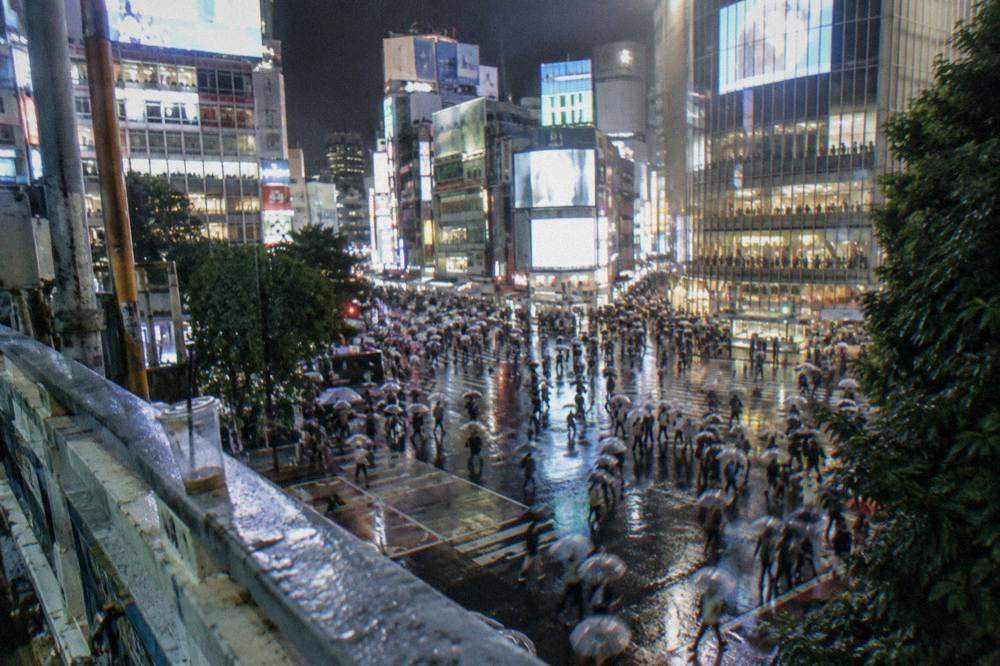
Shibuya's food identity is built on volume and novelty: standing sushi bars, conveyor-belt chains with plates from around 110 to 150 yen, seasonal dessert queues and a deep bench of izakaya up the backstreets around Center Gai and Miyashita Park. It is the district where a 1,500 yen conveyor-sushi dinner and a splurge omakase sit ten minutes apart on foot, and where new openings cluster fastest, so a repeat visit rarely eats the same street twice. Yakitori skewers at casual counters across the city commonly run 150 to 400 yen each, and Shibuya has that end of the market in force.
The bar culture here is exceptional and unusually accessible. The Shibuya Bar Hop, no meal included, about three and a half hours, rated 5 across 1,107 reviews, from $38.87 per person, is one of the best value night-products in the city for visitors who want to be led into places they would never find alone. For a fuller dinner experience, the Shibuya Walk with 13 dishes across 3 eateries, about three hours, rated 4.9 across 1,437 reviews, from $84.21 per person, eats through the district's greatest hits in a single evening and doubles as a map you can rewalk later on your own.
Choose Shibuya over Shinjuku if you want trend dining and a younger crowd; choose Shinjuku if you want lantern-lane history and a slightly broader spread of eating styles within one station radius. Both run late, both are on the Yamanote Line, and the two are a short direct ride apart, so the honest difference is mood, not access. Our where to eat in Shibuya guide goes deeper on specific cravings, from late ramen to depachika desserts.
Asakusa: Old Town Atmosphere And Daytime Snacking
Asakusa is the best base for travellers who prefer temples, older streetscapes and traditional snacks to neon and noise, reached directly on the Tokyo Metro Ginza Line. Eating here is a daytime activity: Nakamise's snack stalls and the surrounding old-town lanes peak late morning to mid-afternoon, and evenings are far quieter than Shinjuku or Shibuya.
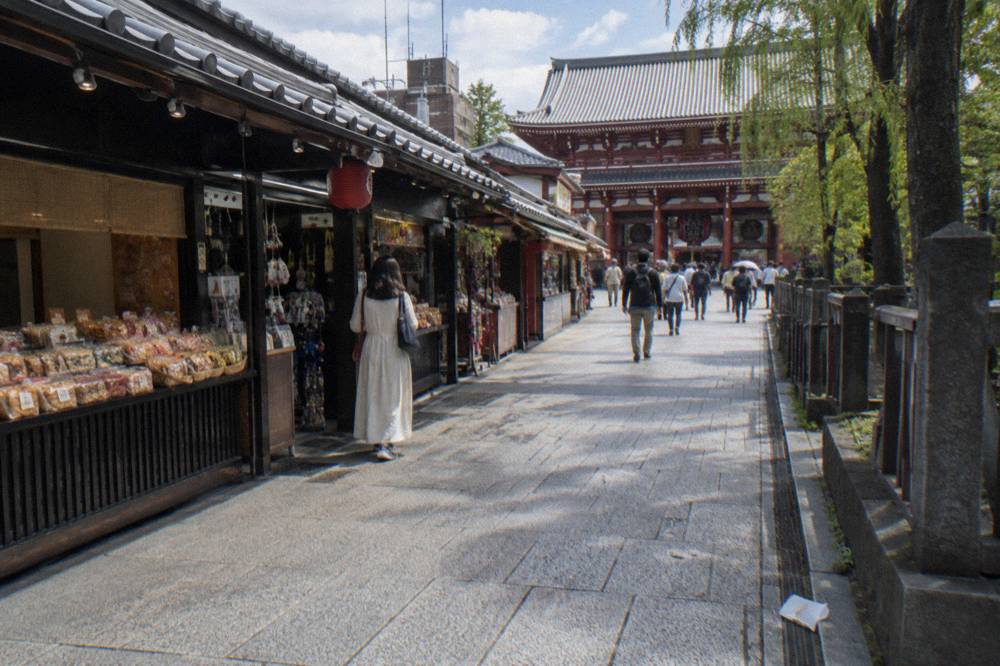
The trade-off is temporal. Asakusa rewards early risers: Senso-ji and the Nakamise approach are at their best before the crowds build, and much of the traditional snacking culture, from fresh senbei rice crackers to skewered street bites, wraps up by early evening. Restaurants in the old lanes tend to close earlier than their western counterparts, and the district's atmosphere after dark is genuinely quiet rather than merely calmer. If your Tokyo days start at 8 a.m. and end with a quiet dinner, Asakusa fits beautifully. If they start at 4 p.m. and end at 1 a.m., stay west.
Food-wise the district is anchored by old-town classics. The Asakusa Walk with 12 dishes at local eateries, about two and a half hours, rated 4.85 across 73 reviews, from $75.3 per person, is the natural first-evening orientation here, sampling the neighbourhood's signature dishes across a dozen small stops. The broader Asakusa food tour guide compares it against the alternatives, including a sushi-making class with matcha and unlimited sake, about one and a half hours, rated 4.94 across 206 reviews, from $44.93 per person, which turns a quiet Asakusa evening into something interactive.
Asakusa also pairs well with a day trip mentality. It sits at one end of the Ginza Line, with Ueno a short hop north for market-street eating in the Ameyoko arcades, and the Sumida river districts east for monjayaki and river views. Budget accommodation is easier to find here than in Shibuya, which matters on longer stays, and the slower evening rhythm suits travellers who burn out on neon quickly. Families often land well here too, since the daytime food culture is stroller-friendly in a way that a midnight yakitori lane never will be.
Ueno, Ginza And Tsukiji: Matching A District To A Food Style
Beyond the big three, the right base depends on what you want on your plate daily. Ueno and its Ameyoko market streets suit budget travellers who like casual, standing-and-snacking food. Ginza suits diners who want polished restaurants and depachika food halls. Tsukiji suits market-goers who will build mornings around the Outer Market's rhythm rather than late nights out.
Ueno's eating is fast, cheap and loud. The Ameyoko arcade under the elevated tracks sells everything from fresh sashimi to kebabs, and the district anchors a superb guided option: the Ueno Walk with 10+ tastings of Japanese classics, about three and a half hours, rated 5 across 349 reviews, from $107.99 per person. Hotel prices here tend to undercut Shibuya and Ginza, and the Yamanote and Ginza lines connect it to everything else on this list within minutes. There is even a second Ueno option, exactly 10 tastings over about three and a half hours, rated 4.76 across 38 reviews, from $107.98 per person, for visitors who prefer a fixed count.
Ginza is the opposite register: high-end dining, flagship food halls in department stores, and a compact bar scene. It carries one of the higher-priced street-food walks on this site, the Ginza and Shimbashi Walk, about three hours, rated 4.64 across 40 reviews, from $145.85 per person. Shimbashi, just south, is where office workers eat and drink after hours, an insider-feeling pocket many visitors never see. A short one-hour izakaya hop in Ginza, rated 5 across 36 reviews from $195 per person, also exists for travellers who want the district's evening scene compressed into a tight window between shopping and dinner. You can open The Tokyo Food List on your phone and pick a place by neighborhood, with a map of what is within a 10-minute walk.
Tsukiji deserves a special note because its logic is unique. The Outer Market's shops follow the Tokyo Central Wholesale Market closure calendar, many close on Sundays, national holidays and selected Wednesdays, and opening hours vary by shop, with most stalls busiest in the morning afterprofessional buyers get priority until 9:00 a.m. Staying beside it means structuring mornings around the visit, with the reward being first pick of tamagoyaki, seafood and kitchenware before the late-morning crowds arrive. The official market calendar lists the closure days to check before you commit. Eating there must happen inside the eatery or in front of the store, not while walking, and the Plat Tsukiji information centre can store a stroller for 500 yen, which tells you how tightly the space is managed.
| District | Best for | Eating rhythm | Transit anchor |
|---|---|---|---|
| Shinjuku | First-timers, late nights, izakaya lanes | 5 p.m. to past midnight | Yamanote Line JY17 |
| Shibuya | Nightlife, trend dining, budget bites | Evening-heavy, late | Yamanote Line JY20 |
| Asakusa | Old town, temples, traditional snacks | Daytime, early evenings | Ginza Line |
| Ueno | Budget stays, market-street food | Daytime into evening | Yamanote and Ginza lines |
| Ginza | Upscale dining, food halls | Lunch and dinner, earlier close | Multiple Metro lines |
| Tsukiji | Market mornings, seafood | Roughly 9:00 to 14:00, closure days apply | Hibiya Line Tsukiji Station |
How Transit And Tax Shape The Decision
No Tokyo district is more than about 30 minutes from the others on the Yamanote loop and Metro network, so the base choice should follow food preference and budget, not fear of distance. Suica and PASMO cards work interchangeably across JR East and Tokyo Metro lines, and two small money facts, the 10 percent dine-in tax versus 8 percent takeaway, quietly reward certain neighbourhoods and eating styles over others.
The interoperability point matters more than visitors expect. Suica is issued by JR East and PASMO by Tokyo Metro and private operators, with full interoperability in the Tokyo area, so there is no card decision to agonise over at the airport. What actually constrains your eating is energy at the end of the day, not transit: a 40-minute ride back to a cheap far-flung hotel after a long dinner is how food trips deflate. The same card taps you onto a morning train to Tsukiji and a midnight ride home from Golden Gai without a thought.
Tax is the hidden line item. The National Tax Agency confirms a standard 10 percent consumption tax on restaurant meals, while takeaway food carries the reduced 8 percent rate; from 1 April 2027 to 31 March 2029 the rate on food and drink sales is due to be lowered, a future change worth knowing for long-horizon planning. In practice, staying somewhere with a strong takeaway-and-stand-up-eating culture stretches a modest budget further, and understanding the split prevents small surprises at every register you meet.
Practical Notes Before You Book Anything
Book your district around your dinner hour, not around a single attraction: night owls belong in Shinjuku or Shibuya, morning people in Asakusa or Tsukiji. Carry cash for small counters, expect a small otoshi seating charge at izakaya rather than treating it as a tip, and remember that reservation-required restaurants penalise no-shows. Reserve hotels and guided walks early in autumn, the year's ingredient peak.
A few habits make any base work better. Carry yen, since many independent restaurants and ramen shops still prefer or require cash, particularly in the older alleys. Learn the otoshi convention: at many izakaya a small unordered appetizer appears as a per-person seating charge, typically a few hundred yen, and it is part of the bill, not a tip, so factor it into a night's budget rather than disputing it. Reservations deserve real attention at popular spots; notify the venue if plans change, because fees for late cancellations are increasingly common, and a no-show can cost more than the meal you replaced it with.
Chopstick basics smooth the rest: never stand a pair upright in a bowl of rice or pass food directly from one pair of chopsticks to another, since both practices carry funeral associations that sit badly at a convivial counter. None of this is a test, and no counter expects fluency from a visitor, but the small gestures get noticed, and noticed guests get better conversations.
First-time visitors wanting a structured start can read our Tokyo food tour guide for first-timers before committing to a district, since most walks depart from Shinjuku, Shibuya or Asakusa meeting points, and staying near your walk's start beats an evening sprint across the city. The National Tax Agency's own consumption tax explainer is worth a minute for anyone budgeting carefully, and the Japan National Tourism Organization covers tipping customs plainly.
If you have absorbed one principle from this page, make it this: in Tokyo the hotel is a base camp, the food is the expedition, and the Yamanote Line is the trail between them. Pick the district whose eating hours match yours, keep cash in your pocket, and let the rest take care of itself.
Common Questions About Staying In Tokyo
What Is The Best Area To Stay In Tokyo For Tourists?
For most tourists the best area is Shinjuku, thanks to direct Yamanote Line access, the city's densest late-night eating lanes and a huge range of hotels. Choose Shibuya for nightlife and trend dining, or Asakusa for old-town atmosphere and quieter evenings.
Is Shinjuku Or Shibuya Better For Food?
Shinjuku offers lantern alleys, yakitori counters and Golden Gai bars with eating that runs past midnight. Shibuya skews younger and trendier, with strong budget options and award-winning bar walks. Both are on the Yamanote Line, so the difference is mood rather than access.
Is It Cheaper To Stay In Asakusa Or Ueno?
Both districts generally undercut Shibuya and Ginza on room rates, and both pair budget hotels with cheap, casual eating: traditional snacks in Asakusa and the market-street Ameyoko arcades in Ueno. Check rates for your exact dates, since prices move with season and demand.
Can You Visit Tsukiji Market If You Stay Elsewhere?
Yes. The Hibiya Line stops at Tsukiji Station a one-minute walk from the Outer Market, and the Toei Oedo Line reaches Tsukijishijo Station equally close. Just plan around the market's rhythm: opening hours vary by shop, and professional buyers get priority until 9:00 a.m.y until 9:00 a.m., and many shops close on Sundays, holidays and selected Wednesdays.
Do You Need Cash When Staying In Tokyo?
Yes, carry some. Many independent restaurants, ramen shops and small alley counters prefer or require cash, even as cards and cashless payments spread in chains and mid-to-high-end venues. Cash is especially useful in Omoide Yokocho and Golden Gai.
How Late Can You Eat In Tokyo?
It depends on the district. Omoide Yokocho counters typically open around 5 p.m. and run to midnight or later, and Golden Gai bars often stay open until between 2 and 5 a.m. Asakusa and Ginza wind down far earlier, so match your base to your dinner hour.