Where To Eat In Shibuya
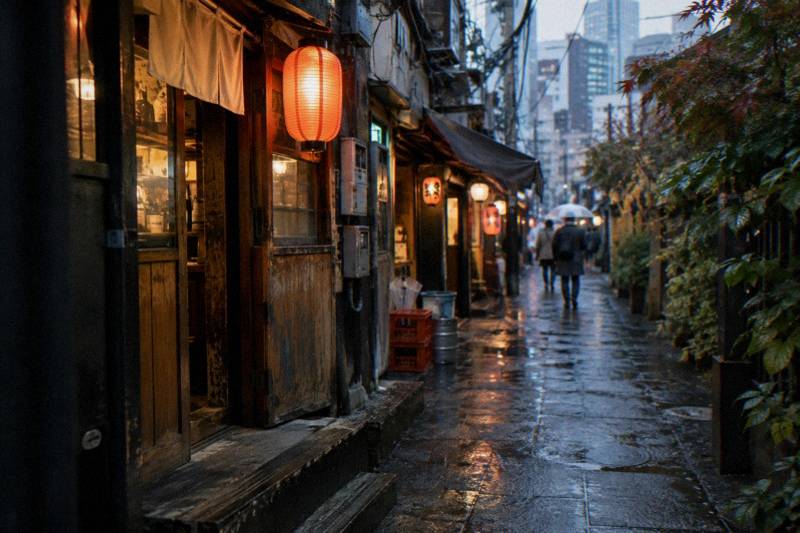
Shibuya feeds its thousands of nightly visitors from a dense grid of izakaya lanes, ramen counters and yakitori alleys, and the eating here rewards a plan. This guide maps the district street by street, prices a realistic evening, and shows where a guided food walk fits the night.
Short answer
Eat in the izakaya lanes around Center-gai and Dogenzaka, budget from about 1,000 yen for a ramen bowl to 2,000 to 3,000 yen for a counter dinner, and consider a guided evening: the Shibuya Walk with 13 dishes and 3 eateries runs about 3 hours from $84.21 per person, rated 4.9 across 1,437 reviews.
Shibuya after dark is a district that eats standing, sideways and in alleys. Around the scramble crossing the department stores close early, but the lanes behind them fill: counter yakitori spots, izakaya stacked three floors up, ramen shops with ticket machines, and backstreets in Sangenjaya that most first-time visitors never find. The question is rarely whether you can eat well here. It is where to start, how much a night costs, and whether a guided walk earns its fee. If you want the same kind of night one neighborhood over, the guide to the foods Shinjuku is famous for walks through its yakitori lanes, motsuyaki counters and late ramen stops the same way.
The honest answer is that Shibuya rewards two different kinds of eater. The confident one, happy to point at a picture menu and pay a cover charge without flinching, can wander and do fine. The one who wants context, translations and a route through the alleys will get more out of a guided evening, and Shibuya has several strong ones, including the Shibuya Walk with 13 dishes and 3 eateries (Check availability), a roughly 3 hour walk rated 4.9 across 1,437 reviews from $84.21 per person. This page lays out both routes. For a wider district-by-district view of the city, the companion piece on where to eat in Shinjuku covers Tokyo's other great night-eating district.
Where Are The Best Places To Eat In Shibuya?
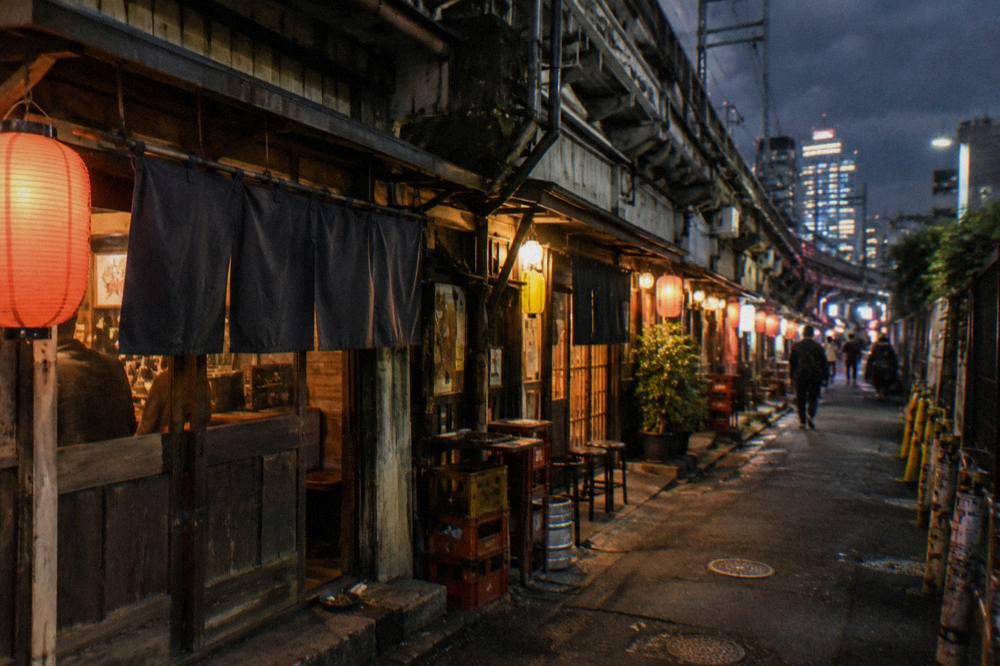
The best eating clusters in five zones: Center-gai's cheap counters and fast noodle shops, Dogenzaka's izakaya floors, the Miyashita Park area's rooftop food halls, the nonbei-yokocho drinking lane east of the station, and the residential backstreets of Sangenjaya two stops down the line. Each zone suits a different budget and mood, and the fastest way to waste a night in Shibuya is to drift between them without choosing one.
Shibuya's food geography is compact but layered. Center-gai, the bright pedestrian strip directly off the scramble, is where the cheap and fast options concentrate: standing sushi bars, ramen counters and grilled meat shops that turn tables quickly. It looks touristy, and parts are, but the side lanes ten meters off the strip hold small counters that have served the after-work crowd for decades.
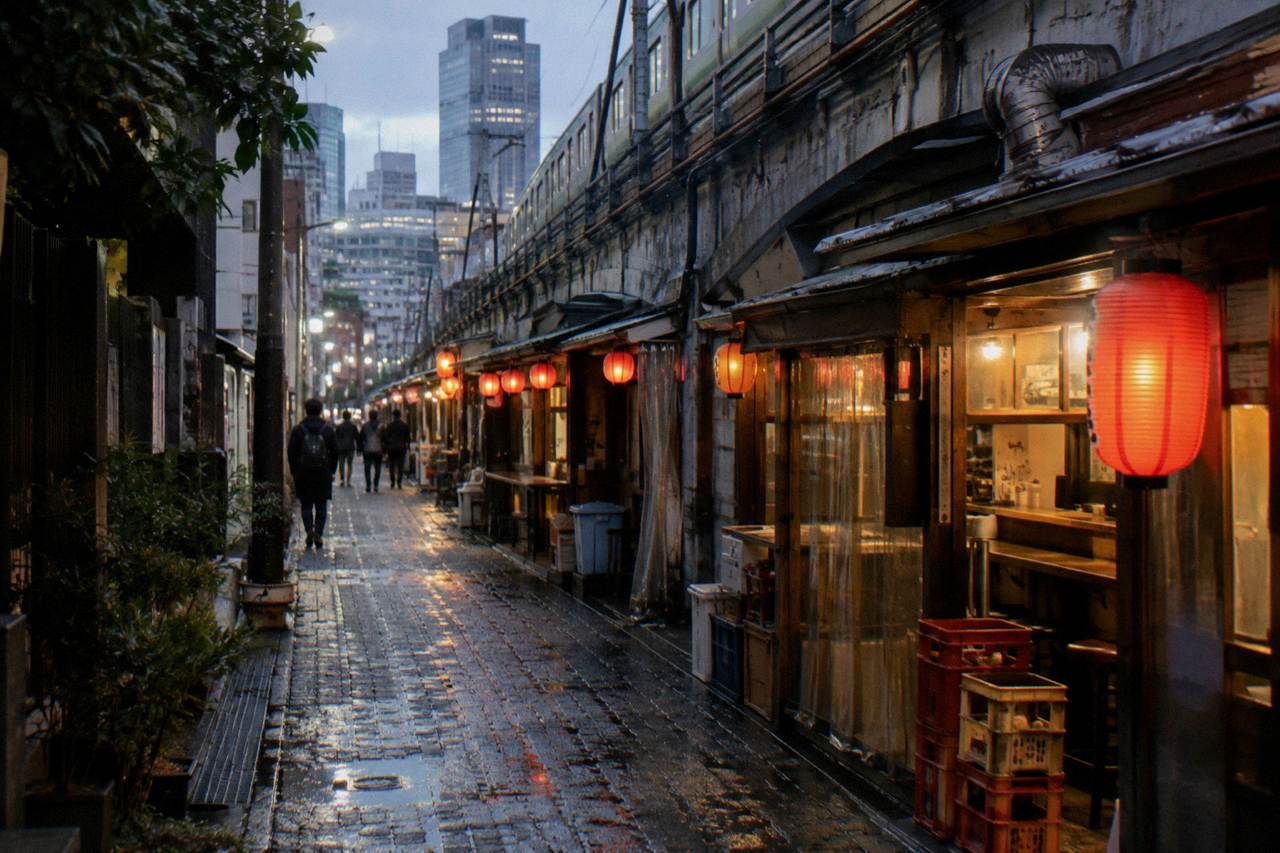
Dogenzaka, the slope west of the station, is izakaya territory. Restaurants stack vertically here, several to a building, and an evening usually means one or two stops rather than a single long dinner. The old drinking lane east of the tracks, nonbei-yokocho, is a row of tiny bars the size of shipping containers, some seating five people. Miyashita Park, rebuilt as a low-rise retail strip with rooftop dining, added a more spacious option where groups can actually sit together, something the older lanes struggle with.
The zones are walkable in one night, but eating across them is a mistake. Pick one, commit, and save the others for a second visit.
| Zone | Character | Best For |
|---|---|---|
| Center-gai and side lanes | Fast counters, noodle shops, standing bars | Cheap solo meals, first night |
| Dogenzaka | Multi-floor izakaya buildings | Small-group drinking dinners |
| Nonbei-yokocho | Tiny bars in an old rail-side lane | A slow drink, atmosphere over food volume |
| Miyashita Park area | Rooftop food halls, sit-down options | Groups, families, bad weather |
| Sangenjaya | Residential backstreets, small izakaya | A quieter local-feeling evening |
A guided walk compresses that choice. A good one moves you between zones a solo visitor would not attempt, and Shibuya has a dedicated Shibuya food tour guide comparing the options in detail.
Which Shibuya Food Tour Should You Book?
For most visitors the right pick is the Shibuya Walk with 13 dishes and 3 eateries, about 3 hours from $84.21 per person, rated 4.9 across 1,437 reviews, because it covers a full meal across three stops. If you mainly want drinks and bar culture, the Shibuya Bar Hop at $38.87 per person is the budget option, and the After 5 small-group food and drink tour at $72.47 suits drinkers who also want a meal.
The three tours answer three different evenings. The 13-dishes walk is the food-first choice: thirteen tastings across three eateries is effectively dinner with a route attached, and the review count is large enough that the 4.9 average means something. It suits first-timers who want to eat rather than drink their way through the district.
The Shibuya Bar Hop, rated 5 across 1,107 reviews from $38.87 per person, is a drinks-led evening; the price reflects that no meal is included, so budget for food before or after. The After 5 Food and Drink Walk, rated 4.5 across 775 reviews from $72.47 per person, runs about three and a half hours and splits the difference, culture commentary plus food and drink stops.
If you are choosing between a guided walk and a solo night, price it out honestly. A $38 bar hop plus your own dinner tab often lands near the 13-dishes walk's $84.21, with less food certainty and more queue risk. The guided premium buys translation, a route and portion control across stops, and the operators behind all three run small groups. Group sizes and exact meeting points are on each booking page, since they can change seasonally.
What Does A Guided Evening In Shibuya Cost?
A guided food evening in Shibuya runs from $38.87 to $84.21 per person depending on inclusions: the bar hop covers drinks culture without a meal, the 13-dishes walk is a full dinner at three stops, and the After 5 walk sits between them. Tipping is not expected in Japan, so the listed price is close to the whole outlay beyond any extra drinks you order.
Comparing the options side by side is the clearest way to see what the money buys. The table below uses the operators' published from-prices and review counts. Eating by neighborhood is easier when The Tokyo Food List shows you what is within a 10-minute walk on a map.
| Tour | Duration | Price | Reviews |
|---|---|---|---|
| Shibuya Bar Hop, no meal | ~3 hours 30 minutes | from $38.87 per person | rated 5 across 1,107 |
| After 5 Food and Drink Walk | ~3 hours 30 minutes | from $72.47 per person | rated 4.5 across 775 |
| Shibuya Walk, 13 dishes and 3 eateries | ~3 hours | from $84.21 per person | rated 4.9 across 1,437 |
Two hidden costs do not appear in the table. First, extra drinks: some walks include drinks at each stop and some do not, and the booking page states exactly what is covered. Second, izakaya cover charges. Many izakaya add a per-person otoshi charge, an unordered appetizer that functions as a seating fee, and in the Omoide Yokocho lane near Shibuya's neighbouring district that charge typically runs 300 to 500 yen. On a guided walk these charges are usually inside the price; on a solo night they appear on your bill.
Tipping is not part of the deal either way. The Japan National Tourism Organization is plain on this: it is not common to tip for services in bars, cafes, restaurants, taxis and hotels in Japan. Guides on paid walks earn their fee from the tour price, so the number on the booking page is the number.
Where Do Locals Eat Around Shibuya?
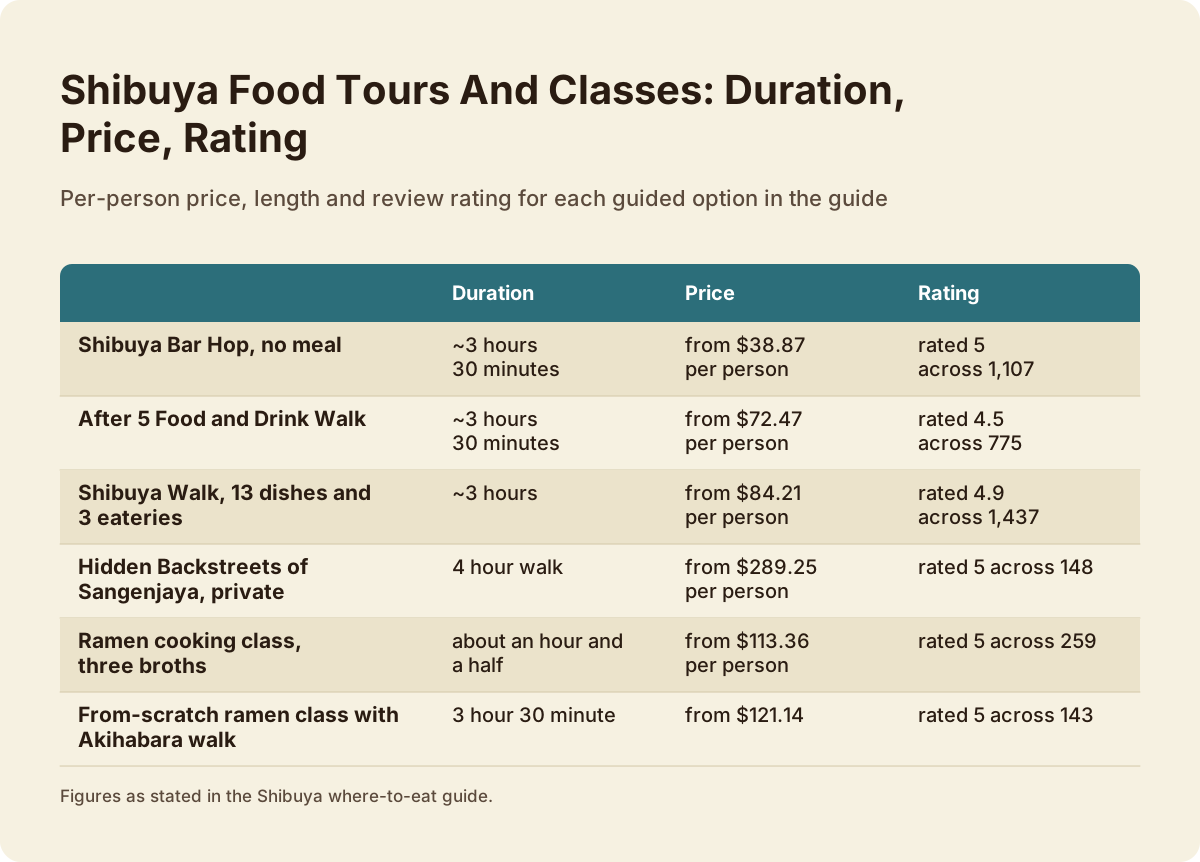
Locals largely eat two stations and a short walk away, in Sangenjaya, a low-rise neighbourhood of backstreet izakaya that keeps a residential pace even on Friday nights. The private Hidden Backstreets of Sangenjaya tour, rated 5 across 148 reviews from $289.25 per person for a 4 hour walk, is built entirely around this shift away from the crossing crowds.
Sangenjaya is what visitors imagine Shibuya's alleys used to be. The streets around it are narrow, the shops are small, and the eating happens in places with eight seats and one cook. It is a genuine commute-to-dinner neighbourhood rather than a nightlife district, which is exactly why Tokyo residents defend it. The trade-off is access: no English menus in many spots, cash-only counters, and no obvious entry point for a first-time visitor.
That is the gap the private Sangenjaya walk fills. Four hours with one guide, at $289.25 per person, is a premium price, but it is a private format rather than a group one, and the 5 rating across 148 reviews suggests the format lands.
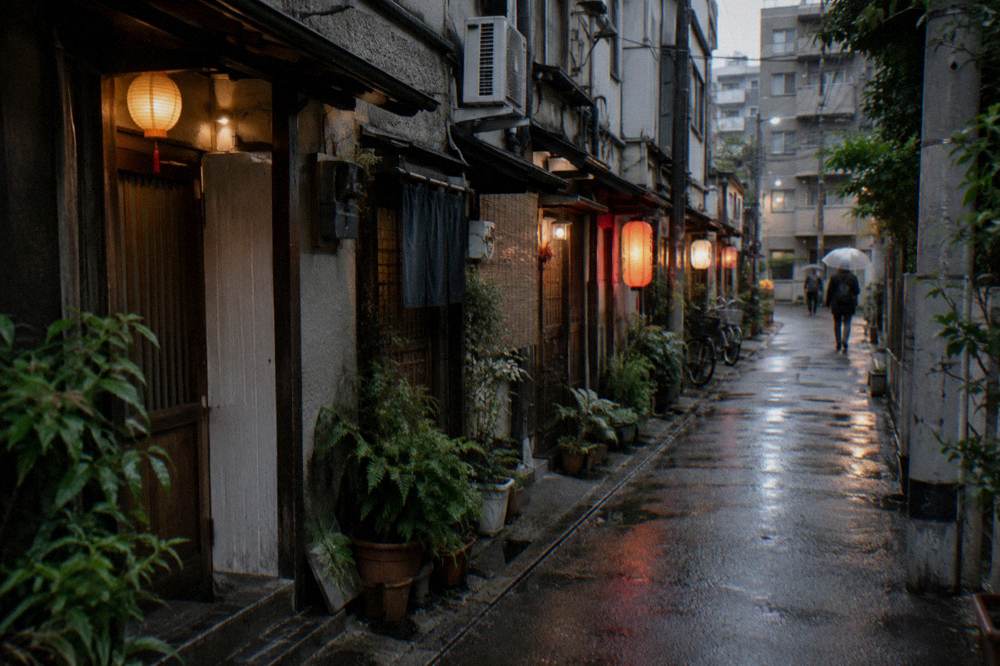
Closer to the station, the honest local advice is simpler than the internet makes it. Avoid anything with a tout on the street, eat where the salarymen are standing, and expect cash. Many independent Tokyo restaurants and ramen counters still prefer or require cash, and assuming card acceptance is the fastest way to be turned away at a full counter.
For a fuller treatment of night eating across the city, the Tokyo night food tour guide covers how these districts compare after dark.
Can You Learn To Cook Shibuya Food Yourself?
Yes: Shibuya has a ramen cooking class covering tonkotsu, shoyu and miso broths, rated 5 across 259 reviews, from $113.36 per person for 1 hour 30 minutes. A separate from-scratch ramen class elsewhere in Tokyo runs 3 hours 30 minutes and adds an Akihabara walk. It is priced from $121.14 per person. Classes suit travellers who want to take the food home as a skill rather than a memory.
The ramen class scene in Tokyo is unusually strong, and the Shibuya entry is one of the most reviewed. Ninety minutes is enough to work through the three major broth styles and assemble a finished bowl, and the format is hands-on rather than demonstration. At $113.36 it costs more than the cheapest food tour listed, but that is not really the comparison; it is a cooking lesson with a meal attached.
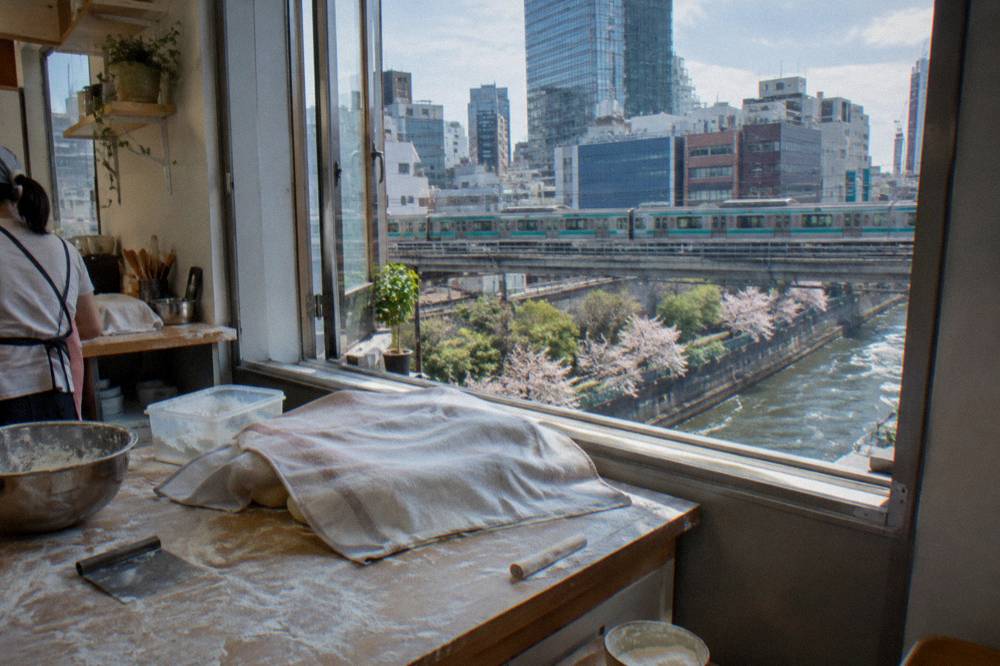
The from-scratch version goes further: noodles made by hand, a bowl made from scratch, and a neighbourhood walk beforehand, in about three and a half hours from $121.14, rated 5 across 143 reviews. Families with teens often do better in a class than on a bar-leaning evening walk, since classes start earlier and end sober. The wider Tokyo cooking class guide compares the sushi, wagyu and washoku options across the city.
What Should You Know Before Eating Out In Shibuya?
Four local rules matter: tipping is not expected anywhere, a per-person otoshi appetizer charge at izakaya is normal and not a scam, consumption tax is 10 percent on dine-in and 8 percent on takeaway food, and Japan's packaged-food allergen list now covers nine items, though restaurant dishes generally carry no such labelling, so allergies need to be raised with the operator before booking. Since several of these details come up at the booking stage, our guide to reserving a Tokyo restaurant table as a visitor explains how to book without speaking Japanese and what cancellation rules to expect.
None of these are traps once you know them, but each one confuses first-time visitors. The otoshi charge is the classic: a small dish arrives you did not order, and a 300 to 500 yen line appears on the bill. It is a seating charge, standard practice, and the appetizer is usually decent. Fighting it marks you as a newcomer faster than any chopstick mistake.
Smoking rules changed Tokyo's bars more than visitors realize. Since the Tokyo ordinance and the amended Health Promotion Act took full effect, indoor smoking is only permitted in designated rooms, and every restaurant must display its policy at the door, so checking the sign before entering settles the question. The tax split is worth knowing at markets and takeaway counters: the National Tax Agency applies a reduced 8 percent rate to food and drink excluding alcohol and dining out, meaning a bento to go is taxed less than the same meal eaten in. A further reduction for food and drink sales is due between April 2027 and March 2029, so treat current rates as the ones that apply now.
| Rule | What Happens | What To Do |
|---|---|---|
| Tipping | Not expected; staff may chase you to return change | Pay the bill as printed |
| Otoshi charge | 300 to 500 yen per person with a small dish | Accept it as the seating fee |
| Tax | 10 percent dine-in, 8 percent takeaway | No action; it is on the bill |
| Smoking | Only in designated rooms; policy posted at entrance | Check the door sign |
| Allergies | Packaged food lists nine allergens; restaurant dishes do not | Message the operator before booking |
Allergies deserve the last word, because the nine-item labelling list (egg, milk, wheat, shrimp, crab, walnut, peanut, buckwheat and now cashew) governs packaged food only, as the Consumer Affairs Agency sets out, and the agency is still studying how restaurant allergy information should work. A walking tour with pre-arranged stops can handle an allergy far better than a cold walk-in, but only if the operator knows first.
How Much Does A Meal Cost In Shibuya Without A Tour?
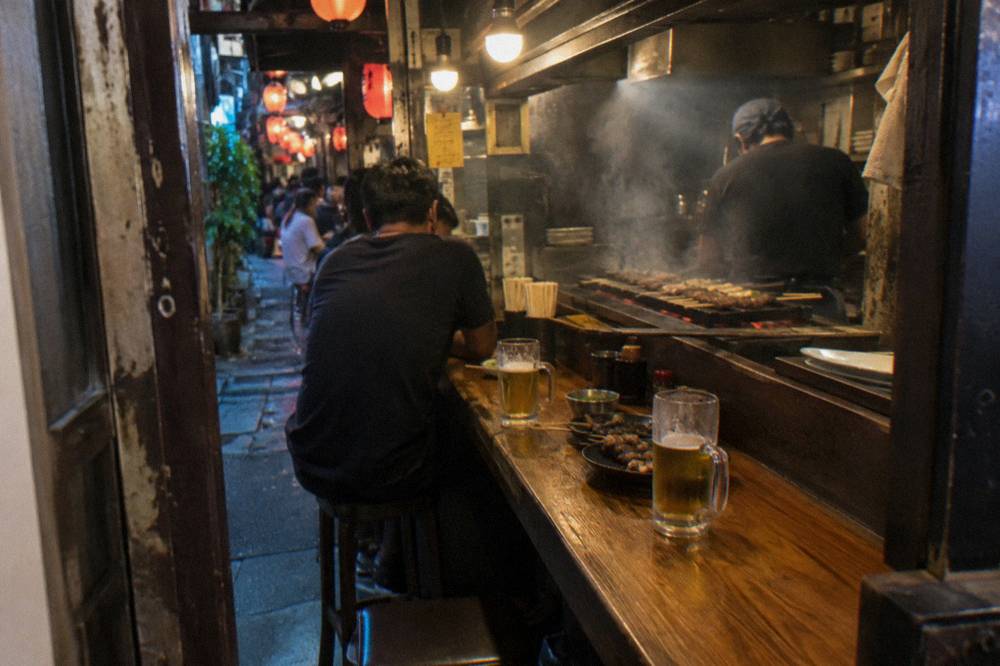
A realistic solo dinner budget runs about 1,000 yen for a ramen bowl, 1,500 to 3,000 yen at a conveyor sushi chain, 150 to 400 yen per yakitori skewer at a counter, and 2,000 to 3,000 yen per person for a full skewer-and-drinks session in an izakaya lane, before any cover charges or extra drinks. Shibuya's prices sit slightly above the Tokyo average because of location.
The reference numbers help. A pocket of ramen shops around Takadanobaba and Waseda, five Yamanote stops north of Shibuya, found an average basic bowl price of 993 yen with a floor of 600 yen, and the national average for a shoyu bowl was 750 yen as of a September 2026 retail survey. Nigiri sushi as a dine-out purchase averaged 1,592 yen nationally per serving, while conveyor chains in Tokyo start plates at 110 to 150 yen. Standing sushi bars near markets such as Tsukiji sell individual nigiri from around 90 to 500 yen a piece.
| Food | Typical Price In Tokyo | Notes For Shibuya |
|---|---|---|
| Basic ramen bowl | 600 to 993 yen in local surveys | Expect the higher end near the station |
| Conveyor sushi | 110 to 150 yen per plate, 1,500 to 3,000 yen a meal | Chains cluster around Center-gai |
| Yakitori skewer | 150 to 400 yen each | Six skewers plus drinks is a normal session |
| Nigiri sushi serving | 1,592 yen national dine-out average | Standing bars sell by the piece |
| Izakaya evening | 2,000 to 3,000 yen per person in Omoide Yokocho | Add 300 to 500 yen otoshi at many counters |
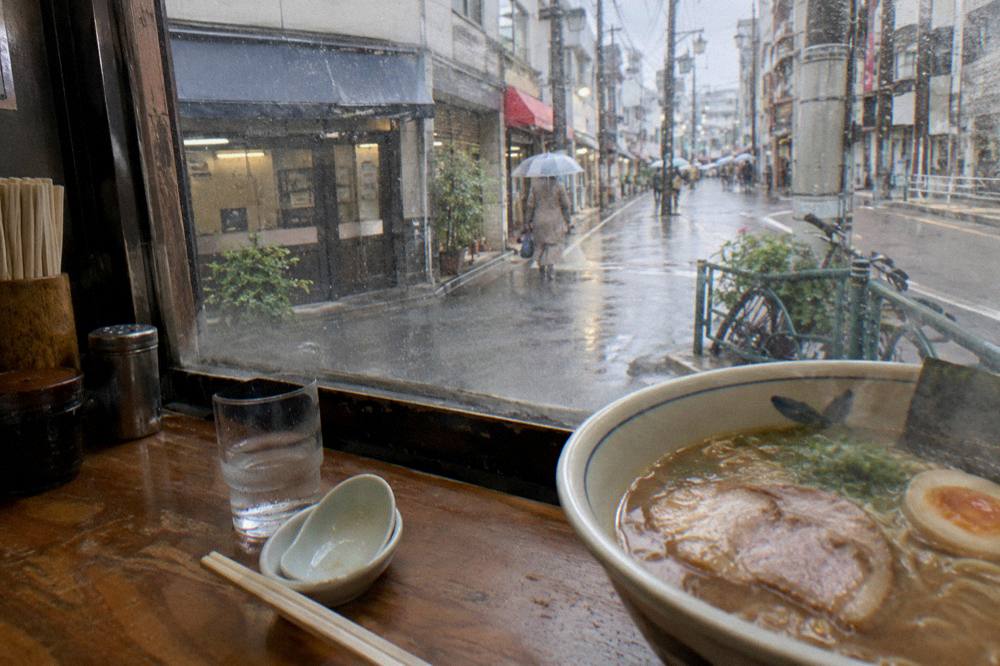
Set against those numbers, a $84.21 guided walk that includes thirteen tastings is roughly comparable to a good independent dinner, once you add the cover charge, a couple of drinks and the trial-and-error cost of walking into one mediocre place. The guided option converts a food budget into certainty; the solo option converts it into adventure. Both are legitimate. If your Shibuya nights are limited to one, Tokyo Food Tours exists to help you make exactly that call with real numbers rather than guesses.
Is A Guided Street Food Walk Right For You?
A small-group street food walk fits travellers who want many tastes in a short window: the Michitabi Tokyo walk covers 10+ tastings at seven eateries, starting at Musashi Koyama in about two and a half hours, priced from $75 per group rather than per person, and rated 5 across 42 reviews.
The pricing basis is the whole story here. From $75 per group, split three ways it undercuts nearly every per-person tour on this page, and the format, walking shopping streets and eating at seven stops, suits visitors who graze rather than sit. The review pool is small at 42, so the 5 rating carries less statistical weight than the 1,437-review average of the 13-dishes walk, but the format itself is well established in Tokyo.
Who should skip it? Travellers who want a seated dinner, anyone who wants alcohol as a focus, and groups larger than four, since seven stops with a big group slows the walk down. For the full picture of grazing-style eating across the city, the Tokyo street food tour guide compares the walking formats district by district.
Common Questions About Eating In Shibuya
Where Are The Best Places To Eat In Shibuya?
The best eating clusters in five zones: Center-gai for fast counters, Dogenzaka for multi-floor izakaya, the nonbei-yokocho lane for tiny bars, Miyashita Park for group-friendly food halls, and Sangenjaya for a quieter local evening. Pick one zone per night rather than drifting between them.
How Much Does A Meal Cost In Shibuya Without A Tour?
Budget roughly 1,000 yen for a ramen bowl, 1,500 to 3,000 yen at a conveyor sushi chain, 150 to 400 yen per yakitori skewer, and 2,000 to 3,000 yen per person for a full izakaya session, plus a 300 to 500 yen cover charge at many counters.
Is A Shibuya Food Tour Worth It?
For a first visit or a short stay, yes: the 13-dishes walk at $84.21 per person delivers a full dinner across three vetted eateries in about 3 hours, which is comparable in cost to a good independent dinner once cover charges and drinks are added, with far less guesswork.
Is Tipping Expected In Shibuya Restaurants?
No. Tipping is not common in Japan for restaurants, bars, taxis or hotels, and staff may return money left by mistake. The otoshi appetizer charge at izakaya is a seating fee, not a tip.
Where Do Locals Eat Around Shibuya?
Many locals eat in Sangenjaya, a residential neighbourhood two stops down the line, where backstreet izakaya serve a local crowd. The private Hidden Backstreets of Sangenjaya tour, rated 5 across 148 reviews, is built around exactly this shift away from the crossing.
Can You Take A Cooking Class In Shibuya?
Yes. The Shibuya ramen cooking class covers tonkotsu, shoyu and miso broths in about an hour and a half, rated 5 across 259 reviews from $113.36 per person, and a longer from-scratch ramen class with an Akihabara walk runs about three and a half hours from $121.14.