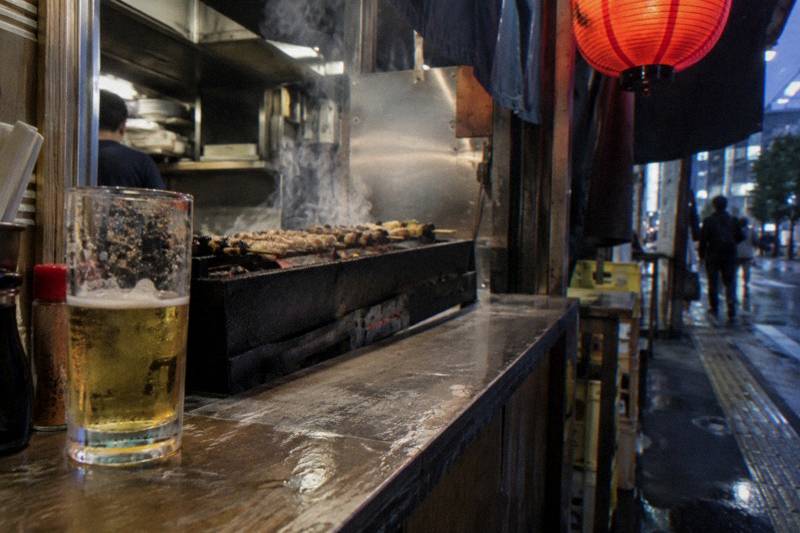
Where To Eat In Shinjuku: Tours, Alleys And Restaurants
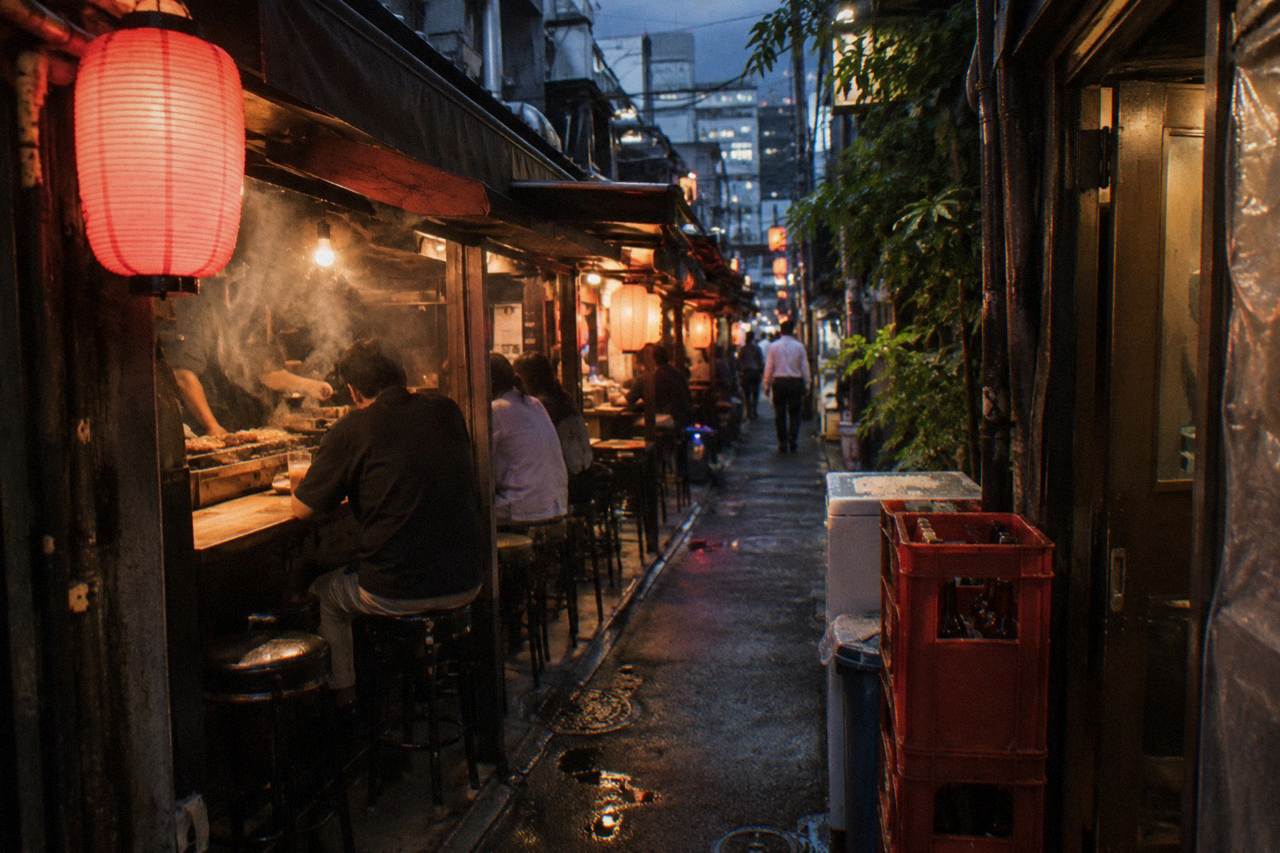
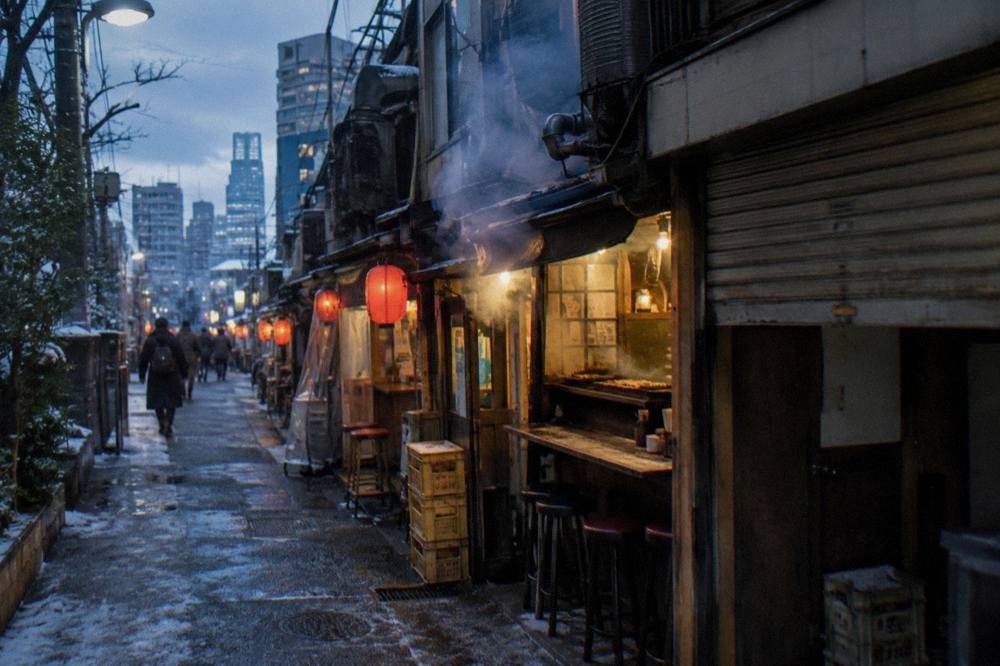
Shinjuku feeds more people in a single evening than most cities do in a week, and almost none of it happens on the main boulevards. The good eating is in the alleys: Omoide Yokocho's smoke-blackened yakitori lanes, Golden Gai's two hundred matchbox bars, the izakaya floors of Sanchome. Here is where to aim.
Short answer
Eat in Omoide Yokocho for grilled skewers, Golden Gai for bar-hopping with small snacks, and the Shinjuku Sanchome backstreets for izakaya and standing bars. A typical Omoide Yokocho spend runs 2,000 to 3,000 yen per person for skewers and drinks. A guided walk such as the Shinjuku Local Eateries Walk costs from $84.21 per person and covers several stops in one evening.
Shinjuku Station moves more passengers than any other station on the planet, and the district around it answers with one of the densest concentrations of eating in Tokyo. The station's own exit numbers matter more than any address: step out the West Exit and you are two minutes from Omoide Yokocho, roughly eighty premises packed into about 2,000 square metres, most of them yakitori and motsuyaki counters, per the district's official site. Go out the Southeast Exit instead and you drift into Kabukicho's neon and the Sanchome izakaya belt behind it.
That density is the trap. A first-time visitor walking into Shinjuku at 7 p.m. faces a wall of signage, dozens of tout-driven entrances on the main drags, and no way to tell a thirty-seat counter with a twenty-year grill from a third-floor tourist menu. The alleys solve part of that problem, because the district associations keep them walkable and the shops themselves signal quality with queues and smoke rather than advertising. The rest of the problem, language and cover charges and what to actually order, is where either homework or a guide earns its keep.
This page walks through the areas in the order you would realistically eat them, what each one does well, and where a guided option such as the Shinjuku Local Eateries Walk, about three hours and from $84.21 per person, saves you an evening of trial and error. If you want the full case for that district in tour form, the Shinjuku guided food walk guide covers it in depth.
Where Should You Eat In Shinjuku?
The short answer is the alleys behind the station rather than the avenues in front of it: Omoide Yokocho for grilled skewers near the West Exit, Golden Gai for tiny bars east of Kabukicho, and the Shinjuku Sanchome backstreets for izakaya cooking and standing bars. Each district has a distinct personality, opening rhythm and price level, and picking the wrong one for your mood is the most common Shinjuku mistake.
Think of Shinjuku as three overlapping food zones plus one station basement. Omoide Yokocho is the post-war survivor: a bar district of about eighty premises, around sixty of them bars and restaurants, mostly grilling chicken skewers and motsuyaki, the working-class offal dishes the area was built on. The lanes themselves are always walkable, but individual shops set their own hours, and the district's official visitor guide notes that most grill counters open around late afternoon and run to midnight or later.
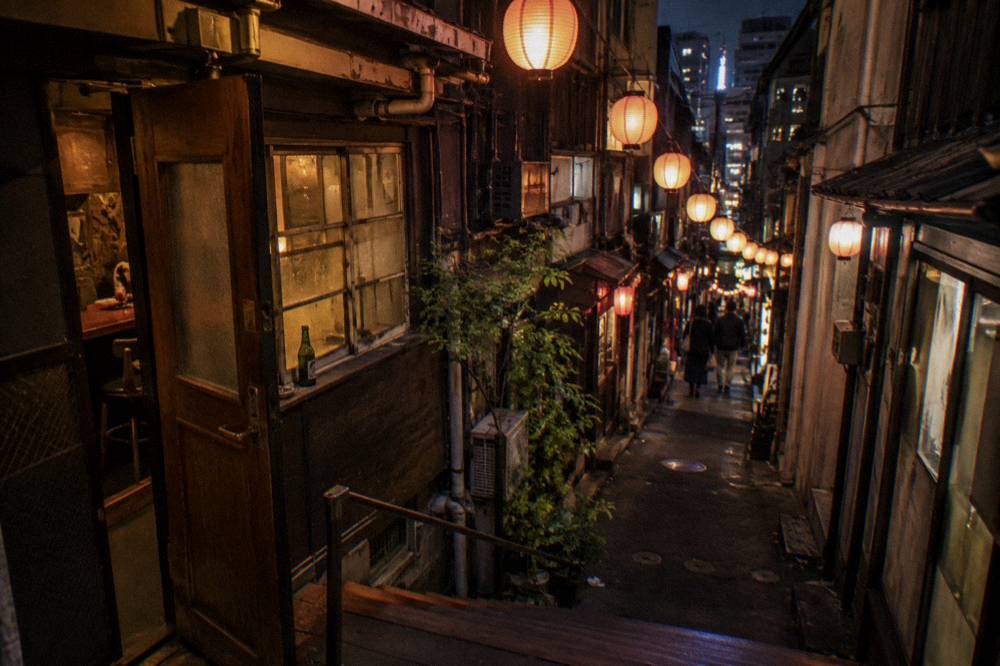
Golden Gai sits on the other side of Kabukicho: six narrow lanes of roughly two hundred bars, many seating five or six guests, opening in the evening and running into the small hours. It is primarily a drinking district, but plenty of bars serve otoshi, the small seated snack that arrives unbidden and functions as a per-person cover charge. The Shinjuku Sanchome strip and the lanes behind it hold the broadest range, from conveyor sushi to old izakaya to specialist shops, and the station's basement food halls handle the takeaway end.
The choice between them is really a choice of pace. Omoide Yokocho rewards a short, intense visit: two counters, a handful of skewers, then move on. Golden Gai rewards patience and cash, since many bars there still prefer it. Sanchome rewards wandering, because the best entrances are unmarked stairwells and basement hatchways you would never find from the main street.
| Area | What It Does Best | Character | Best Time To Arrive |
|---|---|---|---|
| Omoide Yokocho | Yakitori, motsuyaki, grilled skewers | Cramped, smoky, post-war lanes | Before 7 p.m. for a seat |
| Golden Gai | Two hundred tiny bars, cover-charge drinking | Quiet alleys, many bars seat five or six | From around 8 p.m. |
| Shinjuku Sanchome backstreets | Izakaya, standing bars, specialist shops | Mixed, local, least touristed | 6 p.m. to 9 p.m. |
| Kabukicho fringes | Late-night chains and big izakaya | Loud, convenient, hit-and-miss | Anytime after dark |
| Station basements | Takeaway bento, sweets, deli counters | Orderly, cashless-friendly | Late afternoon |
What Is The Best Food Area In Shinjuku For A First Visit?
Omoide Yokocho is the best first stop for most visitors, because it concentrates the whole Shinjuku eating experience, smoke, skewers, counter seats and beer, into five walkable minutes from the West Exit. Golden Gai makes the best second stop for anyone who wants to keep going with drinks. A first evening that pairs the two, skewers first and bars after, is the classic Shinjuku arc that guides have been running for years.
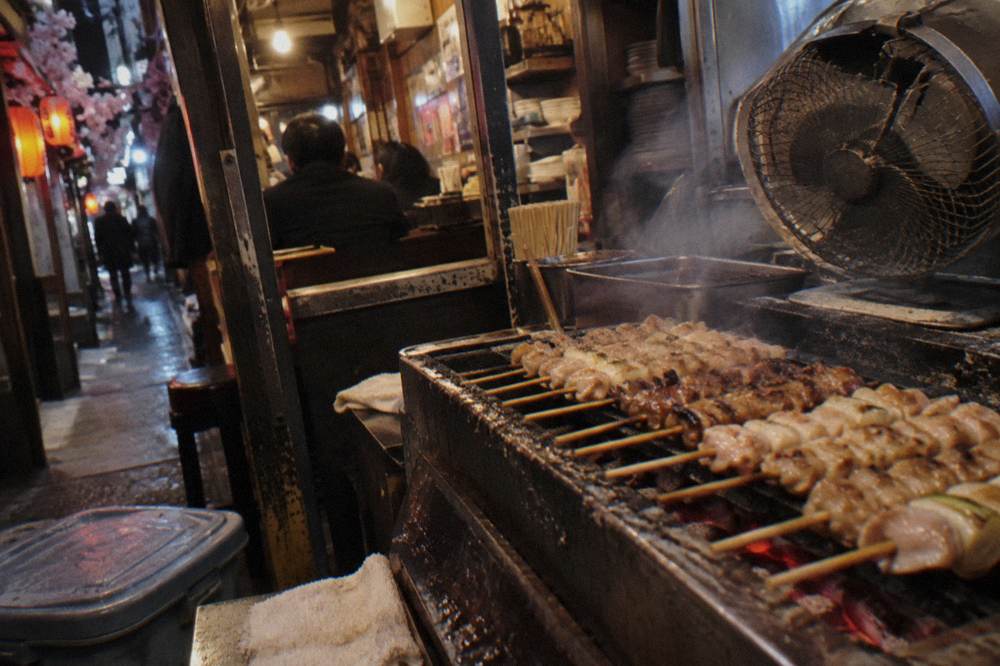
The yakitori counters of Omoide Yokocho grill over charcoal in spaces barely wider than the counter itself, and the official district guide puts a typical spend at 2,000 to 3,000 yen per person for skewers and drinks. Casual yakitori counters across Tokyo commonly price single skewers at 150 to 400 yen each, so a visit of five or six skewers plus a drink or two lands exactly in that band. Some counters add an otoshi seat charge of 300 to 500 yen, which arrives as a small starter rather than a fee for nothing, so read the bill before assuming a mistake.
Cash still matters here. The district's own guide notes that many counters are cash-only, and some that take cards still prefer cash for small tabs. Carry a few thousand yen in coins and notes and the whole lane opens up; arrive card-only and your options narrow to the handful of shops with QR signs.
Golden Gai asks a bit more of a newcomer. Cover charges of 500 to 1,500 yen per person are standard at many bars, per current area guides, and some doors are regulars-only. The reliable move is to look for English menus or posted cover charges at the entrance, both of which signal a bar that welcomes walk-in foreign guests. Photography in the alleys is treated seriously: the shopping-street association regards the lanes as private roads and asks that filming be cleared first, and inside any bar you ask the establishment.
Should You Take A Food Tour Or Eat On Your Own In Shinjuku?
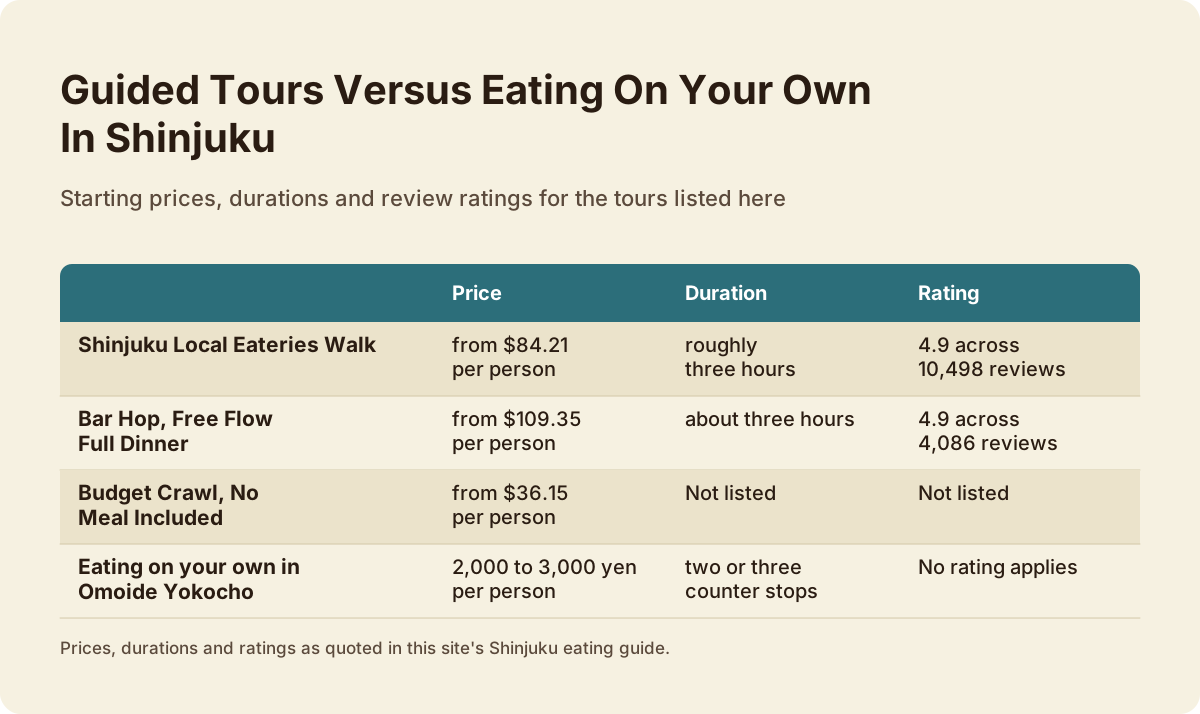
Go it alone if you read some Japanese signage, carry cash, and are content with two or three counter stops; book a tour if you want six or more stops, translation help at every counter, and someone to wave you past the tourist-facing entrances. The Shinjuku Local Eateries Walk starts at $84.21 per person for roughly three hours, while the Budget Crawl begins at $36.15.
The honest arithmetic depends on how much an evening of friction costs you. Going alone in Omoide Yokocho, a realistic spend of 2,000 to 3,000 yen per person covers skewers and a drink or two, so the raw food cost of a solo evening is a fraction of any tour price. What you buy with a guide is coverage and access: the Shinjuku Local Eateries Walk, rated 4.9 across 10,498 reviews, moves a small group through several neighbourhood eateries in about three hours, with ordering handled for you. The Shinjuku Walk, 15 Dishes 4 Eateries covers fifteen dishes at four local eateries in three hours, from $76.10 per person, rated 4.84 across 487 reviews. Eating by neighborhood is easier when The Tokyo Food List shows you what is within a 10-minute walk on a map.
For drinkers, the calculus tilts further toward tours. The Bar Hop, Free Flow Full Dinner pairs an included dinner with free-flow drinks and a Golden Gai finish, about three hours, from $109.35 per person, rated 4.9 across 4,086 reviews. At the floor of the price range, the Budget Crawl, No Meal Included at from $36.15 per person is exactly what its name says: the crawl structure and the guide, with food bought separately, rated 4.9 across 2,911 reviews.
Tours also absorb the district's unwritten rules. The cover charge that appears without being ordered, the cash-only register, the bar that is regulars-only tonight, the question of whether photographing a lane is acceptable: a guide who works these streets weekly handles all of it without a conversation. Solo diners can do the same, but it takes a slower, more tolerant evening.
What Should You Eat In Omoide Yokocho?
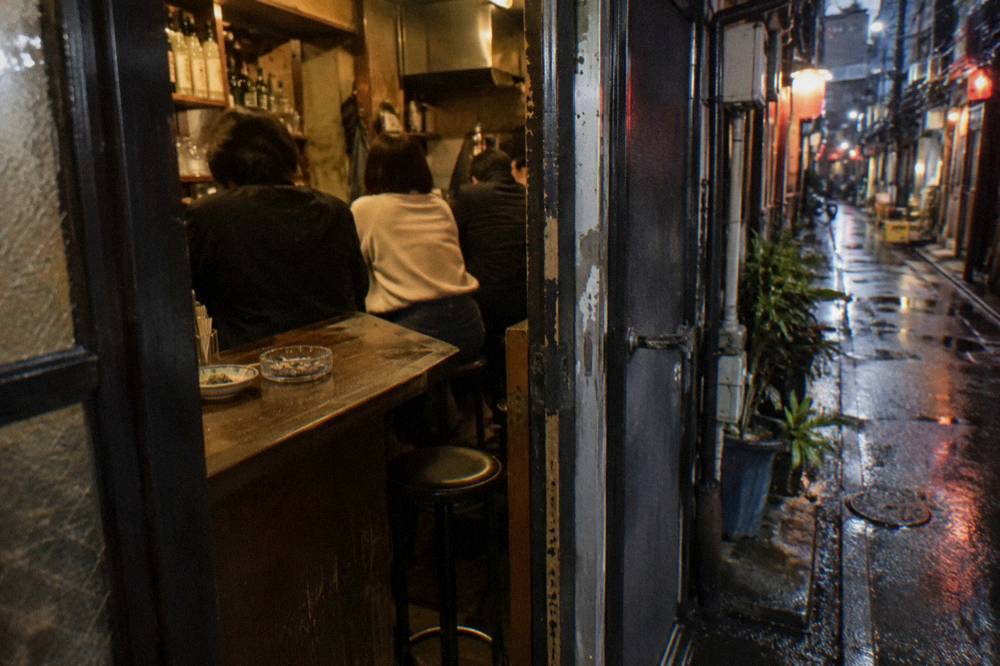
Order yakitori, the chicken skewers the lane was built on, and motsuyaki, the grilled offal dishes that are its other specialty, plus whatever tamagoyaki or seasonal grilled item the counter in front of you is actually cooking. Individual skewers at casual Tokyo counters commonly run 150 to 400 yen each, and a typical lane visit totals 2,000 to 3,000 yen per person including a drink or two. Order at the counter, watch the grill, eat what arrives.
The lane's own history explains the menu. It grew out of the post-war black market outside Shinjuku Station's West Exit, and the cheap, fast, charcoal-grilled cooking of that era never left. Motsuyaki, grilled pork offal, is the dish the district's official site names first among its specialties, and it remains the order that separates the lane's regulars from its passers-through. Yakitori covers the rest of the spectrum: thigh, skin, wing, cartilage, liver, each salted or sauced and timed to the grill rather than the customer.
Practical etiquette inside the lane is straightforward. Many counters seat fewer than ten people, so parties of two eat easily and parties of five do not. Some shops add the otoshi seat charge of 300 to 500 yen, which includes a small starter. Smoking rules follow Tokyo citywide policy: restaurants must display their smoking status at the entrance, and indoor smoking is only permitted in designated rooms. Eating here is counter-paced; you sit, you order rounds, you settle up and move on, which is why the lane rewards a two-stop evening rather than one long sit.
If you would rather have the lane decoded for you, the Shinjuku Walk, 15 Dishes 4 Eateries format covers fifteen dishes across four eateries in three hours, roughly the number of distinct cooking styles Omoide Yokocho and its fringes actually contain. The dedicated Omoide Yokocho eating guide goes deeper on the lane's layout.
Is Golden Gai Good For Food Or Only For Drinks?
Golden Gai is a drinking district first: its roughly two hundred tiny bars specialize in whisky, shochu, sake and conversation, and the food on offer is mostly otoshi, the small cover-charge snack, rather than dinner. Treat it as the second half of an evening after eating elsewhere, arrive from around 8 p.m. when bars open, budget for cover charges of 500 to 1,500 yen per person, and carry cash.
The bars' scale is the point. Many seat five or six guests, so a group of four can fill an entire establishment, and conversation with the bartender is the product as much as the pour. Closing times range from 2 a.m. to 5 a.m. with no alley-wide last call, and opening hours cluster between 7 p.m. and 9 p.m., per current area guides. Golden Gai tours here lean toward izakaya hopping rather than classic food walks., but several guided crawls use it as a finale, and the format suits it: a guide who knows which doors welcome newcomers turns an intimidating alley system into a three-bar evening.
Which doors those are changes, but the signals do not. English signage, a posted cover charge and a bartender who greets you from the doorway are the reliable markers of a tourist-friendly bar. Regulars-only establishments tend to have none of the three, and pushing that door wastes everyone's evening. Cash remains common across the alleys, so do not assume cards are accepted even when a sign hints otherwise.
The premium end of the guided options makes the district the whole experience. The Golden Gai Food Tour, Premium runs about three hours from $217 per person, rated 5.0 across 261 reviews, pairing the alleys with serious food stops, while the shorter Golden Gai Crawl, 2 Hours at from $97.17 per person, rated 4.8 across 180 reviews, compresses the bar route for a tighter evening. The Golden Gai bar hopping guide lays out the full range.
Where Do Locals Eat In Shinjuku Beyond The Alleys?
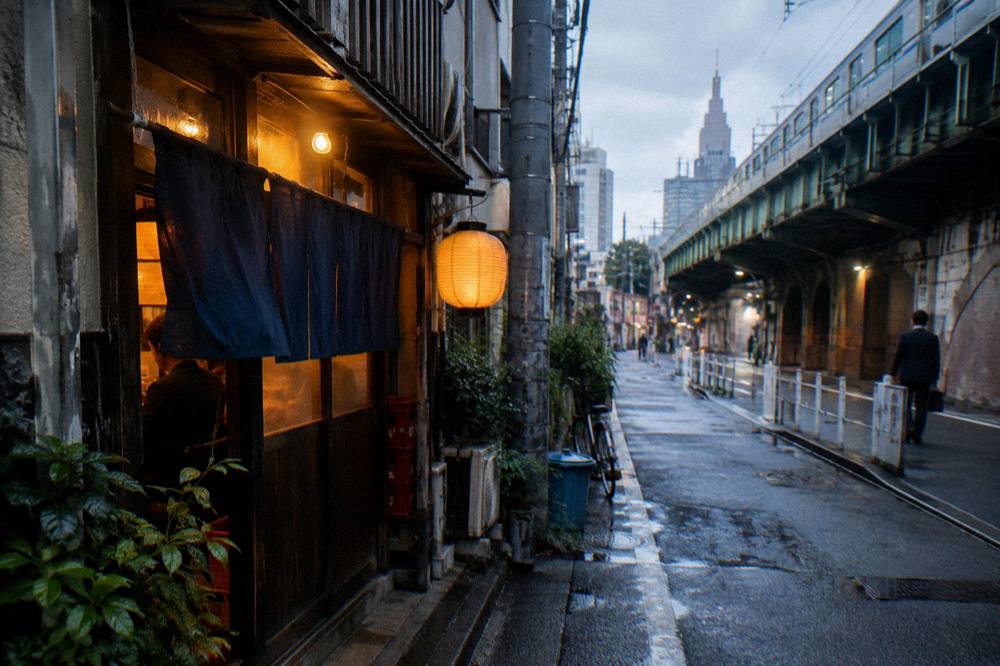
Locals eat in the Shinjuku Sanchome backstreets and the izakaya floors above and below street level, where old taverns, standing bars and specialist shops sit without English signage and without queues of visitors. The alleys are where Shinjuku's history is; Sanchome is where its weeknight dinners happen. Look for basement entrances, narrow stairwells and handwritten signs rather than street-front windows.
Sanchome's stock in trade is the izakaya, the drinking tavern whose menu stretches from grilled fish to stewed dishes to sashimi, ordered in rounds alongside drinks. An unordered otoshi appetizer appears at many izakaya as a standard per-person seating charge, typically listed on the bill, and it is not a tip and not a mistake. Dishes arrive as they are ready, the table accumulates plates, and the meal ends when the last drink does. This is also the zone where a cultural guide earns its price: the Izakaya Crawl, Cultural Angle runs about three hours from $129 per person, rated 4.94 across 256 reviews, and spends its time explaining what each dish and custom is rather than just delivering you to it.
Beyond Sanchome, the station's basement levels hold depachika-style takeaway counters, and the western side of the district thins into salaryman standing bars that fill between 6 p.m. and 8 p.m. and empty by nine. For visitors who want the local texture without the language risk, the After 5 Food and Drink Walk covers food, drink and culture in three and a half hours elsewhere in central Tokyo from $72.47 per person, rated 4.5 across 775 reviews, and is built around the after-work eating window rather than the tourist one.
How Much Does A Meal Cost In Shinjuku?
A counter evening in Omoide Yokocho typically totals 2,000 to 3,000 yen per person for skewers and drinks, with single skewers at 150 to 400 yen and an otoshi charge of 300 to 500 yen at some counters; Golden Gai adds cover charges of 500 to 1,500 yen per bar. Guided walks run from $36.15 per person for a no-meal crawl up to $217 per person for a premium food-and-bars experience.
The two cost structures are different animals. Eating independently, you pay per skewer and per drink, and the total scales with your appetite; the district's own planning figure of 2,000 to 3,000 yen per person assumes a normal round, not a feast. Reference points from across Tokyo help calibrate: the national average price of a bowl of shoyu-family ramen was 750 yen as of a September 2026 official retail survey, nigiri sushi per serving averaged 1,592 yen nationally, and conveyor chains in Tokyo run plates from 110 to 150 yen with typical meals of 1,500 to 3,000 yen. Shinjuku sits at or slightly above those baselines because of its location, not dramatically above.
Guided walks are flat and published up front. The Shinjuku Local Eateries Walk and the Shibuya Walk both start at $84.21 per person; the Budget Crawl undercuts everything at $36.15; the free-flow Bar Hop with full dinner is $109.35; premium formats run $217. What the flat price buys is certainty, several stops, and no bill-reading in a second language, which for a one-night visitor is often worth the difference over a solo evening at counter prices.
| Eating Style | Typical Cost | What Is Included |
|---|---|---|
| Omoide Yokocho solo evening | 2,000 to 3,000 yen per person | Skewers at 150 to 400 yen each, drinks, otoshi at some counters |
| Golden Gai bar hopping | 500 to 1,500 yen cover per bar plus drinks | Otoshi snack at many bars, cash often preferred |
| Casual ramen or conveyor sushi | 750 to 3,000 yen per meal | One bowl, or plates from 110 to 150 yen |
| Budget Crawl, No Meal Included tour | From $36.15 per person | Guide and bar route, food bought separately |
| Shinjuku Local Eateries Walk | From $84.21 per person | About three hours, several neighbourhood eateries |
| Bar Hop, Free Flow Full Dinner | From $109.35 per person | About three hours, dinner, free-flow drinks, Golden Gai |
What Should You Know Before Eating Out In Shinjuku?
Carry cash, expect a per-person otoshi charge at izakaya and many bars, do not tip, and check the smoking sign at each entrance, because Tokyo restaurants must display their policy and indoor smoking is limited to designated rooms. Consumption tax is 10 per cent eating in and 8 per cent on takeaway. Reservations matter mainly for popular or high-end venues; the alleys work first-come, first-served.
Cash is the first rule. Independent restaurants and ramen shops across Tokyo often still prefer it, and Golden Gai bars in particular should not be assumed card-friendly. IC travel cards like Suica and PASMO are fully interoperable across JR East and Tokyo Metro lines, which makes reaching Shinjuku frictionless, but they do not pay for your skewers once you arrive. Tipping, for its part, is simply not part of the routine: the Japan National Tourism Organization notes it is not common to tip for services in bars, cafes, restaurants, taxis and hotels, and staff may return money left by mistake. An otoshi charge or a 10 to 15 per cent service charge at upscale venues is part of the stated price, not a gratuity.
Allergies deserve a careful note. Japan's specified allergen labelling list covers packaged processed foods, and cashew nuts were added as a specified material on 1 April 2026, bringing the list to nine items, but restaurant dishes generally carry no such labels. If you book a guided walk, message the operator about allergies before booking rather than raising them at the first counter. Getting to the district itself is simple: the JR Yamanote Line serves Shinjuku directly, and the alleys sit minutes from the West Exit, per current transport references.
Chopstick etiquette matters less than visitors fear, but two habits carry real weight: never stand chopsticks upright in rice and never pass food chopstick to chopstick, both of which echo funeral rituals. Finishing what you order is appreciated, and bill-splitting is often awkward, so one person paying and settling later is the smoother local move. For the wider customs picture, see what to know before eating at a Japanese restaurant.
| Situation | The Local Norm |
|---|---|
| Paying | Cash still widely preferred in the alleys; pay the exact bill |
| Otoshi charge | Standard per-person seating charge at many izakaya, listed on the bill |
| Tipping | Not customary; staff may return money left behind |
| Smoking | Sign required at the entrance; indoor smoking only in designated rooms |
| Tax | 10 per cent dine-in, 8 per cent takeaway |
| Allergies | Tell the tour operator before booking; restaurant labelling is not required |
| Queues | Counters are first-come, first-served; arrive before 7 p.m. for seats |
The district also rewards a decision made before you arrive: how much of the evening you want structured. A dinner reservation and a bar list will get a confident traveller through Sanchome, but the alleys' smallest counters are the ones where a guide's presence changes what arrives at the counter and how easily you can stay. The Tokyo Food Tours options are built for exactly that decision, and each walk above lists its price and cancellation terms on the live booking page.
Common Questions About Eating In Shinjuku
Where Should You Eat In Shinjuku?
Omoide Yokocho for grilled skewers near the West Exit, Golden Gai for tiny bars east of Kabukicho, and the Shinjuku Sanchome backstreets for izakaya cooking. Each has a distinct character, and most visitors do best by pairing two of them in one evening.
How Much Does A Meal Cost In Shinjuku?
A counter evening in Omoide Yokocho typically totals 2,000 to 3,000 yen per person for skewers and drinks, with single skewers at 150 to 400 yen. Casual ramen averages around 750 yen a bowl nationally, and conveyor sushi meals commonly total 1,500 to 3,000 yen.
Is Golden Gai Good For Food?
It is a drinking district first. Most bars serve only an otoshi cover-charge snack alongside drinks, with covers of 500 to 1,500 yen per person. Eat in Omoide Yokocho or Sanchome first, then bar-hop in Golden Gai from around 8 p.m.
Do You Need Cash To Eat In Shinjuku?
Often, yes. Many Omoide Yokocho counters are cash-only and Golden Gai bars commonly prefer cash. Mid-range and chain venues increasingly take cards, but arriving with a few thousand yen keeps every door open.
Is A Food Tour In Shinjuku Worth It?
If you want multiple stops, translation at the counter and the district's unwritten rules handled for you, yes: walks run from $36.15 per person for a no-meal crawl to $217 for a premium format, and the most reviewed option is rated 4.9 across 10,498 reviews. Confident solo diners with cash and patience can eat well independently for a fraction of that.
What Is Otoshi, And Why Is It On The Bill?
Otoshi is a small unordered appetizer that functions as a standard per-person seating charge at many izakaya and bars, typically listed on the bill. In Omoide Yokocho it commonly runs 300 to 500 yen and includes a small starter; it is not a tip.