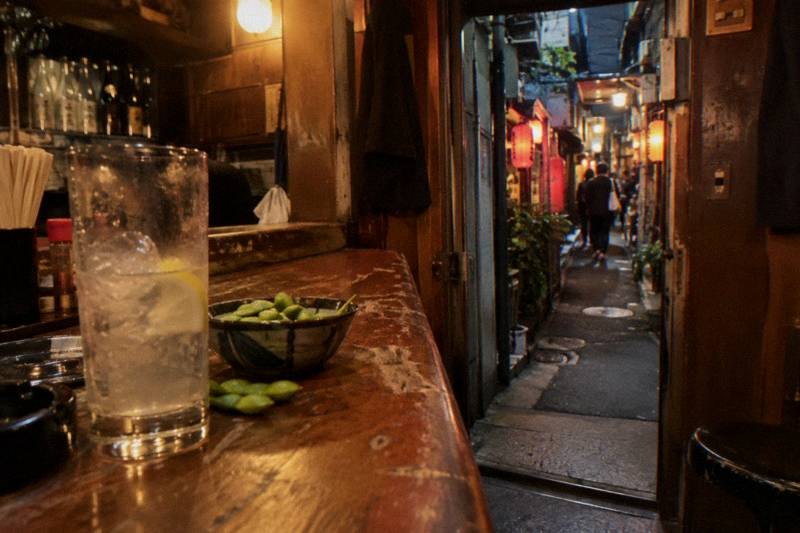
Omoide Yokocho Food Tour: Memory Lane After Dark
Omoide Yokocho packs roughly 60 bars and restaurants into about 2,000 square metres beside Shinjuku Station's west exit, and a guided evening is the simplest way to eat your way through it without guesswork.
Short answer
Omoide Yokocho is a post-war bar district near the west exit of Shinjuku Station with about 80 premises, mostly motsuyaki and yakitori counters. Guided options run from $36.15 per person for the Budget Crawl to $109.35 for a free-flow dinner with Golden Gai, mostly around 3 hours.
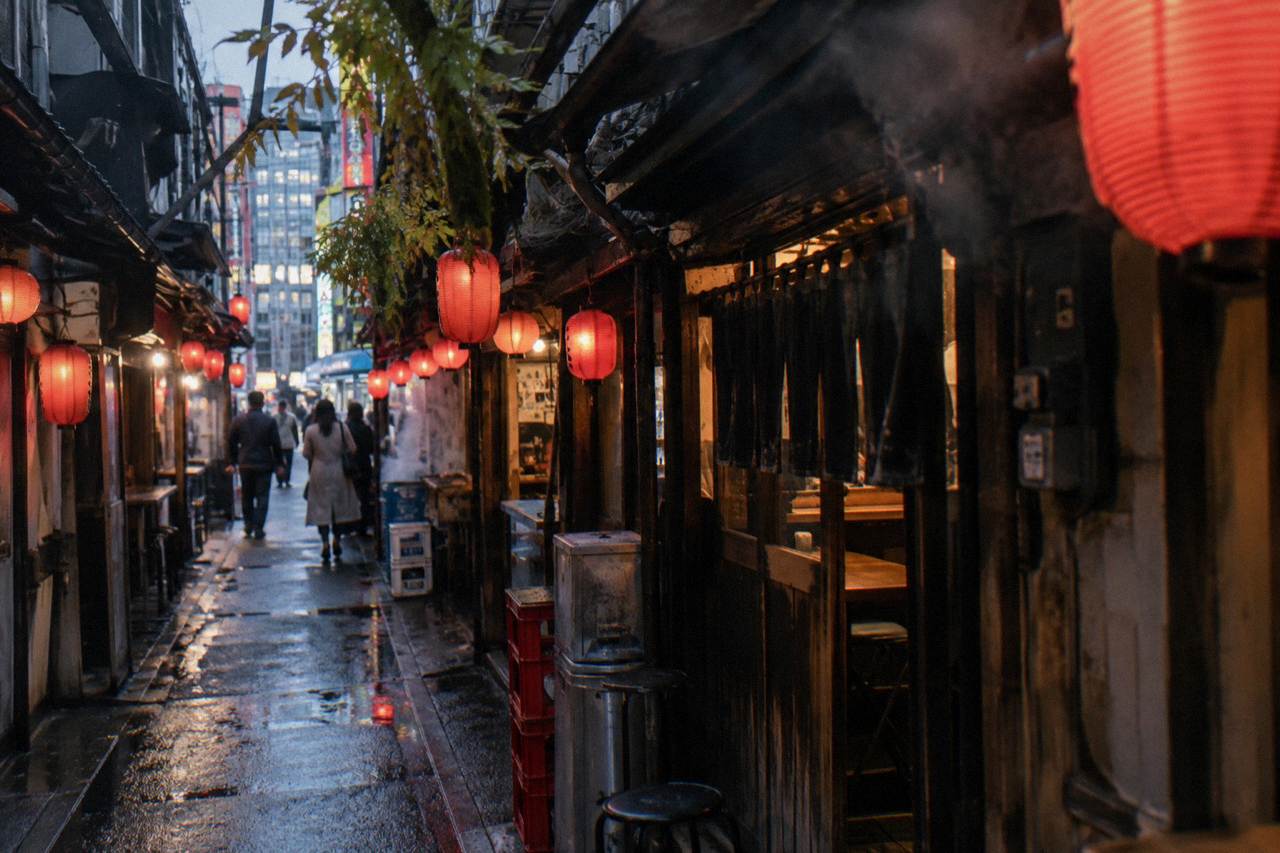
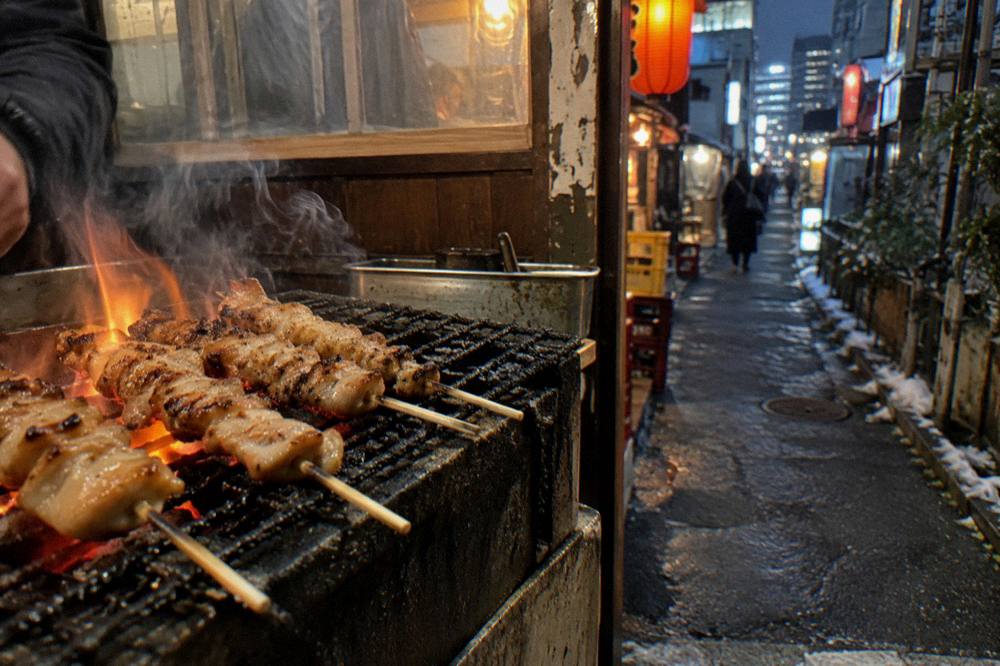
A few steps from the west exit of Shinjuku Station sits a block of alleyways so narrow that two people passing shoulder to shoulder is a squeeze. This is Omoide Yokocho, sometimes called Memory Lane or, less charitably, Piss Alley: a post-war bar district that grew up around a black-market hub after the war and never left. Today it holds about 80 premises across roughly 2,000 square metres, and around 60 of them are bars and restaurants, the majority grilling yakitori and motsuyaki, offal skewers, over charcoal. The district's official site traces that history in more detail for anyone curious about the warren's origins.
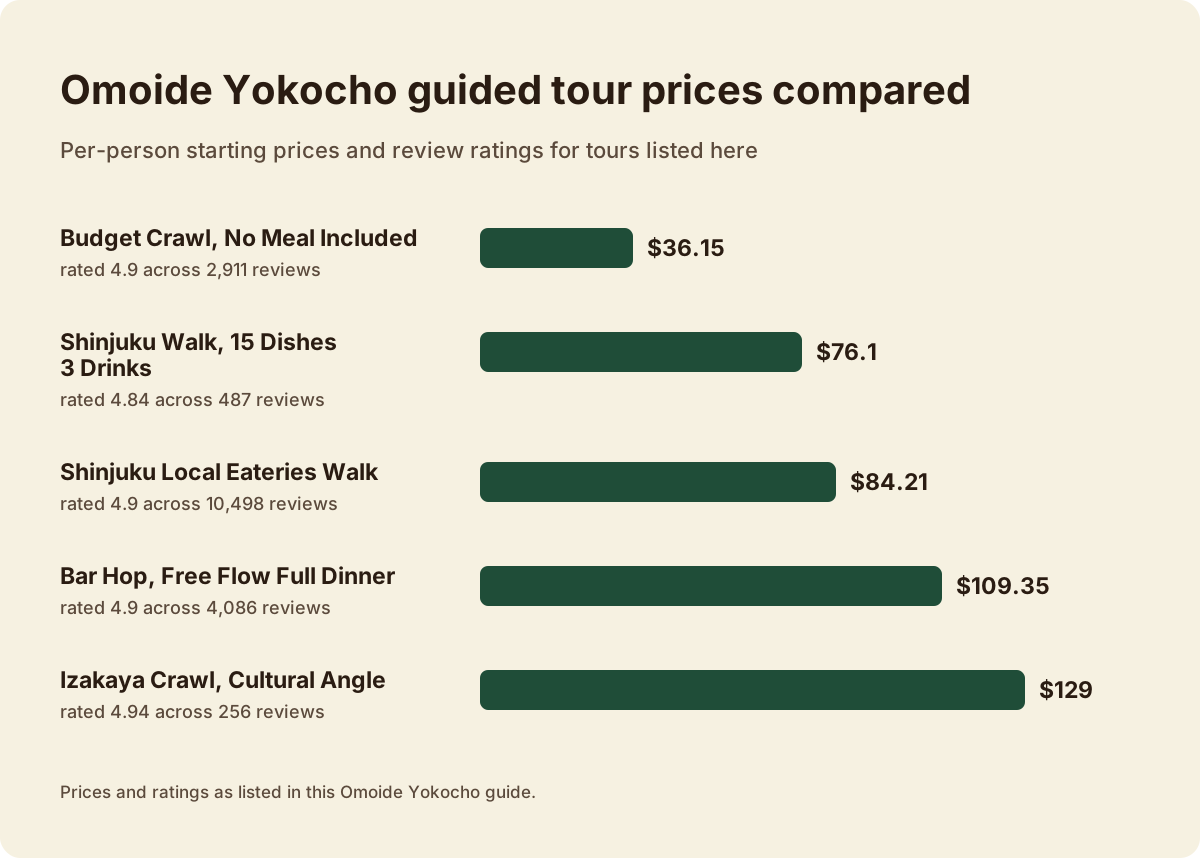
Eating here independently is entirely possible, but the lanes are confusing, many counters are cash-only, several add a seating charge, and a few are regulars-only. That is the gap a guided evening fills. The cheapest entry on the books is the Budget Crawl, No Meal Included, from $36.15 per person, which walks you between Shinjuku bars and izakaya without food; at the other end, the Bar Hop, Free Flow Full Dinner from $109.35 pairs an all-you-can-drink format with a full meal and a Golden Gai finish. For a broader look at options across the city, the guides on Tokyo Food Tours break down the main districts and formats.
What Is Omoide Yokocho In Shinjuku?
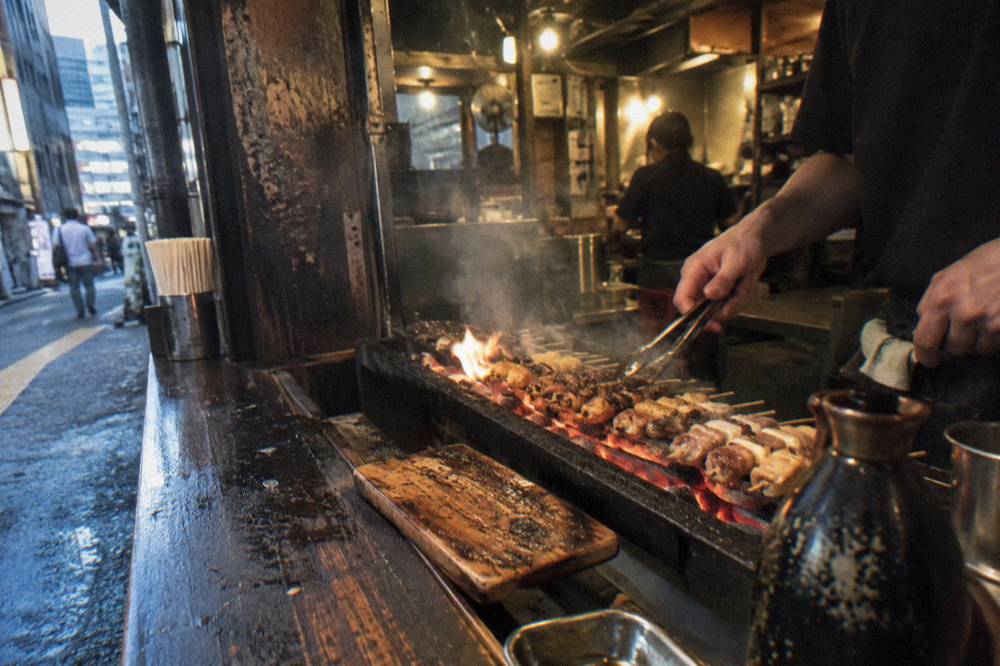
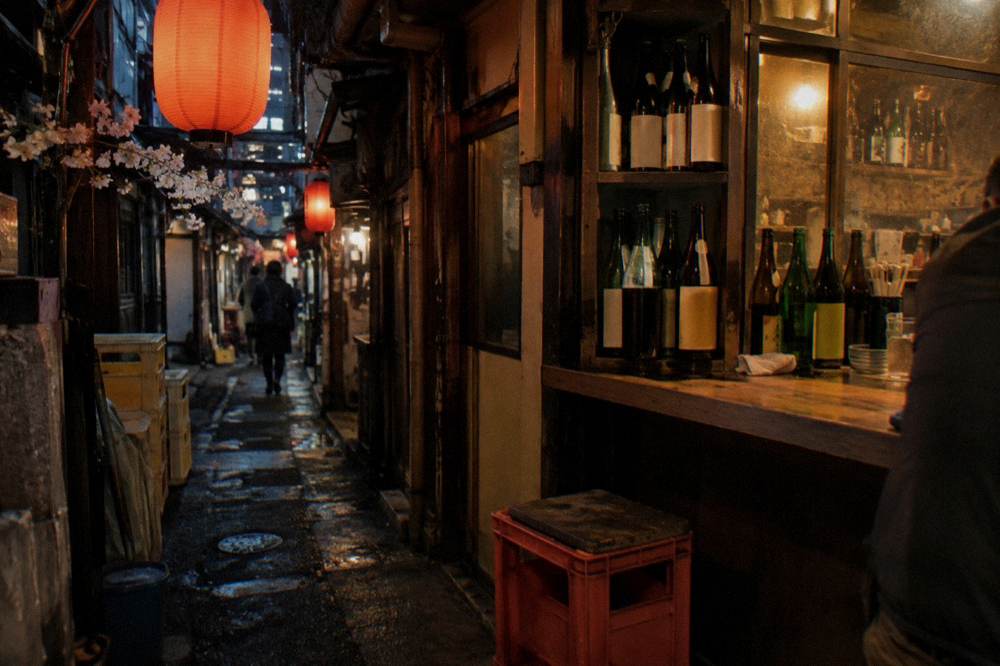
Omoide Yokocho is a compact post-war eating and drinking district of about 80 premises, roughly 60 of them bars and restaurants, wedged into about 2,000 square metres beside the west exit of Shinjuku Station. Most counters specialise in yakitori and motsuyaki, grilled over charcoal in spaces that seat a handful of guests each, and the district's official site describes it as a bar area that emerged from the post-war period near the station's west side.
The lanes themselves are always walkable even when the shops are shut, and there is no alley-wide opening schedule: each counter sets its own hours, with the district's guide noting that most yakitori and motsuyaki spots open around 5 p.m. and run to midnight or later. That makes it an evening place by design. Lunch here is possible at a handful of shops, but the atmosphere people travel for arrives with the smoke and the lanterns after dark.
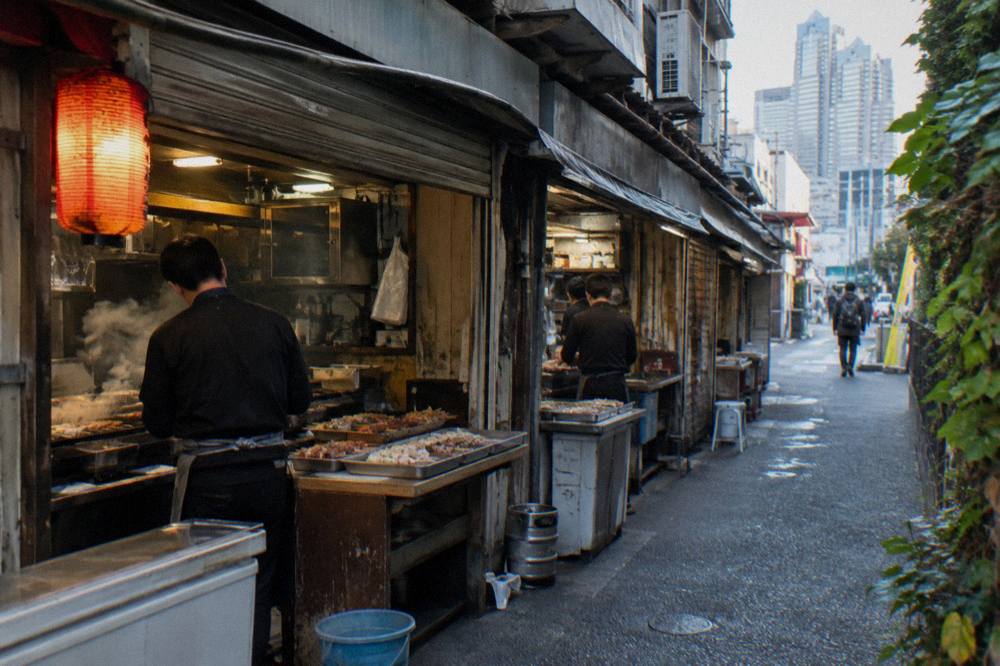
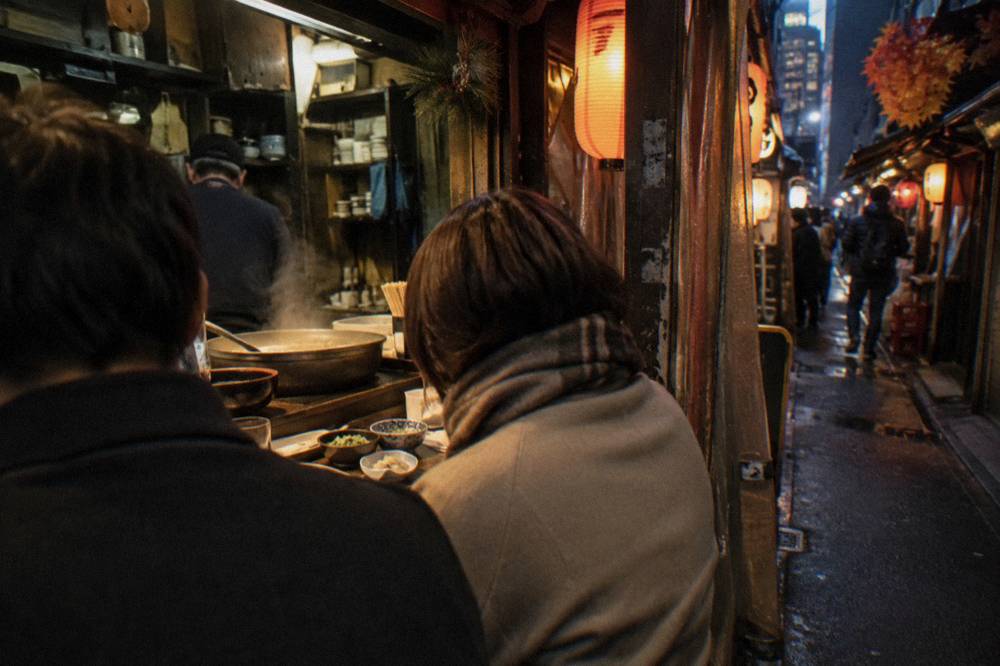
The scale matters when you plan. Sixty bars sounds like a lot until you stand in the lane: a typical counter seats six to ten people, and popular ones fill within an hour of opening. Independent visitors who arrive at 8 p.m. on a Friday without a plan often end up at whichever shop still has stools. A guide who knows which counters take foreigners happily, which are regulars-only, and which grill the best motsuyaki removes most of that friction. For the neighbourhood context, the Shinjuku food tour overview covers the wider district, and our piece on where to eat in Shinjuku maps the areas beyond the alley.
What Does An Omoide Yokocho Tour Actually Include?
Most guided evenings here run about 3 hours, visit two to four counters, and include either drinks only or a full dinner: the Budget Crawl from $36.15 per person covers bar entries and a guide but no meal, while the Bar Hop, Free Flow Full Dinner from $109.35 includes unlimited drinks and a complete dinner before finishing in Golden Gai. Both carry a 4.9 rating across large review pools.
The inclusion split is the single biggest thing to check before booking. A drink-focused crawl assumes you will order food yourself as you go, which suits travellers who want flexibility and a low headline price. A dinner-included tour suits anyone who would rather pay once and not think about yen amounts at each counter. Both formats walk the same lanes; what changes is what is already paid for when you sit down.
Between those two poles sit several worth comparing. The Shinjuku Walk, 15 Dishes 4 Eateries from $76.1 per person, rated 4.84 across 487 reviews, is a food-forward evening across four local eateries. The Izakaya Crawl, Cultural Angle from $129 per person, rated 4.94 across 256 reviews, leans into explanation and storytelling. And the Shinjuku Local Eateries Walk from $84.21, rated 4.9 across 10,498 reviews, is the most reviewed food walk in the district, covering local spots rather than only the lanes. The table below lines them up.
| Tour | Price basis | Duration | Rating |
|---|---|---|---|
| Budget Crawl, No Meal Included | from $36.15 per person | ~3 hours | 4.9 across 2,911 reviews |
| Shinjuku Walk, 15 Dishes 4 Eateries | from $76.1 per person | ~3 hours | 4.84 across 487 reviews |
| Bar Hop, Free Flow Full Dinner | from $109.35 per person | ~3 hours | 4.9 across 4,086 reviews |
| Izakaya Crawl, Cultural Angle | from $129 per person | ~3 hours | 4.94 across 256 reviews |
| Shinjuku Local Eateries Walk | from $84.21 per person | ~3 hours | 4.9 across 10,498 reviews |
How Much Does An Omoide Yokocho Tour Cost?
Guided options here span $36.15 to $109.35 per person for group walks, with the Budget Crawl at the floor covering bars only and the free-flow dinner tour at the ceiling, while premium guided Golden Gai tours reach $217 at the top end; independent eating in the lanes typically costs ¥2,000 to 3,000 per person in skewers and drinks, plus a ¥300 to 500 seating charge at many counters.
So the real question is value per yen, not just the headline price. If you intend to eat a full meal anyway, a no-food crawl at $36.15 plus your own spending can easily exceed the $109.35 dinner-included tour once skewers, drinks and seating charges stack up across three hours. If you have eaten already and only want the bar-hopping experience, the cheap crawl plus one round of drinks is hard to beat. Eating by neighborhood is easier when The Tokyo Food List shows you what is within a 10-minute walk on a map.
For an independent baseline, budget by skewer and by drink: stall prices vary, and no single figure fits every appetite, casual yakitori skewers across Tokyo commonly price at 150 to 400 yen each, and many counters add an otoshi seating charge of ¥300 to 500 that includes a small starter. None of that is expensive, but it is unbudgeted, and cash is still preferred at many independent counters. A tour converts that uncertainty into a fixed dollar figure.
Is A Tour Better Than Exploring The Alley Yourself?
A tour is the better choice for a first evening, a short stay or anyone without Japanese, because counters here are small, some are regulars-only, several are cash-only and menus are often handwritten in Japanese; confident independent travellers who arrive before 7 p.m., carry cash and accept the risk of closed doors can do the lanes alone for less money, but they trade away guaranteed seating and translation.
The honest case against a tour: the lanes are public, walkable and free to enter, and plenty of counters post English signs or picture menus. If you have two or three nights in Shinjuku, one self-guided wander is genuinely fun. The honest case for a tour: on a single evening, with a group or a deadline, a guide converts a coin flip into a plan. Guides also handle the etiquette load, ordering motsuyaki cuts nobody would request by pointing, and explaining what the dishes are as they arrive.
One structure worth considering: pair a cheap guided crawl with your own eating. Take the Budget Crawl for the bar entries and the route, then return the next night to whichever counter you liked. Travellers who want the full night handled in one go should look at the wider Tokyo izakaya tour options, which include izakaya-heavy formats across several districts.
| Factor | Guided evening | Independent visit |
|---|---|---|
| Seating at small counters | Yes, arranged in advance | No, peak hours fill fast |
| Language support | Guide orders and translates | Picture menus, pointing |
| Cost predictability | Fixed per-person price | ¥2,000 to 3,000 plus otoshi, varies |
| Access to regulars-only spots | Sometimes, via the guide's relationship | Rarely |
| Flexibility to linger or leave | Set schedule | Total |
| Cash handling | Often included in tour price | Cash still preferred at many counters |
Which Omoide Yokocho Tour Fits Your Evening?
Pick the Budget Crawl at $36.15 per person for a drinks-led night on a budget, the Bar Hop, Free Flow Full Dinner at $109.35 for an all-inclusive evening ending in Golden Gai, or the Shinjuku Walk, 15 Dishes at $76.1 when food is the priority; small-group and premium alternatives start near $129 and climb past $200 for private formats.
Match the format to your energy, not just your wallet. The dinner-included tours run about 3 hours and end comfortably full, which suits a main evening out. The crawls move more, sit less, and suit travellers who want the atmosphere more than a sit-down meal. Solo travellers and pairs gravitate to the crawls for the social element; couples celebrating something lean toward the inclusive walks.
For a premium version of the same night, the Golden Gai Food Tour, Premium from $217 per person, rated 5 across 261 reviews, moves the evening into the Golden Gai lanes with food included, and the private Private Crawl, Unlimited Sake from $110.23 per person lets a group set its own pace. Shibuya readers can also compare the Award-Winning Shibuya Bar Hop from $38.87 per person, rated 5 across 1,107 reviews, which applies the same crawl formula across town.
A different angle again is the Old Town Premium Walk from $231 per person, rated 4.9 across 71 reviews, which leaves the Shinjuku lanes entirely for a 3 hour 30 minute walk through historic districts at the top of the price band.
What Should You Know Before Eating In The Lanes?
Bring cash, expect a ¥300 to 500 otoshi seating charge at many counters that includes a small starter, do not tip under any circumstances, eat inside the eatery or at its counter rather than while walking, and check the smoking sign at each entrance since indoor smoking is only permitted in designated rooms under Tokyo's ordinance in force since April 2020.
The otoshi deserves a word because it catches visitors off guard. It is not a tip and not a scam; it is a standard per-person seating charge listed on the bill, functioning as a table charge at many izakaya, and in these lanes it usually comes with a small dish. Tipping, by contrast, is not customary anywhere in this ecosystem: the Japan National Tourism Organization notes it is not common to tip at bars, restaurants, taxis or hotels, and staff may chase you down to return money left by mistake, per the national tourism body's guidance at japan.travel.
Smoking rules are strict and posted. Tokyo's passive smoking ordinance, fully in effect since 1 April 2020, requires restaurants to display a sign at the entrance showing their policy, and indoor smoking is limited to designated rooms; the official gazette summary at koho.metro.tokyo.lg.jp sets out the categories. Photography deserves restraint too: alleys in the neighbouring Golden Gai are treated as private roads by the shopping-street association, and asking before photographing inside any small bar is simply good manners there and in Memory Lane alike.
Allergies need advance notice. Japan's allergen labelling duty covers packaged foods and lists nine specified items, cashew nuts added as of 1 April 2026, but restaurant dishes generally carry no such labels, and the Consumer Affairs Agency's allergen page at caa.go.jp is explicit that the labelling requirement is about packaged goods. Message the operator before booking if anyone in your party has a serious allergy.
| Situation | What to do |
|---|---|
| Small bill at a cash-only counter | Carry yen; many counters prefer or require cash |
| Otoshi arrives unbidden | It is a seating charge, on the bill legally, not a tip |
| Extra cash left on the table | Staff may return it; take it back |
| Want to photograph the lane or a bar | Ask first, especially in Golden Gai's private alleys |
| Serious food allergy | Message the operator before booking |
| Counter has no English sign | It may be regulars-only; move to the next |
When Is The Best Time For A Guided Evening Here?
Most counters open around 5 p.m. and run to midnight or later, so tours typically start between 5 and 7 p.m., with the quietest window in the first hour after opening and the heaviest crowds from 8 p.m. onward; Sundays and national holidays change little in the lanes themselves, unlike Tokyo's wholesale markets, so any evening works with a booking.
Arriving early matters more here than in most districts because of the seating maths. Sixty counters, a handful of seats each, and a Friday crowd that starts filling them by 7 p.m. mean a 5 or 6 p.m. start buys you unhurried grilling and chat with the cook. Later starts deliver the full lantern-lit atmosphere but with more waiting. Tours largely neutralise the problem by pre-arranging stops, which is another quiet argument for the guided route on peak nights. Seasonally, autumn brings sanma, mushrooms and new rice into Tokyo kitchens, a detail worth knowing when guides describe what is on the grill. If the grill smoke has you thinking about drinks to match, the guide to Tokyo sake and whisky tastings covers what each session includes and how to choose between a masterclass and a combined sushi and sake experience.
Booking, Cancellation And Getting There
Omoide Yokocho sits by the west exit of Shinjuku Station, reached directly on the JR Yamanote Line and several Tokyo Metro and Toei lines, and most operators allow free cancellation up to a stated cutoff, though exact terms vary by product, so read the cancellation line on the booking page before you pay; the cheapest crawl starts at $36.15 per person, so the financial risk on a cancelled evening is modest.
Shinjuku is one of the best-connected points in the city, which is partly why the district survived here at all: the Yamanote Line serves it directly, Tokyo Metro runs multiple lines through it, and Suica and PASMO cards work interchangeably across all of them. Meet-up points for the tours are typically a station exit or an easily found landmark within a few minutes' walk of the lanes. Arrive ten minutes early; guides in these crowds cannot wait long without losing the group.
Before booking, three checks take under a minute: the cancellation cutoff, the meeting point's exact exit, and whether food is included. The free-cancellation line on the Budget Crawl makes it a low-commitment choice for travellers whose plans may shift. Once booked, carry some cash regardless, because a card-only assumption fails somewhere in these lanes on most nights. For a wider comparison of evening formats, the Tokyo night food tour guide rounds up after-dark eating across the city.
Between the cheap crawl and the cultural walk, most visitors find their fit. Groups who want privacy can price the private formats mentioned earlier, and anyone extending the night past the tour's end will find Golden Gai's bars typically open from around 8 p.m., with cover charges commonly ¥500 to 1,500 per person, often including a snack. That is the natural second half of a Memory Lane evening, and several tours already build it in.
Common Questions About Omoide Yokocho Food Tours
What Is Omoide Yokocho?
A post-war bar district of about 80 premises beside Shinjuku Station's west exit, roughly 60 of them bars and restaurants, mostly yakitori and motsuyaki counters packed into about 2,000 square metres of lanes.
How Much Does A Guided Evening Cost?
Group tours covering the lanes run from $36.15 per person for the Budget Crawl, which includes bars but no meal, to $109.35 for a free-flow dinner tour finishing in Golden Gai. Food-inclusive walks sit between, from $76.1 per person.
Can You Eat At Omoide Yokocho Without A Tour?
Yes, the lanes are public and free to enter, and typical independent spend is ¥2,000 to 3,000 per person for skewers and drinks plus a ¥300 to 500 seating charge at many counters. Bring cash, as many counters prefer or require it.
What Time Do The Counters Open?
There is no alley-wide schedule. Most yakitori and motsuyaki counters open around 5 p.m. and run until midnight or later, with each shop setting its own hours.
Is Tipping Expected In The Alley?
No. Tipping is not customary at Japanese bars and restaurants, and the otoshi seating charge that appears on many bills is a table charge, not a gratuity.
Are The Lanes Suitable For Vegetarians?
Motsuyaki and yakitori dominate, so options are limited; message the operator before booking any tour to ask what can be arranged, since restaurant dishes in Japan generally carry no allergen or ingredient labels.