Tokyo Restaurant Reservations: How To Book As A Visitor
Tokyo runs on reservations more than almost any other food city, and the rules are not always written down for visitors. Here is what actually requires booking, how to do it, and when a guided tour quietly solves the whole problem.
Short answer
Many casual Tokyo restaurants are walk-in only, while popular and high-end venues often require reservations and may charge for no-shows. Book via phone, website, hotel concierge or a reservation app, tell the venue about allergies in advance, and expect a 10 percent tax on dine-in meals. Guided food tours, from $36.15 per person, remove the booking step entirely.
How Do Tokyo Restaurant Reservations Work For Foreign Visitors?
Most casual Tokyo restaurants operate first-come, first-served, while destination spots and high-end counters often require advance booking, sometimes weeks ahead. There is no single national booking system: reservations happen by phone, through a venue's own website, via hotel concierges, or through booking apps, and a no-show can trigger a cancellation fee.
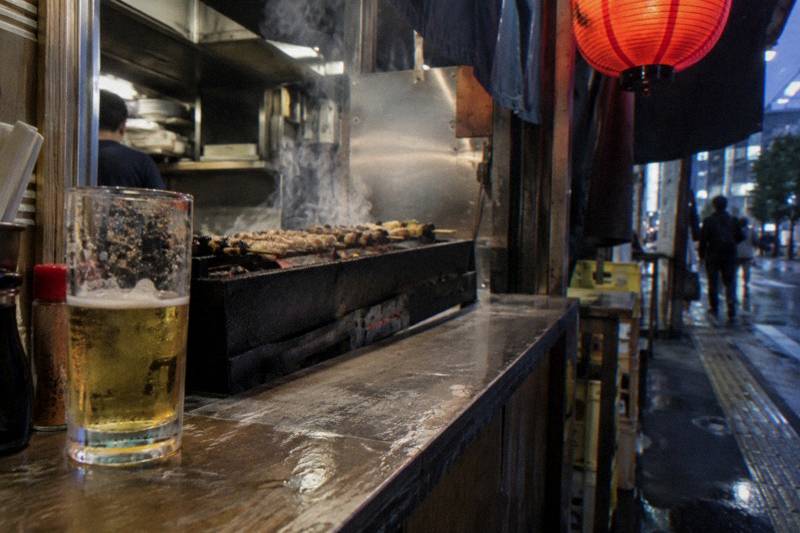
The split surprises first-time visitors. A ramen counter with twelve seats takes no bookings at all, and the queue outside is part of the deal. One floor up or one street over, a small izakaya with a similar number of seats may require a reservation made days in advance, especially for weekend evenings. The difference is not formality, it is capacity. Tiny kitchens cannot absorb an empty table, so they protect themselves by booking only guests who confirm.
Reservations themselves are usually straightforward. The venue wants a name, a party size, a time, and a phone number or hotel name they can reach you on. What trips visitors up is everything around the booking: confirming it, changing it, and showing up on time. Tokyo restaurants take punctuality seriously, and arriving fifteen minutes late to a counter restaurant is not a small slip, it can cost you the seat.
This is also why Tokyo Food Tours spends so much of its coverage on guided experiences. A tour is, at its core, a moving reservation: someone else has confirmed the seats, ordered the courses, and handled the language, and you simply arrive at the meeting point. For travelers who find the booking culture intimidating, that convenience is worth real money, and later sections compare the costs honestly.
Which Tokyo Restaurants Actually Require A Reservation?
Counter sushi restaurants, premium wagyu and omakase venues, most Michelin-listed rooms, and popular destination izakaya generally need reservations, while ramen shops, conveyor-belt sushi chains, food markets and most yakitori counters do not take bookings at all. Somewhere in between, mid-range izakaya in busy districts may accept walk-ins on weekdays but book out on weekends. To figure out where those bookable spots actually are, our guide to the best restaurants in Tokyo by neighborhood covers which areas reward planning ahead.
A useful rule of thumb: the smaller the restaurant and the more expensive the meal, the more likely a reservation is required. High-end reservations in Tokyo can open weeks or even a month or more ahead, and no-shows or late cancellations can result in fees, so it matters to notify the venue if plans change. Destination spots often require advance booking by phone, website or concierge, while many casual eateries simply run on a first-come basis all day.
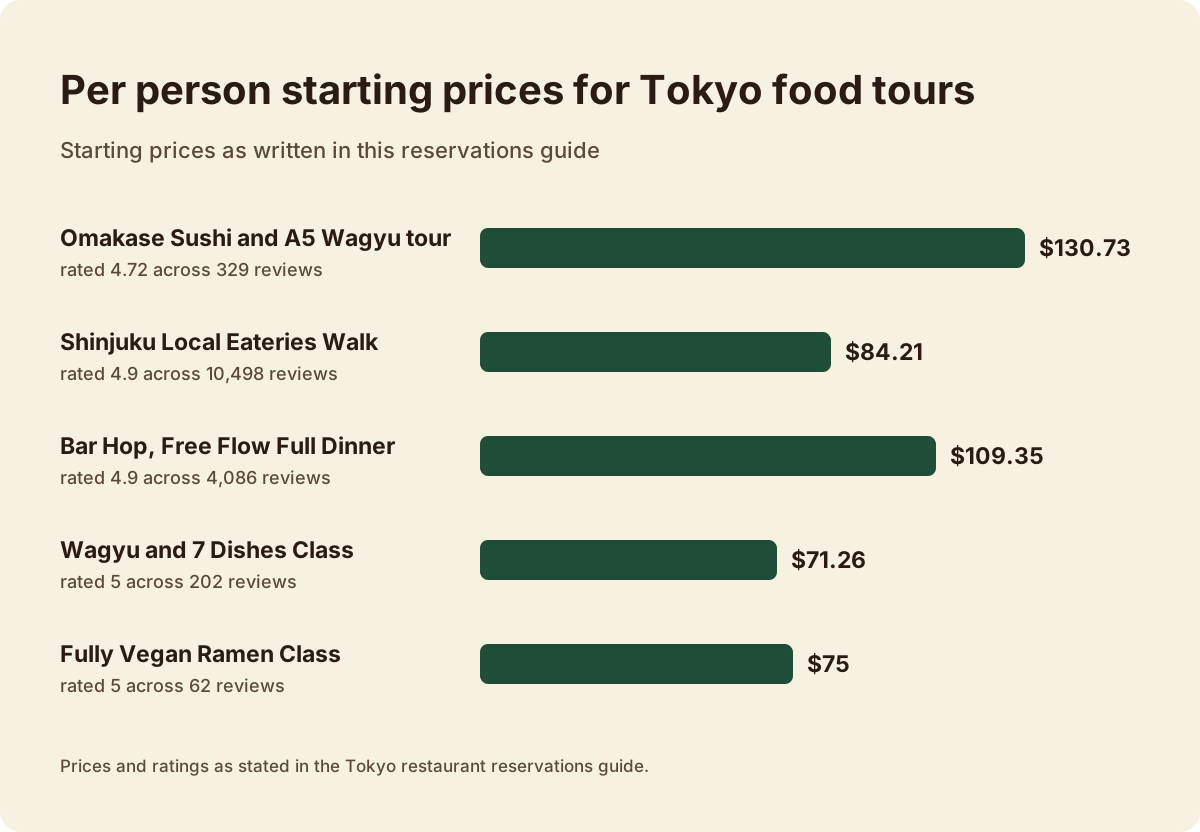
The premium end of the spectrum is where booking friction is worst, and it is exactly where guided alternatives cluster. The Omakase Sushi and A5 Wagyu tour, rated 4.72 across 329 reviews, from $130.73 per person, delivers the high-end tasting experience, sushi and wagyu across roughly three hours, without the guest making a single phone call. Compare that with booking an equivalent omakase counter alone, where the reservation itself can be the hardest part of the evening.
At the other end, a guide like best restaurants in Tokyo covers venues across price tiers, and the walk-in tier is large. If your list skews toward ramen, standing sushi and market food, you may barely need a reservation at all.
| Restaurant type | Reservation usually needed? | Typical walk-in situation | Notes for visitors |
|---|---|---|---|
| Counter omakase sushi | Yes, often well ahead | Not walk-in | No-show fees increasingly common |
| Premium wagyu / teppanyaki | Yes | Not walk-in | Hotel concierge can book |
| Michelin-listed rooms | Yes | Not walk-in | Some open bookings weeks ahead |
| Popular destination izakaya | Often, weekends especially | Longest waits on weekend nights | Weekday walk-ins more realistic |
| Ramen shops | No | Queue is the booking system | Lines move fast off-peak |
| Conveyor-belt sushi chains | No | Short waits, group seating via ticket machines | Cheap and predictable |
| Market stalls and food streets | No | None | Eat at the stall, not walking |
What Happens If You Miss Or Cancel A Tokyo Reservation?
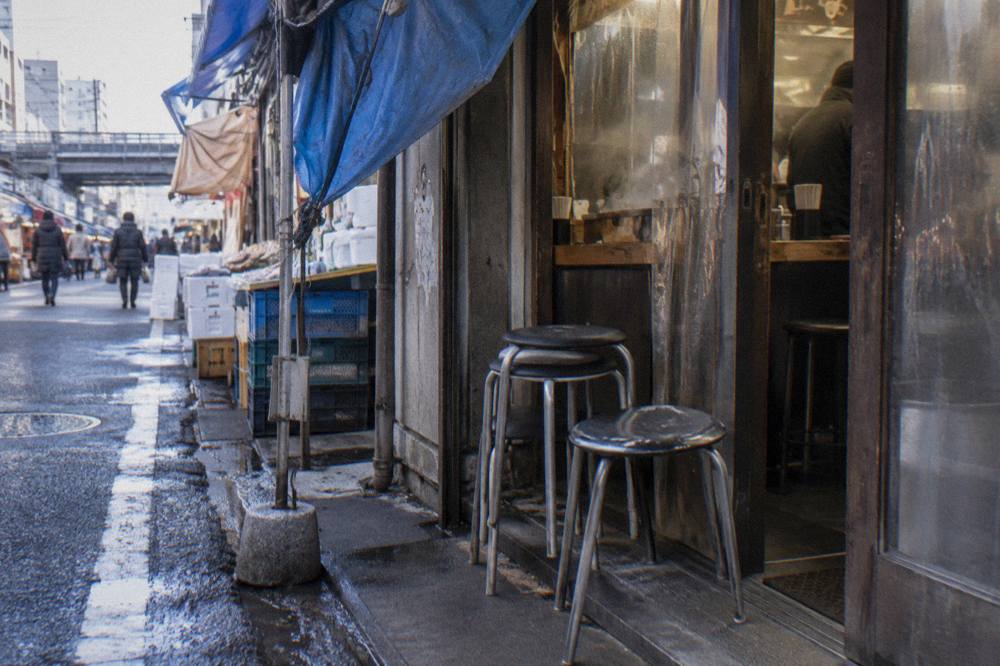
No-shows and late cancellations at Tokyo restaurants can result in fees, and some high-end venues take a card deposit at booking time to enforce it. Notify the venue as early as you can if plans change, ideally by phone or through wherever you booked, because a same-day silent no-show is the worst outcome for both sides.
The fee itself is not universal. Many casual venues charge nothing, they simply remember. But premium restaurants, and any venue holding a large table on a busy night, increasingly apply cancellation policies, and a deposit or per-person charge for late cancellation is normal at the top end. The practical takeaway: never make a reservation you are not confident about, and never make three overlapping reservations for the same evening hoping to pick one later. That behavior is noticed and it closes doors for the next guest. Some Tokyo tables are tough to book, so The Tokyo Food List flags reservation difficulty and includes booking links where they exist.
This cancellation risk is one reason the tour model fits uncertain itineraries. A visitor with a fluid schedule, a day trip that might run late, a flight that might move, faces exactly the situation where restaurant bookings hurt. Tours typically carry their own cancellation terms, often free cancellation up to a stated window, so the downside of a plan changing is a refund rather than an awkward fee at a restaurant that held a seat for you.
How Do You Book A Tokyo Restaurant Without Speaking Japanese?
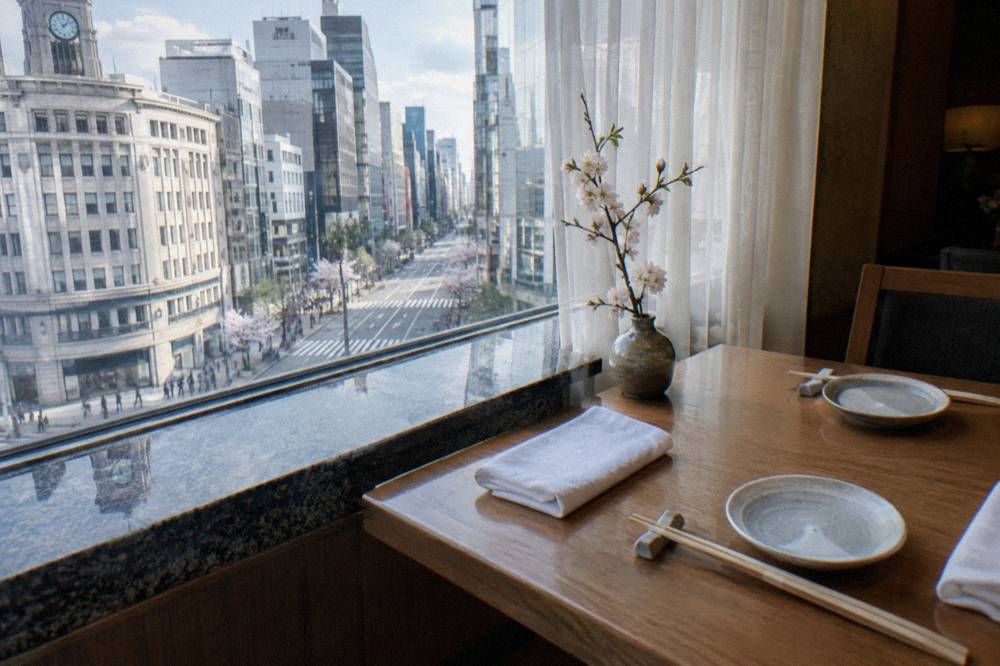
The workable routes are booking through the venue's own website if it has an English page, using a reservation app or service, asking your hotel concierge to phone, and booking through a guided tour or experience that includes the stop. Phone bookings remain common, so having a Japanese speaker call is genuinely useful.
Each route has trade-offs. Concierge booking works best when you are staying at a hotel with an English-speaking front desk; guesthouse travelers do not have that lever. Websites and apps work well for restaurants that cater to foreigners, but many sought-after small venues have no online booking at all, only a phone number in Japanese. That gap is not rudeness, it is a tiny operation with no staff for admin.
For a sense of what foreigner-friendly booking already looks like in practice, the food tour ecosystem is instructive. The Shinjuku Local Eateries Walk, rated 4.9 across 10,498 reviews, from $84.21 per person, books entirely through its listing page in English, and about three hours later you have eaten at multiple local spots that individually take phone bookings only. That is the trade being made: a modest premium for skipping every friction point at once.
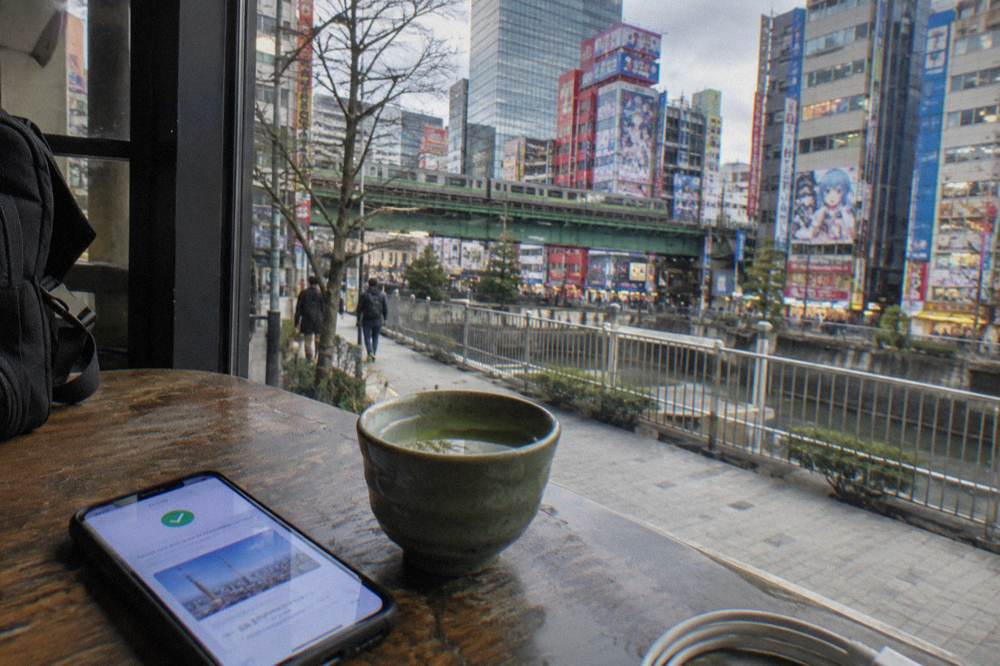
A few practical habits go a long way. Write the restaurant name and address in Japanese characters, carry it on your phone, and show it to a taxi driver or passer-by if needed. Confirm the booking the day before if you booked by phone. Arrive five minutes early, not five minutes late. And if you cannot make it, call: even a failed attempt in English is received far better than silence.
| Booking method | Best for | Main limitation |
|---|---|---|
| Hotel concierge | High-end and phone-only venues | Only works from a full-service hotel |
| Venue's own website | Foreigner-friendly mid-range spots | Many small venues have none |
| Reservation apps | Popular tourist-facing restaurants | Coverage gaps at local favorites |
| Phone in Japanese | Almost anywhere | Needs a speaker of Japanese |
| Guided food tour | Multi-stop evenings, groups | Fixed route and schedule |
Why Do Guided Food Tours Sidestep The Reservation Problem?
A guided food tour is a pre-negotiated reservation bundle: the operator has confirmed stops, arranged tastings and handled payment with each venue, so the guest books once in English and never phones a restaurant. For premium formats like omakase and wagyu, or multi-stop izakaya evenings, this removes the hardest booking steps entirely.
The economics deserve an honest look. A solo evening assembling yourself means several bookings, several payments, several chances to get lost between stops. A tour consolidates all of it. The Bar Hop, Free Flow Full Dinner, from $109.35 per person and rated 4.9 across 4,086 reviews, includes a full dinner with free-flow drinks across roughly three hours in Shinjuku including Golden Gai. Reproducing that independently means booking or queuing at each venue and paying separately, and in Golden Gai specifically, many bars seat only a handful of guests and prefer groups they know.
The tour is not always cheaper, and honesty requires saying so. A diner who speaks some Japanese, or who is happy with one venue per night, will often spend less going alone. The tour's value is density and access: more stops per evening, venues with no English booking path, and a guide who reads the room. Our guide to what a Tokyo food tour costs breaks the price bands down stop by stop.
For solo travelers the calculus tilts further toward tours. A single diner at a counter restaurant is usually easy to seat, but a single diner at a destination izakaya can feel like a lone guest at a party. Tours supply the group.
What Should You Know About Otoshi, Tipping And Table Charges?
At many izakaya, an unordered appetizer called otoshi or tsukidashi arrives automatically and functions as a per-person seating charge, typically itemized on the bill; it is not a tip, and tipping itself is not customary in Japan, so pay the exact bill shown without adding anything. When it's time to settle up, the guide to asking for the bill in Japan explains the phrases and gestures that bring your check to the table.
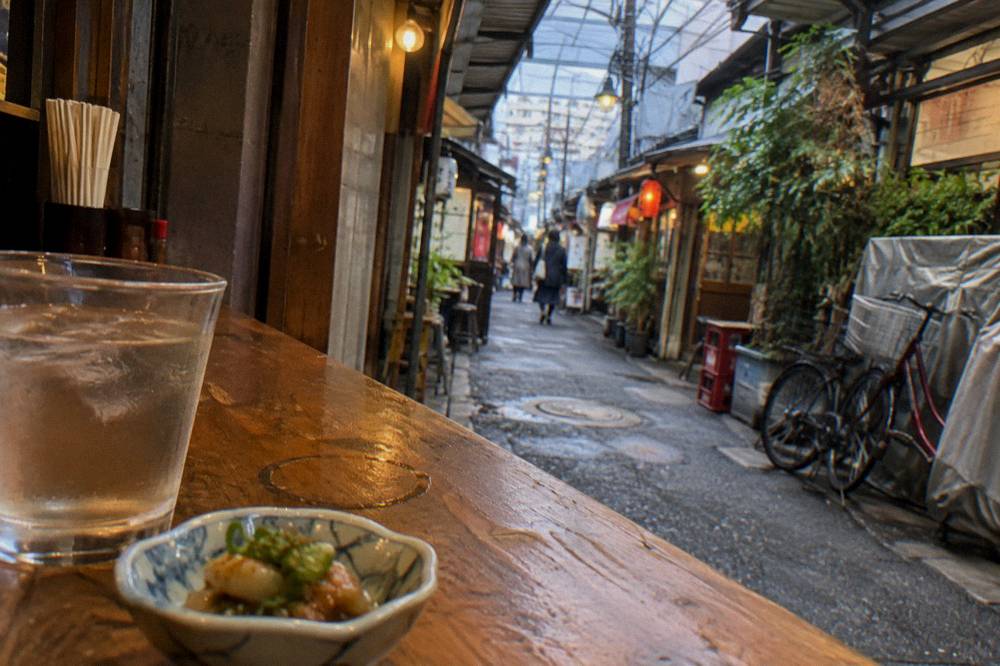
This is the charge that confuses visitors most. A small dish lands at the table unasked, and later the bill carries a few hundred yen per person that nobody ordered. It is a table charge with food attached, and around Golden Gai and Omoide Yokocho the cover runs from about 300 to 500 yen at the low end to 500 to 1,500 yen per person at Golden Gai bars, often including a snack. Check the door or ask, because the amount is usually posted.
Tipping, by contrast, has no role. The Japan National Tourism Organization states plainly that it is not common to tip for services in bars, cafes, restaurants, taxis and hotels, and staff may even chase you down to return money left by mistake. At upscale restaurants and hotels a fixed service charge, often 10 to 15 percent, may appear on the bill; that is part of the stated price, not an optional extra.
| Charge | Where it appears | Typical amount | Is it a tip? |
|---|---|---|---|
| Otoshi / tsukidashi | Izakaya, casual bars | Roughly 300 to 500 yen per person | No, a seating charge with food |
| Golden Gai cover | Golden Gai bars | 500 to 1,500 yen per person | No, often includes a snack |
| Service charge | Upscale restaurants, hotels | 10 to 15 percent of the bill | No, fixed and stated |
| Consumption tax, dine-in | All restaurants | 10 percent | No, tax |
| Consumption tax, takeaway | All restaurants | 8 percent | No, tax |
One more money note that belongs here: the tax split. The National Tax Agency applies a reduced 8 percent rate to takeaway food while dining in stays at 10 percent, and from 1 April 2027 the rate on food and drink sales is scheduled to be lowered for two years. None of this changes how you book, but it explains bills that look slightly off from the menu math.
How Do Allergies And Dietary Needs Affect Tokyo Bookings?
Tell the restaurant or tour operator about allergies before booking or immediately after, because Japanese packaged-food allergen labelling covers nine items but restaurant dishes generally carry no such labels, and a same-night surprise is the worst possible moment to discover a dish contains shellfish.
The labelling system is real but narrower than visitors assume. The Consumer Affairs Agency requires packaged processed food to declare specified allergens, a list that grew to nine items when cashew nuts were added on 1 April 2026, joining egg, milk, wheat, shrimp, crab, walnut, peanut and buckwheat. But that duty covers packaged food, and restaurant kitchens are a different world: there is no standardized allergen matrix on a menu, and dashi, sauces and seasonings often contain ingredients the server may not think to mention.
Practically, this means the message-before-booking habit matters more in Tokyo than almost anywhere. For restaurants, have the allergy written in Japanese and send it when you reserve, not when you sit down. For tours, message the operator through the booking page before paying: most Tokyo food tours state their allergy policy there, and several run fully plant-based formats covered in our vegetarian and vegan food tours guide.
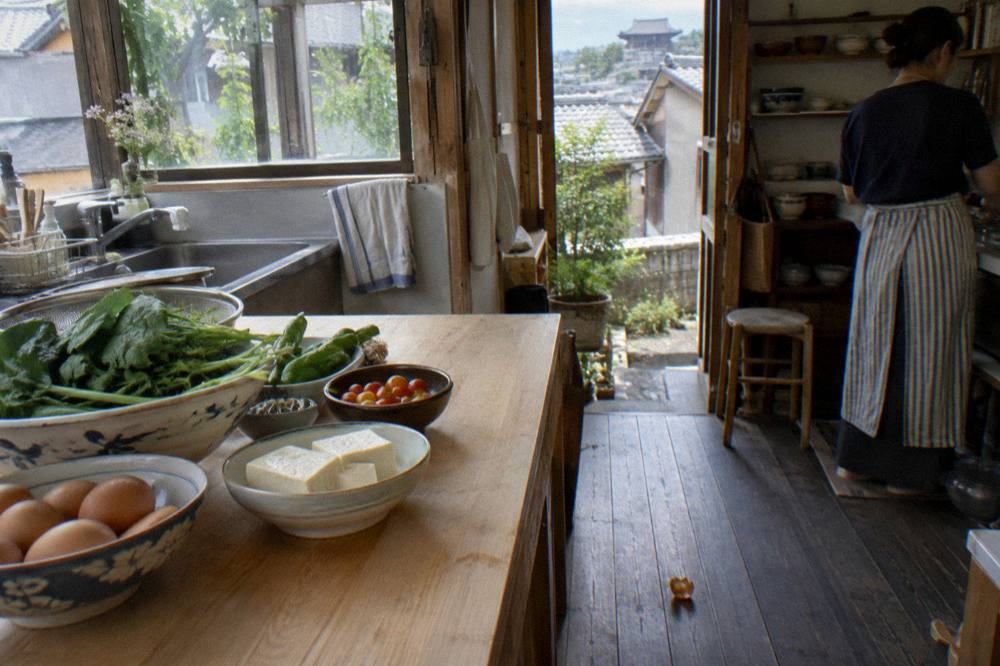
Cooking classes handle this particularly well, since you see every ingredient. The Wagyu and 7 Dishes Class, rated 5 across 202 reviews from $71.26 per person, and the Fully Vegan Ramen Class, rated 5 across 62 reviews from $75 per person, both make the ingredient list explicit in a way a restaurant evening rarely does.
When Should You Skip Reservations Altogether?
Skip the booking step for ramen, conveyor-belt sushi, food markets, department-store food halls and most street-food districts, where queues move fast and no venue takes reservations; late lunches and early dinners cut waits further. Markets such as Tsukiji Outer Market are at their best mid-morning before crowds peak.
The walk-in half of Tokyo is enormous and excellent. Ramen shops run peak-to-peak: a national survey put the average price of a basic bowl at 750 yen as of September 2026, and a Tokyo-area survey of 81 shops averaged 993 yen, with the cheapest at 600 yen, so an impromptu bowl is cheap, fast and needs no plan. Conveyor-belt sushi chains charge plates from around 110 to 150 yen with typical meals at 1,500 to 3,000 yen, again with no booking in sight.
Market eating carries its own etiquette that replaces reservations entirely. At Tsukiji Outer Market, each shop sets its own hours, and the official calendar lists closing days, professional buyers have priority until 9:00 a.m., eating is asked to happen inside the eatery or in front of the store rather than while walking, and many shops close on Sundays, national holidays and selected Wednesdays that follow the central wholesale market calendar. Plan around the calendar, not around a booking.
For structure in the walk-in world, the Tsukiji Market, 5 Tastings tour, rated 4.9 across 3,868 reviews and from $97.17 per person, handles market navigation for you across about three hours. And for evening districts where queue-reading is a skill, the Ueno Walk, 10+ Japanese Classics, rated 5 across 349 reviews from $107.99 per person, moves through the Ameyoko area with the guide doing the choosing.
Should You Book A Tour Or A Restaurant For Your Tokyo Evening?
Book a restaurant when you have one must-try venue, flexible timing and a way to reserve it; book a tour when you want several stops in one evening, when your schedule is uncertain, or when the venues you want have no booking path in English. Many visitors do both: one splurge reservation, then a tour night for everything else.
The strongest version of the tour argument is the evening district crawl. The Golden Gai Food Tour, rated 5 across 261 reviews and from $217 per person, includes food and drink inside Golden Gai bars, the single hardest environment in Tokyo to organize independently, where seats number a handful per bar, covers are the norm, and cash is still king. An evening there without an operator is possible, but it is expert-level Tokyo.
The Arigato Travel Golden Gai alternative, rated 4.68 across 82 reviews from $167.41 per person, covers similar ground at a lower price point with a different inclusion set, which is exactly the comparison a booking-averse visitor should be making. The Tokyo night food tour guide puts every evening tour side by side.
For many travelers the honest answer is that friction decides. If the thought of phoning a restaurant in Japanese, or of a cancellation fee after a delayed Shinkansen, would color the evening, then the tour premium buys more than food. If the opposite, and a single counter seat at a name you have circled for months is the goal, then make that one booking carefully and enjoy the rest of Tokyo on foot, unreserved. If you have not yet circled that name, our guide to the most famous restaurants in Tokyo sorts the contenders by what kind of fame you are chasing and shows how tours sidestep the booking problem.
Common Questions About Tokyo Restaurant Reservations
How Far In Advance Should I Make Tokyo Restaurant Reservations?
For high-end omakase, premium wagyu and Michelin-listed rooms, book as far ahead as the venue allows, often weeks or more. Popular izakaya can usually be secured a few days out, and casual restaurants need no booking at all. If a venue takes bookings weeks ahead, assume the best seats go first.
Can I Book A Tokyo Restaurant Without Speaking Japanese?
Yes. Use the venue's own website if it has an English booking page, a reservation app, or ask your hotel concierge to call. Writing the restaurant name and address in Japanese on your phone helps with taxis and directions on the night.
What Happens If I No-Show A Tokyo Restaurant Reservation?
No-shows and late cancellations can result in fees, especially at high-end venues that took a card deposit. If your plans change, notify the restaurant by phone or through wherever you booked as early as possible; a same-day silent no-show is the worst outcome for both sides.
What Is The Otoshi Charge On My Tokyo Bill?
Otoshi, also called tsukidashi, is an unordered appetizer that functions as a per-person seating charge at many izakaya, usually itemized on the bill. It is not a tip, and tipping is not customary in Japan, so pay the exact bill without adding anything.
Do Tokyo Food Tours Need Reservations Too?
You book the tour itself through its listing page in English, and the operator holds every restaurant stop. Tours typically carry their own cancellation terms, often free cancellation up to a stated window, which is more forgiving than a restaurant's no-show policy.
Should I Tell A Tokyo Restaurant About My Allergy Before Booking?
Yes, and before paying, not on arrival. Restaurant dishes generally carry no allergen labels, so send the details in Japanese when you reserve, or message the tour operator through the booking page before booking a food tour.