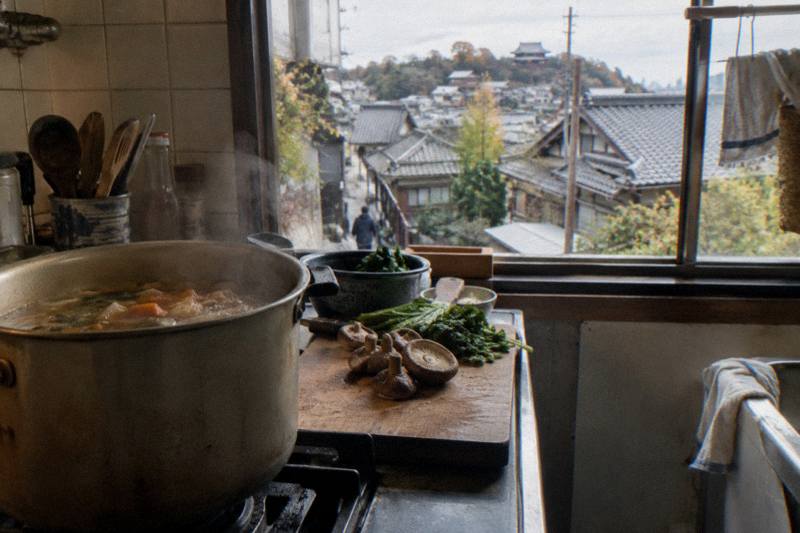
Vegetarian And Vegan Food Tours In Tokyo
Tokyo is far easier for plant-based eaters than its reputation suggests, provided you pick the right tour and say your requirements before you arrive.
Short answer
Two options on this site carry vegan or vegetarian-friendly wording in their own titles: the Fully Vegan Ramen Class from $75 per person, and the Ramen and Gyoza, Vegan OK class from $130 per person. General walking tours can work too, but only if you message the operator first. None of the options guarantees a diet, so always ask before booking.
Which Food Tours In Tokyo Actually Cater To Vegans?
Strictly speaking, only classes, not walks, are sold with plant-based menus in their own names on this site: the Fully Vegan Ramen Class from $75 per person and the Ramen and Gyoza, Vegan OK class from $130 per person, both around two and a half hours. Walking tours rarely promise a vegan route, because their stops are set by the neighbourhood rather than the diet.
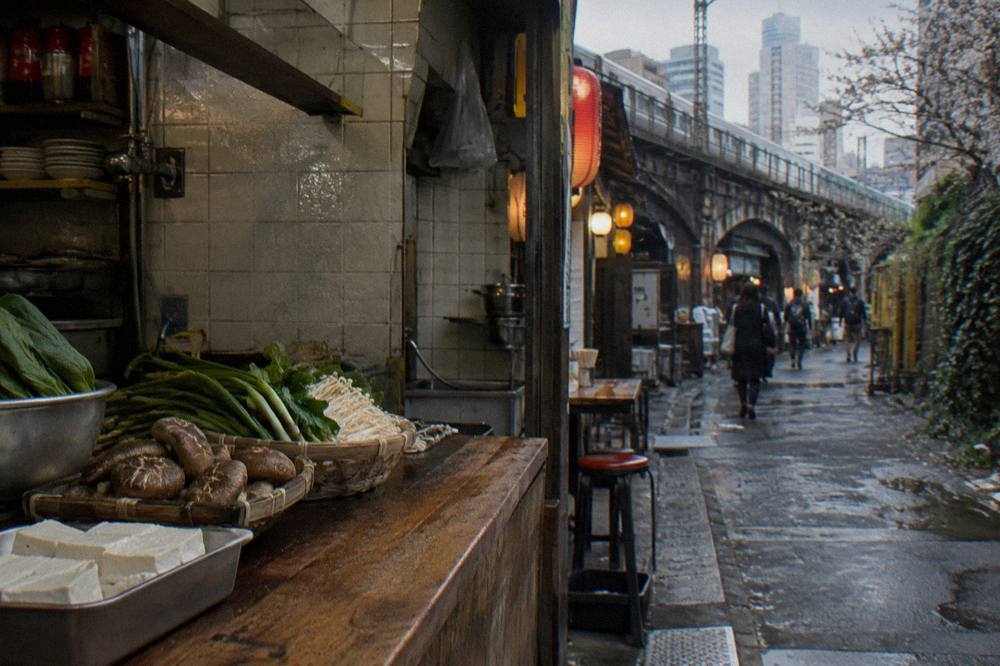
The distinction matters more in Tokyo than in most cities. A guided walk leans on speciality shops, many of them built around dashi, pork, or grilled chicken skewers, and a guide cannot rewrite a shop's menu at the door. A cooking class is the opposite: the ingredients arrive raw, and the menu is decided before you stand at the counter. That is why the plant-based options concentrate in kitchens rather than alleyways.
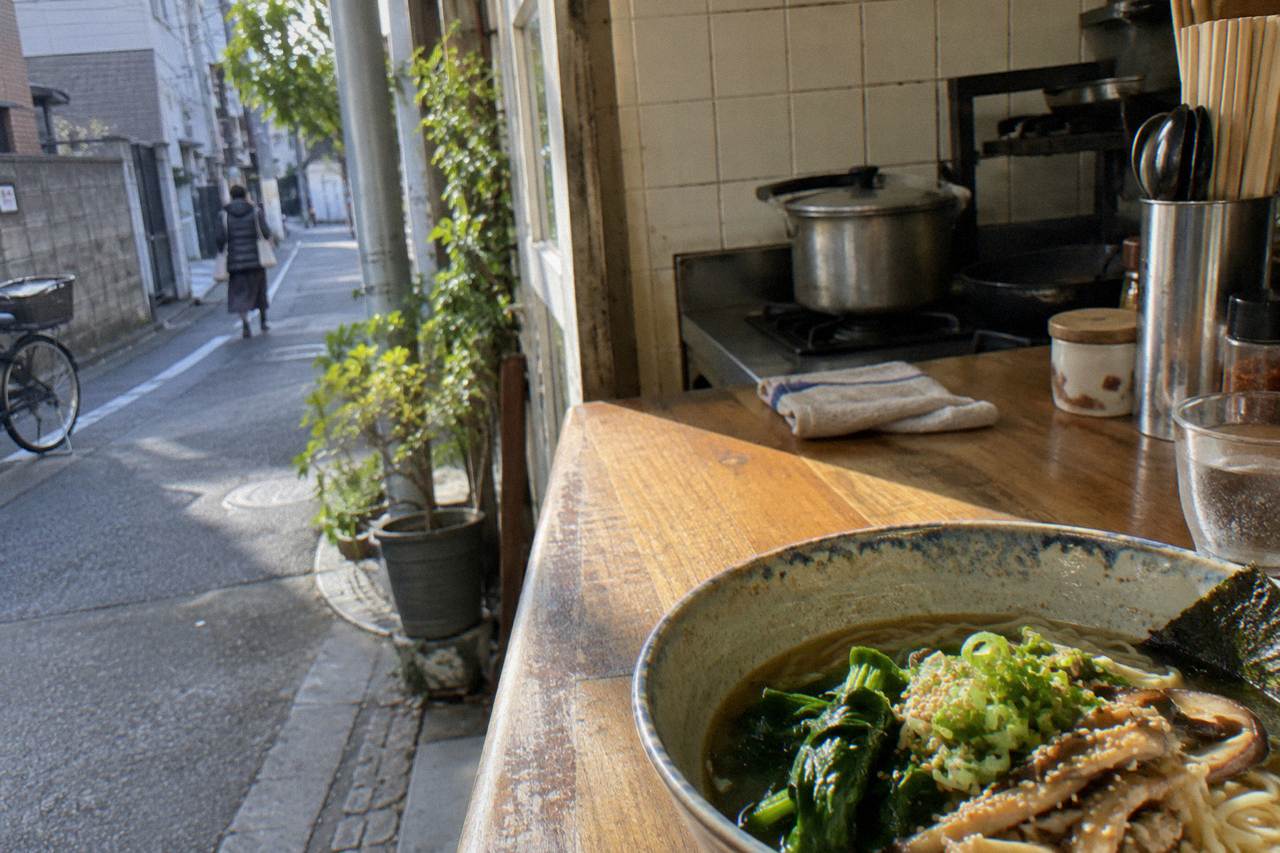
The Fully Vegan Ramen Class, listed at from $75 per person and rated 5 across 62 reviews, runs about two and a half hours and builds a ramen and gyoza menu with no animal products at all. The Ramen and Gyoza, Vegan OK class, from $130 per person and rated 5 across 73 reviews, teaches the same two dishes in a home setting and marks vegan diets as accepted. Between them they cover the two questions a vegan traveller in Tokyo asks most: how ramen broth works without fish or pork, and how gyoza filling holds together without meat.
Neither listing promises that every dietary need is covered, and no honest write-up should either. Japan's mandatory allergen labelling applies to packaged food, not restaurant dishes, and restaurant-level allergy information is still under study by the Consumer Affairs Agency, which added cashew nuts to the nine-item labelling list on 1 April 2026. The practical rule is simple: send the operator a message through the booking page before you pay, name the diet plainly, and read the reply. Many tours can adapt beyond what the listing shows, so ask before booking., but the adaptation happens in advance, never on arrival.
For context on how ramen fits into a plant-based trip, the Tokyo ramen guide covers the broader scene, including why traditional broth is the sticking point for vegans.
What Do Vegan Cooking Classes In Tokyo Include?
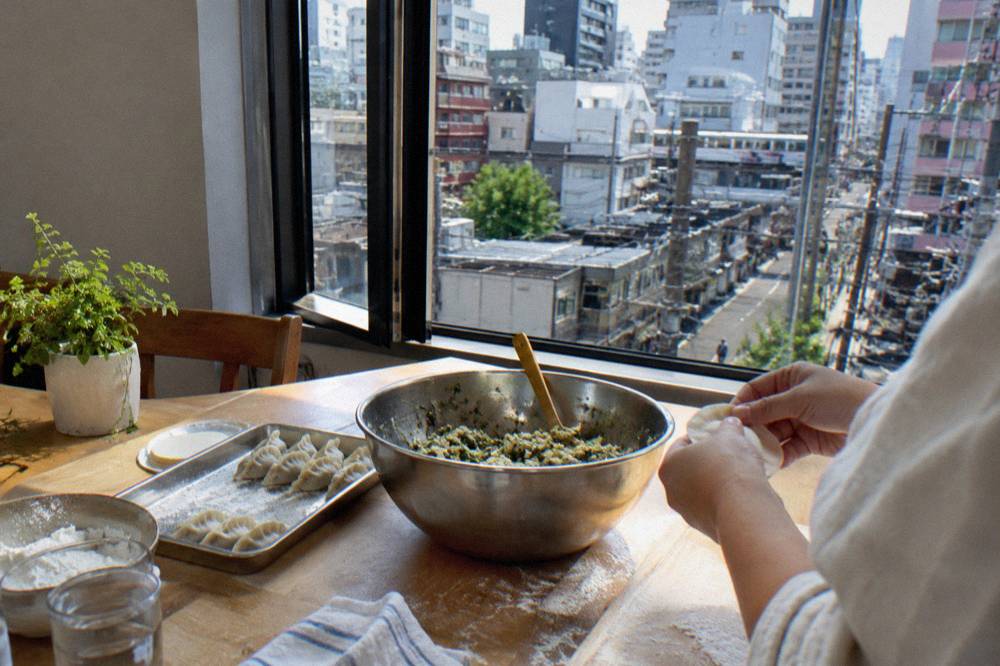
The vegan-friendly classes run about two and a half hours each and teach a full dish set, typically ramen noodles and pan-fried gyoza, with all ingredients and instruction in the listed price: from $75 per person at the Fully Vegan Ramen Class and from $130 per person at the Ramen and Gyoza, Vegan OK session. Both hold a 5 rating on small review pools.
What you actually do in those hours is more substantial than a tasting. Classes in this format usually walk through dough or wrapper preparation, filling seasonings, and the cooking itself, so you leave with a repeatable recipe rather than a full stomach alone. The Vegan OK class adds a home-kitchen angle hosted by a Tokyo local, which suits travellers who want conversation with the meal. Both fit an afternoon, and both leave your evening free for a neighbourhood wander.
| Class | Short name | Price | Duration | Rating |
|---|---|---|---|---|
| Vegan/Vegetarian Ramen and Gyoza by Bentoya | Fully Vegan Ramen Class | from $75 per person | ~2h 30m | 5 across 62 reviews |
| Small-Group Ramen and Gyoza with Tokyo Mom | Ramen and Gyoza, Vegan OK | from $130 per person | ~2h 30m | 5 across 73 reviews |
| Mochi and Nerikiri Wagashi Combination Class | Mochi and Nerikiri Wagashi Class | from $80.97 per person | ~2h 30m | 5 across 37 reviews |
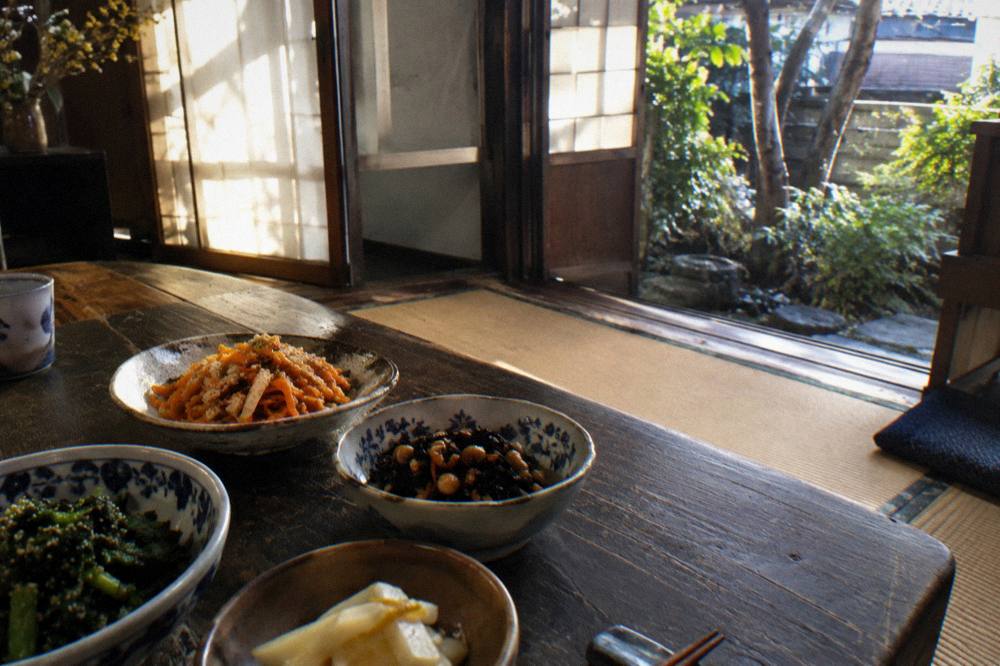
A third option deserves a place on that list even though it never says vegan: the Mochi and Nerikiri Wagashi Class, from $80.97 per person. Wagashi are traditional Japanese sweets, and much of the category is built on rice flour, bean paste, and sugar rather than dairy or eggs. Nerikiri in particular is a plant-based craft at heart. Check the specific menu with the operator first, since some recipes use honey or egg wash, but the class is a natural fit for vegetarians and often for vegans with one substitution.
One budget note that surprises visitors: cooking a plant-based bowl at home in Tokyo can be cheaper than buying one. The national average price of a bowl of shoyu ramen stood at 750 yen in September 2026, and noodle-shop versions of vegan ramen in Tokyo often price above that average because of the substitute broth. A class price that looked high next to a restaurant bowl looks different next to a recipe you keep.
For a wider view of hands-on options beyond plant-based cooking, the Tokyo cooking class guide compares sushi, ramen, and washoku formats with prices and durations.
Can Vegetarians Join General Food Tours Around Tokyo?
Yes, vegetarians can often join general walking tours, and several listings accept dietary requests, but no operator guarantees a fully vegetarian route without advance notice. The Shinjuku Local Eateries Walk, from $84.21 per person and rated 4.9 across 10,498 reviews, is the most reviewed option on the site, and vegetarians should message the operator before booking to confirm what the route can swap.
The mechanics are worth understanding. A general tour's stops are chosen for what the neighbourhood does best, and in Shinjuku that means yakitori counters, oden stalls, and izakaya kitchens where fish-based dashi is in nearly everything. A vegetarian with advance notice can often be steered to shops with workable dishes: grilled vegetables, tofu preparations, rice bowls built without meat. A vegetarian without advance notice gets whatever the route happens to hold, which can mean a thin evening. When you are picking a restaurant in Tokyo on your own, The Tokyo Food List gives you tourist favorites and local spots with Google Maps pins.
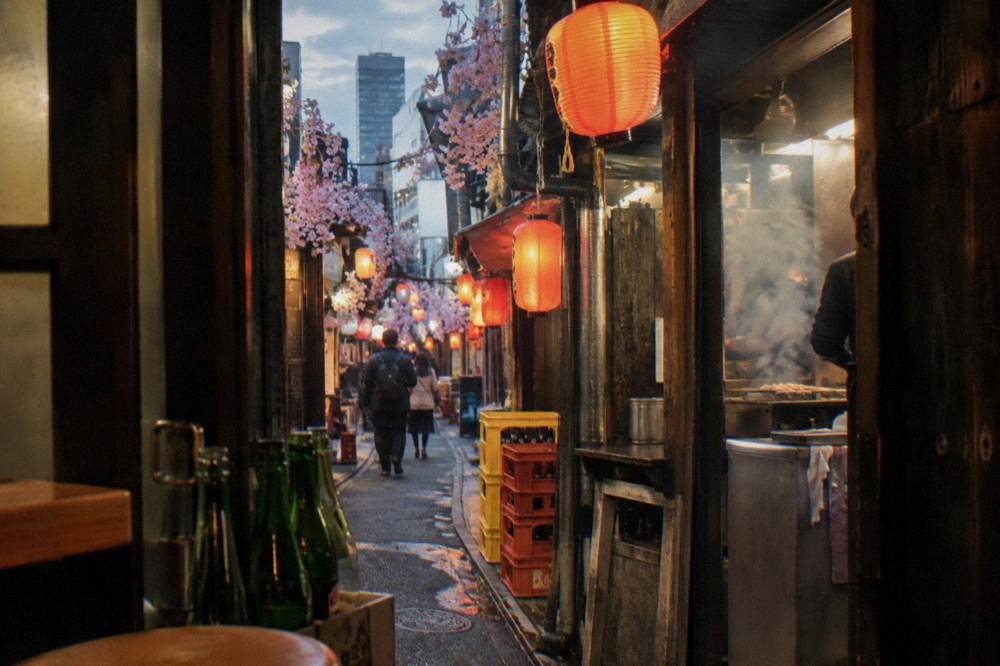
Vegans should read the fine print on general tours with more suspicion than vegetarians. Dashi is the quiet problem: a soup or sauce can contain no visible animal product and still be made with bonito flakes. When you message an operator, name dashi specifically rather than saying vegan and trusting the word to carry. Operators who handle dietary requests regularly will understand the question; operators who hesitate are telling you something useful.
A lower-cost street-food format sometimes works for vegetarians willing to graze rather than dine. The 7 Eateries, Shopping Streets Walk, from $75 per group for up to two and a half hours, rated 5 across 42 reviews, moves through shopping-street stalls where vegetable-based options like tempura, onigiri, and pickles are common. Convenience store onigiri in October 2026 included salt musubi at 145 to 149 yen and kombu at 184 to 198 yen, which shows how plant-based snacking in Tokyo can be a small change, though tour stops set their own prices.
The 15-dish Shinjuku format tells the other side of the story. The Shinjuku Walk, 15 Dishes 4 Eateries, from $76.1 per person and rated 4.84 across 487 reviews, spreads its tastings across four local eateries, and a spread that wide gives a guide more room to route a vegetarian around the meat-heavy stops. That is a structural advantage, not a promise: confirm before booking. For neighbourhood background, the Shinjuku food tour guide explains what the district's lanes actually serve.
What Should Vegans Know About Eating Out In Tokyo?
Three practical rules cover most of it: always ask about dashi by name, carry cash because small independent eateries often prefer it, and expect a per-person seating charge called otoshi at izakaya, typically a few hundred yen, which is a table fee and not a tip. None of these are obstacles, but each one catches unprepared visitors.
Dashi deserves the first paragraph because it decides more vegan outcomes than any menu label. The standard stock is built on kelp and dried bonito, and it hides in miso soup, simmered dishes, sauces, and even seemingly plain vegetable plates. A traveller who asks "is this vegan" may be told yes by staff looking at the visible ingredients; a traveller who asks whether a dish contains katsuobushi or fish stock gets an accurate answer. Cooking classes solve the problem at the source, which is a quiet argument for choosing a class over a walk when the diet is strict.
Money is the second. Cash remains widely accepted and often preferred at many independent Tokyo restaurants and ramen shops, even as card payments spread through mid-range and chain venues. Small counters with a 1,000 yen tab may not take a card at all. Izakaya add the otoshi, a small unordered appetizer that functions as a per-person seating charge, so a bill slightly above the menu total is normal and not a scam. At Omoide Yokocho in Shinjuku, some counters add a seat charge of 300 to 500 yen, and typical spend for skewers and drinks runs 2,000 to 3,000 yen per person.
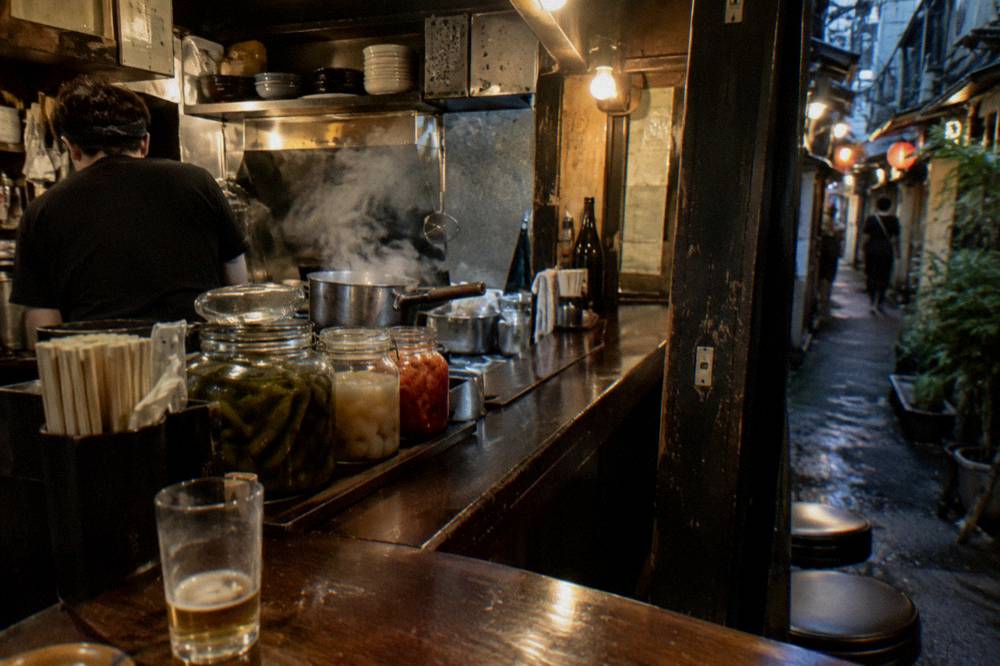
Tipping, by contrast, is not part of the routine. The Japan National Tourism Organization notes it is not common to tip for services in bars, cafes, restaurants, taxis and hotels, and staff may chase you down to return money left on the table. The bill is the bill. In upscale venues a fixed service charge of 10 to 15 percent may appear, but that is part of the stated price structure rather than a gratuity, as the JNTO tipping guidance makes plain.
Tax is the last figure to hold in your head. Dining in attracts 10 percent consumption tax while takeaway food carries the reduced 8 percent rate, per the National Tax Agency. For a vegan managing costs, takeaway formats are quietly 2 percent cheaper. The NTA also states the rate on food and drink sales is due to be lowered for the two years from 1 April 2027, though no new rate should be quoted until it is official.
| Situation | What to expect | Vegan note |
|---|---|---|
| Ramen shop | Cash often preferred, average bowl 750 yen nationally | Ask whether broth is plant-based; many are pork or fish based |
| Izakaya | Otoshi seating charge, often a few hundred yen | Confirm the otoshi item itself is plant-based |
| Convenience store | Onigiri from about 145 yen | Check labels; packaged food carries allergen labelling |
| Upscale restaurant | Possible 10 to 15 percent service charge | Book ahead and state the diet when reserving |
For deeper background on restaurant customs before you arrive, what to know before eating at a Japanese restaurant covers the etiquette that surrounds all of this.
How Much Do Vegan-Friendly Food Tours In Tokyo Cost?
Plant-based classes sit between $75 and $130 per person, general walking tours between roughly $72.47 and $109.35, and premium or private formats above $200, so the vegan traveller's realistic range is from $75 for a class to about $109.35 for a well-reviewed group walk, with everything above that buying either premium inclusions or privacy.
The cheapest genuine plant-based option is the Fully Vegan Ramen Class at from $75 per person. At the top of the standard range, private tours like the Private Sangenjaya Backstreets format reach from $289.25 per person, and premium food walks such as the Old Town Premium Walk list from $231 per person. Neither premium tier is plant-based by design, which is the point: paying more does not buy a vegan menu, it buys depth or privacy. Diet compatibility is a conversation with the operator, not a price bracket.
| Option | Price | Basis | Vegan status |
|---|---|---|---|
| Fully Vegan Ramen Class | from $75 | per person | Vegan by design |
| Mochi and Nerikiri Wagashi Class | from $80.97 | per person | Largely plant-based, confirm menu |
| Ramen and Gyoza, Vegan OK | from $130 | per person | Vegan accepted, message first |
| Shinjuku Local Eateries Walk | from $84.21 | per person | General tour, message first |
| 7 Eateries, Shopping Streets Walk | from $75 | per group | General tour, message first |
Note the basis column carefully. The street-food walk is priced per group, not per person, which makes its headline figure misleading as a solo comparison and a bargain for two people sharing. The two vegan-titled classes are per person. Mixing bases in your head is the fastest way to misjudge value, and a per-group price divided mentally by two can make a modest tour look far cheaper than any per-person listing on the same page.
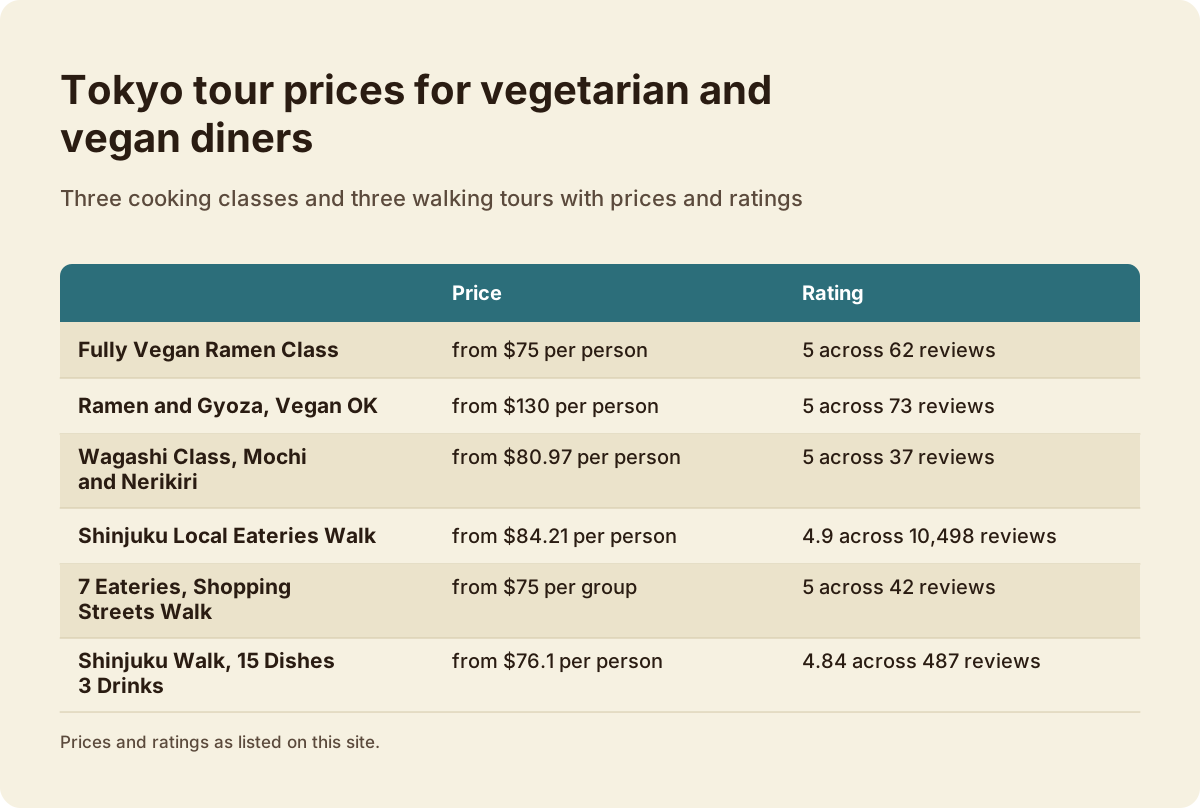
A rough budget rule: cooking classes cost about the same as a mid-range dinner but leave you with a technique, while walking tours cost more per hour and leave you with a neighbourhood. If you are choosing Tokyo Food Tours options for a whole trip, one class plus one walk is a sensible pairing for a vegan traveller, with the class booked in confidence and the walk booked only after a dietary reply.
Where Else Can Vegans Eat Well In Tokyo?
Beyond tours, Tokyo's strongest plant-based ground game is convenience-store labelling, temple cuisine traditions like shojin ryori, and cooking your own bowls, with standing and conveyor formats offering less for strict diets because fish stock is foundational to both. Street stalls reward caution; fresh produce markets reward curiosity.
Packaged food is where Tokyo quietly helps vegans most. Since 1 April 2026, processed foods must label nine specified allergens including egg, milk, shrimp, crab and cashew, per the Consumer Affairs Agency. That labelling does not extend to restaurant dishes, and it does not certify vegan status, but it removes the guesswork from shelf items in a way few cities match. An ingredient list you can read with a translation app beats a server's optimistic guess.
Seasonality rewards autumn visitors. A vegan cooking class booked in autumn often works with ingredients at their best, which is one answer to the timing question covered in the best time for a Tokyo food tour guide.
For inspiration between meals, the best street food to eat in Tokyo sorts the stall landscape, with clear notes on which items suit plant-based diets and which hide fish or meat in the preparation.
Common Questions About Vegan And Vegetarian Food Tours In Tokyo
Are There Fully Vegan Food Tours In Tokyo?
On this site the fully plant-based options are cooking classes rather than walks: the Fully Vegan Ramen Class from $75 per person and the Ramen and Gyoza, Vegan OK class from $130 per person. Walking tours do not carry vegan wording in their titles, and any dietary accommodation on them needs a message to the operator before booking.
Can Vegans Join A General Tokyo Food Tour?
Sometimes, but only with advance notice and a specific question about dashi, the fish-based stock that hides in many Japanese dishes. Ask the operator through the booking page before paying, and treat a hesitant reply as useful information rather than an obstacle.
How Much Does A Vegan Cooking Class In Tokyo Cost?
The two vegan-titled classes run from $75 to $130 per person for about two and a half hours each, covering ramen and gyoza preparation with ingredients included. A largely plant-based wagashi sweets class sits between them at from $80.97 per person.
Is Ramen In Tokyo Ever Vegan?
Traditional ramen broth is usually built on pork bones, chicken or dried bonito, so restaurant bowls are rarely vegan by default. The vegan-titled classes exist precisely to solve this, teaching a plant-based broth you can make at home. The national average bowl price was 750 yen as of September 2026, and vegan versions in Tokyo often price above that.
Do Tokyo Restaurants Label Allergens For Vegans?
Packaged processed foods must label nine specified allergens under Consumer Affairs Agency rules, with cashew added on 1 April 2026. Restaurant dishes carry no such legal labelling, so packaged goods are checkable while menu items are not, and the operator of any tour or class should be told your requirements directly.
Should I Tell The Tour Operator About My Diet Before Booking?
Yes, every time. Dietary adaptations on tours and classes are arranged in advance, never improvised on arrival. Use the booking page's message function, name the diet and dashi specifically, and read the reply before you pay. This site's guidance never treats a dietary guarantee as given because operators, not listings, make those arrangements.