Tokyo Cooking Class Guide: Washoku, Wagyu And More
Cooking classes have become one of the most reliable ways to eat well in Tokyo: the ingredients are bought for you, the teacher explains what the dish is, and you leave with a recipe rather than just a receipt. Here is how the options compare by dish, price and hours.
Short answer
Tokyo cooking classes run from $44.93 to $165.19 per person and cover washoku home cooking, sushi, ramen, gyoza and wagashi sweets. The longest option, a four-hour market-to-table washoku class, costs from $84.21 per person. Short one-and-a-half-hour sushi classes start at $44.93 per person.
A cooking class solves a specific problem in Tokyo: the food is extraordinary, but the mechanics of it stay hidden behind a counter. A four-hour washoku class that starts at a market and ends at a table, rated 5 across 405 reviews and priced from $84.21 per person, pulls the whole process into the open. You shop, you cook, and the teacher explains why each step exists. The cooking classes span sushi, ramen, gyoza and wagashi, from $44.93 to $165.19 and 1.5 to 4 hours, so you can pick the right one before you land. Once the class ends and you can read a Tokyo menu with new eyes, the guide to Asakusa's street food stalls and izakaya lanes gives you plenty of places to test what you learned.
What Can You Learn In A Tokyo Cooking Class?
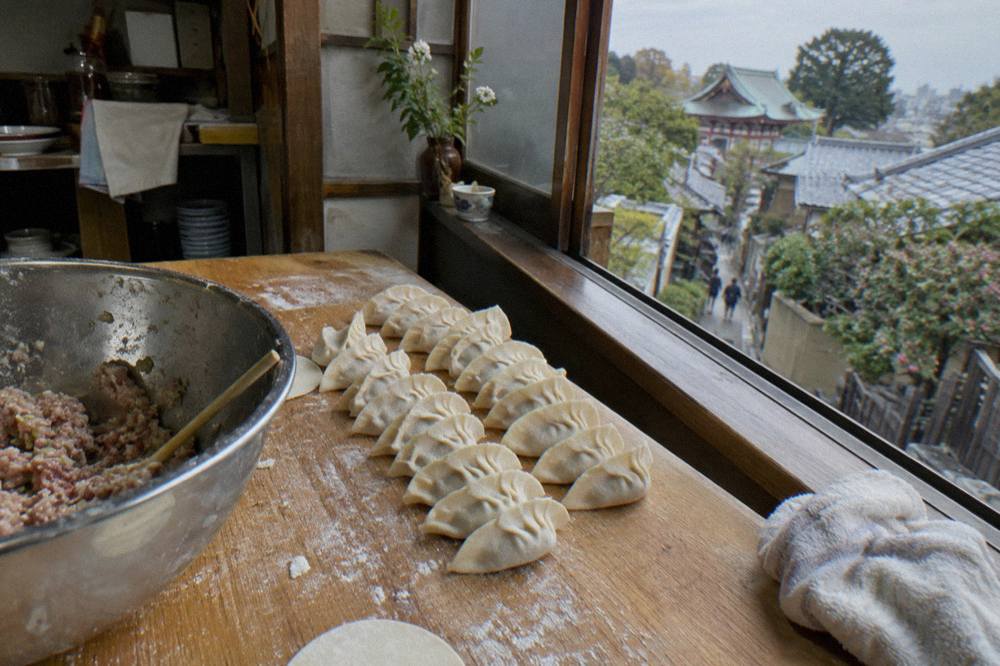
The Tokyo class menu falls into six broad families: washoku home cooking, sushi shaping, ramen and gyoza from scratch, wagyu main courses, vegan ramen and gyoza, and wagashi sweets such as mochi and nerikiri. Most classes run two to four hours, take place in a home or studio kitchen, and end with everyone eating what they made. Every family option above is bookable through the live booking page. If the wagyu classes catch your eye, this comparison of Tokyo wagyu tours, dinners and cooking classes sorts out which format fits your budget and appetite.
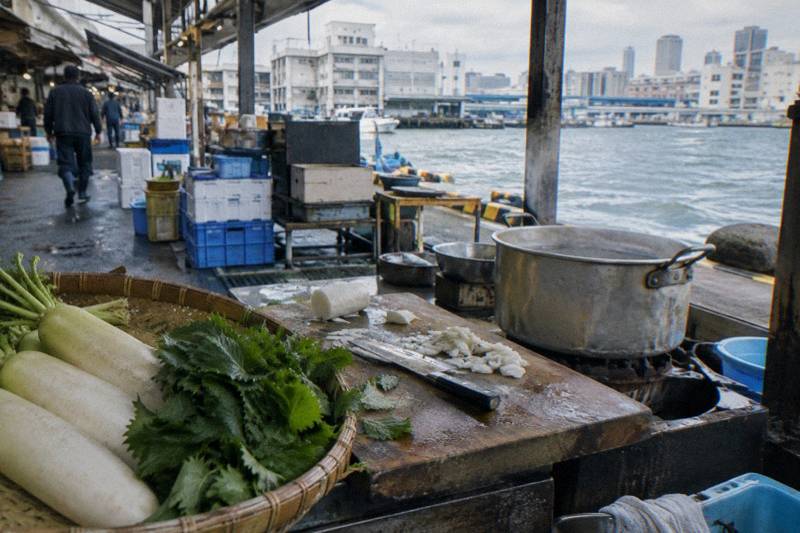
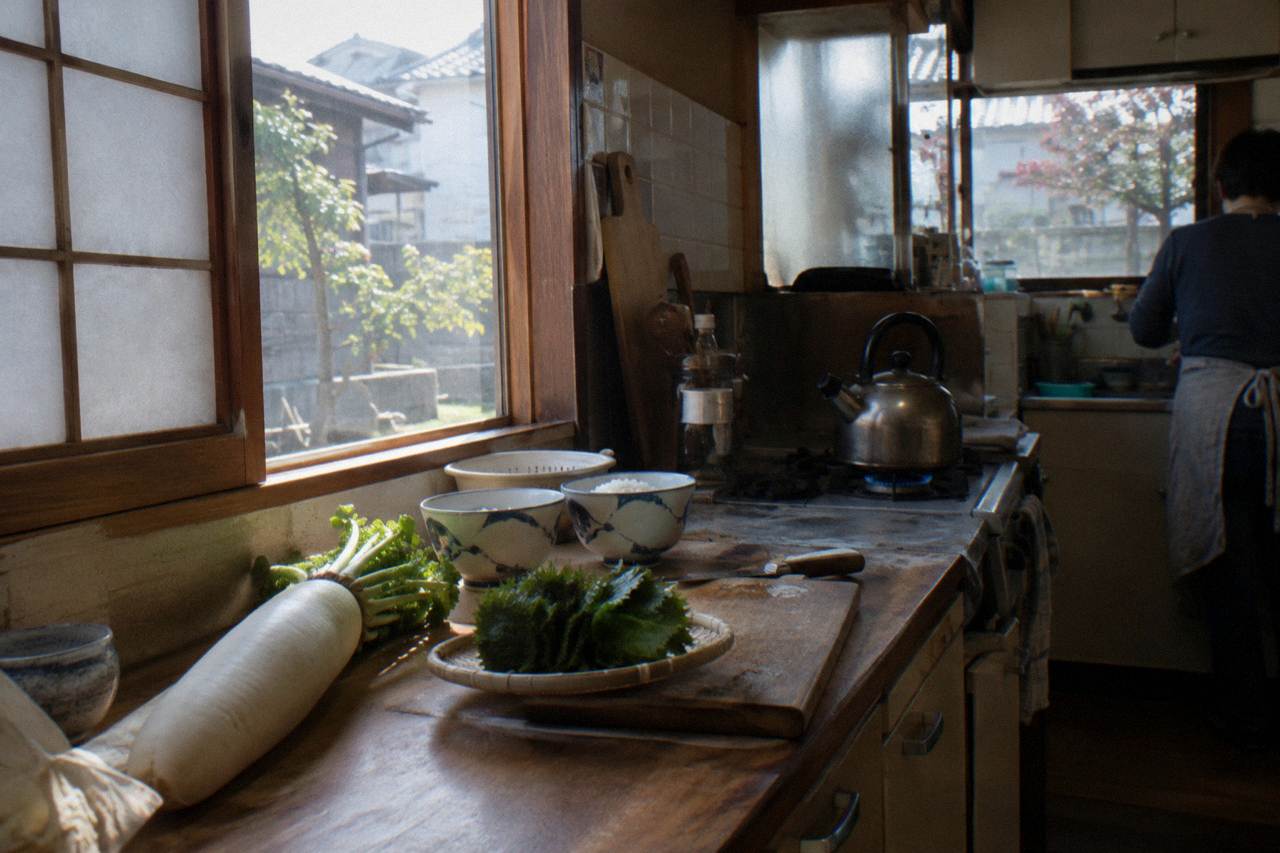
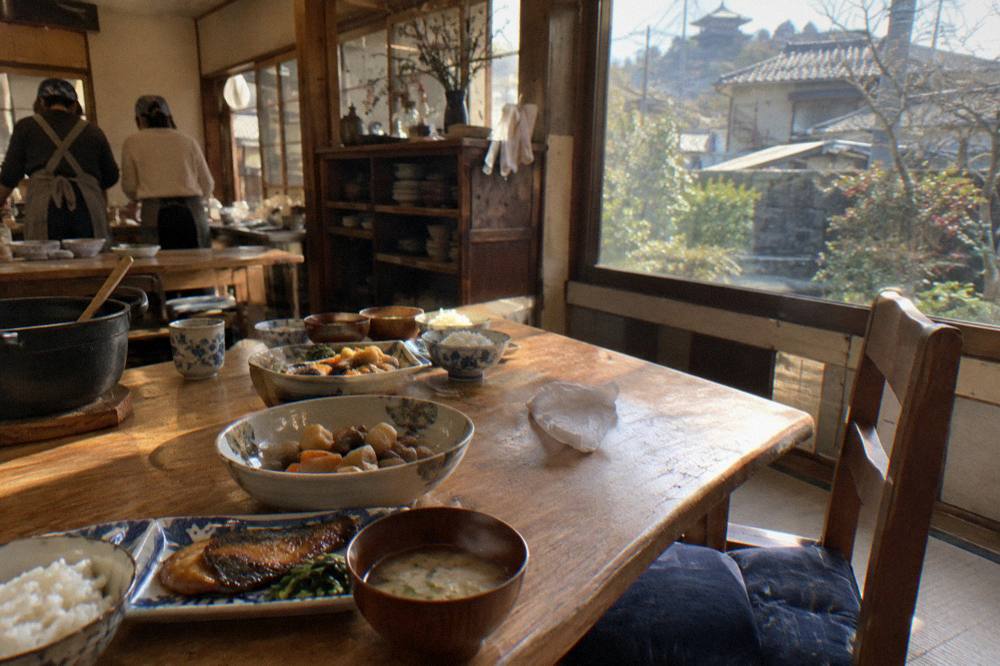
Washoku is the broadest category and the deepest. The market-to-table format is the most complete version: the Tokyo Washoku 4-hour Cooking Class runs about four hours, is rated 5 across 405 reviews, and costs from $84.21 per person. Four hours is enough time to shop first and cook second, which changes what you learn. The From Market to Table class runs four hours, moving from market shopping to cooking., and the cooking then follows logically from the shopping.
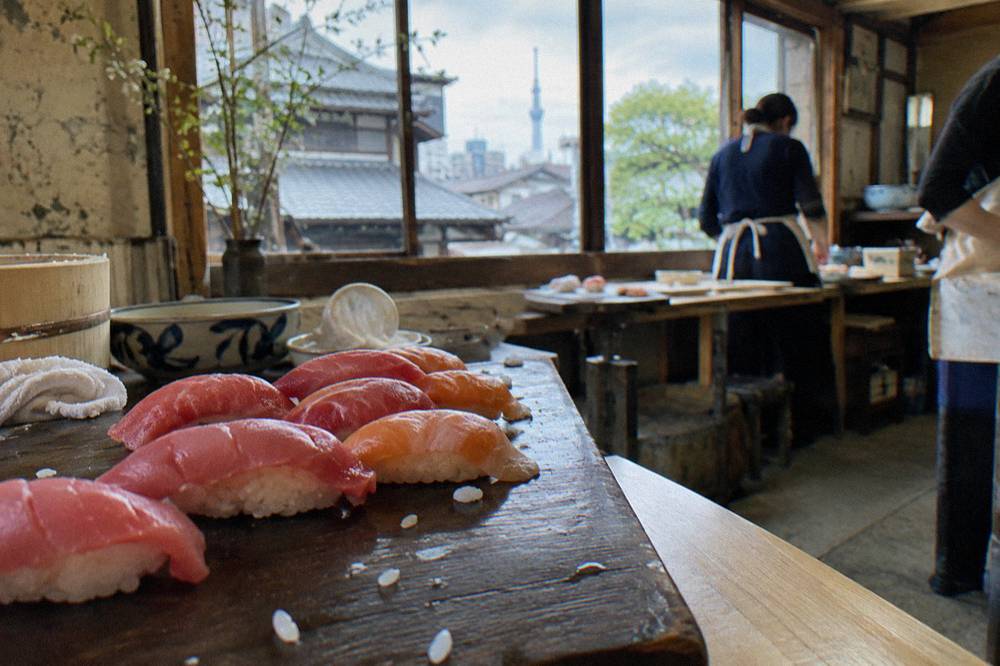
Sushi classes split into two speeds. The 3-Hour Small-Group Sushi Making Class in Tokyo, rated 5 across 175 reviews from $71.26 per person, gives you time to shape rice repeatedly and correct your grip. The Asakusa Tokyo Sushi Making Class with matcha and unlimited sake compresses the lesson to roughly an hour and a half and costs from $44.93 per person, rated 4.94 across 206 reviews. There is also a middle option with an unusual setting: Sushi Making and Sake Tasting at a Michelin-Listed Hidden Gem runs 90 minutes from $90.69 per person, rated 5 across 80 reviews. Once you've shaped your own nigiri, our guide to eating the best sushi in Tokyo helps you weigh whether a counter seat or a class is the smarter splurge.
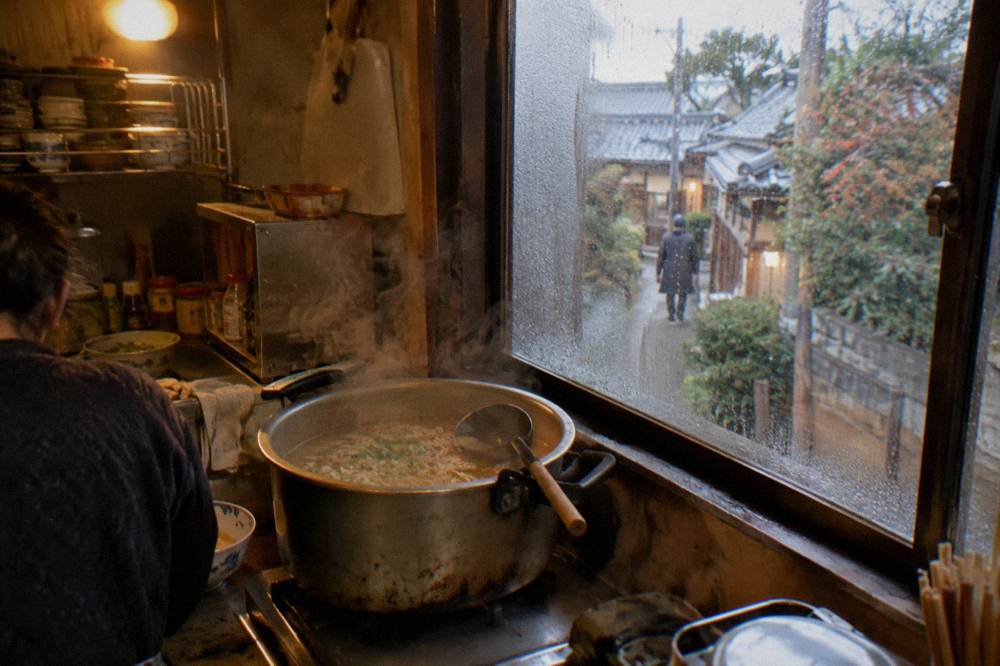
Ramen classes teach a dish most visitors assume is restaurant-only. The Tokyo Shibuya Ramen Cooking Class covers three broths, tonkotsu, shoyu and miso, in an hour and a half, rated 5 across 259 reviews from $113.36 per person. Ramen Making from Scratch plus an Akihabara Tour, rated 5 across 143 reviews from $121.14 per person, adds a neighbourhood walk to a three-and-a-half-hour session. For the full fantasy, Become a Ramen Chef for a Day puts you inside a working restaurant for about three and a half hours, rated 5 across 235 reviews from $165.19 per person.
The context helps here. A national retail price survey recorded the average bowl of shoyu ramen in Japan at 750 yen, and the average serving of eat-out nigiri sushi at 1,592 yen. Learning to build either dish at home is partly an economics lesson: the class fee buys the skill, not just the meal. Wagyu and vegan classes round out the options. The Small-Group Wagyu Beef and 7 Japanese Dishes class, rated 5 across 202 reviews from $71.26 per person, is a full menu in one session, while the fully vegan Bentoya class, rated 5 across 62 reviews from $75 per person, adapts ramen and gyoza without animal products.
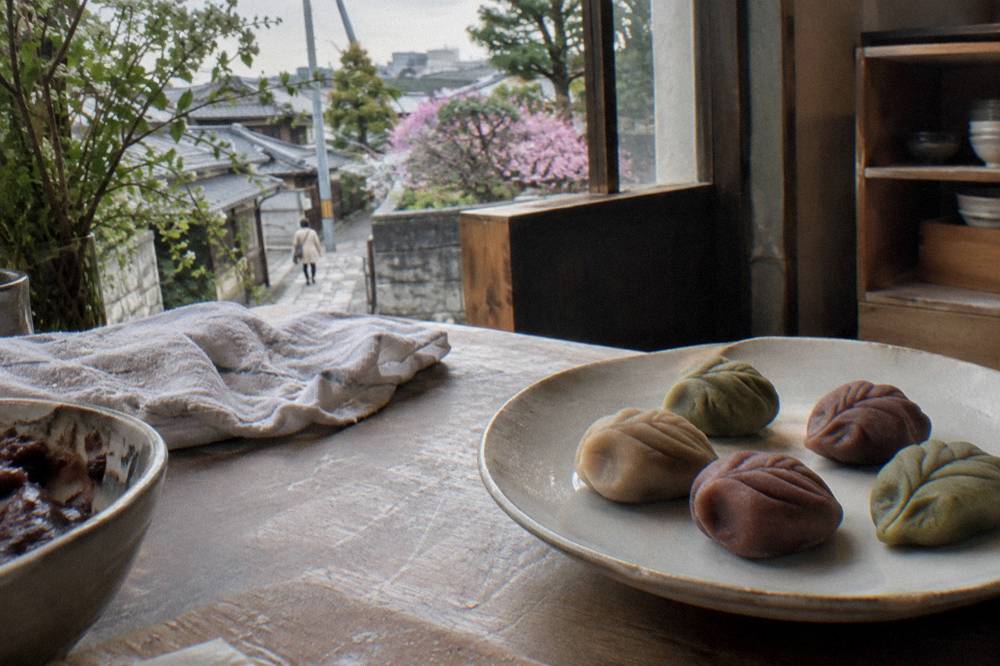
Wagashi, the confection family that includes mochi and nerikiri, is the least obvious pick and often the most satisfying. The Mochi and Nerikiri Wagashi Combination Cooking Class runs about two and a half hours from $80.97 per person, rated 5 across 37 reviews, and ends with sweets that look like seasonal leaves and flowers. Because the craft is shaping rather than heat management, it suits travellers who do not cook at all and want a calm, precise afternoon. It also pairs naturally with a matcha tasting, and the class description on the booking page confirms exactly which sweets are made in each session.
How Much Does A Tokyo Cooking Class Cost?
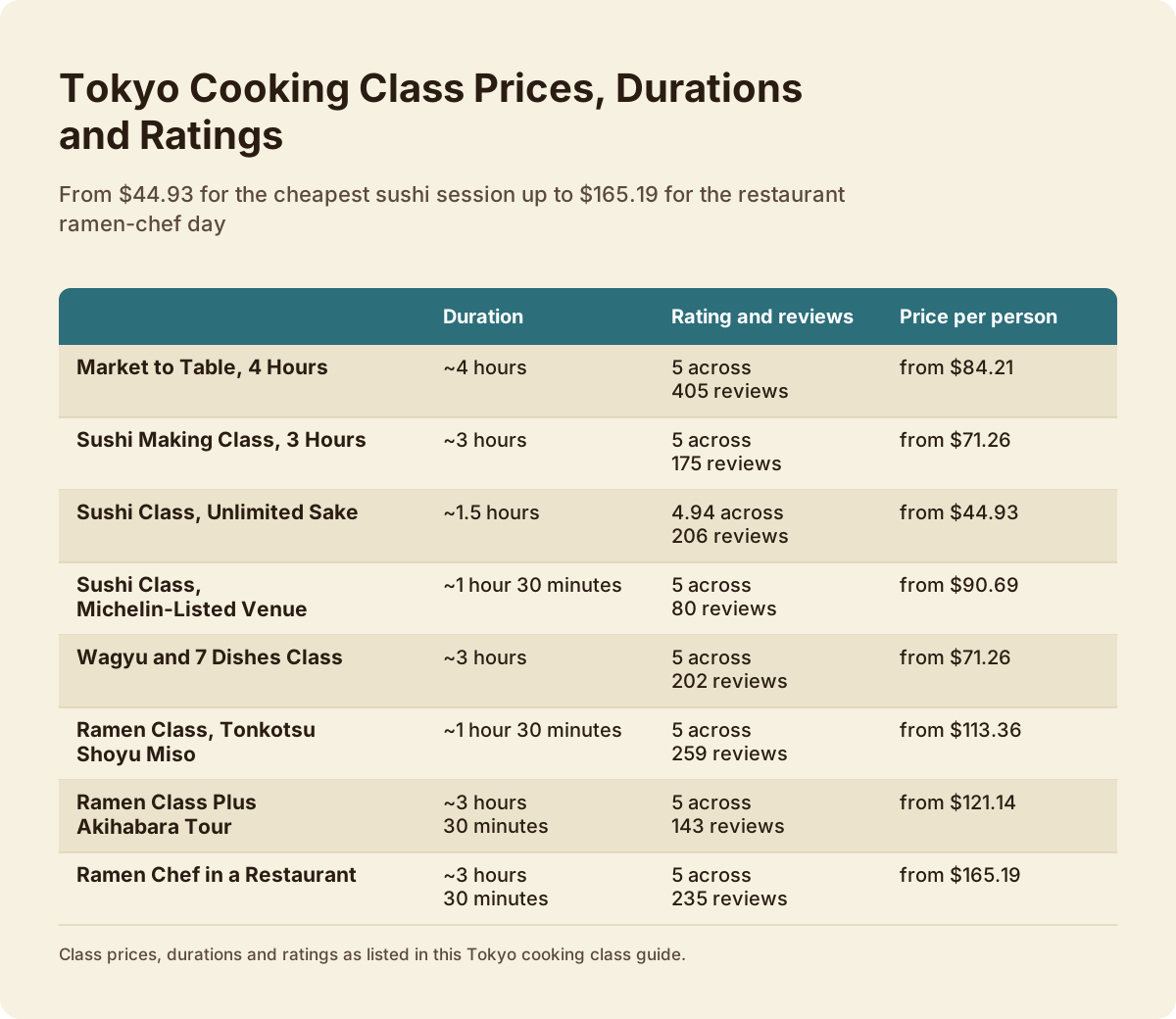
Most Tokyo cooking classes cost between $71 and $130 per person, though prices range from $44.93 for the cheapest sushi session up to $165.19 for the restaurant ramen-chef experience. Duration drives much of the spread: 90-minute classes run $44.93 to $113.36, while longer formats run $71.26 to $165.19, with the four-hour washoku class at $84.21 standing out as a value pick.
Price follows three variables: hours, ingredients and setting. Wagyu and A5 beef cost more per gram than vegetables, so a wagyu class carries a higher ingredient floor even at the same length. Restaurant settings cost more than home kitchens, which is why the ramen-chef day is the priciest standard option. Alcohol inclusions push price up too, though the Asakusa sushi class with unlimited sake stays cheap because the session itself is short.
| Class | Dish focus | Duration | Rating and reviews | Price per person |
|---|---|---|---|---|
| Market to Table, 4 Hours | Washoku, market visit | ~4 hours | 5 across 405 reviews | from $84.21 |
| Sushi Making Class, 3 Hours | Sushi | ~3 hours | 5 across 175 reviews | from $71.26 |
| Sushi Class, Unlimited Sake | Sushi, matcha, sake | ~1.5 hours | 4.94 across 206 reviews | from $44.93 |
| Sushi Class, Michelin-Listed Venue | Sushi, sake tasting | ~1 hour 30 minutes | 5 across 80 reviews | from $90.69 |
| Wagyu and 7 Dishes Class | Wagyu, full menu | ~3 hours | 5 across 202 reviews | from $71.26 |
| Ramen Class, Tonkotsu Shoyu Miso | Ramen, 3 broths | ~1 hour 30 minutes | 5 across 259 reviews | from $113.36 |
| Ramen Class Plus Akihabara Tour | Ramen, neighbourhood walk | ~3 hours 30 minutes | 5 across 143 reviews | from $121.14 |
| Ramen Chef in a Restaurant | Ramen, pro kitchen | ~3 hours 30 minutes | 5 across 235 reviews | from $165.19 |
| Ramen and Gyoza, Vegan OK | Ramen, gyoza, vegan option | ~2 hours 30 minutes | 5 across 73 reviews | from $130 |
| Fully Vegan Ramen Class | Vegan ramen, gyoza | ~2 hours 30 minutes | 5 across 62 reviews | from $75 |
| Mochi and Nerikiri Wagashi Class | Japanese sweets | ~2 hours 30 minutes | 5 across 37 reviews | from $80.97 |
Two costs sit outside the ticket. Consumption tax is 10% on restaurant meals but 8% on takeaway food, per the National Tax Agency, though class fees quoted on booking pages normally state what is included. And if you cook with ingredients you later buy to take home, remember the reduced rate applies only to food and drink excluding alcohol and dining out. The same agency notes the rate on food and drink sales is due to be lowered for a two-year window starting 1 April 2027, a future change worth knowing if you book a 2027 class.
It also helps to compare the class ticket against what the same dishes cost in the wild. Standing sushi bars near Tsukiji sell nigiri pieces from around 90 to 500 yen each, and conveyor-belt chains start plates at 110 to 150 yen with a typical meal totalling 1,500 to 3,000 yen. A class fee therefore buys several multiples of what the equivalent meal would cost eaten out, and the honest framing is that you are paying for instruction and a recipe, not for the calories. Anyone comparing a class against a guided walk on price alone should read the per-person figures side by side before deciding; the walks include tastings across multiple venues while the classes include one deeper session.
Which Tokyo Cooking Class Should You Pick?
Pick by dish, not by rating. Every cooking class is well reviewed, scoring from 4.94 to 5, so ratings barely separate the options. What separates them is what you want to replicate at home: washoku technique favours the four-hour market-to-table class, sushi favours a three-hour shaping session, and sweets favour the wagashi combination class. Match the class to the meal you actually cook after the trip.
Travellers who cook weekly at home get the most from the long formats. The market-to-table washoku class and the wagyu class with seven dishes both teach transferable technique: dashi, rice handling, seasoning order. Travellers who want a fun two hours with a drink get more from the Asakusa sushi class with unlimited sake or the Shibuya ramen class, where the mood is lighter and the takeaway is one dish done well. Beyond this bowl, The Tokyo Food List lists 980+ restaurants sorted by cuisine and Google rating, with what to order at the ramen counters.
Two further families sit outside it. The Small-Group Ramen and Gyoza Cooking with Tokyo Mom class, rated 5 across 73 reviews from $130 per person, is built around a home host and can be adapted to vegan diets. The 3-Hour Small-Group Sushi Making Class, from $71.26 per person, remains the safest first pick for sushi because three hours is enough to correct mistakes under supervision. If you want a fuller comparison of the sushi options before deciding, the Tokyo sushi making class guide breaks down each session in detail.
Group size matters as much as dish count. Some classes here even carry the small-group label in the title, and small means more hands-on time at the stove. But caps differ, so check the booking page for the exact cap on any class you shortlist. A few cooks around a shared counter get a lesson. A packed room gets a demonstration with chopping.
Families should weigh one more angle: pace. A three-hour class with young children can stretch attention, while the 90-minute formats, the Asakusa sushi class or the Shibuya ramen class, finish before restlessness wins. Couples often prefer the wagashi or wagyu formats because both leave room for conversation rather than constant instruction. Solo travellers will find small-group options such as Tokyo Mom's ramen and gyoza class, since everyone cooks around one table and eats together at the end; the listings describe the exact setup for each.
Where Do Tokyo Cooking Classes Take Place?
Most Tokyo cooking classes take place in home kitchens and small studio kitchens in central neighbourhoods: Cooking classes run in Shibuya, Asakusa and the Akihabara area, with others elsewhere in Tokyo. Meeting points are typically a named station exit, and classes that include a market visit start at the market itself rather than the kitchen. Exact addresses appear on each booking page.
Shibuya hosts the three-broth ramen class; Asakusa hosts the short sushi class with sake, a sensible pairing with a day spent at Senso-ji. The Michelin-listed sushi session takes place at the venue that gives it its name, which is part of what the higher price buys. Akihabara anchors the ramen-from-scratch class that adds a neighbourhood tour, and the wagashi class and vegan Bentoya class run in their own studio kitchens. If your class has a market component, the four-hour washoku format, plan the morning around it: the session length already includes the shopping leg.
| Neighbourhood | Class based there | Duration | Nearest transit noted on the listing |
|---|---|---|---|
| Shibuya | Ramen Class, Tonkotsu Shoyu Miso | ~1 hour 30 minutes | JR Yamanote Line, Shibuya |
| Asakusa | Sushi Class, Unlimited Sake | ~1.5 hours | Tokyo Metro Ginza Line, Asakusa |
| Akihabara area | Ramen Class Plus Akihabara Tour | ~3 hours 30 minutes | Neighbourhood walk starts nearby |
| Home and studio kitchens | Market to Table, Wagyu, Vegan, Wagashi classes | ~2.5 to 4 hours | Address on the booking page |
Getting there is simple. The JR Yamanote Line serves Shibuya directly, the Tokyo Metro Ginza Line reaches Asakusa, and Suica and PASMO cards work interchangeably on JR and Metro lines, so one topped-up card covers every class venue in this guide. Arrive ten minutes early; kitchen classes start on time because the cooking schedule is fixed.
For travellers combining a class with other eating, the neighbourhood matters. Asakusa pairs naturally with the Asakusa food tour options, and a Shibuya ramen class sits well alongside an evening exploring the best places to eat in Shibuya. Booking the class on a different day from a long food walk is usually wise: two heavy eating experiences back to back leave little appetite for either.
What Should You Know Before Booking A Tokyo Cooking Class?
Tell the operator about allergies before booking, not on arrival. Japan's mandatory allergen labelling covers nine items on packaged food, egg, milk, wheat, shrimp, crab, walnut, peanut, buckwheat and cashew, but it does not extend to restaurant or class dishes, so accommodation depends on the operator. Also expect cash to be useful before and after class, and check the cancellation window on the booking page before you pay.
The allergen point deserves emphasis because the rules are easy to misread. The Consumer Affairs Agency added cashew to the specified list on 1 April 2026, bringing the mandatory packaged-food list to nine items. That list governs supermarket shelves, not a home kitchen. A message to the operator before booking settles in seconds what no label will tell you at the counter.
Two smaller etiquette points make classes smoother. Tipping is not customary in Japan for restaurants, bars, taxis or hotels, per the Japan National Tourism Organization, and that extends to cooking instructors; a thank-you and a good review are the standard currency. And if your class includes an izakaya-style meal, a small unordered appetizer called otoshi may appear on the bill as a per-person seating charge, typically a few hundred yen. It is not a mistake and not a tip; it is how the table is priced.
Chopstick habits matter less in a class than at a formal dinner, but two rules are worth knowing anywhere in Japan. Never stand chopsticks upright in a bowl of rice, and never pass food from one pair of chopsticks to another; both echo funeral rituals and stand out sharply at a shared table. Since classes end with a communal meal, these are the two most likely moments for a slip.
Payment planning is the last practical detail. Cash remains widely accepted and often preferred at many independent Tokyo eateries, and a ramen shop visit before or after class is exactly the kind of place where cash saves an awkward moment. Cards and cashless payment are increasingly common at mid-range and chain venues, so a mixed wallet covers every scenario on class day.
Booking logistics are kind to late planners. Class listings on this page come with free cancellation, which makes a same-day booking a reasonable move if a slot is open, though weekend sushi and ramen classes fill first. If your heart is set on the restaurant ramen-chef experience, book that one well ahead: a working kitchen can host far fewer guests than a home can.
Is A Tokyo Cooking Class Better Than A Food Tour?
A class teaches you to make the food; a tour teaches you where to find it. Classes run longer, cost a similar amount per hour, and end with one meal you cooked yourself. Tours cover more ground, more dishes and more venues in the same time. Most travellers with three or more days in Tokyo fit one of each, and the order rarely matters.
| Factor | Cooking class | Guided food tour |
|---|---|---|
| Typical duration | 1.5 to 4 hours | 2 to 3.5 hours |
| Typical price | from $44.93 to $165.19 per person | from $36.15 to $231 per person |
| Dishes covered | One family, in depth | Many dishes across several venues |
| Physical output | A dish you can cook again | A map of places you can return to |
| Best for | Cooks, families, bad-weather days | First visits, short stays, group eaters |
The comparison is not really either-or. A traveller who takes the Shibuya ramen class in the afternoon will order ramen with more intelligence for the rest of the trip, and a traveller who walked Tokyo Food Tours' Shinjuku route the night before will recognise half the ingredients in class the next morning. For the numbers behind the walking side, the guide to what a Tokyo food tour costs breaks down per-person pricing across all the options.
Solo travellers and families with children tend to do better in classes, where the structure is a shared task rather than a shared stroll. Groups of friends celebrating something usually prefer a bar-hopping or izakaya tour, where the evening carries itself. And anyone travelling in Tokyo's rainy June or humid August should keep a class in reserve as a weather-proof block: a kitchen is the one eating experience that improves indoors.
The strongest single recommendation on this site is the format that does the most in one booking: the Tokyo Washoku 4-hour Cooking Class from market to table, four hours, rated 5 across 405 reviews, from $84.21 per person. You can check availability on the operator's booking page if the market-to-table format fits your dates.
Common Questions About Tokyo Cooking Classes
How Much Does A Tokyo Cooking Class Cost?
Between $44.93 and $165.19 per person depending on dish and duration. Sushi classes start lowest, from $44.93 for a 90-minute session, while the restaurant ramen-chef experience tops the range at $165.19. The four-hour washoku class sits in the middle at $84.21 per person.
Which Tokyo Cooking Class Is Best For Beginners?
The Asakusa sushi class with unlimited sake is the gentlest entry: 90 minutes, from $44.93 per person, rated 4.94 across 206 reviews. The three-broth Shibuya ramen class, from $113.36, also works for beginners since broth work is guided step by step.
Are There Vegan Tokyo Cooking Classes?
Yes. The fully vegan Bentoya ramen and gyoza class runs about two and a half hours from $75 per person, rated 5 across 62 reviews. The Ramen and Gyoza Cooking with Tokyo Mom class can also be adapted to vegan diets; confirm with the operator when booking.
Can Children Join A Tokyo Cooking Class?
Many small-group classes welcome children, and hands-on formats like gyoza folding suit families well. Age limits and family pricing vary by operator, so check the booking page for the specific class before reserving.
Do I Need To Speak Japanese To Take A Class?
No. The cooking class listings on this page are in English. Recipes and instruction are provided in the booking language stated on each listing.
How Far In Advance Should I Book A Tokyo Cooking Class?
Weekend sushi and ramen classes fill first, so book those a week or more ahead. Weekday washoku and wagashi classes often have same-day or next-day availability. Most listings allow free cancellation up to 24 hours before the session.