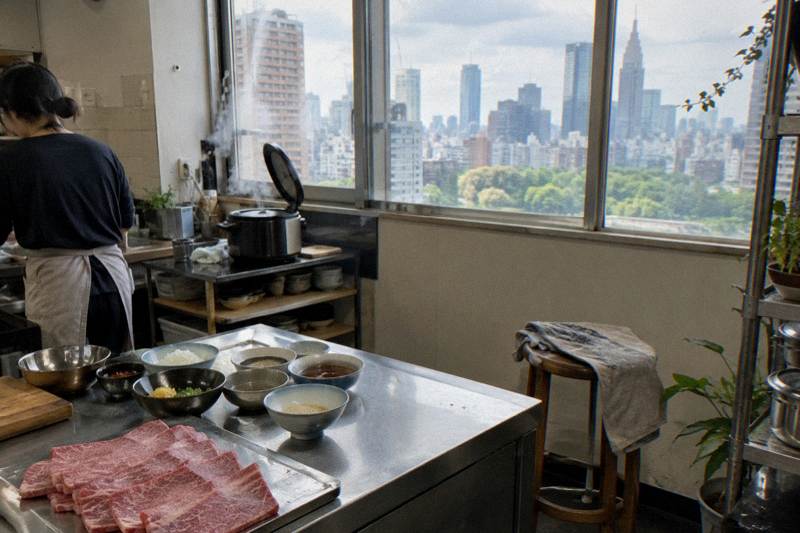
Tokyo Wagyu Food Experiences And Premium Tours
Wagyu is the splurge most Tokyo visitors plan around, and the format you choose changes the price more than the quality: a guided walk, an omakase counter or a class where you cook the beef yourself.
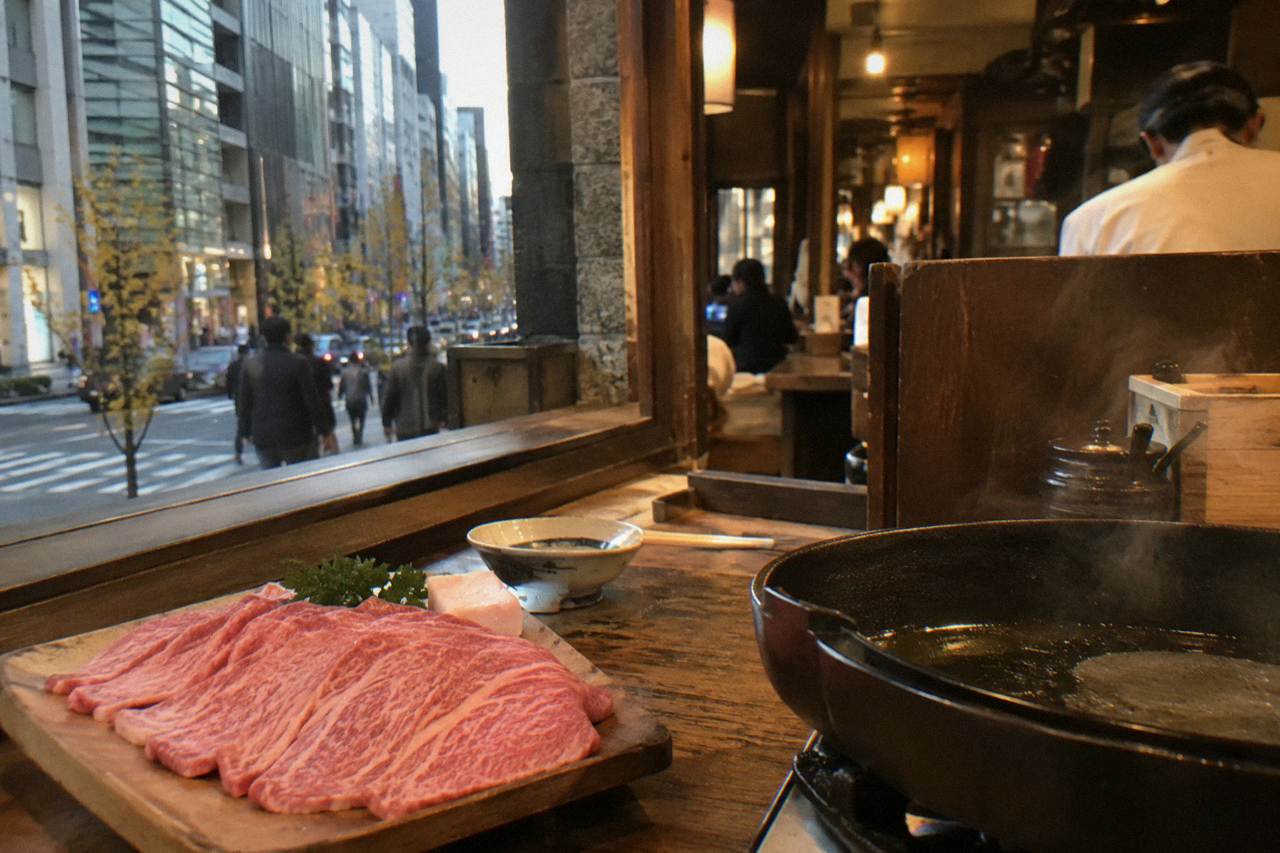
Short answer
Tokyo wagyu experiences run from about $71.26 per person for the Small-Group Wagyu Beef and 7 Japanese Dishes cooking class to from $130.73 per person for the Omakase Sushi and A5 Wagyu Premium Foodie Tour, and up to from $289.25 per person for a private backstreets evening. Most run roughly 3 to 4 hours.
Marbled beef is the single most planned-ahead meal in Tokyo, and the decision that shapes the evening is not which cut to order but which format to book. The city's wagyu options split three ways: a guided tour that walks you to the beef, an omakase counter that serves it to you course by course, or a cooking class where you sear it yourself with a teacher beside you.
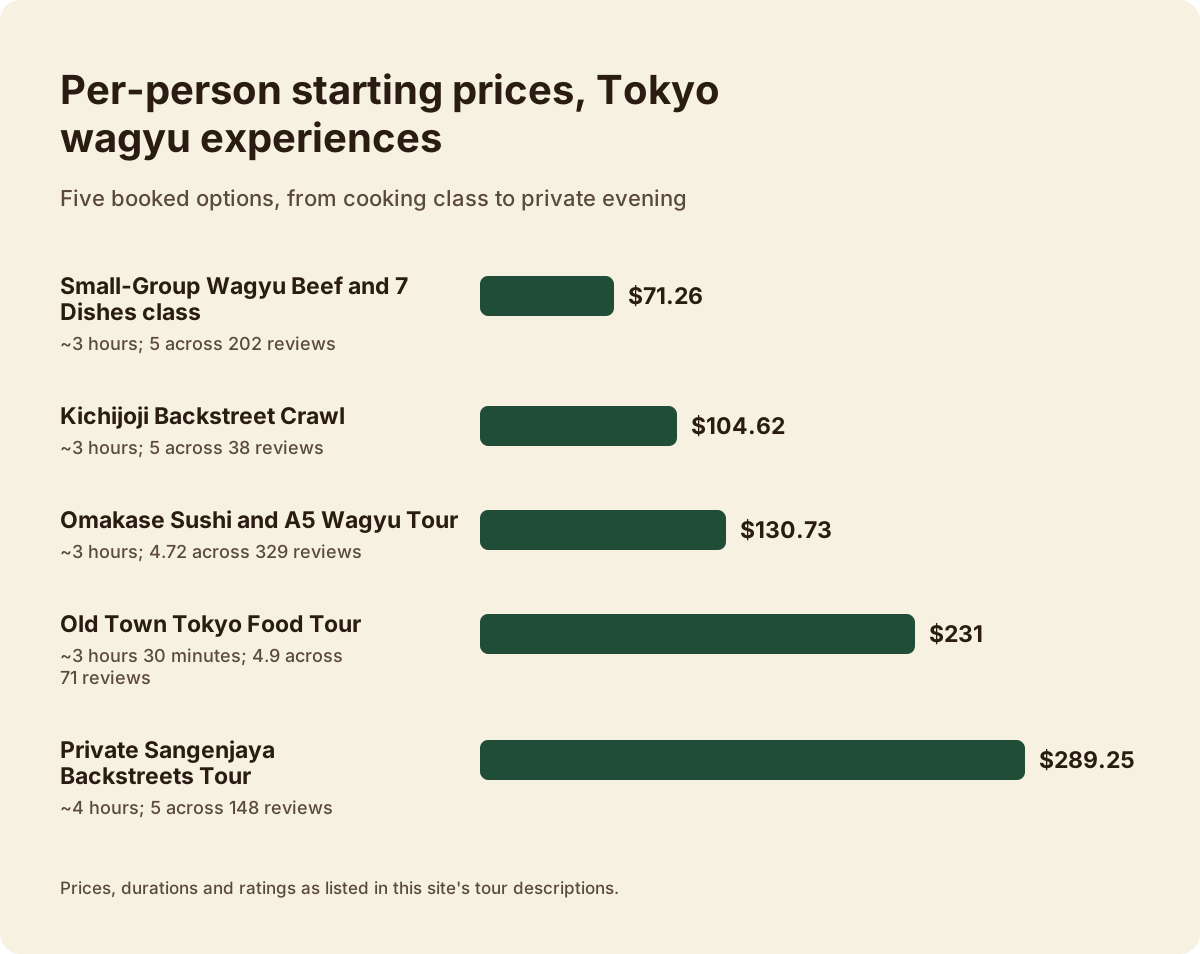
The price spread between those formats is wide. The Small-Group Wagyu Beef and 7 Japanese Dishes Tokyo Cooking Class starts at $71.26 per person, while a private evening in Sangenjaya's backstreets starts at $289.25 per person. Only one includes wagyu. What differs is how much of the evening someone else arranges, and how much you do.
The premium end of Tokyo Food Tours runs from omakase counters to izakaya counters: what each wagyu format includes, what it costs, which districts it happens in, and the practical details, from seating charges at izakaya counters to the allergen rules, that catch premium diners out.
What Is A Tokyo Wagyu Experience And What Do You Actually Get?
A Tokyo wagyu experience is a booked activity built around marbled Japanese beef, and it comes in three formats: a guided food tour that includes wagyu among its stops, an omakase dinner where wagyu is served as a course, and a cooking class where you prepare it yourself. Durations run from about 3 hours to 4 hours, and per-person prices across these formats run roughly from $71.26 up to $289.25.
What you get for the money differs sharply. A guided tour buys you logistics handled for you: a local guide walks a small group through a district, orders on your behalf and explains what arrives. An omakase dinner buys you a counter seat and a chef's selection, with the price covering the meal itself and the pacing of many small courses. A cooking class buys you instruction: ingredients, equipment, a teacher, and the plate you cooked.
The premium tours show the range clearly. The Tokyo: Omakase Sushi and A5 Wagyu Premium Foodie Tour runs about 3 hours, is rated 4.72 across 329 reviews and costs from $130.73 per person. The Old Town Tokyo Food Tour, a 3 hour 30 minute premium walk through the historic east side, is rated 4.9 across 71 reviews from $231 per person. At the very top, the Tokyo Hidden Backstreets: Private Sangenjaya Food and Drink Tour is a 4 hour private evening rated 5 across 148 reviews, from $289.25 per person.
Figure-wise, most premium tours cap groups small, often under a dozen walkers, so the guide can seat everyone together at counters where solo seats are the norm. The listing for each tour states its exact group size and meeting point; check the booking page for the meeting area of the tour you choose, since several premium walks gather inside a specific station exit rather than at a landmark.
One structural point worth knowing before you spend: wagyu in Japan is a labelled, graded category of beef, and the top letter and number grades are what premium marketing leans on. The tour names themselves tell you which ones promise the top grade: only the omakase tour above puts A5 in its title. For the others, the itinerary on the booking page names the cuts and dishes served.
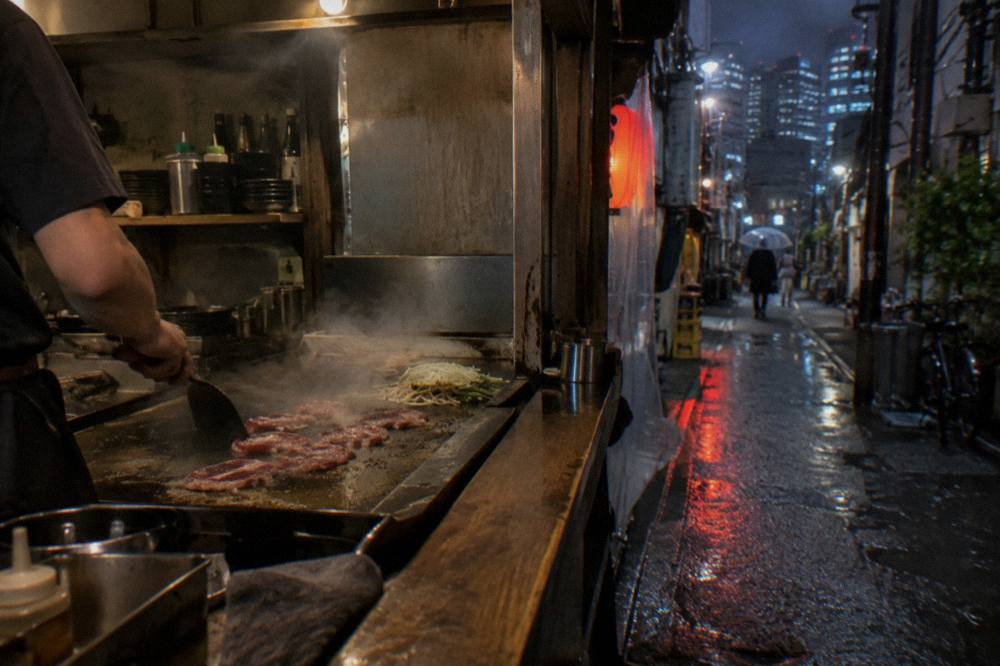
Which Tokyo Wagyu Tours And Classes Are Worth Comparing?
The three wagyu-forward options worth a side-by-side look are the Small-Group Wagyu Beef and 7 Japanese Dishes cooking class from $71.26 per person, the Omakase Sushi and A5 Wagyu Premium Foodie Tour from $130.73 per person, and the Private Sangenjaya Backstreets evening from $289.25 per person. They are all roughly 3 to 4 hours, but they sell completely different evenings.
The first is a class: you cook. The second is a guided premium walk with an omakase element. The third is private: one booking, your group only, four hours of izakaya-hopping through a residential neighbourhood tourists rarely find alone. Here is how the details line up.
| Experience | Format | Duration | Rating | Price basis |
|---|---|---|---|---|
| Small-Group Wagyu Beef and 7 Japanese Dishes class | Cooking class, small group | ~3 hours | 5 across 202 reviews | from $71.26 per person |
| Omakase Sushi and A5 Wagyu Premium Foodie Tour | Guided premium food tour | ~3 hours | 4.72 across 329 reviews | from $130.73 per person |
| Private Sangenjaya Backstreets Food and Drink Tour | Private guided evening | ~4 hours | 5 across 148 reviews | from $289.25 per person |
| Old Town Tokyo Food Tour | Guided premium walk | ~3 hours 30 minutes | 4.9 across 71 reviews | from $231 per person |
| Kichijoji Backstreet Crawl | Guided izakaya crawl | ~3 hours | 5 across 38 reviews | from $104.62 per person |
The right pick depends on what you want to do with your hands. If the answer is cook, the wagyu class is the value option: it is the cheapest wagyu experience among the options and it carries a perfect rating across 202 reviews, a pool large enough to trust. If the answer is sit back, the omakase tour pairs the beef with sushi courses and a guide who orders. If the answer is explore, the private Sangenjaya evening trades a dedicated wagyu course for four hours of backstreet access.
If your interest runs wider than beef, the site's Tokyo cooking class guide covers the non-wagyu formats, from ramen to washoku, and the sake tasting guide covers the drinking-side options that pair naturally with a beef dinner.
Is The Omakase Sushi And A5 Wagyu Tour Worth The Price?
The Tokyo: Omakase Sushi and A5 Wagyu Premium Foodie Tour costs from $130.73 per person, runs about 3 hours, and is rated 4.72 across 329 reviews. It is worth the price if you want top-grade beef and sushi in one booked evening without working the counters out on your own; it is not the cheapest way to eat either one, and its reviews are worth a skim on the live booking page before you commit.
The tour's pitch is combination: an omakase sushi element and A5 wagyu in a single itinerary, with a guide handling the venues. At roughly three hours it fits a standard evening slot, and the 4.72 rating across 329 reviews is solid for a premium product, though a touch below the site's most consistent performers, some of which hold 4.9 across far larger pools.
For context on what top-tier dining costs in Tokyo without a tour at all, the national average price of a serving of nigiri sushi eaten out was 1,592 yen as of September 2026 in the official retail price survey, and Michelin's Tokyo guide has been awarding Bib Gourmand status to ramen shops and counter restaurants as well as fine dining. Premium omakase counters sit far above both figures. A tour at from $130.73 per person bundles the beef course, the sushi course and the guiding into one predictable number, which is exactly what many travellers want on a splurge night. If you would rather plan a sushi-first night on your own, our guide to the best sushi counters, conveyor belts and classes in Tokyo covers what each tier costs and which neighborhoods deliver.
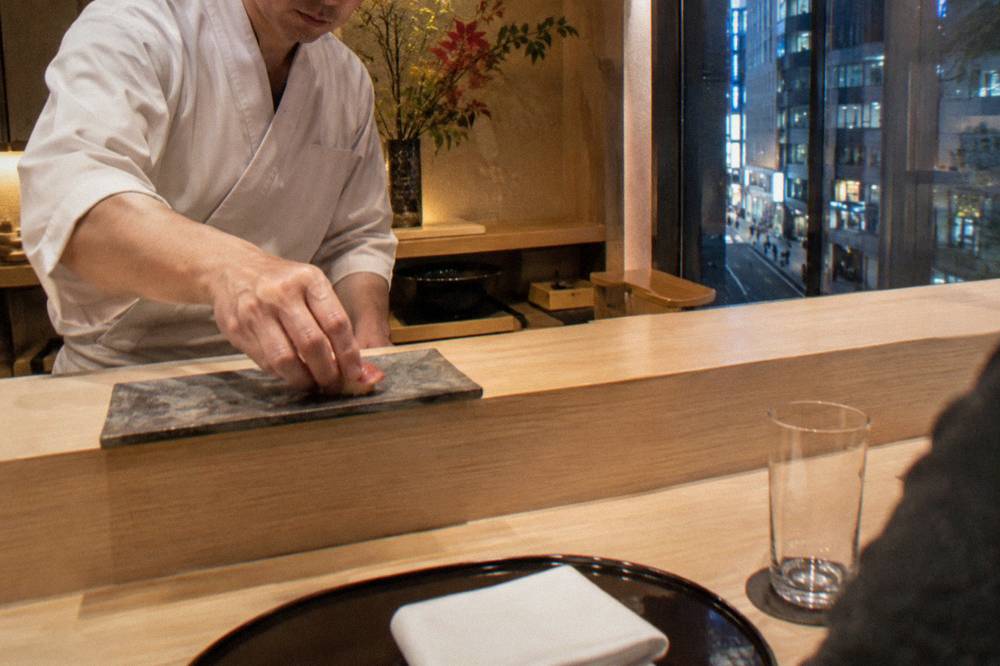
The honest counterargument is format control. On a guided tour you eat what the itinerary includes, at the pace the group allows. Booking an independent omakase counter gives you full control of the menu but leaves you managing reservations in a city where popular spots often require advance booking, and where no-shows and late cancellations can trigger fees. A tour buys insurance against all of that friction.
If this is your splurge, the details that matter are on the booking page: the exact meeting point, the number of food stops, whether drinks are included or paid separately, and the cancellation window. None of those are safe to assume at the premium price point.
Can You Cook Wagyu Yourself In A Tokyo Class?
Yes, and it is the cheapest wagyu-specific experience among the options. The Small-Group Wagyu Beef and 7 Japanese Dishes Tokyo Cooking Class runs about 3 hours, is rated 5 across 202 reviews and costs from $71.26 per person. You cook the beef and a full set of accompanying dishes yourself, with a teacher guiding the group through each step.
A class flips the premium formula. Instead of paying for someone to cook for you, you pay for ingredients, a station and instruction, and the price drops accordingly: $71.26 per person against $130.73 for the guided omakase tour. The trade is simple, you spend the evening working rather than being served, and for many travellers that is the appeal. Cooking wagyu under instruction teaches you the heat control and slicing that a restaurant evening never shows you.
The class is also the most family-flexible wagyu format, since a kitchen suits mixed groups better than a bar-heavy crawl. If you want a broader view of the format first, the site's sushi and ramen class options are covered in the Tokyo sushi making class guide, and the washoku market-to-table class below is the deeper end of the same pool.
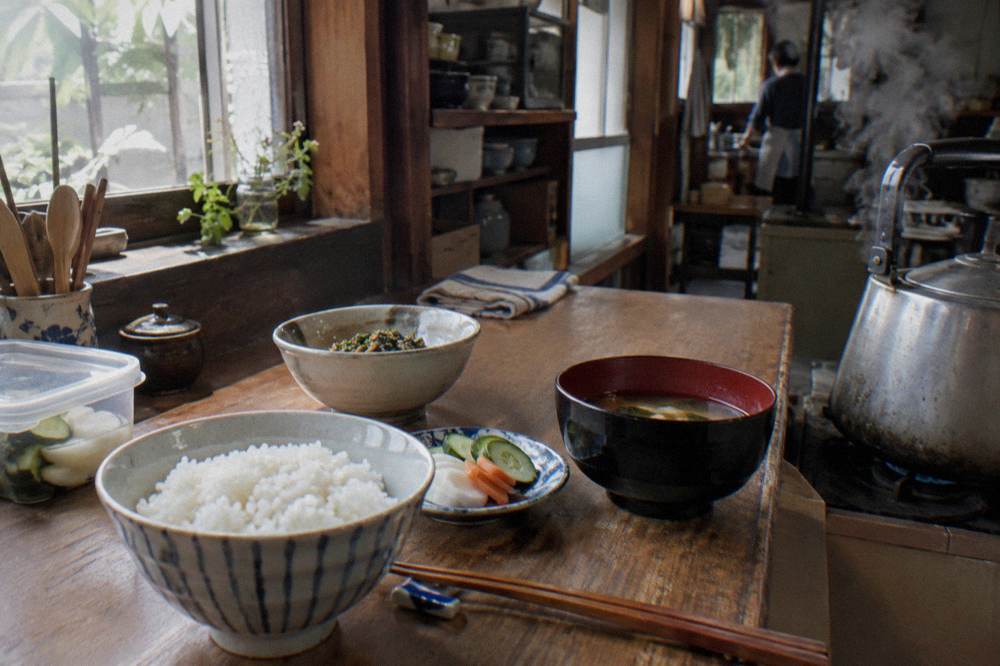
If a full meal cooked from scratch appeals more than beef alone, the Tokyo Washoku 4-hour Cooking Class: From Market to Table is the most complete of the cooking classes: about 4 hours, rated 5 across 405 reviews, from $84.21 per person, and it begins at the market rather than the kitchen. It is the format for travellers who want the whole arc of a Japanese meal, shopping included, rather than one showcase ingredient.
One practical note that applies to every class, and to every tour on this page: allergies. Japan's allergen labelling rules cover packaged processed foods, and the specified list grew to nine items when cashew was added on 1 April 2026, but restaurant and class kitchens are a different matter; the rules do not force dish-by-dish labels there. The Consumer Affairs Agency's allergen page explains the packaged-food system. For a class or tour, message the operator before booking with any allergy rather than assuming the label law protects you.
Where Do Locals-Style Wagyu Evenings Happen In Tokyo?
The premium evening tours cluster in Shinjuku's laneways, the Old Town districts east of the river, and residential backstreets like Sangenjaya and Kichijoji, where izakaya counters serve grilled beef and small dishes late. These are working drinking neighbourhoods rather than restaurant rows, which is why most premium tours are guided rather than self-directed.
Shinjuku is the loudest option. Omoide Yokocho, the post-war bar district near the station's West Exit, packs about 80 premises, roughly 60 of them bars and restaurants, into roughly 2,000 square metres, most of them yakitori and motsuyaki counters. Typical spend there runs about 2,000 to 3,000 yen per person for skewers and drinks, and many counters add a small otoshi seating charge of 300 to 500 yen that comes with a starter. That is the budget end of a grilled-beef-and-drinks evening, and the site's Shinjuku eating guide maps it in detail.
At the other end sits Sangenjaya, a stop a few minutes west of Shibuya, where the private backstreets tour spends four hours. Rated 5 across 148 reviews and priced from $289.25 per person, the private Sangenjaya food and drink tour is the most expensive of the options, and the price buys exclusivity: your own guide, your own pace, and entry to tiny neighbourhood bars that a first-time visitor would hesitate to push into alone.
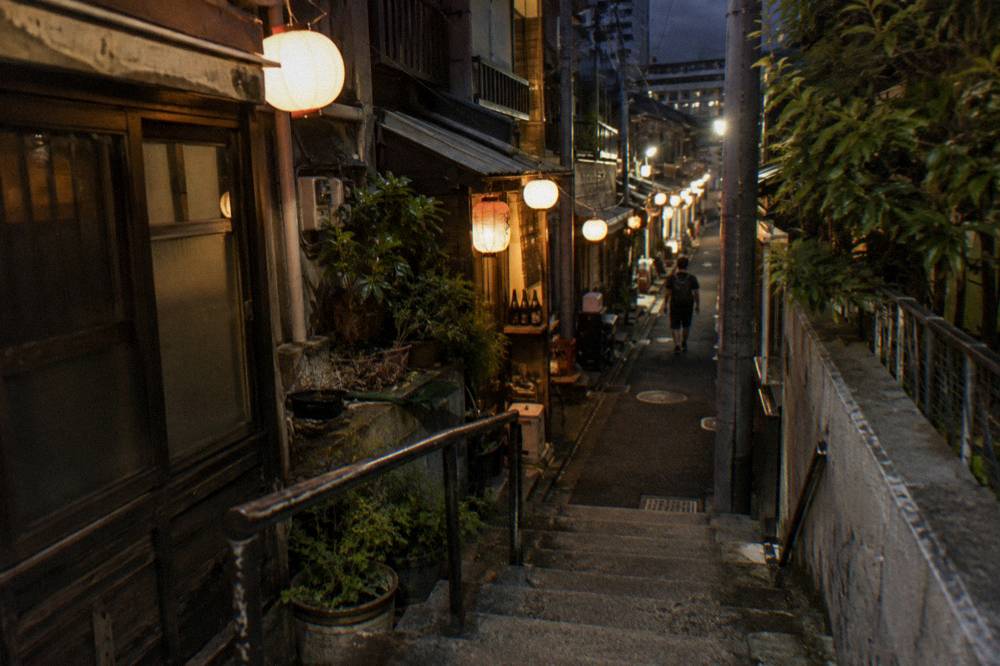
Kichijoji sits between the two: the Tokyo Izakaya Crawl: Eat and Drink Like a Local in Kichijoji runs about 3 hours, rated 5 across 38 reviews, from $104.62 per person, through a neighbourhood of jazz bars and yakitori lanes beside one of Tokyo's largest parks. The Old Town Tokyo Food Tour covers the historic eastern side at the premium end, 3 hours 30 minutes, rated 4.9 across 71 reviews, from $231 per person. The districts themselves run on their own rules, and they are worth knowing before any premium evening.
| District | Evening character | Typical spend or charge | What it means for a premium tour |
|---|---|---|---|
| Omoide Yokocho, Shinjuku | Post-war laneway of about 80 premises, yakitori and motsuyaki counters | about 2,000 to 3,000 yen per person for skewers and drinks; otoshi of 300 to 500 yen | Budget grilled-meat base; guided tours add ordering and access |
| Golden Gai, Shinjuku | Tiny bars, most from around 8 p.m., cover fees of 500 to 1,500 yen | cover fee often includes a snack | Best visited with a guide who knows foreigner-friendly doors |
| Sangenjaya | Residential backstreets west of Shibuya | private tour from $289.25 per person | Four hours of neighbourhood access a first-timer will not find alone |
| Old Town Tokyo walk | Historic east-side lanes and temples | premium walk from $231 per person | Deep daytime-to-evening format at 3 hours 30 minutes |
Cash still matters on these evenings. Independent counters in the laneway districts often prefer cash or accept it only, so carry yen even when your tour's ticket itself is booked online. And when the bill arrives, do not add a tip: the Japan National Tourism Organization states plainly that tipping is not common for services in restaurants, bars, taxis and hotels. Any service charge on an upscale bill is part of the stated price, not something you add.
How Much Should You Budget For A Tokyo Wagyu Experience?
Budget from $71.26 per person for a wagyu cooking class, from $104.62 to $145.85 for a guided izakaya or premium group walk, and from $217 to $289.25 for the top guided and private tours. Add drinks where they are not included, a possible seating charge at independent counters, and remember dine-in tax is 10 percent while takeaway food is taxed at 8 percent.
The clean way to see the ladder is by format. Classes sit at the bottom because you supply the labour. Group guided tours occupy the middle because the operator's costs are shared. Private tours and long premium walks sit at the top because one booking carries the whole evening.
| Budget tier | Examples | Price basis | What it buys |
|---|---|---|---|
| Under $90 per person | Wagyu and 7 Dishes class at $71.26; After 5 walk at $72.47; Washoku market-to-table class at $84.21 | from $71.26 to $84.21 | Instruction, ingredients or several shared tastings |
| $104.62 to $145.85 per person | Kichijoji crawl at $104.62; omakase and A5 wagyu tour at $130.73; Ginza walk at $145.85 | guided group formats | Multiple stops, guide, included dishes |
| $217 to $289.25 per person | Golden Gai food tour at $217; Old Town at $231; private Sangenjaya at $289.25 | premium and private | Longer routes, small or private groups, deeper access |
Two cost details surprise premium diners. First, the tax split: under National Tax Agency rules, restaurant meals are taxed at the standard 10 percent while takeaway food qualifies for the reduced 8 percent rate, and the agency has announced the food and drink rate will be lowered for the two years from 1 April 2027 to 31 March 2029. The NTA's English consumption tax page states the current split. Second, seating charges: at izakaya and laneway counters a per-person otoshi of a few hundred yen is a normal cover charge, not a scam and not a tip.
Against self-directed dining, the comparison is favourable at the class end and debatable at the premium end. A bowl of shoyu ramen averaged 750 yen nationally as of September 2026, and conveyor-belt sushi meals in Tokyo typically total 1,500 to 3,000 yen, so a $130 guided evening is a multiple of an ordinary dinner out. You are buying the beef, the access and the guiding together, and only you can price the last two.
What Should You Know Before Booking A Premium Tokyo Food Tour?
Before booking, confirm the meeting point, the group size, what the price includes, the cancellation window and any age or mobility notes on the booking page, and tell the operator about allergies in advance. Tipping is not expected, cash is still useful in laneway districts, and smoking indoors is restricted to designated rooms under Tokyo's ordinance.
The single most common premium-tour mistake is assuming inclusions. Some itineraries include drinks, others do not; some include a full dinner, others a set of tastings. The budget crawl at the bottom of the Shinjuku range, from $36.15 per person, makes the point: its listing is explicit that no meal is included, while the free-flow dinner crawl at from $109.35 per person includes a full dinner and drinks. Read the inclusions line on whichever page you book.
Cancellation terms matter most at the premium end, where a $289.25 seat is a real loss. Most operators on the booking pages offer free cancellation within a stated window, often with a pay-later option, but the window varies by product and by start time. Check it before you commit, especially for private tours where one cancellation forfeits the whole evening's booking.
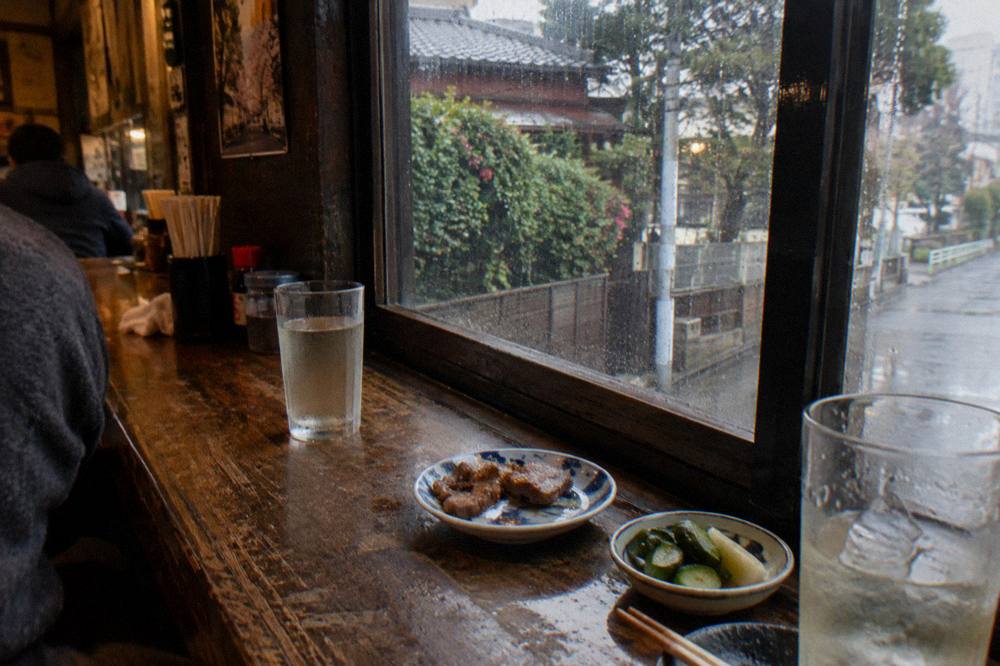
The etiquette gaps are small but real. Do not stick chopsticks upright in rice or pass food chopstick to chopstick, both echo funeral rituals. Eat where you buy in market streets rather than while walking, a rule Tsukiji's Outer Market states explicitly for its lanes. Smoking inside restaurants is banned outside designated rooms, and every venue must post its policy at the entrance under the Tokyo ordinance in force since April 2020. None of these will ruin a tour, but knowing them removes the low-level anxiety that distracts from an expensive dinner.
Timing is the last lever. Premium evening tours start in the late afternoon or early evening, and the laneway districts hit their stride from around 5 p.m., with Golden Gai bars typically opening around 8 p.m. Book a start time that matches your jet lag honestly rather than optimistically. The site's best time for a Tokyo food tour guide covers the seasonal angle if your dates are flexible.
A premium wagyu evening in Tokyo can be the memorable meal of a trip, or an overpriced walk with a photograph of beef. The difference is almost always format fit: cooks should book the class, diners should book the omakase tour, explorers should book the private backstreets. Match the format to the traveller and the price stops feeling high.
Common Questions About Tokyo Wagyu Experiences
What Is A Tokyo Wagyu Experience?
It is a booked activity built around marbled Japanese beef in one of three formats: a guided food tour that includes wagyu stops, an omakase dinner with a wagyu course, or a cooking class where you prepare the beef yourself. Prices run roughly from $71.26 to $289.25 per person and most formats last about 3 to 4 hours.
How Much Does A Wagyu Experience In Tokyo Cost?
From $71.26 per person for the Small-Group Wagyu Beef and 7 Japanese Dishes cooking class, from $130.73 per person for the Omakase Sushi and A5 Wagyu Premium Foodie Tour, and from $289.25 per person for the private Sangenjaya backstreets evening. Mid-range guided walks and crawls sit between from $104.62 and from $145.85 per person.
Is A Wagyu Cooking Class Worth It Compared With A Tour?
It is the cheapest wagyu-specific option and it carries a perfect rating across 202 reviews. You trade being served for cooking the beef yourself under instruction, which suits travellers who want to learn the technique. If you would rather be served a full evening of courses, the omakase tour or a premium guided walk fits better.
Do Tokyo Wagyu Tours Include Drinks?
It varies by product. Some premium tours and the free-flow dinner crawl include drinks, while others sell them separately, and the lowest-price crawls include no meal at all. The inclusions line on the booking page is the definitive answer for the specific tour and start time you are considering.
Should You Tip On A Premium Food Tour In Tokyo?
No. Tipping is not customary in Japanese restaurants, bars or taxis, and staff may return money left by mistake. Any service charge on an upscale bill is part of the stated price. A per-person otoshi seating charge at an izakaya counter, typically a few hundred yen with a small dish, is a cover charge, not a gratuity.
Can Operators Accommodate Allergies On Wagyu Tours?
Only when told in advance. Japan's allergen labelling law covers packaged foods, not individual restaurant dishes, so message the operator before booking with any allergy rather than assuming it will be spotted on the night.