Tokyo Sushi Making Class: Which One To Book
Sushi classes in Tokyo run from a 90-minute hands-on session with unlimited sake to a full three-hour small-group workshop. Here is how the main options compare on price, time and what you walk away knowing.
Short answer
Tokyo sushi making classes cost from $44.93 per person for a 90-minute Asakusa class with unlimited sake, from $71.26 for the 3-hour small-group class rated 5 across 175 reviews, and from $90.69 for a class at a Michelin-listed venue rated 5 across 80 reviews. All three include hands-on rolling and shaping with an instructor.
Sushi making has become one of the most booked food activities in Tokyo, and the supply has split into distinctly different products. Some classes are short, drink-forward and social, others are long, technical and closer to a proper workshop, and a few take place in restaurants that carry real culinary standing. Picking between them is mostly a question of time, budget and how much you want to actually learn. Tokyo Food Tours compares the main options below, always confirm the current price on the live booking page.
For context on what sushi costs when you simply buy it, the national average for a serving of nigiri sushi eaten out was 1,592 yen as of September 2026, and standing sushi bars near Tsukiji sell individual nigiri pieces from roughly 90 to 500 yen each. A class is therefore not a bargain route to a meal. It is a lesson, and the best ones justify their price by teaching you a skill you can repeat at home. The meal you eat at the end is the byproduct, not the product. To weigh a class against simply eating out, our guide to the best sushi in Tokyo, from counters to conveyor belts lays out what each tier costs and which neighborhoods deliver.
It also helps to know what the three main formats have in common before comparing them, because the shared elements are what make any of them worth booking at all.
What Can You Actually Learn In A Sushi Making Class In Tokyo?
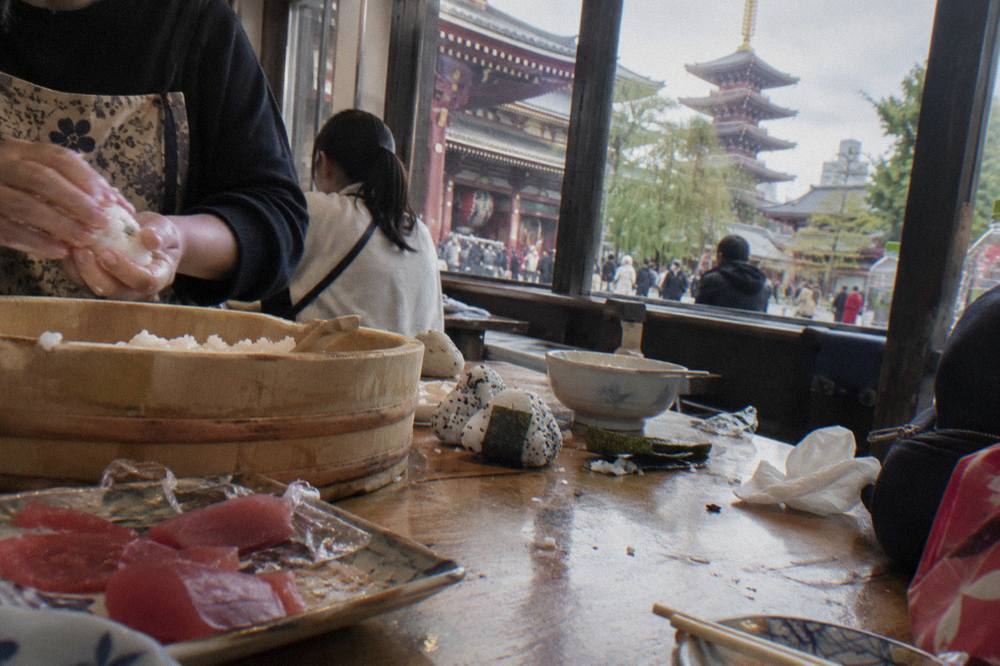
Most Tokyo classes teach the full hand-forming sequence: preparing and seasoning the sushi rice, slicing the fish, shaping nigiri by hand, and rolling maki with a bamboo mat. The 3-hour small-group format leaves room for several rounds of practice, while 90-minute formats cover the same steps once at a faster pace. Expect to eat everything you make, with inclusions listed on each booking page.
The core of any class is the rice. Sushi rice is short-grain rice seasoned with rice vinegar, sugar and salt, and instructors spend a large share of the session on getting the seasoning and the hand pressure right, because these two things separate restaurant nigiri from homemade attempts. Fish selection and knife angle come next, and most classes let you slice your own portions under supervision rather than watching a demonstration.
Shaping is where classes differ most. Nigiri is pressed between the fingers of one hand in a movement that takes chefs years to master, but a first-timer can produce recognizable pieces within an hour of coaching. Maki rolls are more forgiving and usually come first in the session, since the bamboo mat does half the work. Classes generally end with a shared meal of everything the group produced, which is also when most of the questions get asked, once hands are clean and plates are full.
If you want the deeper version of this experience, the Sushi Making Class, 3 Hours runs long enough for multiple practice rounds, and the same operator offers a broader Tokyo cooking class comparison if you would rather cook a full menu than focus on sushi alone.
Which Tokyo Sushi Class Should A Beginner Book?
A beginner should book either the 3-hour small-group class from $71.26 per person, rated 5 across 175 reviews, or the 90-minute Asakusa class from $44.93 per person, rated 4.94 across 206 reviews. The longer class teaches more slowly and repeats the shaping steps. The Asakusa class trades depth for a lower price and a lively sake service.
Both options assume zero experience. The instructors demonstrate each step before the group repeats it, and the small-group cap keeps the correction loop tight, which matters far more than any equipment difference. Beginners who book a short class sometimes leave wanting more practice, so the honest framing is this: choose the 3-hour class if learning is the point of the evening, and choose the Asakusa class if you want a fun, food-adjacent activity in a famous sightseeing district.
A third format deserves a look if the venue matters to you. The Sushi Class at a Michelin-Listed Venue runs 90 minutes from $90.69 per person and is rated 5 across 80 reviews. You are paying a premium for the address and the atmosphere, not for extra technique, since the duration matches the Asakusa class. Some readers prefer that trade, others do not, and both reactions are reasonable.
There is also a fair question about who else is in the room. Several of the cooking classes here are run as small-group sessions, and the three sushi classes here all sit toward the smaller end of that range. A smaller group means more hands-on corrections per student, and with shaping technique that is the difference between one good piece and eight good pieces by the end of the session.
How Much Does A Sushi Making Class In Tokyo Cost?
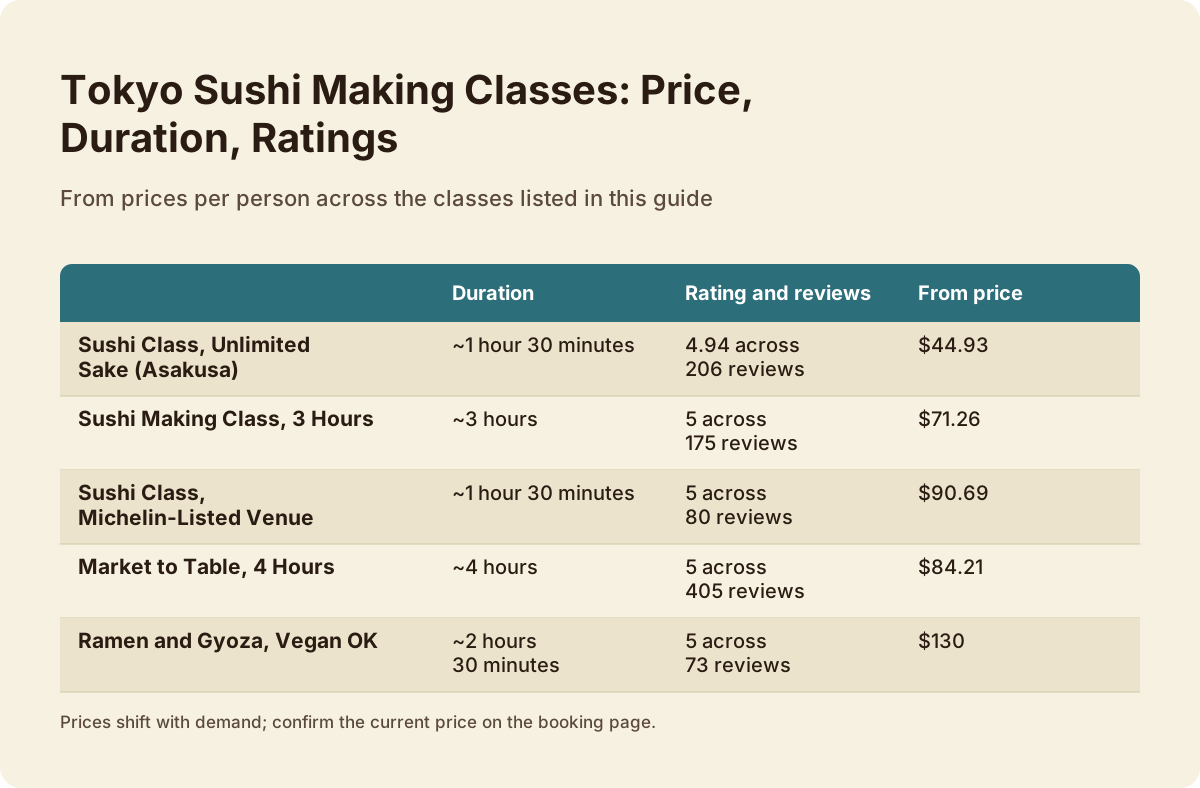
Tokyo sushi classes run from $44.93 to $90.69 per person across the three dedicated sushi products, with the mainstream 3-hour small-group class at from $71.26 per person. Other Tokyo cooking classes, from wagyu to ramen and gyoza, run from $71.26 to $130 per person. Prices shift with demand, so treat every figure here as a from-price and confirm the current one on the booking page. If you would rather taste premium beef than roll your own fish, the Tokyo wagyu food experience guide compares tours, omakase dinners, and classes with real prices and durations.
| Class | Duration | Rating and reviews | From price | Basis |
|---|---|---|---|---|
| Sushi Class, Unlimited Sake (Asakusa) | ~1 hour 30 minutes | 4.94 across 206 reviews | $44.93 | per person |
| Sushi Making Class, 3 Hours | ~3 hours | 5 across 175 reviews | $71.26 | per person |
| Sushi Class, Michelin-Listed Venue | ~1 hour 30 minutes | 5 across 80 reviews | $90.69 | per person |
| Market to Table, 4 Hours | ~4 hours | 5 across 405 reviews | $84.21 | per person |
| Ramen and Gyoza, Vegan OK | ~2 hours 30 minutes | 5 across 73 reviews | $130 | per person |
Two cost notes help you read that table honestly. First, alcohol changes the value equation: the Asakusa class includes unlimited sake within its from-price, which is unusual at this price point. Second, the Michelin-listed class costs about double the Asakusa class for the same duration, so its premium buys the setting and the story rather than more instruction.
If you are budgeting a whole food day rather than one activity, our Tokyo food tour cost breakdown puts walking tours and classes side by side on the same basis.
Is The Asakusa Sushi Class With Unlimited Sake Worth It?
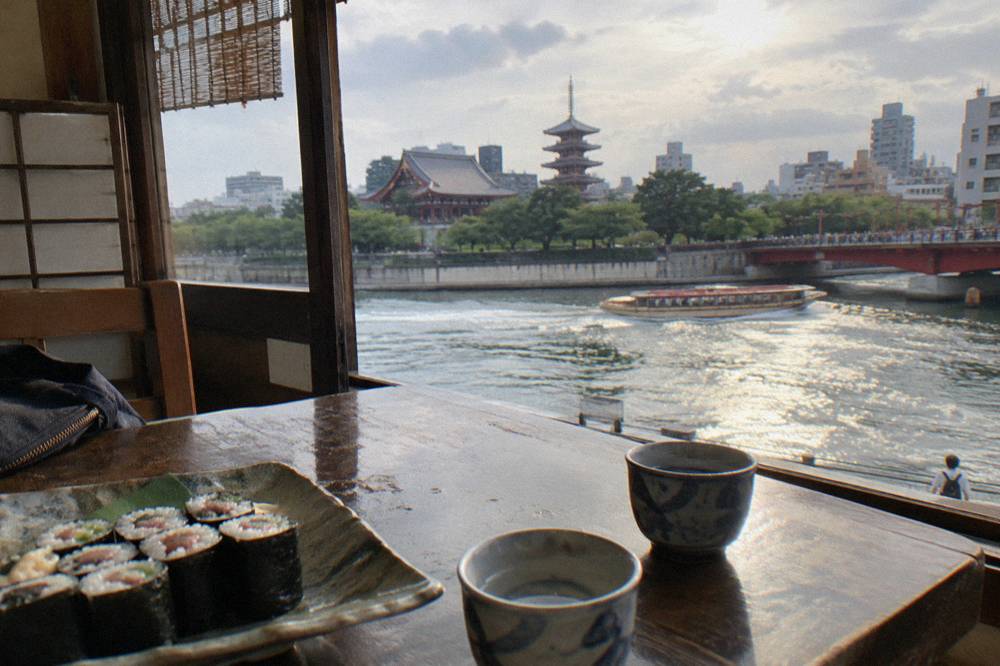
At from $44.93 per person for 90 minutes, rated 4.94 across 206 reviews, the Asakusa class is the lowest-priced dedicated sushi class on this page, and the only one whose listing includes unlimited sake. It is worth it for beginners and social groups. It is not the pick if you want unhurried technical instruction, because the sake and the shorter clock both push the pace along.
The location is the quiet advantage. Asakusa is the traditional temple district, reachable on the Tokyo Metro Ginza Line, and a morning class pairs naturally with the temple and the Nakamise shopping street afterwards. Small-group classes keep the setting relaxed rather than studious, which is exactly what some travelers want on a first night in the city and exactly what others want to avoid. Neither reading is wrong.
The sake service deserves one plain caveat: unlimited does not mean professional-grade pours, and the class is short enough that heavy drinking will cost you dexterity at the rolling mat. Sessions run about an hour and a half, so plan the rest of your day around Asakusa rather than a long commute. For the district itself, our Asakusa food tour guide covers what to eat within walking distance of the class.
What Is The Michelin-Listed Sushi Class Like?
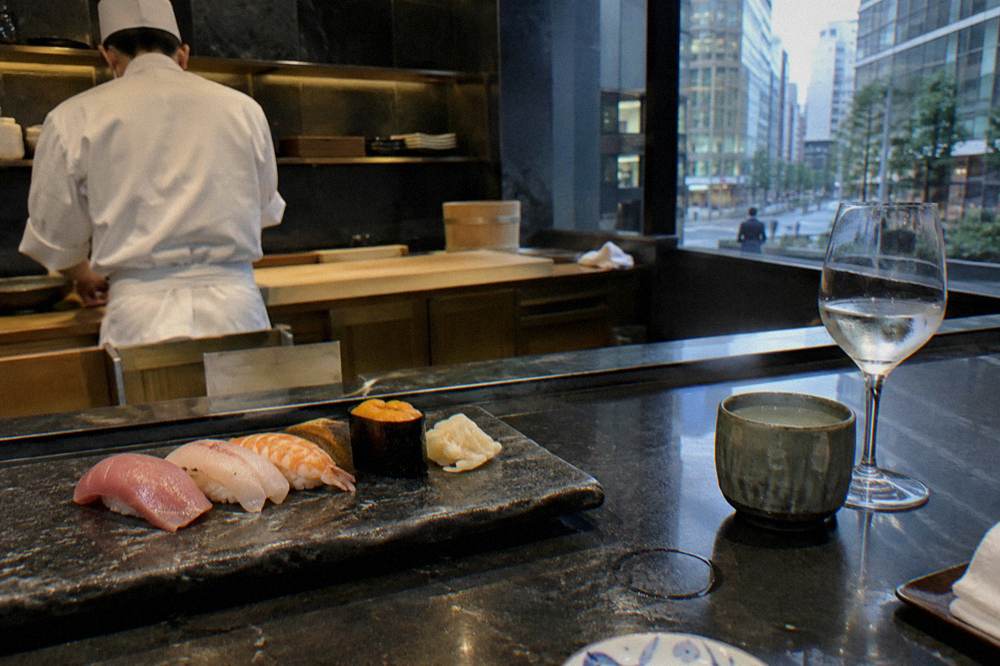
The class at a Michelin-listed hidden gem venue runs about 90 minutes from $90.69 per person, rated 5 across 80 reviews, combining hands-on sushi making with a guided sake tasting. It suits travelers who want a memorable setting and a more refined tasting element. It does not teach more technique than the cheaper classes in the same time. If the tasting matters more to you than the sushi technique, our guide to choosing between Tokyo sake and whisky tastings breaks down what each option covers and how to decide.
The appeal here is context. Learning to shape nigiri in a venue that carries Michelin recognition gives the evening a dinner-party quality that a teaching kitchen cannot match, and the sake tasting that accompanies the class is a structured tasting rather than a free-flow pour. For food-motivated visitors celebrating something, this is the version that photographs and remembers well.
Against that, the review pool is the smallest of the three sushi classes at 80 reviews, all five stars, and the price per instruction minute is the highest. If your goal is competence rather than atmosphere, the same money buys the 3-hour class with time left over. Check the booking page for the exact meeting point, since hidden-gem venues are often a short walk from the nearest station and can be awkward to find on a first visit.
Sushi Class Or A Full Tokyo Cooking Class?
Book a sushi class if you specifically want to shape nigiri and roll maki. Book a full cooking class if you want a broader Japanese meal you can cook again at home, such as the 4-hour Market to Table class from $84.21 per person, rated 5 across 405 reviews, which adds shopping and multi-dish cooking to the session. The sushi-only classes go deeper on one skill.
| Format | Best for | Typical duration | From price | Trade-off |
|---|---|---|---|---|
| Sushi class | One skill, hands-on shaping | 90 minutes to 3 hours | $44.93 to $90.69 | Narrow menu |
| Market to Table class | A full home-cookable meal | ~4 hours | $84.21 | Less time on sushi itself |
| Ramen class | Broth and noodle technique | 90 minutes to 3 hours 30 minutes | $113.36 to $165.19 | No fish work |
| Wagyu class | Meat cookery and side dishes | ~3 hours | $71.26 | Sushi not covered |
The Market to Table class is the strongest bridge option because it starts with ingredient shopping, the step most travelers cannot replicate at home, then moves into cooking a full washoku-style menu. Its review base of 405 five-star ratings is the largest of any class in this comparison, which says something about how consistently it lands. Sushi appears within the broader menu rather than as the whole lesson. If sushi shows up again on your trip, The Tokyo Food List sorts 980+ restaurants by cuisine and price range and drops a Google Maps pin for the ones you want.
Ramen classes are the other frequent comparison, and the gap is real: ramen is about broth and noodle texture, sushi is about knife work and rice. They attract similar travelers but teach unrelated skills. Our Tokyo ramen guide covers that side if noodles are pulling at you.
How Should You Prepare For A Sushi Class In Tokyo?
Arrive with clean hands and an empty stomach, wear short sleeves or something you can push up, and tell the operator about any allergy before booking rather than on the day. Japan's packaged-food allergen rules cover nine items including cashew, added in April 2026, but restaurant and class kitchens are not bound by the same labelling, so advance notice is on you.
Allergies first, because fish, soy, egg and wheat all appear in a standard class menu. The Consumer Affairs Agency allergen labelling page sets out what packaged food must declare, and its own survey work shows restaurant allergy information is still being studied rather than standardized. Message the operator before you pay and confirm they can adapt the menu.
Practical notes are simple. Rings and long nails damage the rice and the fish, so remove them. If your class sits near a mealtime, eat lightly beforehand, since you will finish everything you make. And if your class is in Asakusa or another sightseeing district, booking a morning slot usually leaves the afternoon free for walking off the meal.
When Is The Best Time To Book A Sushi Class In Tokyo?
Book two to three weeks ahead for evening and weekend slots, and a few days ahead for weekday mornings, which fill more slowly. Autumn and spring are the busiest windows, and from-prices move with demand, so an early booking usually holds the lower figure. Same-day availability exists but is unreliable for the small-group formats.
Timing the class inside your trip matters as much as timing the booking. A class early in your stay teaches you what to look for at sushi counters later in the trip, from rice temperature to fish cut, which quietly upgrades every subsequent meal. A class on your last night is a celebration instead, and the Michelin-listed venue plays that role best of the three.
Location plays into the schedule too. The Asakusa class pairs with a morning of temple viewing, the Michelin-listed venue sits best as a standalone evening, and the 3-hour small-group class is long enough that you should plan nothing ambitious directly after it. Our best time for a Tokyo food tour guide covers the seasonal angle in more depth if your dates are flexible.
| Class | Neighbourhood | Best slot | Pairs well with |
|---|---|---|---|
| Sushi Class, Unlimited Sake | Asakusa | Late morning | Senso-ji temple and Nakamise street |
| Sushi Making Class, 3 Hours | Central teaching kitchen | Afternoon | A light evening afterwards |
| Sushi Class, Michelin-Listed Venue | Hidden-gem venue near central Tokyo | Evening | A celebration dinner replacement |
| Market to Table, 4 Hours | Starts at the market | Morning | A free afternoon |
What Etiquette Matters During A Sushi Class?
The etiquette that matters is small: do not stick chopsticks upright in rice or pass food chopstick to chopstick, both associated with funeral rituals, pay the bill as presented since tipping is not customary, and follow the instructor's lead on phone use during the hands-on portion. None of it is difficult, and classes are forgiving of first-timers.
The chopstick rules carry real weight because of what they evoke, and they apply at the shared table at the end of the class as much as in any restaurant. The tipping rule is the reverse of what many visitors assume: the Japan National Tourism Organization is plain that tipping is not common for services in restaurants and bars, and leaving extra cash can simply be returned to you. Pay the listed price and thank the instructor.
One tax detail worth knowing when you check your receipt: the National Tax Agency applies a 10% rate to dining in and 8% to takeaway food, and from 1 April 2027 the food and drink rate is due to be lowered for two years, a change already announced on the agency's consumption tax pages. Class prices quoted on booking pages are the prices you pay, so this mostly matters for extras you buy on site.
Common Questions About Tokyo Sushi Making Classes
How Much Does A Sushi Making Class In Tokyo Cost?
From $44.93 per person for the 90-minute Asakusa class with unlimited sake, from $71.26 for the 3-hour small-group class, and from $90.69 for the class at a Michelin-listed venue. Broader cooking classes that include sushi elements run from $84.21 for the 4-hour Market to Table class.
Do I Need Any Cooking Experience For A Tokyo Sushi Class?
No. All three dedicated sushi classes assume complete beginners, demonstrate each step before you repeat it, and keep group sizes small enough for individual correction. The 3-hour format simply gives you more repetitions than the 90-minute formats.
Is The Asakusa Sushi Class With Unlimited Sake Worth Booking?
At from $44.93 per person and rated 4.94 across 206 reviews, it is the cheapest dedicated sushi class in the city and the only one with unlimited sake included. It suits social groups and beginners, though the shorter duration and the sake service mean a faster, less technical pace.
Can A Sushi Class Accommodate Allergies Or A Vegan Diet?
Only if you tell the operator before booking. Japan's allergen labelling rules cover packaged food, not class kitchens, and restaurant allergy information is not standardized, so message the operator first and confirm they can adapt the menu before you pay.
Sushi Class Or A Full Cooking Class, Which Is Better In Tokyo?
A sushi class goes deeper on one skill, shaping nigiri and rolling maki. A full cooking class such as the 4-hour Market to Table option, rated 5 across 405 reviews from $84.21, teaches a broader meal you can reproduce at home, including shopping for ingredients first.
Should I Tip My Sushi Class Instructor In Tokyo?
No. Tipping is not customary in Japanese restaurants, bars or classes, and extra cash left behind may simply be returned to you. Pay the listed price and thank the instructor directly.