Asakusa Food Tour: Old Tokyo By Mouth
Asakusa is the neighbourhood most visitors come to for Senso-ji, and it is also one of the easiest places in Tokyo to eat well on foot. Here is how the guided food walks there actually work, what they cost, and how to pick one.
Short answer
An Asakusa food tour runs about 2.5 hours and costs from $75.30 per person for a 12-dish guided walk rated 4.85 across 73 reviews. A 1.5-hour sushi-making class with matcha and unlimited sake starts at $44.93 per person. Asakusa listings here cover a 12-dish guided walk through local eateries and a hands-on sushi class with matcha.
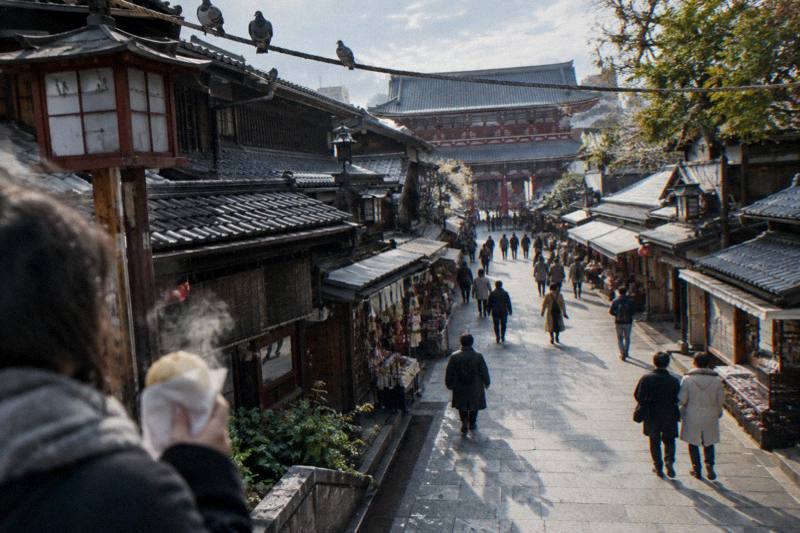
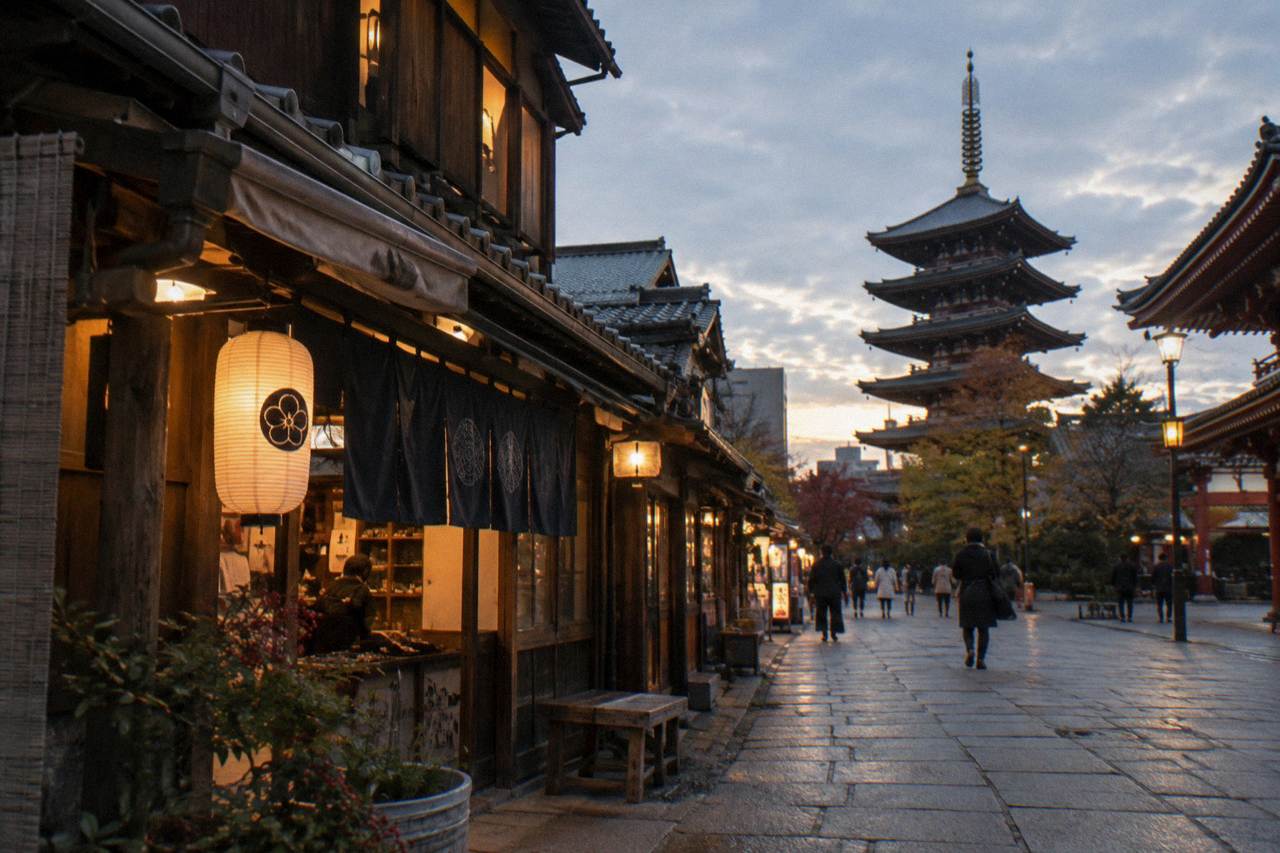
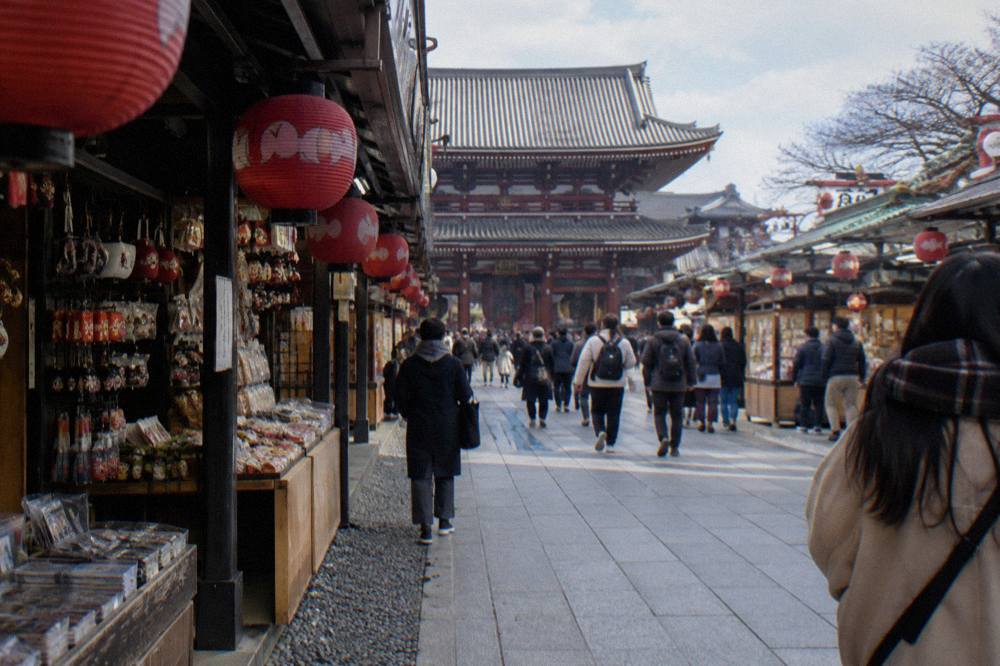
Asakusa is the part of Tokyo that still feels like the city's pre-war merchant quarter, and it eats like one. The district sits around Senso-ji, Tokyo's oldest temple, and the lanes running off Nakamise Shopping Street are dense with small shops selling everything from fresh nigiri to grilled skewers to sweet bean pastries that have been made the same way for generations. For visitors, that density is both the draw and the problem: it is genuinely hard to know which doorway to walk through.
That is the gap a good Asakusa food tour fills. A local guide takes a small group through five to eight stops, orders for you, explains what each dish is, and steers you away from the queues that are not worth your time. This guide lays out the real options, what they cost, and how to fit one into a day that probably already includes the temple.
What Is An Asakusa Food Tour?
An Asakusa food tour is a guided walking route through the old-town lanes around Senso-ji, typically 1.5 to 3.5 hours, with a set number of tastings at small independent eateries. Prices run from $44.93 per person for the 1.5-hour Asakusa sushi making class to $231 per person for the Old Town Tokyo Food Tour, and most options meet within a few minutes of Kaminarimon gate. If a fixed group route feels too rigid, the private food tour in Tokyo guide compares backstreet neighborhoods like Sangenjaya and Golden Gai and explains what a personal guide actually changes.
The format matters more than the headline dish count. A walk structured around 12 dishes at local eateries, like the Asakusa guided walk rated 4.85 across 73 reviews, spreads its stops across the neighbourhood rather than parking you at one counter. You move, you taste, and a guide handles the ordering and the explaining at each stop. That rhythm suits Asakusa particularly well because the neighbourhood's food is scattered: the best croquettes, the standing sushi bars, and the old sweet shops do not sit next to each other.
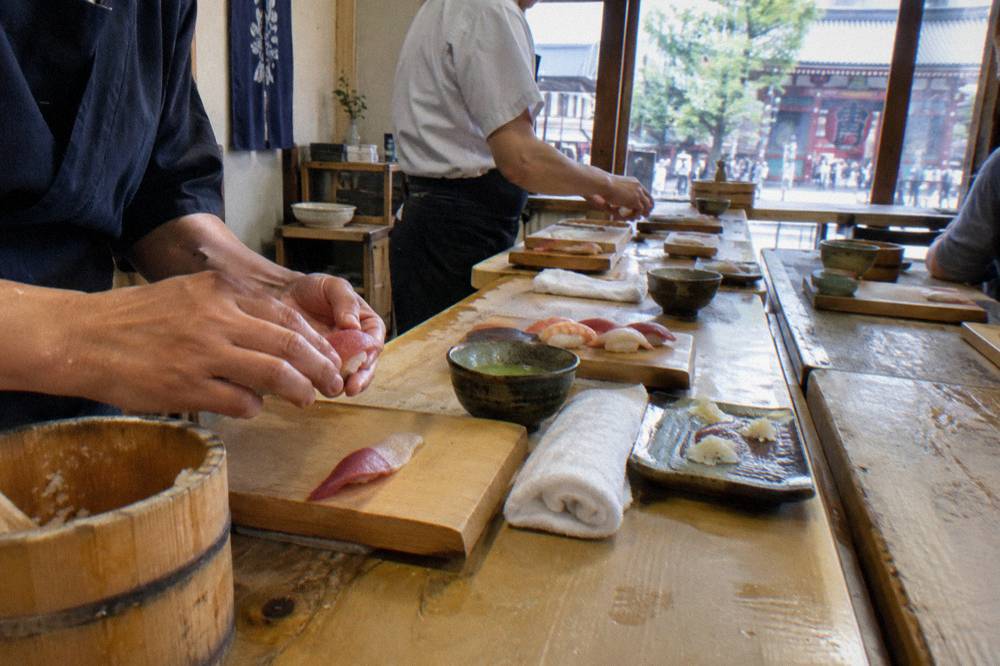
The alternative format is the class. Asakusa also hosts a sushi-making class rated 4.94 across 206 reviews, which runs about 1.5 hours and includes matcha and unlimited sake alongside the hands-on nigiri work. A class is the better pick if you want to come home with a skill; a walk is the better pick if you want to come home full.
A third format sits between the two: the premium old-town walk. The Old Town Tokyo Food Tour, rated 4.9 across 71 reviews and priced from $231 per person, runs about 3.5 hours and digs into the older districts of eastern Tokyo with fewer participants and deeper stops. It is the choice for travellers who want a slower, more sit-down evening rather than a fast grazing route.
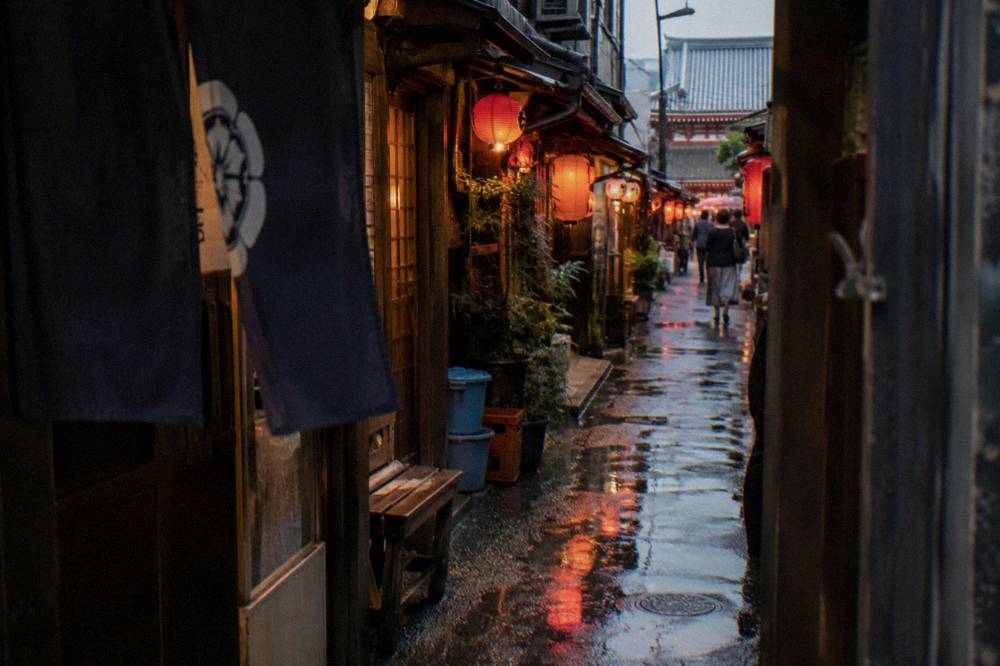
One thing a food tour is not: a temple tour. Most Asakusa food walks pass Senso-ji and Nakamise but spend their time in the eating lanes around them, especially Hoppy Street and the lantern-lit lanes west of the temple. If the temple itself is a priority, arrive early, see it first, and let the walk handle the food.
Which Asakusa Food Tour Should You Book?
For most visitors the 12-dish Asakusa guided walk is the strongest single choice: about 2.5 hours, from $75.30 per person, rated 4.85 across 73 reviews, with 12 dishes spread across local eateries, there is plenty of variety in the tasting list. Book the sushi class instead if you want a skill and a drink, or the premium old-town walk if budget is secondary to depth.
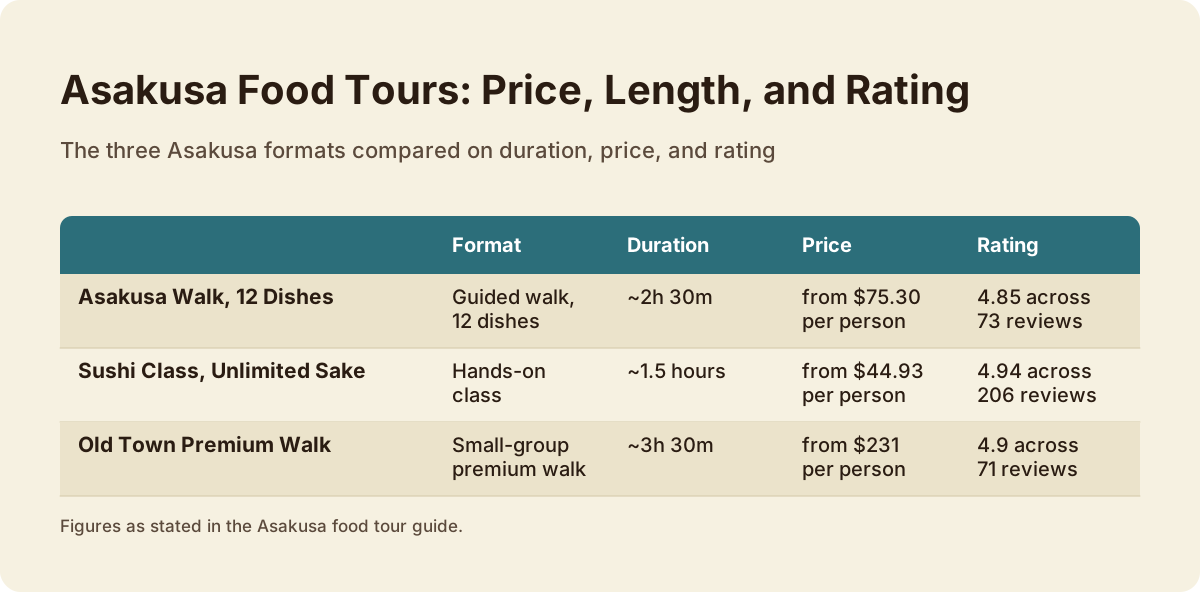
The decision really comes down to three questions. How long do you have? How much do you want to spend? And do you want to watch a neighbourhood or work with your hands? The comparison below uses the listed figures for the Asakusa guided food tour, the Asakusa sushi making class, and the Old Town Tokyo Food Tour.
| Tour | Format | Duration | Price | Rating |
|---|---|---|---|---|
| Asakusa Walk, 12 Dishes | Guided walk, 12 dishes at local eateries | ~2h 30m | from $75.30 per person | 4.85 across 73 reviews |
| Sushi Class, Unlimited Sake | Hands-on class, matcha and sake included | ~1.5 hours | from $44.93 per person | 4.94 across 206 reviews |
| Old Town Premium Walk | Small-group premium walk, eastern Tokyo old districts | ~3h 30m | from $231 per person | 4.9 across 71 reviews |
The 12-dish walk earns its spot as the default because it balances cost, length, and coverage. Twelve dishes across roughly two and a half hours means you are eating steadily without rushing, and the per-eateries structure means the money spreads across small family businesses rather than one big restaurant. At from $75.30 per person it also sits at the affordable end of the Asakusa range.
The sushi class is the value outlier. From $44.93 per person, the Asakusa Tokyo Sushi Making Class is the cheapest food experience in the neighbourhood, and the unlimited sake pouring means the 1.5 hours move quickly. Reviews, 4.94 across 206 of them, are unusually strong for the price. The trade is location of value rather than quality: you learn to make nigiri, you do not tour the neighbourhood.
The premium walk is the splurge. At from $231 per person it costs roughly three times the 12-dish walk, and what you buy with that is time, group size, and depth. If Asakusa is your one big food night in Tokyo and you want it to feel like an occasion rather than a route, it is the pick. If you are also booking an izakaya evening elsewhere in the city, the cheaper walk plus a separate night out usually adds up to more food for the money.
For help choosing between a walk and a class in general terms, the what to expect on a guided food walk guide breaks down the formats, and the Asakusa restaurant guide covers the specific dishes worth hunting on your own if you skip a tour entirely.
How Much Does An Asakusa Food Tour Cost?
Asakusa food experiences run from $44.93 to $231 per person depending on format: roughly $75 for a guided walk such as the 12-dish Asakusa tour, $44.93 for the sushi making class, and $231 for the 3.5-hour Old Town Tokyo walk. Those prices are per person and cover the stated tastings or the class instruction and drinks. For a sense of what else deserves a spot on your itinerary, our Tokyo must-eat food guide covers standing sushi counters, shoyu ramen, and Omoide Yokocho skewers, with realistic prices and notes on which tours include them.
The cheapest is not always the best deal, and the most expensive is not always the best experience. The honest way to compare is cost per hour and what is included. The sushi class at $44.93 for 1.5 hours works out near the middle once you count the sake and matcha. The 12-dish walk at $75.30 for 2.5 hours includes a full progression of dishes, which effectively replaces a dinner. The premium walk at $231 for 3.5 hours includes more, sits down more, and runs with fewer people. You can open The Tokyo Food List on your phone and pick a place by neighborhood, with a map of what is within a 10-minute walk.
For context, eating independently in the neighbourhood is cheap by comparison, which is exactly why a tour is a convenience purchase rather than a savings one. Fresh facts from national price surveys put the average bowl of shoyu ramen in Japan at 750 yen as of September 2026, and nigiri sushi per serving at 1,592 yen. Standing sushi bars around the old-town market areas offer individual pieces from roughly 90 to 500 yen. A determined solo eater can graze Asakusa for a third of the walk's price; what the tour sells is curation, ordering in Japanese, and the confidence to walk into places with no English menu.
| Spend level | What it buys in Asakusa | Realistic per-person total |
|---|---|---|
| Budget | Conveyor or standing sushi plus one street snack | 1,500 to 3,000 yen |
| Mid | A nigiri serving plus a few yakitori skewers | 1,592 yen per serving, skewers 150 to 400 yen each |
| Tour | 12-dish guided walk, all tastings included | from $75.30 |
| Splurge | Premium small-group walk with deeper stops | from $231 |
Two costs outside the ticket are worth planning for. Consumption tax in Japan runs 10 percent on restaurant meals and 8 percent on takeaway food, per the National Tax Agency, which publishes the split on its consumption tax page. And casual counters in old districts still often prefer cash, so carry some even on a tour day.
What Do You Actually Eat On An Asakusa Walk?
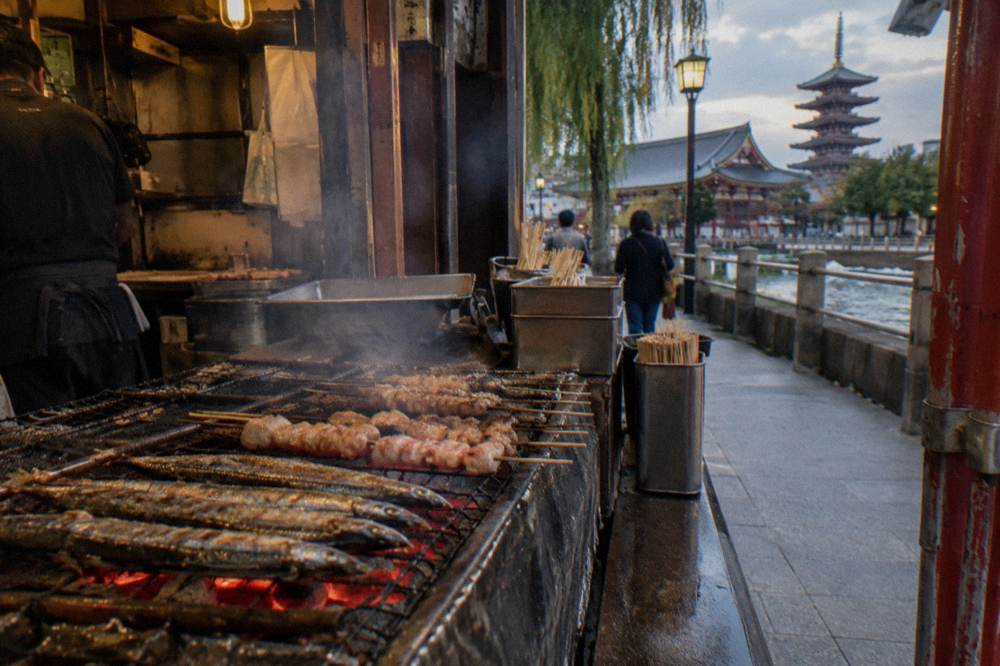
A 12-dish Asakusa walk typically moves through grilled skewers, fresh nigiri, tempura, savoury pancakes or croquettes, pickles, and traditional sweets, finishing with something sweet like a red-bean confection or matcha. The exact dishes rotate with the season, but the order of stops and the dish count vary from tour to tour.
Asakusa's food identity is old-school popular eating. This was the entertainment district of pre-war Tokyo, and the food that survived is the food that fed crowds: fast, handheld, and grilled. Autumn, September through November, is peak season for ingredients like Pacific saury, mushrooms, and new rice, so walks in those months tend to pick up seasonal items at the better stops. Other pages covering the same trip are gathered on Tokyo Food Tours.
The neighbourhood is also one of the best places in the city to eat traditional wagashi sweets, and the mochi and nerikiri confections made here have their own class culture. If sweets are your interest, the Mochi and Nerikiri Wagashi Combination Cooking Class is the dedicated option, rated 5 across 37 reviews and priced from $80.97 per person, though it is a class rather than an Asakusa walk.
| Dish type | Where it appears on a walk | Notes for picky eaters |
|---|---|---|
| Yakitori and skewers | Early stops, grilled to order | Easy entry point, mild flavours |
| Nigiri sushi | Mid-walk, often a standing bar | Raw fish; ask the guide for cooked pieces |
| Tempura | Fried fresh at a counter shop | Universally popular, hot and crisp |
| Croquettes and street snacks | Between-stop grazing | Cheap, handheld, vegetarian versions exist |
| Pickles and side dishes | Small plates at sit-down stops | Bright, sour, palate-cleaning |
| Wagashi sweets | Final stop | Sweet red bean, mochi, matcha |
Allergies deserve a real caveat. Japan's mandatory allergen labelling covers packaged processed foods, and the list grew to nine specified items when cashew nuts were added in April 2026, per the Consumer Affairs Agency's allergen labelling page. Restaurant dishes generally do not carry such labels, so the right move is to message the operator before booking rather than relying on the day-of. Most operators list this guidance on their booking pages.
How Do You Fit A Food Tour Around Senso-ji?
The clean structure is temple first, food walk second: see Senso-ji and Nakamise in the morning before the crowds thicken, have a light lunch, take the 2.5-hour food walk in the late afternoon, and let it double as dinner. The sushi class works in the opposite slot, as a compact 1.5-hour session you can slot almost anywhere in the day.
Timing matters more in Asakusa than in most Tokyo districts because the area around Kaminarimon gets extremely dense by late morning. Group sizeson Tokyo food walks tend to cap groups at 6 to 10 people, and even a group that size can crowd a narrow shopping lane,so check group size on the listing before you book. The late-afternoon and early-evening walks hit a calmer neighbourhood, and the food lanes east of the temple only fully come alive after dark anyway.
| Time | Plan | Why |
|---|---|---|
| 8:00 to 9:30 | Senso-ji, Nakamise, Asakusa Shrine | Gates and hall before the tour buses arrive |
| 9:30 to 11:00 | Sumida river walk or Tokyo Skytree view | Easy stroll, no ticket needed for the area |
| 11:00 to 13:00 | Light independent lunch | Arrive at the walk hungry but not starving |
| 15:30 to 18:00 | 12-dish guided walk | Calmer lanes, walk replaces dinner |
| After 18:00 | Hoppy Street drink, or head back | Night-lit gate is worth one last look |
Getting there is simple. The Tokyo Metro Ginza Line serves Asakusa station directly, and Suica and PASMO IC cards work interchangeably across JR and Metro lines in the Tokyo area. Most walks meet within a short walk of Kaminarimon or the station; the exact meeting point is on each booking page, and guides stay reachable by message on the day.
If you are building a bigger eating trip rather than a single day, the Tsukiji Outer Market guide pairs naturally with an Asakusa walk: markets in the morning, old town in the evening, two completely different food cultures inside one city.
What Should You Know About Manners And Money In Asakusa?
Do not tip, carry some cash, expect a small per-person seating charge at izakaya-style stops, and never eat while walking through crowded lanes. Tipping is not customary anywhere in Japanese service culture, and extra cash left on a table is more likely to be chased after you than pocketed.
The Japan National Tourism Organization states plainly that tipping is not common for services in bars, cafes, restaurants, taxis and hotels. On a guided walk, the price on the booking page is the whole price. If a stop is an izakaya-style venue, the small unordered appetizer that arrives is not a tip or a scam: it functions as a standard seating charge and will already be reflected in how the operator prices the stop.
Smoking rules are strict and clearly posted. Since the amended Health Promotion Act and Tokyo's ordinance took full effect in 2020, restaurants must display their smoking policy at the entrance, and indoor smoking is only permitted in designated rooms. You will see the signs at every stop; a guide will steer you if a break is needed.
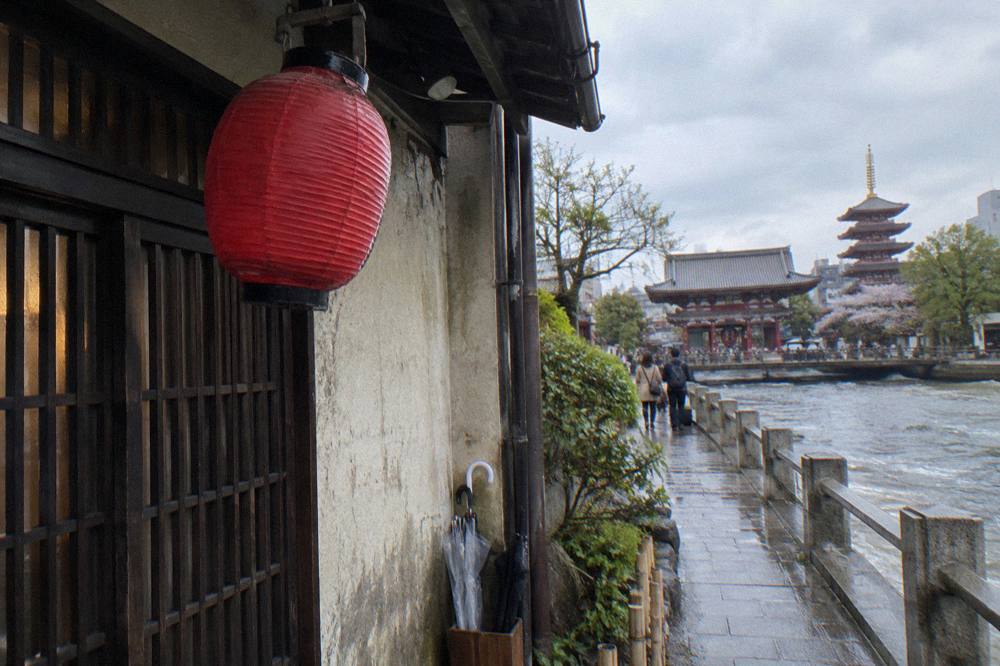
A few habits go a long way. Never stick chopsticks upright in a bowl of rice, and never pass food from one pair of chopsticks to another; both echo funeral rituals. Finish what you order where practical, though nobody polices a stray scrap. And if you eat something bought from a stall, finish it in front of the stall rather than walking with it, which is the local expectation in dense old lanes.
When Is The Best Season For An Asakusa Food Walk?
Autumn, September through November, is the strongest season for food specifically, because that is when sanma, mushrooms, and new rice hit the menus across Tokyo, and the walking weather is comfortable. Spring works nearly as well for eating and better for scenery, while midsummer walks are doable but hot and better taken in the evening slot.
The seasonal argument is about ingredients, not crowds. A walk in October and November catches menus at their richest, and the neighbourhood's grilled and fried specialties suit cool evenings. Summer festival season brings the biggest crowds around the temple, and August walks lean heavily on cold dishes and drinks, which some travellers prefer.
For a wider look at season-by-season timing across the whole city, the best time for a Tokyo food tour guide covers the calendar in detail, including which formats hold up in each season.
Whatever the month, book the walk for the slot that matches your energy, not the slot that matches a template. The 2.5-hour format is forgiving at any hour; the 3.5-hour premium format rewards an evening start. Check availability on the operator's booking page for the days you are in the city, since small-group formats fill first on weekends.
Asakusa rewards this kind of planning more than most districts because its two halves, the temple by day and the eating lanes by night, genuinely suit different hours. A visitor who only sees the morning version leaves with photos and an empty stomach. A visitor who stays into the evening eats the neighbourhood the way the neighbourhood eats itself.
Common Questions About Asakusa Food Tours
What Is An Asakusa Food Tour?
It is a guided walking route through the old-town lanes around Senso-ji, usually 1.5 to 3.5 hours, with a set number of tastings at small independent eateries. The standard format on this site's options is about 2.5 hours with 12 dishes, from $75.30 per person.
How Much Does An Asakusa Food Tour Cost?
Between $44.93 and $231 per person depending on format. The sushi-making class with matcha and unlimited sake starts at $44.93, the 12-dish guided walk at $75.30, and the premium 3.5-hour old-town walk at $231.
What Do You Eat On An Asakusa Food Walk?
Typically grilled skewers, nigiri sushi, tempura, croquettes or savoury snacks, pickles, and a traditional sweet to finish. Dishes rotate with the season, and autumn walks add items like Pacific saury, mushrooms, and new-rice dishes.
Is A Food Tour In Asakusa Worth It?
If you want curation and local ordering, yes: the walk replaces a dinner, spreads money across small family businesses, and gets you into places with no English menu. If your budget is tight, independent eating in the neighbourhood is cheap, with the average bowl of shoyu ramen nationally at 750 yen as of September 2026.
Do You Tip On A Tokyo Food Tour?
No. Tipping is not customary in Japanese restaurants, bars, or taxis, and the price on the booking page is the full price. A small unordered appetizer at an izakaya stop is a standard seating charge, not something to tip on top of.
Can Dietary Restrictions Be Accommodated?
Often yes, but only if you say so in advance. Japan's allergen labelling rules cover packaged foods, not restaurant dishes, so message the operator before booking rather than raising it on the day.