Best Time For A Tokyo Food Tour
Timing shapes a Tokyo food tour more than most visitors expect: seasons swap the ingredients, dayparts swap the entire format, and market calendars decide whether a morning walk delivers or falls flat.
Short answer
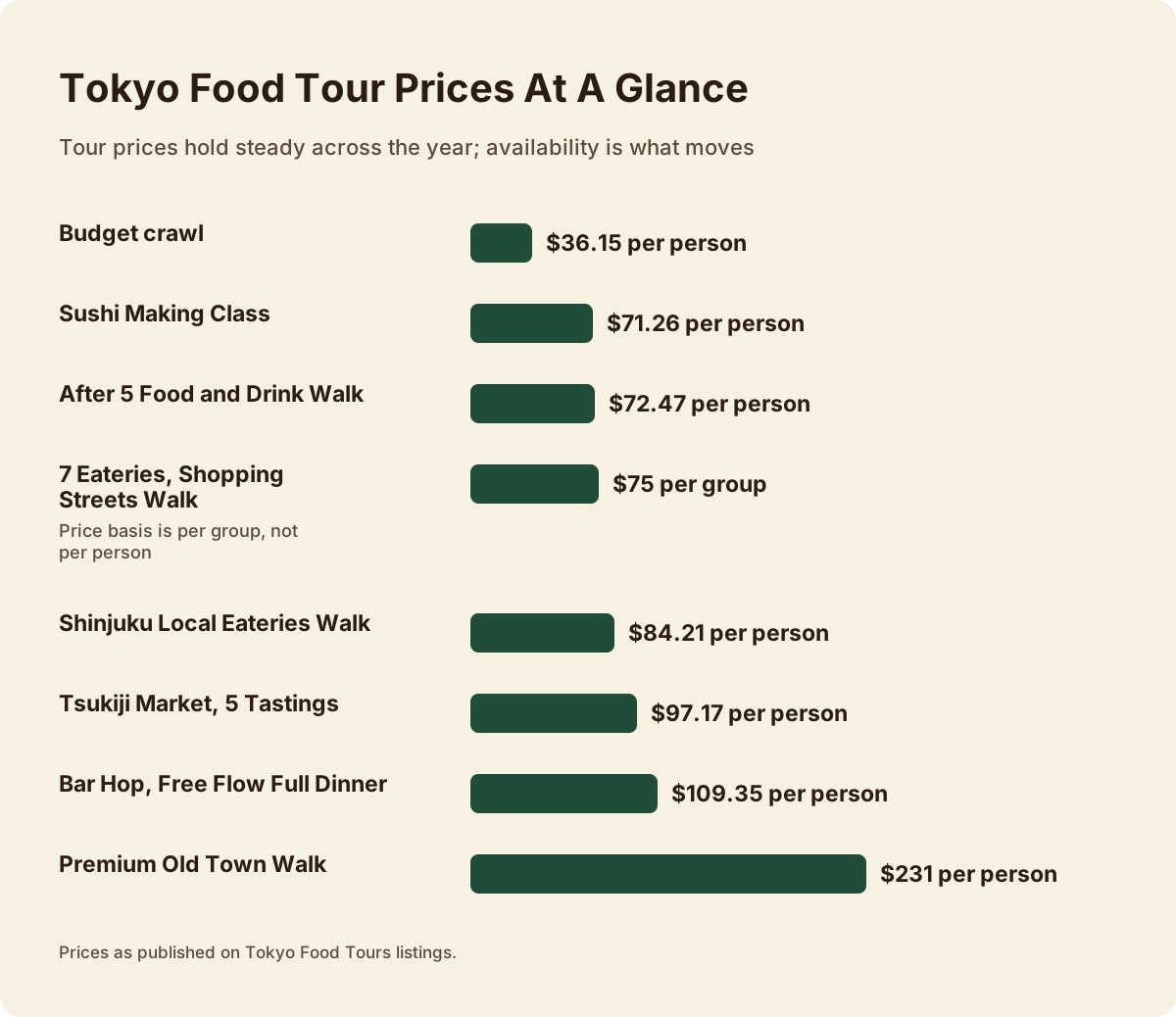
Autumn and spring are the strongest seasons for a Tokyo food tour, autumn for sanma, mushrooms and new rice, spring for cherry blossom street crowds. Mornings suit market walks such as the Tsukiji tour from $97.17 per person; evenings suit izakaya formats like the Shinjuku Local Eateries Walk from $84.21 per person.
Timing decides which Tokyo food tour fits, because the same district eats completely differently at 9 a.m. and 9 p.m. A morning in Tsukiji means professional buyers, tamagoyaki counters and tidy queues, while the same hour in Shinjuku means shuttered yakitori lanes waiting for the 5 p.m. shift. From Tsukiji market walks to Golden Gai crawls, the tours below take direct bookings., so the goal here is practical: match season, daypart and district to a format, then book.
The Tokyo Food Tours options split cleanly into three timing families. Market and old town walks run mornings and early afternoons. Neighborhood tasting walks, like the Shinjuku Local Eateries Walk, from $84.21 per person, rated 4.9 across 10,498 reviews, run late afternoon into evening. Bar and izakaya crawls, including the Bar Hop with free flow full dinner from $109.35 per person, only exist after dark. Choose the family first and the clock follows.
When Is The Best Time To Do A Tokyo Food Tour?
The best time is autumn, from September through November, when Tokyo's menus turn to sanma, mushrooms and new rice, followed closely by spring for blossom season street food and mild walking weather; the weakest window is midsummer, when heat and humidity push locals toward light noodle lunches and away from long standing walks.
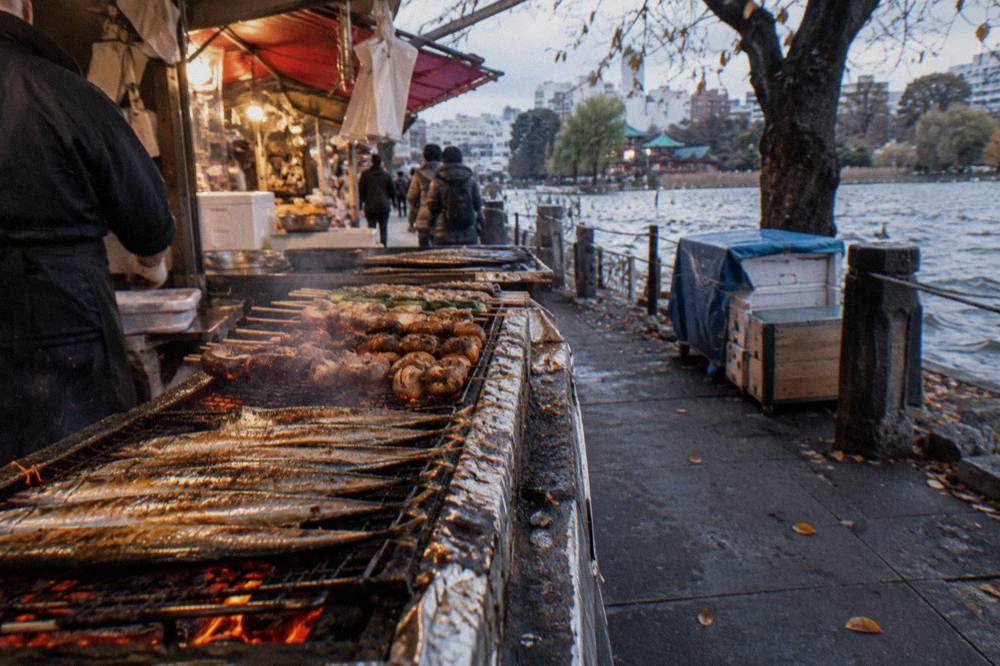
Autumn is the season chefs in the city themselves get excited about. Pacific saury, called sanma, arrives on grills across the old town, mushroom varieties stack up at market stalls, and the new rice harvest reaches menus within weeks of landing. The walking weather cooperates too, with evenings cool enough that a three hour lane crawl in Shinjuku or Omoide Yokocho stays comfortable rather than exhausting. Any format works in this window, from the Ueno Walk with 10+ Japanese classics, from $107.99 per person, rated 5 across 349 reviews, to late night bar crawls.
Spring competes mainly on atmosphere. Blossom season pulls crowds into parks and the streets around them, and casual food stalls follow. The tradeoff is that popular districts get dense, so a guided small group format earns its fee by securing counter seats while independent visitors queue.
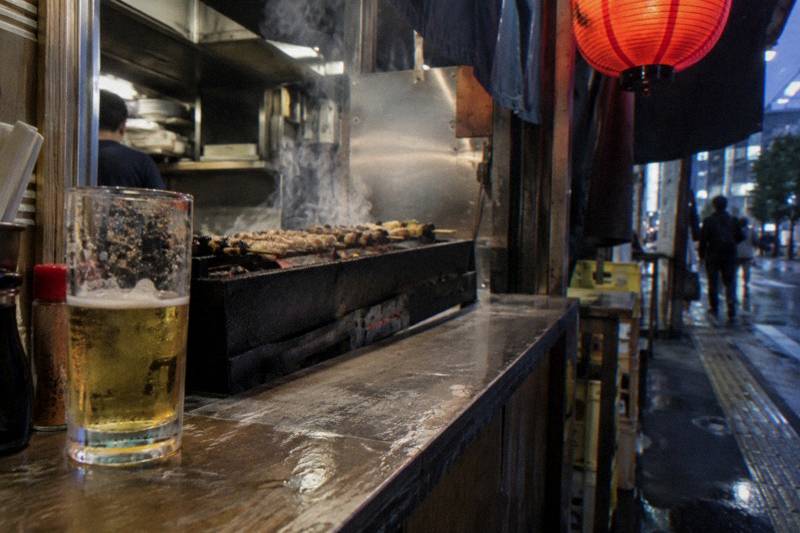
Winter is quietly excellent for one specific format: the hot food crawl. Ramen, oden and grilled skewers were built for cold nights, and a Shinjuku evening walk at that time of year is arguably the city at its coziest. Summer is the hardest month to recommend for long standing formats; shorter market mornings and air conditioned cooking classes, like the Sushi Making Class from $71.26 per person, rated 5 across 175 reviews, handle the heat better.
| Season | What the menus do | Best suited formats | Watch out for |
|---|---|---|---|
| Spring (Mar to May) | Blossom street food, spring greens, squid | Neighborhood walks, park adjacent markets | Dense crowds at peak blossom |
| Summer (Jun to Aug) | Cold noodles, eel, light dishes | Short market mornings, indoor classes | Heat on long standing walks |
| Autumn (Sep to Nov) | Sanma, mushrooms, new rice | Everything, especially evening crawls | Book ahead, it is peak visitor season |
| Winter (Dec to Feb) | Hot pots, oden, grilled skewers, crab | Izakaya crawls, ramen focused walks | Cold lanes between venues |
Season also changes the price of nothing on the tour side, which surprises people. Every tour here lists a from-price, which can vary by date, from the budget crawl at $36.15 per person to the premium Old Town Walk at $231, second only to the private Sangenjaya tour. What moves is availability: autumn weekends and blossom week sell out the small group formats first.
Which Tokyo Season Actually Eats Best?
Autumn eats best in Tokyo: September through November brings sanma, matsutake and other mushrooms, chestnuts, persimmon and the new rice harvest, all landing within weeks of each other, while spring counters with bamboo shoots and cherry themed street snacks and winter leans on hot pots, crab and grilled comfort food.
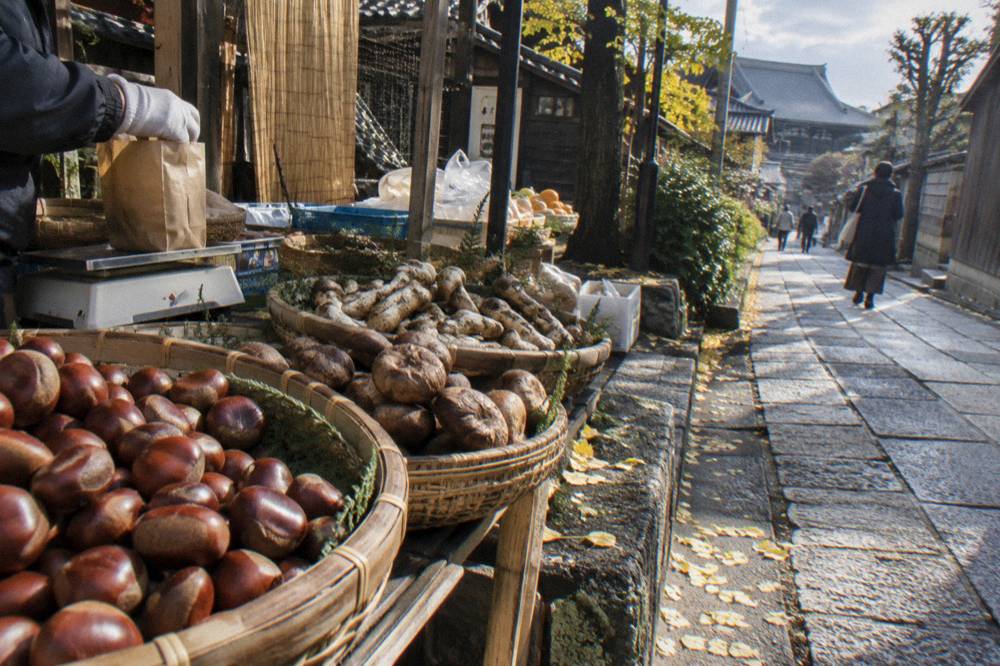
The autumn case is not subjective. Autumn is widely noted as peak season for ingredients like sanma, mushrooms and new rice in Tokyo, and you can taste the shift in the market stalls themselves, where knife stalls sit beside piles of chestnuts and the tamagoyaki queues lengthen. A Tsukiji morning walk in October shows the season at wholesale scale before it reaches restaurant menus.
Spring's food story is thinner on ingredients but stronger on occasion. The blossom picnic tradition turns parks into open air dining rooms for a couple of weeks, and streets around major parks fill with vendors. A neighborhood walk timed to that window doubles as a blossom viewing route.
Winter rewards the evening formats. Heated counters, charcoal grills and hot pots make an izakaya crawl feel purposeful rather than merely fun, and the Golden Gai lanes, where bars typically open around 8 p.m. with cover fees of 500 to 1,500 yen per person often including a small snack, are at their most atmospheric in cold air. The Shinjuku food tour guide covers those lanes in detail.
Two practical notes cut across all seasons. Consumption tax on food is 10% when dining in and 8% on takeaway, per the National Tax Agency, which publishes the rates on its English page. And from 1 April 2027 to 31 March 2029 the rate on food and drink sales is due to be lowered, a future change to keep in mind for late bookings, with the new rate still to be confirmed.
Tokyo tours on this site run from $36.15 to $289.25 per person.
Is Morning Or Evening Better For A Tokyo Food Tour?
Mornings are better for market walks and old town tasting routes, when stalls are stocked and professional trade has cleared, while evenings are better for izakaya, yakitori and bar crawls because most of those venues simply do not open before late afternoon; choosing the wrong daypart for a format is the single most common planning mistake.
The morning case is about freshness and access. Market shops are stocked early, and professional buyers get priority at Tsukiji's Outer Market until 9:00 a.m. Opening hours and closing days vary shop by shop, so check the official market calendar ahead of your visit. A guided morning there, like the Tsukiji Market walk with 5 tastings from $97.17 per person, rated 4.9 across 3,868 reviews, turns a confusing sprawl of independent shops into a curated hour of eating. The official market operator asks visitors to eat inside the eatery or in front of the store rather than while walking, and a guide keeps you on the right side of those manners.
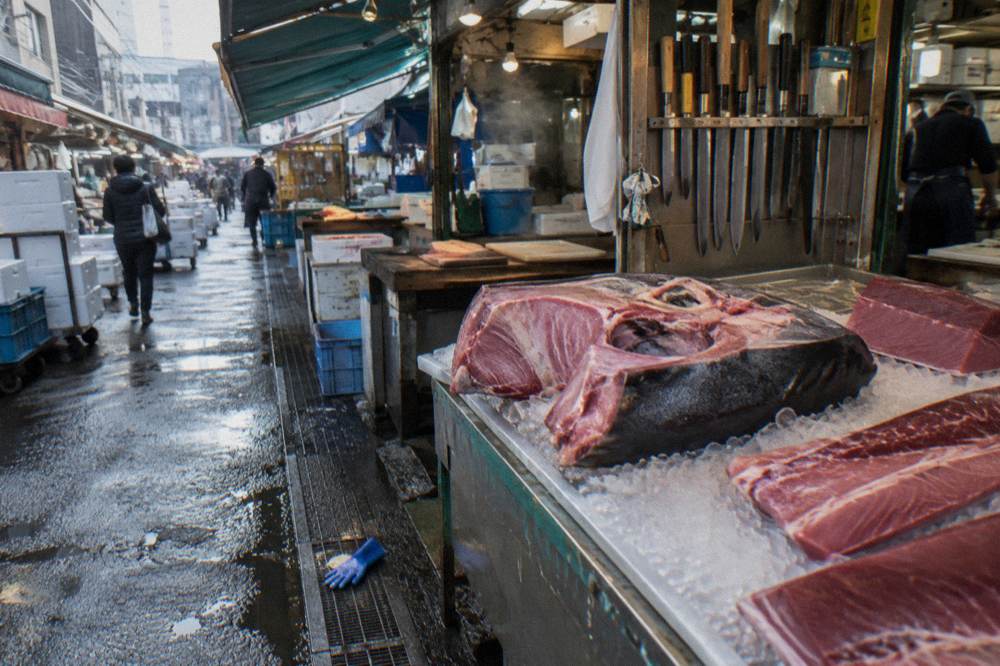
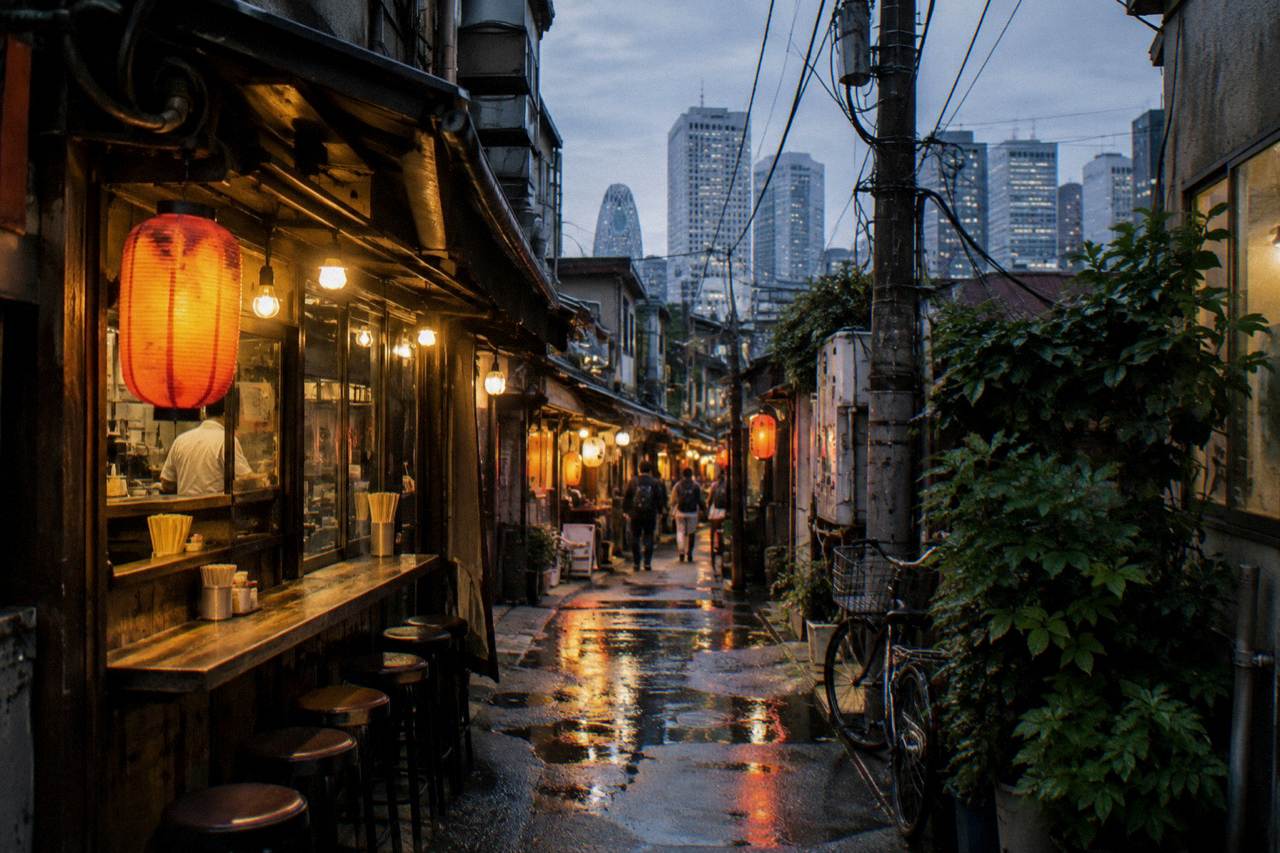
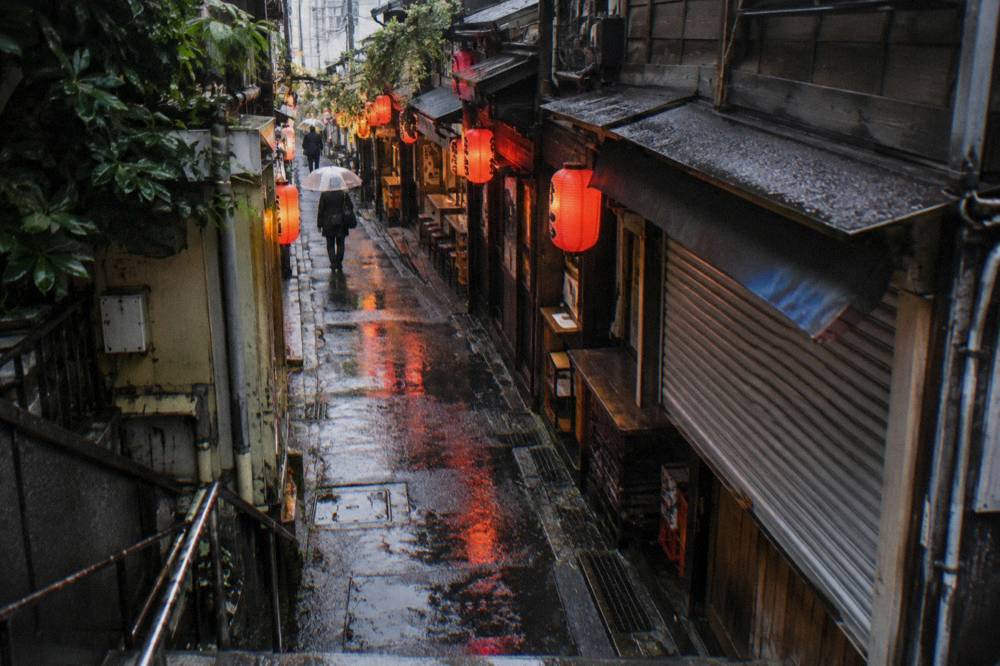
The evening case is about existence, not preference. Omoide Yokocho's yakitori and motsuyaki counters mostly open from around 5 p.m. until midnight or later, and Golden Gai bars open around 8 p.m. and run to between 2 a.m. and 5 a.m. There is no morning version of these districts. Formats built on them, like the After 5 Food and Drink Walk from $72.47 per person, rated 4.5 across 775 reviews, are evening products by definition.
Afternoon splits the difference and suits the shopping street formats. The 7 Eateries, Shopping Streets Walk, from $75 per group, rated 5 across 42 reviews, runs about two and a half hours and works well in the early afternoon lull when counters have seats. Note that its price basis is per group, not per person, which changes the math for families.
| Daypart | What works | Example format | Why the clock matters |
|---|---|---|---|
| Early morning (6 to 9 a.m.) | Independent market visits only | None needed | Professional buyers have priority at Tsukiji until 9:00 |
| Morning to early afternoon | Market and old town walks | Tsukiji Market, 5 Tastings, from $97.17 per person | Outer Market shop hours and closing days vary, so check ahead |
| Late afternoon (3 to 6 p.m.) | Shopping street tastings, early dinner routes | 7 Eateries Walk, from $75 per group | Counters have seats before the evening rush |
| Evening (6 p.m. onward) | Izakaya and bar crawls | Bar Hop, Free Flow Full Dinner, from $109.35 per person | Yakitori lanes open around 5 p.m., Golden Gai around 8 p.m. |
One more evening note: many Omoide Yokocho counters are cash only or prefer cash for small tabs, and some add an otoshi seating charge of 300 to 500 yen that includes a small starter. A guided crawl absorbs this for you, since the fee and the ordering are handled by someone who knows the lane.
What Time Do Tokyo Markets And Food Streets Open?
Tsukiji's Outer Market has no single opening hour: each independent shop keeps its own schedule, and closing days vary shop by shop, following the Tokyo Central Wholesale Market calendar rather than any fixed weekly pattern. Check the official market calendar before you go, since a shop you have your eye on may be shut on any given day.
This is the detail that breaks most independent plans. Visitors arrive at 7 a.m. expecting a full market and find a professional trading district still serving buyers, with only a few early specialists open. The market's official calendar follows the metropolitan wholesale market closure days, and each shop then layers its own schedule on top, so a Wednesday that looks open can be half shuttered. The official market calendar is the only reliable check, and guided tours that run there monitor those closure days as part of their schedule.
Getting there is easy from anywhere central: the Toei Oedo Line's Tsukijishijo Station and the Tokyo Metro Hibiya Line's Tsukiji Station are both about a one minute walk from the market, with Higashi-ginza Station three minutes away. At the market's information centre, Plat Tsukiji, strollers can be stored for 500 yen. Opening hours and closing days vary from shop to shop, so check the market's official calendar before you go.
Food streets outside markets keep simpler clocks. Omoide Yokocho's lane is walkable at any hour, but its roughly 60 bars and restaurants among about 80 premises open mostly from late afternoon. Golden Gai's doors open progressively as the evening goes on. Photography rules matter there too: the alleys are treated as private roads by the shopping street association, so filming requires permission, and inside bars you ask the establishment first.
| Venue type | Practical hours | Closure pattern | Guided option |
|---|---|---|---|
| Tsukiji Outer Market shops | Hours vary shop by shop, check ahead | Sundays, holidays, selected Wednesdays | Tsukiji Market, 5 Tastings, ~3 hours |
| Omoide Yokocho counters | From around 5 p.m. to midnight or later | Varies by shop, some open from midday | Shinjuku Local Eateries Walk, ~3 hours |
| Golden Gai bars | From around 7 to 9 p.m., closing 2 to 5 a.m. | Individual bars set their own days | Bar Hop, Free Flow Full Dinner, ~3 hours |
| Cooking class studios | Fixed session times, usually daytime or early evening | Advance booking drives the schedule | Sushi Making Class, 3 hours |
The market morning argument is also a freshness argument: standing sushi bars near Tsukiji offer nigiri pieces from around 90 to 500 yen each, and the morning is when the adjacent supply chain is at its busiest. If a market morning appeals, the Tsukiji Outer Market food tour guide maps the full route.
Which Tokyo District Should You Time Your Tour Around?
Match the district to the hour: Asakusa and Tsukiji reward mornings, Ueno rewards late morning through afternoon, and Shinjuku, Shibuya and Kichijoji only make sense from late afternoon onward, so the district choice effectively makes the daypart choice for you.
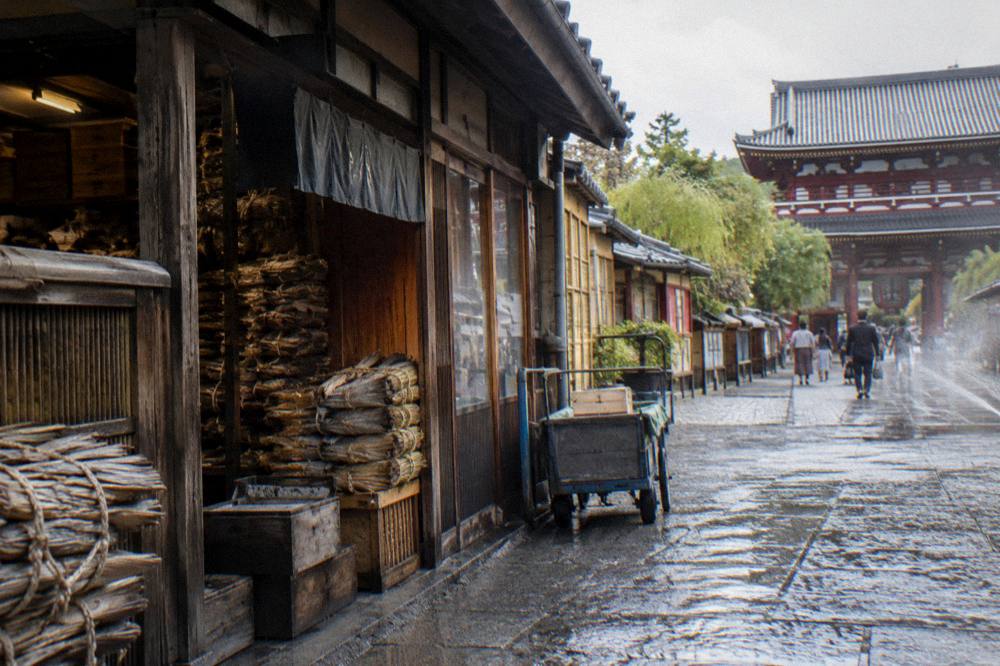
Asakusa is the clearest morning district. Temples, the Nakamise shopping street and the old town food lanes all wake early, and the Asakusa Walk with 12 dishes, from $75.30 per person, rated 4.85 across 73 reviews, threads lanes where tour groups tend to run thick. The Tokyo Metro Ginza Line serves Asakusa station directly, which makes an early start painless from central hotels.
Ueno sits in the middle of the day. The Ameyoko market street under the rail lines has energy from late morning through the afternoon, which is why the Ueno tasting formats run roughly three to three and a half hours across that window. Shinjuku and Shibuya belong to the evening, and Kichijoji, a local favorite for backstreet izakaya, is effectively an after dark product: the Kichijoji Backstreet Crawl runs about 3 hours, rated 5 across 38 reviews, from $104.62 per person.
The JR Yamanote Line ties the evening districts together, serving both Shinjuku and Shibuya stations directly, and Suica and PASMO cards work interchangeably across JR East and Tokyo Metro lines. That means a morning in Asakusa and an evening crawl in Shinjuku on the same day is realistic, and plenty of visitors do exactly that, with a rest in between.
The Ueno Walk earns a solo spot here as the purest daytime tasting format: 10 or more Japanese classics across about 3 hours 30 minutes, rated 5 across 349 reviews, from $107.99 per person. It is the tour that proves the afternoon has a format of its own.
How Far In Advance Should You Book A Tokyo Food Tour?
Book small group food tours one to four weeks ahead for autumn and blossom season dates, and a few days ahead otherwise, but same day booking is often possible outside peak windows, which is the main advantage tours hold over restaurant reservations in a city where popular venues can require booking well ahead. Once your tour dates are locked in, the next question is which city to eat them in, and our guide to Japan's true food capital makes the Tokyo versus Osaka case easy to settle.
The asymmetry is real. Popular and high end Tokyo restaurants are noted for requiring reservations, sometimes well in advance, with no shows and late cancellations risking fees, and many casual spots take no bookings at all. A food tour sits between the two: the operator holds the counter seats, and the booking page shows live availability for the date. Autumn weekends and blossom week are the two windows where small group formats genuinely sell out; in February or late June, same day and next day slots are common.
Group sizes help explain why. Group sizes vary across Tokyo food tour listings, from small-group walks to private tours, because a 12 seat yakitori counter cannot absorb more. That cap is the product's quality control and also its scarcity.
Dietary needs? Mention allergies when you book no matter the season. The labelling duty sits on packaged food, not restaurant plates, so a guide who knows in advance can reroute a tasting; one who learns at the counter cannot.
| Booking window | Availability reality | Best moves |
|---|---|---|
| 1 to 3 months ahead | Nearly everything open, best time to lock peak dates | Book autumn weekends, blossom week, private tours |
| 1 to 4 weeks ahead | Most small group formats still open | Standard approach for any season |
| A few days ahead | Good availability outside peak, thinner on weekends | Fine for winter, summer, shoulder months |
| Same day | Often possible on daytime formats | Check the booking page in the morning; evening crawls fill first |
Private formats need the longest lead. The Private Sangenjaya Backstreets tour, from $289.25 per person, rated 5 across 148 reviews, runs about 4 hours through a residential backstreet neighborhood and works best when the guide can shape the route to the group, which takes notice. For more on after dark options, the Tokyo night food tour guide lays out the full evening landscape.
The Bar Hop with free flow drinks and a full dinner, from $109.35 per person and rated 4.9 across 4,086 reviews, is the evening answer to the timing question: it starts after the lanes open and ends when Golden Gai is at full tilt.
What About Weather, Crowds And Day Of Week?
Weekday mornings are the calmest time for market walks, weekends bring denser crowds everywhere but later starts in nightlife districts, and weather matters most for the standing formats: rain hurts open air market routes, while heat pushes the choice toward indoor classes and evening crawls.
Rain is the one weather variable that genuinely reroutes a plan, because Tsukiji's lanes and shopping streets are largely open air. Guides adapt, moving tastings indoors, but a soaked market morning loses some of its charm. Heat is the harder problem: a three hour standing walk in August is a different product than the same walk in November, and formats with seats, counters or air conditioning earn their price then. The fully vegan ramen class from $75 per person, rated 5 across 62 reviews, or the ramen and gyoza class with a Tokyo host, from $130 per person, are the heat escape hatches.
Day of week interacts with the market calendar rather than the crowd calendar. Because many Outer Market shops close on Sundays, holidays and selected Wednesdays, a Monday, Tuesday or Thursday morning is the safest market window. Nightlife districts invert this: weekends run later and livelier, which suits crawls but raises bar cover expectations.
| Condition | What changes | Format that still works |
|---|---|---|
| Rain | Open air market routes dampen, lanes slippery | Indoor cooking classes, covered arcade walks |
| Summer heat | Long standing walks tire fast | Short market mornings, seated classes, evening crawls |
| Weekend | Markets denser by noon, nightlife later and busier | Early market starts, pre booked small groups |
| Market closure day | Some Tsukiji shops shut on Sundays and some Wednesdays | Old town Asakusa walks, Ueno, evening formats |
For first time visitors weighing the whole question at once, the Tokyo food tour for first timers guide sequences a first trip by day, and the best food tours in Tokyo overview ranks the formats regardless of season.
The short version of this whole page: pick the season for the food, the daypart for the format, and the district last, because the district is a consequence of the first two choices. An autumn evening in Shinjuku, a spring morning in Asakusa, a winter night in Golden Gai and a weekday morning at Tsukiji are four different trips, and all four are worth taking.
Common Questions About Timing A Tokyo Food Tour
When Is The Best Time To Do A Tokyo Food Tour?
Autumn, from September to November, when sanma, mushrooms and new rice dominate the menus and evenings are comfortable for walking. Spring is a close second for blossom season atmosphere. Match the daypart to the format: market walks in the morning, izakaya crawls after dark.
Is Tsukiji Better In The Morning Or Afternoon?
Morning is the safer bet, since professional buyers get priority until 9:00 a.m. and the stalls are at their busiest and best stocked once the trade slows. One caution: no single schedule applies. Opening hours and closing days vary shop by shop, so check the official market calendar before you go. Afternoons can work, but expect a quieter scene and a thinner selection.
Do Tokyo Food Tours Run In The Rain?
Most run regardless of weather, with guides adapting routes toward covered areas. Heavy rain affects open air market routes most, and heat is the bigger factor in midsummer, when seated or indoor formats like cooking classes are the more comfortable pick.
How Far In Advance Should I Book?
One to four weeks for most dates, earlier for autumn weekends and blossom week, when small group formats sell out first. Outside peak windows, same day and next day booking is often available on daytime tours.
Are Evening Food Tours Worth It Compared To Morning Ones?
They are a different product rather than a better one. Evenings access izakaya, yakitori lanes and Golden Gai bars that do not open before late afternoon, and formats like the Bar Hop from $109.35 per person include a full dinner with free flow drinks, rated 4.9 across 4,086 reviews.