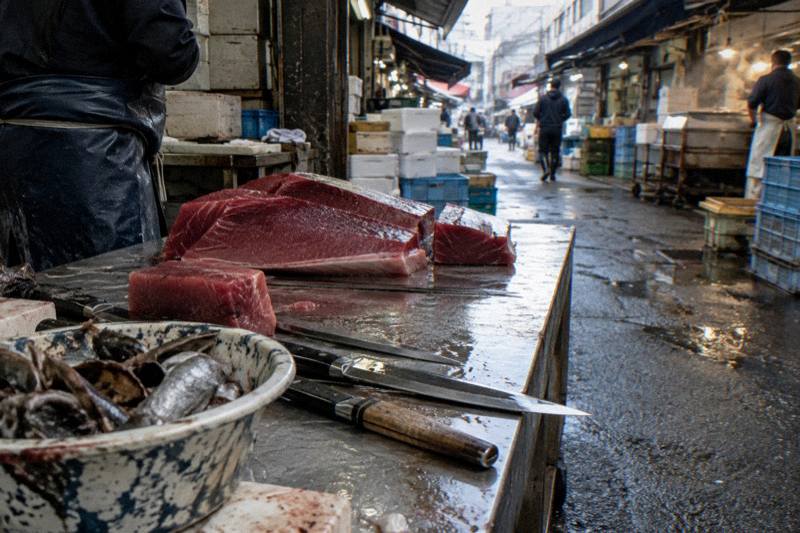
Tsukiji Outer Market Food Tour
Tsukiji's Outer Market is a working district of hundreds of independent shops, and a guided food walk is the most reliable way to eat your way through it without guessing.
Short answer
A Tsukiji Outer Market food tour runs about 3 hours and visits roughly five stalls with tastings included. The most reviewed option on this site is the Tsukiji Market walk with 5 tastings, rated 4.9 across 3,868 reviews, from $97.17 per person.
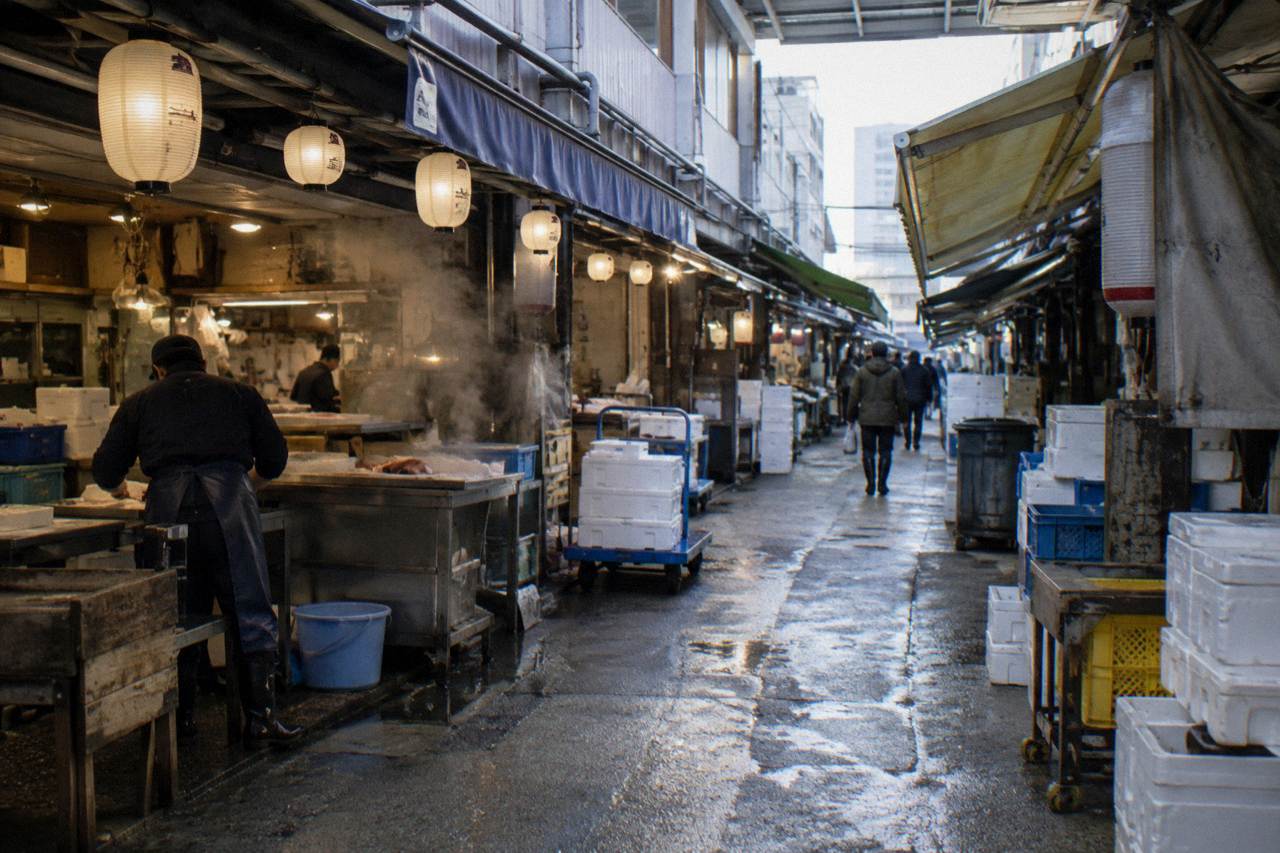
Tsukiji's Outer Market is not a museum of food, it is a working shopping district of hundreds of independent shops, from tamagoyaki specialists to knife sellers, dried-fish merchants and tiny standing eateries. The wholesale auction moved to Toyosu years ago, but the visitor-facing half of Tsukiji stayed and stayed busy. A guided food walk is the most reliable way to eat through it, because the stalls that matter are small, cash-friendly and easy to walk past if you do not know what you are looking at. If you're on the fence about visiting since the auction left, our guide to whether Tsukiji is still worth the trip lays out what you actually get for your time and money.
The Tsukiji Market walk with 5 tastings, rated 4.9 across 3,868 reviews and from $97.17 per person, is the tour most Tsukiji searchers end up taking, and this page explains what it and the alternatives actually cover: what gets eaten, what the market's own rules ask of visitors, how to time a morning there, and which tour fits which kind of eater.
What Is A Tsukiji Outer Market Food Tour?
A Tsukiji Outer Market food tour is a guided walking loop of the visitor-side market lanes, roughly three hours long, with a fixed set of tastings at stops the guide has booked or frequented, ending near where it began. You pay one per-person price, follow a local guide through lanes of independent shops, and eat as you go rather than sitting down for a restaurant meal.
The distinction that matters before booking is Inner versus Outer. The inner wholesale market relocated to Toyosu, and the tuna auction there is a separate product at a separate site with its own rules and viewing arrangements. The Outer Market is the part of Tsukiji that remained: a grid of lanes where each shop sets its own schedule, its own prices and its own specialties. Tours on this site operate in the Outer Market, which is the part built for visitors and shoppers. Once you know which side of Tsukiji you are on, the guide to Tokyo street food from yakitori alleys to tamagoyaki stalls helps you plan what to eat next.
What a guide adds here is specific rather than generic. The market's own etiquette page asks visitors not to eat while walking, to move in small numbers and to avoid blocking shop entrances, all things a guide manages for a group. A guide also knows which counters sell the tamagoyaki worth queuing for and which sell the version for tourists, and a guide can ask before photographing, which the market requests. For first-time visitors, those small pieces of local handling are most of the value of a paid walk over going alone.
Tours differ mainly in how much they include. The featured Tsukiji walk includes five tastings in its price. Others elsewhere on this site, like the broader Tokyo street food tour options, mix Tsukiji into a wider route or leave the market out entirely in favour of neighbourhood yokocho lanes. If Tsukiji itself is the point, book a tour that names the market in its title and meets nearby, not a city-wide walk with a brief stop.
What Do Tours Actually Eat At Tsukiji?
Tours eat the market's classic small dishes: fresh tuna and seafood tastings, tamagoyaki grilled omelette, uni and roe samples, kaisendon-style bites, and snacks from the processed-food and dried-goods stalls, usually five stops on a three-hour walk. The featured Tsukiji Market tour includes five tastings, and the exact stalls vary with the guide and the day.
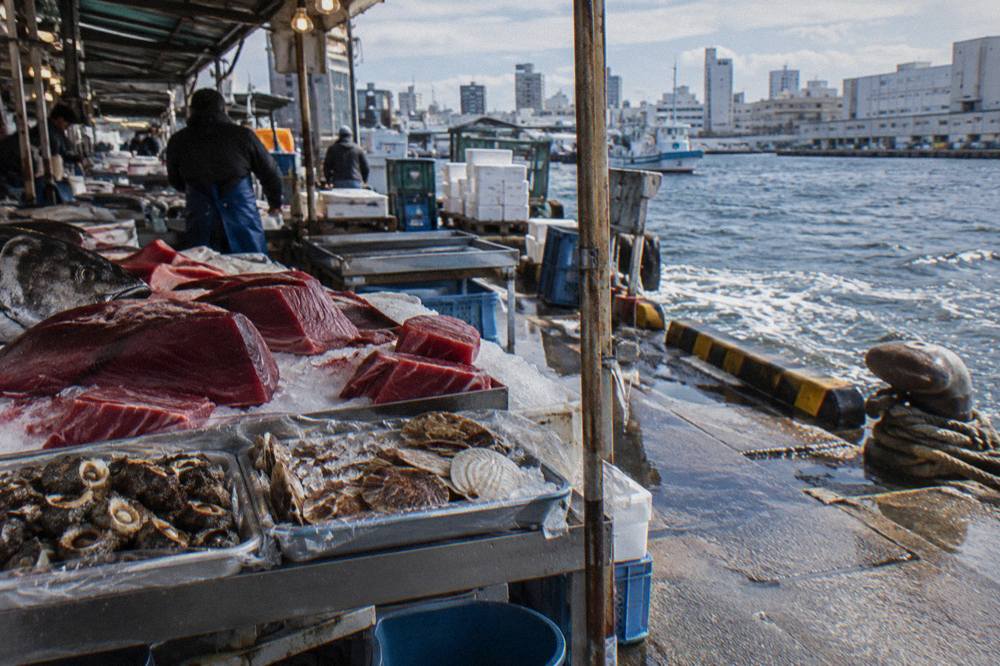
The seafood stops are the headline. The Outer Market's shop list, published by the market itself, groups its hundreds of premises into categories including fresh and processed fish, perishables, dried foods and tamagoyaki specialists, so a five-stop walk is really a tour through those categories rather than a restaurant crawl. Guides typically pick one raw-seafood stop, one cooked stop and one or two snack stops, which spreads the eating and keeps the group moving.
Prices at the stalls themselves are not fixed market-wide. The official site is explicit that street-food prices for items like standard tuna, uni or oysters vary by shop and are confirmed directly, and no bargaining is customary since goods sell at carefully selected wholesale-derived prices. That is a second argument for a tour with tastings included: the per-person price settles the stall spending before you arrive, and you are not converting yen prices at a counter with a queue behind you.
For context on what things cost outside a tour, standing sushi bars near Tsukiji offer nigiri from around 90 to 500 yen per piece, and casual yakitori counters elsewhere in Tokyo commonly charge 150 to 400 yen per skewer. Those are planning ranges for eating independently, not tour inclusions.
| Stop type | Typical tasting | Notes for visitors |
|---|---|---|
| Fresh seafood counter | Tuna, uni or roe samples | Prices set per shop, not market-wide |
| Tamagoyaki specialist | Grilled omelette on a stick | Most famous single snack in the market |
| Processed-food stall | Dried snacks, pickles, senbei | Good vegetarian-leaning stops, ask the guide |
| Cooked eatery | Kaisendon bite or grilled seafood | Eating happens at the shop, not while walking |
| Kitchenware shop | No tasting, but the knife stalls are famous | Guides often pause here between stops |
If eating a full meal rather than sampling is the goal, pair the market morning with a neighbourhood food walk later in the day. The Shinjuku food tour options cover exactly that evening use case, since Tsukiji quietens after midday and Shinjuku's lanes only wake up from late afternoon.
Which Tsukiji Food Tour Should You Pick?
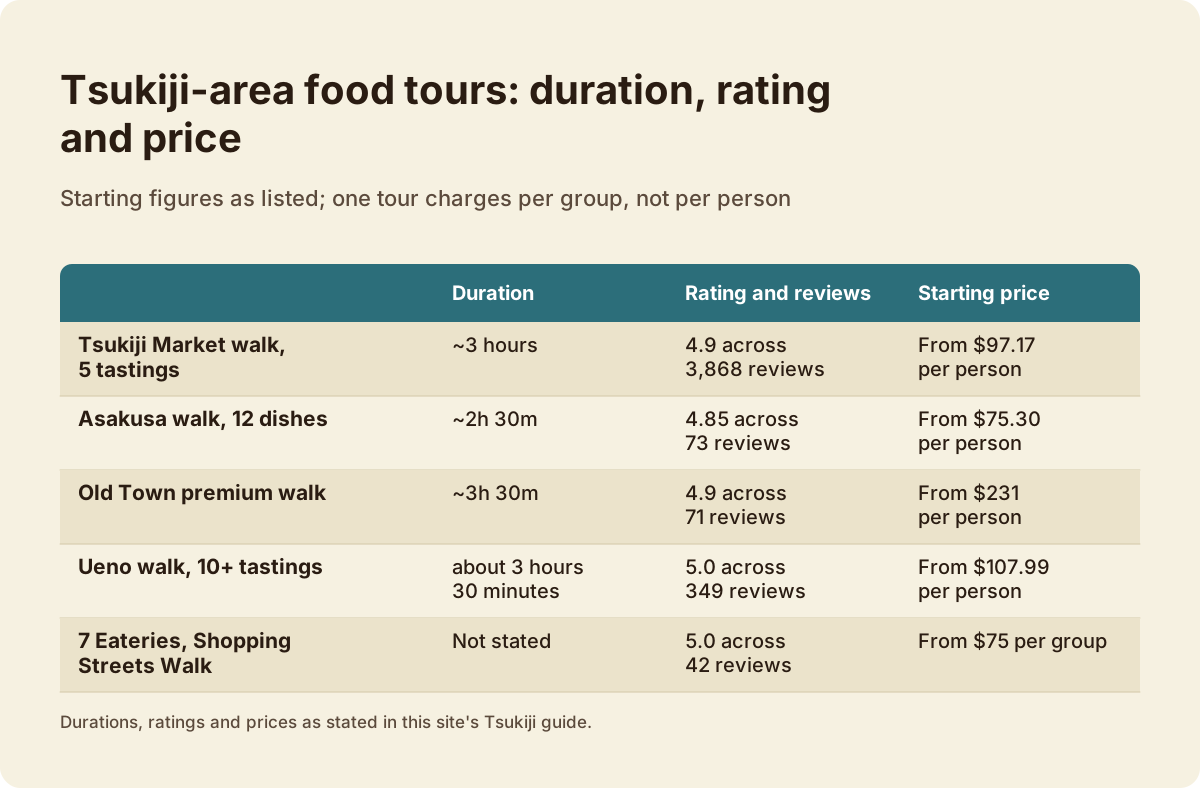
Pick the Tsukiji Market walk with 5 tastings, rated 4.9 across 3,868 reviews and from $97.17 per person for about 3 hours, if Tsukiji is your priority. Pick the Asakusa walk with 12 dishes, from $75.30 per person, or the premium Old Town walk, from $231 per person, if you want a full-meal format or a temple district instead of a market.
The comparison that matters is market versus meal. The Tsukiji walk is a tasting tour: five stops, generous but not a lunch replacement, built around stalls you could not easily find alone. The Asakusa alternative is a dish-count tour: 12 dishes at local eateries, about 2 hours 30 minutes, rated 4.85 across 73 reviews, from $75.30 per person. The Old Town Tokyo tour is the premium small-group format, about 3 hours 30 minutes, rated 4.9 across 71 reviews, from $231 per person. Eating by neighborhood is easier when The Tokyo Food List shows you what is within a 10-minute walk on a map.
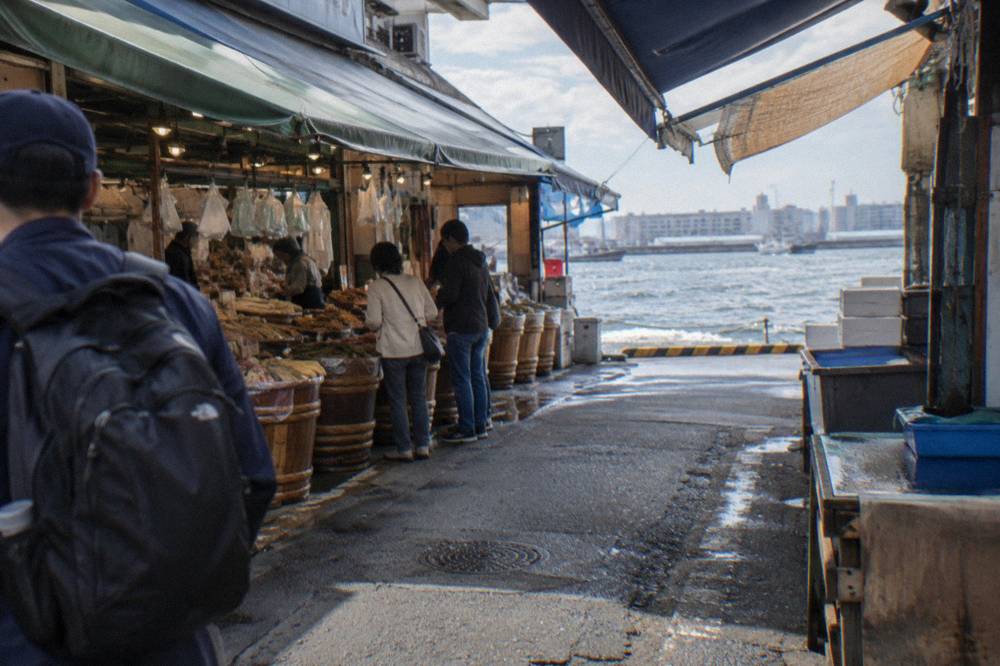
A reader deciding between them should weigh schedule as much as food. Tsukiji is a morning place: the retail lanes are at their fullest from mid-morning, and shops close on their own schedules in the afternoon. Asakusa and the Old Town walks run happily across more of the day. If your hotel is near the Tokyo Metro Ginza Line, which serves Asakusa station directly, the Asakusa option is a one-seat ride from much of central Tokyo.
| Tour | Duration | Rating and reviews | Price basis | Best for |
|---|---|---|---|---|
| Tsukiji Market, 5 tastings | ~3 hours | 4.9 across 3,868 reviews | From $97.17 per person | Market first-timers, seafood lovers |
| Asakusa walk, 12 dishes | ~2h 30m | 4.85 across 73 reviews | From $75.30 per person | Full meal plus temple district |
| Old Town premium walk | ~3h 30m | 4.9 across 71 reviews | From $231 per person | Small-group, slower, deeper format |
For a cheaper sampling format away from the market, the 7 Eateries, Shopping Streets Walk is rated 5.0 across 42 reviews and priced from $75 per group, an unusual basis worth checking carefully on the booking page since the whole group pays once rather than each person.
Between those two formats sit the mid-price neighbourhood walks, and one deserves a look if Tsukiji sells out or mornings do not suit you. The Ueno walk with 10+ tastings of Japanese classics runs about 3 hours 30 minutes, is rated 5.0 across 349 reviews and costs from $107.99 per person, covering a market-and-shopping-street district with the same working-market energy but a longer eating window.
Booking practicalities are simple. Tours on this site run with free cancellation in standard formats, so reserving ahead for a morning slot and adjusting later is low-risk. Reserve early for weekend and holiday mornings, which are the market's busiest, and check the meeting point on the booking page before you go, since Tsukiji has several station exits within a short walk.
When Should You Visit The Tsukiji Outer Market?
Visit in the late morning, after professional buyers finish at 9:00 a.m. and before shops wind down from around mid-afternoon, and avoid Sundays, national holidays and the Wednesdays the market closes, since each shop follows the Tokyo Central Wholesale Market closing calendar plus its own schedule. The official site publishes no single opening hour.
That last sentence is the most misunderstood fact about Tsukiji. The market's calendar page follows the Central Wholesale Market closure days and states plainly that individual shops set their own hours; tamagoyaki stalls keep their own hours; some close Sundays, holidays and selected Wednesdays. There is no "market opens at" time to print because no such time exists. Professional buyers get priority in the early morning, and general visitors follow after, but hours and closing days vary shop by shop, so the official calendar is what to check before setting out.
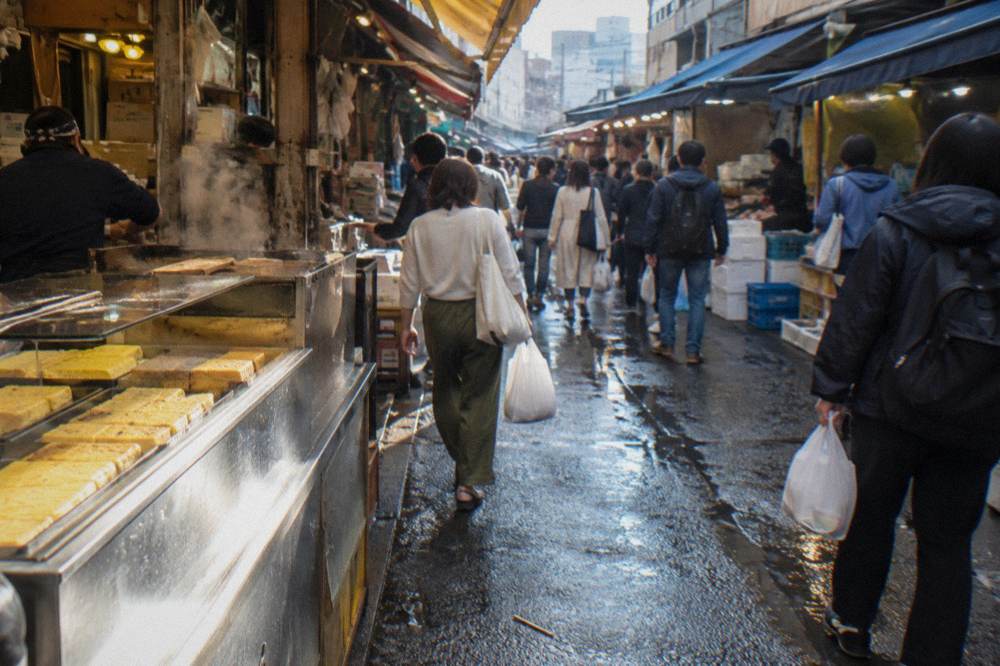
Timing matters here. Go mid-morning on a three-hour walk and you will find stalls well stocked while avoiding the buyer-priority window before 9:00 a.m., when the official etiquette guide asks visitors to stay out of the way of trade. Because closing days and schedules differ from shop to shop, look at the market's own calendar before you head over. Need to stash a stroller? Plat Tsukiji keeps them for 500 yen, and moving through the lanes with a guide is generally less disruptive than wandering on your own.
Season matters less at Tsukiji than at most food destinations because the stalls sell year-round, but autumn brings the peak of the Japanese ingredient calendar: sanma, mushrooms and new rice, all widely noted as September-to-November specialities. For the broader picture across the year, the best time for a Tokyo food tour covers seasonal eating citywide, including which months reward market visits most.
What Are The Market Manners You Should Know?
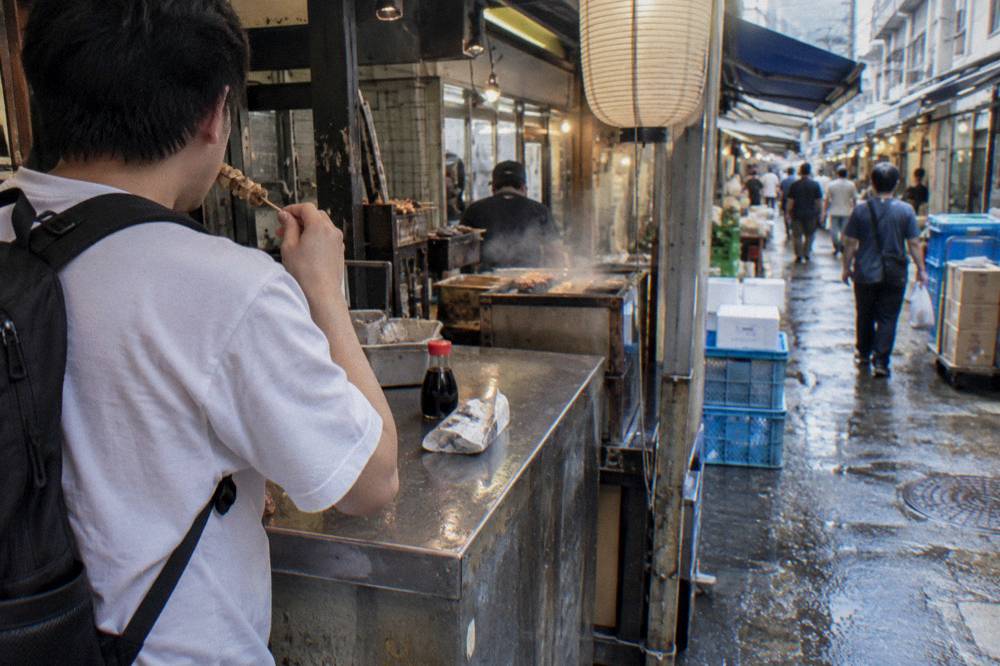
Eat inside the eatery or directly in front of the store, never while walking; give professional buyers priority; move in small numbers; ask before photographing; do not touch food; do not bargain; and smoke only in designated areas. These rules come from the market's official visitor guide, and tour guides are expected to follow them too.
The no-walking-while-eating rule surprises visitors most. The market's reasoning is practical: lanes are narrow, eating while moving obstructs others, and packaging waste burdens the shops. Guides build stops with standing space in front of each stall, which is why a guided group can eat five things without ever violating the rule.
A few Japan-wide dining rules matter here as well. Tipping is not customary in Japanese restaurants, bars, cafes or taxis, per the Japan National Tourism Organization, and staff may chase you down to return money left by mistake. Consumption tax works differently by format: dining in is taxed at 10 percent while takeaway food is 8 percent, and the National Tax Agency has stated the rate on food and drink sales will be lowered for the two years from April 2027, a future change with no confirmed new figure published here. At some izakaya-style counters a small unordered appetizer, the otoshi, functions as a per-person seating charge and appears on the bill; it is not a tip.
Allergies deserve a note. Japan's required allergen labelling list covers nine items on packaged processed food, with cashew nuts added in April 2026, but restaurant dishes are generally not required to carry such labels, so the list is not a guarantee a stall or tour can accommodate an allergy. Message the operator before booking with any allergy, and the guide can plan stops around it.
| Rule | What visitors should do |
|---|---|
| No eating while walking | Eat at the stall, in front of the store |
| Buyer priority until 9:00 a.m. | Arrive after the professional morning window |
| Photography | Ask before photographing people and stalls |
| Luggage | Leave large bags in a coin locker; strollers can be stored at Plat Tsukiji for 500 yen |
| Bargaining | Not customary, prices are as marked |
How Do You Get To The Tsukiji Outer Market?
Take the Toei Oedo Line to Tsukijishijo Station, a one-minute walk from the market, or the Tokyo Metro Hibiya Line to Tsukiji Station, also a one-minute walk; the Asakusa and Hibiya lines also reach Higashi-ginza Station three minutes away. All three options are short walks from the exit to the lanes.
The market's official access page lists those stations and walking times, and in practice the choice depends on where your morning starts. The Hibiya Line connects Tsukiji directly to Ginza and Ueno directions, which pairs well with a market morning followed by a neighbourhood walk, the pattern covered in what to expect on a Tokyo food tour. Suica and PASMO IC cards, mutually usable across JR East and Tokyo Metro lines, handle all of it without tickets.
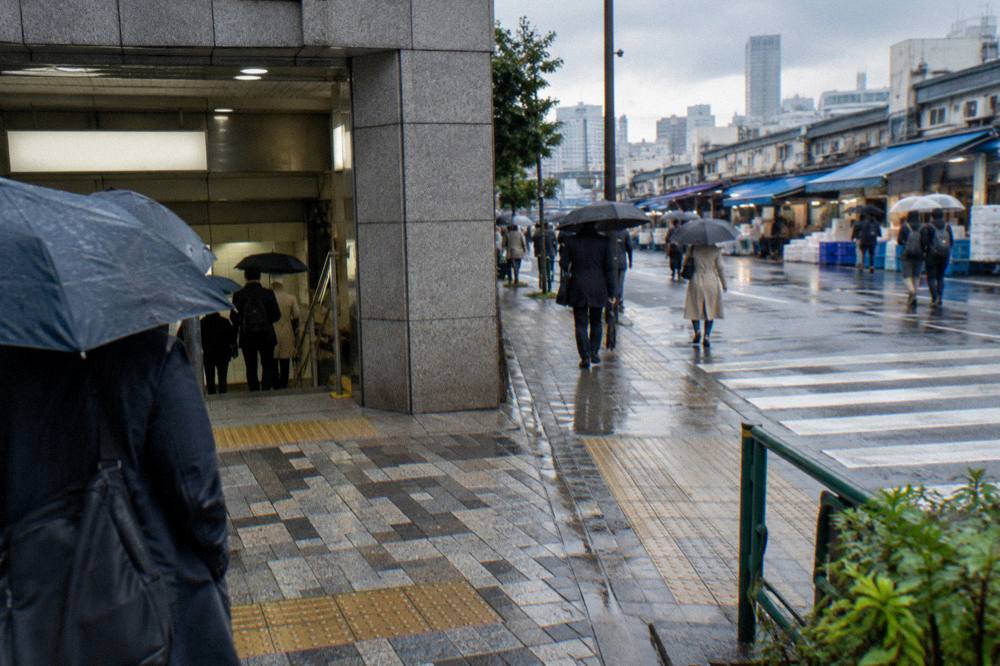
Meeting points for tours cluster near the market's main entrances, and the booking page names the exact spot. Arrive ten minutes early: the lanes look alike from outside, and groups leave on time because the stall stops are sequenced around the market's rhythms. After the walk, the Hibiya Line makes it easy to continue toward Ginza for a coffee or Ueno for the afternoon eating street.
| Station | Line(s) | Walk to market |
|---|---|---|
| Tsukijishijo | Toei Oedo | 1 minute |
| Tsukiji | Tokyo Metro Hibiya | 1 minute |
| Higashi-ginza | Toei Asakusa, Hibiya | 3 minutes |
Is Tsukiji Still Worth It Compared To Eating Solo?
Yes, for most first-time visitors a guided walk beats going solo at Tsukiji, because the market has no fixed hours, cash-leaning stalls, no-bargaining customs and an unwalkable-while-eating rule that a guide handles, while solo eating rewards repeat visitors who already know their stalls. The tour price from $97.17 per person buys the selection, the pacing and the rule-handling in one package.
The honest case for solo is real: entry to the lanes is free, no booking is needed, and a confident traveller can eat very well by following the queues of locals and the categories on the market's own shop list. The honest case against is equally real: shops close without warning on closure-calendar days, prices are not posted market-wide, and a wrong-morning visit finds shutters down. A guide absorbs all three risks. Whether the market still deserves its mixed reputation is a fair question, and our honest look at whether Tsukiji is really a tourist trap takes it on directly.
The strongest reason to book is time efficiency on a short trip. Three hours with a guide delivers five curated stops and a working orientation of the lanes; the same three hours solo often delivers two stops, one queue and a lot of second-guessing. For a longer trip, do the tour first and return solo the next morning using what the guide showed you, which is the pattern experienced Tokyo visitors tend to converge on.
Whatever you choose, reserve the market for the morning and give the evening to a different district entirely, since Tokyo Food Tours covers evening formats, from izakaya crawls to ramen classes, that Tsukiji simply cannot offer after dark.
A market alternative worth knowing is the Shinjuku walk with 15 dishes at 4 local eateries, about 3 hours, rated 4.84 across 487 reviews and from $76.10 per person, which trades the morning-market setting for an evening eating route through one of Tokyo's densest food districts.
Common Questions About The Tsukiji Outer Market
What Is A Tsukiji Outer Market Food Tour?
A guided walking loop of the visitor-side market lanes, about 3 hours, with a fixed set of tastings at stalls and eateries the guide uses regularly. The featured tour includes five tastings in its per-person price.
When Is The Tsukiji Outer Market Open?
There is no single published opening hour. Each shop sets its own schedule, and closing days follow the Tokyo Central Wholesale Market calendar, so check the official calendar before you go. Professional buyers get priority until 9:00 a.m., which keeps the early hours busy.
Which Tsukiji Food Tour Should I Pick?
The Tsukiji Market walk with 5 tastings, rated 4.9 across 3,868 reviews and from $97.17 per person, is the market-focused pick. The Asakusa walk with 12 dishes, from $75.30 per person, suits a full-meal format, and the Old Town premium walk, from $231 per person, suits a small-group deep-dive.
Can You Eat While Walking Around Tsukiji?
No. The market's official guide asks visitors to eat inside the eatery or in front of the store, not while moving, because the lanes are narrow and eating while walking obstructs others.
How Do I Get To The Tsukiji Outer Market?
Take the Toei Oedo Line to Tsukijishijo Station or the Tokyo Metro Hibiya Line to Tsukiji Station, both a one-minute walk away. Higashi-ginza Station on the Asakusa and Hibiya lines is a three-minute walk.
Is Tsukiji Worth Visiting If The Inner Market Moved To Toyosu?
Yes. The wholesale function moved, but the Outer Market, the part built for shoppers and eaters, remained and remains the city's densest concentration of food stalls, kitchenware shops and small eateries.