What To Expect On A Tokyo Food Tour
The hour-by-hour shape of a guided eating walk in Tokyo, from the meeting point to the last stop, with portion sizes, pace and payment habits explained.
Short answer
Most Tokyo food tours run 2 to 3.5 hours, meet at a fixed station exit or landmark, cover 3 to 7 eateries within walking distance, and feed you enough that dinner afterwards is rarely needed. Prices run from $36.15 per person for a bar crawl to $231 for a premium small-group walk, and all 37 tours on this page offer free cancellation.
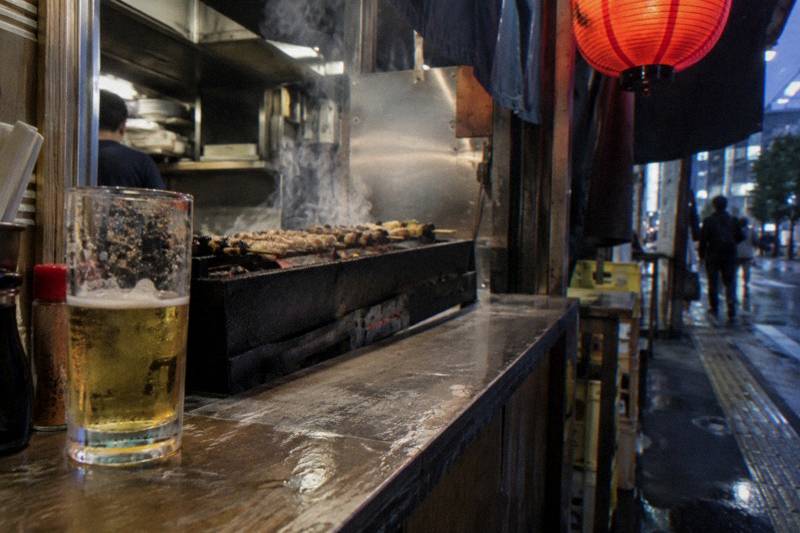
Tokyo food tours follow a rhythm that surprises first-timers: less sightseeing, more sequential eating. A typical evening walk strings together four to seven small venues within a few blocks of a station, each contributing one or two dishes plus a drink, with the guide explaining what you are eating and why it exists in that neighbourhood. Understanding that rhythm before you book removes most of the anxiety people carry into their first guided meal in Japan.
This page walks through the whole day: where tours meet, how fast they move, how much food actually arrives, how payment and tipping work, and what to wear. Always check the live booking page for current prices, times and availability before you book., so you can plan with numbers rather than guesswork. For a broader comparison of the options, start with our best food tours in Tokyo overview and come back here for the day-of detail.
What Does A Tokyo Food Tour Actually Include?
Almost every guided eating walk in Tokyo bundles a fixed sequence of food and drink stops, an English-speaking local guide, and all the dishes listed on the booking page into one upfront price, while extras like additional drinks, hotel pickup and souvenirs stay separate. The inclusions matter more here than on a sightseeing tour, because the food is the product. A walk described as 13 dishes across 3 eateries delivers exactly that, and the price you see on the booking page is what you pay for the food itself.
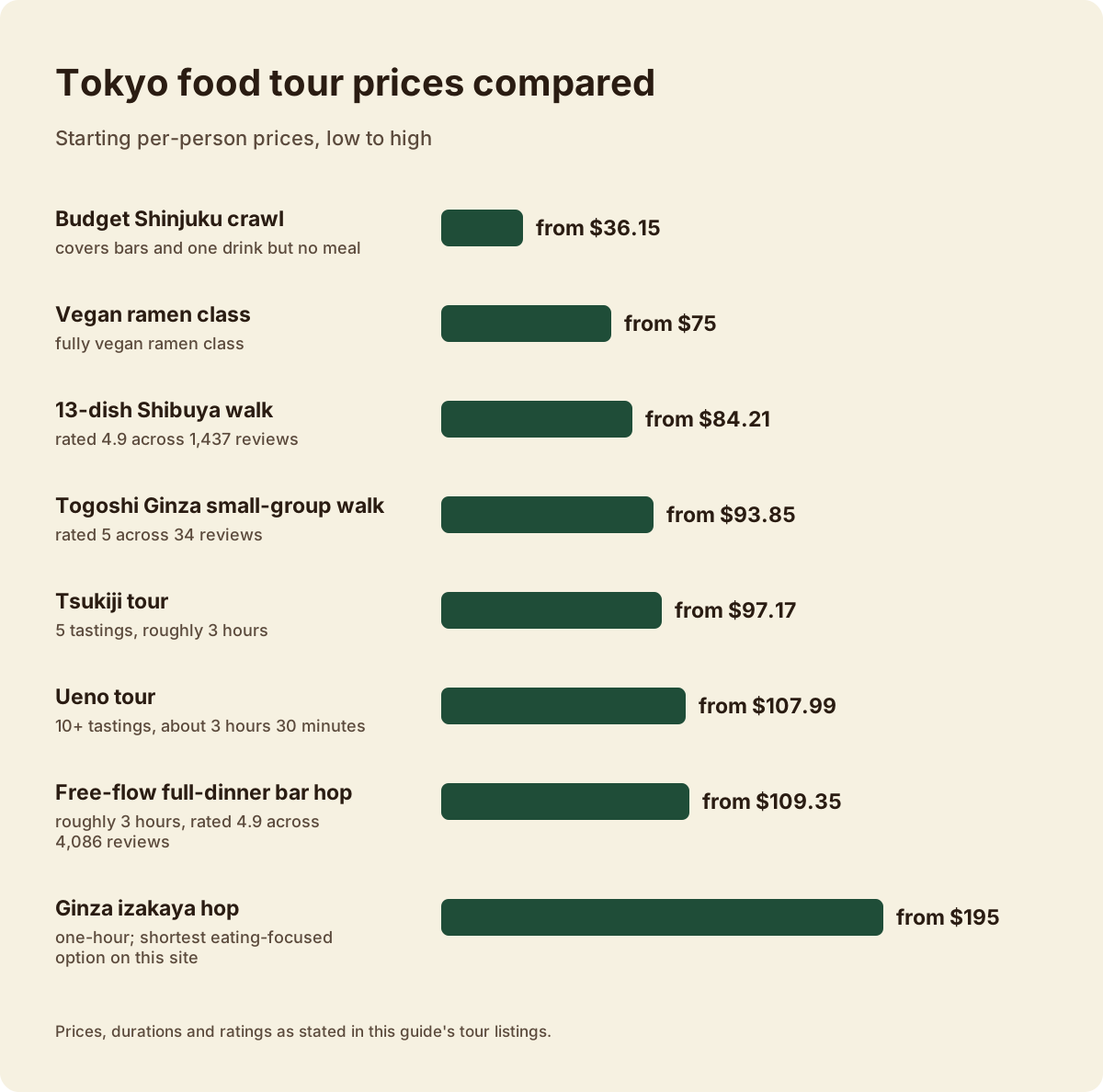
Durations cluster tightly. The shortest eating-focused option on this site is a one-hour Ginza izakaya hop at from $195 per person, which is really a tasting walk compressed into a single hour. The longest run to four hours, like the market-to-table cooking experience at from $84.21 per person, which includes shopping before cooking. Most tours sit between two and three and a half hours, which is roughly the limit of comfortable sequential eating.
Portion economics favour the bigger walks. The Ueno tour with 10+ tastings of Japanese classics runs about 3 hours 30 minutes at from $107.99 per person and rates 5 across 349 reviews, a strong signal that guests leave full. At the value end, the budget Shinjuku crawl at from $36.15 per person covers bars and one drink but no meal, so plan dinner separately. Check what the booking page lists as included before assuming a tour replaces a meal.
Where And When Do Food Tours In Tokyo Meet?
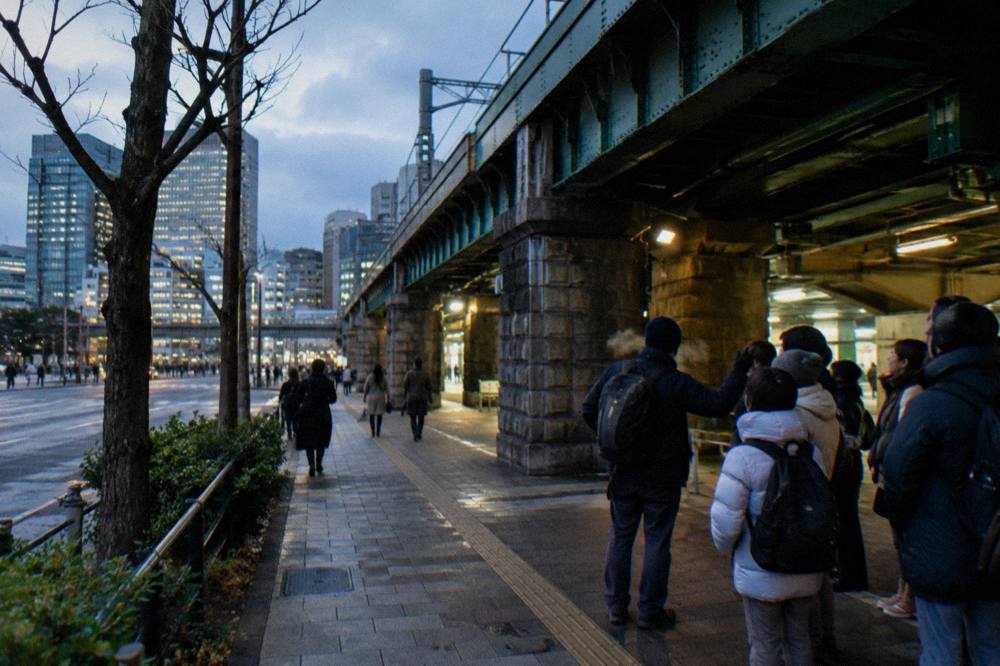
Nearly every Tokyo food tour sets a fixed meeting point at a named station exit, a landmark or a shopfront, lists the meeting point and start time on the live booking page, and most tours here allow free cancellation before moving off on foot. Meeting logic in Tokyo is station logic. Guides pick exits and landmarks because station interiors are vast and signs can be confusing for visitors, so the confirmation message usually includes a map pin and instructions like "outside the station, next to the bakery sign."
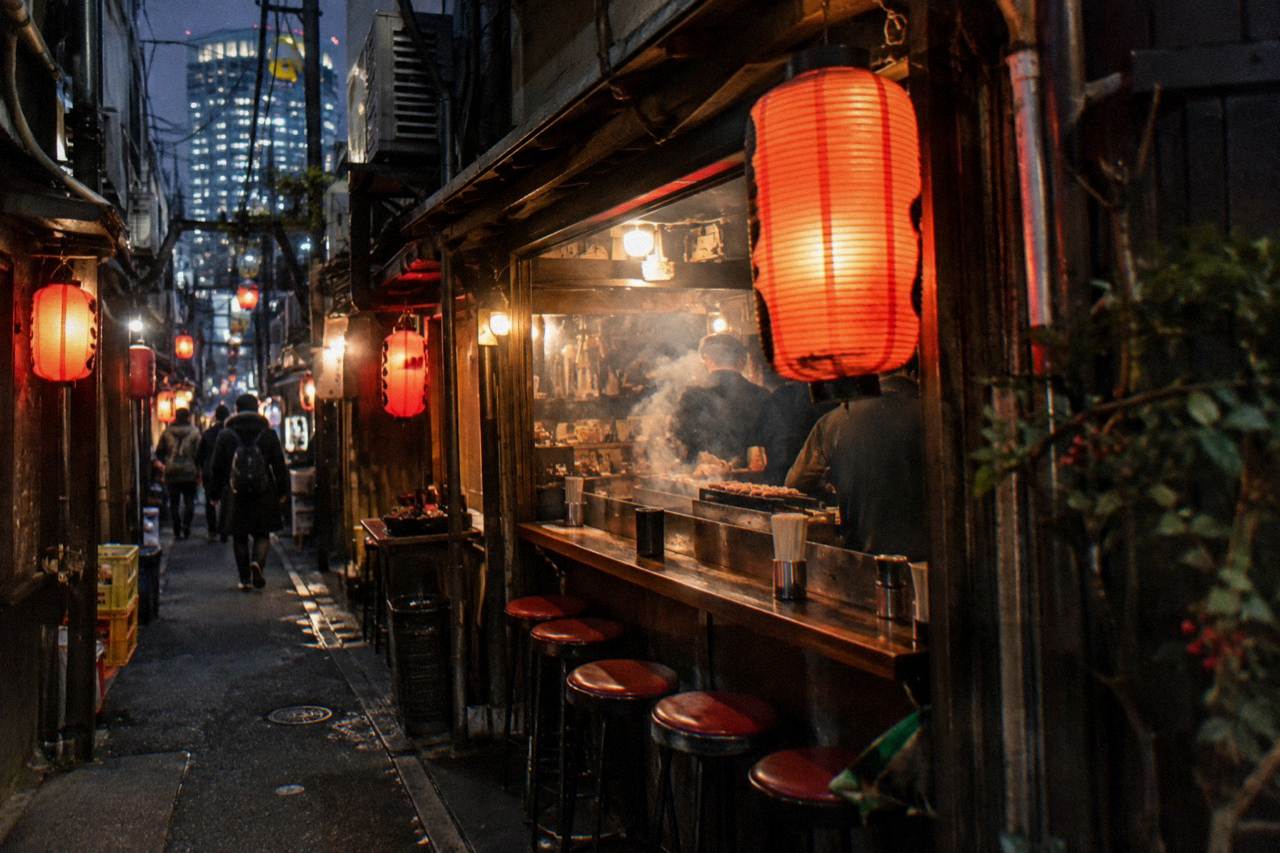
Neighbourhoods map onto train lines cleanly. Shinjuku walks meet near the West Exit, close to Omoide Yokocho. Shibuya tours gather around the scramble crossing or station exits. Asakusa walks typically start near Kaminarimon, the gate in front of Senso-ji, which the Tokyo Metro Ginza Line reaches directly. Tsukiji tours meet near the market's information centre, with the Toei Oedo Line's Tsukijishijo Station and the Hibiya Line's Tsukiji Station each about a one-minute walk away, according to the official market access page.
Start times follow meal patterns rather than museum hours. Gathering times differ by tour, so confirm the start time on the live booking page before you go. Evening crawls in Golden Gai start later, around 7:00 p.m. or 8:00 p.m., because the bars there typically open in that window. Arrive ten minutes early: guides hold for a short grace period but cannot wait long when a tight sequence of reservations follows.
The meeting point also tells you the neighbourhood story. The Shinjuku Local Eateries Walk, roughly 3 hours and rated 4.9 across 10,498 reviews, explores Shinjuku's drinking lanes, from Omoide Yokocho's grilled skewers to Golden Gai's tiny bars; you can check availability alongside our detailed Shinjuku eating guide. In Asakusa, the 12-dish walk at from $75.30 per person starts within sight of the temple gate and moves through old-town lanes.
How Much Walking And Standing Should You Expect?
Expect two to four kilometres of walking spread across the tour, mostly flat and broken into short bursts of three to ten minutes between eateries. The real physical demand is not covering distance but standing and perching at counters between those short walks. Tokyo eating tours are not hiking tours. Stops cluster within a few blocks, and guides move the group only when a dish is finished, so the walking arrives in fragments rather than one long march.
Surfaces and stairs are the honest caveats. Neighbourhoods like Omoide Yokocho and Golden Gai are networks of narrow lanes, some with steps, tight corners and crowds, and many small venues offer counter seating or stools rather than chairs with backs. Wheelchair users and travellers with limited mobility should message the operator before booking, because the booking page rarely captures lane widths or step counts accurately, and some venues simply cannot accommodate a chair.
Pace is set by the food, not the clock. Between stops the guide narrates: what a shop has sold for decades, why a dish belongs to that district, how to read a vending machine ticket. If you enjoy photography, note that the Golden Gai association treats its alleys as private roads and photography there requires permission, and at Tsukiji visitors are asked to ask before photographing and not to touch food displays, per the official market manners guide. Several tours run two and a half hours, long enough for a natural, unhurried rhythm.
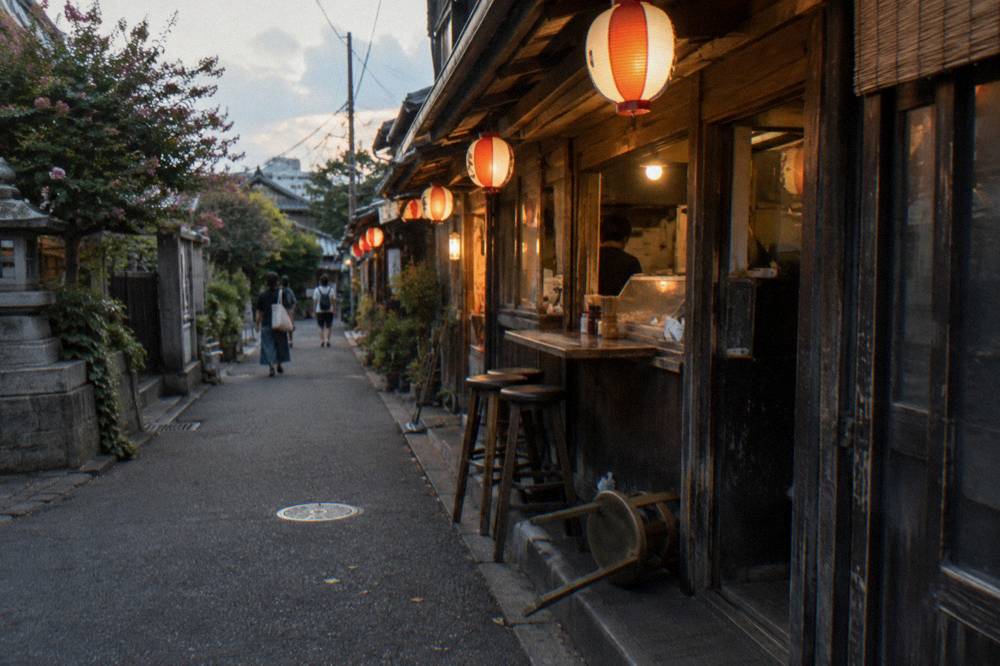
Footwear deserves one sentence of real advice: flat, broken-in shoes, because the standing time at counters adds up. Groups are small by design. Operator listings for Tokyo food tourscommonly cap standard groups at around 6 to 10 people, and several walks on this site go smaller. The Togoshi Ginza small-group walk, rated 5 across 34 reviews at from $93.85 per person, exists precisely because some travellers will pay more to eat in a tighter group.
| Demand factor | Typical reality | Planning tip |
|---|---|---|
| Total distance | 2 to 4 km across a tour | Flat shoes, no new footwear |
| Longest single stretch | 3 to 10 minutes between stops | Nothing to train for |
| Standing time | Significant at counters and markets | Small venues rarely have chairs |
| Steps and stairs | Common in alley districts | Message the operator about mobility needs |
| Group size | Most walks cap at 6 to 12 travellers, a few at 15 or 20 | Small-group options cost more per person |
How Much Food Is Served On A Tokyo Food Tour?
A full eating tour serves eight to fifteen small dishes across three to seven venues, which most guests describe as a complete meal plus extras, so the honest advice is to arrive hungry and cancel any dinner reservation you were keeping as a backup. The dish counts in tour titles are literal. A 13-dish Shibuya walk at from $84.21 per person, rated 4.9 across 1,437 reviews, brings thirteen separate items. The Shinjuku walk with 15 dishes at 4 local eateries, rated 4.84 across 487 reviews from $76.10 per person, includes three drinks alongside its fifteen dishes.
Individual items are small by design, and that is the format, not a shortfall. One skewer, one piece of tamagoyaki, a small bowl, a single pour. For context on street prices, yakitori skewers at casual Tokyo counters commonly run 150 to 400 yen each, and the national average price of a bowl of shoyu ramen was 750 yen as of September 2026, so a tour stacking a dozen such items plus a guide is fairly priced against eating solo once you add up the parts.
Market walks trade quantity for variety. The Tsukiji tour with 5 tastings, roughly 3 hours at from $97.17 per person and rated 4.9 across 3,868 reviews, interleaves tastings with shopping and explanation, so five items plus market wandering makes a solid morning rather than a banquet. At Tsukiji, note the market's own rule that eating happens inside the eatery or in front of the store, never while walking, which is also just good manners in a crowded lane.
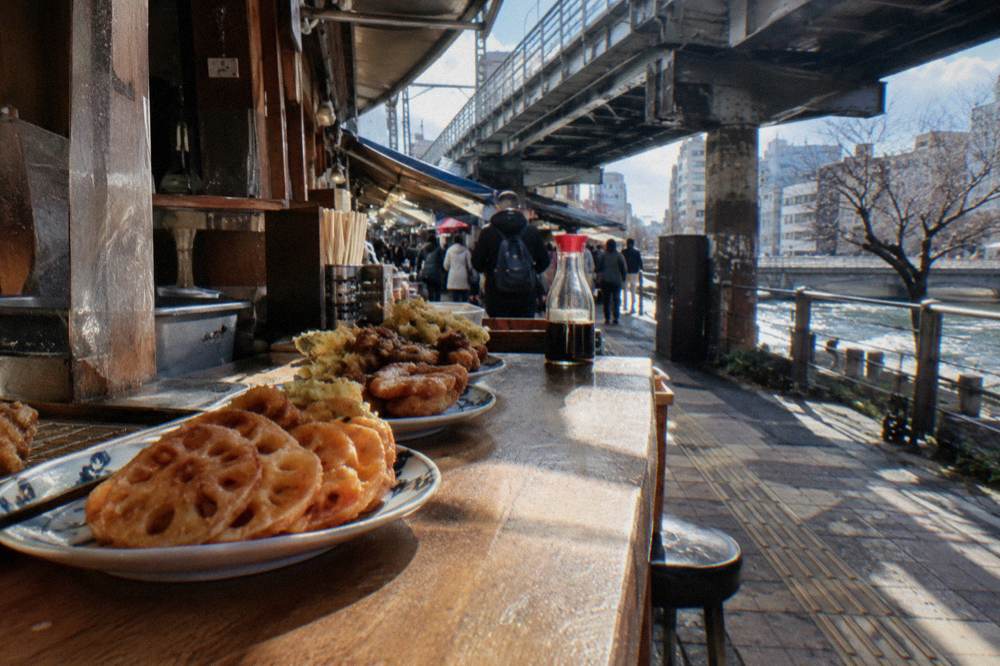
Drink inclusions vary more than food inclusions. Some walks include a set number of drinks, the premium Shinjuku crawls run free-flow packages, and the strictest budget options include one drink only. If drinks matter to your evening, a dedicated crawl such as the free-flow full-dinner bar hop, roughly 3 hours at from $109.35 per person and rated 4.9 across 4,086 reviews, fits better than a general food walk with a single included pour.
What About Allergies, Diets, Cash And Tipping?
Message the operator about any allergies or dietary requirements before you book, carry some cash because small venues still prefer it, and never tip, since gratuities play no part in Japan's restaurant culture and staff may even chase you down to return money left behind. These three topics cause the most day-of friction, and each has a Tokyo-specific answer.
On allergies: Japan's Consumer Affairs Agency requires allergen labelling on packaged processed food for nine specified raw materials, egg, milk, wheat, shrimp, crab, walnut, peanut, buckwheat and, since 1 April 2026, cashew, per the agency's official page. That duty covers packaged goods, not restaurant dishes, and the agency is still studying how restaurant allergy information should work. So a tour cannot lean on a legal labelling system the way a supermarket can. State your allergy in the booking message and let the operator confirm, in writing, that the stops can accommodate it.
On payment: the tour is prepaid, so day-of spending is limited to extra drinks and anything you buy along the way. Cash remains widely accepted and often preferred at independent restaurants and small bars, and at Golden Gai you should not assume cards work at all. One more line to expect on bills: many izakaya add otoshi, a small unordered appetizer that functions as a per-person seating charge, typically a few hundred yen, and it is a table charge, not a tip.
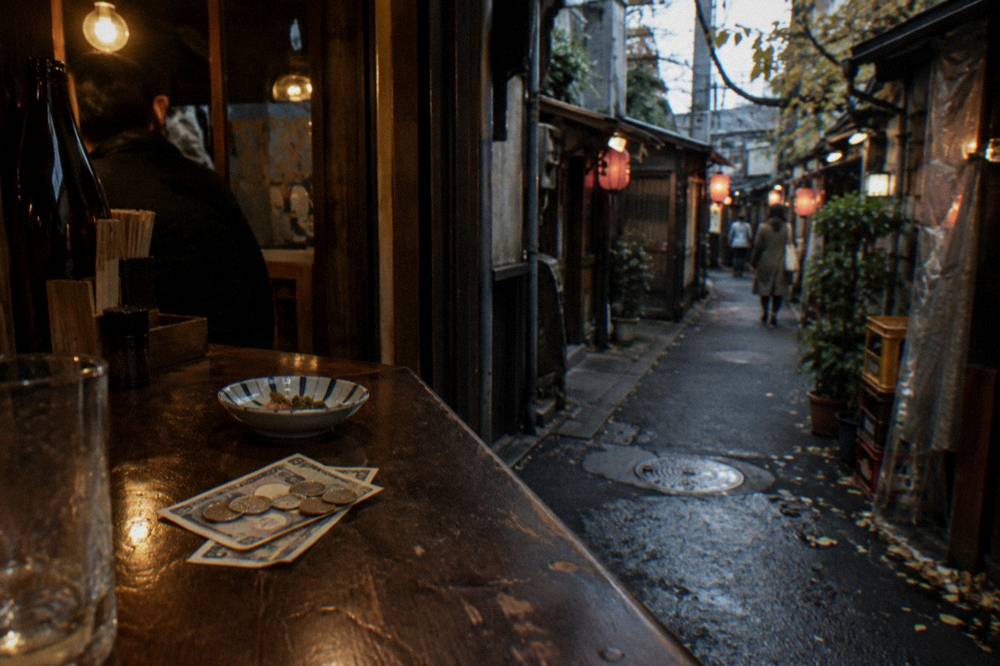
On tipping: the Japan National Tourism Organization states plainly that tipping is not common for services in bars, cafes, restaurants, taxis and hotels. There is a custom called kokorozuke, a gratuity given from the heart in rare situations, but a food tour in Tokyo is not one of them. Pay the bill, thank the staff, and keep your coins. For wider etiquette, our piece on what to know before eating at a Japanese restaurant covers chopstick rules and bill customs in depth.
Vegan options on this site are classes, not walks, including a fully vegan ramen class at from $75 per person, but do not assume a general tour can improvise a vegan path on the night. Diets work the same way as allergies: ask first, in the booking message, and trust a written yes over a hopeful maybe. Our vegetarian and vegan food tours in Tokyo guide lists the dedicated options.
| Day-of question | Tokyo reality | What to do |
|---|---|---|
| Allergies | Labelling law covers packaged food only, nine allergens including cashew | Message operator before booking |
| Cash vs card | Cash still preferred at independents and small bars | Carry yen for extras |
| Otoshi charge | Small per-person appetizer fee at many izakaya | Expect it on the bill, do not treat as a tip |
| Tipping | Not customary anywhere in the dining chain | Pay exactly the bill |
| Extra drinks | Usually bought on the spot, cash friendly | Budget 500 to 1,000 yen per extra drink |
What Should You Wear And Bring On A Tokyo Food Tour?
Wear flat shoes and weather-appropriate layers, bring your phone with the meeting-point message, a charged IC card or a little cash for extras, and leave large bags behind, because narrow lanes, tight counters and a moving group punish bulk. None of this is dress code; all of it is logistics. Tokyo has no dress expectation at the izakaya level, and guides care only that you can walk, stand and sit comfortably for three hours.
IC cards are the transport answer. Suica and PASMO are mutually usable across JR East lines including the Yamanote Line and on Tokyo Metro lines, so one card covers the ride to the meeting point and the ride home. If you are heading to Tsukiji, both the Toei Oedo Line's Tsukijishijo Station and the Hibiya Line's Tsukiji Station sit about a minute from the market, per the official access page, and the market asks visitors to leave large luggage in a coin locker, with stroller storage available at the information centre for 500 yen.
Weather shapes the evening more than most visitors expect. Summer walks mean heat and humidity between stops, so pick the shaded evening departures. Autumn is the season chefs talk about: sanma, mushrooms and new rice peak between September and November, which quietly makes autumn food tours the best value of the year. Winter tours are comfortable because you are indoors eating most of the time, moving only in short bursts.
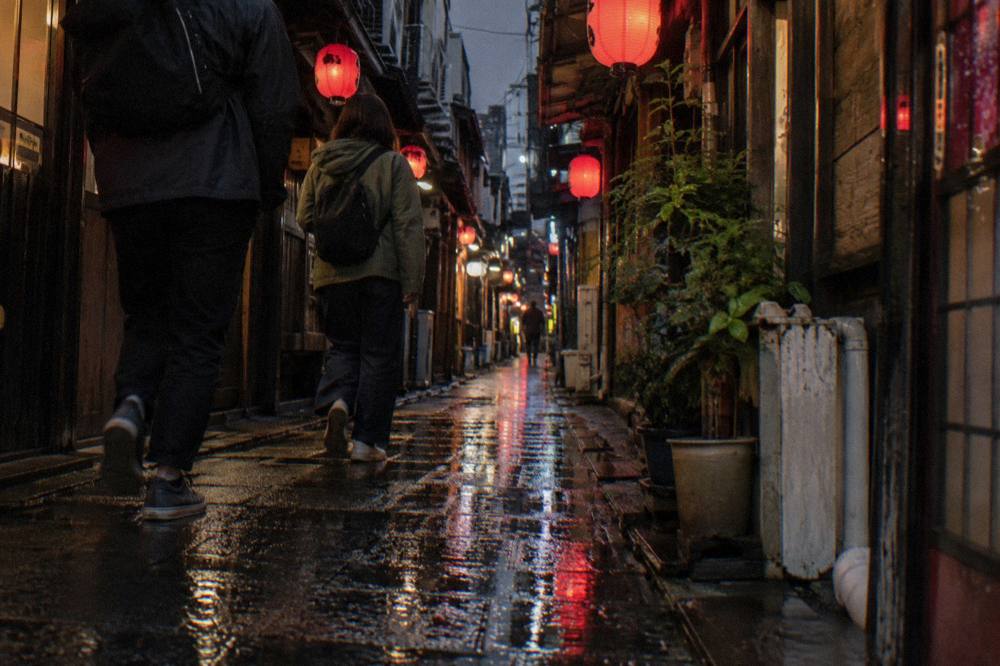
A short packing list covers almost every tour on this site. Phone with the confirmation message and map pin. One IC card. A foldable bag if you plan to buy snacks or kitchenware at Tsukiji, where the Outer Market sells everything from dried fish to knives. Tissues, since small venues sometimes lack them. And ID if your tour includes alcohol venues that check it. If you are still choosing between a daytime and evening format, our best time for a Tokyo food tour guide breaks down seasons and start hours.
The After 5 food and drink walk, roughly 3 hours 30 minutes at from $72.47 per person and rated 4.5 across 775 reviews, is built around exactly this after-work window, when lantern districts switch on and counters fill. Arriving dressed to walk, with a light bag and a working IC card, you get the city at its most edible.
How Do You Pick The Right Tour For Your First Day?
Match the tour to your energy and your appetite: a market walk for mornings and light eaters, a dish-count walk for a full meal, and a bar crawl for the evening, because the format you choose predicts your day better than the neighbourhood does. First-timers consistently overbook, stacking a market walk at 9 a.m. and a dish-heavy dinner walk at 6 p.m. on the same day, then eating nothing for a day and a half afterwards.
A calmer plan uses one tour per day and lets the neighbourhood fill the rest. Pair a morning at Tsukiji with our Tsukiji Outer Market food tour guide, or an Asakusa eating walk with the temple district around it, since the Ginza Line drops you at Asakusa Station directly. If nerves are the real obstacle, our Tokyo food tour guide for first-timers addresses the anxieties this page only sketches.
Cancellation policy is the quiet reassurance. Most tours on this site can be cancelled free up to 24 hours before departure, and many let you reserve now and pay later, which means you can book a slot months out and adjust once your itinerary settles. Booking the same day you read about a tour is genuinely fine; booking two heavy tours for one day is the only real mistake. The team behind Tokyo Food Tours keeps every walk on this site matched to a district and a format so the choice stays simple.
| If you want... | Best format on this site | Example |
|---|---|---|
| A light morning with variety | Market walk, about 3 hours | Tsukiji Market, 5 Tastings, from $97.17, rated 4.9 across 3,868 reviews |
| A full dinner replacement | Dish-count walk, 12 or more dishes | Asakusa Walk, 12 Dishes, from $75.30, rated 4.85 across 73 reviews |
| A cheap evening out | Budget crawl, drinks focus | Budget Crawl, from $36.15, rated 4.9 across 2,911 reviews |
| A premium small group | Premium guided walk | Old Town Premium Walk, from $231, rated 4.9 across 71 reviews |
| Something hands-on | Cooking class, 2 to 4 hours | Market to Table, 4 Hours, from $84.21, rated 5 across 405 reviews |
Common Questions About Tokyo Food Walks
What Does A Tokyo Food Tour Include?
A guided eating walk includes an English-speaking local guide, a fixed sequence of eateries, and every dish named in the tour description, all covered by the upfront price. Extra drinks beyond any included ones, hotel pickup and anything you buy along the way are paid separately on the day.
Will I Be Full After A Tokyo Food Tour?
On any tour advertising 10 or more tastings, yes, most guests treat it as a full meal and skip dinner afterwards. On market walks with five tastings or budget bar crawls without a meal, expect a substantial snack rather than a dinner.
Do I Need Cash On A Tokyo Food Tour?
The tour itself is prepaid, so cash is only for extras. Many independent restaurants and small bars still prefer cash, and in bar districts like Golden Gai you should not assume cards are accepted. Carry a few thousand yen for extra drinks or snacks.
Should I Tip My Tokyo Food Tour Guide?
No. The Japan National Tourism Organization notes tipping is not common in bars, cafes, restaurants, taxis and hotels, and staff may return money left behind. Thank your guide verbally; that is the expected currency of appreciation.
Can A Tokyo Food Tour Handle My Allergy?
Sometimes, but never assume it. Japan's allergen labelling law covers packaged food, not restaurant dishes, so message the operator before booking, name the allergy, and rely on a written confirmation that the stops can accommodate you.
What Happens If It Rains On Tour Day?
Tours generally run in rain, since much of the time is indoors at counters, but guides adjust routes and standing time. Severe weather cancellations are decided by the operator, and the free-cancellation window up to 24 hours before gives you an out if the forecast looks grim.