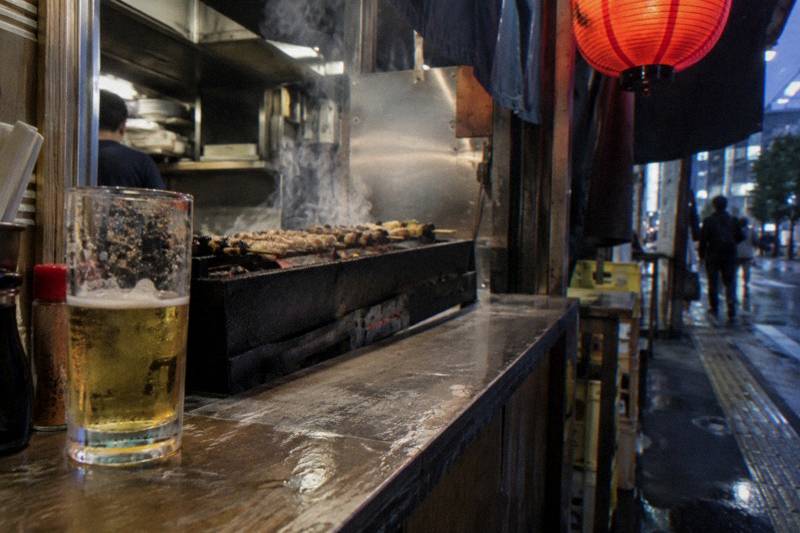
What Is The Food Capital Of Japan?
Tokyo and Osaka both claim to be the food capital of Japan. Here is how the argument actually breaks down, and how to eat the winning city well.
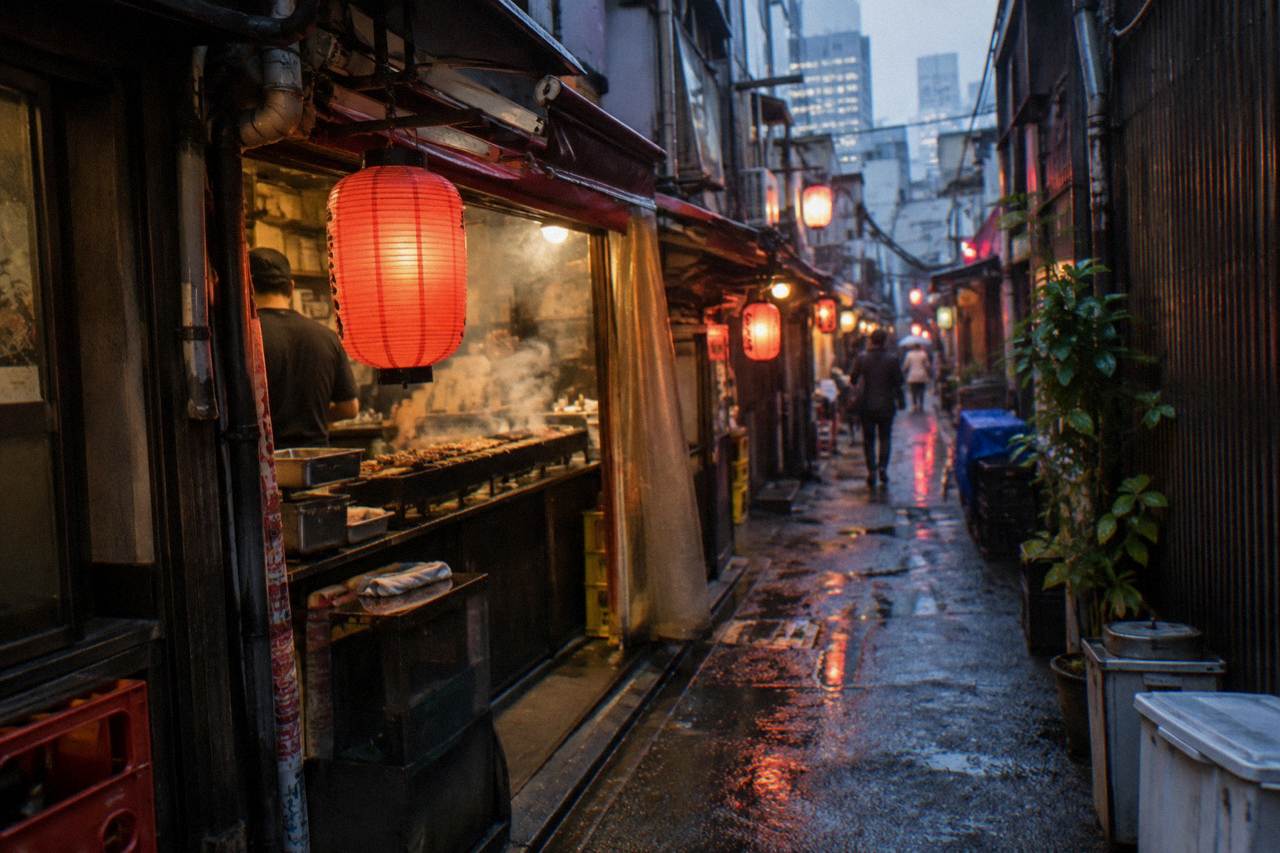
The honest answer is Tokyo, with Osaka as the beloved, loud-mouthed challenger. Tokyo holds the most Michelin stars of any city on earth, the deepest concentration of markets, counters and specialist restaurants, and the national average prices to prove the depth, with a serving of nigiri sushi averaging 1,592 yen nationally while a basic bowl of ramen averages 750 yen, and Tokyo sits at the expensive end of both. Osaka's claim rests on a street food culture, a phrase, kuidaore, that means eating yourself into bankruptcy, and the undying loyalty of the Kansai region. This article sets the two cities side by side and tells you how to eat whichever one you choose.
Tokyo earned the title, from Tsukiji's morning stalls to Golden Gai's lantern-lit lanes: it holds more Michelin Guide stars than any other city in the world, its Outer Market at Tsukiji runs hundreds of independent specialist shops in a few blocks, and its restaurant count dwarfs every rival. Osaka is the traditional popular answer, famous for kuidaore and street snacks like takoyaki, and no visitor should skip it. But if one city wears the crown, the evidence backs Tokyo.
The debate is really two different arguments talking past each other. One argument is about quantity, quality and range: how many restaurants, how many of them exceptional, how many distinct traditions represented. Tokyo wins that argument almost by default, because it is the largest metropolitan economy on the planet and it draws chefs and ingredients from every region of Japan, the way only a capital can.
The other argument is about soul. Osaka's partisans will tell you that Tokyo food is technically perfect but cold, while Osaka food is made by people who want you happy. That is not a claim you can settle with a spreadsheet. It is a claim you settle by sitting at a counter in Dotonbori and then at a counter in Shinjuku and deciding which stranger's cooking felt better.
Worth knowing: the Michelin Guide Tokyo 2026 edition awarded Bib Gourmand status, the guide's badge for exceptional value cooking, to 16 new restaurants, and several of them were ramen shops, including Teuchi Asama and Ginza HARU CHAN Ramen. A restaurant scene that puts noodle counters into an international fine dining guide, alongside its three star temples, is doing something a one-flavour city cannot.
Why Tokyo Holds The Crown
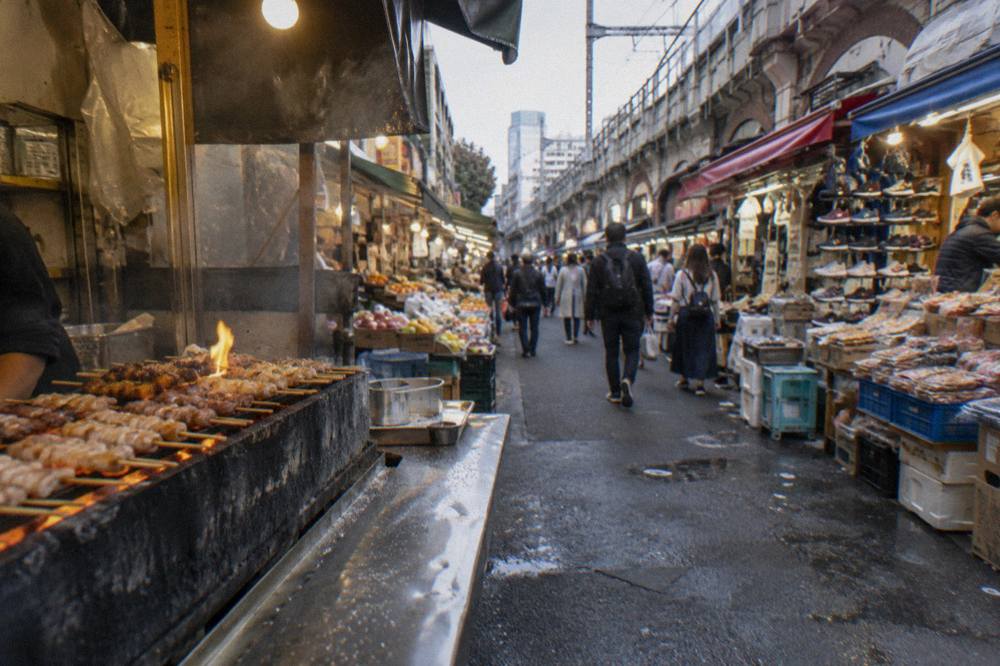
Tokyo holds the crown because of scale plus depth: it has been the world's most Michelin-starred city for well over a decade, spanning everything from sushi counters with eight seats to neighborhood izakaya, and its food culture is built on specialist shops that do one thing for generations. The city's ramen scene alone runs from 600 yen basic bowls to decorated fine dining, and its markets supply more variety of fresh seafood than any other city in Japan. Eating your way through all those counters and markets raises its own etiquette questions, and our guide to whether leaving food unfinished is rude in Japan explains what to do when a portion wins.
Start with the Michelin count, because it is the one number both cities understand. Tokyo has topped the global star ranking since the guide arrived in the city, and it has never been dethroned, not by Paris, not by New York, and not by Osaka, which the guide covers but with a far smaller tally. Stars are not the only measure of a food city, but they are a stubborn measure of consistency, and Tokyo renews its count every year.
Depth matters more than stars, though. A survey of 81 ramen shops in Tokyo's Takadanobaba and Waseda area found an average price of 993 yen for a basic bowl, with the cheapest at 600 yen, and the quality at that price point is the real argument. The national average for a bowl of shoyu ramen was 750 yen as of September 2026, and Tokyo's student-district shops deliver full stocks, hand-pulled noodles and slow-simmered chashu at prices close to that line. A city where the cheap end is this good is a city built on eating.
Then there is the specialist tradition. Tokyo is full of shops that make one dish and have made it for generations: tamagoyaki stands at Tsukiji, tempura counters in Asakusa, unagi houses in Ueno, standing sushi bars near the market selling nigiri from around 90 to 500 yen a piece. Osaka has specialists too, but Tokyo's sheer count of them, packed into walkable districts, is what a "capital" looks like on the ground. The Japan National Tourism Organization notes that tipping is not common at Japanese restaurants, bars and taxis, which tells you something about the culture: the bill is the bill, and the food has to speak for itself.
This site, Tokyo Food Tours, exists because the city rewards exactly this kind of shop-hopping, and a guided walk solves the language and queue problems that come with it. For the classic introduction, the Shinjuku Local Eateries Walk covers a cluster of small Shinjuku counters in about 3 hours, rated 4.9 across 10,498 reviews, from $84.21 per person, and you can check availability alongside the longer guide to the best food walks in Shinjuku.
Why People Say Osaka
People say Osaka because the city has a genuine, distinct food identity built around casual street cooking: takoyaki, okonomiyaki and kushikatsu are all Osakan inventions or refinements, and the local phrase kuidaore, eating yourself into ruin, reflects a culture that treats appetite as a virtue. Osaka's Dotonbori is one of the most famous eating streets in Asia, and locals are famously chatty with strangers at the counter. It is a great food city, just not the deepest one.
The Osakan case deserves a fair hearing. Takoyaki, the octopus dumplings cooked in cast-iron molds, and okonomiyaki, the savory pancake cooked on a griddle in front of you, are both strongly identified with Osaka and both are everywhere because Osakans perfected them. Kushikatsu, deep-fried skewers with the strict local rule of no double dipping in the shared sauce, is another Osaka signature. A city that gave Japan three of its most beloved casual dishes has real standing in this argument.
There is also a temperament argument. Kansai culture values comedy and directness, and that carries into the dining room. Foreign visitors often report that Osakan counter staff joke with them more readily, while Tokyo staff are precise, courteous and quieter. Neither style is better, but if your idea of a food capital is a party, Osaka makes a persuasive pitch.
The weakness is range. Osaka's high end is strong but smaller, its international depth is thinner, and its specialist traditions, while real, cover less ground than Tokyo's. Ask a chef from anywhere in Japan where they go to be tested, and the answer is usually Tokyo, because the customers there are the most demanding in the country. The capital eats last, and eats best.
Tokyo Vs Osaka At The Table
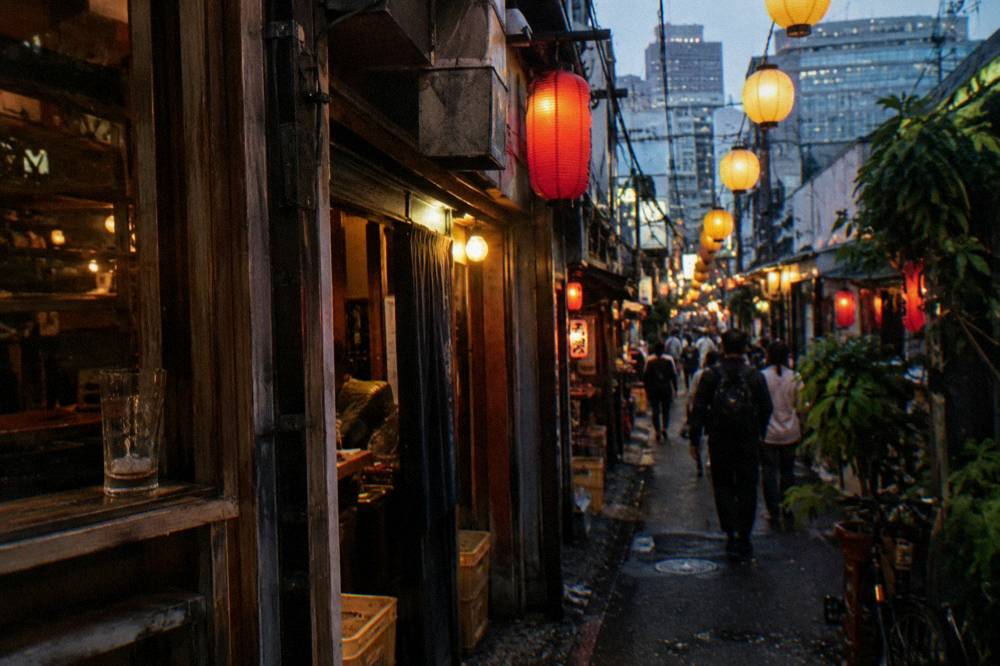
Tokyo beats Osaka on range, price spread and formal recognition, while Osaka wins on street food identity, atmosphere and the density of its casual snacking culture. Tokyo offers conveyor sushi plates from 110 to 150 yen up to omakase counters with month-long waiting lists; Osaka offers takoyaki stands on every corner. The table below sets the practical differences side by side, using the from-prices shown on each tour's listing.
| What you compare | Tokyo | Osaka |
|---|---|---|
| Claim to the title | Most Michelin stars of any city worldwide, year after year | Kuidaore culture, birthplace of takoyaki and okonomiyaki refinement |
| Signature street snacks | Yakitori skewers at 150 to 400 yen each, conveyor sushi plates from 110 to 150 yen | Takoyaki, okonomiyaki, kushikatsu |
| Typical casual spend | Ramen averaging 993 yen in student districts like Takadanobaba | Cheaper snack plates, often under 1,000 yen for a street feed |
| Market culture | Tsukiji Outer Market, hundreds of independent specialist shops | Kuromon Ichiba Market, smaller and more tourist-weighted |
| Style at the counter | Precise, quiet, ritualized | Loud, playful, conversational |
| Guided eating scene | Food tours from $36.15 per person to private walks at $289.25 | Strong but smaller selection |
The money row matters for travellers. Conveyor-belt sushi chains in Tokyo start plates at 110 to 150 yen, with a typical full meal landing between 1,500 and 3,000 yen, while yakitori skewers at casual counters run 150 to 400 yen each. Those are current Tokyo tour prices, and they mean you can eat the capital seriously well on a tight budget, which is not what most people expect from a city this decorated. Osaka is marginally cheaper at the casual end, but the gap is smaller than its reputation suggests.
What Tsukiji Says About Tokyo
Tsukiji's Outer Market says everything about why Tokyo is the food capital: hundreds of independent specialist shops selling seafood, dried goods, kitchenware and tamagoyaki packed into a few blocks, with professional buyers given priority until 9:00 a.m. and retail visitors flowing in behind the morning wholesale trade, each shop setting its own hours. No other city in Japan has a market district of this scale sitting next to a working wholesale system rather than a re-created one.
The official market guidance tells you what kind of place this is. Professional buyers have priority until 9:00 in the morning, visitors are asked to eat inside the eatery or directly in front of the store rather than while walking, and many shops close on Sundays, national holidays and selected Wednesdays that follow the Tokyo Central Wholesale Market's closure calendar. Photography should be asked for, food should not be touched, and there is no bargaining because items are sold at set prices. These are the manners of a working market that tolerates, rather than courts, tourism, and the food is better for it.
Access is easy: the Toei Oedo Line's Tsukijishijo Station is a one-minute walk, and the Tokyo Metro Hibiya Line's Tsukiji Station is similarly close. The market's own visitor information, Plat Tsukiji, the information centre where guides check in before tours, with stroller storage for 500 yen, and it will store a stroller for 500 yen. The official calendar is the place to confirm closure days before you go: the market's calendar page.
The best way to eat Tsukiji without the guesswork is the Tsukiji Market, 5 Tastings walk, about 3 hours, rated 4.9 across 3,868 reviews, from $97.17 per person, which moves through the market lanes with a guide who knows which counters are worth the queue.
For planning beyond the market, our longer page on the Tsukiji Outer Market food walk breaks down what to taste, when to arrive and how the closure calendar works, and the question of whether the market is a tourist trap has its own honest answer elsewhere on this site.
How To Eat The Capital In Three Days
Eat the capital in three days by giving each day a different register: day one on street food and market lanes, day two on counters and izakaya after dark, day three on learning a craft, because a sushi or ramen class teaches you more about Tokyo's food culture than another restaurant would. Budget roughly $71 to $110 per person per guided experience, based on current listing prices, and leave gaps for the standalone bowls that cost under 1,000 yen.
Day one belongs to markets and old town. Asakusa's temple district pairs with the Asakusa Walk, 12 Dishes, about 2 hours 30 minutes, rated 4.85 across 73 reviews, from $75.30 per person, and the neighborhood sits on the Ginza subway line, so it connects easily to a Tsukiji morning if you start early. Between them you cover tamagoyaki, fresh seafood and old-fashioned shitamachi cooking in a single day.
Day two goes to night. Shinjuku after dark is the capital at its most intense: Omoide Yokocho, a post-war lane of roughly 80 premises squeezed into about 2,000 square metres near the station's West Exit, with most yakitori and motsuyaki counters opening around 5 p.m. and running to midnight or later. Typical spend there runs 2,000 to 3,000 yen per person for skewers and drinks, some counters add an otoshi seating charge of 300 to 500 yen, and cash is still common, so carry it. Golden Gai's tiny bars open later, most from around 7 to 9 p.m., with cover charges commonly between 500 and 1,500 yen that often include a small snack.
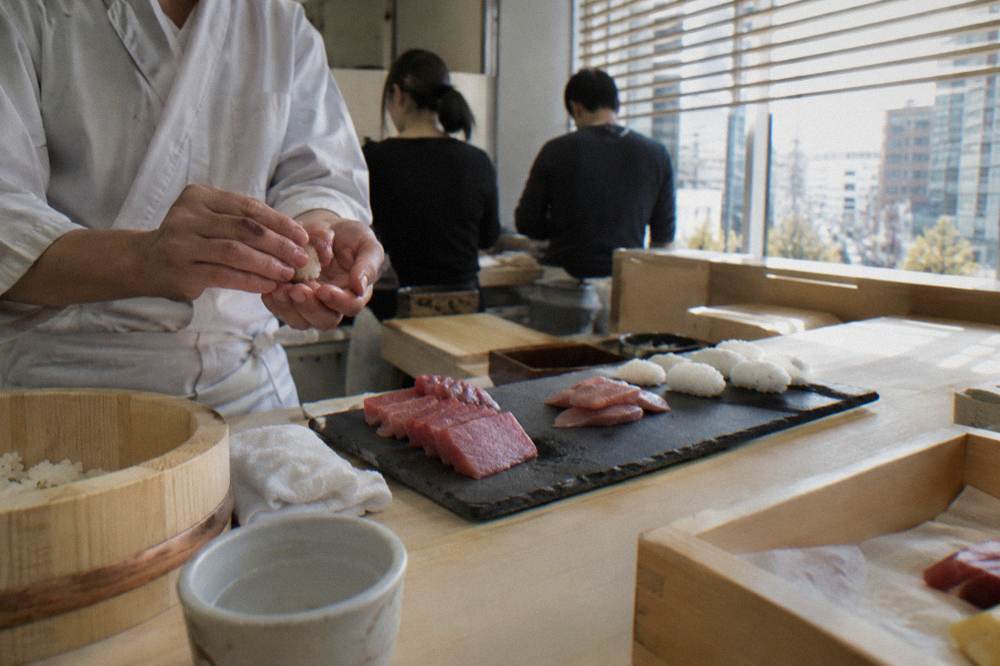
Day three, do a class. The Sushi Making Class, 3 Hours in a small group, rated 5 across 175 reviews and from $71.26 per person, puts the techniques of the capital's most famous dish into your own hands, and the 3 hours fly. If noodles pull harder, the Ramen Class covering tonkotsu, shoyu and miso in 1 hour 30 minutes, rated 5 across 259 reviews, from $113.36 per person, is the fast version.
Two practical notes before you book. Consumption tax runs 10 percent on restaurant meals and 8 percent on takeaway food, and the National Tax Agency states the rate on food and drink sales is due to be lowered for the two years from April 2027, so expect the arithmetic to shift on a future trip. And if you travel with allergies, note that Japan's specified allergen list for packaged foods grew to nine items when cashew nuts were added on 1 April 2026, but that labelling duty covers packaged goods, not restaurant plates, so message your tour operator before booking rather than assuming accommodation.
So Which City Should You Eat?
If you have one trip, eat Tokyo: it contains the market culture, the counter culture, the decorated high end and the cheap bowls that prove the whole system, and you can move between all four in a day. If you have two cities, add Osaka for three nights of takoyaki, okonomiyaki and the loudest counters in Japan. Osaka is the better party, Tokyo is the better food city, and the title belongs to the one that can do both.
The practical tiebreaker is logistics. Tokyo's food districts, Tsukiji, Asakusa, Shinjuku, Shibuya, Ueno, all sit on the Yamanote and Metro lines, with Suica and PASMO cards interchangeable across both networks, so a food-focused day costs a few hundred yen in transit and no planning stress. The Ueno Walk, 10+ Japanese Classics, about 3 hours 30 minutes, rated 5 across 349 reviews, from $107.99 per person, shows how much one subway hub can hold, and the After 5 Food and Drink Walk, about 3 hours 30 minutes, rated 4.5 across 775 reviews, from $72.47 per person, shows how the same city reorganizes itself around drinking after sunset.
Osaka rewards a different pace: fewer stops, longer sittings, more talking. If that is your trip, go and enjoy it honestly. But the question was which city is the capital, and capitals are judged on what they contain. Tokyo contains everything, including a bowl of ramen at 750 yen national average and a piece of nigiri at 90 yen by the market, and it holds the top of the world's dining guides while doing it.
Common Questions About Japan's Food Capital
What Is The Food Capital Of Japan?
Tokyo is the food capital of Japan by most measurable standards, holding the most Michelin Guide stars of any city in the world, with the deepest range of specialist restaurants and markets. Osaka is the popular rival, famous for takoyaki, okonomiyaki and the kuidaore eating culture, and is well worth its own trip.
Is Osaka Or Tokyo Better For Street Food?
Osaka is better for the classic street snack culture, since takoyaki and okonomiyaki are its signatures and the casual scene is loud and cheap. Tokyo counters it with yakitori at 150 to 400 yen a skewer, conveyor sushi plates from 110 to 150 yen and the hundreds of stalls of Tsukiji Outer Market.
Why Does Tokyo Have So Many Michelin Stars?
Tokyo combines extreme wealth, the largest concentration of demanding customers in Japan, and a specialist dining culture where shops refine one dish for generations. The guide rewards that consistency, and the city renews its lead every year, with ramen shops now earning Bib Gourmand status alongside fine dining.
How Much Does Eating In Tokyo Cost Per Day?
Counting verified figures: a basic ramen bowl averages 993 yen in student districts, a full conveyor sushi meal runs 1,500 to 3,000 yen, and an evening of skewers and drinks at Omoide Yokocho runs 2,000 to 3,000 yen per person. Guided food tours on this site run from $36.15 to $289.25 per person when you want one.
Which Food Tours Show Tokyo At Its Best?
The most reviewed options on this site are the Shinjuku Local Eateries Walk, rated 4.9 across 10,498 reviews, from $84.21 per person, and the Tsukiji Market, 5 Tastings walk, rated 4.9 across 3,868 reviews, from $97.17 per person. For hands-on learning, the 3-hour Sushi Making Class is rated 5 across 175 reviews, from $71.26 per person.