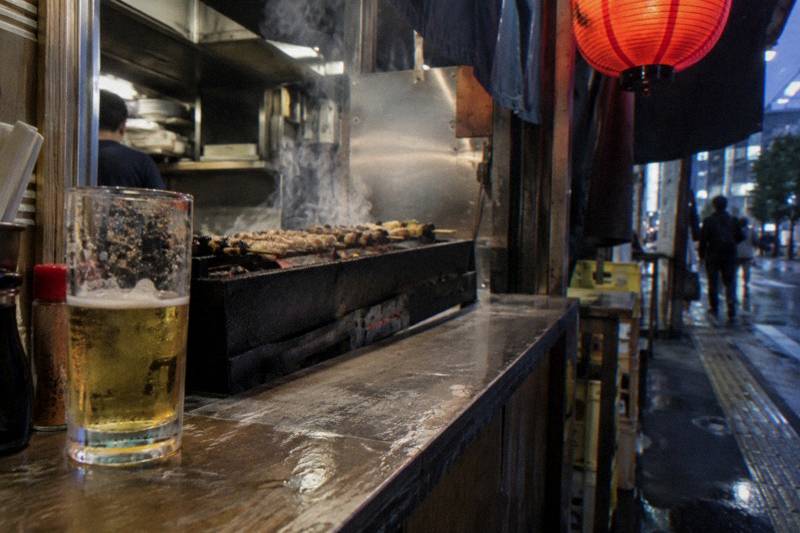
What Food Is Shinjuku Famous For?
Shinjuku is famous for yakitori, motsuyaki, late-night ramen and izakaya food. Here is where to eat each one, what it costs, and how a guided walk fits in.
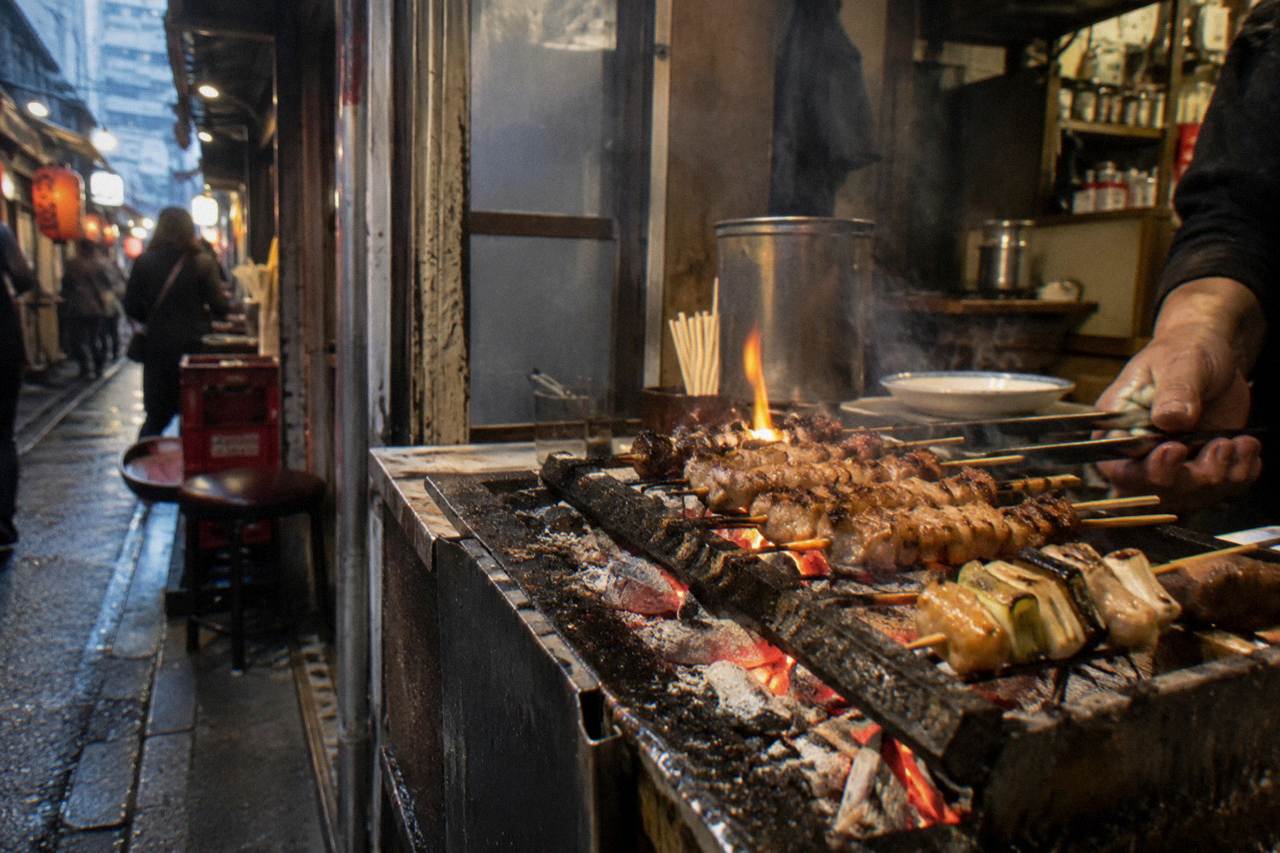
Shinjuku eats after dark. The district's food fame rests on a handful of narrow lanes near the station's west exit, where charcoal grills, offal specialists and standing bars have fed office workers since the post-war years, and on a ramen and izakaya scene that keeps going long after the last train. This page covers the dishes Shinjuku is actually known for, what they cost, and where to find each one without guesswork. Once you've eaten your way through Shinjuku, our guide to the dishes worth trying across Tokyo widens the net to ramen, sushi and street food in the rest of the city.
Shinjuku is famous for yakitori and motsuyaki, grilled chicken and offal skewers served in the cramped counters of Omoide Yokocho, a lane of roughly 80 premises near the station's west exit. Around it sit late-night ramen shops, izakaya small plates and the bars of Golden Gai. Casual skewer prices commonly run 150 to 400 yen each, and a typical Omoide Yokocho evening of skewers and drinks costs about 2,000 to 3,000 yen per person.
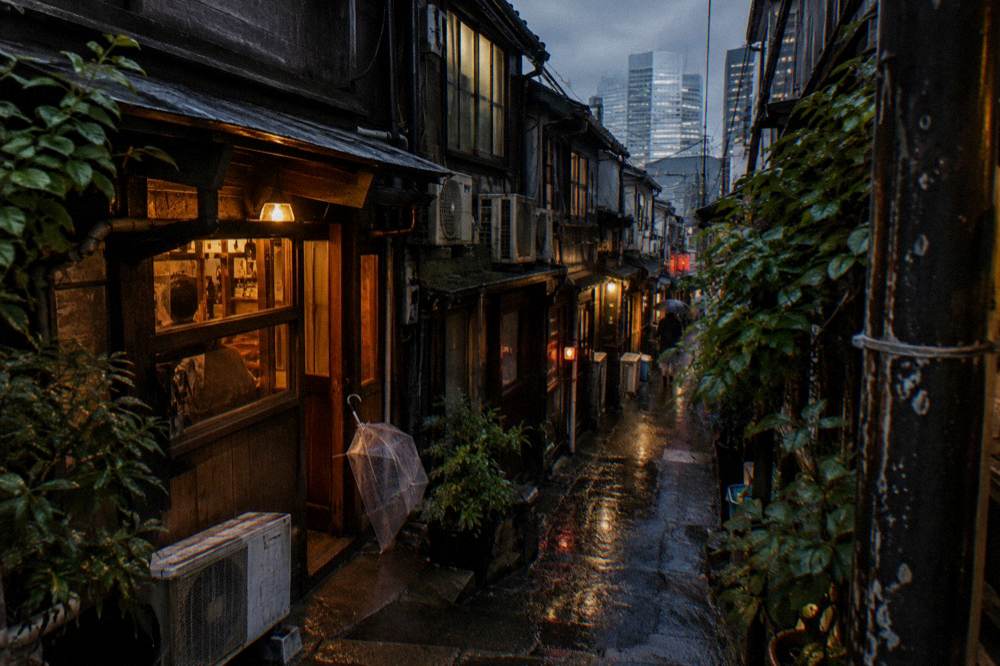
That single lane deserves the attention it gets. Omoide Yokocho packs about 60 bars and restaurants into roughly 2,000 square metres, most of them motsuyakiya and yakitoriya, the offal and chicken grill counters that grew out of the post-war black-market era. The grills are still the point. You sit inches from the cook, order skewers a few at a time, and drink whatever the counter pours. Most counters open from around 5 p.m. until midnight or later, though each shop sets its own hours and the lane itself is always walkable.
The rest of Shinjuku spreads outward from there. Salaryman izakaya clusters around the station's west side, ramen shops with queues late into the night, depachika basement food halls in the department stores, and the six tiny alleys of Golden Gai where the snacks are secondary to the drinking. Getting between them is easy: the JR Yamanote Line serves Shinjuku Station directly, Tokyo Metro operates nine lines across the central wards with connections here, and Suica and PASMO IC cards work interchangeably on both networks, so a food crawl across the district needs no planning beyond a charged card.
A guided walk ties these together neatly: the Shinjuku Local Eateries Walk runs about 3 hours from $84.21 per person, is rated 4.9 across 10,498 reviews, and moves through local eateries rather than tourist restaurants. Check availability
If you want to compare the main options before reading further, Shinjuku food walks listed on this site cover the district's signature foods across a wide range of prices.
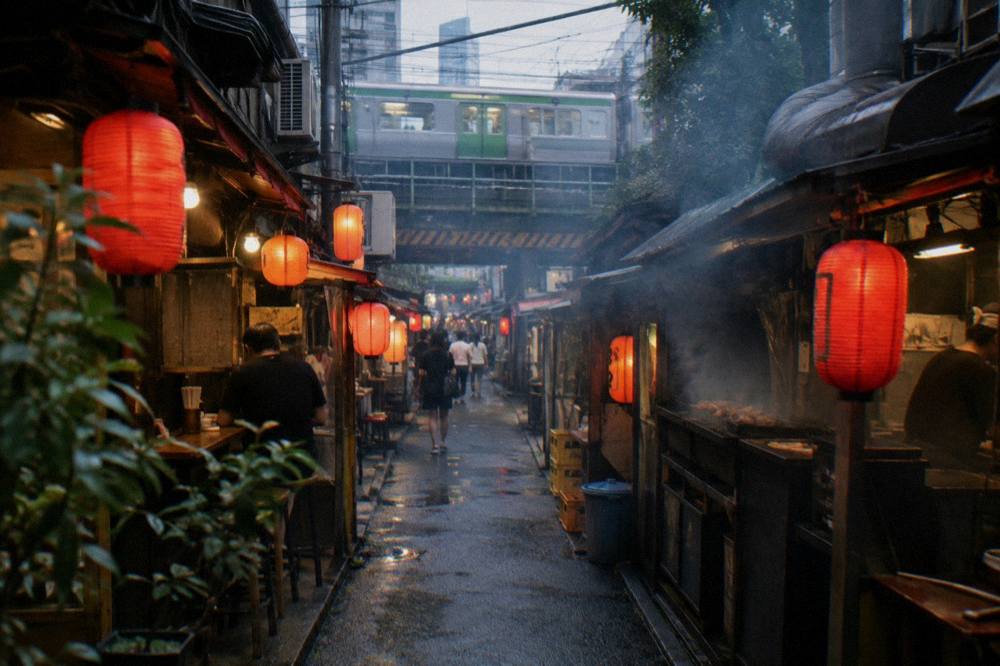
Yakitori And Motsuyaki In Omoide Yokocho
Omoide Yokocho is Shinjuku's core food landmark: a post-war bar district of about 80 premises, most of them yakitori and motsuyaki counters, packed into 2,000 square metres beside Shinjuku Station's west exit. Skewers commonly cost 150 to 400 yen each, and a typical evening of skewers and drinks runs about 2,000 to 3,000 yen per person. Many counters open from around 5 p.m. to midnight or later.
The district's own official site describes its history plainly: it began as a bar area after the war, when motsuyakiya, shops grilling pork offal, set up beside the station because offal was cheap and filling. That origin still shapes the menu. Motsuyaki means grilled horumon, the various cuts of offal, seasoned with salt or tare sauce, and the best counters treat it as a specialty rather than a novelty. Yakitori, chicken skewers using the thigh, skin, wing, liver and cartilage, shares the same grills. Ordering is simple: point at what the neighbours are eating, order two or three skewers at a time, and let the meal accumulate. There is no alley-wide opening schedule; each shop decides its own, some starting in the morning or midday but most in the afternoon or early evening.
Money habits matter here more than in most of Tokyo. Many Omoide Yokocho counters are cash-only, and some that accept cards or QR payment still prefer cash for small tabs. Some counters add an otoshi, a seat charge of 300 to 500 yen that arrives as a small unordered starter; it is a standard table charge, not a tip, and it appears on the bill. Tipping itself is not customary in Japan, as the Japan National Tourism Organization notes plainly: it is not common to tip in bars, cafes, restaurants, taxis and hotels. Staff may even return money left behind by mistake, so pay the exact bill and keep your coins.
For visitors who want the lane without the ordering anxiety, a guided walk earns its price. The Shinjuku Walk, 15 Dishes 4 Eateries tour spends about 3 hours at four local eateries, includes 15 dishes and three drinks, and costs from $76.10 per person; it is rated 4.84 across 487 reviews. The value of a guide in this particular lane is concrete: the guide knows which counters take cards, which add an otoshi, and which grill the motsu properly, three facts a first-time visitor otherwise learns by surprise.
| Dish | What it is | Where it shines in Shinjuku | Typical cost |
|---|---|---|---|
| Yakitori | Chicken skewers grilled over charcoal, salt or tare | Omoide Yokocho counters, izakaya | 150 to 400 yen per skewer |
| Motsuyaki | Grilled beef and pork offal, salt or sauce | Omoide Yokocho motsuyakiya | 150 to 400 yen per skewer |
| Tsukune | Hand-rolled chicken meatball, often with egg yolk | Yakitori specialty counters | 150 to 400 yen per skewer |
| Otoshi | Small unordered appetizer that acts as a seat charge | Izakaya and lane counters | 300 to 500 yen per person |
Ramen And The Late-Night Bowl
Shinjuku is one of Tokyo's densest late-night ramen areas, with shops around the station serving well past midnight. The national average price of a shoyu ramen bowl stood at 750 yen in September 2026, and a survey of 81 shops in the nearby Takadanobaba-Waseda area found an average of 993 yen for a basic bowl, with the cheapest at 600 yen. Central Shinjuku bowls generally sit near those survey numbers rather than far above them.
The district's ramen identity is competitive breadth rather than one famous shop. Tonkotsu, shoyu, miso and the newer tori paitan chicken broths all have committed followings here, and the Michelin Guide's Tokyo 2026 edition gave Bib Gourmand status to multiple ramen shops in the city, including Teuchi Asama and Ginza HARU CHAN Ramen among sixteen new Bib Gourmand additions, a sign of how far the bowl has climbed from pure fast food. Queues in Shinjuku move fast because the shops are built for turnover: buy a ticket from the vending machine, hand it over, eat, leave. Ten minutes is a normal meal, and the counter staff expect the pace.
A few practical notes make the experience smoother. Cash is still king at many independent ramen shops, though card and cashless payment is increasingly common in chains and mid-range venues. Remember the tax split when you compare prices: restaurant meals in Japan carry 10 percent consumption tax while takeaway food carries 8 percent, a distinction the National Tax Agency sets out clearly, with a further reduction in the food and drink rate scheduled for the two years from April 2027. Slurping your noodles is entirely normal; finishing the broth signals a good bowl.
Seasonality reaches the ramen counter too. Autumn in Tokyo is peak season for sanma, the Pacific saury that appears salt-grilled everywhere, along with mushrooms and new rice, and ramen shops join in with limited bowls built around those ingredients. A September visit tastes different from a March one, which is a good reason to stop at whatever shop has a seasonal sign out rather than hunting one specific name.
For travellers who want to understand the bowl rather than just eat it, the Shibuya Ramen Cooking Class teaches tonkotsu, shoyu and miso in 90 minutes from $113.36 per person, rated 5 across 259 reviews, a short train ride away on the Yamanote Line.
Izakaya Food And The After-Work Kitchen
Izakaya are the engine of Shinjuku's food scene: informal drinking restaurants serving small plates like edamame, karaage fried chicken, sashimi and grilled skewers, often with an otoshi seat charge of 300 to 500 yen. Yakitori skewers commonly run 150 to 400 yen, and most counters around the station open from around 5 p.m., filling with after-work crowds by 7 p.m.
The word izakaya literally means "stay-in sake shop", a place to drink sitting down rather than buying and leaving, and Shinjuku has more of them per block than almost anywhere in Japan. The food is built to accompany beer and sake: cold edamame, agedashi tofu, karaage, mentaiko, and whatever the day's blackboard offers. Dishes arrive as they are ready rather than in courses, which suits a group sharing everything, less so a diner expecting a structured meal. Our piece on what izakaya means in Japanese unpacks the history, but the short version is that Shinjuku's version of the form grew directly out of its post-war lanes. Eating by neighborhood is easier when The Tokyo Food List shows you what is within a 10-minute walk on a map.
Booking matters more than newcomers expect. Many casual Shinjuku eateries work first-come, first-served, while destination spots often require advance reservation, and no-shows or late cancellations at popular places can trigger fees. If your plans change, tell the venue. A guided crawl removes this friction entirely, since the guide holds the relationships: the Bar Hop, Free Flow Full Dinner tour runs about 3 hours from $109.35 per person, rated 4.9 across 4,086 reviews, with a free-flow dinner through Shinjuku including Golden Gai.
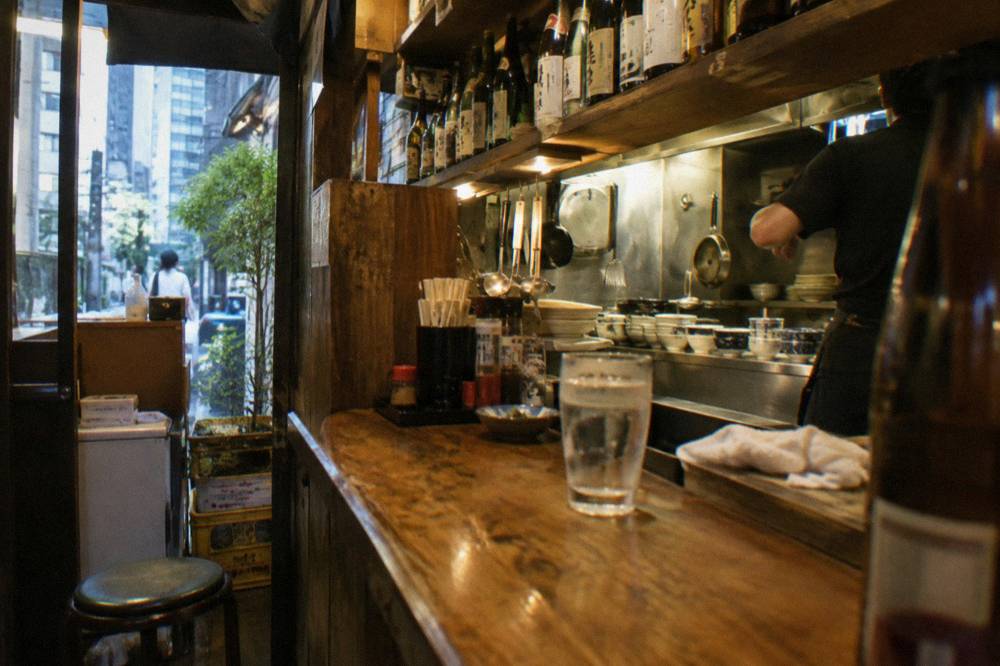
Allergy-aware diners should do one extra thing before booking anywhere: message the operator. Japan's mandated allergen labelling covers packaged processed food, a list that grew to nine items when cashew was added on 1 April 2026, and restaurant dishes are generally not required to carry such labels, so the Consumer Affairs Agency's rules will not protect you at a counter. A quick message before you book solves what a menu cannot.
Golden Gai And The Drinking Snacks
Golden Gai is a cluster of around 200 bars in six tiny alleys east of Kabukicho, and its food culture is snack-sized: bars typically open around 8 p.m., close between 2 and 5 a.m., and commonly charge a cover of 500 to 1,500 yen per person, often including a small otoshi snack. Cash remains the reliable payment method, and photography in the alleys requires the association's permission.
The lanes are private roads maintained by the shopping-street association, which is why the photography rule exists and why the bars can set their own door policies. Many welcome foreign visitors, with English signs, English menus and posted cover charges, but some are regulars-only, and the etiquette is to read the door before you sit. Inside, a Golden Gai bar is often five seats wide, run by one owner, and built around conversation, jazz, film or whisky rather than food. The eating here is deliberately light: a snack plate, some cheese, maybe a stew, enough to steady the evening.
Budget with the cover in mind. A bar charging a cover at the door plus a drink behind it means a two-bar evening can cost more than a full Omoide Yokocho dinner, so decide in advance whether Golden Gai is your main event or your nightcap. The Budget Crawl, No Meal Included tour prices this honestly: about 3 hours from $36.15 per person, rated 4.9 across 2,911 reviews, with drinks bought as you go rather than bundled, which keeps the entry price low and the total flexible.
For a shorter Golden Gai introduction with a guide handling door etiquette, the Golden Gai Crawl, 2 Hours tour costs from $97.17 per person and is rated 4.8 across 180 reviews.
Depachika, Sweets And Daytime Eating
Shinjuku's daytime food identity sits underground: the depachika, department store basement food halls beneath the towers near the station's east side, selling bento, wagashi sweets, fried food and takeaway at 8 percent tax rather than the 10 percent charged for eating in. Above ground, konbini onigiri run from about 145 to 235 yen depending on filling, and standing soba shops near the tracks serve quick noodle lunches.
A depachika is the calm counterpoint to the evening lanes. Isetan's basement, among the best known, lays out counters of tempura, tonkatsu, sushi platters, French patisserie and wagashi, the traditional sweets made from rice and bean paste, with a precision that makes it as much a display as a shop. Lunch here is assembled, not ordered: buy a bento, find a bench or a hotel room, eat. The tax difference rewards this. Takeaway food is taxed at 8 percent while eating in is taxed at 10, so a takeaway bento is quietly cheaper than the same item at a table, and from April 2027 the food and drink rate is scheduled to be lowered further for two years.
Sweets deserve their own walk. Wagashi change with the season, chestnut and persimmon motifs in autumn, and a hands-on class such as the Mochi and Nerikiri Wagashi Combination Cooking Class, 2 hours 30 minutes from $80.97 per person and rated 5 across 37 reviews, teaches the shaping techniques in a single sitting. Between meals, the konbini fill gaps: October 2026 pricing put salt musubi onigiri at 145 to 149 yen, kombu at 184 to 198 yen and salmon at 211 to 235 yen across the big three chains, and larger multi-filling onigiri at Lawson run higher, with some varieties at 376 yen.
How A Guided Walk Fits The District
A guided food walk suits Shinjuku better than almost any other Tokyo district, because the best eating is concentrated in lanes where cash habits, cover charges and door etiquette are easy to get wrong. Guided options run from $36.15 per person for a no-meal crawl to $217 for a premium Golden Gai dinner, and durations range from 2 to 3 hours, so the choice is really about how much food you want included. If you plan to eat your way across the city, the guide to eating in Shibuya covers which streets to walk, what a meal typically costs, and how cover charges and tipping work there.
The Shinjuku Local Eateries Walk, about 3 hours from $84.21 per person, rated 4.9 across 10,498 reviews, is the balanced pick: local eateries, a guide who handles ordering, and a price that includes the food. The 15 Dishes tour pushes quantity, four eateries and 15 dishes plus drinks for $76.10. The Budget Crawl at $36.15 trades included food for flexibility and drinks paid as you go. Each answers a different version of the same question, and none requires you to read a Japanese menu alone.
Booking on the day is often possible for the crawls, though weekend evenings fill first, so the booking page is the honest source for tonight's availability. Operators of these walks typically allow free cancellation up to a stated cutoff, and the terms are shown on each booking page before you pay. One more scheduling note: group sizes on Tokyo food walks vary by operator, so check the listing before booking, so if you want a quieter table, check the booking page for the group cap before choosing between otherwise similar walks.
Shinjuku rewards the hungry. Come for the skewers, stay for the alleys, and let the district's post-war appetite do the rest. The same appetite built Tokyo Food Tours around this neighbourhood, and it still sets the standard for a night of eating in the capital.
Common Questions About Shinjuku Food
What Food Is Shinjuku Famous For?
Shinjuku is famous for yakitori and motsuyaki skewers grilled in the counters of Omoide Yokocho, plus late-night ramen, izakaya small plates and the bar culture of Golden Gai. Skewers commonly cost 150 to 400 yen each, and a typical Omoide Yokocho evening of food and drinks runs about 2,000 to 3,000 yen per person.
Is Omoide Yokocho Worth Visiting For Food?
Yes, if grilled skewers eaten at a tiny counter appeal to you. It is the historic heart of Shinjuku food, about 60 bars and restaurants in one lane, and most counters open from around 5 p.m. Bring cash, expect a 300 to 500 yen otoshi seat charge at some shops, and check the door before sitting.
How Much Does A Food Tour In Shinjuku Cost?
Guided Shinjuku food and drink walks range from $36.15 per person for a no-meal bar crawl to $217 for a premium Golden Gai food tour. Mid-range options include the Shinjuku Local Eateries Walk at from $84.21 per person and the 15 Dishes tour at from $76.10 per person.
Is Golden Gai About Food Or Drinking?
Drinking, mostly. Golden Gai bars typically open around 8 p.m., charge a cover of 500 to 1,500 yen per person that often includes a small snack, and serve conversation rather than dinners. Eat in Omoide Yokocho or the izakaya around it first, then treat Golden Gai as the nightcap.
Do Shinjuku Restaurants Take Credit Cards?
Increasingly, but not everywhere. Many independent ramen shops and lane counters remain cash-only or prefer cash for small tabs, while chains and mid-to-high-end venues commonly accept cards. Carrying some yen is the safe default for the alleys.