What To Eat In Tokyo: The Dishes Worth Trying
A working list of what to eat in Tokyo: the dishes that define the city, what they cost on the street and at the counter, and the tours that put them in front of you the same day.
Short answer
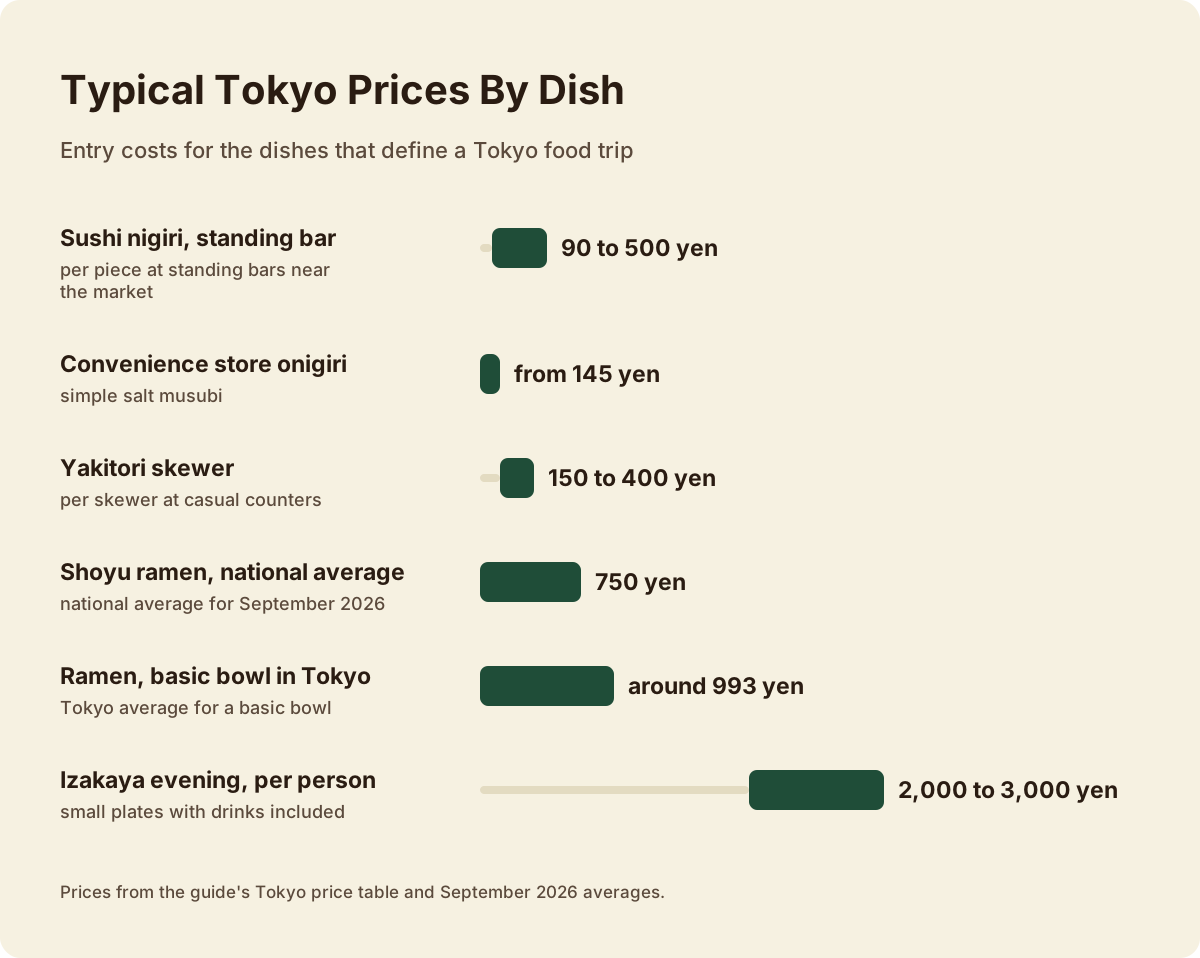
Start with ramen, nigiri sushi, yakitori and tamagoyaki at Tsukiji, then move to izakaya plates at night. A basic ramen bowl averages around 993 yen in Tokyo, conveyor sushi meals run 1,500 to 3,000 yen, and guided walks serving these dishes run from $36.15 to $231 per person.
Tokyo eats by district and by hour. In the morning the queues form at tamagoyaki counters near the old fish market, at lunch they snake outside ramen shops in Shinjuku and Ueno, and after dark the alleys behind Shinjuku Station fill with smoke from yakitori grills. The national average price of a basic bowl of shoyu ramen stood at 750 yen in September 2026, while a survey of 81 shops around Takadanobaba and Waseda put a basic bowl at 993 yen in one Takadanobaba-Waseda survey, so this is a city where the essential eating is also the cheap eating.
The question is rarely whether the food is good. It is what to order, where, and how to fit it into two or three days without drifting into the first empty place near the station. This guide walks through the dishes that define a Tokyo food trip, what each one costs on the street and at the counter, and which guided walks serve them, because a tasting tour is the fastest way to cover six or more of these dishes in a single evening. Options span everything from a 36 dollar bar crawl to a 231 dollar old town walk, so Tokyo Food Tours covers nearly every budget.
What Should You Actually Eat In Tokyo?
If you only have a short trip, build your eating around five pillars: ramen, nigiri sushi, yakitori, tamagoyaki and izakaya small plates, plus street snacks like onigiri and taiyaki between meals. Each pillar is cheap by international standards, available in every major district, and together they cover the range of Tokyo cooking from market breakfast to late-night grill. A guided walk compresses the same list into one sitting. For a district where the late-night scene peaks, the guide to Shinjuku's famous foods points you to the best yakitori alleys, motsuyaki stalls and after-dark ramen counters.
Ramen is the entry point for most visitors, and Tokyo treats it seriously. The Michelin Guide's Tokyo 2026 edition handed Bib Gourmand status to 16 new restaurants, among them ramen shops such as Teuchi Asama and Ginza HARU CHAN Ramen, which tells you something unusual: this is one of the few cities where a noodle counter sits in the same guide as kaiseki restaurants. Sushi works the same way at the other end of the scale. Standing sushi bars near Tsukiji sell individual nigiri from around 90 to 500 yen a piece, and conveyor chains start plates at 110 to 150 yen with a full meal usually landing between 1,500 and 3,000 yen. Ginza comes up often in these conversations, and our guide to the food Ginza is famous for walks you through its sushi counters, ramen shops, and izakaya alleys.
The street layer holds the rest. Yakitori skewers at casual counters commonly run 150 to 400 yen each, convenience store onigiri start at 145 to 149 yen for a simple salt musubi, and at Tsukiji the tamagoyaki stall is the classic first stop of any market morning. Evening belongs to the izakaya, where an unordered appetizer called otoshi often appears as a per-person seating charge, typically a few hundred yen, listed on the bill rather than tipped. None of this requires planning weeks ahead, but a first-timer eating blind will miss half of it, which is where a guided walk earns its price.
Which Dishes Define A Tokyo Food Trip?
The defining dishes are ramen in its Tokyo shoyu style, nigiri sushi, yakitori and other skewered grill food, tempura, monjayaki, and izakaya plates like edamame, karaage and dashimaki tamago, with tamagoyaki and fresh uni at the market as the daytime anchors. Every one of these is represented on at least one guided walk in the city, several on a single walk.
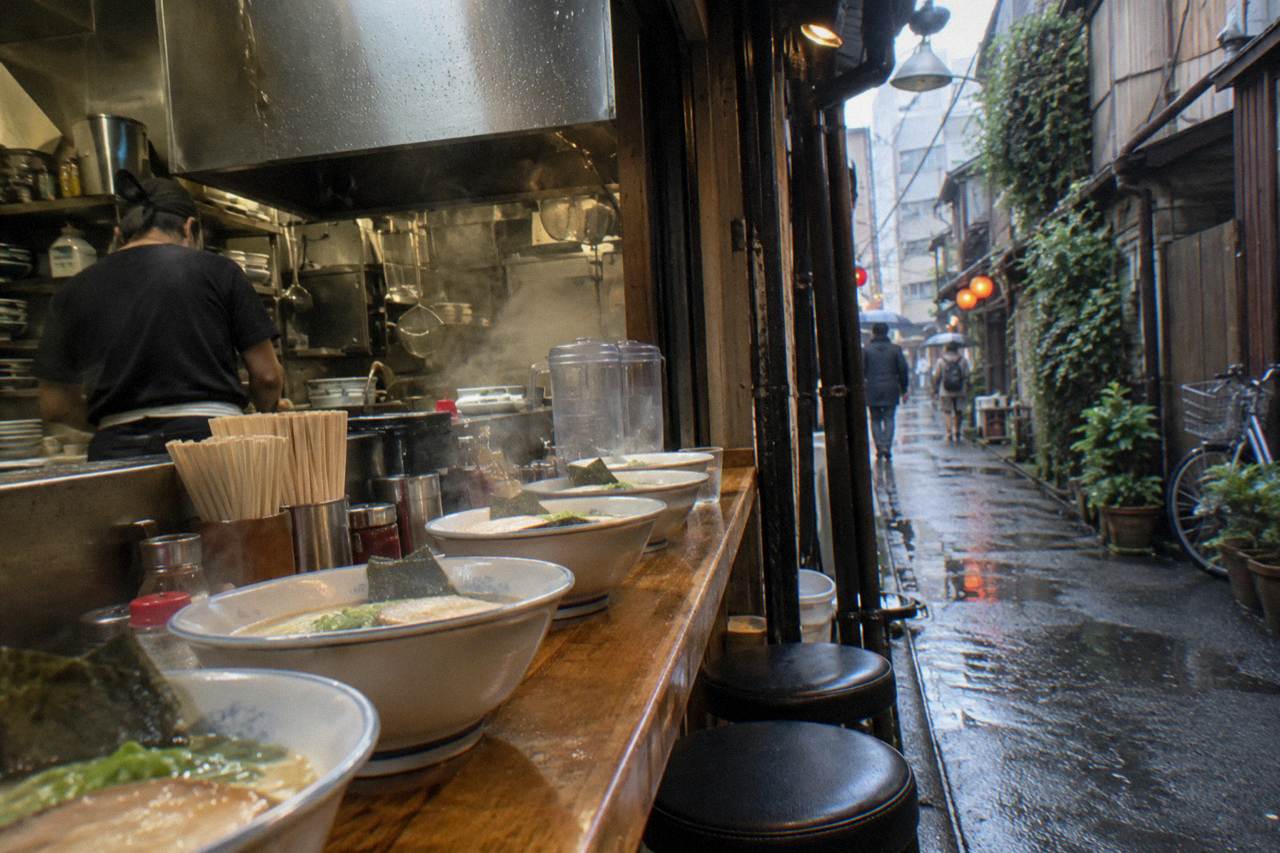
Ramen deserves its own sentence structure. The classic Tokyo style is shoyu, a clear soy-based broth, but tonkotsu and miso bowls are everywhere, and the national average for a shoyu bowl sat at 750 yen as of September 2026. If you want the fuller ramen picture, the best ramen in Tokyo guide breaks down the styles shop by shop, and the four types of Japanese ramen explainer covers the broths before you order.
Sushi in Tokyo is a counter experience first. The national average for a serving of nigiri as dining out was 1,592 yen in September 2026, but Tokyo's range is enormous: standing bars near the market from 90 yen a piece, conveyor chains from 110 yen plates, then omakase counters climbing into the tens of thousands of yen. Monjayaki belongs on the list too, a runny Tokyo cousin of okonomiyaki; official association shops on Tsukishima list dishes around 1,500 yen tax included.
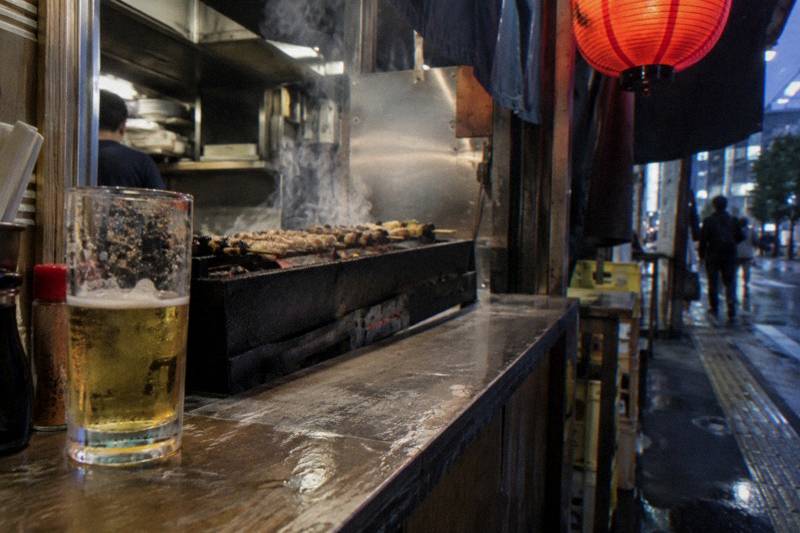
The evening layer is the izakaya. Karaage fried chicken, dashimaki tamago, grilled fish, motsuyaki offal skewers and infinite variations of pickles and tofu arrive as small plates meant to pace an evening of drinking. Omoide Yokocho near Shinjuku Station's west exit holds roughly 80 premises in about 2,000 square metres, most of them motsuyaki and yakitori counters, and a typical spend there for skewers and drinks runs 2,000 to 3,000 yen per person.
| Pillar | Signature dishes | Typical Tokyo price | Best time of day |
|---|---|---|---|
| Ramen | Shoyu, tonkotsu, miso bowls | around 993 yen basic | Lunch or late night |
| Sushi | Nigiri, conveyor plates, omakase | 90 to 500 yen per piece standing; meals 1,500 to 3,000 yen | Lunch or dusk |
| Yakitori and grill | Chicken skewers, motsuyaki | 150 to 400 yen per skewer | Evening |
| Market food | Tamagoyaki, uni, seafood skewers | Set per shop, no market-wide list | Morning |
| Izakaya plates | Karaage, dashimaki tamago, edamame | 2,000 to 3,000 yen per person with drinks | Evening |
| Street snacks | Onigiri, taiyaki, ningyo-yaki | from 145 yen | Any time |
Where Do You Find The Best Street Food In Tokyo?
Street food concentrates in four places: Tsukiji Outer Market for tamagoyaki, seafood skewers and uni, the Asakusa approach around Nakamise for traditional sweets and senbei, the Ameyoko arcade in Ueno for snack-on-the-move foods, and the yokocho alleys of Shinjuku for grilled skewers at counter shops. Each district has guided walks that hit multiple vendors in one loop.
Tsukiji is the heavyweight. The Outer Market is a cluster of hundreds of independent shops across fresh and processed seafood, dried foods, tamagoyaki specialists, kitchenware sellers and small eateries, and the official guidance is strict about how to behave there: eat inside the eatery or directly in front of the store, never while walking, and professional buyers have priority until 9 a.m. Many shops close on Sundays, national holidays and selected Wednesdays that follow the Tokyo Central Wholesale Market closure calendar, and each shop keeps its own hours, so check the official market calendar before you set out. The full picture, including access and manners, is in the Tsukiji Outer Market food tour guide.
Asakusa works differently. The streets leading to Senso-ji are lined with ningyo-yaki little cakes, age-manju fried dumplings, melon pan and senbei rice crackers, and the Asakusa Walk, 12 Dishes covers twelve dishes at local eateries across roughly two and a half hours, from $75.30 per person, rated 4.85 across 73 reviews. Check availability. When you are picking a restaurant in Tokyo on your own, The Tokyo Food List gives you tourist favorites and local spots with Google Maps pins.
Ueno's Ameyoko market arcade is the scrappiest of the three, a post-war bazaar street that still sells kebabs, fresh fruit on sticks, takoyaki and fried goods alongside sneakers and watches. The Ueno Walk, 10+ Japanese Classics strings together more than ten tastings of Japanese classics over three and a half hours, from $107.99 per person, rated 5 across 349 reviews.
Is Ramen Or Sushi The Better First Meal?
Ramen is the better first meal on a practical trip: it is faster, cheaper and needs no booking, with basic bowls in Tokyo averaging around 993 yen and takeaway taxed at 8 percent. Sushi rewards a second sitting, ideally at a standing bar near the market or a counter where you can watch the chef, with the national average serving at 1,592 yen.
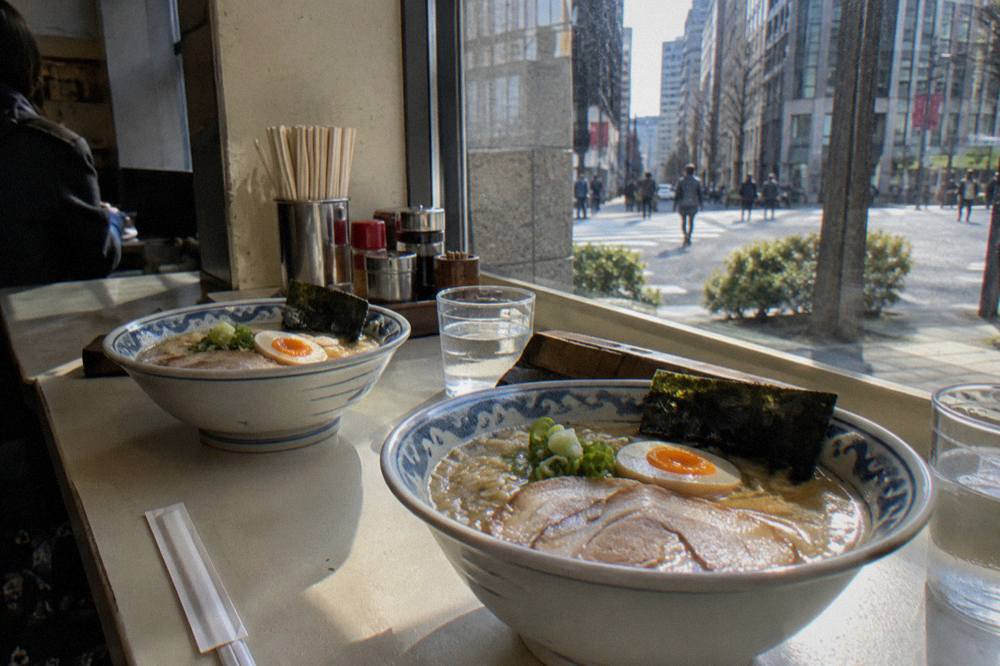
The economics tell the story. That Takadanobaba and Waseda survey of 81 shops found basic bowls from 600 yen at the low end, and even the cheapest lunch ramen in central Tokyo sits within reach of a convenience store meal. Sushi scales the other way: standing bars near Tsukiji sell nigiri from roughly 90 to 500 yen a piece, conveyor chains from 110 to 150 yen a plate, and everything above that is a sit-down experience where the bill tracks the chef's sourcing.
There is also a tax wrinkle worth knowing at the counter. Under the National Tax Agency's rules, dine-in meals carry the standard 10 percent consumption tax while takeaway food qualifies for the reduced 8 percent rate, and the agency has signalled that the food and drink rate will be lowered for the two years from 1 April 2027 to 31 March 2029. If you cannot decide between the two, split the day: ramen at lunch, sushi at dusk.
Cooking the dishes yourself is a third route, and Tokyo is unusually good at it. The Sushi Making Class, 3 Hours runs from $71.26 per person, rated 5 across 175 reviews, and the Ramen Class, Tonkotsu Shoyu Miso teaches all three major broths in ninety minutes from $113.36 per person, rated 5 across 259 reviews.
What Should You Eat At Tsukiji Outer Market?
Eat tamagoyaki rolled omelette, fresh uni and tuna skewers, grilled seafood, and the small prepared dishes from the delicatessen stalls, all bought and eaten at the shop itself. The market asks visitors to eat inside the eatery or in front of the store rather than while walking, professional buyers have priority until 9 a.m., and no bargaining is customary because items sell at set prices.
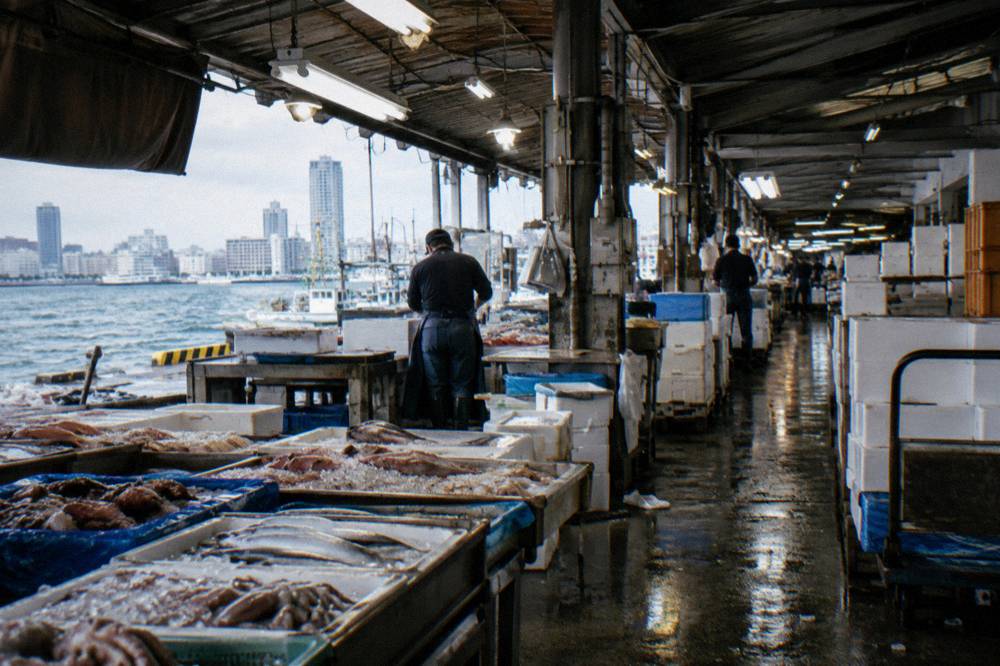
The Outer Market does not publish one set of opening hours. Retail trade for general visitors tends to follow the professional buying window, though each shop sets its own hours, so check the official calendar firstvidual shops operate at their own discretion. Some tamagoyaki specialists keep their own hours, holidays and certain Wednesdays. There is no market-wide price list for street food either; prices vary shop to shop and are confirmed at the counter. Strollers can be stored for 500 yen at the Plat Tsukiji information centre.
A guided walk solves the logistics. The Tsukiji Market, 5 Tastings tour runs about three hours from $97.17 per person, rated 4.9 across 3,868 reviews, and folds five tastings into a loop of the lanes. For the debate on whether the market has become a tourist trap, the is the Tsukiji market a tourist trap post goes through it honestly.
What About Izakaya Food At Night?
At night, eat izakaya: yakitori and motsuyaki skewers, karaage, dashimaki tamago, edamame and whatever the chef sends out, plus the otoshi appetizer that functions as a seating charge of roughly 300 to 500 yen in the yokocho alleys and 500 to 1,500 yen at Golden Gai bars. Typical spend for skewers and drinks at Omoide Yokocho runs 2,000 to 3,000 yen per person.
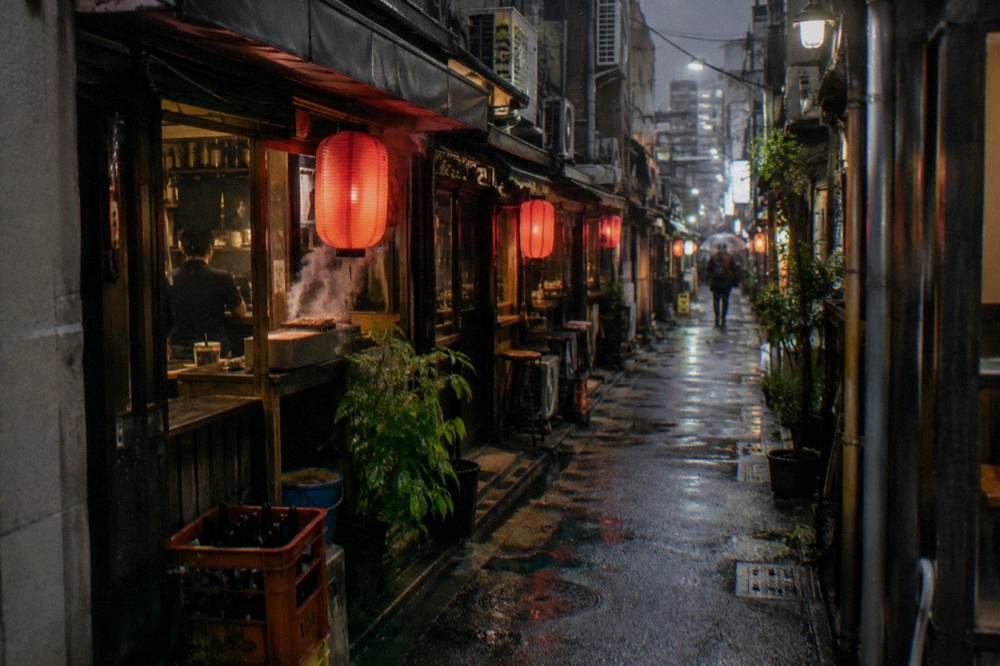
The yokocho have their own rules. Most Omoide Yokocho counters open from around 5 p.m. until midnight or later, though each shop sets its own hours, and many are cash-only or strongly prefer cash for small tabs. Golden Gai bars typically open around 8 p.m., close anywhere from 2 to 5 a.m., and commonly charge a cover of 500 to 1,500 yen per person that often includes a small snack. The alleys are treated as private roads by the shopping-street association, so photography requires permission, and inside a bar you ask the establishment first.
Guided crawls remove the awkwardness of walking into a regulars-only counter alone. The Bar Hop, Free Flow Full Dinner covers a full dinner with free-flow drinks across three hours in Shinjuku from $109.35 per person, rated 4.9 across 4,086 reviews, making it the most reviewed night tour in this category on the site. The Budget Crawl, No Meal Included does the same alleys for from $36.15 per person, rated 4.9 across 2,911 reviews, if you would rather buy your own skewers. The wider Tokyo izakaya tour guide compares them all.
How Much Does Eating In Tokyo Cost?
Eating in Tokyo costs less than most visitors expect at the street level: onigiri from 145 to 149 yen, yakitori skewers 150 to 400 yen each, basic ramen bowls averaging 993 yen locally, conveyor sushi meals 1,500 to 3,000 yen, monjayaki around 1,500 yen and a typical Omoide Yokocho evening 2,000 to 3,000 yen including drinks. A guided food tour runs from $36.15 to $231 per person depending on format. Once you know what things cost, the next question is where to eat, and our neighborhood-by-neighborhood eating guide for Americans covers which areas to start in and how tipping, tax, and etiquette differ from home.
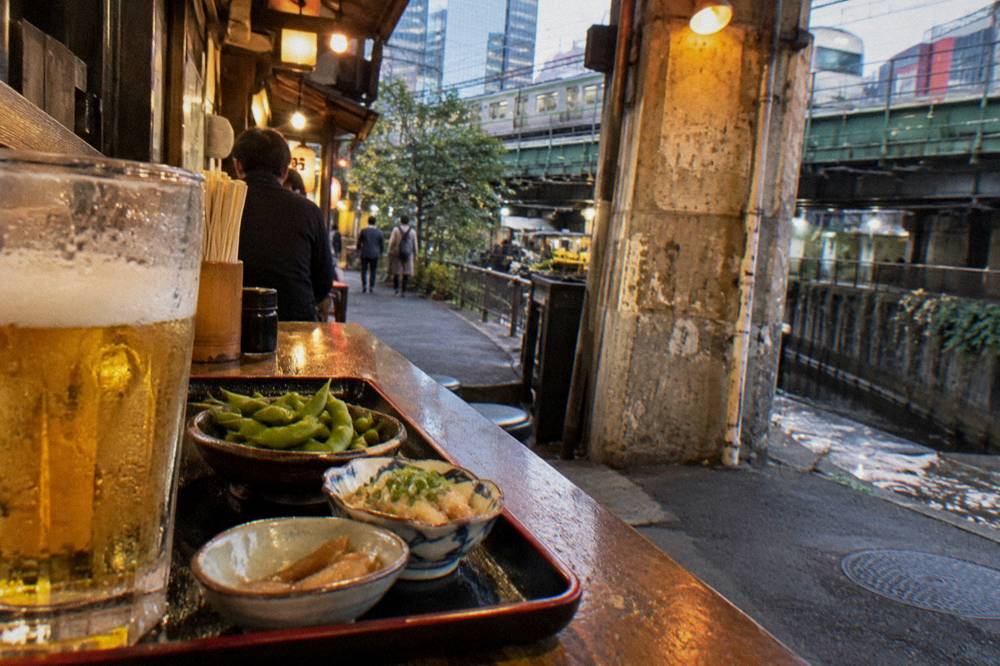
Two practical notes shape the bill. Cash is still widely accepted and often preferred at independent restaurants and ramen shops, though card and cashless payment is increasingly common at chains and mid-to-high-end venues, so carry yen for the alleys. And remember the tax split: 10 percent on dine-in, 8 percent on takeaway food, per the National Tax Agency.
| Dish or experience | Typical price | Where to find it |
|---|---|---|
| Salt onigiri (convenience store) | 145 to 149 yen | 7-Eleven, Lawson, FamilyMart |
| Yakitori skewer | 150 to 400 yen each | Casual counters, yokocho alleys |
| Basic ramen bowl | around 993 yen average | Tokyo-wide |
| Conveyor sushi meal | 1,500 to 3,000 yen | Chain shops citywide |
| Monjayaki dish | around 1,500 yen | Tsukishima association shops |
| Standing sushi nigiri | 90 to 500 yen per piece | Bars near Tsukiji |
| Omoide Yokocho evening | 2,000 to 3,000 yen per person | Shinjuku west exit |
For allergy-aware eaters, one recent change matters: Japan's packaged-food allergen list expanded to nine items on 1 April 2026 with the addition of cashew, but that labelling duty covers packaged food, not restaurant dishes, so tell the guide about allergies before booking rather than relying on labels. The Consumer Affairs Agency keeps the full list.
Which Guided Walk Serves The Dishes You Want?
Match the tour to the dish list: the Shinjuku Local Eateries Walk for izakaya-style evening plates, the Tsukiji and Asakusa walks for market and old-town street food, the Ueno walk for arcade classics, and the cooking classes when you want to make the ramen or the sushi yourself. Prices run from $36.15 to $231 per person and nearly every walk serves six or more items from this list. If Asakusa is where you'll linger longest, the Asakusa food guide maps the stalls and izakaya streets so you can plan your eating before the tour even starts.
The Shinjuku Local Eateries Walk is the general-purpose pick: about three hours, from $84.21 per person, rated 4.9 across 10,498 reviews, moving through a string of local eateries in the district with the most nightlife per square metre in the city. For a same-format comparison elsewhere, the Shibuya Walk, 13 Dishes 3 Eateries also runs about three hours from $84.21 per person, rated 4.9 across 1,437 reviews, and the Shibuya food tour guide places it in context.
| Tour | District | Length | Price | Rating |
|---|---|---|---|---|
| Tsukiji Market, 5 Tastings | Tsukiji | ~3 hours | from $97.17 | 4.9 from 3,868 reviews |
| Asakusa Walk, 12 Dishes | Asakusa | ~2h 30m | from $75.30 | 4.85 from 73 reviews |
| Ueno Walk, 10+ Japanese Classics | Ueno | ~3h 30m | from $107.99 | 5 from 349 reviews |
| 7 Eateries, Shopping Streets Walk | Street food circuit | ~2h 30m | from $75 per group | 5 from 42 reviews |
| Bar Hop, Free Flow Full Dinner | Shinjuku | ~3 hours | from $109.35 | 4.9 from 4,086 reviews |
| Sushi Making Class, 3 Hours | Shibuya | ~3 hours | from $71.26 | 5 from 175 reviews |
| Ramen Class, Tonkotsu Shoyu Miso | Shibuya | ~1h 30m | from $113.36 | 5 from 259 reviews |
One line in that table is priced per group, not per person: the 7 Eateries, Shopping Streets Walk at from $75 per group, a rare structure that suits families. And one premium option stands apart, the Old Town Premium Walk at from $231 per person over three and a half hours, rated 4.9 across 71 reviews, for travellers who want the deepest version of the old-town eating route.
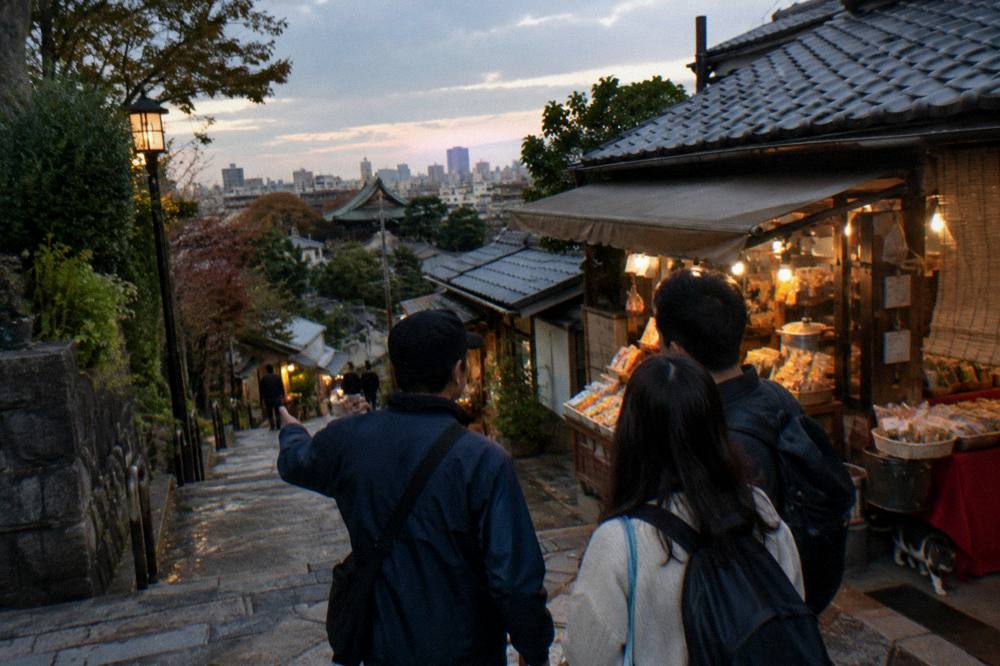
For a fuller cost comparison before you commit, the how much does a Tokyo food tour cost guide breaks the whole market down by format and price band.
What Does A First-Time Visitor Get Wrong?
First-timers mostly get three things wrong: they eat while walking in the market lanes, where it is not permitted, they assume cards are accepted in the yokocho alleys, where cash still rules, and they leave tipping money on the table, which is not customary and may be returned by staff. They also under-book the popular counters, where reservations are sometimes required and no-shows can carry fees.
Tipping sits at the top of the list because it feels wrong to skip. The Japan National Tourism Organization is blunt: it is not common to tip for services in bars, cafes, restaurants, taxis and hotels. Pay the exact bill shown. What looks like a hidden charge, the otoshi appetizer, is a seating fee, not a gratuity, and at upscale restaurants and hotels a fixed service charge of 10 to 15 percent may appear on the bill as part of the stated price.
The second mistake is timing. Casual Tokyo eateries often work first-come, first-served with no reservations at all, while destination spots require advance booking, and no-shows or late cancellations can trigger fees. A guided walk quietly solves both problems, since the guide holds the relationships and the schedule. Chopstick etiquette rounds it out: never stand chopsticks upright in a bowl of rice and never pass food from one pair of chopsticks to another, both of which echo funeral rituals. Indoor smoking is banned outside designated rooms, and restaurants must post a sign at the entrance showing their policy, so the days of smoky counters are largely over.
Can You Cover This List In One Or Two Days?
Yes, if you stack it: a Tsukiji morning, an Asakusa or Ueno afternoon, and a Shinjuku evening covers every pillar on this list in a single well-paced day, or two relaxed ones. Booking one walk per daypart, market, old town and night alley, spans the mid-range tour prices on this site, roughly $75 to $110 per walk, and removes the language and queue friction entirely.
The single-day version looks like this. Start at Tsukiji around 9 a.m. after the professional buyers clear, eat the tamagoyaki and a skewer or two, then take the Toei Asakusa Line from Higashi-ginza for the temple streets and a twelve-dish walk, and finish with the Yamanote Line to Shinjuku for skewers and drinks in the alleys after dark. The transport is trivial: the Yamanote Line serves Shinjuku and Shibuya directly, the Ginza Line reaches Asakusa, and a Suica or PASMO card works on all of it interchangeably.
Two days lets you breathe. Day two could open with a sushi or ramen cooking class in Shibuya, which turns the eating list into a skill, and close with either the Golden Gai crawl or a quieter neighbourhood like Kichijoji, where the Kichijoji Backstreet Crawl runs three hours from $104.62 per person, rated 5 across 38 reviews. Whatever you choose, keep the last evening free for one unplanned counter: the dish you did not read about is usually the one you remember.
Common Questions About Eating In Tokyo
What Should I Actually Eat In Tokyo?
Build around ramen, nigiri sushi, yakitori, tamagoyaki and izakaya small plates, with onigiri and market snacks in between. Basic ramen averages around 993 yen in Tokyo, conveyor sushi meals run 1,500 to 3,000 yen, and a guided walk can cover six or more of these dishes in one outing.
How Much Does A Meal Cost In Tokyo?
Street level is cheap: onigiri from 145 to 149 yen, yakitori skewers 150 to 400 yen, basic ramen around 993 yen, and a full Omoide Yokocho evening with drinks at 2,000 to 3,000 yen per person. Dine-in meals carry 10 percent consumption tax while takeaway food carries 8 percent.
Where Is The Best Street Food In Tokyo?
Tsukiji Outer Market for tamagoyaki and seafood, the Nakamise approach in Asakusa for traditional sweets, Ameyoko in Ueno for arcade snacks, and the Shinjuku yokocho alleys for grilled skewers at night. Each has guided walks that visit several vendors in one loop.
Do I Need To Tip In Tokyo Restaurants?
No. Tipping is not customary in Japanese restaurants, bars or taxis, and staff may return money left behind. The otoshi appetizer that appears on izakaya bills is a seating charge, not a gratuity, and service charges at upscale venues are part of the stated price.
Can I Walk And Eat At Tsukiji Market?
No. The market asks visitors to eat inside the eatery or in front of the store, not while walking, and professional buyers have priority until 9 a.m. Many shops close on Sundays, holidays and selected Wednesdays, so check the official market calendar before going.
Is A Food Tour In Tokyo Worth It?
For a first trip, usually yes. Walks run from $36.15 to $231 per person, cover six to fifteen tastings, and remove the language, queue and cash-friction problems at counter shops. The most reviewed options carry 4.9 ratings across thousands of reviews.