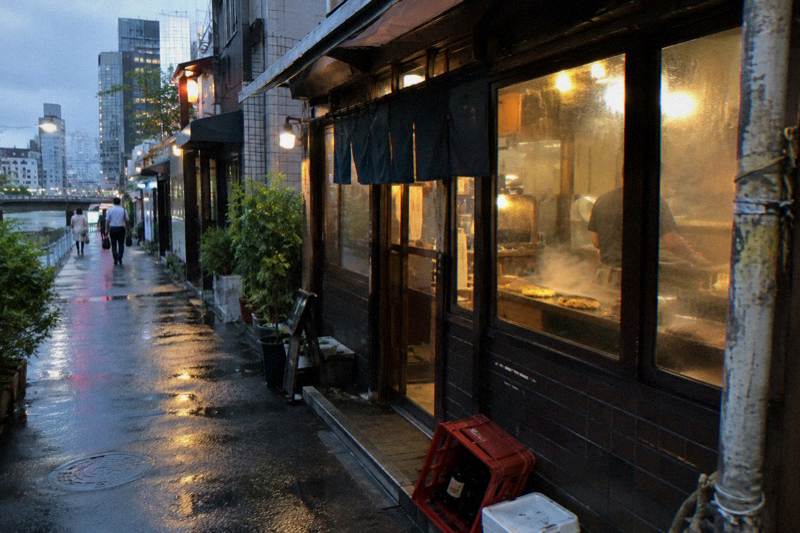
Cheap Eats In Tokyo: Eating Well On A Budget
Tokyo is one of the few world cities where the cheapest meal of your trip can also be one of the best. Here is what budget eating actually costs, district by district, and when a guided tour ends up cheaper than going it alone.
Short answer
A filling budget meal in Tokyo commonly runs 750 to 1,500 yen for ramen or a rice bowl, and conveyor sushi meals total 1,500 to 3,000 yen. The cheapest guided option on this site is the Budget Crawl, from $36.15 per person, followed by the Shibuya Bar Hop from $38.87 per person. Takeaway food is taxed at 8% versus 10% dine-in.
Tokyo rewards the cheap eater more than almost any other expensive city. The national average price of a bowl of shoyu ramen was 750 yen as of September 2026, per the official retail price survey, and a survey of 81 ramen shops in the Takadanobaba-Waseda area put the average basic bowl at 993 yen, with the cheapest at 600 yen. In plain terms: the flagship working-class meal of this city costs less than an airport coffee in most of Europe or North America.
The catch is that cheap in Tokyo does not mean a discount version of good food. The same shops that charge 600 yen for a bowl are often the ones with lines out the door, because price here tracks overhead and history, not quality. This guide lays out what budget meals actually cost in Tokyo, which districts eat cheapest, and the arithmetic that decides when a guided food tour beats striking out alone. For the fullest picture of guided options at every price, the Tokyo Food Tours homepage collects the whole range, from a $36 crawl to the premium private evenings at the top of the scale.
What Does A Cheap Meal Actually Cost In Tokyo?
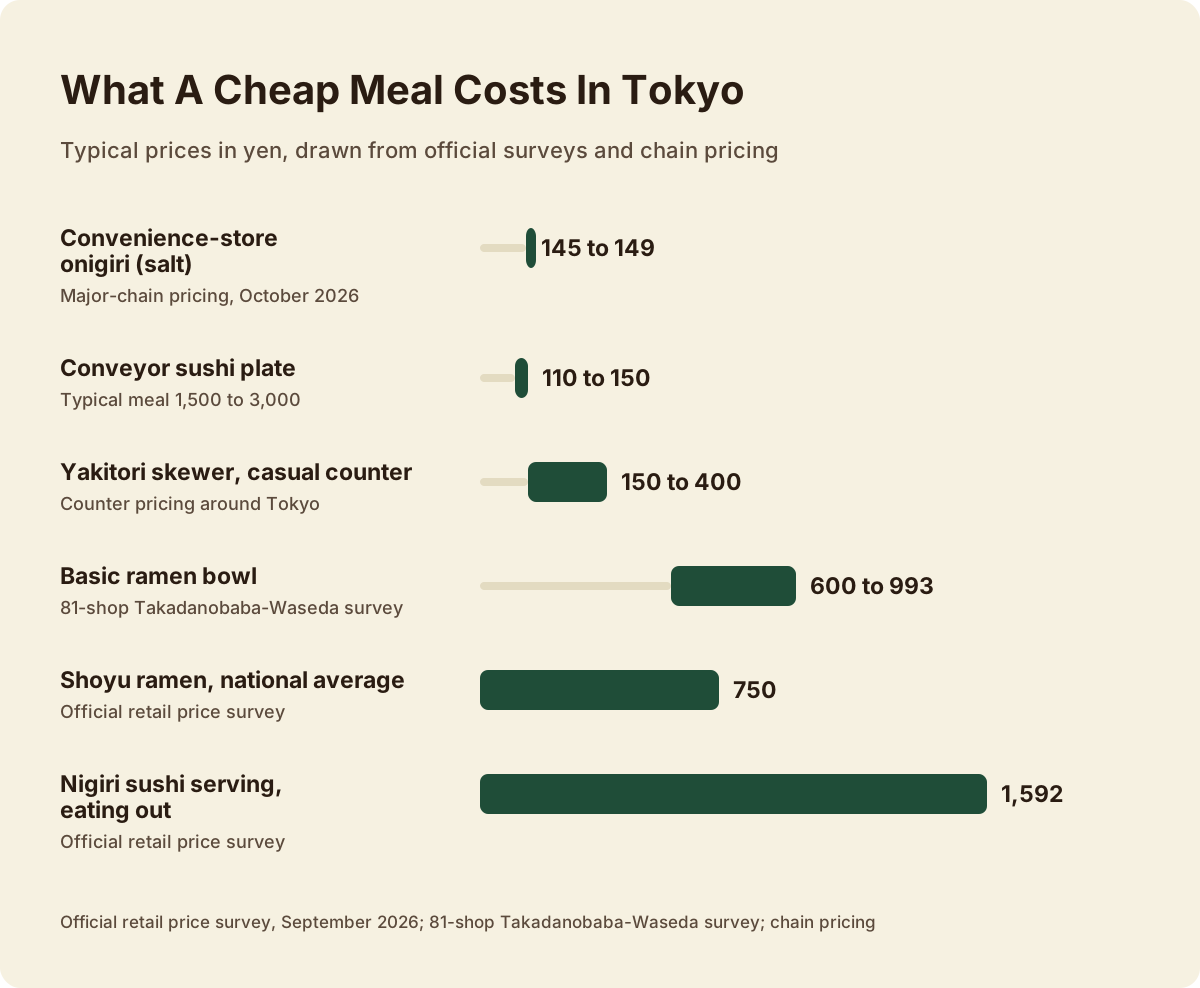
A budget meal in Tokyo most often lands between 600 and 1,500 yen per person: ramen averages 750 yen nationally and 993 yen around Takadanobaba, convenience-store onigiri run 145 to 235 yen, conveyor sushi meals total 1,500 to 3,000 yen, and yakitori skewers at casual counters cost 150 to 400 yen each. The floor is lower than most visitors expect, and the ceiling for a genuinely good cheap dinner sits near 3,000 yen.
The freshest price data all points the same direction. Official retail survey figures for September 2026 put the national average nigiri sushi serving at 1,592 yen for eating out, which covers everything from a standing bar to a mid-range shop. Standing sushi counters near Tsukiji sell individual nigiri pieces from around 90 to 500 yen, so a ten-piece standing lunch can come in under 2,000 yen while you watch the chef work. Convenience stores, which deserve no snobbery here, priced salt musubi onigiri at 145 to 149 yen and salmon fillings at 211 to 235 yen in October 2026, with Lawson's larger multi-filling varieties reaching 376 yen.
For context against other guided options, the cheapest tours start lower than many people assume. The Budget Crawl in Shinjuku runs from $36.15 per person, though no meal is included, and the street food walk through seven shopping-street eateries is from $75 per group, not per person, which changes the math entirely for a pair. Details on that come later in this guide.
| Food | Typical price (yen) | Where the figure comes from |
|---|---|---|
| Convenience-store onigiri (salt) | 145 to 149 | Major-chain pricing, October 2026 |
| Basic ramen bowl | 600 to 993 | 81-shop Takadanobaba-Waseda survey |
| Shoyu ramen, national average | 750 | Official retail price survey |
| Yakitori skewer, casual counter | 150 to 400 | Counter pricing around Tokyo |
| Conveyor sushi plate | 110 to 150 | Chain pricing, typical meal 1,500 to 3,000 |
| Nigiri sushi serving, eating out | 1,592 | Official retail price survey |
One structural point worth knowing: Tokyo even rewarded its cheap eaters with a Michelin mention. The Michelin Guide Tokyo 2026 gave Bib Gourmand status to 16 new restaurants, including ramen shops such as Teuchi Asama and Ginza HARU CHAN Ramen, meaning the guide's own value category now covers bowls priced like working lunches. Cheap and celebrated are not opposites here.
Which Tokyo Districts Have The Best Cheap Eats?
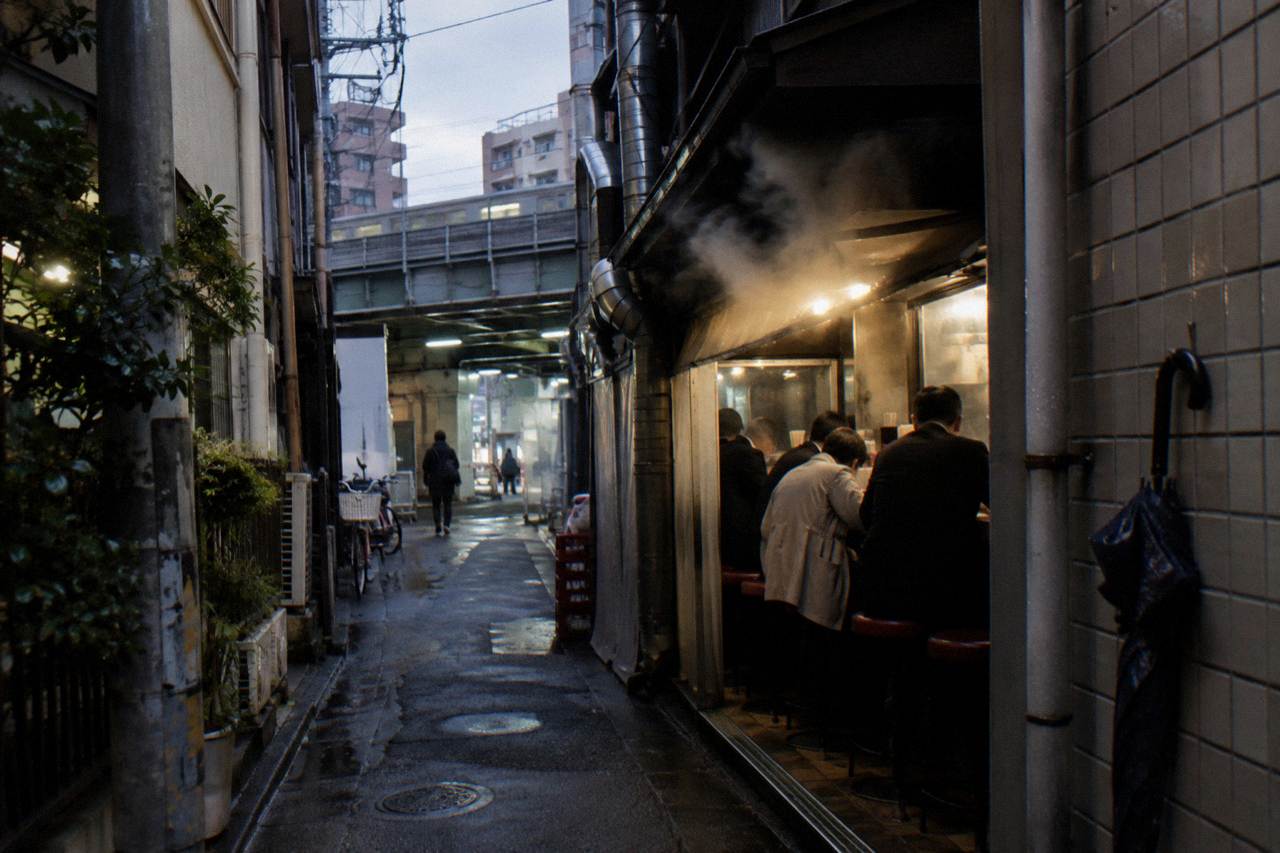
Shinjuku, Asakusa, Ueno and Shibuya offer the densest cheap eating in Tokyo: Shinjuku's Omoide Yokocho averages 2,000 to 3,000 yen per person for skewers and drinks, Asakusa's temple streets sell snack foods by the piece, and Ueno's Ameyoko market strips price by competition rather than tourist demand. Each district also anchors one of the affordable guided walks.
Omoide Yokocho, the post-war bar district near Shinjuku Station's West Exit, packs about 80 premises, roughly 60 of them bars and restaurants, mostly motsuyaki and yakitori counters, into about 2,000 square metres. It looks like the expensive tourist trap of legend and eats like neither: typical spend per person runs 2,000 to 3,000 yen for skewers and drinks, though some counters add an otoshi seating charge of 300 to 500 yen that includes a small starter, and some are cash-only. The neighborhood guide at where to eat in Shinjuku covers the fuller picture.
Asakusa works differently. Around Senso-ji and the Nakamise approach, snacks are sold by the unit: one skewer here, one filled bun there, so you can assemble a wandering lunch for the price of a sit-down bowl elsewhere. Ueno's Ameyoko market street runs on visible price competition between stalls, which keeps everyone honest. Shibuya splits the difference, with backstreets west of the scramble full of standing bars and cheap chain izakaya.
For planning a first visit around these districts, Tokyo Food Tour For First Timers breaks down which area suits which kind of traveler, and the broader Tokyo Street Food Tour guide goes deeper on snacking streets citywide.
| District | Cheap-eat character | Typical budget spend per person |
|---|---|---|
| Shinjuku (Omoide Yokocho) | Yakitori and motsuyaki counters | 2,000 to 3,000 yen, plus possible 300 to 500 yen otoshi |
| Asakusa | Snack stalls by the temple approach | Piece-by-piece, often under 1,500 yen |
| Ueno (Ameyoko) | Market stalls and standing eateries | Competitive market pricing |
| Shibuya | Standing bars, chain izakaya, backstreet counters | 1,000 to 3,000 yen |
When Is A Food Tour Cheaper Than Eating Alone?
A food tour is cheaper than eating alone whenever tastings are bundled: the Shibuya Walk with 13 dishes at 3 eateries costs from $84.21 per person, which spares you the guesswork of ordering thirteen separate dishes across three eateries on your own. Tours also convert unknown-shop risk, the biggest hidden cost of budget travel, into a known price. Once the tour ends and you're ordering on your own, the guide to where Americans should eat in Tokyo helps you pick neighborhoods and dishes that won't surprise your wallet or your stomach.
The arithmetic is straightforward but worth doing honestly. Thirteen dishes bought separately add up fast when casual yakitori skewers alone run 150 to 400 yen each, before any drinks and before the trial-and-error of walking into a dud. A guided walk at $84.21 that covers the dishes, the route and the ordering-in-Japanese problem is not a luxury purchase in that light; it is insurance against the cheap-eater's classic failure, which is spending real money on a bad meal because the good shop had no English menu. For $9, we put together The Tokyo Food List, which sorts 980+ restaurants by price range so a cheap night and a splurge are both easy to plan.
The cheapest end of the guided range works differently. The Budget Crawl, from $36.15 per person, does not include a meal: it is a guided route through Shinjuku's local bar scene, rated 4.9 across 2,911 reviews, roughly 3 hours, and it exists so you do not burn money on cover charges and unwelcoming doors. Golden Gai bars commonly charge a cover of 500 to 1,500 yen per person, and the Budget Crawl, Check availability on the booking page, routes you past the doors where that money buys nothing.
The Shibuya Bar Hop from $38.87 per person, rated 5.0 across 1,107 reviews over about 3 hours 30 minutes, sits in the same category: no full meal, but an evening of guided bar-hopping through Shibuya's izakaya scene.
How Do You Eat Cheap At Tsukiji Outer Market?
Eat at Tsukiji the local way: let the professional buyers keep their early-morning priority, eat inside the eatery or directly in front of the store rather than while walking, and expect piece-by-piece pricing since no street-food price is fixed market-wide. Opening hours and closing days vary shop by shop, so check the official market calendar before you go. The etiquette rules protect the shops' working day, and following them costs nothing.
The market's own guidance shapes the budget visit more than any price list can. Professional buyers have priority until 9:00 a.m. Beyond that, opening hours are set shop by shop and closing days vary in the same way, with the market calendar following the Tokyo Central Wholesale Market closure schedule while individual stores keep their own. The single most money-saving tip for Tsukiji is checking the official market calendar before you travel, because a shuttered market is the most expensive cheap-eat of all.
Budget eating here means standing sushi from around 90 to 500 yen per piece near the market, and tamagoyaki and seafood snacks bought at the counter and eaten on the spot, per the market's rule that eating happens inside the eatery or in front of the store. There is no bargaining; the official shopping guidance says items are sold at carefully set prices. The Plat Tsukiji information centre stores strollers for 500 yen, and it is where guides must check in before leading a tour. Opening hours and closing days vary shop by shop, so check ahead before you go.
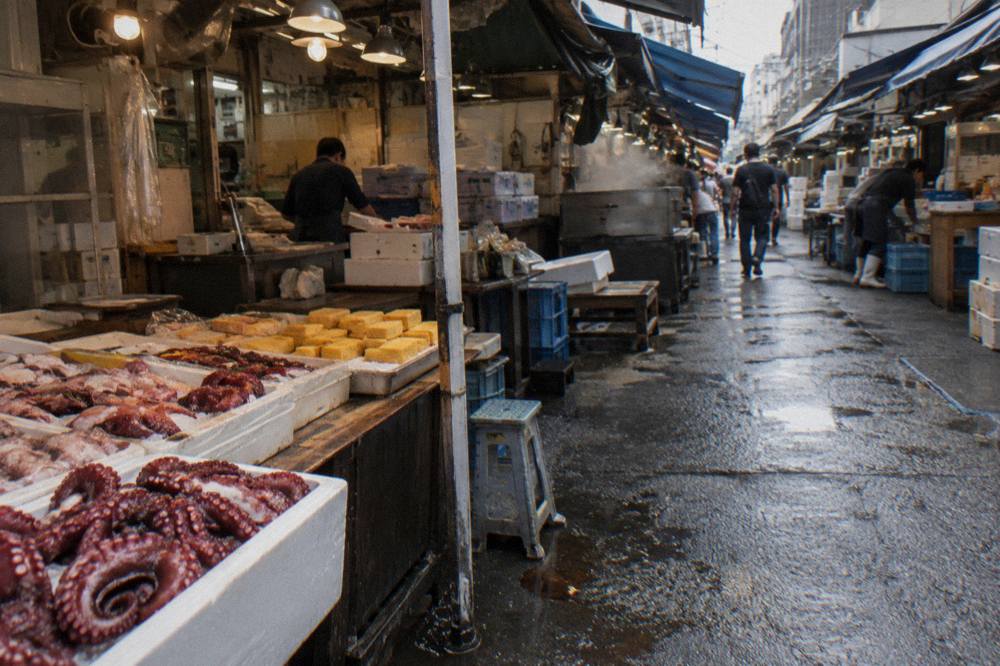
If you want the market decoded for you, the Tsukiji Market walk with 5 tastings, about 3 hours and rated 4.9 across 3,868 reviews, runs from $97.17 per person and its tasting spread is laid out in Tsukiji Outer Market Food Tour.
| Tsukiji budget line | What to expect |
|---|---|
| Standing sushi nigiri | Around 90 to 500 yen per piece |
| Best visitor window | Hours and closing days vary shop by shop, so check ahead before you go |
| Common closure days | Sundays, national holidays, selected Wednesdays |
| Stroller storage at Plat Tsukiji | 500 yen |
| Bargaining | Not customary, per the official shopping guide |
How Does Takeaway Tax Save You Money?
Takeaway food in Tokyo is taxed at 8% while dining in is taxed at 10%, a 2-point difference the National Tax Agency applies to food and drink excluding alcohol. From 1 April 2027 to 31 March 2029 the rate on food and drink sales is due to be lowered, per the agency's announcement, though no new figure should be assumed.
This is a small, real saving that compounds over a budget week, and it nudges you toward a genuinely Tokyo habit, the park bench or station platform lunch, which is how plenty of locals actually eat. The split is confirmed by the National Tax Agency's English guidance: the reduced 8% rate covers food and drink excluding alcohol and dining out, while eating out and catering sit at the standard 10%.
Two related money notes from the same official sources. First, tipping is not common in Japan for bars, cafes, restaurants, taxis and hotels, per the Japan National Tourism Organization, so budget your bill to the yen shown and no more. Second, at many izakaya a per-person otoshi seating charge appears on the bill; it is not a tip and not a scam, it is the standard cover that buys you a small starter dish.
What Are The Cheapest Food Tours In Tokyo?
Some of the most affordable guided food options are the Budget Crawl from $36.15 per person, the Shibuya Bar Hop from $38.87 per person, the sushi class with unlimited sake from $44.93 per person, the 7 Eateries street food walk from $75 per group, and the Shinjuku 15-dish walk from $76.10 per person, each with its own rating and review pool from the booking pages.
Cheap on paper is not always cheap in practice, so read the basis. The 7 Eateries walk, rated 5.0 across 42 reviews at about 2 hours 30 minutes, is priced per group, which makes it the stand-out for two or three people eating together. The Budget Crawl and the Shibuya Bar Hop trade a low headline price for no included meal. The Shinjuku 15-dish walk at from $76.10 per person, rated 4.84 across 487 reviews, includes 15 dishes and 3 drinks, which is a full dinner by any measure.
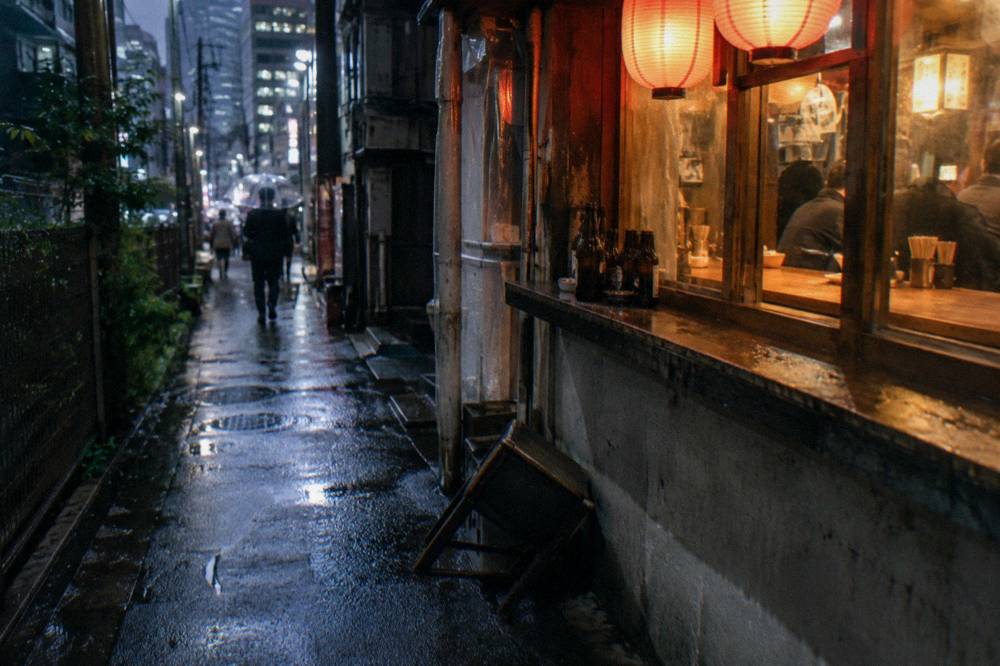
The Shibuya Bar Hop, rated 5.0 across 1,107 reviews over about 3 hours 30 minutes, deserves its own look if your budget night is really a drinking night rather than a dinner night.
| Tour | Price and basis | Rating and reviews | Duration |
|---|---|---|---|
| Budget Crawl, No Meal Included | From $36.15 per person | 4.9 across 2,911 reviews | ~3 hours |
| Award-Winning Shibuya Bar Hop | From $38.87 per person | 5.0 across 1,107 reviews | ~3 hours 30 minutes |
| Sushi Class, Unlimited Sake | From $44.93 per person | 4.94 across 206 reviews | ~1.5 hours |
| 7 Eateries, Shopping Streets Walk | From $75 per group | 5.0 across 42 reviews | ~2 hours 30 minutes |
| Shinjuku Walk, 15 Dishes 4 Eateries | From $76.10 per person | 4.84 across 487 reviews | ~3 hours |
The After 5 walk at from $72.47 per person, rated 4.5 across 775 reviews over about 3 hours 30 minutes, is another low-priced evening with a food and drink focus, and How Much Does A Tokyo Food Tour Cost puts the whole price ladder in one place.
Where Do Budget Eateries Hide The Extra Charges?
Budget Tokyo hides three recurring charges: izakaya otoshi seating charges of roughly 300 to 500 yen at Omoide Yokocho counters, Golden Gai bar covers of 500 to 1,500 yen per person, and the 10% dine-in tax against 8% takeaway, so a cheap-looking night can quietly add 1,000 yen or more before any food is ordered. Once those cover charges land, pacing your order matters even more, so the hara hachi bu method of portion planning at izakaya counters is worth a read before your first round of small plates.
The otoshi deserves a second mention because it surprises people. At many izakaya, a small unordered appetizer arrives unasked and appears on the bill as a per-person table charge; at Omoide Yokocho it typically runs 300 to 500 yen and includes a small starter, so it is not money for nothing, but it is money you did not plan. Ask at the door if unsure; a quick "otoshi arimasuka?" settles it. In Golden Gai, covers of 500 to 1,500 yen per person are common, often including a snack, and the posted sign at the door is where to look. Cash is still routine at Golden Gai bars, so do not assume cards work.
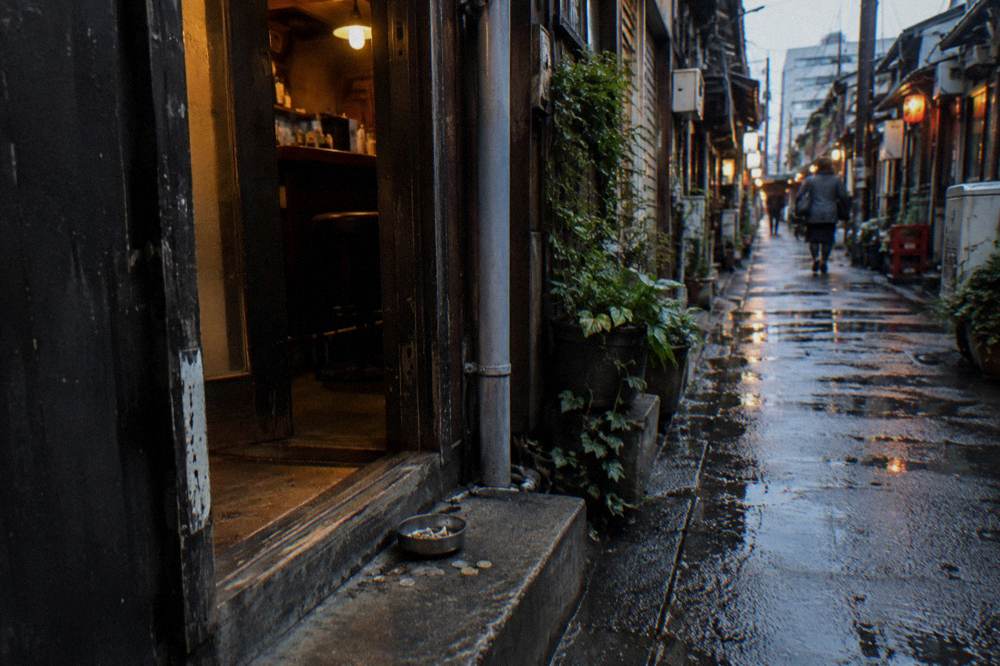
Payment and etiquette land on the budget in quieter ways. Cash remains widely accepted and often preferred at many independent restaurants and ramen shops, though card and cashless payments are increasingly common in mid-to-high-end and chain venues. Smoking indoors is restricted to designated rooms under the Tokyo ordinance in force since 2020, with signs required at every entrance, so the smoky cheap-bar stereotype is now mostly a designated-room affair. And chopstick manners cost nothing to get right: never stand chopsticks upright in rice or pass food pair to pair, both associations with funeral ritual. Once the table manners feel like second nature, the friendly Tokyo versus Osaka food capital debate is a fun way to plan where your next great meal comes from.
Can You Build A Whole Budget Day Around One Neighborhood?
Yes: a Shinjuku budget day runs naturally from a convenience-store breakfast under 400 yen, through a counter ramen lunch around 750 to 1,000 yen, to an Omoide Yokocho dinner at 2,000 to 3,000 yen, with the JR Yamanote Line and Tokyo Metro connections putting the whole district a short ride from anywhere central.
Shinjuku is the obvious anchor because it stacks every price tier in one walkable bundle. The Yamanote Line serves Shinjuku Station directly, Suica and PASMO cards work interchangeably across JR East and Tokyo Metro lines, and Tokyo Metro alone runs nine lines through the central areas, so transport cost is a few hundred yen per hop rather than a taxi fare. Inside the district, Omoide Yokocho counters mostly open from around 5 p.m. until midnight or later, hours varying by shop, and the lane itself is always walkable for scouting. Golden Gai bars typically open around 8 p.m., with individual closing times ranging between 2 a.m. and 5 a.m., so a budget night has a natural rhythm: skewers early, bars later, train home cheap.
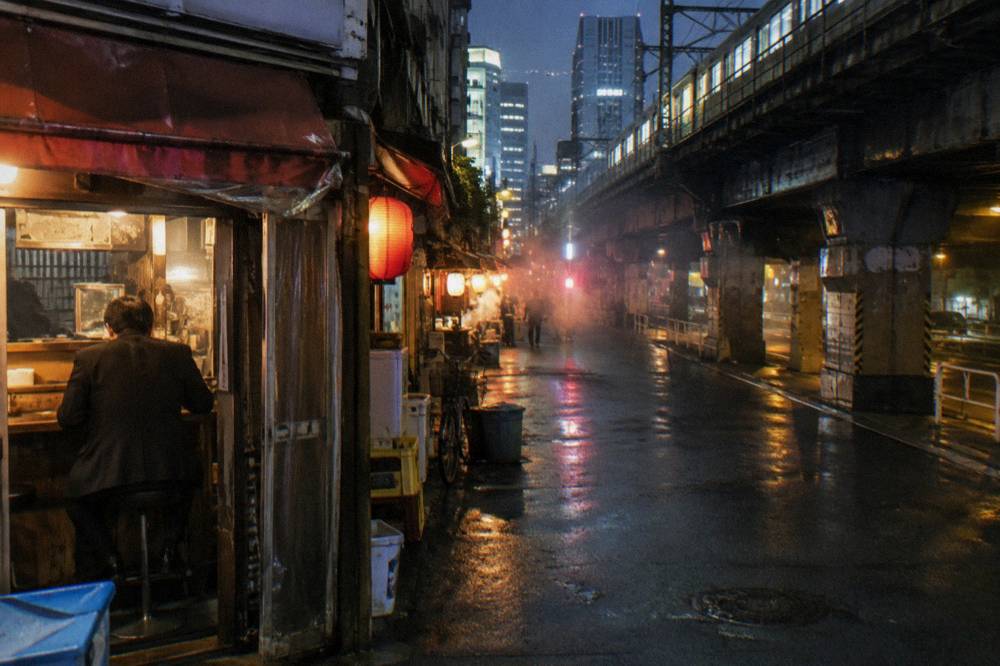
Guided options compress the same day. The Shinjuku Local Eateries Walk, about 3 hours and rated 4.9 across 10,498 reviews, is the most reviewed walk on this site and runs from $84.21 per person, and Shinjuku Food Tour details its stops. For eaters who want every tasting counted, the street food walk through seven shopping-street eateries delivers 10-plus tastings in about 2 hours 30 minutes.
| Budget day in Shinjuku | Typical cost |
|---|---|
| Breakfast, convenience-store onigiri and coffee | 145 to 376 yen for onigiri |
| Counter ramen lunch | 600 to 1,000 yen |
| Omoide Yokocho dinner with drinks | 2,000 to 3,000 yen |
| Possible otoshi charge | 300 to 500 yen |
| Train hops around central Tokyo | IC card fare per ride |
What Should Budget Eaters Skip In Tokyo?
Skip three things: sit-down meals in the most famous tourist lanes at peak hour, unescorted first visits to cover-charge bar districts where a wrong door costs 1,500 yen, and any assumption that the cheapest looking shop is a bargain, since Tsukiji has no fixed street-food prices and standing bars near the market sell nigiri from 90 yen where a sit-down shop nearby charges table service. For a shortcut to counter seats and late-night lanes that locals actually use, Anthony Bourdain's Tokyo eating spots and how to copy them today maps out the districts he made famous.
The first skip is about queue economics. The famous spots fill at noon and again at 7 p.m.; arriving shortly before the rush costs nothing and often saves both the wait and the pressure to order quickly. The second is about cover charges: a night spent guessing at Golden Gai doors can accumulate several covers at 500 to 1,500 yen each before you have had a single drink you chose. This is precisely the gap the low-price guided crawls exist to fill. The third is about research discipline: conveyor chains price plates from 110 to 150 yen with typical meals of 1,500 to 3,000 yen, while the standing sushi counter next door may undercut them piece for piece, and monjayaki at the Tsukishima association shops runs around 1,500 yen tax included, a fair benchmark against which to judge any "cheap set menu" you are offered.
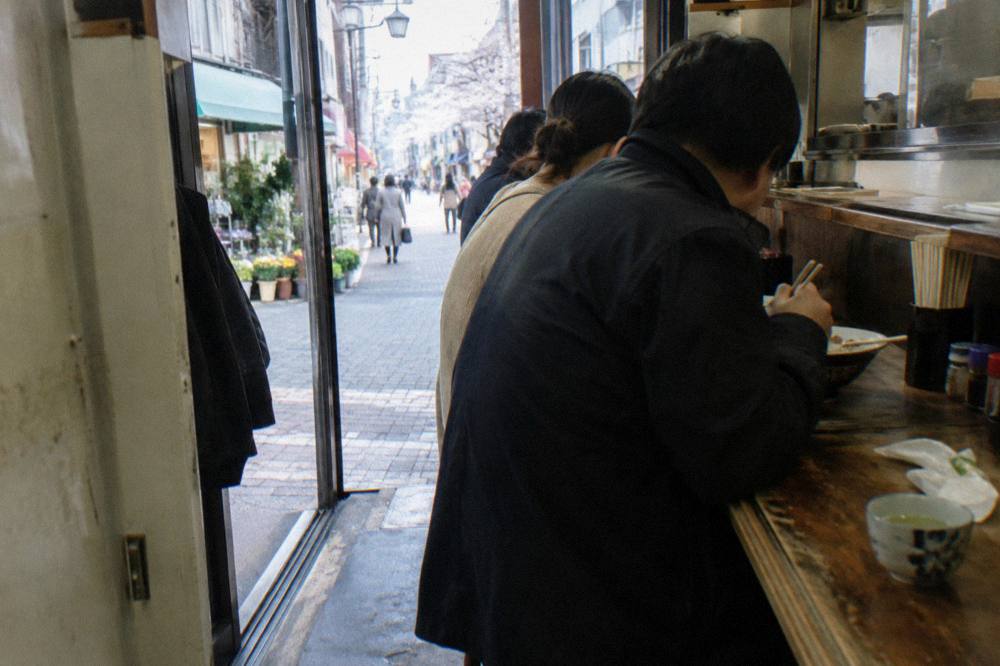
The After 5 walk, rated 4.5 across 775 reviews over about 3 hours 30 minutes, handles exactly this problem in the evening hours, pairing food and drink stops with a small group and a local route.
Allergies deserve one honest line here: the nine-item mandatory allergen list governs packaged food labelling, not restaurant promises, so a dietary restriction is a message to the operator before booking, not an assumption at the counter. That is true at every price point in this guide.
If the arithmetic above has you leaning toward a guided evening after all, budget-friendly picks run through this guide, and the cheapest starts at $36.15 per person.
Common Questions About Cheap Eats In Tokyo
What Does A Cheap Meal Cost In Tokyo?
A filling budget meal most often runs 600 to 1,500 yen: ramen averages 750 yen nationally, convenience-store onigiri run 145 to 376 yen, and a conveyor sushi meal totals 1,500 to 3,000 yen.
Is Street Food In Tokyo Cheap?
Yes. Yakitori skewers run 150 to 400 yen at casual counters, standing sushi nigiri near Tsukiji goes from around 90 yen per piece, and Asakusa snack stalls sell by the piece so a wandering lunch often stays under 1,500 yen.
What Is The Cheapest Food Tour In Tokyo?
The Budget Crawl in Shinjuku is the lowest priced guided option, from $36.15 per person, rated 4.9 across 2,911 reviews, with no meal included. The Shibuya Bar Hop follows at from $38.87 per person.
Is Takeaway Food Cheaper Than Eating In Tokyo?
Slightly, and officially so. Takeaway food carries the 8% reduced consumption tax rate while dining in carries the standard 10%, a difference set by the National Tax Agency for food and drink excluding alcohol.
Do You Tip In Tokyo Restaurants?
No. The Japan National Tourism Organization states tipping is not common for bars, cafes, restaurants, taxis and hotels. Any extra left may be returned as a mistake.
What Hidden Charges Should Budget Eaters Expect?
Izakaya otoshi seating charges of 300 to 500 yen, Golden Gai bar covers of 500 to 1,500 yen per person, and the 10% dine-in tax. All are disclosed at the door or on the bill, so asking before sitting avoids surprises.